Chris Reed
Co-Director of the Master of Landscape Architecture in Urban Design Degree Program
Professor in Practice of Landscape Architecture
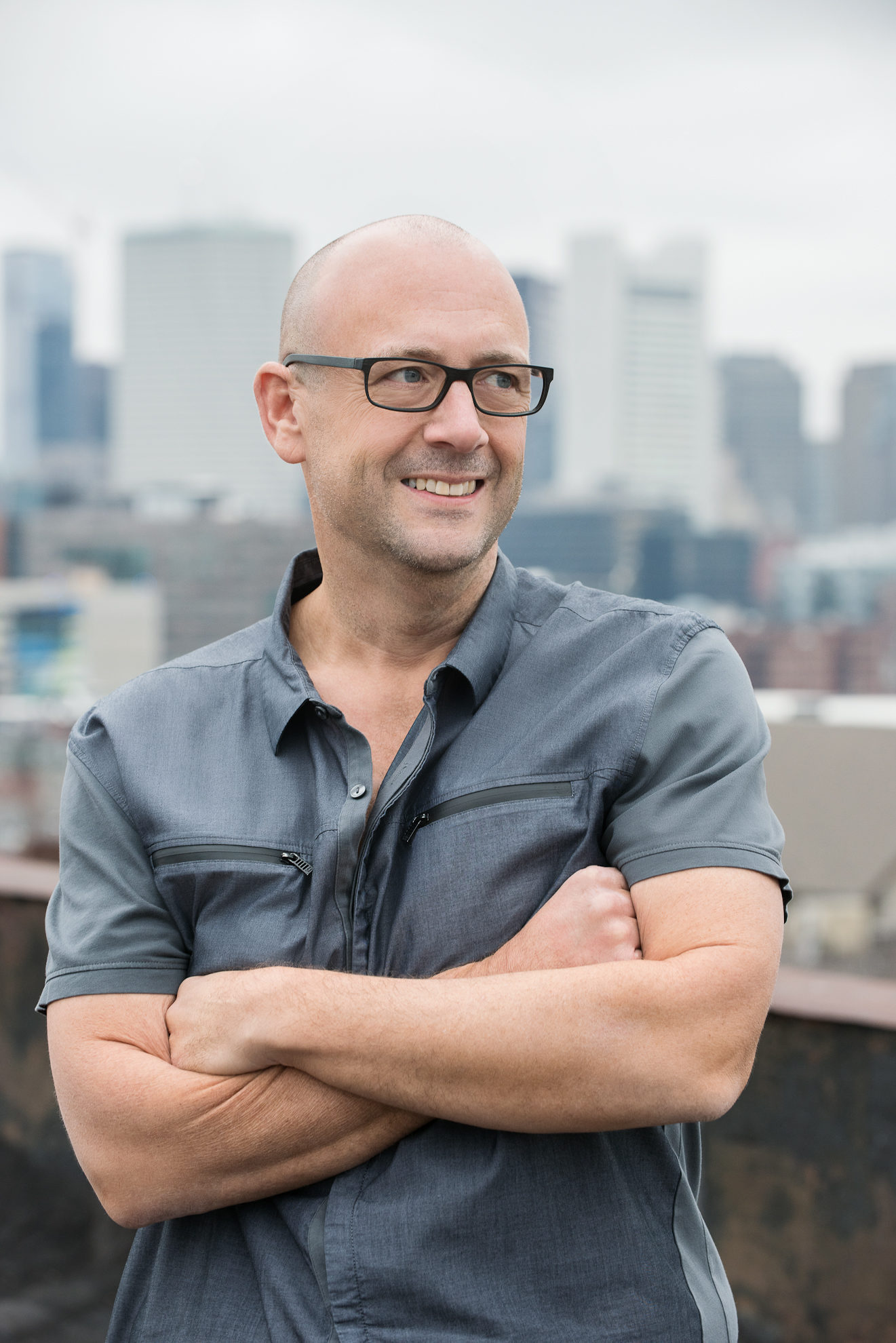
Chris Reed is Professor in Practice of Landscape Architecture and Co-Director of the Master of Landscape Architecture in Urban Design Program at the Harvard University Graduate School of Design. He is also Founding Director of Stoss Landscape Urbanism. He is recognized internationally as a leading voice in the transformation of landscapes and cities, and he works alternately as a researcher, strategist, teacher, designer, and advisor. Reed is particularly interested in the relationships between landscape and ecology, infrastructure, social spaces, and cities. His work collectively includes urban revitalization initiatives, climate resilience and adaptation efforts, speculative propositions, adaptations of infrastructure and former industrial sites, dynamic and productive landscapes, vibrant public spaces that cultivate a diversity of social uses and cultural traditions, and numerous landscape installations. His work can be found in cities as diverse as Boston, Los Angeles, St. Louis, Dallas, Detroit, Galveston, Abu Dhabi, and Dongshan, China. His work through Stoss has been recognized with the Cooper-Hewitt National Design Award for Landscape Architecture; the Topos International Landscape Award; and various other practice- and project-based awards from Progressive Architecture, the American Society of Landscape Architects, Azure’s AZ Awards, World Landscape Architecture, the Architectural League of New York, the Waterfront Center, EDRA / Places, and the Boston Society of Architects.
Reed is the co-editor of Projective Ecologies with ecologist and planner Nina-Marie Lister, and author of the upcoming book WORK-LIFE with photographer Mike Belleme, a study on the lives and afterlives of urban landscapes.. He is a recipient of the 2012 Cooper-Hewitt National Design Award in Landscape Architecture, a Fellow of the American Society of Landscape Architects, and the 2017 Mercedes T. Bass Landscape Architect in Residence at the American Academy in Rome. Reed is a member of Van Alen Institute’s Climate Council, a platform for exchange among leading professionals to investigate and collaboratively address critical climate-related issues. Reed received a Master in Landscape Architecture from the University of Pennsylvania and an AB in Urban Studies from Harvard College.
Courses
Publications
-
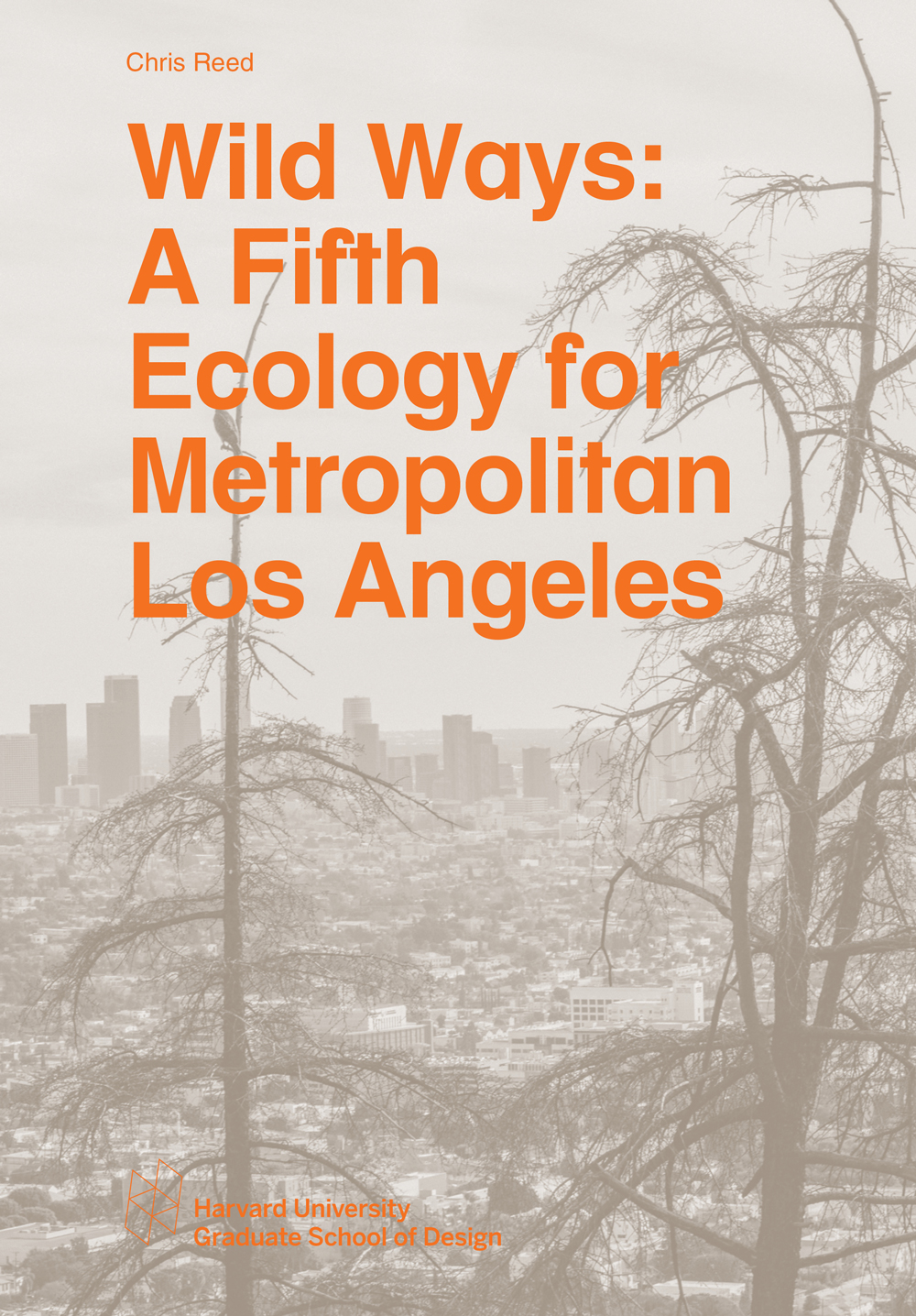
Wild Ways: A Fifth Ecology for Metropolitan Los Angeles
Chris Reed, Instructor
August 2022
-
Retooling Metropolis: Working Landscapes, Emergent Urbanism
Chris Reed, Instructor
September 2017
-
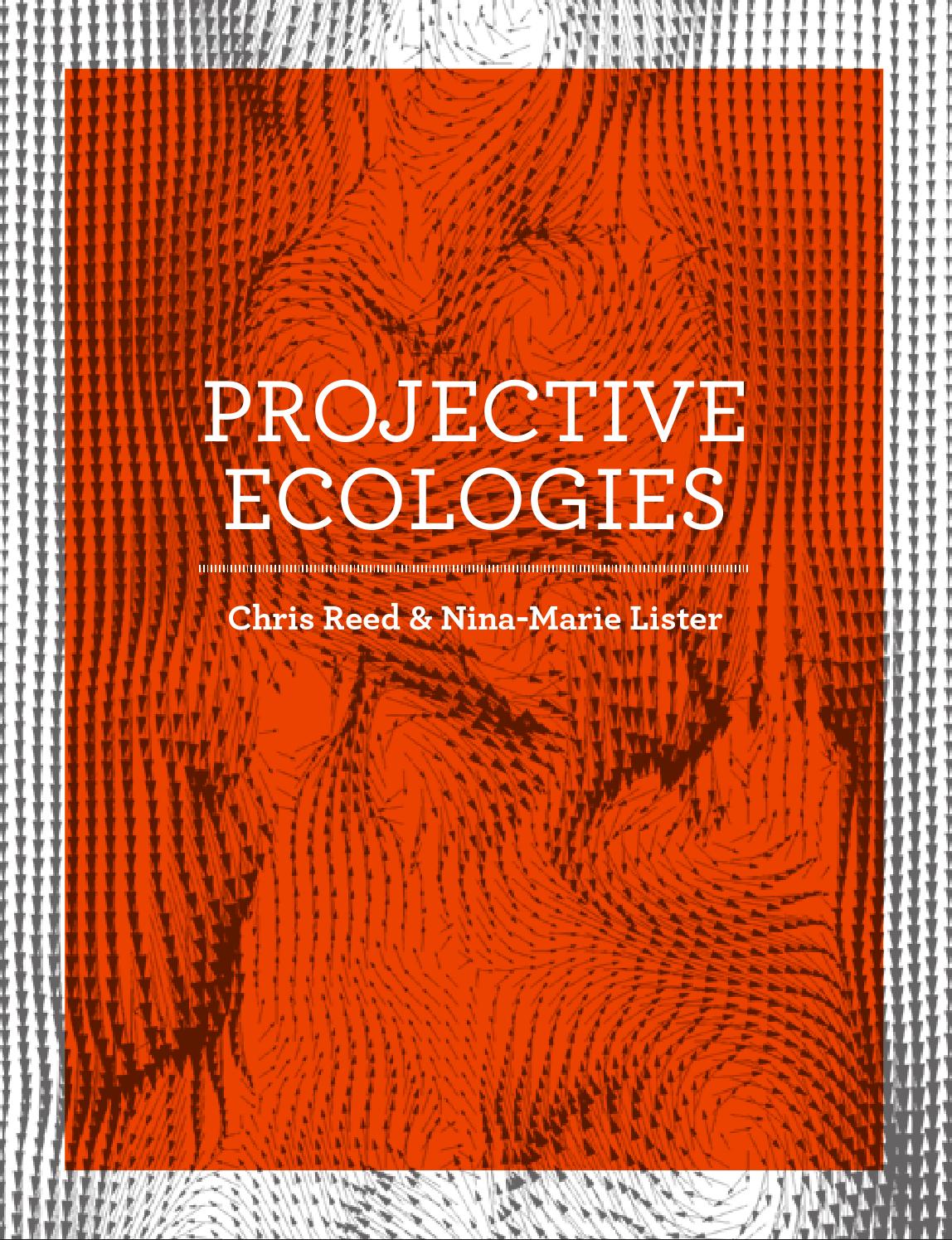
Projective Ecologies
Edited by Chris Reed and Nina-Marie Lister
May 2014
News
Projects
-
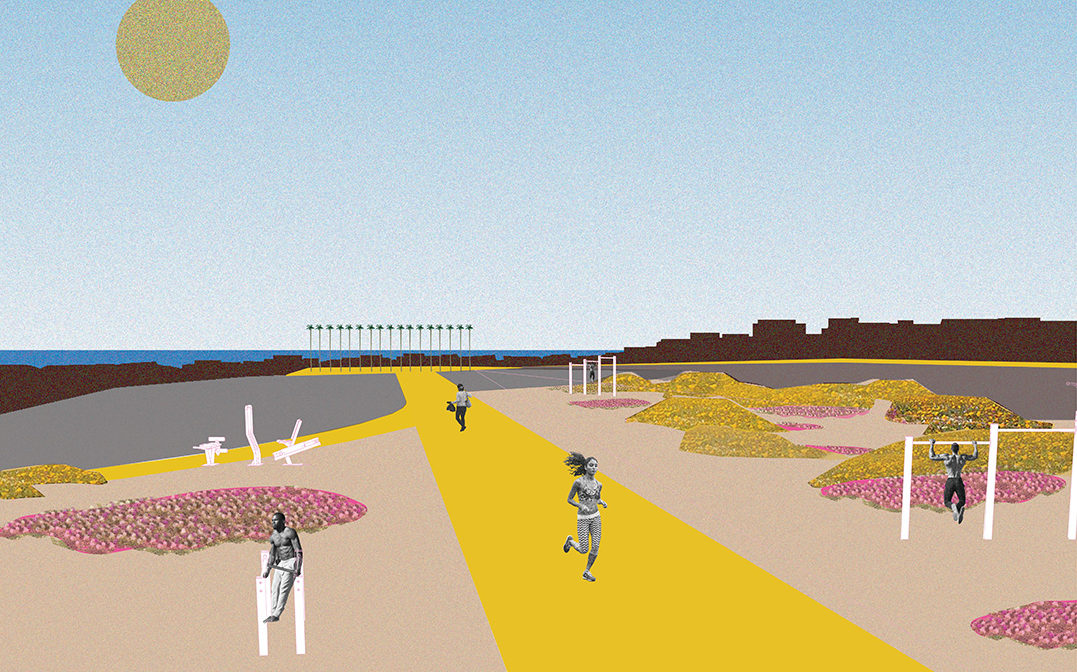
Freakish Grounds: An Urban Botanical Collection for a Hotter LA
Chris Reed, Instructor
Spring 2020
-
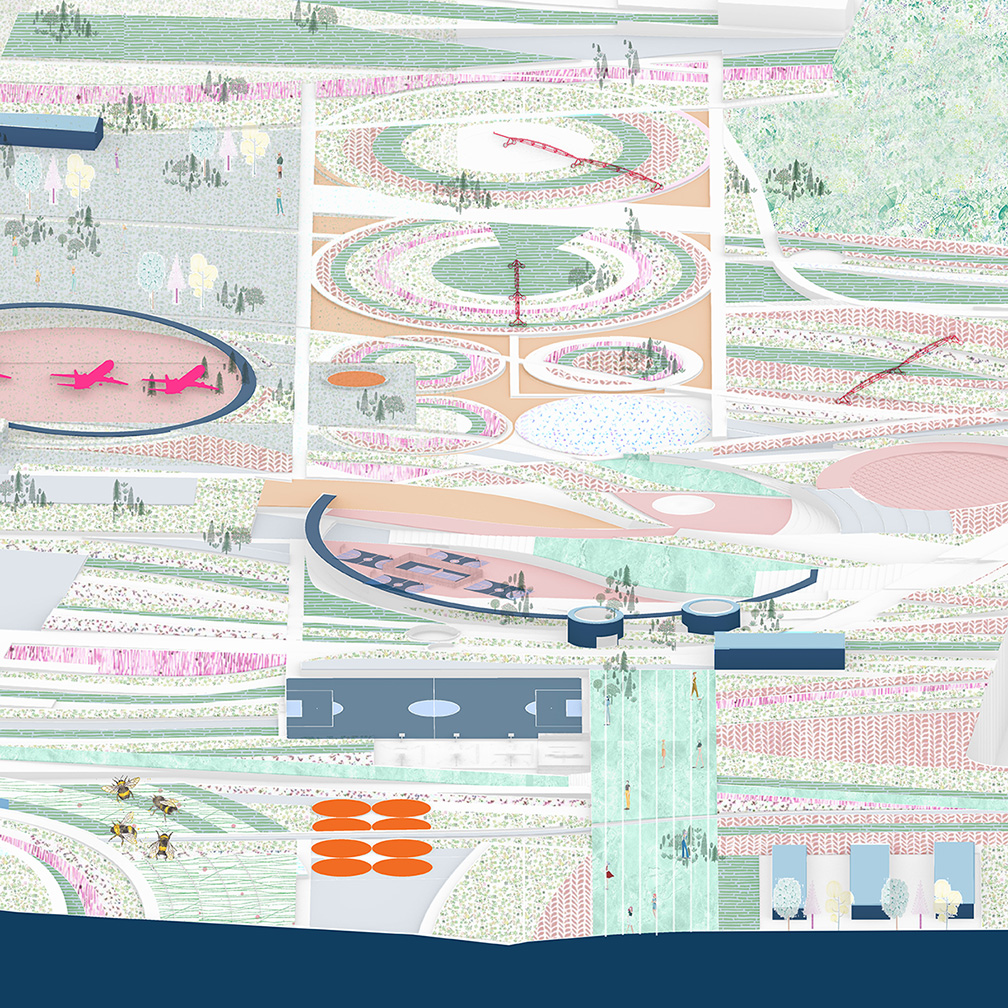
FOOD PARK
Chris Reed, Instructor
Spring 2020
Exhibitions
-

Multiple Miamis
Sean Canty and Chris Reed, Curators
APR 1 – MAY 17, 2019