Sensible Concrete with Optical Fiber: Application with Light, Force and Data Transmissions
Sensible Concrete with Optical Fiber: Application with Light, Force and Data Transmissions

Yuan Gao (MArch I ’17)
Concrete is traditionally treated as a material primarily for load-bearing purposes. But can it fulfill other roles too? The fluid nature of concrete mix opens up opportunities for material mixtures that would render multiple functions. This thesis explores one combination in particular—optical fiber embedded concrete, in order to develop a new type of structural material with optical advantages. As there have already been several efforts in Europe to industrialize optical fiber concrete (often commercialized as transparent concrete in marketplace), it is not the focus of this thesis to examine potential methods of mass production. Rather, this thesis tries to realize the great potentials of this material through architectural applications: light-redirecting/imaging, load-bearing, and data transmitting.

Let us imagine a piece of architecture made from optical fiber concrete. It can be a daylight diffuser during the day, a projection screen at night, and a structure sensor that monitors internal strain—all achieved without compromising its structural soundness. As such, concrete has become a sensible material that can multi-task. Its future is to be redefined.
A Fair, A Fare, Affair for Architecture: Curating Architecture and Other Oxymora
A Fair, A Fare, Affair for Architecture: Curating Architecture and Other Oxymora
Daniela Leon (MArch I ’17)
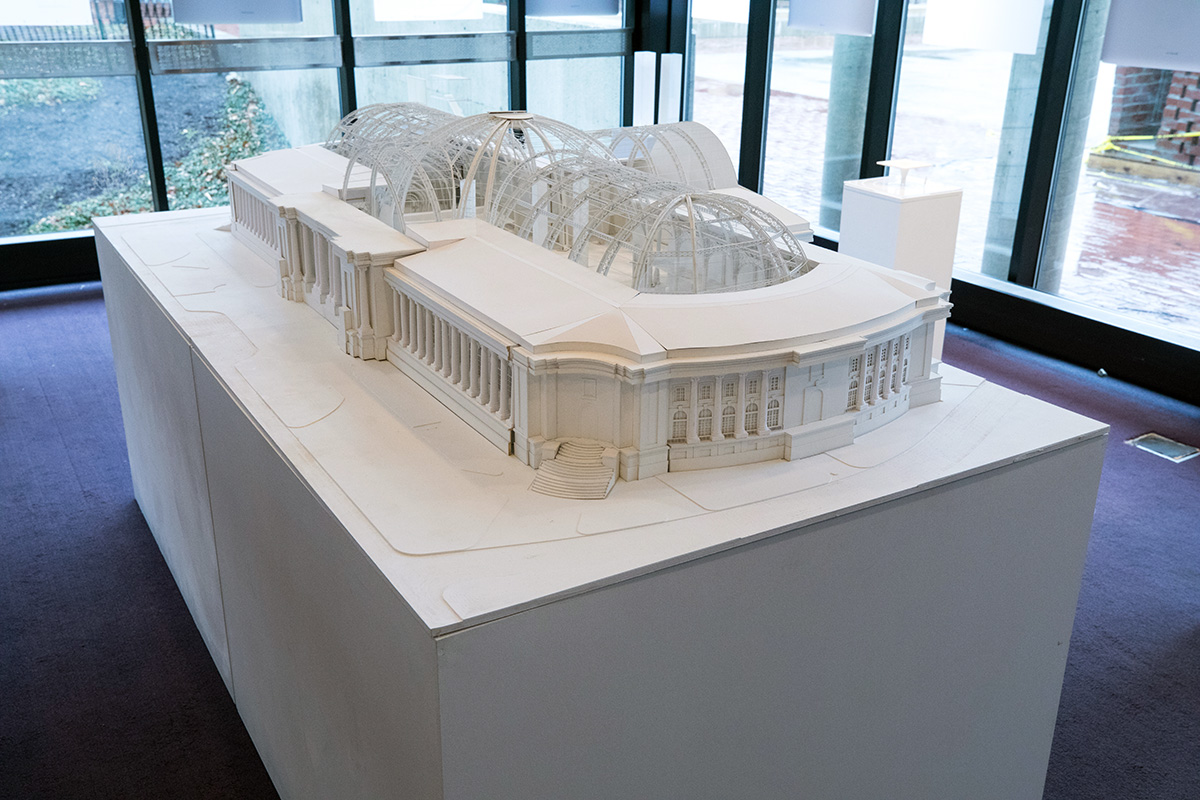
This thesis is framed within the paradox of curating architecture. Curating architecture calls attention to the multi-viewer, the architect and larger public, in parallel to the object of inquiry: architecture. The thesis presents itself as A Fair for Architecture. Not a gallery, a collection of objects in space; not a museum, a historical record or past account; not a biennial, a speculative or projective future; but a fair as itself. A fair, in art, functions at the point of the present. It displays what is, not what was, or what could be. A Fair for Architecture does the same. The typology of the fair is used as a tool for self reflective production and thought of the discipline as it communicates with both architecture and a larger public. As architects we never make buildings, only representations of buildings. We represent architecture to different constituencies: clients, builders, contractors, communities, as well as represent architecture back to the discipline itself.
The fair: A Fair, A Fare, Affair for Architecture is a set of seven exhibits. The curatorial brief, made of up fourteen documents, sets the parameters for the exhibitor to work within and create architecture oxymora. Where architecture takes on the definition of an oxymoron. Architecture that has two different qualities at once. The oxymoron no longer becomes impossible but becomes a tool for architecture.
Energy in Nepal: How has the fuel shortage changed the way people access and use energy?
Energy in Nepal: How has the fuel shortage changed the way people access and use energy?
Justin W. Henceroth (MDes ’17) and Ashley C. Thompson (MDes ’17)
Nepal is struggling to procure and maintain a steady and sufficient supply of energy.
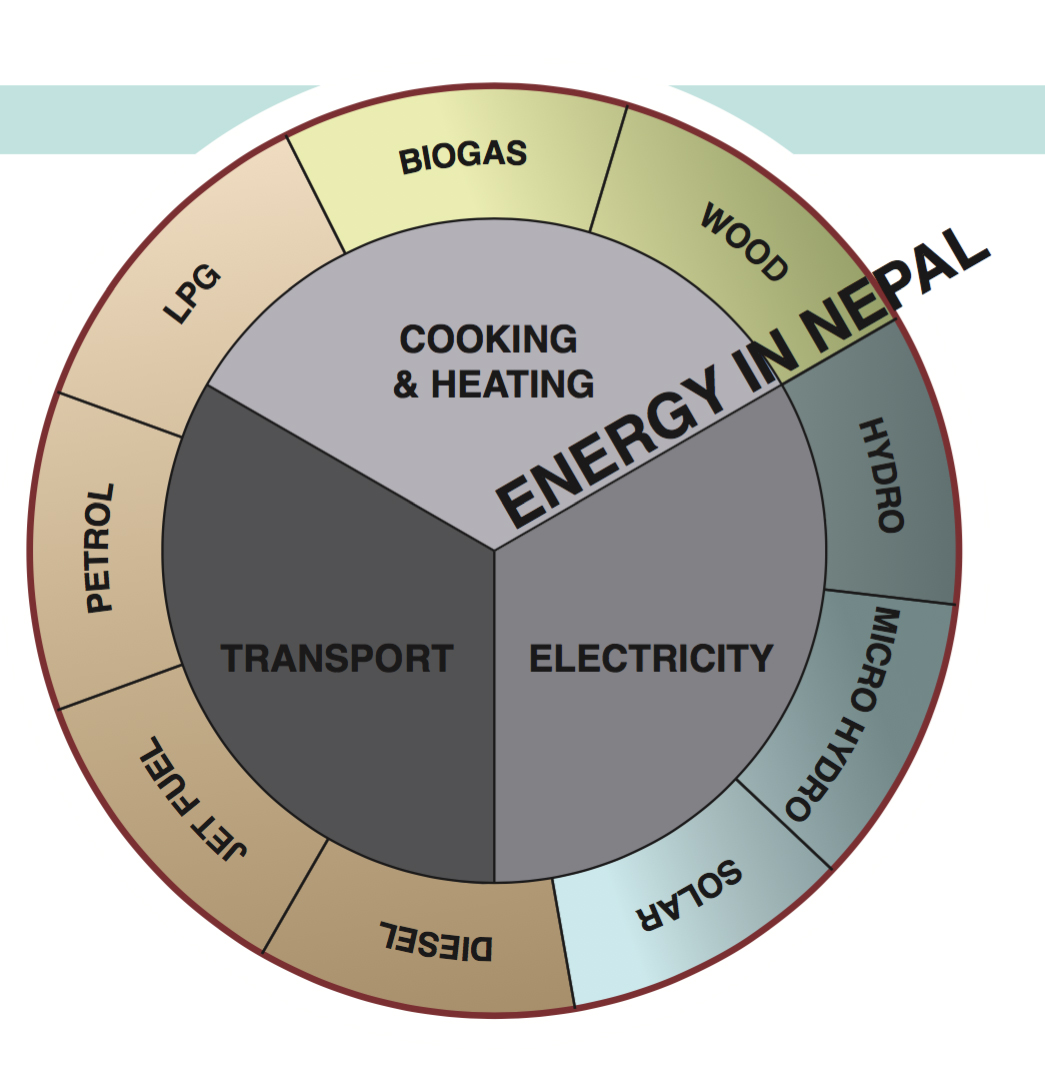
In response to the new constitution signed on 20 September 2015, an undeclared border blockade has created an energy shortage throughout the country. Activities reliant on fuels such as cooking, heating, and transportation have been severely curtailed, forcing people to shift fundamental energy needs, both personal and professional, to rely on secondary energy sources such as the national power grid. Since onset of the unof cial blockade, demand on the national grid has doubled, severely straining the existing system and its limited capacity. Dominated by run-of-river hydropower, Nepal’s electricity production is af- fected by seasonal ows. Load shedding is typical in the winter; however, the overwhelm- ing increase in demand has extended blackouts up to 18 hours a day. The fuel shortage is highlighting the fragility of Nepal’s energy sector.
With response and recovery from the Spring 2015 earthquakes ongoing, the blockade and collateral energy shortage comes at a crucial time. Many people throughout the country remain in temporary shelters and are at particular risk in the cold winter season. The energy shortage additionally threatens reconstruction efforts, for example by inhibiting transportation of materials and staff, and further impacts the health and safety of people throughout Nepal.
As a sector that has been predominantly dependent on imports from India, the overall energy situation is also highly politically sensitive. Fuels that can only be procured inter- nationally supply much of the country’s energy, and domestic sources of energy have not been suf ciently developed to meet demand when those are not available. Even after the border blockade is resolved, the energy sector in Nepal will remain fragile, threatening recovery and development.
Alternatively, these challenges have highlighted a number of opportunities where Nepal might shift towards more sustainable and comprehensive development of the national energy sector. According to one government of cial, the fuel shortage has reprioritized resident’s estimation of self-sufficiency regarding access to energy. Urban residents now consider alternative sources of energy, such as solar systems, a “basic necessity” to ensure energy security. This powerful new perspective is creating opportunities for innovation in energy. Initiatives that integrate more sustainable forms of energy into earthquake recovery and long-term development will contribute to long-term resilience for individuals and the nation.