Ron Witte appointed Professor in Residence of Architecture

Ron Witte appointed Professor in Residence of Architecture

Date
July 15, 2020
Author
Travis Dagenais

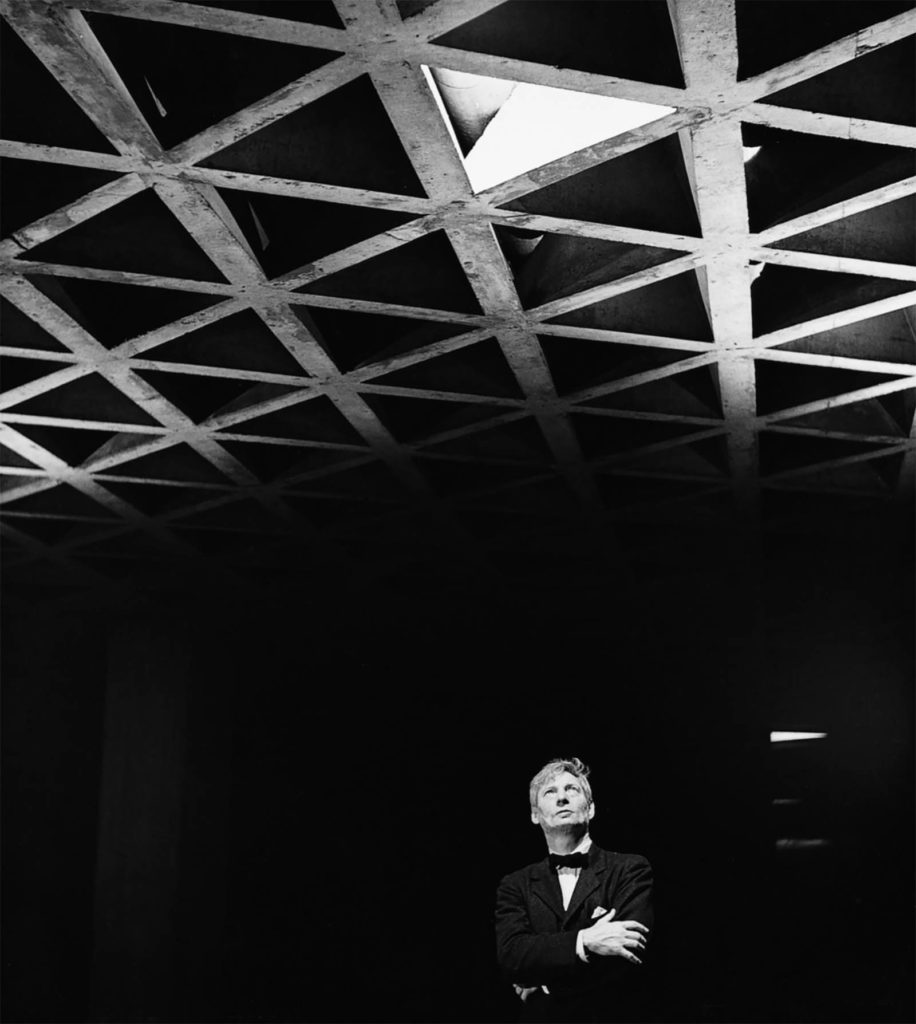
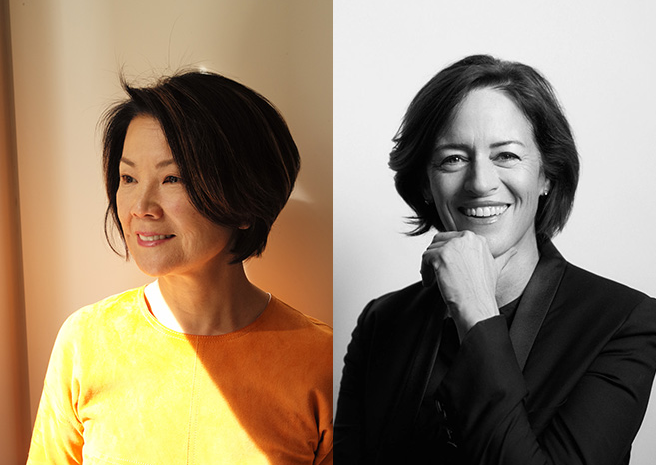
Ron Witte has been appointed as Professor in Residence of Architecture at the Harvard Graduate School of Design (GSD) effective July 1, 2020. Witte served as Visiting Professor in the Department of Architecture this past academic year, and prior to that was Professor of Architecture and Baker Institute Scholar at Rice University. He has also held previous faculty appointments at Princeton University, the University of Kentucky, the Illinois Institute of Technology, and the University of Florida. Witte received his Bachelor of Architecture from California Polytechnic State University, San Luis Obispo, and his Master of Architecture from Princeton University.

Witte is no stranger to the GSD, having taught here for some years before taking on an appointment at Princeton. He has taught studio and seminar courses throughout his pedagogical career, in addition to redesigning the core curriculum at Rice. Likewise, in his new role at the GSD, Witte will help shape the Master in Architecture programs’ core-studio curriculum in response to a rapidly changing world. His approach to pedagogy holds that design and reflective writing are inextricably linked, and should represent two embodiments of a singular intellectual passion.

Witte is widely known for his contributions to the practice and theory of architecture, and for his dedication to teaching that has involved numerous innovations in architectural pedagogy. A co-founder of WW Architecture, alongside Dean Sarah M. Whiting, Witte holds primary responsibility for the practice, developed and integrated with a sophisticated theoretical base since its founding in 1999. WW’s work coheres under the concept of the architectural “figure”: an organizational and spatial instrument that balances specificity and open-endedness of spaces and programs. WW’s reflective practice model focuses on designing one project at a time, centering around the core values of architecture: plan, figure, and façade, both in buildings as well at the urban scale. The result has been highly original designs that have become recognized benchmarks, with work that has ranged across types from residential to institutional, and across scales from a single-family house to airfield-scale infrastructure.

Internationally recognized for its originality and accessibility, Witte’s work has been exhibited at the Roca Gallery in London, the Museum of Modern Art in New York, the Art Institute in Chicago, the San Francisco Museum of Modern Art, the National Building Museum, Harvard University, UCLA, the Rhode Island School of Design, the Graham Foundation, the International Center for Reflection on the Future in France, the Guggenheim Museum in New York, and the AIA Gallery in Houston.

In addition to the creativity and energy of his practice, Witte has written and published extensively for a variety of international audiences, in periodicals as notable and diverse as Assemblage, SeeSaw, Fresh Meat, Log, the Washington Post, Archplus, Scroope, Harvard Design Magazine , Architecture magazine, Dialogue, Architectural Design Profiles, and Polygraph. The drawings for WW’s “X House” were acquired by the architecture collection of the San Francisco Museum of Modern Art. Witte has edited several books including CASE: Toyo Ito: Sendai Mediatheque; Counting; and Judgment, and his essays have been included in influential overview collections. His writing serves both as a reflection of earlier work as well as a platform from which new work and ideas are being launched.

Witte’s public roles have included service on the Board of the Houston Arts Alliance and on the Houston Independent School District Task Force for School Design, and his work has been acclaimed in international competitions for public buildings and garnered a range of awards.

Prior to WW, Witte’s professional experience includes working with the Office for Metropolitan Architecture in Rotterdam; Jacques Couëlle in Paris, France; and Reid & Tarics in San Francisco. Witte is a registered architect in Massachusetts, California, and Texas. He holds National Council of Architectural Review Boards certification, and is a member of the American Institute of Architects.

Witte received his Bachelor of Architecture from California Polytechnic State University, San Luis Obispo, and his Master of Architecture from Princeton University.

The Nexus Podcast

The Nexus Podcast

Date
July 14, 2020
Story
Jessica Lynne

As countless industries and sectors reckon with the aims articulated by the Movement for Black Lives and other aligned groups, the African American Design Nexus is on a mission to elevate the work and roles of Black designers. Founded in the wake of the GSD’s first Black in Design Conference in 2015, the Design Nexus is a collaboration between the school’s African American Student Union and the Frances Loeb Library. It’s a preeminent resource for those interested in the intersection of Blackness and design practices throughout the built environment as well as those represented in “public art, fashion, music, movies and other media.”  

Nexus Podcastnlogo

Now, its mission will be further animated by a new podcast featuring Black scholars, writers, designers, and educators. As hosts of The Nexus , GSD students Tara Oluwafemi and Caleb Negash aim to ensure that the podcast records and preserves the legacy of Black designers working today, and they plan to push the understandings of the boundaries of design in the most expansive ways possible. They anticipate that The Nexus will introduce listeners to designers who represent exciting interventions within the field, but who may not be household names yet. For Oluwafemi, for example, dream guests include Nigerian designer Mowalola Ogunlesi and acclaimed artists Toyin Ojih Odutola and Jacolby Satterwhite.   

photo of Aisha Densmore-Bey
The Nexus: Aisha Densmore-Bey

The Nexus’s inaugural episode features Boston-based architect, filmmaker, illustrator, and children’s book author Aisha Densmore-Bey . It is a conversation that ranges from what it means to be a polymath, to Densmore-Bey’s personal influences, to her relationship to art, joy, and beauty. The mood of this dialogue—an intimate, nuanced inquiry that critically traverses the geographies of design—is illustrative of what Oluwafemi and Negash seek to capture throughout the entire series. As the two continue to assemble a dynamic roster of interviewees, including Stephen Gray, De Nichols, and Bryan Lee Jr., they are looking forward to playing, experimenting, and sharpening their own skills as storytellers.  

Ultimately, The Nexus will add to the broader intellectual ecology that is the African American Design Nexus and will contribute to the Loeb’s ongoing open access bibliography that makes available key texts related to the intersection of race and design.This effort of documentation, historicization, and preservation, as Oluwafemi and Negash explain to me, will be strengthened by the voices they plan to amplify and celebrate. 

Summer Scholarship at the GSD

Summer Scholarship at the GSD

Date
July 1, 2020
Story
Travis Dagenais
Existing Section and Proposed Interventions for an Agricultural Campus for La Carboncella

Existing Section and Proposed Interventions for an Agricultural Campus for La Carboncella, by Nicolás Delgado Alcega (MArch ’20)

The GSD introduces new summer opportunities and recharges long-standing ones, aiming to foster a productive summer despite pandemic-induced complications.

Cooperative farm organizations for BIPOC communities. Pandemic-proofed parks, offices, sidewalks, and restrooms. New strategies to ensure accuracy of census and GIS data in African cities.

While varied, these topics are united by design’s potential to intervene in precise ways, as well as by a fresh urgency given the consequences of the COVID-19 pandemic. They are among the 227 investigations that students and recent graduates will pursue this summer as the GSD introduces new avenues for academic and professional enrichment, and continues to consider the direction and process of design research in an altered global environment. 

Amid office closures and precipitous unemployment levels, traditional summer work and learning opportunities have evaporated—especially for students and recent graduates. This dynamic introduces a double-headed challenge: how might students continue to advance their ideas while also gaining professional experience?

“Students have always used summer months to expand on what they’ve learned, by working in offices, partnering with peers on design competitions, traveling to see projects in situ, or advancing research,” says Sarah M. Whiting, Dean and Josep Lluís Sert Professor of Architecture. “The pandemic has eliminated many of these valuable opportunities, so we felt that it was critical to support our students, including those graduating into this difficult moment.” 

At the heart of the GSD’s effort is the new Student Emergency Fund (SEF), launched on March 10, which provides summer research grants for GSD students and 2020 graduates, and ameliorates some of the logistical and practical complications stemming from travel restrictions. SEF’s research grants offer latitude and elasticity for students: there are no grades or credits to be pursued, no formal supervision required—though each recipient will offer a written summary of their research at its conclusion. In order to assist students in advancing their individual research, the Office of the Dean bolstered the research funds raised via SEF efforts with a matching donation.

Amid office closures and precipitous unemployment levels, traditional summer work and learning opportunities have evaporated—especially for students and recent graduates. This dynamic introduces a double-headed challenge: how might students continue to advance their ideas while also gaining professional experience?

“This was an opportunity, as a GSD family, to wrap our arms around our current students and take a specific action in the unprecedented moment of a global pandemic,” says Peggy Burns, Associate Dean for Development and Alumni Relations. “SEF highlights that the GSD is very much a community: alumni taking action to help support students, with our own faculty among those alumni who have so generously offered various forms of support.” The school’s community of alumni and friends has contributed directly to the SEF while also responding with enthusiasm to requests for increased internship opportunities for GSD students.

The GSD is also reshaping traditional summer offerings in order to pave new pathways toward students’ professional enrichment. Irving Innovation Fellows, selected annually, will collaborate with the GSD’s Innovation Task Force over the summer in order to conceptualize a digital learning environment more nuanced than the one generated this past spring. The school is also providing additional funding to enable teaching assistants to begin their Fall 2020 work during the summer, so they can provide support for courses pivoting to remote teaching and learning in the fall. And it is encouraging faculty to continue hiring students for summer research and design work.

The 227 students and recent graduates who will pursue research this summer are covering a range of topics and perspectives, many of which have been influenced by the ongoing COVID-19 pandemic. A snapshot of some of these projects and their early-stage germination reveals what GSD students have been pondering over the past few months, how they hope to make use of this unconventional summer, and why they consider their research essential given today’s conditions.

The future of co-working spaces

For years, Francisco Brown (MDes CC ’20) has been studying the real-estate models behind co-working spaces, as well as the broader implications of the so-called sharing economy. As more and more businesses shifted to remote-work arrangements this spring, Brown’s question suddenly transformed: instead of “How do co-working spaces work?,” he was asking, “Will they work at all?” And, if they can’t: What happens to all of that real estate?

“Even though co-working has evolved in a variety of operational and business models, co-working is, in principle, about the community, and its host spaces are about collaboration and proximity,” Brown observes. “The current conditions beg the questions: How can a business model that revolves around renting dense shared-office space stay afloat with social distancing rules and in the advent of what may be the worst economic crisis in a century? How can design research explore new ways to reuse, adapt, and speculate about these spaces in the face of the most significant cultural and economic shift in our times?”

To address these questions, Brown will work alongside research advisor Jacob Reidel, Assistant Professor in Practice of Architecture and a senior director at co-working start-up WeWork. Brown aims to first collect relevant news and data around regulations, analysis, and ideas on design responses to social distancing rules. He then plans to interview academics, co-working-space managers and designers, and organizational scientists to discuss the opportunities and challenges that co-working spaces are facing. Ultimately, he will consider design adaptation and typological hybridization for the millions of unused square footage of space that co-working chains currently hold.

Adapting Hawaii’s comfort stations in the face of COVID-19

Like offices, public restrooms are a cornerstone of urban and civic space, and they, too, have been stress-tested by the COVID pandemic. Kaoru Lovett (MArch ’20) had been researching Hawaii’s so-called comfort stations as a design expression of utilitarianism, one upon which architectural identities have been constructed. The comfort stations, which were conceived during the postwar boom years of the 1950s and 1960s, offered local designers an opportunity to bring regional materials and era-specific aesthetics into what would otherwise be generic, utilitarian public bathrooms. 

Photo of Waialae Beach Park comfort station

Waialae Beach Park comfort station. Photo by Kaoru Lovett

“The public comfort stations of Hawaii are an interesting precedent, as the scale and timeline of the public project was immense, nearly 200 pavilions over the span of 30 years,” Lovett says. “These pavilions were affiliated with a larger effort to shed light on the budding island destination, establishing some of the foundational work upon which the architectural identity of Hawaii is built.”

While Lovett had initially researched the relationship between the identity and the construction of comfort stations, now he’s wondering whether their inherent utilitarianism can satisfy today’s newly charged public-health concerns. Like Brown, Lovett has watched his original research interests reshape and gain dimension in light of COVID, though not fundamentally transform. This summer, he will examine—from afar—how to adapt Hawaii’s comfort stations to accommodate post-COVID standards of sanitation and social distancing. 

Drawing of Pupukea Beach Park comfort station, and the Liliuokalani Garden comfort station

Pupukea Beach Park comfort station, and the Liliuokalani Garden comfort station drawn up referencing construction documents provided by the Honolulu Department of Design and Construction.

“My earlier interest with these public facilities as architectural ‘image’ models has coincided with the attention brought on by recent events,” Lovett says. “This creates an opportunity to approach these pavilions with a particular interest: construction logic and building imagery as strategies for resolving issues of public health.” Given Hawaii’s current plans for phased reopening of public spaces, the attendant need for safely designed public restrooms is growing in urgency. 

Lovett anticipates that strategies revealed through his research process—whether they be methods of organization, construction, or technology—will find application in public restroom facilities more broadly. “My aspirations are that the specificity of this precedent will act as a platform to engaging in a larger discourse on public health and sanitation through our post–COVID-19 society,” he says.

Reimagining online space

For Emma Ogiemwanye (MUP ’20), a long-standing research interest in virtual presence has been supercharged in recent months. After a five-year stint at Google, Ogiemwanye arrived at the GSD aiming to explore how urban planning theory and practices might be applied to the Internet in order to help make digital spaces safer, more just, and more equitable. In other words, she wanted to consider how the skill sets of an urban planner, trained in analyzing complex issues of policy and governance and in addressing needs of communities, might be applied to the design of online spaces.

As part of her GSD thesis, Ogiemwanye created a taxonomy of strategies that some Instagram influencers invoke to subvert the normative performances featured on the platform. Her research centers on Black women influencers and explores the myriad ways they navigate and reimagine online space. She has taken particular interest in how these influencers have pulled digital levers to elevate joy, activism, and access to social capital and art through their content. 

Ogiemwanye observed that COVID has pushed much of cultural life online. And it has simultaneously revealed health disparities across race, especially as Black Americans are suffering and dying in disproportionately high numbers. In that complex tangle, Ogiemwanye saw the dual narrative so familiar to Black America, queer people of color, and other multiply oppressed communities: creativity and ingenuity emerge in the face of danger and pain.

“Inequalities in access to safety and well-being are now plainly seen and are finally being decried in our physical world. My work stands to point out how dominant online platforms perpetuate these same extractive logics to maximize profit,” Ogiemwanye says. “I hope this transformative moment will result in us reimagining many systems, from housing to healthcare.”

With the support of faculty advisor Lily Song, Ogiemwanye plans to continue descriptively mapping social-media activity by observing how people move and interact online. She believes that she can help encourage what she describes as “more liberatory possibilities” for digital spaces. “This is, in part, a project to build better digital ecosystems as we increasingly spend more time online, while also capturing a snapshot of this unique moment in human history,” Ogiemwanye says. “Online platforms should be included in any list of structures requiring reinvention.”

New forms of food sovereignty

The pandemic has revealed numerous social structures and behaviors that require such reinvention, or at least reconsideration. Throughout the world’s food systems and networks, for example, changes in both work and consumption patterns introduced logistical logjams and supply shortages, highlighting ongoing concerns over labor, supply, equity, and security. Over the course of her GSD studies, Adriana David Ortiz Monasterio (MDes ADPD ’21) has been investigating food sovereignty—explained broadly as the right of a community or a people to define and control the systems and policies that produce the food they eat. She has focused especially on the diversity and conservation of heirloom seeds.  

A Fall 2019 GSD course, “The Landscape We Eat” with Montserrat Bonvehi Rosich, had inspired David to assess the full network of food chains and their inherent social and environmental impacts.  And Malkit Shoshan’s Spring 2020 studio, “Interdisciplinary Art and Design Practices,” motivated David to apply design in order to engage social issues. 

Cranberry Biology Analysis from The Landscape We Eat course

Cranberry Biology Analysis from The Landscape We Eat course

As COVID brought about food instability and other problems throughout global food systems, David saw her ongoing interests come into sharper relief. “This is a crucial moment to delve further into the relationship between food supply chains and food sovereignty for a nation,” she says. “The security of our food sources and availability is critical for the future of our communities. Understanding our food chains means understanding the origins of our food, the seeds used, chemicals, soil, water, field ownership, the architecture of the system, transport, storage, and human labor. I am interested in speculating on new forms of food networks for the city that can result in food sovereignty for communities in danger of famine, and allow for better ways of dwelling with care in the future.”

Diagram showing comparison of the natural interactions of food systems, specifically the Three Sisters (corn, bean, squash), with the built environment today

Comparison of the natural interactions of food systems, specifically the Three Sisters (corn, bean, squash), with the built environment today

Based in Mexico City, David will engage that city of 22 million people as a sort of research site while she consolidates previous quantitative research and begins applying it to case studies. She aims to organize her summer research according to the different food-supply spaces of Mexico City—including supermarkets, temporary markets, and organic farmers’ markets—while layering in a COVID-specific frame: food systems before, during, and after a pandemic condition. She hopes to produce a booklet cataloging methods of ensuring food sovereignty for Mexico City, and ideally for other cities and regions around the world. Bonvehi and Shoshan will advise David throughout her study.

Courtyard typology in the Italian countryside

Meanwhile, other students are taking up the holistic urban development process itself as a question worth interrogating. Nicolás Delgado Alcega (MArch ’20) has spent much of his last three semesters at the GSD researching cities and towns that dot the Italian countryside, with their medieval urban cores and attendant issues of agricultural land abandonment, soil erosion, depopulation, and disinvestment. Seeking adaptation strategies for these communities, he has seen a rising interest among younger generations in agriculture, motivated by economic downturns in cities, environmental degradation, and the loss of cultural heritage.

The research that Delgado Alcega develops over the summer will offer a detailed analysis of specific architectural and urban issues that his previous work revealed to be important in the socioeconomic transformations of the site of study. Aiming for concrete solutions, he will test whether the courtyard typology, as an intervention, might resolve or address issues of accessibility, structural stabilization, and sustainability that have emerged over his research thus far.

In particular, Alcega will take up the Italian town of Vallecorsa as a case study, in which he will propose employing the urban medieval block to accommodate emerging ways of life, programs, and pragmatic needs. Alcega benefits from testimonies and other research he gathered during a two-week site visit to Vallecorsa last winter, and he is grateful for the time and space in which to carefully process and strategize the research he has in hand. 

Vallecorsa Research Book Produced With J. Silvetti

Vallecorsa Research Book Produced With J. Silvetti

Alongside his collaborator, Ginevra D’Agostino, a student at MIT’s School of Architecture and Planning, Delgado Alcega plans to continue a partnership with Vallecorsa’s Cooperativa Agricola La Carboncella, a local organization dedicated to rethinking the future of the area’s historic landscapes. With D’Agostino, he also hopes to incubate a related start-up venture through the Harvard Innovation Lab. Jorge Silvetti, the Nelson Robinson Jr. Professor of Architecture, will remain involved in Delgado Alcega’s work over the summer, having advised the project over several semesters.

With the SEF’s support, these threads of inquiry may extend from Delgado Alcega’s previous coursework and into tangible plans and strategies for local communities. “These research grants have offered a great opportunity to further some of the work we’ve undertaken at the GSD, and begin to transition it toward applications that could have a place in addressing specific challenges through practice,” Delgado Alcega says. “The research grant will give me the unique opportunity to transition from academia to practice in a more meaningful way in the midst of today’s uncertainty.”

There is still time to support the GSD Student Emergency Fund. A donation of any amount will have a direct impact on student research and/or emergency needs. Give today.

Four recent graduates named 2020-2021 Irving Innovation Fellows

Four recent graduates named 2020-2021 Irving Innovation Fellows

Four recent graduates have been selected as Irving Innovation Fellows for the 2020-2021 academic year. Established as part of a gift from the John E. Irving Family in 2013, the Fellowship offers recipients a platform for continued work with the Harvard Graduate School of Design beyond their time as students. This year’s cohort will be affiliated with the Innovation Task Force, which formed in the wake of the COVID-19 pandemic to research and develop new innovations in virtual design pedagogy.

With degrees in Urban Design, Landscape Architecture, Architecture, and the Master in Design Students program, this year’s recipients are:
Sarah Fayad (MLAUD ’20)
Isabella Frontado (MDes ADPD/ MLA I ’20)
Gia Jung (MArch I ’20)
Ian Miley (MArch I AP ’20)

“The applications were incredibly impressive,” said Sarah M. Whiting, Dean and Josep Lluís Sert Professor of Architecture. “It’s uplifting to see the what extraordinary talent is coursing through the school. Previous recipients have remarked on the Fellowship’s power to extend research and inquiry beyond the space of an academic term, to help bridge theory and practice, and to inspire new ways of researching and designing; I look forward to what this year’s talented cohort of Fellows will accomplish.”

GSD Radio: Broadcasting Black Voices Daily at 8:30 PM EDT

GSD Radio: Broadcasting Black Voices Daily at 8:30 PM EDT

Date
June 8, 2020
Author
GSD News

Daily at 8:30pm we will be broadcasting a Black voice: a speech, interview, lecture, or other form of audio on the GSD Radio

Announcing faculty appointments and promotions in urban design, architecture, and landscape architecture

Announcing faculty appointments and promotions in urban design, architecture, and landscape architecture

The Harvard University Graduate School of Design is pleased to announce the following faculty appointments and promotions effective July 1, 2020:

Photo of Charlotte Malterre Barthes

Charlotte Malterre-Barthes appointed Assistant Professor of Urban Design. Malterre-Barthes was previously guest professor in the Architecture Department of TU Berlin, Malterre-Barthes has directed, managed, and taught the post-graduate Master of Advanced Studies in Urban Design at ETH Zurich over the last six years. She is also co-founder of OMNIBUS, an urban design laboratory focused on interdisciplinary exploration of community-building factors in various metropolitans contexts. Charlotte’s teaching and research interests are related to how struggling communities can gain greater access to resources, the mainstream economy, better governance, and ecological/social justice. She believes that educators and universities have an obligation to be responsive to the challenges of our urbanizing world, equipping young practitioners and researchers with both critical skills and design tools to address them. Her pedagogy is built on a research-based design approach for identifying urgent aspects of contemporary urbanization. Charlotte holds a PhD in Architecture from ETH Zurich, and master’s and bachelor’s degrees in architecture from the National School of Architecture of Marseille (ENSAM).

Photo of Yasmin Vobis

Yasmin Vobis appointed Assistant Professor of Architecture. Vobis currently serves as visiting professor of architecture at The Cooper Union, and has previously taught at Princeton University and the Rhode Island School of Design. She sees the academy as an experimental platform for testing and exchanging ideas about architecture; rather than retreat from the issues of today’s political, social, and environmental context, her teaching aims to foster curiosity in these complexities and foster dialogue through design. Yasmin is co-principal of Ultramoderne, an award-winning architecture and design firm located in Providence, Rhode Island; the office is committed to creating architecture and public spaces that are at once modern, playful, and generous. Their view that architecture is not a boutique luxury, but plays an important role in all aspects of urban life, has driven them to mine the rich possibilities for contact between the discipline and the everyday. Yasmin received her bachelor’s degree from the University of California at Berkeley and her master’s degree from Princeton University’s School of Architecture.

Photo of Sara Zewde

Sara Zewde appointed Assistant Professor in Practice of Landscape Architecture. Zewde is a founding principal of Studio Zewde, a design firm practicing at the intersection of landscape architecture, urbanism, and public art. Sara’s practice and research start from her contention that the discipline of landscape architecture is tightly bound by precedents and typologies rooted in specific traditions that must be challenged. Sara most recently was Adjunct Assistant Professor at Columbia University’s GSAPP, and prior to that, she held an appointment as Race and Gender in the Built Environment Fellow at the University of Texas School of Architecture. She offers curriculum that is expressly connected to current sociopolitical debates, giving students an opportunity to actively take part in forming the links between their design education and the movements shaping the world they live in. Sara is a GSD alumna, specifically of the Department of Landscape Architecture; she also holds a master’s degree in city planning from MIT, and a bachelor’s degree in sociology and statistics from Boston University.

Photo of Stephen Gray

Stephen Gray promoted to Associate Professor of Urban Design. Gray has served as Assistant Professor of Urban Design since July 1, 2015. In addition to his role as Assistant Professor, Gray serves as the Co-Chair of the GSD Diversity Council. Gray also serves on the GSD Review Board, and is a coordinating faculty member for the GSD’s Design Discovery program.

Gray’s interests center on understanding political and cultural contexts of urban design; socio-ecological urban design approaches to resilience; and the intersectionality of humanitarian aid and urban design. His research and practice interrogate design’s contribution to, and complicity with, structural and infrastructural racism, and develop research and design methodologies that address issues of equity, access, social justice, and precarity at the scales of infrastructure, communities, metropolitans, and the globe.

Gray focuses his teaching primarily on the American city, and often on Boston and the Boston region. Gray’s courses include Elements of Urban Design and Cities by Design II, both of which Gray has been instrumental in re-orienting more explicitly toward questions of social equity, affordability, access, and socio-ecological resilience, as well as the political and procedural realities of urban design implementation. In Urban Design and the Color-Line, Gray interrogates urban design’s role in the production and elimination of structural racism and racial segregation in American cities. In 2015, he founded Grayscale Collaborative to further expand thinking and work at the intersection of urban design research and practice.

Gray earned a Bachelor of Architecture from the University of Cincinnati, and a Master of Architecture in Urban Design (MAUD) from the GSD, where he received the Thesis Prize for Urban Design and the Award for Outstanding Leadership in Urban Design. He has been tapped to serve on several Urban Land Institute (ULI) advisory panels, and has been nationally recognized by the American Institute of Architects (AIA) for his contributions to urban design thinking in the U.S. context with the National AIA Honor Award, the highest honor given to individual associate AIA members.

Photo of Holly Samuelson

Holly Samuelson promoted to Associate Professor of Architecture. Samuelson has served as Assistant Professor of Architecture since July 30, 2013. In addition to her role as Assistant Professor, Samuelson serves as Co-Head of the Master in Design Studies in Energy and Environment. Samuelson also serves as one of the core faculty members for the Harvard Center for Green Buildings and Cities, and is a faculty advisor for the GSD’s Executive Education programs.

Samuelson’s research focuses on energy conservation and occupant behavior and health, utilizing computerized simulation to help the building industry mitigate and adapt to climate change while providing healthier spaces for occupants. Her work is characterized by a broad interdisciplinary lens and deep technical capacity on building performance simulation and its application/implication for architectural design and real estate. Samuelson’s courses include Environmental Systems in Architecture; Energy Simulation; Daylighting; and Environment, Economics, & Enterprise.

Prior to joining Harvard, Samuelson practiced full-time as a licensed architect and sustainable design consultant. As an architect, her work ranged in scale from a small museum for interactive art to a 100 acre master plan for Boston’s Fort Point Channel area with a primary focus on large-scale commercial buildings. She has worked on dozens of LEED projects and taught LEED workshops nationally and abroad. Her collaborative design work has been featured in the Boston Globe and honored by the Boston Society of Architects.

Samuelson earned a Doctor of Design and Master in Design Studies with distinction from the GSD, where she was awarded the Gerald M. McCue medal. She earned a Bachelor of Architecture with honors from Carnegie Mellon where she was awarded the American Institute of Architects Henry Adams Gold Medal. She has contributed articles to Building and Environment, The Journal of Building Performance Simulation, and The Journal of Environmental Management.

Yotam Ben Hur awarded KPF Foundation’s Paul Katz Fellowship

Yotam Ben Hur awarded KPF Foundation’s Paul Katz Fellowship

Date
June 2, 2020
Author
Travis Dagenais

Harvard Graduate School of Design’s Yotam Ben Hur (MArch ’20) is one of two recipients of the Kohn Pedersen Fox Foundation’s 2020 Paul Katz Fellowship, an internationally recognized award that honors the life and work of former KPF Principal Paul Katz. The GSD’s Ian Miley (MArch ’20) was also recognized with one of two honorable mentions.

The KPF Foundation sponsors a series of annual fellowships to support emerging designers and advance international research. According to KPF, the Paul Katz Fellowship is given each year to assist international students in studying issues of global urbanism. The award is open to students enrolled in a masters of architecture program at five East Coast universities at which Katz studied or taught: Harvard, Princeton, Yale, Columbia, and the University of Pennsylvania.

KPF focuses each annual iteration of the Paul Katz Fellowship on a different global city. This year’s fellowship is tied to Mexico City; previous cities include Tel Aviv, Sydney, London, and Tokyo. Given the ongoing COVID-19 pandemic, KPF has announced that they will pause any travel requirements, and will distribute half of the $25,000 travel stipend as a financial award to each winner.

For the fellowship, Ben Hur submitted a research proposal examining the relationship between nature and architecture in peri-urban Mexico City with a concentration on the region’s informal settlements and their effect on the ecological water crisis the city is facing. Farshid Moussavi, professor in Practice of Architecture, was Ben Hur’s faculty advisor; Jacob Reidel, assistant professor in Practice of Architecture, and Eric Höweler, associate professor of Architecture, served as faculty reviewers.

Map showing Landscapes of Xochimilco in Mexico City
Landscapes of Xochimilco

“My proposal was ignited by the accumulation of different experiences and lessons I’ve gained while being at the GSD,” Ben Hur says. Reflecting on his proposal, he emphasizes the value of looking outward into the countryside rather than remaining focused on urban or familiar surroundings. He considered the complexities and challenges of designing living spaces for high-density environments characterized by informal development, as well as what he describes as “our constant battle with climate change, and our desire to find balance between the natural and the built environments.”

“Mexico City has entered a stage in which, on the one hand, there is a great need for public works, housing, and service infrastructure for the peri-urban poor, and on the other, huge pressures are being placed to conserve the surrounding environment on the verge of a climate crisis,” Ben Hur writes in his research proposal. “In this constant battle between architecture and nature, between the need to urbanize land and the desire to conserve and restore the landscape, architects and planners must intervene and redefine the relationships between the two entities, to end the loss and offer a solution of coexistence—an approach that does not separate the two realities, but rather sees the informal settlements and the natural, protected areas as components of the same ecosystem.”

Diagram of the Chinampa Agricultural System
The Chinampa Agricultural System Source: Ricardo Escamilla Paper, 2012

Ben Hur and Miley follow a legacy of GSD students who have been honored with the Paul Katz Fellowship, including 2019 winner Miriam Alexandroff (MArch ’19) and 2018 winner Sonny Xu (MArch ’18, MLA ’18).

The KPF Foundation also organizes other fellowships, lectureships, and education-minded programs. Last year, the GSD’s Peteris Lazovskis (MArch ’20) was among three recipients of the KPF Traveling Fellowship, earning a $10,000 grant to support a summer of travel and exploration before a final year at school.

2020 Graduating Student Award Recipients

2020 Graduating Student Award Recipients

Image of Variations of possible assemblages of the 25-meter zone, with different combinations of floors and walls.
Variations of possible assemblages of the 25-meter zone, with different combinations of floors and walls.

Each year at commencement, the Harvard Graduate School of Design confers awards to graduating students that demonstrate exceptional scholarly achievement, leadership, and service. Congratulations to all the 2020 graduating student award recipients!

School-wide Awards

Gerald M. McCue Medal: Karan Saharya (MDes Critical Conservation ’20)

The Gerald M. McCue Medal is awarded each year to the student graduating from one of the school’s post professional degree programs who has achieved the highest overall academic record.

Digital Design Prize: Jia Jung (MArch I ’20)

The Digital Design Prize is presented by the Graduate School of Design to the student who has demonstrated the most imaginative and creative use of computer graphics in relation to the design professions.

Plimpton Poorvu Prize: MacKenzie Wasson (MArch I ’20) for his submission Building Biras: A Hurricane Adapted Caribbean Resort

The Plimpton-Poorvu Design Prize recognizes the top team or individual for a viable real estate project completed as part of the GSD curriculum that best demonstrates feasibility in design, construction, economics, and in fulfillment of market and user needs.

Peter Rice Prize: Peteris Lazovskis (MArch I ’20)

The Peter Rice prize honors students of exceptional promise in the school’s architecture and advanced degree programs who have proven their competence and innovation in advancing architecture and structural engineering.

Sinclair Kennedy Traveling Fellowship: Elena Brigitte Clarke (MDes Critical Conservation ’20) for study in Italy

The Sinclair Kennedy Traveling Fellowships support a full academic year of research at destinations outside of the United States. 

Fulbright Grant: James Carrico (MArch II/MUP ’20) for study in Hong Kong

The Fulbright US Student Program is an international exchange program in the fields of education, culture, and science, offering advanced research, study, and teaching opportunities in over 140 countries.

Architecture Awards

American Institute of Architects Medal: Ian Miley (MArch I AP ’20)

The American Institute of Architects Medal is awarded to a professional degree student in the Master in Architecture graduating class who has achieved the highest level of excellence in overall scholarship throughout the course of their studies.

Alpha Rho Chi Medal: Milos Mladenovic (MArch I ’20)

The Alpha Rho Chi Medal, which is awarded to the graduating student who has achieved the best general record of leadership and service to the department, and who gives promise of professional merit through their character.

James Templeton Kelley Prize MArch I: Ian Miley (MArch I AP ’20) for “Stranger in Moscow: The Diplomatic Illusive

James Templeton Kelley Prize MArch II: Anna Goga (MArch II ’20) for “Porch House + 300 Panels, 400 Cuts, 400 Bandages

The James Templeton Kelley Prize recognizes the best final design project submitted by a graduating student in the architecture degree programs.

Julia Amory Appleton Traveling Fellowship in Architecture: Radu-Remus Macovei (MArch I/MUP ’20)

The Julia Amory Appleton Traveling Fellowship is given to a student in the Department of Architecture on the basis of academic achievement as well as the worthiness of the project to be undertaken.

Kevin V. Kieran Prize: Nicolás Delgado Alcega (MArch II ’20)

Kevin V. Kieran Prize: Yotam Ben-Hur (MArch II ’20)

Kevin V. Kieran Prize: David Mitchell Kim (MArch II ’20)

The Kevin V. Kieran Prize recognizes the highest level of academic achievement among students graduating from the post-professional Master in Architecture program. 

Dept. of Architecture Faculty Design Award MArch I: Euipoom Estelle Yoon (MArch I ’20)

Dept. of Architecture Faculty Design Award MArch II: Hee Young Pyun (MArch II ’20)

The Department of Architecture Faculty Design Award was established by the faculty of the Department of Architecture with the aim of recognizing significant achievement within a body of design work completed by a student at the GSD. This award is given to graduating students from each of the department’s two programs.

Landscape Architecture Awards

Thesis Prize in Landscape Architecture: Chelsea Kilburn (MLA I AP ’20) for “That Sinking Feeling: Subsidence Parables of the San Joaquin Valley

The Landscape Architecture Thesis Prize is given to the graduating student who has prepared the best independent thesis during the past academic year.

2020 Landscape Architecture Foundation Olmsted Scholar: Nadyeli Quiroz (MDes/MLA I AP ’20)

Each year the faculty in the Department of Landscape Architecture nominates a student for the Landscape Architecture Foundation Olmsted Scholars Program. The program recognizes and supports students with exceptional leadership potential.

Norman T. Newton Prize: Siwen Xie (MLA I ’20)

The Norman T. Newton Prize is given to a graduating landscape architecture student whose work best exemplifies achievement in design expression as realized in any medium.

Pete Walker & Partners Fellowship for Landscape Architecture: Carson Fisk-Vittori (MLA I ’20)

Pete Walker & Partners Fellowship for Landscape Architecture: Danica Danielle Liongson (MDes Urbanism, Landscape, Ecology/MLA I 2020)

The Pete Walker and Partners Fellowship for Landscape Architecture is awarded to support travel and study for a graduating GSD student to advance their understanding of the body of scholarship and practices related to landscape design.

Jacob Weidenmann Prize: Jonathon Koewler (MLA I AP ’20)

The Jacob Weidenmann Prize is awarded to the student of the most distinguished design achievement graduating from the Department of Landscape Architecture.

ASLA Certificate of Merit: Michael Cafiero (MLA I AP ’20)

ASLA Certificate of Merit: Isaac W. Stein (MDes Risk & Resilience/MLA II ’20)

ASLA Certificate of Honor: Samuel Murdoch Gilbert (MLA I ’20)

Each year the faculty in the Department of Landscape Architecture nominates students for the American Society of Landscape Architecture Awards.

Charles Eliot Traveling Fellowship in Landscape Architecture: Andy Lee (MLA I AP/MUP ’20)

The Charles Eliot Traveling Fellowship is awarded annually as the highest honor by the Department of Landscape Architecture to one of its graduates.

Urban Planning and Design

Academic Excellence in Urban Planning: Amelia Muller (MUP ’20)
Academic Excellence in Urban Design: Soledad Patiño (MAUD ’20)

The Awards for Academic Excellence in Urban Planning and Urban Design honors graduating students from each of the programs who have achieved the highest academic record.

Award for Outstanding Leadership in Urban Planning: Emily McGovern Duma (MUP ’20)

Award for Outstanding Leadership in Urban Planning: Laura Greenberg (MAUD ’20)

The Award for Outstanding Leadership in Urban Planning and Urban Design honors graduating students from each of the programs who have demonstrated outstanding leadership during their time at the Graduate School of Design.

Urban Planning Thesis Prize: Margaret Haltom (MUP ’20) for “The Next Southern Landmark: A Roadmap to Confederate Monument Redesigns and RFP for the Site of a Former White Supremacist Statue

Urban Design Thesis Prize: Justin Cawley (MAUD ’20), “Rescaling the University: Vertical Campuses and Postindustrial Urban Restructuring in Western Sydney

The Department of Urban Planning and Design Thesis Prize is given to the graduating students in each of the programs who have prepared the best independent theses during the past academic year.

The Award for Excellence in Project-Based Urban Planning: Brett Alexander Merriam (MUP ’20)

The Award for Excellence in Project-Based Urban Planning is given to students who have demonstrated exceptional ability in urban planning projects including research and design studios throughout their course of study. 

The Award for Excellence in Urban Design: Sarah Fayad (MLAUD ’20)

The Award for Excellence in Urban Design is given to students who have demonstrated exceptional design ability throughout their course of study in the Urban Design program.

AICP Outstanding Student Award: Juan Pablo Reynoso (MUP/MPP ’20)

The American Institute of Certified Planners Outstanding Student Award recognizes outstanding attainment in the study of planning by students graduating from accredited planning programs. The recipient of the award is chosen by a jury of planning faculty at each school.

Ferdinand Colloredo-Mansfeld Prize for Superior Achievement in Real Estate Studies: Patrick Braga (MUP ’20)

Ferdinand Colloredo-Mansfeld Prize for Superior Achievement in Real Estate Studies: Adriel Deller (MDes Real Estate & the Built Environment ’20)

The Ferdinand Colloredo-Mansfeld Prize for Superior Achievement in Real Estate Studies is awarded annually to a graduating student from any program who has exhibited superior academic accomplishment and leadership in real estate studies.

Druker Traveling Fellowship: Laura Greenberg (MAUD ’20) to study study Eco-Districts in the United States

Established in 1986, The Druker Traveling Fellowship is open to all students at the GSD who demonstrate excellence in the design of urban environments. It offers students the opportunity to travel in the United States or abroad to pursue study that advances understanding of urban design.

Design Studies

Dimitris Pikionis Award: Wilfred Guerron (MDes HPDM ’20)

The Dimitris Pikionis Award recognizes a student for outstanding academic performance in the Master in Design Studies degree program.

The Daniel L. Schodek Award for Technology and Sustainability: Xinzhu Chen (MDes Energy & Environments ’20)

The Daniel L. Schodek Award for Technology and Sustainability honors the memory and legacy of Professor Daniel Schodek and the standards of excellence he established during his 40 years of teaching and mentoring at the GSD. The award is given annually in recognition of the best Master in Design Studies thesis in the area of technology and sustainable design.

The Design Studies Thesis Prize: Angela Mayrina (MDes Art, Design & Public Domain) for “A Guidebook to an Empty Land: Kalimantan and the Shadows of the Capital

The Design Studies Thesis Prize: Karan Saharya (MDes Critical Conservation ’20) for “In the Name of Heritage: Conservation as an Agent of Differential Development, Spatial Cleansing, and Social Exclusion in Mehrauli, Delhi

The Design Studies Thesis Prize is given annually for the best thesis by a Master in Design Studies student. 

Design Engineering

Overall Academic Performance: Mengxi Tan (MDE ’20)

The Overall Academic Performance award recognizes a graduating MDE student for outstanding academic performance in the Master in Design Engineering degree program.

Leadership and Community: Taylor Greenberg Goldy (MDE ’20)

Leadership and Community: Mia Zaidan (MDE ’20)

The Leadership and Community prize recognizes a graduating student who has displayed outstanding leadership  and community building  within the Design Engineering cohort and representation of MDE values to the larger world.

Outstanding Independent Design Engineering Project: Jacob Schonberger (MDE ’20) and Mengxi Tan (MDE ’20)

The Outstanding Design Engineering Project  award  honors  one or more  graduating MDE students  who have presented  the  Design Engineering Project that contributes, in the most compelling way, to understanding and addressing a complex societal problem.

GSD participates in global, open-source effort to develop patient isolation hoods for Boston hospitals

GSD participates in global, open-source effort to develop patient isolation hoods for Boston hospitals

Patient isolation hood (PIH) components being gathered outside Gund Hall for delivery
Date
May 12, 2020
Story
Travis Dagenais

Harvard University Graduate School of Design announces the rapid development of patient isolation hoods (PIH), in collaboration with clinicians at Mass General Brigham’s (MGB) Center for COVID Innovation and Boston Children’s Hospital (BCH). The GSD’s efforts have involved hundreds of designers, technical experts, and medical professionals from around the world in a community-led, open-source process, one that participants say could be a model for future modes of collaborative work and design.

Within two weeks, the design team was able to conceptualize and produce four flexible, lightweight PIH prototypes, delivering three to MGH on April 22 and one to BCH on April 24 for in-clinic evaluation. Patient isolation hoods act as a barrier between patients and healthcare providers to reduce providers’ risk of exposure to viruses and other contaminants during medical procedures.

Alongside the production of physical PIH, this collaborative process of design and evaluation has provoked reflections on the effort’s global, open-source, grassroots nature. Drawn from around the world and from various fields of study and expertise, more than 200 participants produced their designs and evaluations almost entirely via digital platforms, enabling the effort to be global in scope, rapid in pace, and uniquely collaborative.

“These patient isolation hoods are intended to be used in an environment that has extremely high and rigorous standards, and a normal structure and process of design and prototyping would take months or years to accomplish,” says Chris Hansen, digital fabrication specialist at the GSD’s Fabrication Laboratory . “Here, a design has been prototyped and put into a clinical environment in under a month. That was possible only by taking a new, non-hierarchical approach to design development, in which everyone is donating time and energy, and all stakeholders are empowered to make decisions independently.”

The GSD Fabrication Lab's Zund cutter at work on PIH fabrication
The GSD Fabrication Lab’s Zund cutter at work on PIH fabrication

The GSD’s Fabrication Lab served as a production site throughout these PIH design efforts; equipped with CNC routers, laser cutters, Zund cutter, 3-D scanners, and other state-of-the-art technology, the Fabrication Lab ordinarily produces physical models for the GSD’s architecture, landscape architecture, urban planning, and urban design students and faculty.

These cross-institutional PIH efforts arose amid previously established, ongoing GSD work with the MGB Center for COVID Innovation, whose mission includes protecting front-line clinical staff and facilitating innovations that reduce the risk of COVID-19 transmission. Throughout March and April, the GSD—most specifically, its Fabrication Lab staff—produced thousands of 3-D-printed face shields and other personal protective equipment, or PPE, for MGB. By May 7, the GSD had fabricated close to 3,200 face shields and 2,200 face visors.

At the close of March, an ongoing Slack-based conversation among designers, doctors, and other contributors dedicated to PPE design had added PIH design to its focus. In consultation with participating doctors and clinicians, the collective team identified 25 critical design requirements for such hoods, including easy access for doctors’ arms and medical tools, rapid retractability in case of emergency, and negative air pressure, or suction, to move contaminants and air particles away from the attending doctor. Several days of meetings, design iterations, and test fabrication followed.

By April 10, after reviewing a series of PIH models, the team had developed consensus on one optimal design, dubbed “Apollo.” An “Apollo” prototype was delivered to Massachusetts General Hospital (MGH) on April 12 for clinical tests, after which it was approved for clinical use. Additional full-scale, fully operational “Apollo” prototypes were then fabricated at the GSD, three of them delivered to MGH on April 22 and one delivered to BCH on April 24. See an open-source compilation of “Apollo” design files via GitHub .

Dr. Samuel Smith (far right) and colleagues conduct clinical trials of a Harvard-developed PIH prototype

The design team’s various PIH prototypes are designed to function across hospital settings, whether emergency room, intensive care unit, or otherwise, and to allow ease of assembly, use, and disposal; they are composed of flat sheets of PETG plastic, with minimal need for joinery or panel construction. As an open-source design, the hoods can be fabricated anywhere in the world.

The PIH design and production process has inspired new perspectives on how design and medicine may join forces, throughout and beyond the ongoing COVID-19 crisis.

“The design process was unprecedented, partially because of the speed at which it was conducted, but also because of its ground-up, open-source, and collaborative design process,” observes Dr. Samuel Smith, MD, an anesthesiologist at MGH and instructor at Harvard Medical School (HMS) who participated in clinical review of these prototypes.

“Doctors and medicine need designers and design; good design leads to better, more effective equipment and resources, and eases physicians’ cognitive burden and fatigue. Despite the circumstances of this pandemic, the sight of so many doctors, designers, and others from around the world pooling expertise for the sake of a single effort has been empowering, giving us hope on many levels.”

PIH design team participants (L to R) Nathan Phipps, Saurabh Mhatre, Dr. Samuel Smith, Chris Hansen, and Eric Höweler

GSD names Jenny Odell the 2020 Class Day speaker

GSD names Jenny Odell the 2020 Class Day speaker

GSD's 2020 Diploma Ceremony and Class Day Address to be given by artist and author Jenny Odell
Date
May 11, 2020
Story
Travis Dagenais

Harvard University’s Graduate School of Design has named Jenny Odell as its 2020 Class Day speaker. Odell will address the GSD’s Class of 2020 and their families during Harvard’s 2020 graduation exercises on Thursday, May 28. Odell’s talk is scheduled to begin approximately at 1:10 p.m. EST, to be streamed live on the GSD’s YouTube channel.

Artist and author Jenny Odell

Artist and author Jenny Odell

Odell is an Oakland-based, multidisciplinary visual artist and writer whose work encourages close observation of the everyday. She has been an artist in residence at the San Francisco Planning Department, the Internet Archive, and Recology SF (a.k.a. “the dump”), and has exhibited at the Contemporary Jewish Museum, the New York Public Library, the Marjorie Barrick Museum (Las Vegas), Les Rencontres D’Arles, Fotomuseum Antwerpen, Fotomuseum Winterthur, La Gaîté Lyrique (Paris), the Lishui Photography Festival (China), and East Wing (Dubai). Her writing has appeared in the New York Times, New York magazine, the Paris Review, Sierra magazine, and McSweeney’s. Odell has taught studio art at Stanford University since 2013.

Odell’s New York Times-bestselling book, How to Do Nothing: Resisting the Attention Economy, was published by Melville House in 2019. The New York Times Book Reviews praised How to Do Nothing as “A complex, smart and ambitious book that at first reads like a self-help manual, then blossoms into a wide-ranging political manifesto.” The book was named a “best book of the year” for 2019 by a variety of critics and outlets, including Time magazine, The New Yorker, NPR, GQ magazine, Elle magazine, and Fortune magazine.

In 2016, feeling a sense of inability to create art, Odell found herself sitting and “doing nothing” in Oakland’s Rose Garden. It is there she formed the ideas that became How to Do Nothing, which she first discussed in a lecture at the 2017 EYEO technology conference and later posted on Medium, which went viral. In How to Do Nothing, Odell applies the lenses of art, philosophy, literature, historical events, and science to challenge readers to take a deeper look at the forces vying for our attention and how we respond. She describes human attention as the most precious—but the most overdrawn—resource we have. She observes that once people start paying a new kind of attention—one that transcends narratives of efficiency and techno-determinism—people can undertake bolder forms of political action, reimagine our role in the environment, and arrive at more meaningful understandings of happiness and progress.

To see a full schedule of 2020 Class Day and Diploma Ceremony exercises, please visit the GSD’s Commencement webpage.