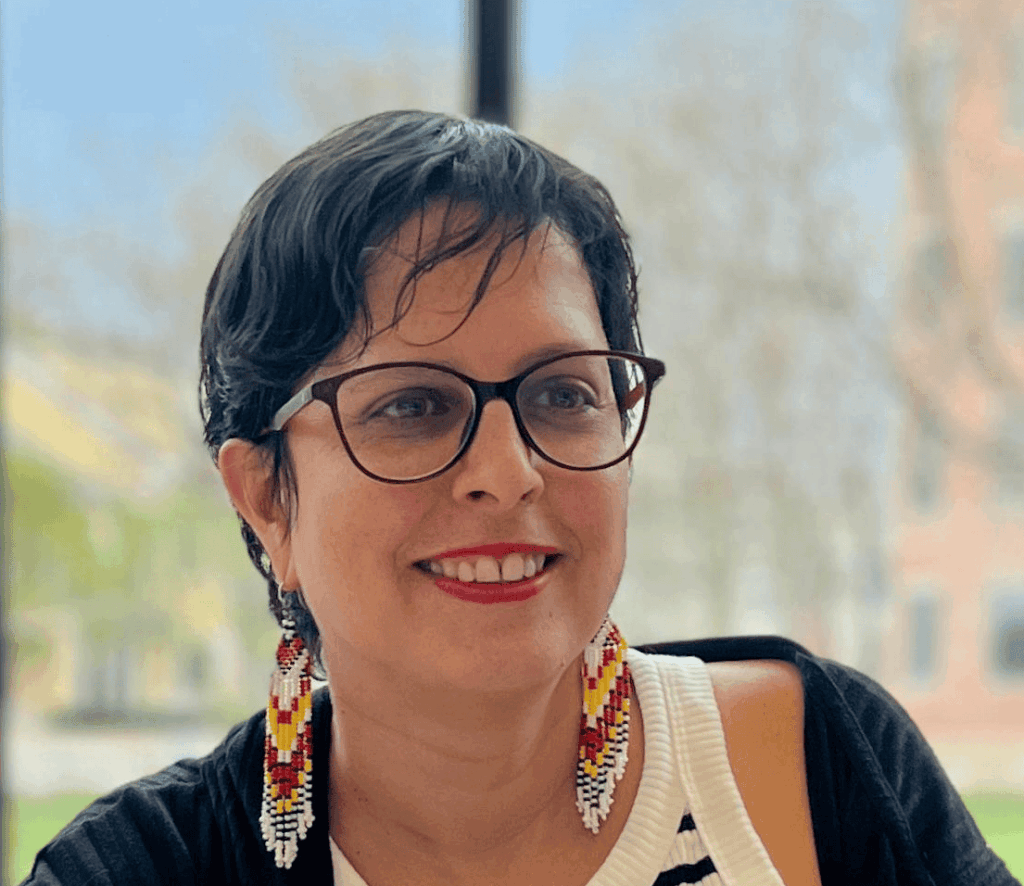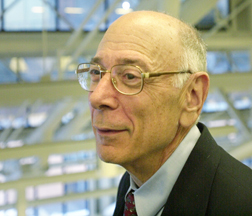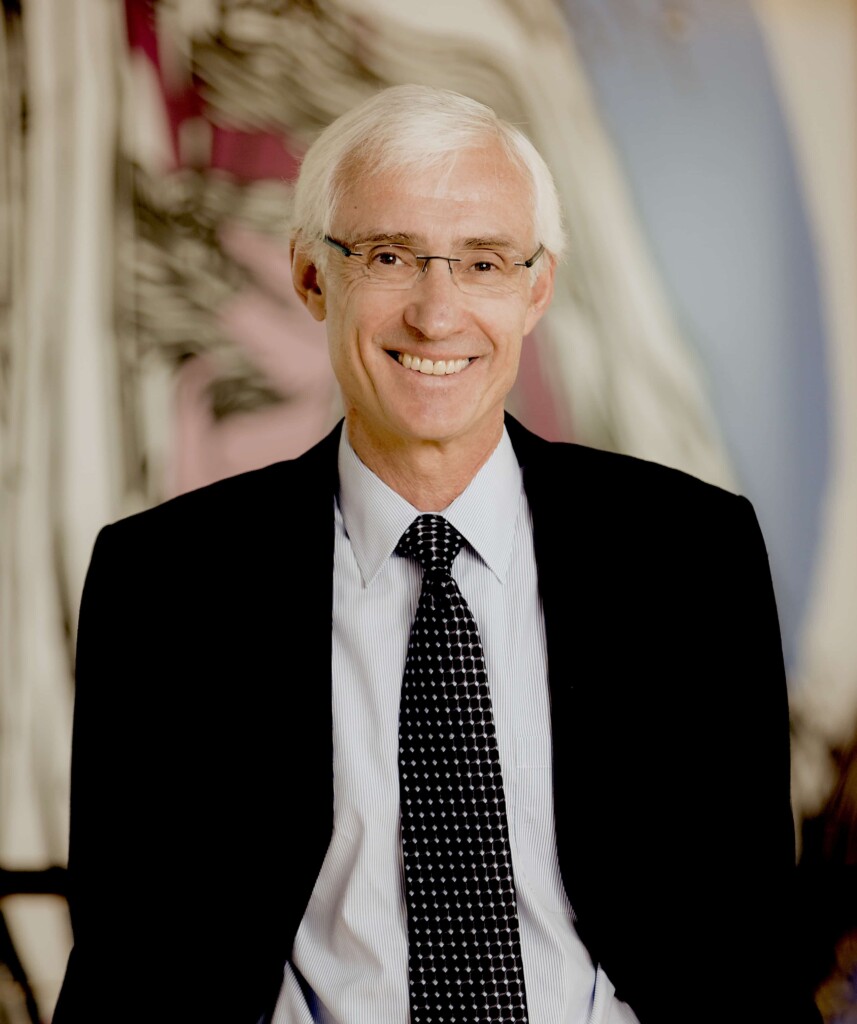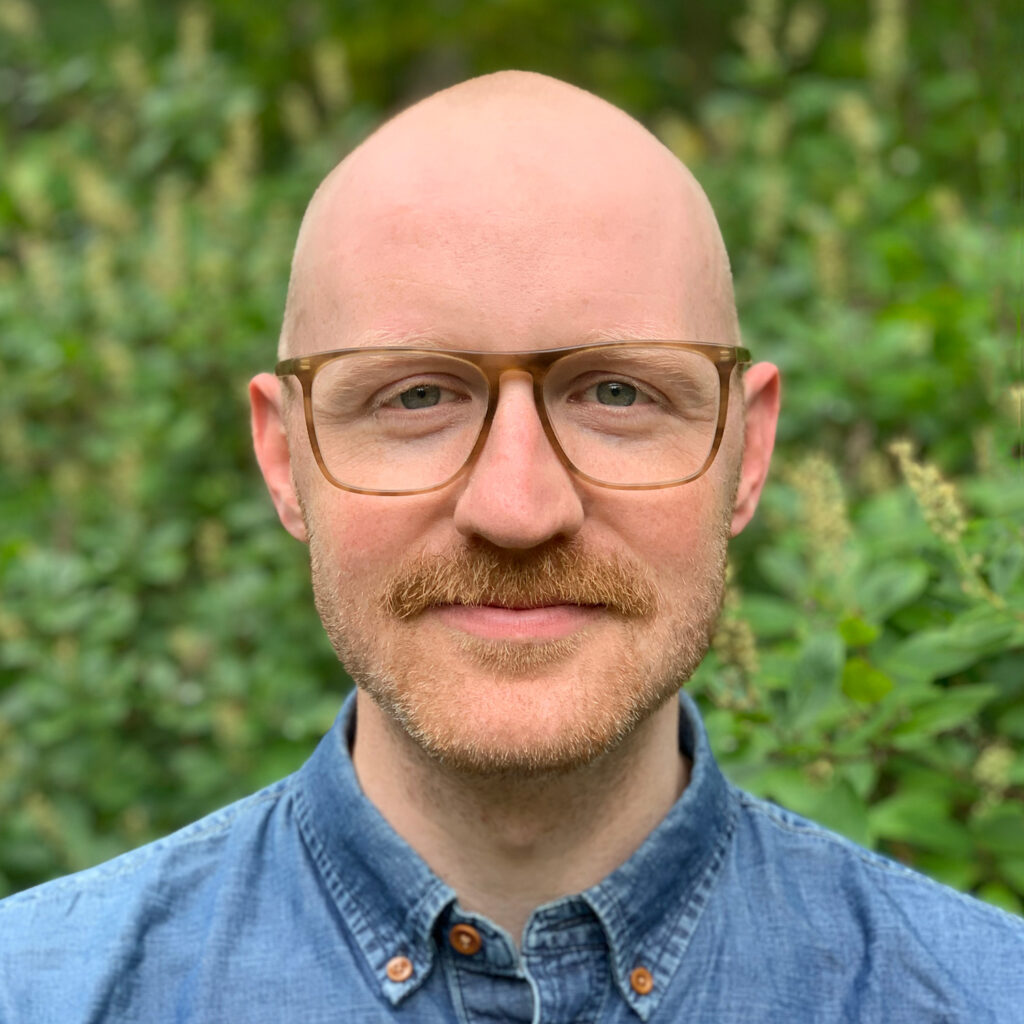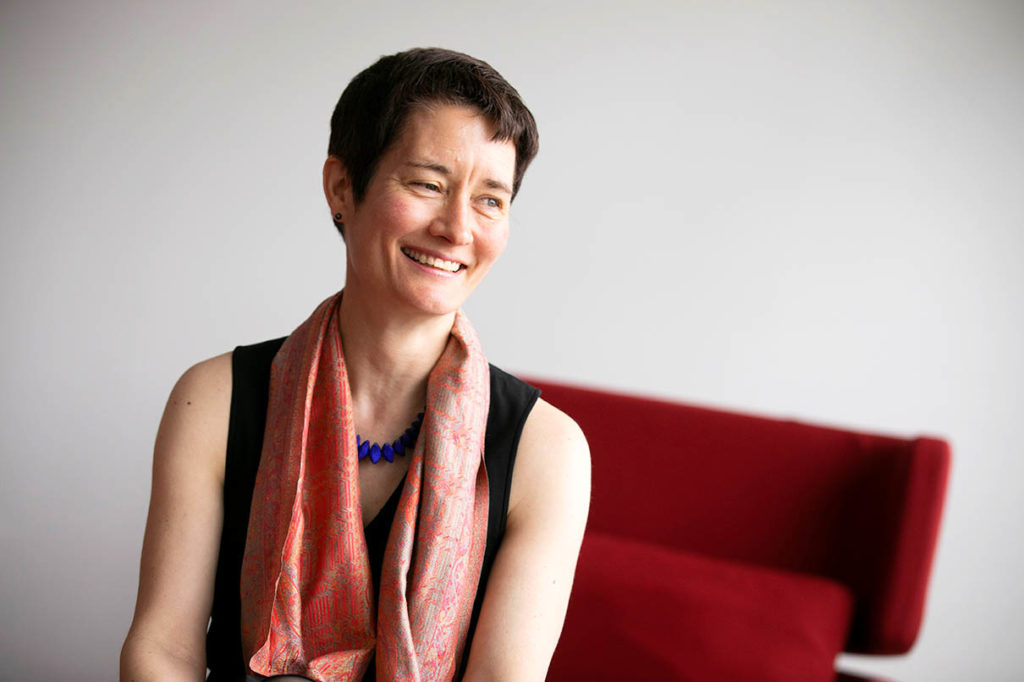
Mariana Alegre Escorza

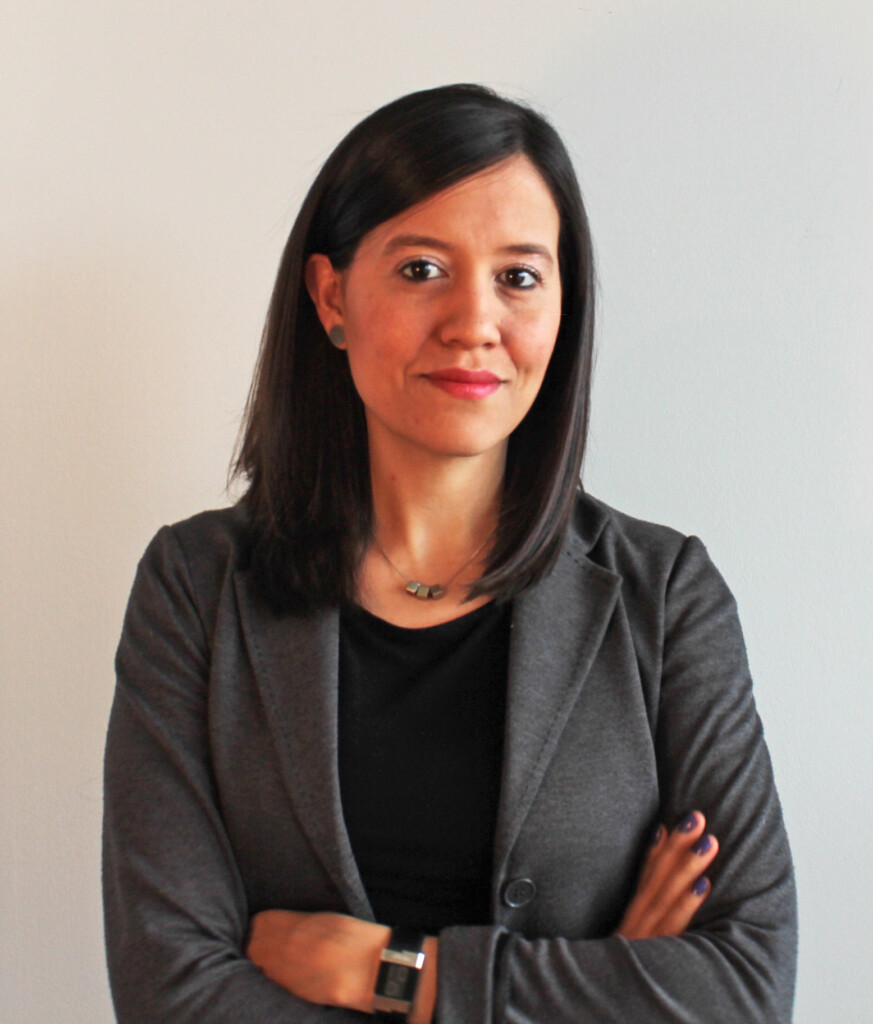
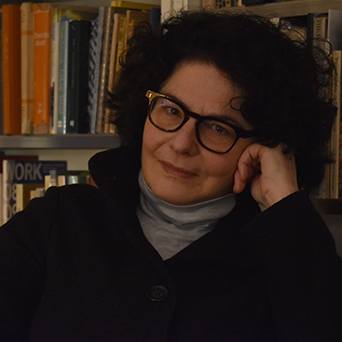
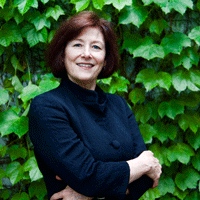
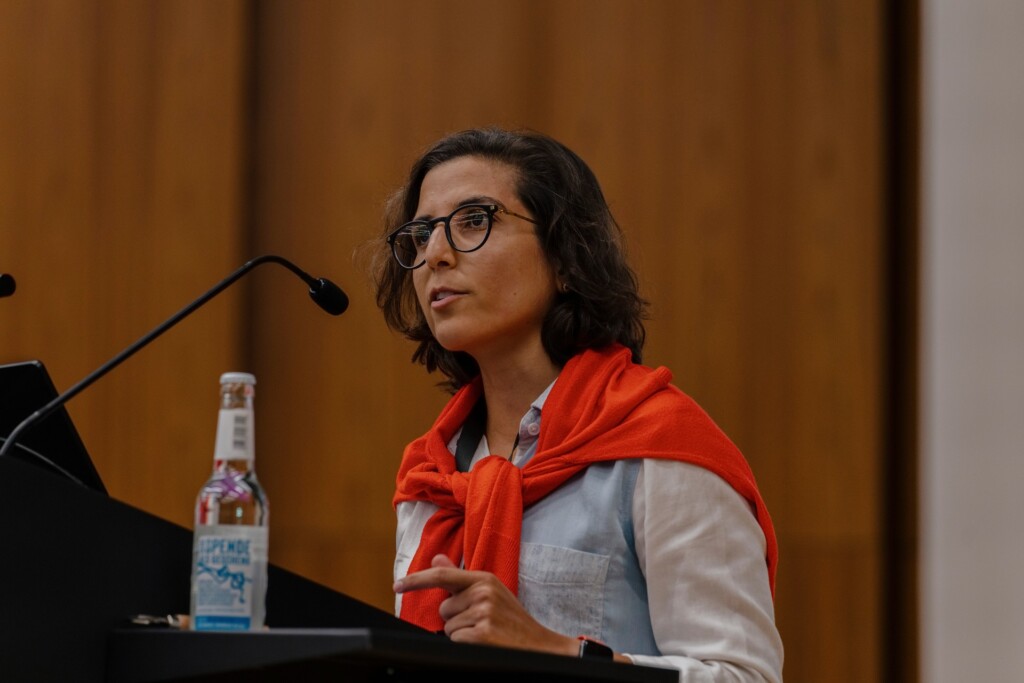
Mariana Alegre Escorza is Lecturer in Urban Planning and Design at the Harvard Graduate School of Design and the founder and executive director of Sistema Urbano , a Latin American urban innovation ecosystem that integrates data, participation, and collaborative action to transform cities and territories. Her work seeks to improve quality of life by advancing citizen-led urbanism to address urban inequity, spatial injustice, and climate challenges. She bridges research, policy, and practice through participatory processes, civic engagement, and cross-sector collaboration, with a focus on urban mobility, public transit and active modes, climate resilience, land use, and the co-creation of public space. Alegre believes in community care and community power as essential drivers for advancing public goods.

Alegre has founded and led multiple award-winning platforms. Lima Cómo Vamos , an independent urban observatory, has produced more than 30 surveys and reports influencing public policy and community action. Ocupa Tu Calle  has transformed over 50 public spaces, shaped national and local policy, trained mayors and public officials, and partnered with multilateral organizations to scale participatory approaches across Latin America. She also established Ciudades Cómo Vamos – Perú, a national civic observatory network; Nodal, a regional platform connecting urban changemakers across Latin America; and Clima Urbano, an initiative advancing socio-ecological responses to environmental and health crises. She has served on national and municipal advisory committees, including Peru’s Bicentenary Special Project; designed participatory frameworks for local governments; and worked with communities throughout Peru and Latin America to co-produce public goods and strengthen resilience.

Her academic work includes teaching at the Pontificia Universidad Católica del Perú in the Master’s program in Architecture, Sustainable Urbanism, and Territorial Development, as well as in the Law School and the School of Management. She is a tenured professor at the Faculty of Management Sciences. Alegre has designed and delivered courses on urbanism, citizenship, the right to the city, urban and social management, and environmental and social innovation, in addition to directing the Law Clinic on Sustainable Cities. She has advised graduate theses and authored publications on public space, citizen-led urbanism, mobility justice, inequality, and risk management. In addition to her academic and civic leadership, Alegre is a skilled communicator and public voice, with experience as a columnist and radio presenter on urban issues.

Alegre’s leadership has been recognized with the Loeb Fellowship at Harvard GSD (2024–25), inclusion in Forbes Peru’s “Most Powerful Women” list (2022), and designation as a Remarkable Woman in Transport by Women Mobilize Women & TUMI (2019). She has participated in global exchange and leadership programs with the U.S. Department of State, the French Ministry of Foreign Affairs, the International Affairs Office of Bordeaux Métropole and international universities such as MIT (MetroLab IAP), Aalto University and the Technical University of Dresden (CIPSEM).

She holds a MSc in City Design and Social Science from the London School of Economics as a Chevening Scholar, a Master’s in Human Rights, and a Law degree from the Pontificia Universidad Católica del Perú.

Avis Devine

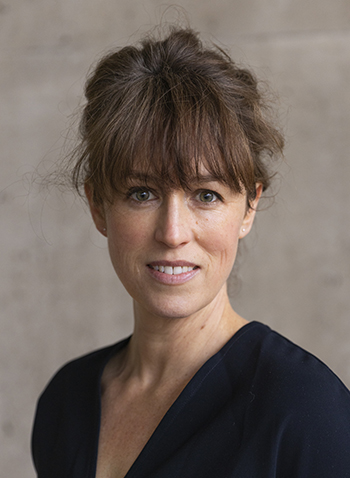
Dr. Avis Devine holds a PhD in finance from the University of Cincinnati, an MBA from Duquesne University, and a BSc from Westminster College. She comes to the School from York University’s Schulich School of Business, where she was Associate Professor of Real Estate Finance and Sustainability (tenured). Prior to her academic career, she worked in commercial real estate finance, underwriting, and valuation. Her expertise sits at the intersection of real estate finance, sustainability, and organizational strategy; her research primarily investigates the financial and environmental performance of sustainable investment within the commercial real estate sector.

Devine’s work is broadly published in leading peer-reviewed economics, finance, and sustainable development journals, including Energy Economics, Journal of Business Ethics, Journal of Real Estate Finance and Economics, and Journal of Regional Science. Her scholarly contributions have been recognized with such awards as the Nick Tyrrell Research Prize in Real Estate Investment. Devine regularly collaborates on interdisciplinary projects with scholars and industry partners, contributing to a broader understanding of how sustainable investment and climate-related risks shape financial outcomes, portfolio strategy, and the built environment. She has received multiple research grants from academic and industry organizations and is currently engaged in projects examining the efficacy of green bond use of proceeds, the relationship between institutional ownership and carbon emissions in the energy sector, and office leasing impacts of remote and hybrid work on sustainable building adoption and commuting carbon emissions.

Additionally, Professor Devine plays an active role in shaping sustainability discourse within the real estate sector and beyond. She has served on advisory boards for the International WELL Building Institute, BOMA Canada, RealPAC, and RERI. She has crafted and frequently taught in real estate executive education programs and presents on sustainable real estate investment to corporations and real estate industry audiences worldwide. Her public presence in industry and academia alike has been widely recognized, with citations in media outlets such as The New York TimesThe Globe and MailCommercial Property Executive, and The Financial Post.

Li Hou

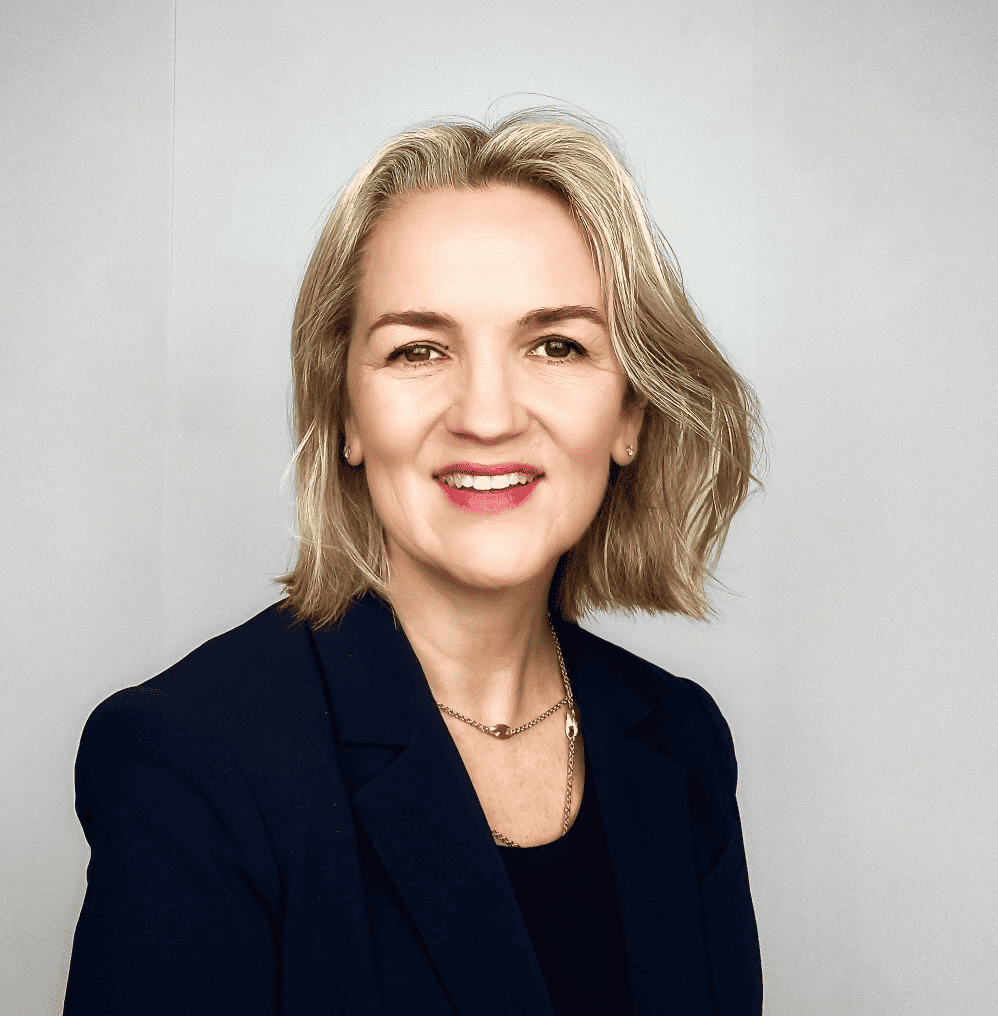
Li Hou is Lecturer in Urban Planning and Design at the Harvard University Graduate School of Design. She teaches Comparative Planning Regulations in the spring semester, and assists the chair, program director, and coordinator with the UPD administration support responsibilities.

Hou is a planning scholar, educator, and practitioner with rich experiences. Her research interest lies at the intersection of history and theory of urban and regional planning, planning regulations, and spatial politics. She has authored over 50 book chapters and articles in scholarly journals and regularly contributes to urban and planning issues in public media. Her first English book, Building for Oil: Daqing and the Formation of the Chinese Socialist State (Harvard Asia Center, 2018, reprinted in 2021) received the 2020 First Book Prize for the Most Innovative Book in Planning History, awarded by the International Planning History Society. The SDX Joint Publishing Company 三联书店 will publish the Chinese version in 2024. Other noteworthy books published in Chinese include Richard Paulick in Shanghai, 1933-1949: The Postwar Planning and Reconstruction of a Modern Chinese Metropolis (Tongji University Press, 2016), An Academic History in China’s Urban and Rural Planning Discipline (book chapters, China Science and Technology Press, 2018).

Before joining Harvard, Dr. Li Hou held the position of Professor of Urban Planning at Tongji University and served as the Ph.D. program director at the Department of Urban and Rural Planning. She has been a research affiliate at the MIT Sustainable Urbanization lab since 2023 and was a Harvard-Yenching Coordinate Research Scholar from 2014 to 2015. In practice, Hou has been a registered planner at the Tongji Urban Planning and Design Institute since 2000, an expert member of the Shanghai City Planning Commission since 2012, and the vice secretary-general for the Academic Committee of Regulatory Planning, Urban Planning Society of China, since 2018. In academic services, she is a council member of the International Planning History Society, and a Global Urban History Project board member who chairs the prize committee for emerging scholars. She has served on numerous editorial boards, including China City Planning Review, and is a guest editor for Time + Architecture.

Growing up on an oil field in North China, Hou entered Tongji University to receive her training in architecture and urban planning. She was later awarded the Frank Tsao Chinese Teachers’ Fund to study at the Harvard University Graduate School of Design. At Harvard GSD, she received a Master of Design Studies and a Doctor of Design with a concentration in urbanization and housing.

Kristen Hunter

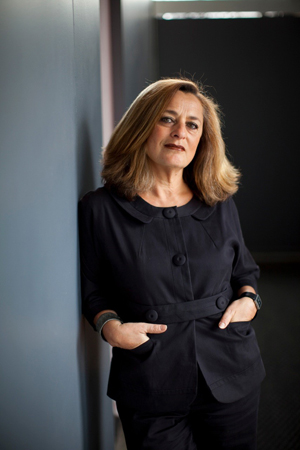
Kristen Hunter is a dedicated educator with two decades of experience in collegiate, graduate, and executive education. Since 2010, she has taught real estate finance and urban development at the Graduate School of Design. She has taught Public and Private Development with Professor Jerold S. Kayden. She also works with Professor Jerold S. Kayden, Founding Director of the Master in Real Estate Program, as Special Assistant to the Master in Real Estate Program. 

Kristen’s research has explored the efficacy of Massachusetts’ Community Preservation Act-funded subsidies in expanding affordable housing options in municipalities across the spectrum of fiscal and institutional capacities, socioeconomic profiles, land-use regulatory environments, and real estate market dynamics. Her research interests also encompass public­­­‑private partnerships, infrastructure finance, public finance, institutional and non-profit development, and socially responsible investment.

Her work has been featured in The Cheonggyecheon Restoration Project: A City and its Stream  and Methodological Notes on the Spatial Analysis of Urban Formation. She provided research support for Professional Real Estate Development: The ULI Guide to the Business, 3rd edition and The Evolution of Residential Land Use Regulation in Greater Boston case studies published by Harvard’s Joint Center for Housing Studies. She has authored a number of real estate finance teaching cases as well as a series of case studies on best practices in the delivery of federal construction projects for the U.S. General Services Administration Public Buildings Service, where she served as an instructor at the agency’s semi­­­‑annual academy.

An experienced development manager and LEED AP, Kristen has been a strategic consultant for complex urban development projects in domestic and overseas markets. She began her real estate career with a Boston-based boutique real estate development and construction firm, directing project acquisitions, regulatory affairs, construction management, and dispositions for infill residential and transit-oriented mixed-use developments. She is a licensed construction supervisor and real estate broker, and a founding member of the Harvard Alumni Real Estate Board.

Kristen received a Doctor of Design in Real Estate Finance and Urban Development along with a Master in Design Studies with distinction in Real Estate and Project Management from the Graduate School of Design, earning the Gerald M. McCue Medal for highest overall academic record and the Ferdinand Colloredo‑Mansfeld Prize for superior achievement in real estate studies. She was honored twice with the Graduate School of Design Alumni Council Unsung Hero Award and was elected Master in Design Studies class marshal. Kristen also holds an M.A. in Medieval Chinese History from Cornell University and an A.B. cum laude in East Asian Languages and Civilizations from Harvard University.

Daniel Tish

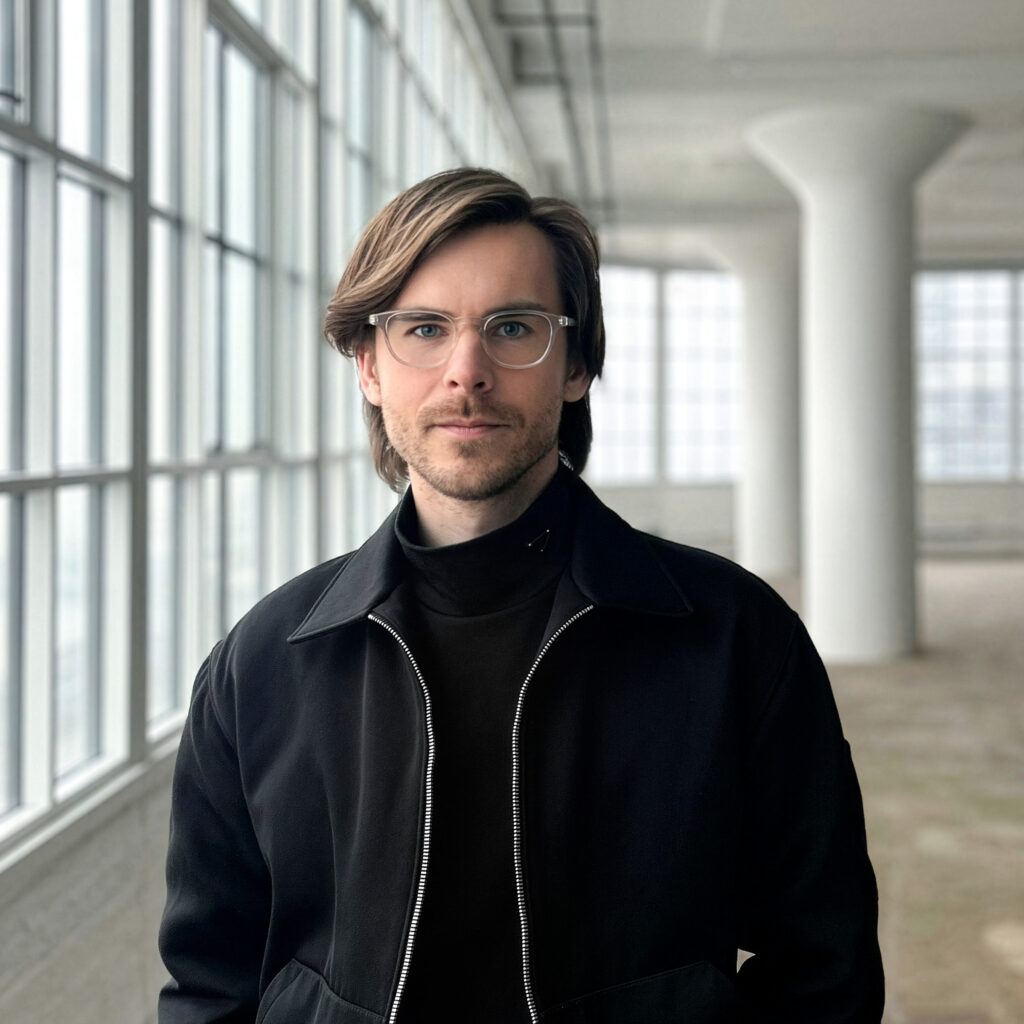
Daniel Tish is a designer and researcher whose work lies at the intersection of digital fabrication, material science, sustainability, and computation, investigating new design opportunities through the lens of bespoke materiality. Daniel’s research develops a new generation of carbon-negative biocomposites derived from microorganisms and methods for their robotic fabrication. He configures circular economies and technological solutions to address the high carbon footprint of architecture and the built environment. The research establishes multi-disciplinary collaborations with domain experts in material science and biology and operates between design and science to deliver this critical new material technology. Meanwhile, the work also challenges the ubiquity of industrialized materials in digital fabrication spaces. It creates fabrication methods to cater to the unpredictable nature of many biomaterials, dovetailing with the current research focus on cyber-physical systems in the computational design and fabrication community.

Daniel is a Lecturer in Architecture at the GSD and a Postdoctoral Fellow jointly appointed between the Materials Processes and Systems (MaP+S) group in the GSD and the Lewis Lab in the School of Engineering and Applied Sciences. The Salata Institute, the Center for Green Buildings and Cities, and the Joint Center for Housing Studies have generously supported his research at Harvard. His work can be found in the publications of recent ACADIA, Fabricate, Rob|Arch, and IASS conferences, as well as in the book Towards a Robotic Architecture and the journals Construction Robotics and TAD. Daniel was a 2021 Fellow at the Design Akademie Saaleck (dieDAS), and his work has been exhibited at Design Miami/ Basel and other international venues.

Daniel was previously a Lecturer at the University of Michigan Taubman College of Architecture and Urban Planning, where he taught digital fabrication. Additionally, he led an intensive summer masterclass at the University of Technology Sydney. Daniel was recently a Research Associate at Autodesk, where he developed computer-vision technologies for construction robotics. Daniel holds a Doctor of Design from the GSD, a Master of Architecture with Distinction from the University of Michigan, and a Bachelor of Science in Architecture from Washington University in St. Louis with a self-guided special major in Sustainable Design.

Frano Violich

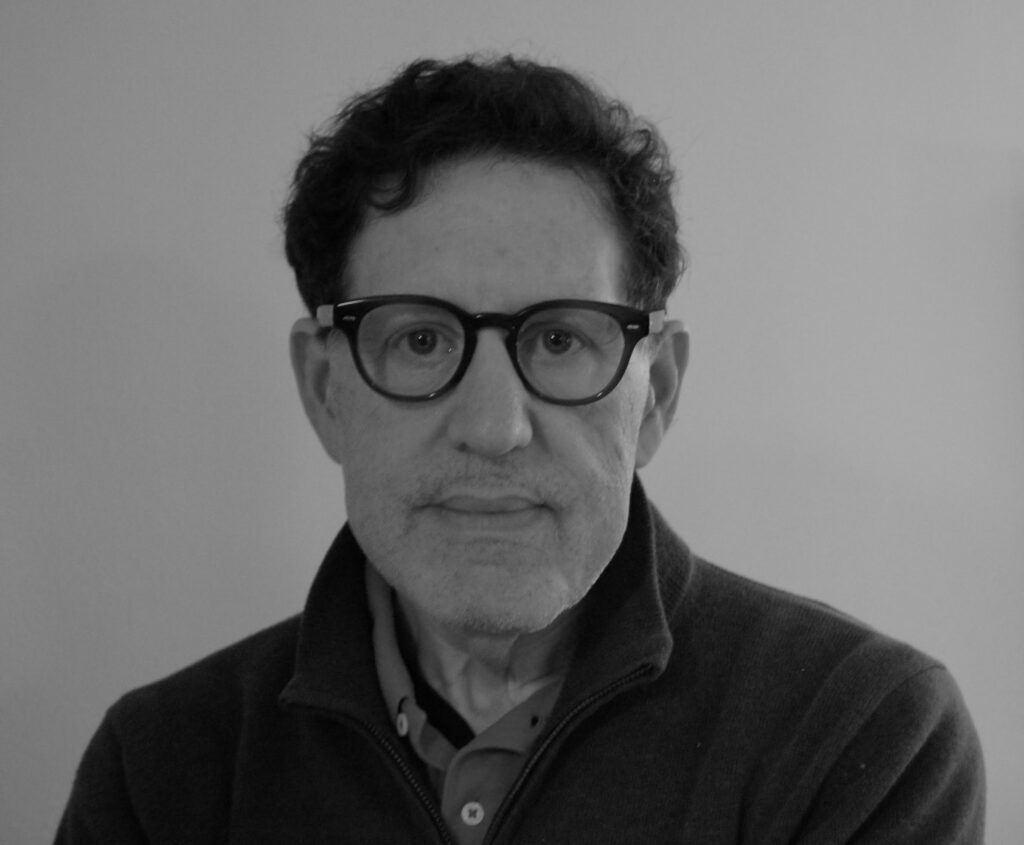
As a Founding Principal at KVA Matx, Frano Violich has created an interdisciplinary design practice which engages material fabrication, digital technology and the conservation of natural resources to expand the public life of buildings and cities. Violich studied Architecture at the University of California at Berkeley and received his MArch from Harvard’s Graduate School of Design. KVA has worked internationally, including the Soft House, a multi-unit “smart materials” housing project completed for the Internationale Bauausstellung (IBA) in Hamburg, the Portable Light Project in Brazil, and currently the development of a rural home energy network in Victoria, Australia. KVA’s work in the US includes projects in the public realm, such as the 34th Street ferry terminal on Manhattan’s East River and RiverFirst in Minneapolis, and higher education including a new Law School for the University of Pennsylvania, Harvard’s Tozzer Anthropology Building, and the Institute for Data Science on the University of Rochester campus now under construction. KVA’s material research division Matx has developed designs and technology applications for Philips, Herman Miller, 3M, North Face and the US Department of Energy. The firm’s design work for the German-based Meister Consulting Group, now headquartered in Boston, has extended to include the digital fabrication and procurement of the company’s interior furnishings. The work of KVA has been exhibited at the Venice Biennale, MoMA in New York, SFMOMA, and the Het Nieuwe Instituut in Rotterdam. Violich has written for international journals, has lectured widely and taught at RISD, Berkeley, UVA, Michigan, and was Cornell’s Gensler Visiting Professor in Spring 2014.

Steven Handel

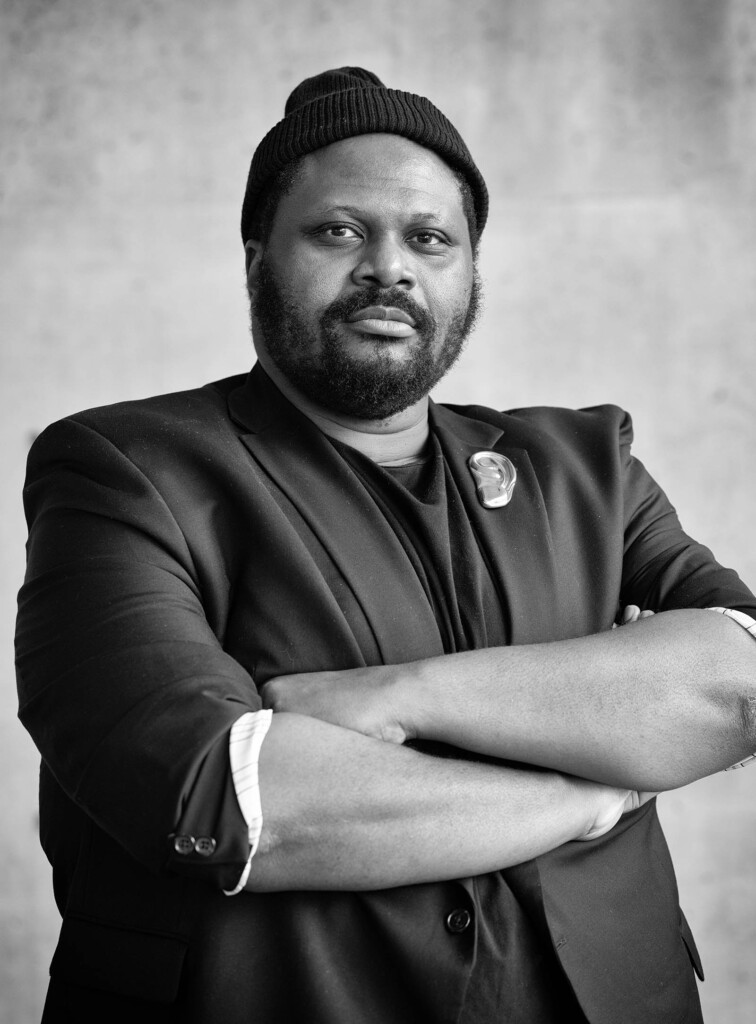
Steven Handel studies the potential to restore native plant and animal communities, adding sustainable ecological services, biodiversity, and amenities to the landscape.  He has explored pollination, seed dispersal, plant population growth, ecological genetics, and most recently, ecological solutions for urban and heavily degraded lands.   In addition to his GSD appointment, he is a Distinguished Professor of Ecology and Evolution at Rutgers University.  Previously, he was a biology professor and director of the Marsh Botanic Garden at Yale University, Visiting Professor at Stockholm University, and Research Scholar at Macquarie University in Sydney, Australia.

Dr. Handel is an Aldo Leopold Leadership Fellow and Certified Senior Ecologist of the Ecological Society of America, and is the Editor of the professional journal Ecological Restoration.  In 2007, he was elected an Honorary Member of the American Society of Landscape Architects. He received the Society for Ecological Restoration’s highest research honor, the Theodore M. Sperry Award, “…for pioneering work in the restoration of urban areas.”

He has been on design teams doing ecological restoration in urban areas, such as the “Rebuild By Design” U.S. HUD competition, Gateway National Park in New York City, Fernbank Forest in Atlanta, Georgia, the Great Falls National Historical Park in NJ, and the Orange County Great Park in California.  Recognition for this work includes ASLA Honor Awards for Analysis & Planning (2008 and 2009)for Research (2009 and 2015), and for Communications (2015).  Also, the AIA National Honor Award in Regional & Urban Design, and the APA National Planning Excellence Award for Innovation in Regional Planning.  His research has been sponsored by the National Science Foundation, the National Park Service, and private foundations.  He has published widely in ecological and botanical scientific journals.

Handel received his B.A. from Columbia College in Biology and M.S. and Ph.D. degrees from Cornell University in the Field of Ecology and Evolution.

Maryann Thompson

Maryann Thompson is Professor in Practice of Architecture in the Department of Architecture. She was educated at Princeton University and the Graduate School of Design at Harvard University, where she is a member of the Architecture faculty and teaches options studios. She founded Maryann Thompson Architects in 2000; prior to that she was a founding partner of Thompson and Rose Architects. She specializes in architecture that is sustainable, regionally driven and that attempts to heighten a sense of its immediate site and landscape. Her architectural investigations revolve around such concerns as the creation of a rich and thoughtful edge between inside and outside, utilizing light as a material, and employing warm, natural materials in order to accentuate a sense of place. Maryann carries degrees in both architecture and landscape architecture, bringing to her practice an interdisciplinary approach where issues of site and landscape are central to design thinking.

Her work has been widely published in Landscape Architecture Magazine, Insite, Art New England, Progressive Architecture, Architecture, Architectural Digest, Architectural Record, A+U and in various architectural books, including Norton’s A Guide to 250 Key Twentieth-Century American Buildings, 40 Under 40, and Contemporary American Architects. Her work has received numerous awards and honors, including two AIA National Honor Awards and numerous AIA New England Design Honor Awards and BSA Honor Awards for Design Excellence, as well as the AIA National Young Architects Citation which remarks that Maryann “has made a significant contribution to architecture. Her work reconnects architecture with the landscape and celebrates tectonics, materials, and a poetic approach to design.”

See projects at maryannthompson.com

Lily Song

Dr. Lily Song is a Lecturer in Urban Planning and Design and Senior Research Associate with the Transforming Urban Transport-Role of Political Leadership (TUT-POL) project at the Harvard University Graduate School of Design (GSD).

Her research focuses on the relations between urban infrastructure and redevelopment initiatives, sociospatial inequality, and race, class, and gender politics in American cities and other postcolonial contexts. It takes what are often depoliticized, technically-formulated infrastructural issues such as urban transport, food markets and distribution systems, and building energy efficiency, and foregrounds social, political, and economic factors that fundamentally shape their planning and governance. Her work seeks to reveal dominant ideologies and logics of infrastructural development, formal and informal structures of decision making, and racialized, classed, and gendered dimensions of provision, access, and contestation. It further explores infrastructure-based mobilizations and experiments that center the experiences and insights of historically marginalized groups as bases for more inclusive and democratic planning, development, and value creation.

As part of the Transforming Urban Transport-Role of Political Leadership research team at the Harvard GSD, Dr. Song has investigated how and why transport investments that are intended to enhance public transit and non-motorized transport may be intensifying inequities of urban mobility and access in many cities. This entails assessing equity trade-offs in distributive and processual terms as well as interrogating the relationship between transport policies and urban redevelopment projects. It also includes exploring how public transit goals might be better integrated with alternative urban land use, housing, and economic development templates. One line of research on gender and mobility further investigates the challenges and opportunities of decarbonizing urban transport from the perspectives of women, girls, and femme-identified people in rapidly urbanizing contexts of Southeast Asia and sub-Saharan Africa.

From 2013-2015, Lily Song was a Provost Fellow with University College London’s Department of Science, Technology, Engineering, and Public Policy, where her research investigated efforts by local Indonesian governments to engage forms of urban informality in building resilient food distribution systems and decarbonizing urban transport in the wake of the Asian Financial crisis and politico-institutional decentralization. In particular, she closely studied how policies could incorporate the needs, knowledge, and practices of informal vendors and operators with “formal” planning apparatuses to enable more diffuse and responsive diagnostic and troubleshooting capacities at the local and regional scale as well as more democratic claims to urban space.

She holds a PhD (2012) in Urban and Regional Planning from MIT, where her dissertation, entitled “Race and Place: Green Collar Jobs and the Movement for Economic Democracy in Los Angeles and Cleveland,” focused on the analysis of two community-based green economic and workforce development projects aiming to build shared wealth and stabilize poor, inner city neighborhoods in the wake of the subprime mortgage and global financial crisis. Building on the history of racial stratification and environmental injustice at the heart of historic urban formations in each city-region along with then present efforts by city leadership to institutionalize urban sustainability, the research explored how the respective progressive urban coalitions put green-collar jobs, racial inclusion, and economic transformation at the center of their efforts.

Prior to entering the planning field, Lily was a community organizer with the Asian American Drug Abuse Program (AADAP) in South Los Angeles. There she helped mount community mobilizations against environmental injustices (i.e. under-access to green open spaces, recreational resources, and culturally-responsive health services, and overexposure to liquor stores and drug criminalization) through youth leadership development and cross-racial coalition building. She is a proud LA daughter and alumna of California public schools.

Martha Schwartz

Martha Schwartz is a landscape architect, urbanist, and climate activist. Her work and teaching focuses on the urban public realm landscape and its importance in making cities “climate ready”.  For more than 40 years, she and the firm, Martha Schwartz Partners,  have completed projects around the globe, from site-specific art installations to public spaces, parks, master-planning and reclamation. Schwartz is now engaged in strategic land-use and landscape planning in assisting leadership in their preparation for effects of climate change that their city will be facing in the near future.

Ms. Schwartz is a founder and participant of the GSD Climate Change Working Group, which gave shape to the first ever required climate change course to incoming students in 2020. She also has mounted a seminar in conjugation with Harvard’s School of Engineering and Applied Science on the topic of geoengineering.

Schwartz foresees landscape architecture as the leading profession to face the challenge of Climate Change. At the Landscape Architecture Foundation’s 2016 “New Landscape Declaration” summit on Landscape Architecture and the Future, Martha’s “Declaration” on climate change became the key proponent of the industry’s current position that Climate Change is a central issue to the practice.

She is a founding member of the Working Group of Sustainable Cities at the Harvard University Center for the Environment, a founding member of the Landscape Architecture Foundation ‘s “Working Group on Climate Change”, and has recently founded MAYDAY. Earth, a non-profit organization focused on Climate Communications and Education for non-scientists and generalists about Nature Based and Geoengineering Solutions which act at a global scale and can be integrated into practice, thus expanding the role of landscape architecture.

Awarded the 2020 ASLA Design Medal, Ms. Schwartz is the recipient of numerous international recognitions, including the Honorary Royal Designer for Industry Award from the Royal Society for the Encouragement of Arts, Manufactures and Commerce for her outstanding contribution to UK design; the Cooper Hewitt National Design Award; the Women in Design Award for Excellence from the Boston Society of Architects; an Honorary Doctor of Science from the University of Ulster in Belfast, Ireland; a fellowship from the Urban Design Institute; visiting residencies at Radcliffe College and the American Academy in Rome; an Honorary Fellowship from the Royal Institute of British Architects; the Council of Fellows Award by the American Society of Landscape Architects and most recently a Doctor Honoris Causa from the Boston Architectural College.