Nora Akawi, “Traversing Territories”
Nora Akawi, “Traversing Territories”

Ranjani Mazumdar, “The Cinematic Slum”
Ranjani Mazumdar, “The Cinematic Slum”

The slum has been a visual force in a number of city films from across the world. The use of certain geographical locations and popular discourses about crime and poverty have given shape to a diverse range of images that are at once powerful, mythic and disturbing. This event, which will kick off a two-day conference on “Slums: New Visions for an Enduring Global Phenomenon,” will explore the perceptions that have fuelled the imagination of the cinematic slum.
Mazumdar will be joined on stage by Janice Perlman, President, The Mega-Cities Project and Brodwyn Fisher, Professor of Latin American History, University of Chicago. Their conversation will be moderated by George ‘Mac’ McCarthy, President and CEO, the Lincoln Institute of Land Policy.
Ranjani Mazumdar is Professor of Cinema Studies at the School of Arts & Aesthetics, Jawaharlal Nehru University. Her publications focus on urban cultures, popular cinema, gender and the cinematic city. She is the author of Bombay Cinema: An Archive of the City (2007) and co-editor with Neepa Majumdar of the forthcoming Wiley Blackwell Companion to Indian Cinema. She has also worked as a documentary filmmaker and her productions include Delhi Diary 2001 and The Power of the Image (Co-Directed). Her current research focuses on globalization and film culture, and the intersection of technology, travel, design and colour in 1960s Bombay Cinema.
The Open University’s Course A305 and the Future of Architecture Education
The Open University’s Course A305 and the Future of Architecture Education
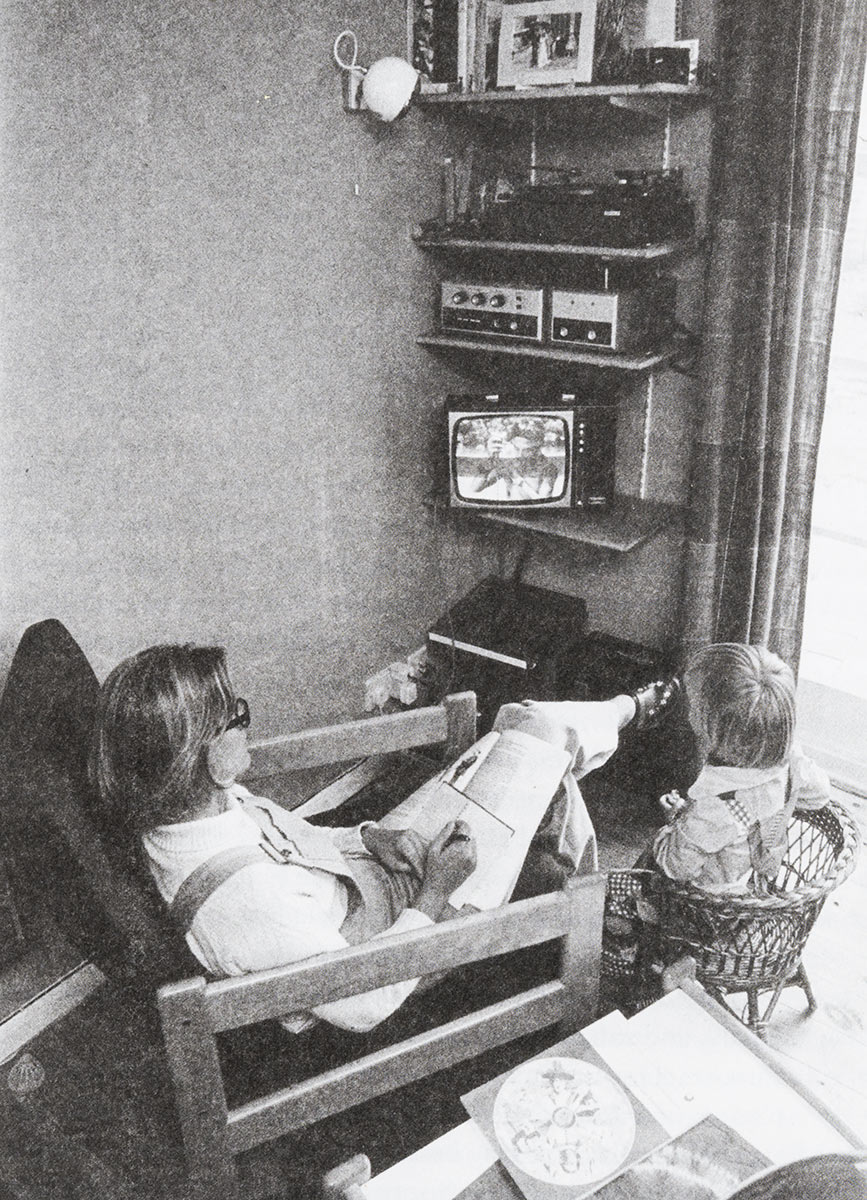
Taking The Open University‘s Course A305 as a starting point, this panel discussion will examine and interrogate experimental, open, and technological possibilities for the future of architecture education. Participants include Tim Benton, Lisa Haber-Thomson, K. Michael Hays, John May, and Mirko Zardini.
Tim Benton is Professor Emeritus of Art History at the Open University. In 2008 he was visiting Professor in the Department of Art History and Archaeology, Columbia University. In 2009 he was the Robert Sterling Clark Visiting Professor of Art History at Williams College, Massachussetts. From 2010, he was visiting Professor at the Ecole Polytechnique Fédérale de Lausanne.
Lisa Haber-Thomson is a PhD candidate in Architectural History and Theory. Her research explores the intersecting relationships between territory, law, and architecture. She is currently completing her dissertation, Territories of incarceration: architecture and judicial procedure across the English Channel, 1642-1945. Past research has examined the legal significance of a variety of architectural structures, and has ranged from an analysis of the use of watermills in medieval property disputes, to a study of the contemporary usages of Maginot Line casemates in eastern France. Lisa has been the recipient of the Julia A. Appleton Traveling Fellowship in Architecture, and the Frederick Sheldon Fund Traveling Fellowship. Additional support for her research has been awarded by the Soane Foundation and the Paul Mellon Centre for Studies in British Art.
Lisa has a Masters in Architecture from the Harvard Graduate School of Design, and a Bachelor of Arts in Visual and Environmental Studies from Harvard University. Prior to beginning her PhD program, Lisa worked as an intern architect at Ateliers Jean Nouvel; as a video and sound editor for the Science Media Group; and as a freelance animator and sound designer. Continuing work in educational video production includes the design and implementation of the online course, The Architectural Imagination, a co-production of HarvardX and the GSD.
K. Michael Hays is Eliot Noyes Professor of Architectural Theory at the Harvard University Graduate School of Design and Associate Dean for Academic Affairs. Hays joined the Faculty of Design in 1988, teaching courses in architectural history and theory. Hays has played a central role in the development of the field of architectural theory and his work is internationally known. His research and scholarship have focused on the areas of European modernism and critical theory as well as on theoretical issues in contemporary architectural practice. He has published on the work of modern architects, as well as on contemporary figures. Hays was the founder of the scholarly journal Assemblage, which was a leading forum of discussion of architectural theory in North America and Europe. From 1995 to 2005 he was Chair of the PhD Committee and Director of the GSD’s Advanced Independent Study Programs. In 2000 he was appointed the first Adjunct Curator of Architecture at the Whitney Museum of American Art, a position he held until 2009.
John May is founding partner, with Zeina Koreitem, of MILLIØNS, an award-winning Los Angeles-based design practice. MILLIØNS’ experimental and speculative projects have been featured in solo and group exhibitions at Friedman Benda Gallery, the Storefront for Art and Architecture, The Architecture + Design Museum of Los Angeles, Jai & Jai Los Angeles, Yale University, the MIT Keller Gallery, and the Museum of the City of New York. May’s publications include New Massings for New Masses: Collectivity After Orthography (MIT SA+P Press, 2015); Signal. Image. Architecture (Columbia, forthcoming 2019); and The Instruments Project: Architecture and Evidence (Minnesota, forthcoming 2019, co-edited with Zeynep Çelik Alexander). His essays and interviews on the technical and political dimensions of contemporary design have appeared in Log, Perspecta, Praxis, Harvard Design Magazine, MIT Thresholds, Project, Quaderns, and New Geographies, among many others. He previously served as faculty at MIT, UCLA, and SCI-Arc, and was named 2012 National Endowment for the Humanities Visiting Professor in Architecture at Rice University. May holds a Bachelor of Arts in Philosophy and Visual Art from the College of William and Mary, a Master of Architecture from Harvard GSD, and a doctorate in Geography and Environmental Studies from UCLA.
Mirko Zardini is an architect and Director of the Canadian Centre for Architecture since 2005. Exhibitions by Zardini—or in collaboration with Giovanna Borasi—include Asfalto: Il carattere della cittá (2003) presented in Milan; out of the box: price rossi stirling + matta-clark (2003), Sense of the City (2005), 1973: Sorry, Out of Gas (2007), Actions: What You Can Do With the City (2008), Other Space Odysseys: Greg Lynn, Michael Maltzan, Alessandro Poli (2010), Imperfect Health: The Medicalization of Architecture (2011), and Rooms You May Have Missed: Bijoy Jain, Umberto Riva (2014) presented at the CCA in Montreal. Editor of Casabella magazine from 1983 to 1988 and Lotus International from 1988 to 1999, Zardini served on the editorial board of Domus in 2004 and 2005. His research on the urban fabric and context of Italy and Switzerland resulted in the publications Paesaggi ibridi (Milan: Skira, 1996) and Annähernd perfekte Peripherie (Basel: Birkhäuser, 2001). His writings have appeared in journals such as Lotus International, Casabella, ANY, Archis, El Croquis, L’Architecture d’Aujourd’hui, Domus, Log, and Volume. Zardini has taught design and theory at architecture schools in Europe and the United States, including Harvard GSD, Princeton University SoA, Academy of Architecture in Mendrisio, ETH Zurich, EPFL Lausanne, University of Miami, and Syracuse University.
Alison Brooks, “Model Building Model: Making Oxford’s New Collegiate Architecture”
Alison Brooks, “Model Building Model: Making Oxford’s New Collegiate Architecture”
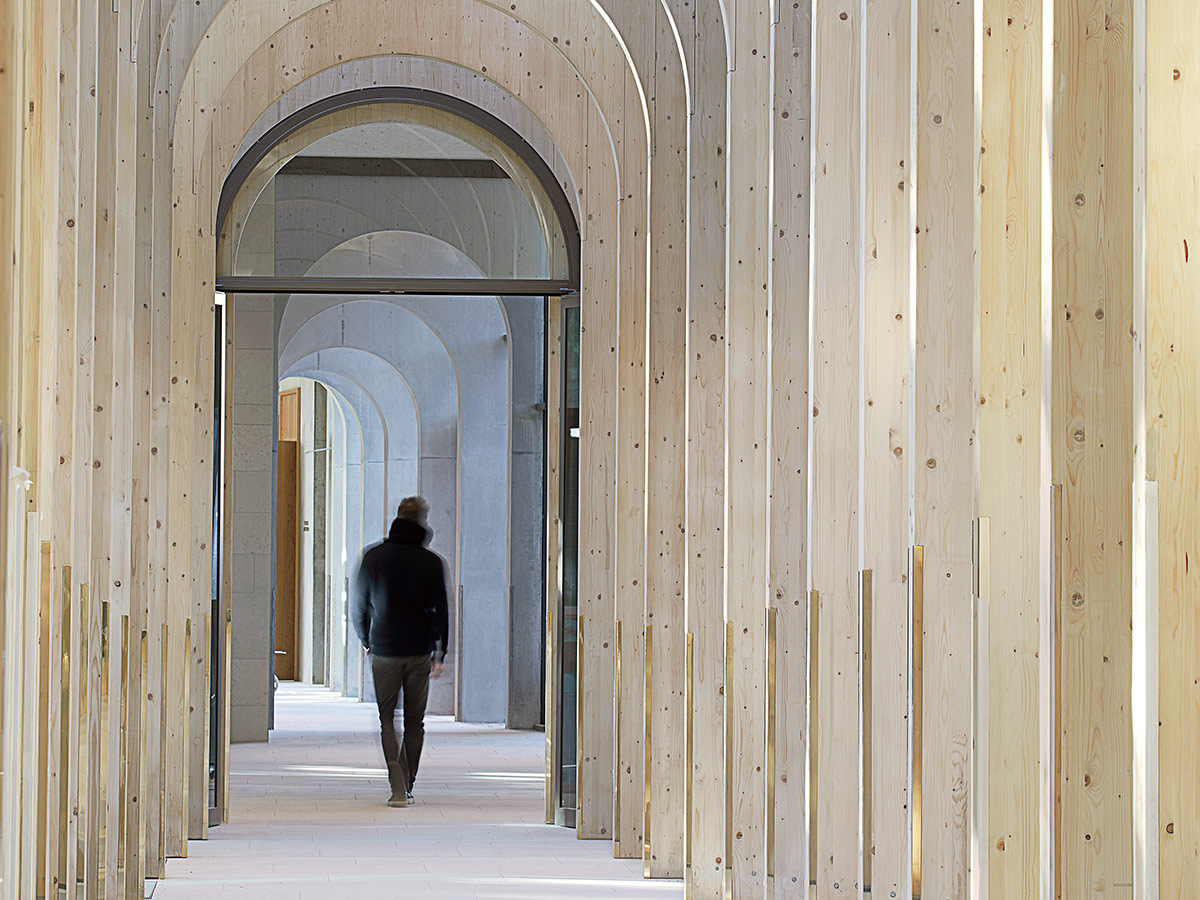
Kees Christiaanse, “Inversion and Subtraction in Urban Design”
Kees Christiaanse, “Inversion and Subtraction in Urban Design”
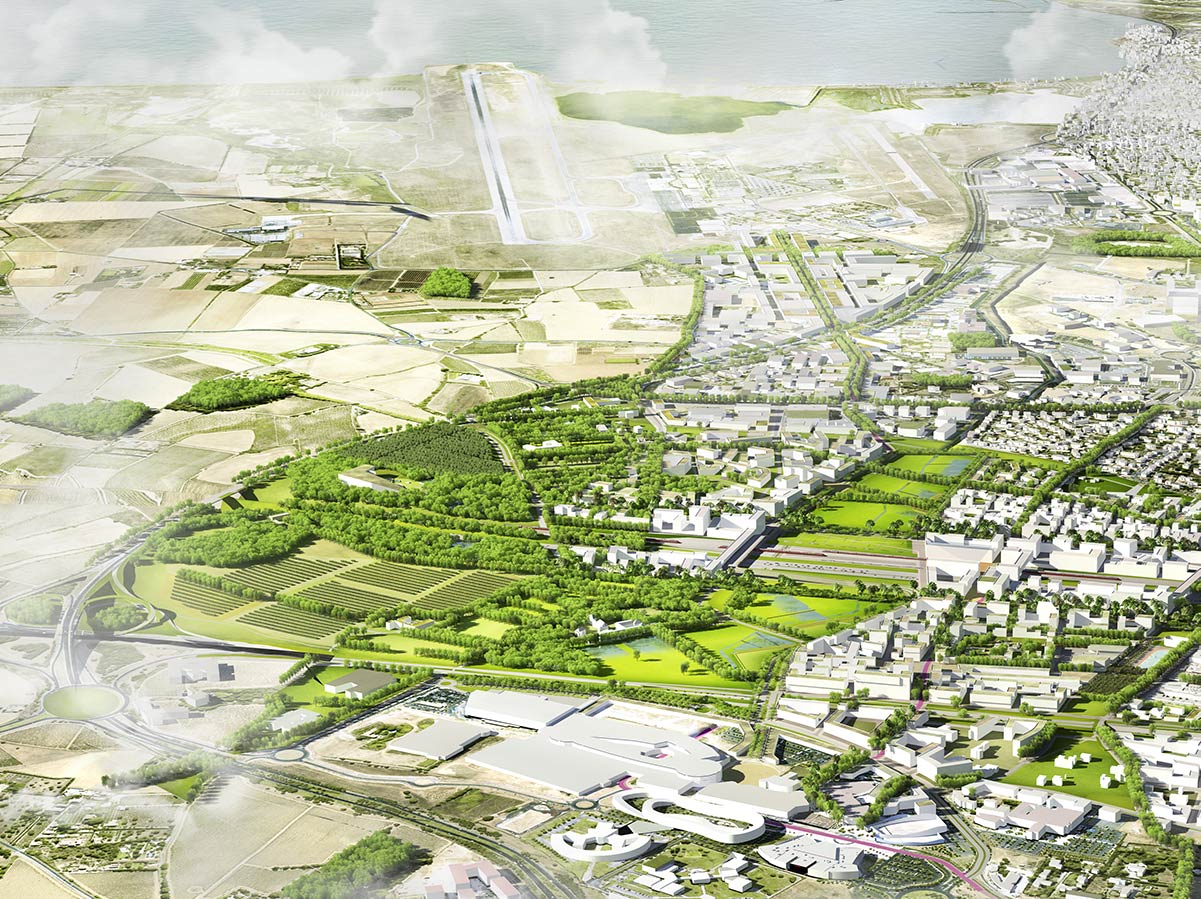
The European city is a nucleus in a network of approximately 500 cities with an average population of 50.000-1.000.000 inhabitants and an average distance of 100 km. In-between, there is a cultural landscape which has many qualities despite its dense population. This cultural landscape is pervaded by efficient transport infrastructures. Despite some deficits, this centuries-old constellation has a high quality of life and urbanity compared to most other urban areas on earth. Above all, it is important to optimize this constellation and not just focus on individual compact cities. Today, we are commonly taught that at least 50% of the world’s population is living in cities. However, it is forgotten that half of these 50% are likely to live in urbanized landscapes. Also, the majority of the European cities’ population lives on the outskirts of the city and not in the center. The urbanized landscape, for example the entire ‘Rhine banana’, is interesting because it contains a high density of population, urban facilities, industry and logistics, as well as a large proportion of agricultural land: a ‘productive’ landscape. This landscape cannot be designed, but only steered. The steering mechanisms consist rather of ‘braking factors’ that protect against over-urbanization than of propulsive building projects.
Kees Christiaanse’s lecture will close this year’s DDes Conference, [Re]Form: New Investigations in Urban Form. Please see below for the conference schedule.
Kees Christiaanse studied architecture and urban planning at TU Delft. In 1980 he joined the Office for Metropolitan Architecture (OMA) and was appointed partner in 1983. In 1989 he founded his own company, now KCAP Architects&Planners, in Rotterdam. In 1990 he co-founded ASTOC Architects and Planners in Cologne and was partner until 2002.
Kees focuses in his work on urban assignments in complex situations and on guiding of urban processes. He is an expert in the development of university campuses and in the revitalisation of former industrial, railway and harbour areas and is a supervisor of several international urban developments.
Throughout his career Kees has always combined teaching and research with his professional work within KCAP, which has generated fruitful cross-fertilisations. From 1996 until 2003 he held a professorship for architecture and urban planning at the Technical University of Berlin. From 2003-2018, he has been chair of the Urban Planning Institute of Swiss Federal Institute of Technology (ETH) in Zurich, since 2010 he has been involved in the Future Cities Laboratory (FCL) in Singapore. In 2013, he was appointed Chairperson of the External Advisory Board of the Architecture and Design Department of the Singapore University of Technology and Design (SUTD).
In 2009, Kees was curator of the 4th International Architecture Biennale Rotterdam (IABR) with the title “Open City. Designing Coexistence”. He is author of a multitude of books and essays about architecture and urban planning. Kees has received numerous honours among others the lifetime award ‘2016 RIBA International Fellowship’ for his particular contribution to architecture and the ‘ARC17 Oeuvre Award’ for his lasting and innovative contribution to the improvement of the built environment.
Below is the schedule for the symposium:
10:00-10:30am Opening Remarks by Prof. Martin Bechthold
10:30am-12:00pm Panel 1 – Searching for Discursive Agency
Moderator: Charles Waldheim
Panelists: Pier Vittorio Aureli, Neyran Turan
12:00pm-1:10pm Lunch Break
1:10pm–2:40pm Panel 2 -Reforming the Theoretical Discourse
Moderator: Neil Brenner
Panelists: Shlomo Angel, Colin McFarlane
2:40pm-3:00pm Coffee Break
3:00pm-4:30pm Panel 3 – Future Transformation of Urban Form
Moderator: Diane Davis
Panelists: Kees Christiaanse, Sarah Williams
4:30pm-5:30pm Closing Discussion
5:30pm-6:30pm Break
6:30pm-8:00pm Kees Christiaanse Closing Keynote, “Inversion and Subtraction in Urban Design”
Anna Puigjaner, “Kitchen Stories”
Anna Puigjaner, “Kitchen Stories”

Anna Puigjaner is an architect, editor and researcher. Co-founder of the architectural office MAIO, which works on spatial systems that allow theoretical and practical positions converge. MAIO’s works have been published in international magazines such as Domus, Monocle, Plot, Frame and Detail among others; exhibited at Biennale di Venezia, Chicago Architecture Biennial, MOMA, Storefront for Art and Architecture and Art Institute of Chicago; and awarded several times including Opinion FAD Award 2017. She is currently Associate Professor of Professional Practice at GSAPP – Columbia University, and has also taught at the Royal College of Arts in London and at the Universitat Politècnica de Catalunya ETSAB-ETSAV in Barcelona. Her project on Kitchenless Cities has been finalist of the Rolex Mentor & Protégé Initiative, and awarded with the 2016 Wheelwright Prize, Harvard GSD.
Pezo von Ellrichshausen, “Deciduous Plan”
Pezo von Ellrichshausen, “Deciduous Plan”
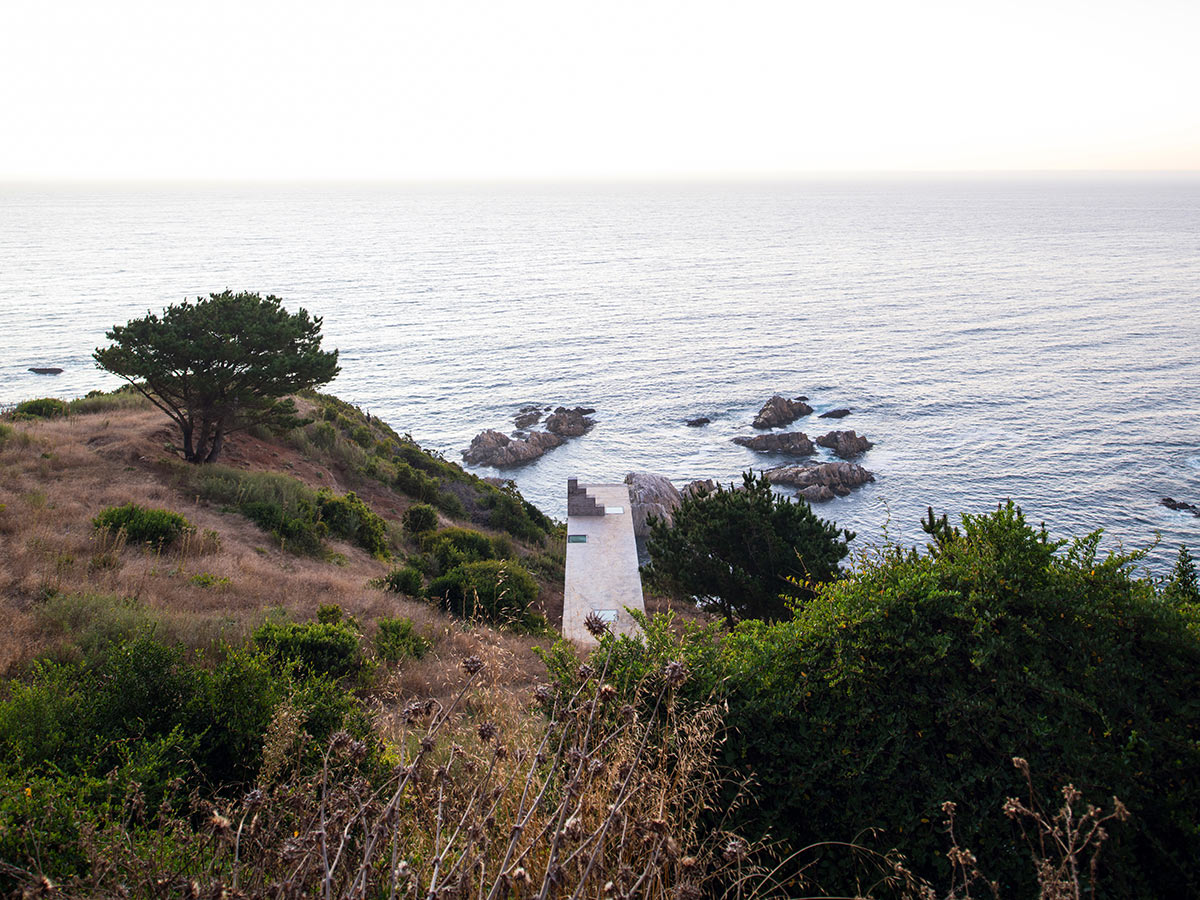
Please join us for a lecture by Concepcion-based architects Pezo von Ellrichshausen. Through a selection of detached houses in remote natural settings produced by the studio, their lecture will examine the temporal dimension of architectonic space. Recovering the contradictory prophecies advocated by fleeting hermits, from Thoreau to Zarathustra, Pezo von Ellrichshausen will introduce notions of voluntary exile, social retreat and productive contemplation.
Pezo von Ellrichshausen is an art and architecture studio founded in 2002 by Mauricio Pezo and Sofia von Ellrichshausen. They live and work in the southern Chilean city of Concepcion. Their work has been exhibited at the Royal Academy of Arts in London, as part of the Permanent Collection at the Art Institute of Chicago and the MoMA in New York, and at the Venice Biennale International Architecture Exhibition, where they also were the curators for the Chilean Pavilion in 2008.
They are currently Visiting Professors at Harvard University GSD and have taught at the Illinois Institute of Technology in Chicago, at Cornell University in Ithaca, New York and at the Universidad Catolica de Chile in Santiago. Among other venues, they have lectured at the Tate Modern, the Victoria & Albert Museum, the Metropolitan Museum of Art, the Alvar Aalto Symposium and the Royal Institute of British Architects.
Their work has been distinguished with the Mies Crown Hall Americas Emerge Prize by the IIT, the Rice Design Alliance Prize, the Iberoamerican Architecture Biennial Award and the Chilean Architecture Biennial Award.
The work of the studio has been widely published and edited in monographic issues of AV in Madrid, A+U in Tokyo, 2G in Barcelona and in the essay books Spatial Structure (B Architecture publisher) and Naïve Intention (Actar).
Mauricio Pezo (b. 1973) completed a Master in Architecture at the Universidad Catolica and a degree in Architecture at the Universidad del Bio-Bio. He has been awarded the Young Architect Prize by the Chilean Architects Association and the Municipal Art Prize by the Concepcion City Hall. Sofia von Ellrichshausen (b. 1976) holds a degree in Architecture from the Universidad de Buenos Aires where she was distinguished with the FADU- UBA Honors Diploma.
HHF
HHF
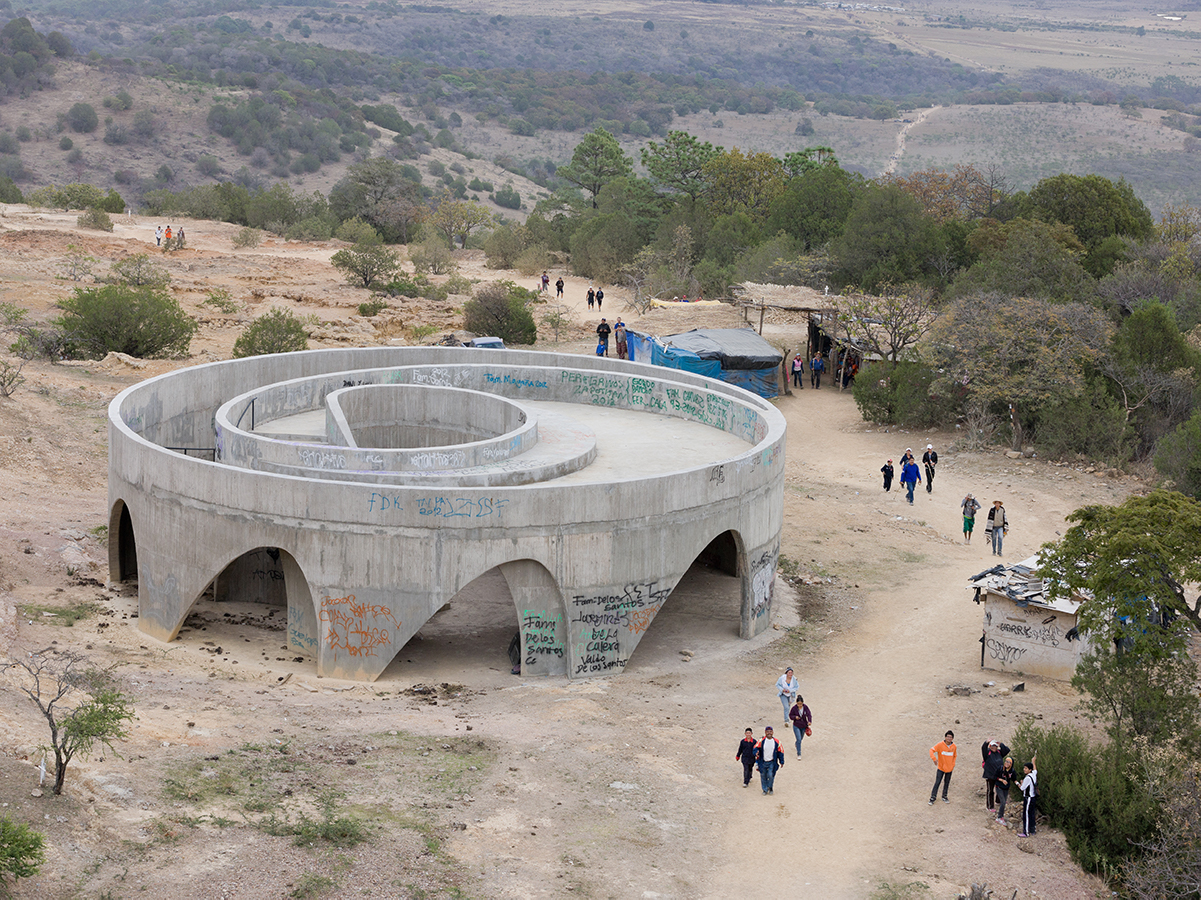
HHF was founded in 2003 in Basel by the architects Tilo Herlach, Simon Hartmann, and Simon Frommenwiler, whose personal, academic and professional track records are resolutely global in orientation. At ease in extremely varied contexts, the office develops projects that are the fruit of long conversations with clients of atypical ambition: a stop-over for pilgrims, a children’s park, a collectors’ storehouse, a revolutionary temple reuse in the Balkans, an observatory and insect museum on the loops of the Seine, downtown retail centers, and luxurious and appealing apartments and boutiques. HHF is a conciliatory practice of sorts, one that seeks to transform, not assault, that manipulates what it finds simply to change the game, and accepts the past in order to create as a springboard for continuities. Passage is the narrative thread in HHF’s projects. Everything proceeds from the sequence to be lived or traveled. Each project is a tool to amplify what is there — a landscape, situation, or feeling — and thereby transform whoever it touches.
Class Day 2018: Awards Ceremony and Address
Class Day 2018: Awards Ceremony and Address
The Harvard Graduate School of Design’s 2018 Class Day activities will be held on Wednesday, May 23, 2018. Class Day activities at the GSD include class photos and ceremony rehearsal for graduates, the Awards Ceremony and Class Day Address, and a reception for graduates and their guests.
The Class Day Awards Ceremony and Address will take place from 3:00 p.m. to 5:00 p.m. on Wednesday, May 23, in the Gund Hall Backyard.
Schedule Overview
• Morning: Class photos and ceremony rehearsal
• Mid-afternoon: Class Day Address and GSD Awards Ceremony
• Early evening: Reception for graduates and their guests
Please visit the GSD’s Commencement page for more information about Commencement week activities. You may also wish to view the university-wide Commencement site.
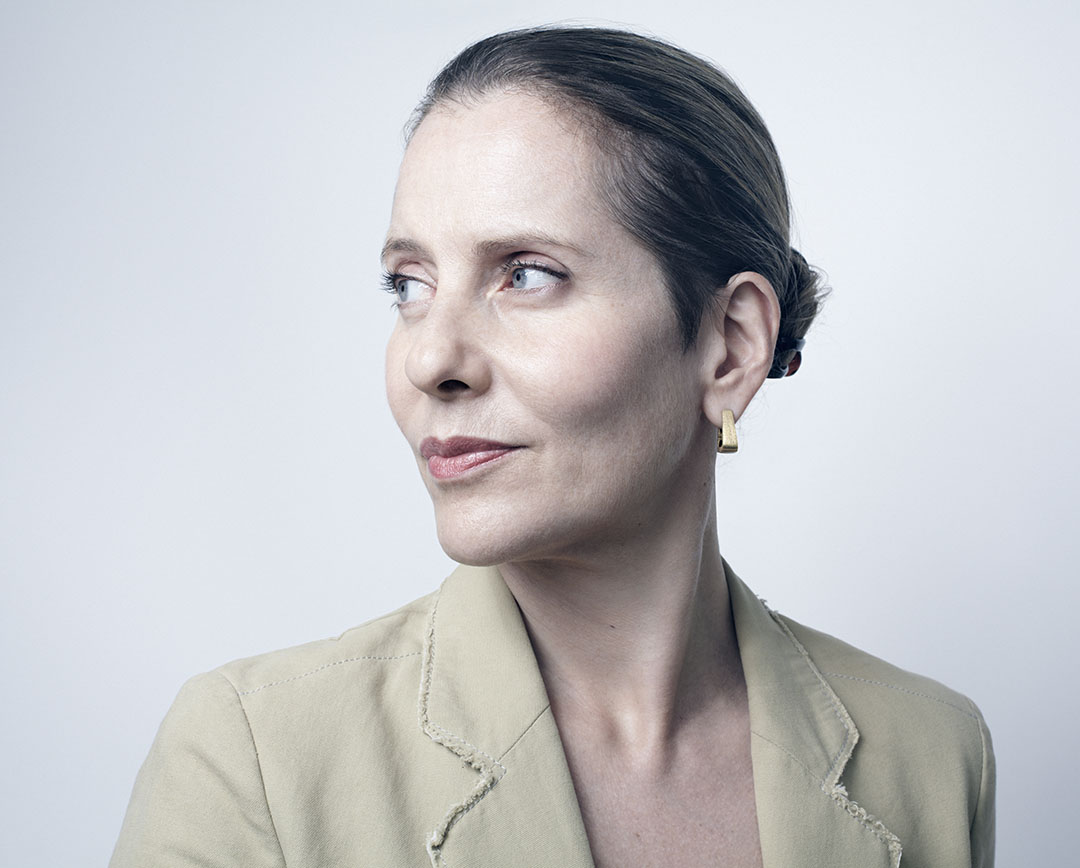
The GSD has named Paola Antonelli as its 2018 Class Day speaker. Antonelli joined The Museum of Modern Art in 1994 and is a Senior Curator in the Department of Architecture & Design, as well as MoMA’s founding Director of Research & Development. With a Master’s degree in Architecture from the Polytechnic of Milan, Paola Antonelli has also earned Honorary Doctorate degrees from the Royal College of Art and Kingston University, London, the Art Center College of Design, Pasadena, and Pratt Institute in New York. She has curated numerous shows, lectured worldwide, and has served on several international architecture and design juries.
Her most recent exhibition, Items: Is Fashion Modern?, devoted to 111 items of clothing that have had a strong impact on the world in the past 100 years, opened at MoMA in October 2017. She is currently working on the next Triennale di Milano, entitled Broken Nature (March 2019); on the book States of Design; and on a new Theory of Everything for design.
She can be found on Twitter as @CuriousOctopus, and on Instagram as @paolantonelli.
Eric Parry, “Webs, Plates, Fists and Gloves: Designing with Metals in Architecture”
Eric Parry, “Webs, Plates, Fists and Gloves: Designing with Metals in Architecture”

Iron used in the domestic interior revolutionized our understanding of the spatial setting; used in tall buildings, it has equally contributed to radical redefinition of the contemporary city. The breadth of its surface character and sectional dimensions are amazing, ranging from surgical instruments to infrastructure. As a prompt to this conversation, Eric Parry will illustrate a journey through the alchemic possibilities of metals in his own architecture.
Eric Parry has developed a particular reputation for delivering beautifully crafted and high-quality contemporary buildings that respond to their context.
His practice, Eric Parry Architects, is renowned for cultural projects involving sensitive historic buildings such as the restoration of the historic St Martin-in-the-Fields Church in Trafalgar Square and the highly acclaimed restoration for the Holburne Museum in Bath, as well as a number of prestigious commercial projects in the City of London and the City of Westminster including 1 Undershaft. This work also includes the Stirling Prize shortlisted schemes at 30 Finsbury Square and 5 Aldermanbury Square, One Eagle Place in Piccadilly and 8 St James’s Square. International projects include the residential schemes Damai Suria in Kuala Lumpur and the Westminster Nanpeidai in Tokyo for Grosvenor.
In addition to his work in architectural practice, Eric serves on the Council of Royal Academy, The Fabric Advisory Committee of Canterbury Cathedral and the Council of the British School at Rome. He has in the past served on the Arts Council of England’s Visual Arts and Architecture panel, chaired the RIBA Awards Group and was President of the Architectural Association.
His contribution to Academia includes fourteen years as lecturer in Architecture at the University of Cambridge and visiting lectureships at the Harvard University Graduate Design School and the Tokyo Institute of Technology.
In 2006 Eric Parry was elected Royal Academician (RA), one of the highest accolades for a practicing architect or artist in the UK and also received an Honorary Doctorate of Arts from the University of Bath in 2012.