Archiverse
Archiverse

Jacob Hamman (MDes Tech ’16)
Archiverse is a new digital design platform for architectural and artistic creation inside a collaborative virtual reality environment.
Charleston: Curating Exclusion
Charleston: Curating Exclusion
Javier Ors-Ausin (MDes CC ’17), Dana McKinney (MArch I/MUP ’17), Megan Mahala Echols (MUP ’16), Guan Min (MDes CC ’17), Euneika Rogers-Sipp (Loeb Fellow ’16)
This research studied representations of power in the built environment. Charleston, SC served as our case study as a “Hegemonic Identity City”, where its built environment has become a tourist destination using the lens of white identity throughout time to construct the material character of the city’s history, largely excluding African Americans and their culture as the main narrative.
Jakarta’s Orogeny: Inhabiting Java’s Volcanic
Jakarta’s Orogeny: Inhabiting Java’s Volcanic
Pedro Aparicio Llorente (MDes ULE ’16), recipient of the Gerald M. McCue Medal, and Namik Mačkić (MDes RR ‘16)
Java belongs to those regions of the Earth where geologic time is accelerated to an observable emergence. Volcanic activity has not only built the landmass of the island, with lava flows, lahars, and air-and water-borne ash, it has also spawned many of the most ingenious and resilient human cultures on the planet.
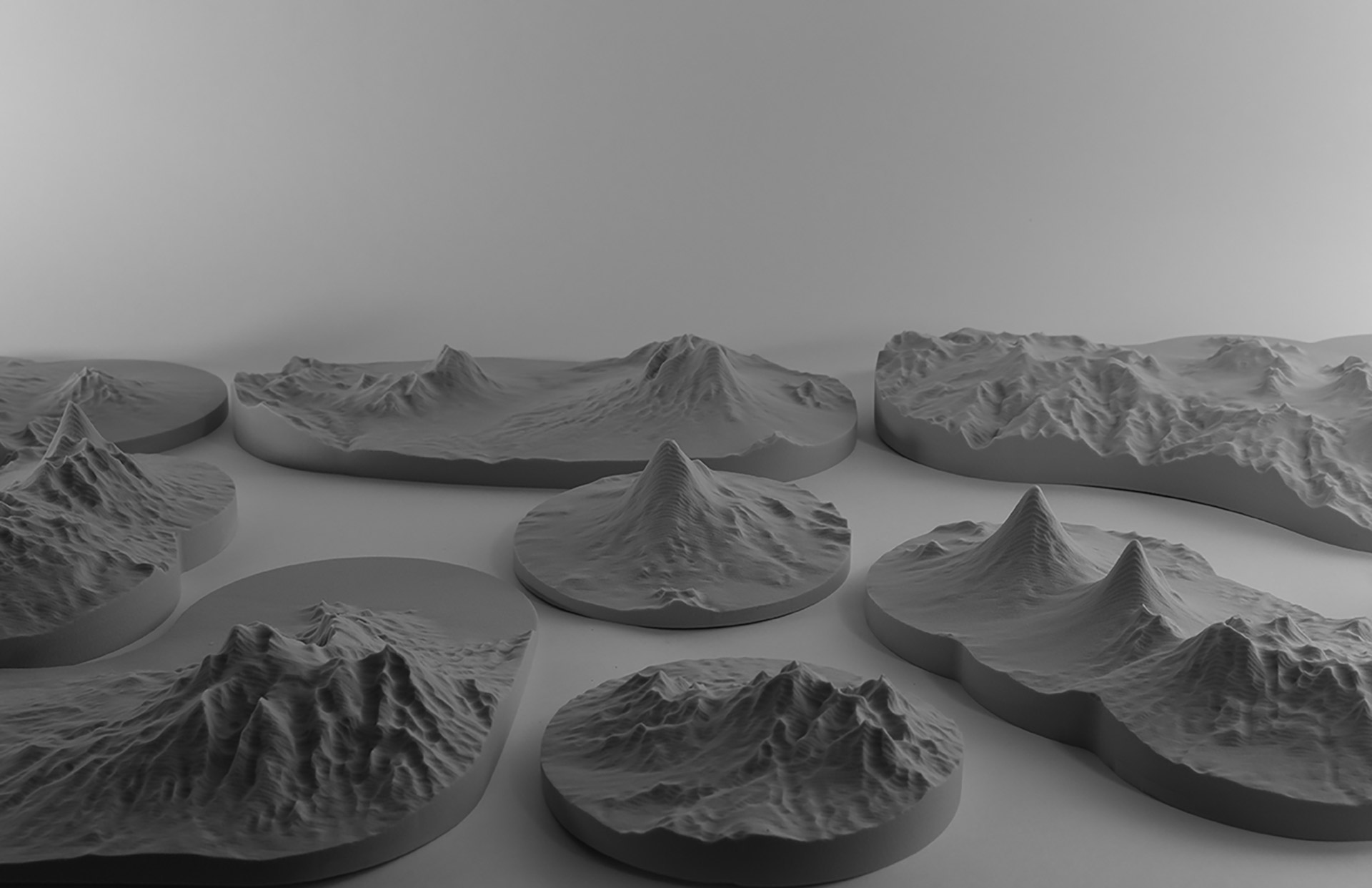
Investigating and imaging this active ground in relation to patterns of human activity, this project situates the most densely populated island on Earth as a vast geomorphic machine. The research is visualized through a longitudinal section taken from the Java Sea to the Sunda Trench to represent the role of volcanoes as urban centers, as spinal cords of socio-spatial organization.
Inhabiting Java’s Volcanic speaks of a place where geology and urbanism meet. Combining on-site audiovisual documentation with geospatial analysis, animated cartographies with graphical projections, this research places the observer within the oscillating encounters between the tectonic expression of the Ring of Fire and the climactic gradients of the Southeast Asian Monsoon.
As the planet’s material recycling patterns manifest in practices at a human scale, the distance between geologic activity and everyday life becomes increasingly shortened. Here, a geologic domestic materializes.
With the aim of opening new ways to conceive of and adapt to our planet’s accelerated environmental variations, we present Java’s volcanic slopes as an urbanistic precedent, one that harbors a logic of practice synchronized with the material agencies native to the island’s morphological flux. Within this alternative paradigm of inhabitation, knowledge is built and recalibrated to the processes and contingencies of a volcanic ground. The building capacity of the Earth, itself, is culturally absorbed and cultivated: a social production of geotechnicity. Inhabiting Java’s Volcanic tells of a regional framework with global and interdisciplinary implications: an example to seek, foster, and build upon the significant depths of the geologic and the altitudinal variations of the atmospheric in designing with environmental change.
Jakarta epitomizes and defies the definition of a megacity. The capital of South-East Asia’s largest economy and the world’s second most populated metropolitan area appears as an agglomeration of villages, stretched across the 21st century mutation of a colonial entrepot. Interconnected with the interior of the island of Java through a capillary system of social and economic relationships, these settlements with their attendant forms of mobility contain salient elements of a long-standing regional superstructure. Tracing these features, we have uncovered a mesh of patterns that stretches across a Javanese landscape that seems to emerge out of the geologic.
For four centuries, both under Dutch colonial rule (1618–1945) and sovereign Indonesian government (1945–), the alluvial plain of Jakarta has been subjected to an aggressive, imported model of landscape alteration. Within the total package of the Dutch mercantile city, consolidation of the shoreline and channelization of watercourses have accompanied fortification and grid. From early on, floods and diseases breeding in the stagnant waters of the canals would testify to the local failure of this engineering paradigm of normalization and defense. The uncontainable growth of Jakarta as the capital of the independent Indonesia has only exacerbated the environmental externalities of the colonial project. In the 21st century, it is the rhetoric of urban vulnerability that helps perpetuate it, by continuing to erect rigid barriers against environmental contingency. Currently several mega-projects are underway that purport to address the recurrent floods, severe pollution, land subsidence, and sea level rise, while reclaiming the shallow Jakarta Bay as a new waterfront for high-end developments. Evictions and displacements of kampungs-urban villages- accompany these patterns of land transformation.

Inhabiting Java’s Volcanic proposes an alternative entry point to Jakarta’s narrative as the quintessential megacity-at-risk. Looking past the rhetoric of coastal vulnerability to study the forms of living that have unfolded in Java’s highlands, the project sheds light on a volcanic landscape that seems to provide a lexicon that allows a different approach to describe, interrogate and intervene Jakarta’s spatial organization. This language reveals then that inhabiting is in closer terms to active configurations rather than informal or ephemeral occupations. For this reason, to see Jakarta as volcanic, opens a possibility for designers to work with gradients of human and nonhuman agency and release their imagination from the binaries that neutralize design’s agency in the first place. We believe that Jakarta manifests a proximity to geologic time that demands a different set of precedents in order to move beyond the “global city” aspiration.
In an inversion of the techno-managerial concept of risk, Inhabiting Java’s Volcanic establishes an alternative paradigm of material propagation and absorption of turbulence. You are looking at morphologies that, in opposition to those born of attempts to control, unfold value out of environmental contingency. Pre-mapping a territory that is yet to be recognized, this project proposes the volcanic as a dynamic set of geo-social relationships, configuring and reconfiguring points of activity and patterns of mobility, and resulting in an endemic spatiotemporal framework.
In the process of assembling an open-ended list of patterns, Inhabiting Java’s Volcanic suggests that there exist precedents to be considered for an alternative, decentralized model of adaptation – one that derives knowledge and accumulates coping capacities through controlled exposure to the environmental dynamics while providing both economic and cultural anchorage. By articulating vital links between the geologic agency and local practices, the project gestures towards a future reassembly of regional economies and systems of habitation around an endogenous material logic: that of the volcanic territory. Privileging configurations that allow for intensive socio-environmental engagements, this calls for the decolonization of our design imaginary.
Sponsored by the Harvard Asia Center, Harvard GSD Community Service Fellowship Program, Fulbright Scholarship
Allometric Sake
Allometric Sake
Amira Abdel-Rahman (MDes ’17), Gabriel Muñoz Moreno (MDes ’17), and Santiago Serna Gonzalez (MArch I/MDes ’17)
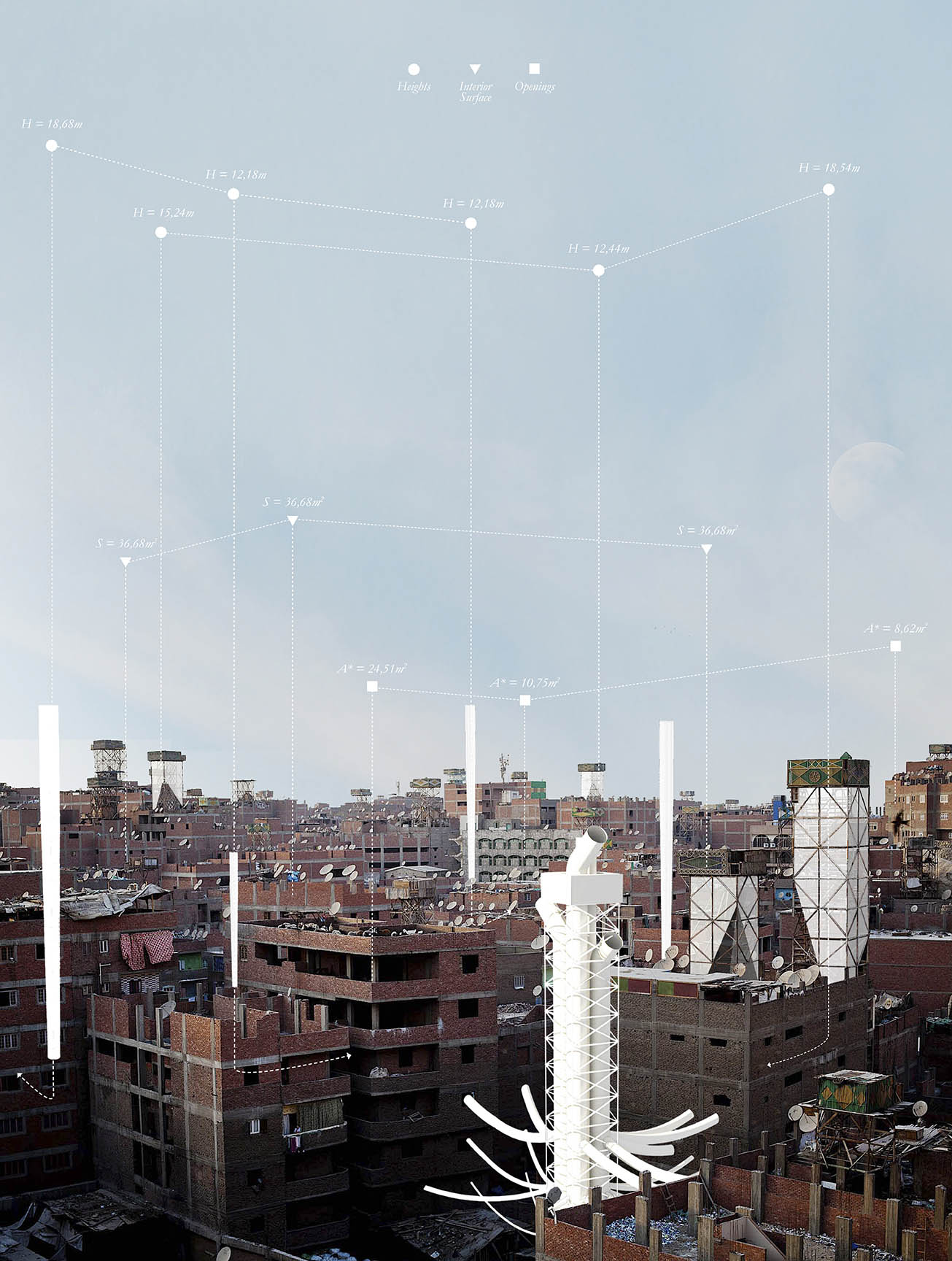
Based on a the theories developed by Holford and Woods in their paper: On the thermal buffering of naturally ventilated buildings through internal thermal mass (2007) we developed a simple framework where buildings worldwide can be retrofitted in order to create natural, buoyancy driven ventilation, powered by thermal mass. Through the simplification of the method, and with the software we designed, the input parameters are as follows: desired ventilation rate, building height, internal and external network of openings, and internal surface area. With this, we are able to analyze any building’s current conditions and propose cost effective solutions for its improvement. The result is the ability to intervene in critical locations with simple and economical strategies for the improvement of living conditions.
Amira Abdel-Rahman, Principal Researcher, Software Development
Gabriel Muñoz Moreno, Principal Researcher and Creative Design
Santiago Serna Gonzalez Principal Researcher and Engineering
Collective Meta-Structures: Increasing Scales of Commercial Development
Collective Meta-Structures: Increasing Scales of Commercial Development
B. Cannon Ivers (MLA I ’16) and Mark Jongman-Sereno (MLA I/MArch I ’17)
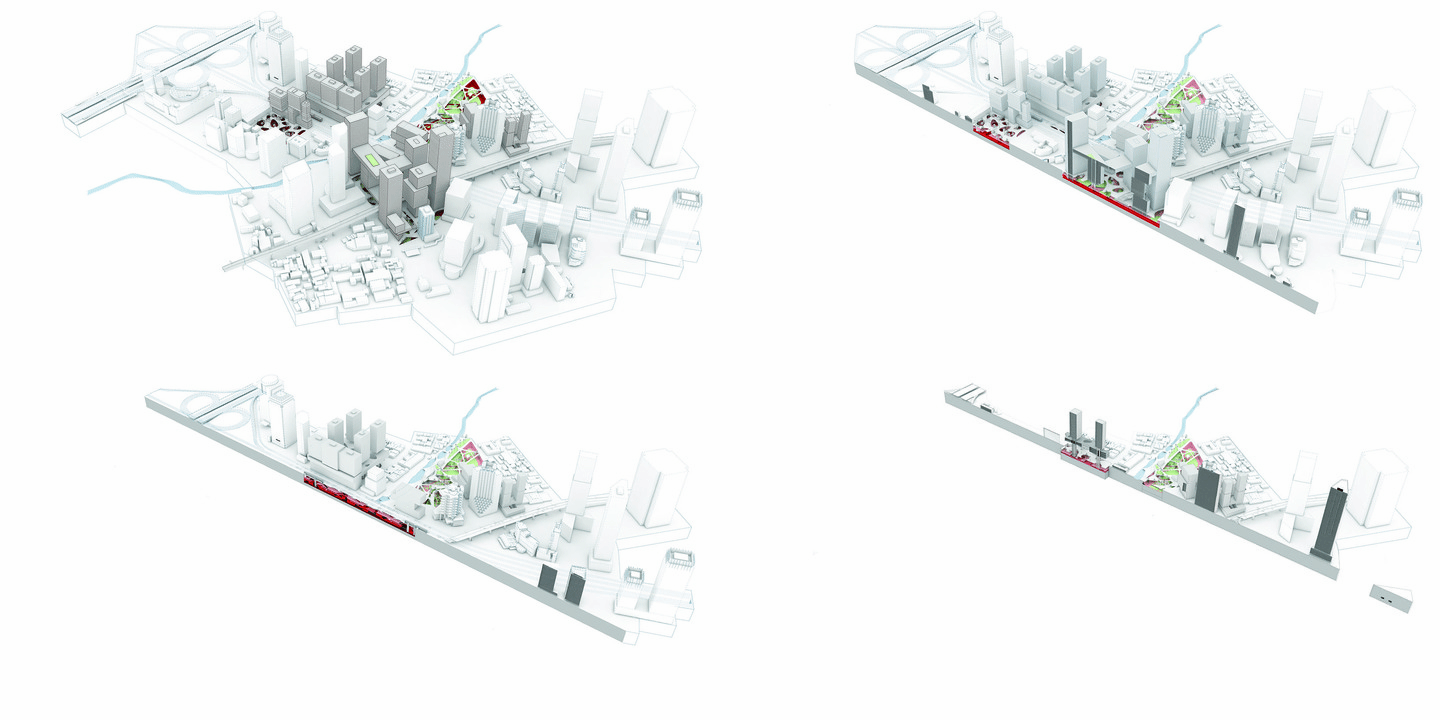
Working within the existing model of development in Jakarta, this project introduces a model for private commercial development that challenges the scale of the mega-block, suggesting that this existing archetype is not too large but in fact too small. Through the aggregation of multiple transit modes, this project provides a centralized inter-modal transportation hub serving different demographics and social classes of the city through the introduction of pedestrian permeability within the developed mega-block. Through an operational thickened section, horizontal continuity is created across multiple levels to establish a shared common space that mediates disparate scales, urban conditions and spatial fragmentation. The vertical layering of collective space expands the ground onto which the city life of Jakarta can unfold.
Borders: Ocean as Platform
Borders: Ocean as Platform
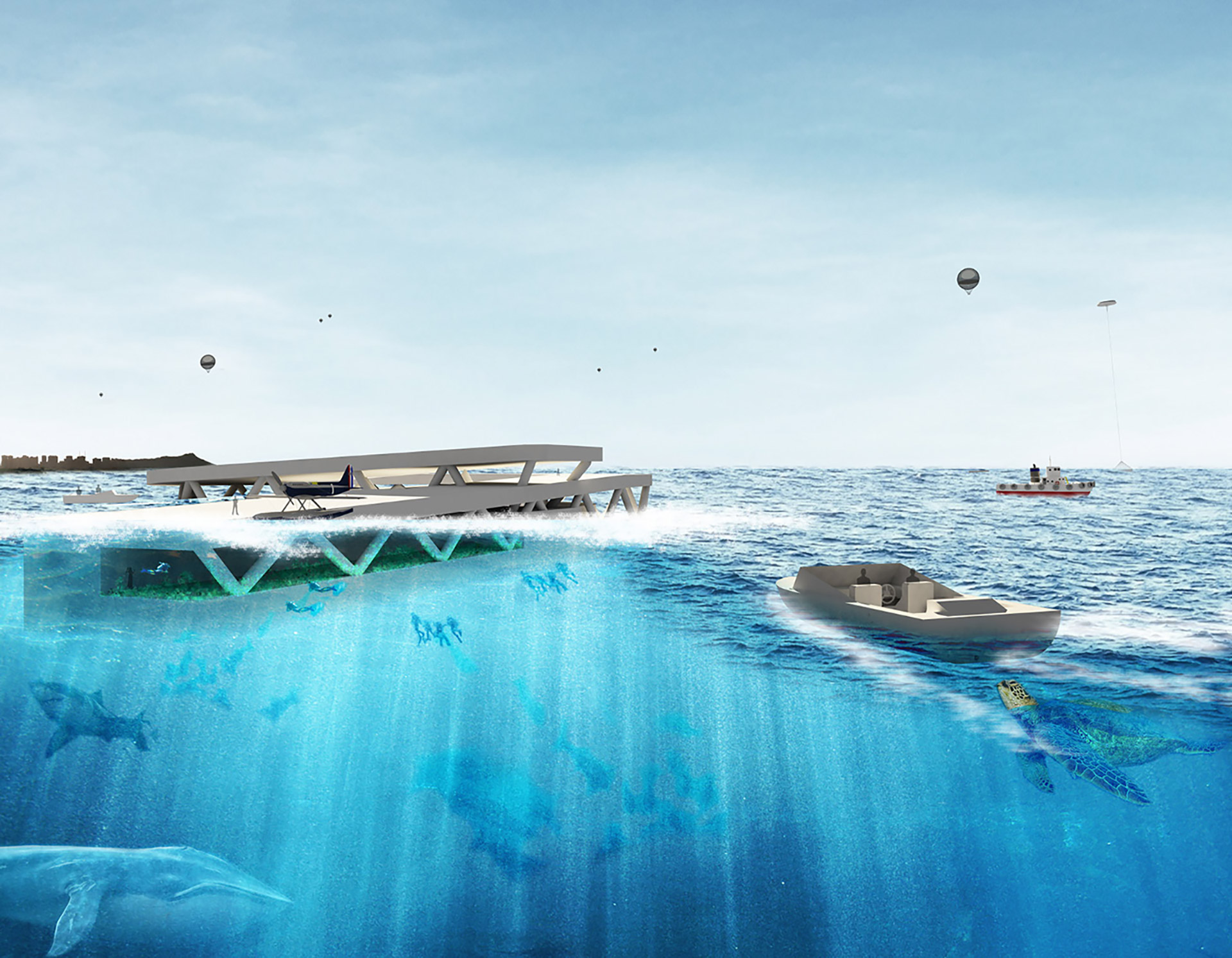
B. Cannon Ivers (MLA I ’16)
This speculative project examines the perceived borders between land, sky and sea, envisioning instead one holistic system that challenges land-based agriculture as the only method of production. It raises the question as to whether the people of Hawai’i, those most adept to the ways of the water, can forge a new economy of food self-reliance that moves towards food exportation to make the Ahupuaʻa global again. It also examines civilian and military borders, being projective about what a post-military scenario would look like for the Ahupuaʻa of He’eia by repositioning the use of the military scale infrastructure as a system for production, processing and distribution of ocean-based agriculture.
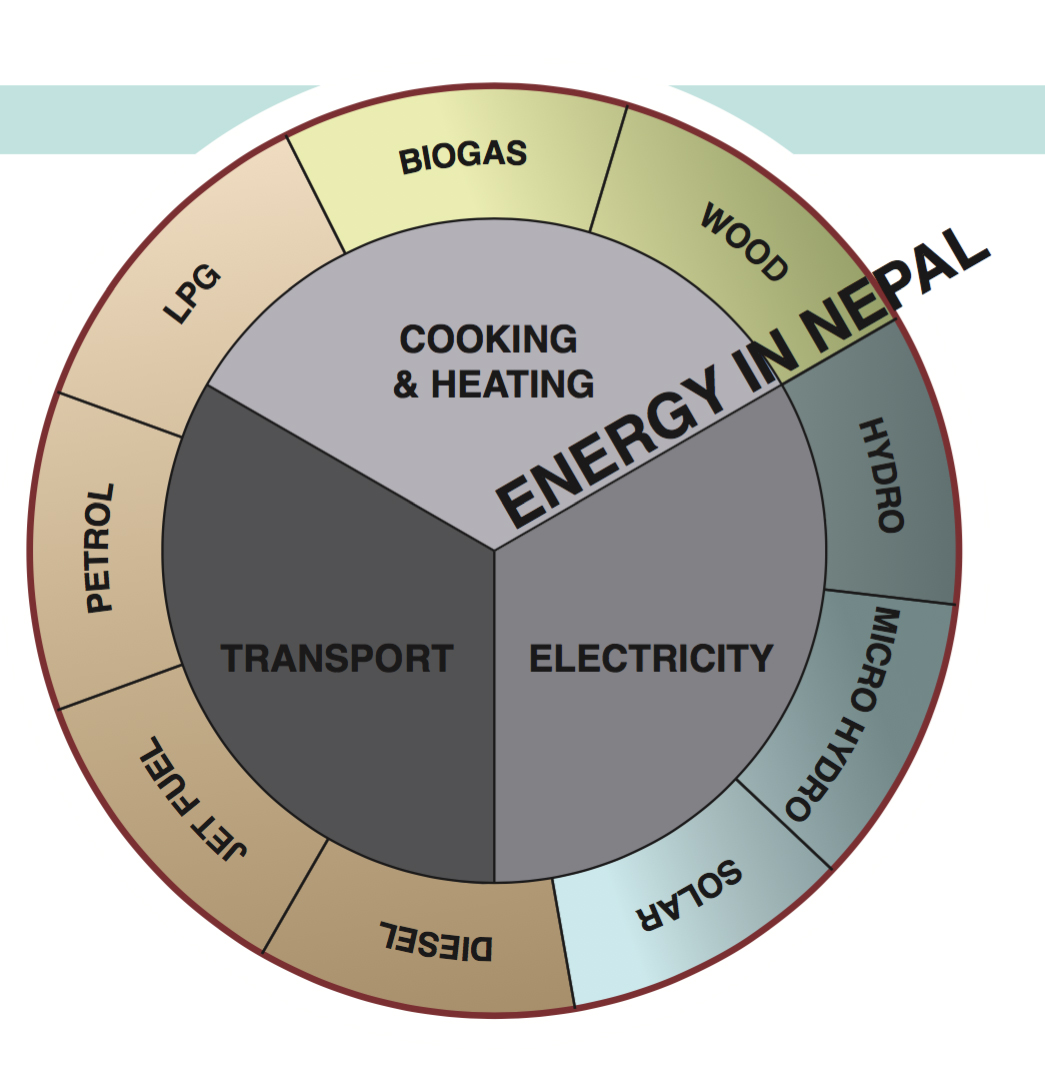
Energy in Nepal: How has the fuel shortage changed the way people access and use energy?
Energy in Nepal: How has the fuel shortage changed the way people access and use energy?
Justin W. Henceroth (MDes ’17) and Ashley C. Thompson (MDes ’17)
Nepal is struggling to procure and maintain a steady and sufficient supply of energy.
In response to the new constitution signed on 20 September 2015, an undeclared border blockade has created an energy shortage throughout the country. Activities reliant on fuels such as cooking, heating, and transportation have been severely curtailed, forcing people to shift fundamental energy needs, both personal and professional, to rely on secondary energy sources such as the national power grid. Since onset of the unof cial blockade, demand on the national grid has doubled, severely straining the existing system and its limited capacity. Dominated by run-of-river hydropower, Nepal’s electricity production is af- fected by seasonal ows. Load shedding is typical in the winter; however, the overwhelm- ing increase in demand has extended blackouts up to 18 hours a day. The fuel shortage is highlighting the fragility of Nepal’s energy sector.
With response and recovery from the Spring 2015 earthquakes ongoing, the blockade and collateral energy shortage comes at a crucial time. Many people throughout the country remain in temporary shelters and are at particular risk in the cold winter season. The energy shortage additionally threatens reconstruction efforts, for example by inhibiting transportation of materials and staff, and further impacts the health and safety of people throughout Nepal.
As a sector that has been predominantly dependent on imports from India, the overall energy situation is also highly politically sensitive. Fuels that can only be procured inter- nationally supply much of the country’s energy, and domestic sources of energy have not been suf ciently developed to meet demand when those are not available. Even after the border blockade is resolved, the energy sector in Nepal will remain fragile, threatening recovery and development.
Alternatively, these challenges have highlighted a number of opportunities where Nepal might shift towards more sustainable and comprehensive development of the national energy sector. According to one government of cial, the fuel shortage has reprioritized resident’s estimation of self-sufficiency regarding access to energy. Urban residents now consider alternative sources of energy, such as solar systems, a “basic necessity” to ensure energy security. This powerful new perspective is creating opportunities for innovation in energy. Initiatives that integrate more sustainable forms of energy into earthquake recovery and long-term development will contribute to long-term resilience for individuals and the nation.