The Rise: Black Cooks and the Soul of American Food
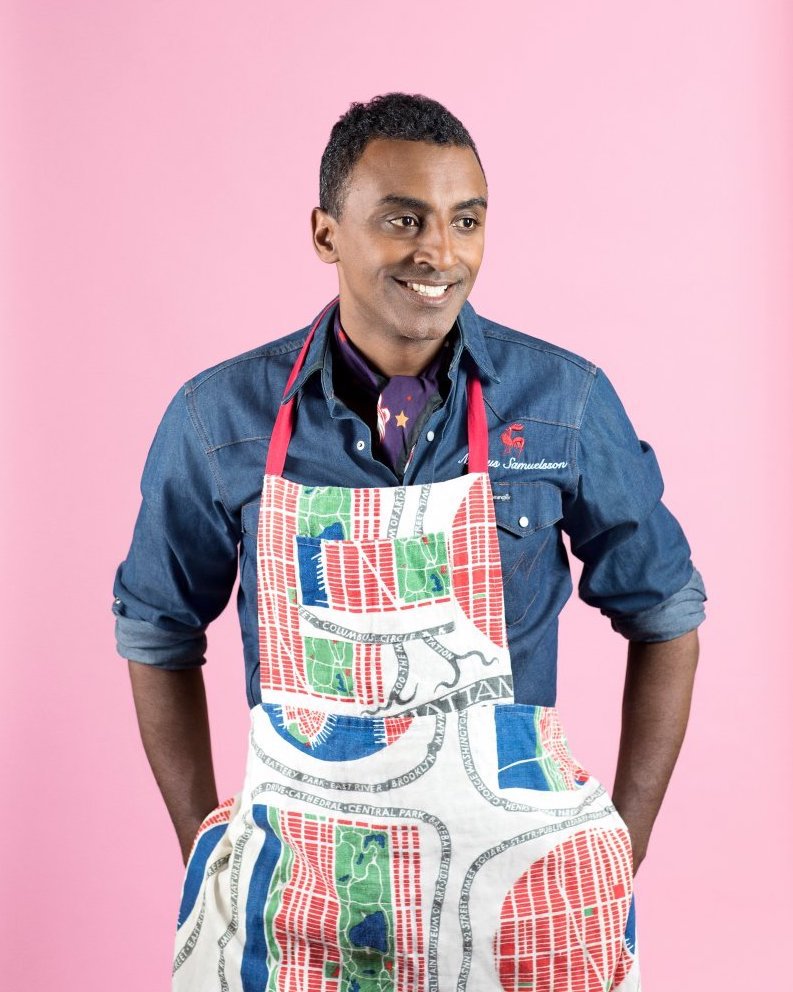
By Marcus Samuelsson
“It’s the last week of February, and I’m in Miami setting up my new restaurant, Red Rooster Overtown. I’m talking to chefs, cooks, dishwashers, investors, all part of the frantic setup before we open.
Fast forward to a week later and this coronavirus is real. Twenty-five years of work, from coming to the US as an immigrant in the mid-90s to growing up as a chef at Aquavit to opening Red Rooster in Harlem and expanding to Overtown, is falling apart.
It only took ten days.
My phone rings. I speak with my business partner in Miami. The opening is not going to happen. We let go of the staff we’ve been training for weeks. Marcus B&P in Newark, New Jersey, follows, and then Red Rooster in Harlem. I don’t want to shut down. I want to hold on.
The next day, everything is still. The first time in years.
I gather with my team and we pivot. Who can help us out of this—knowing that Covid-19 will live very differently in Harlem, Newark, and Overtown compared to the rest of America? One thing about being Black and an immigrant is that I never really trust the system—you learn to go through a lot of adversity on your own. I think about my father, a leader in a small Ethiopian village. How he led his people to build a well out of nothing. How every night they prayed and held themselves with dignity. Now is the time to pull from that side of me.
The first call is to Jos. Andr.s and World Central Kitchen. In two weeks, Jos.’s team helps transform Red Rooster Harlem into a community kitchen to feed hundreds of people a day. The next question is who will stay in Harlem to help? Robert, our greeter, is in. Jamie, our server, says, “I can.” Nicolette, our hostess, says to count her in as well.
I don’t know what to expect from our first days of service. Would there be nurses on the line? Firemen? Teachers? Or the folks who most of the time we ignore? The homeless. Folks from the nearby methadone center. They become our new regulars. The daily number rises to five hundred, and more.
Chicken one day, gumbo the next. Then rice and beans. Chile con carne after that.
We start a new routine I never learned in cooking school. Instead of yelling “Behind you! Hot pan!” we yell “Six feet apart! Please stay in line.” Robert coaches the line on social distancing. But how do you instruct someone who is high or mentally ill and appears unstable, next to a mother trying to get food for her family?
At the beginning of April, the folks who make up the food line shift again—the working class is now joining in. People start to arrive early. Jamie and Robert hold back portions for the elderly who can’t make the line, do an extra run to Ms. Johnson in 4B, to aunties and uncles who cannot stand for hours to receive a nourishing meal.
The worst calls have begun to come in. The virus is more than just numbers in the news. We lost my friend Chef Floyd Cardoz. Samuel Hargess Jr., from the iconic Paris Blues, is dead—a veteran of an incredible juke joint where the best musicians in the world have performed. Gary Samuels, who played in our band for nine years every single Sunday, is now gone. Kerby, another door greeter, and Reggie, a manager, have each lost a parent. Customers are also dying.
We reach twenty thousand meals served, with kitchens firing away in Harlem, Newark, and Overtown. I never thought of cooks and servers as first responders. In this moment in America, once again, the immigrants are helping. The guy at the deli. The lady delivering your package. These people are the first to not get health insurance. The first to be looked down upon or pushed aside. They are my heroes.
Through this, we are survivors. Our heritage has long shown how we continue to prevail even when the light seems dim and fades to black. A cultural experience of healing that we must all go through now.
But Covid-19 is not the only disease infecting America. The pandemic will eventually be overcome, though its effects will stay in the Black community for longer than elsewhere.
The bigger disease we must fight is the virus of systemic racism.
Alongside the rise of the coronavirus this year, we saw the killings of Ahmaud Arbery, Breonna Taylor, and George Floyd by police. David McAtee, who ran YaYa’s BBQ Shack in Louisville, often served food at no cost to struggling members of his neighborhood and police officers, yet he was killed by the Kentucky National Guard in the aftermath of Black Lives Matter protests. In these and too many other violent tragedies we have seen the ugliest and worst of America.
We have also seen the bravest and best in response. Some of the most important work in fighting back against racism has happened during this pandemic. Although John Lewis passed during this time, his legacy has never been stronger. The changes we are a part of now are having a ripple effect—not only in America’s Black communities and communities of people of color, but in marginalized and Black communities throughout the world.
It will also have a tremendous impact on the food industry.
Food has always been part of the movement for racial justice. Change has often come from ordinary people doing extraordinary things through food, and changing our table. Take Georgia Gilmore, a mother of six in Alabama who fed and funded the Montgomery bus boycott for more than a year in the 1950s. Her cooking and efforts to organize the “Club from Nowhere” raised hundreds of dollars a week for the civil rights movement. Or Zephyr Wright, the chef for Lyndon B. Johnson, who was constantly in the President’s ear about injustice and how America needed to change, and who later was invited by the President to personally witness the signing of the Civil Rights Act of 1964.
Sometimes leaders are famous and widely documented. Sometimes they are not as well-known. The contributions of Black people in this country have always been underdocumented and undervalued. We can change that narrative. And we must.
We have to get rid of our biggest wound in America: racism. I hope that feeding each other, learning about our food and who makes it, is part of what will help us heal.
The Rise was created to highlight the incredible talent and journey of Black chefs, culinarians, and writers at work today, and to show how the stories we tell can help make a more equitable, just industry. I hope this work, and this moment, leads to us raising up Black winemakers, authors, and farmers. I hope it leads to us supporting the next generation of Black chefs and hospitality workers who will change our industry forever.
And I hope that this movement becomes a part of a permanent and much broader social change.
So much beauty and achievement has come out of tough times throughout history, and it is inspiring to see communities across the globe coming together to care for one another. We also know that the road “back” from the current crisis will be harder for Black people because of the systemic challenges that disproportionately affect Black restaurateurs and creators of all kinds. That’s why it’s so important for everyone to help bring more equity to this industry. See the Resources section on page 301 for a few starting points to take this message and turn it into action in your own life.
We are the Black Food Community: Black chefs, Black servers, Black bartenders, Black food writers, Black culinary historians, Black recipe developers. Our food stems from challenged communities and challenged times. It comprises enslavement, poverty, and war, yet our food has soul, and has inspired and fed many. We will rise, we will shine, we are survivors.
Black Food Matters.
Marcus Samuelsson July 2020
Marcus Samuelsson is the acclaimed chef behind many restaurants worldwide, including Red Rooster Harlem, Marcus Restaurant + Terrace in Montreal, and Marcus B&P in Newark. Samuelsson was the youngest person to receive a three-star review from the New York Times and was the guest chef for the Obama Administration’s first state dinner. He has won multiple James Beard Foundation awards including Best Chef: New York City and Outstanding Personality for No Passport Required, his television series with VOX/Eater.
Excerpt: Right to the City for All: A Manifesto for Social Justice in an Urban Century, by Lorena Zárate
Excerpt: Right to the City for All: A Manifesto for Social Justice in an Urban Century, by Lorena Zárate
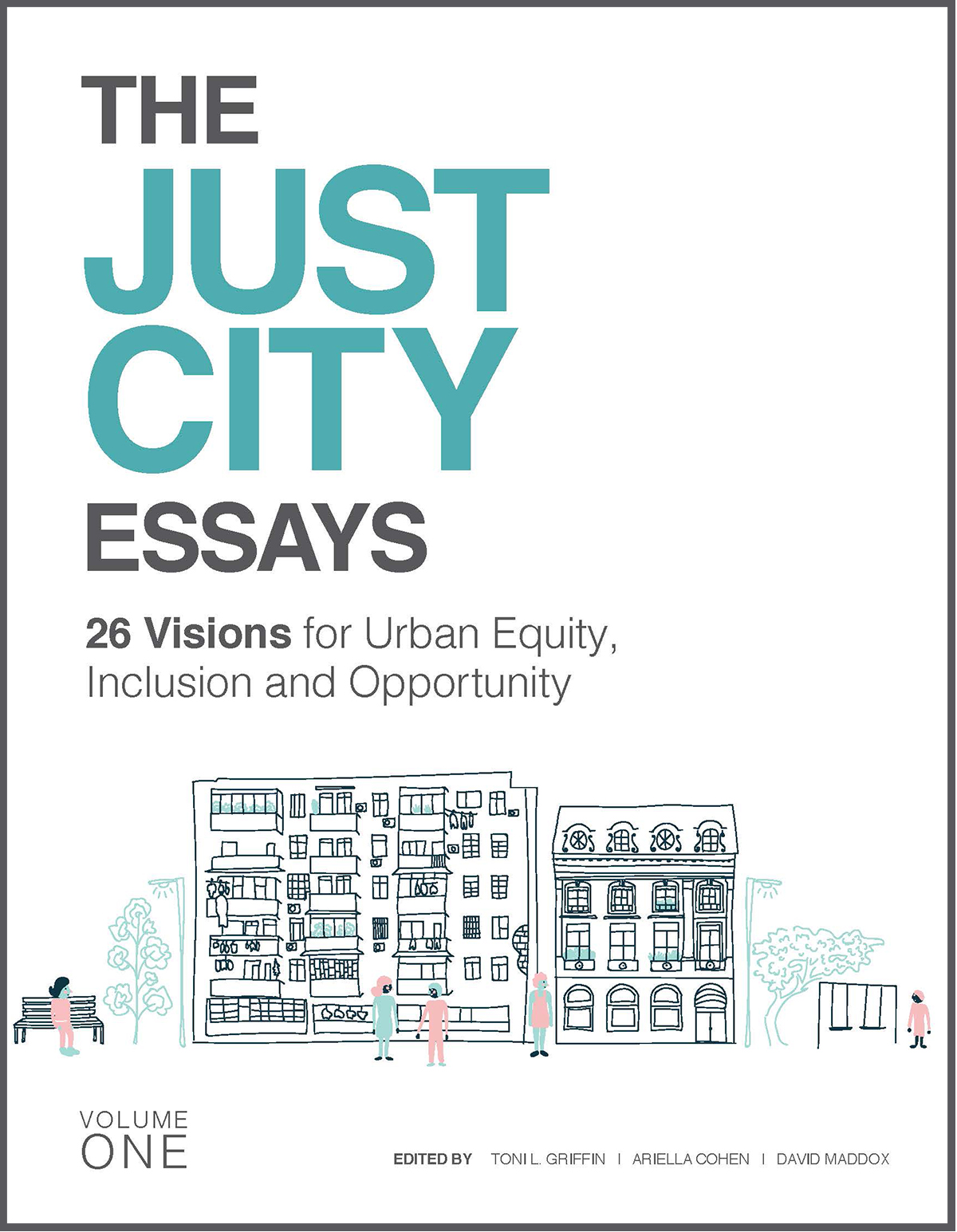
“Five years ago, the Harvard Graduate School of Design’s Just City Lab published The Just City Essays: 26 Visions of Inclusion, Equity and Opportunity. The questions it posed were deceptively simple: What would a just city look like? And what could be the strategies to get there? These questions were posed to mayors, architects, artists, philanthropists, educators and journalists in 22 cities, who told stories of global injustice and their dreams for reparative and restorative justice in the city.
These essays were meant as a provocation, a call to action. Now, during these times of dissonance, unrest, and uncertainty, their contents have become ever more important. For the next 26 weeks [starting June 15, 2020], the GSD and the Just City Lab will republish one essay a week here and at designforthejustcity.org. We hope they may continue conversations of our shared responsibility for the just city.
We believe design can repair injustice. We believe design must restore justice, especially that produced by its own hand. We believe in justice for Black Americans. We believe in justice for all marginalized people. We believe in a Just City.”
—Toni L. Griffin, Professor in Practice of Urban Planning, founder of the Just City Lab, and editor of The Just City Essays
Right to the City for All: A Manifesto for Social Justice in an Urban Century
By Lorena Zárate
[The Right to the City is] the right to change ourselves, by changing the city.—David Harvey, 2008
The Cities We Have
The cities we have in the world today are far from being places of justice. Whether in the South, the North, the West or the East, the cities we are living in are a clear expression of the increasing inequalities and violence from which our societies suffer, as a direct result of putting capital gains and economic calculations—greed!— before people and nature´s well-being, dignity, needs and rights.
The concentration of economic and political power is a phenomenon of exploitation, dispossession, exclusion and discrimination whose spatial dimensions are clearly visible: dual cities of luxury and misery; gentrification processes that displace and evict traditional and low-income populations; millions of empty buildings and millions of people without a decent place to live; campesinos without land and land without campesinos, subjected to abuses by agro-businesses, mining and other extractive industries and large scale projects.
In other words, injustice emerges from destruction of public and community´s goods and assets, and the weakening of regulation, redistribution and welfare policies in States that instead facilitate private appropriation and accumulation of the commons, the resources and the collectively-created wealth. Continue reading on designforthejustcity.org…
Urban Planning alum Justin Rose on community organizing in Baltimore: “Often the people who hold the knowledge or insight that can unlock a creative solution are overlooked.”
Urban Planning alum Justin Rose on community organizing in Baltimore: “Often the people who hold the knowledge or insight that can unlock a creative solution are overlooked.”
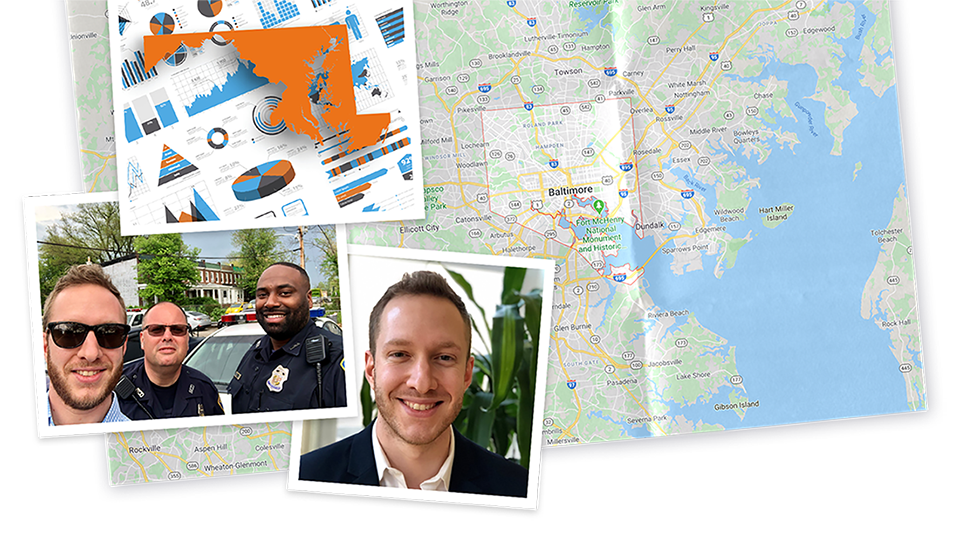
Justin Rose is using his love of data and his skills in urban planning to help Baltimore manage some of its most pressing issues.
Whenever Justin Rose (MUP ’18) sits in a community meeting, he takes note of the people who aren’t speaking. They are generally the ones who haven’t yet been invited to offer their opinions — and they are the ones Rose wants to hear from most.
“Often the people who hold the knowledge or insight that can unlock a creative solution are overlooked,” said Rose, who works as a performance analyst in the Baltimore mayor’s office of Performance and Innovation. “I seek out those people and bring them into the process; their experiences are essential.”
That interest in engaging residents and finding ways to bring them into the conversation sits at the heart of the way Rose views his work. The North Carolina native spent time in Boston working as a community organizer with low-income and elderly populations, and the path to his current job began at the Bloomberg Harvard City Leadership Initiative while studying at the Harvard Graduate School of Design.
“There can be a big disconnect between policymakers, the decisions they make, and the lived experiences of the people who are most impacted by those decisions,” said Rose. Because of this, he spends his time in the community working to bridge that disconnect by helping residents track the efforts of city departments in their neighborhoods.
Rose emphasizes that his role is equal parts organizing and data analysis. Relationship building, both in the community and with his government colleagues, is what he points to as keys to success.
Often the people who hold the knowledge or insight that can unlock a creative solution are overlooked.
Rose is using his love of data and his skills in urban planning to help Baltimore manage some of its most pressing issues.
Rose’s Performance and Innovation team just launched CleanStat, a component of Mayor Jack Young’s “Clean It Up!” campaign to tackle the city’s persistent trash and litter problem. CleanStat takes the trove of data the city has and turns it into visual representations of targets and successes, and it allows residents to easily sort through that data to see progress in their own neighborhoods.
“The dashboard [we developed] has to serve multiple purposes: inform the public; help departments manage their business, and serve as a quality check,” Rose said. “We have so much [data] that can be used to communicate how, where, and why we deliver services.”
Something he appreciates about the people who serve in city government is their passion and commitment; they live the issues that they go to work each day to address, he noted.
It is a personal connection he not only admires but tries to emulate by getting out into the community, asking questions, and listening.
“With every data set I work with, I try to pop the hood and find out specifically how the data is generated and what the story behind it is,” he said. “Doing this, you get to the truth of the matter really quickly.”
As he continues working on the mayor’s ambitious agenda and the essential priorities of the community, Rose says his goal is to help city government slow down and recognize the knowledge that exists in the community as they work to implement change.
Justin Rose (MUP ’18) is using his skills as a community organizer and his experience working with complex data sets to help Baltimore solve their most pressing problems, all while preserving the city’s rich history.
MUP program’s Andriani Atmadja, Cecley Hill, Whytne Stevens among six recipients nationwide of the 2020 APA Foundation Scholarship
MUP program’s Andriani Atmadja, Cecley Hill, Whytne Stevens among six recipients nationwide of the 2020 APA Foundation Scholarship
Harvard Graduate School of Design degree candidates Andriani Atmadja (MUP ’21), Cecley Hill (MUP ’21), and Whytne Stevens (MUP ’22) are among the six recipients of the American Planning Association’s (APA) 2020 APA Foundation Scholarship, one of the highest student honors in the field. According to the APA’s mission statement, the foundation and its scholarship help make planning education more accessible, attract the most talented individuals to the profession, and work toward making the profession more diverse. Each of this year’s scholarship recipients is motivated by their personal experience and their desire to create stronger futures for their communities through equity, environmental stewardship, and economic development.
Atmadja, Hill, and Stevens are each enrolled in the GSD’s Master in Urban Planning program, where they study and research a variety of topics. See below for a gallery of select work from the honorees.
“I am truly honored to get this award from APA,” Atmadja says. “It helps me to further my mission of enhancing resilience planning for vulnerable communities that seek social justice and equity in its practice.”
“It’s an honor to receive this award alongside two other fantastic women from the GSD,” says Hill. “I’m incredibly thankful for the APA Foundation’s support in this critical period and look forward to joining in work towards building more equitable cities around the world.”
“I’m honored and very grateful to have received this scholarship from the APA Foundation and see it as one of many ways to support students of color in urban planning, especially given our current sociopolitical climate,” Stevens says. “Receiving this scholarship helps me to continue exploring topics through a social equity framework such as participatory planning, community development, and people centric urban design while studying urban planning at the GSD.”
APA and its professional institute, the American Institute of Certified Planners, are dedicated to advancing the profession of planning, offering better choices for where and how people work and live. The more than 40,000 APA members work in concert with community residents, civic leaders, and business interests to create communities that enrich people’s lives. Through its philanthropic work, APA’s Foundation helps to reduce economic and social barriers to good planning.
Learn more about the 2020 APA Foundation honorees at the APA’s website.
Excerpt: How to Build a New Civic Infrastructure, by Ben Hecht
Excerpt: How to Build a New Civic Infrastructure, by Ben Hecht
“Five years ago, the Harvard Graduate School of Design’s Just City Lab published The Just City Essays: 26 Visions of Inclusion, Equity and Opportunity. The questions it posed were deceptively simple: What would a just city look like? And what could be the strategies to get there? These questions were posed to mayors, architects, artists, philanthropists, educators and journalists in 22 cities, who told stories of global injustice and their dreams for reparative and restorative justice in the city.
These essays were meant as a provocation, a call to action. Now, during these times of dissonance, unrest, and uncertainty, their contents have become ever more important. For the next 26 weeks [starting June 15, 2020], the GSD and the Just City Lab will republish one essay a week here and at designforthejustcity.org. We hope they may continue conversations of our shared responsibility for the just city.
We believe design can repair injustice. We believe design must restore justice, especially that produced by its own hand. We believe in justice for Black Americans. We believe in justice for all marginalized people. We believe in a Just City.”
—Toni L. Griffin, Professor in Practice of Urban Planning, founder of the Just City Lab, and editor of The Just City Essays
How to Build a New Civic Infrastructure
By Ben Hecht
In the United States of America, cities have long been gateways to opportunity. For centuries, people from all over the country and the world, including my own grandparents, came to our cities chasing the promise of a better life. America’s bargain with its citizens, rich and poor, was in many ways a model for the world.
Today, U.S. cities produce 85 percent of the nation’s GDP, are home to more than 50 percent of the population, and spend billions of dollars annually to educate, house and protect their citizens. Meanwhile, American cities are undergoing a major demographic shift. By 2040, America will be a majority-minority nation. And events in Ferguson and Baltimore have underscored the destructive nature of existing disparities of income, education and opportunity between whites and non-whites.
Addressing these disparities is one of the key social issues of our time. But our current trajectory is too slow, obsessed with short-term wins and incrementalism, where leaders are constantly reinventing the wheel instead of building on the work of those who came before them. We celebrate improvements in one school on one block while tiptoeing around the fact that it is the entire system that needs fixing. We tell heartwarming stories about 100 kids served or 100 young adults placed in good jobs while averting our eyes from the millions more who remain disconnected from opportunity. We talk about how far we have come since the civil rights movement, but are uncomfortable with discussing how far we still must go to achieve true racial equity. Unless we ferociously change course, the new American majority will be less educated, less prosperous and less free.
To build truly just cities, we need a new type of urban practice aimed at achieving dramatically better results for low-income people, faster. This new urban practice will require cities to get key public, private and philanthropic leaders to work together differently, to better harness impact investing dollars, and to leverage technology to engage all residents in solutions. Continue reading on designforthejustcity.org…
With study of urban sanitation and flooding in Bangkok, Tina Yun Ting Tsai receives 2020 ASLA Award of Excellence
With study of urban sanitation and flooding in Bangkok, Tina Yun Ting Tsai receives 2020 ASLA Award of Excellence
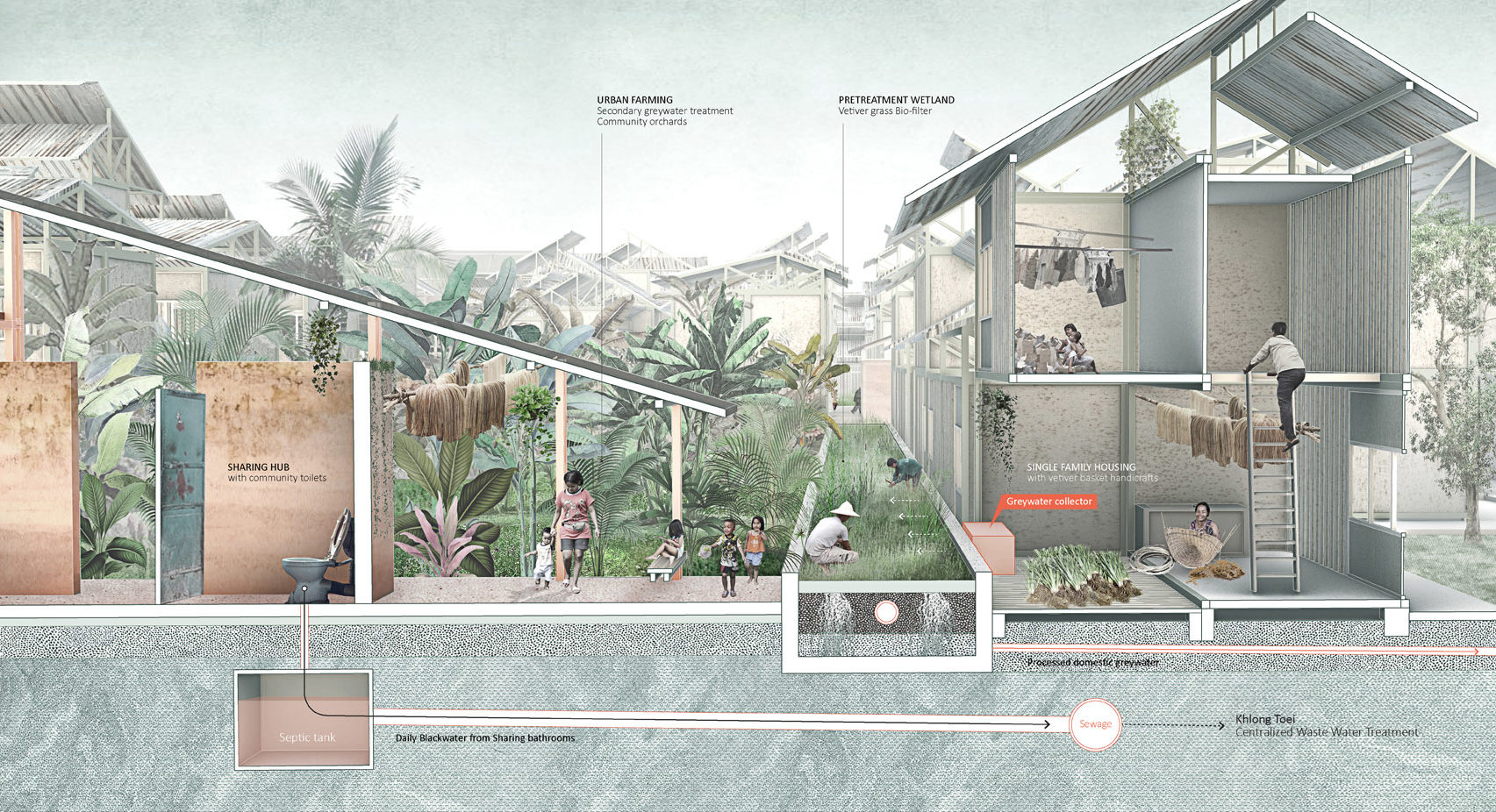
Tina Yun Ting Tsai (MLA ’20) has received an Award of Excellence in the Residential Design Category in this year’s American Society of Landscape Architects Student Awards. Her project, Informality as Filter: A Renewed Land Sharing Plan for Khlong Toei Community, examines informal settlements in Bangkok, specifically the Khlong Toei Community, as a way to understand and solve problems of urban sanitation and flooding. The project aims to preserve and protect local culture and citizens by introducing a land-sharing plan that promotes improvements of the existing water supply and food production chains. Professor of Landscape Architecture and Technology and Associate Dean for Academic Affairs Niall Kirkwood and 2020 Design Critic in Landscape Architecture Kotchakorn Voraakhom were instructors in the option studio for which Tsai completed the project.
The ASLA jury explains: “Bangkok’s Khlong Toei community—an informal settlement along one of the city’s many canals—suffers from contaminated water, degraded health conditions, and the constant threat of relocation. But if this impermanent community were made a permanent and planned part of the city, as this project proposes, a mutually beneficial arrangement between inhabitants and city government could blossom. Starting with a multi-functional infrastructure of shared toilets feeding a wastewater treatment plant, greywater would be generated for use in community orchards. A retention pond and storage tanks would collect excess monsoon rainwater to be used during the drier months. By addressing this community’s needs, rather than shunting it to another temporary location, the local government would advance social equity while improving urban hygiene through a new, sustainable ecology.”
Students, Faculty, Alumni Honored with 2020 Boston Society of Landscape Architects Awards
Students, Faculty, Alumni Honored with 2020 Boston Society of Landscape Architects Awards
Harvard University Graduate School of Design students, faculty, and alumni are among those to receive 2020 BSLA Design Awards from the Boston Society of Landscape Architects. The awards honor projects that show a “demonstration of excellence and reflect the careful stewardship, wise planning, and artful design of our cultural and natural environment.” In order to be considered for the award, projects, students, or landscape architects had to be located in Massachusetts or Maine.
The GSD student awardees are:
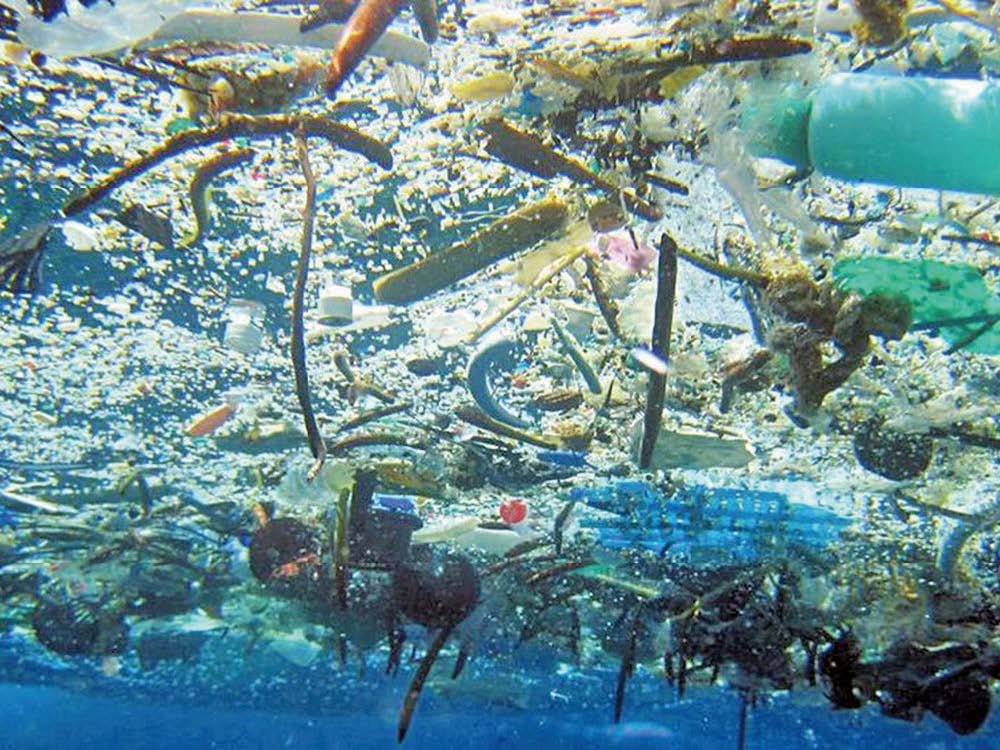
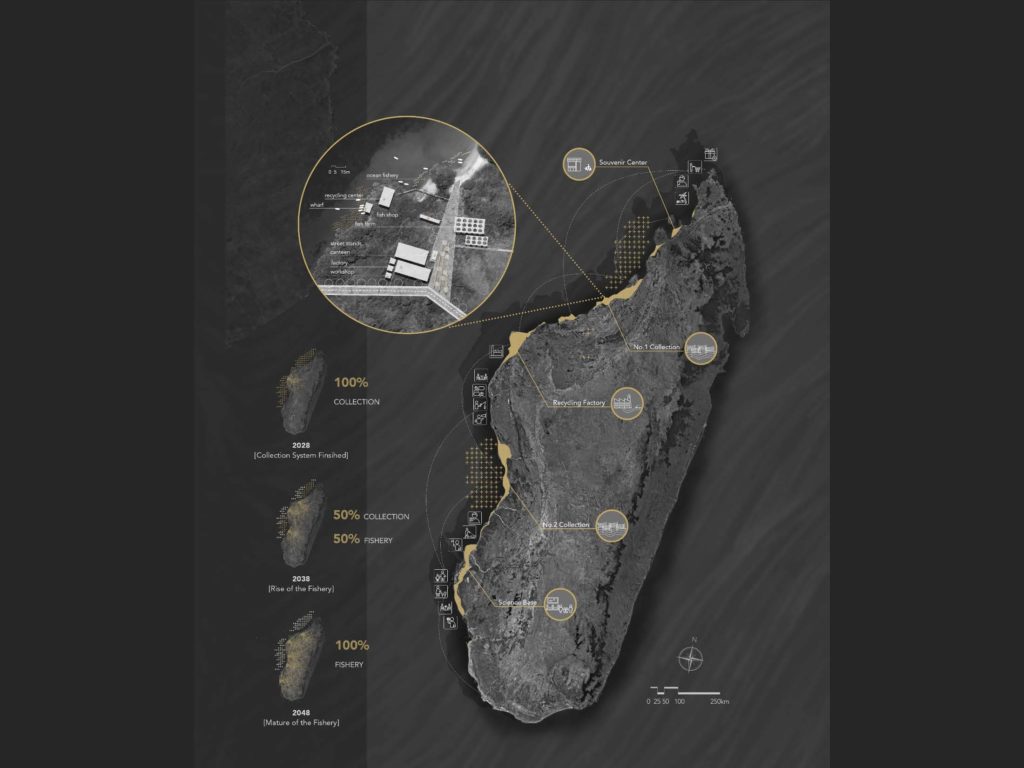
Xue Bai (MLA ’23) for “From Trash to Fish” with a Student Merit Award
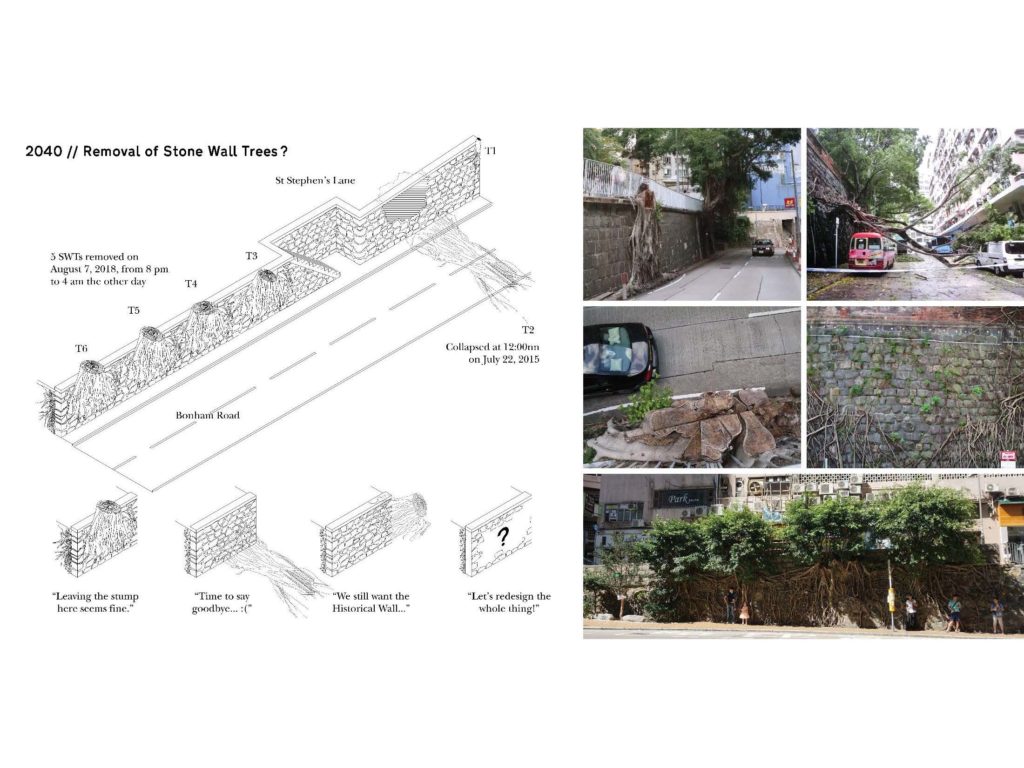
Anson Ting Fung Wong (MLA ’19) for “Stone Wall Trees 2040—Hong Kong” with a Student Merit Award
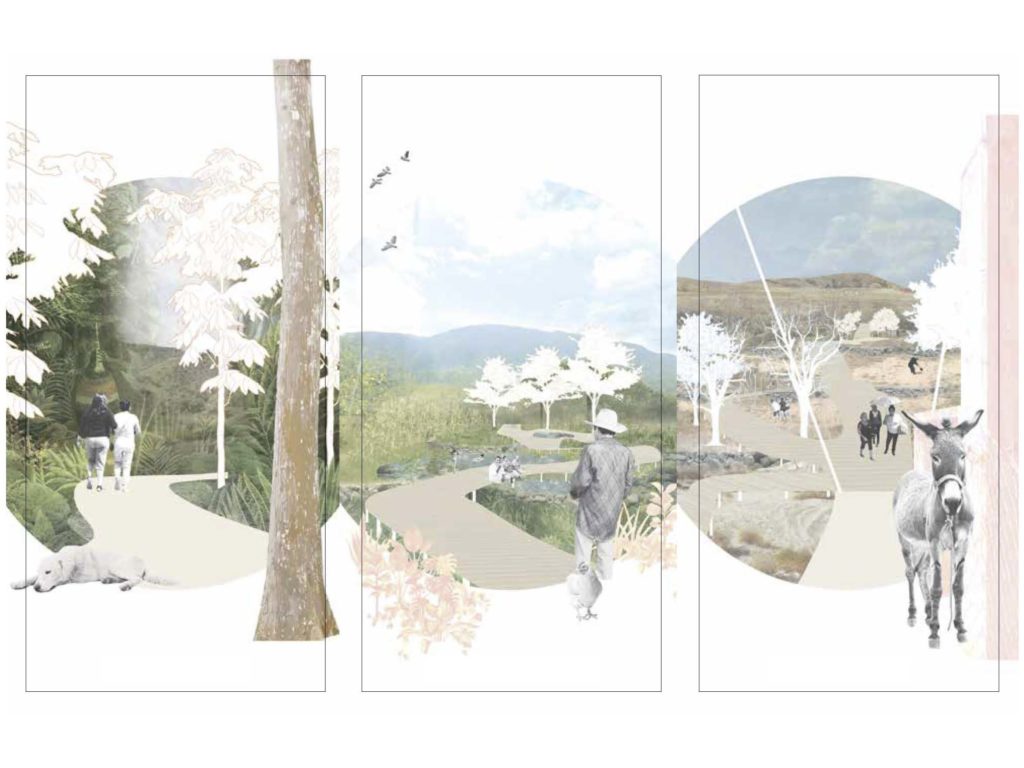
Estello-Cisdre Raganit (MLA ’19) for “Returning to the River: Water as Public Space—San Agustin Amatengo, Oaxaca, Mexico” with a Student Merit Award
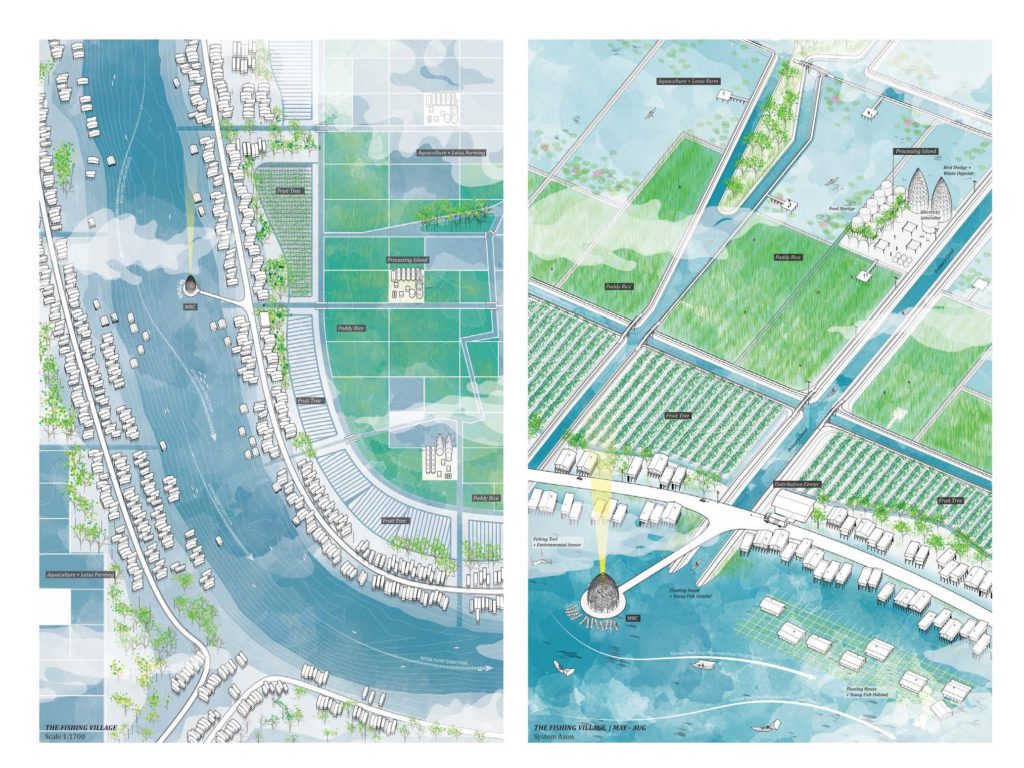
Tam Banh (MArch, MLA ’18) for “Water Assemblage—Mekong Delta, Vietnam” with a Student Honor Award
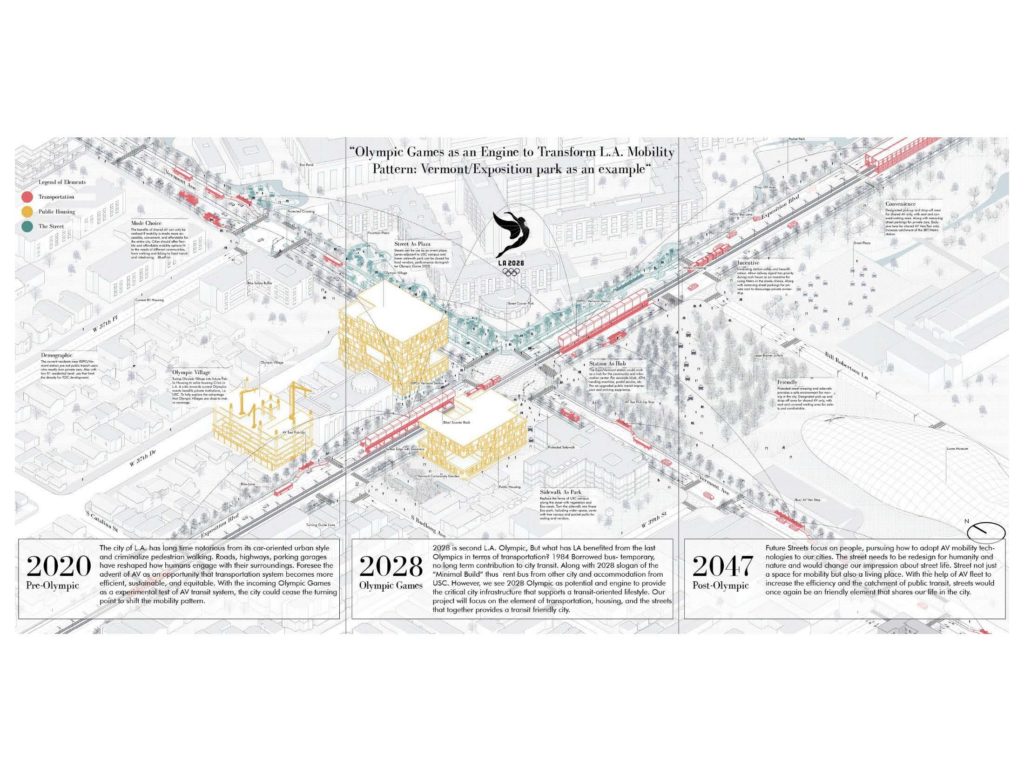
Amanda Ton (MLA ’19), Wei-Hsiang Chao (MAUD ’20), and Xin Qian (MAUD ’19) for “Mobility is Equality—Los Angeles, California” with a Student Honor Award
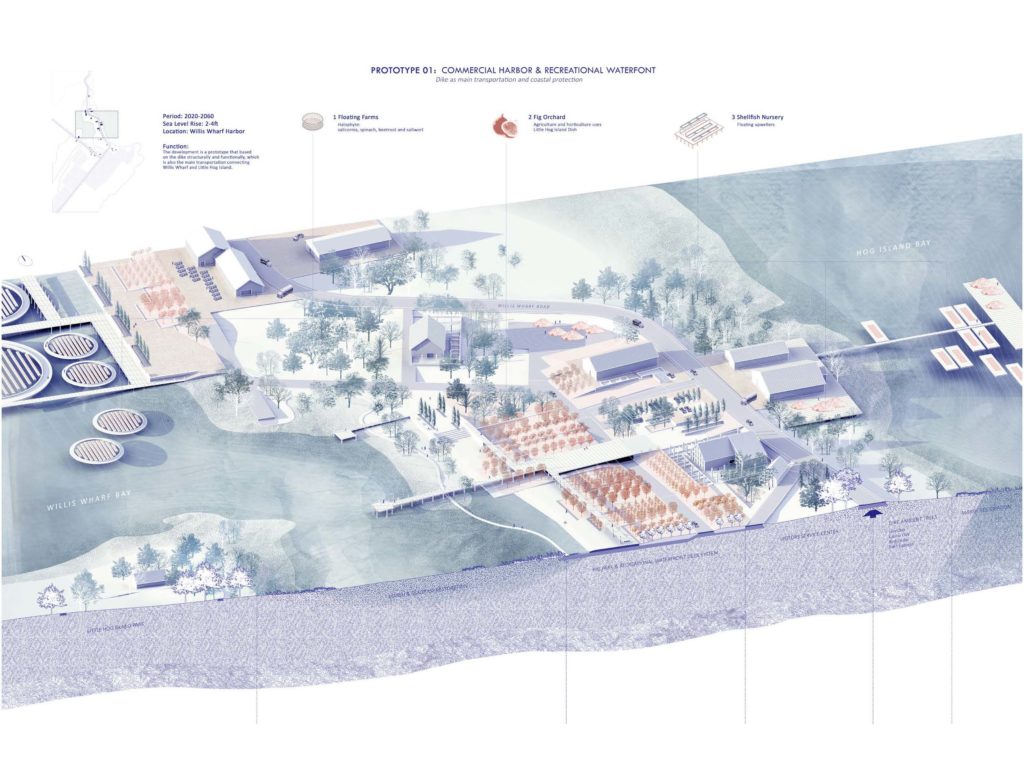
Tina Yun Ting Tsai (MLA ’20) for “Right to Remain—Willis Wharf, Virginia” with a Student Excellence Award
GSD faculty and alumni were among the professionals awarded by the BSLA. GSD affiliated winners include:
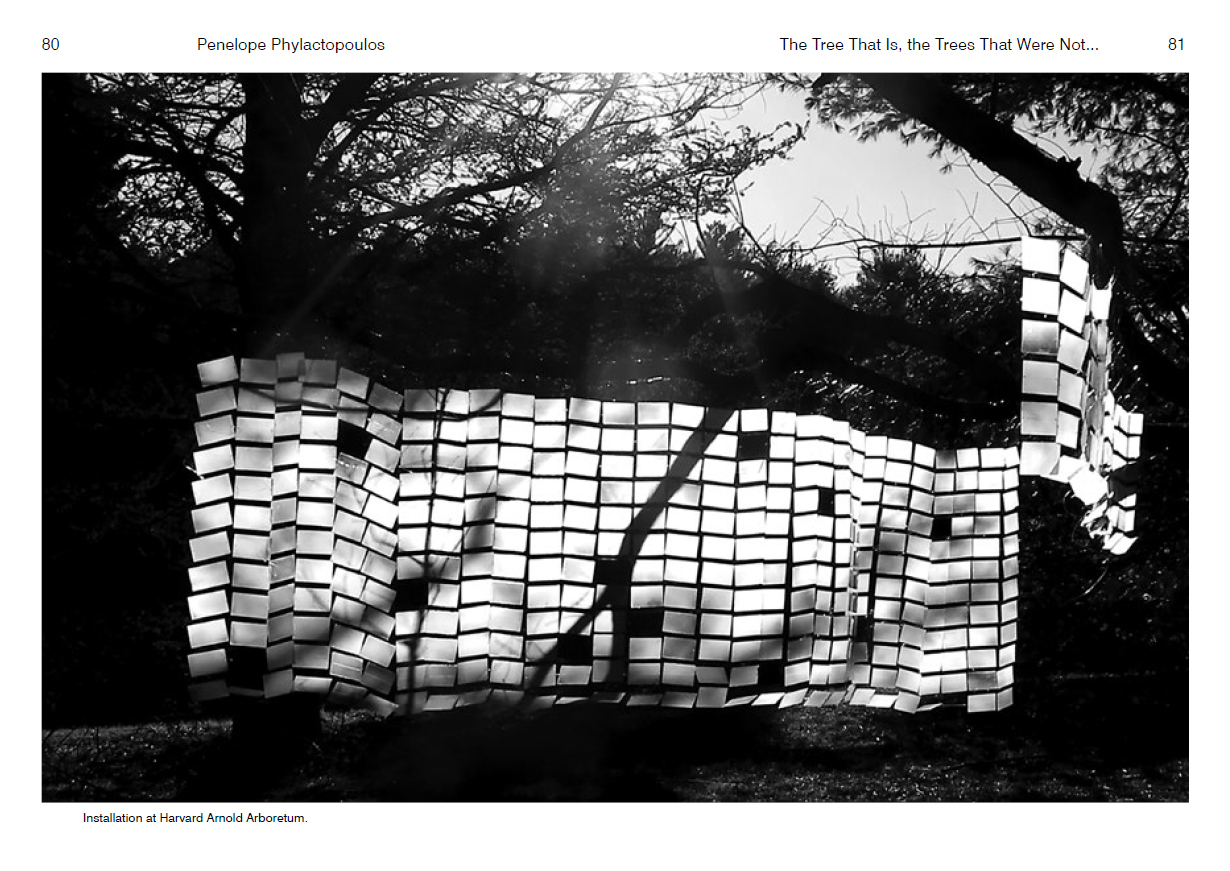
The Art, Design, and the Public Domain (ADPD) concentration of the Master in Design Studies program has published a collection of projects by the graduating class of 2019. The booklet features work by Kathryn Abarbanel, Inés Benítez Gómez, Hanna Kim, Je Sung Lee, Eric Moed, Mallory Rukhsana Nezam, Penelope Phylactopoulos, Andrew Scheinman, Mindy Seu, Daniel Shieh, and Alicia Valencia.
According to the publication’s introduction: “The public domain is a space for the assertion and dissemination of human and civil rights. It is a space both digital and physical, open for exchange, confrontation, and collaboration by singular, plural, and collective voices. It allows and encourages public concerns to be addressed and acknowledged as public, no matter how suppressed they may be.” The ADPD concentration is led by the GSD’s Malkit Shoshan and Krzysztof Wodiczko.
Take a look inside:
Excerpt: Cape Town Pride; Cape Town Shame, by Carla Sutherland
Excerpt: Cape Town Pride; Cape Town Shame, by Carla Sutherland
“Five years ago, the Harvard Graduate School of Design’s Just City Lab published The Just City Essays: 26 Visions of Inclusion, Equity and Opportunity. The questions it posed were deceptively simple: What would a just city look like? And what could be the strategies to get there? These questions were posed to mayors, architects, artists, philanthropists, educators and journalists in 22 cities, who told stories of global injustice and their dreams for reparative and restorative justice in the city.
These essays were meant as a provocation, a call to action. Now, during these times of dissonance, unrest, and uncertainty, their contents have become ever more important. For the next 26 weeks, the GSD and the Just City Lab will republish one essay a week here and at designforthejustcity.org. We hope they may continue conversations of our shared responsibility for the just city.
We believe design can repair injustice. We believe design must restore justice, especially that produced by its own hand. We believe in justice for Black Americans. We believe in justice for all marginalized people. We believe in a Just City.”
—Toni L. Griffin, Professor in Practice of Urban Planning, founder of the Just City Lab, and editor of The Just City Essays
Cape Town Pride; Cape Town Shame
By Carla Sutherland
I have lived in an array of fascinating cities, and visited a host of others. I have loved many (New York, Hong Kong, Harare and Berlin); been miserable in a few (London and Pretoria); oddly disappointed by some (San Francisco, Dublin and Sydney); overwhelmed by others (Shanghai and Cairo); and frankly terrified by at least two (Port Moresby and Lagos).
But there’s only one city I have ever really called home: Cape Town. When asked where I am from, I never say “South Africa,” always just “Cape Town.” Despite the fact that I have not lived there for the past 15 years, it remains my cultural and geographical touchstone. Last year, the New York Times and the Sunday Telegraph both named Cape Town as the most desirable city in the world to visit:
You can go almost anywhere to experience the city’s in-your-face beauty— adrenaline junkies plunge into the marine-rich waters around Dyer Island to go nose-to-nose with Great Whites; shoppers scour Woodstock for the latest in Afro-chic design, then quench their thirst with local craft beer; foodies are spoilt for choice in valleys carpeted with vines, where worldclass chefs prepare Michelin-rated fare at bargain prices.¹
And much of that is true. Each time I return to Cape Town, I think to myself, “it can’t be as beautiful as I remember.” But when I sweep over the curve of Mandela Boulevard, and begin the descent to the City Bowl, I always catch my breath in wonder. On the left, Table Mountain with a rolling white table-cloth of cloud; the pink evening sea-skyline broken only by the umbrella cranes of the harbor on the right; and our brooding Lion’s Head on Signal Hill peering down over the multicolored houses of Bo-Kaap and District Six.
Sadly though, my home-city, like many a family home, is deeply dysfunctional. Putting on its Sunday best for visitors, it works hard to sweep undesirable realities under the carpet. In particular, this means hiding family members who can’t (or won’t) be part of its pretty façade, behind closed doors. Continue reading on designforthejustcity.org…
Addressing COVID-19 world, students take top honors at World Landscape Architecture competition
Addressing COVID-19 world, students take top honors at World Landscape Architecture competition
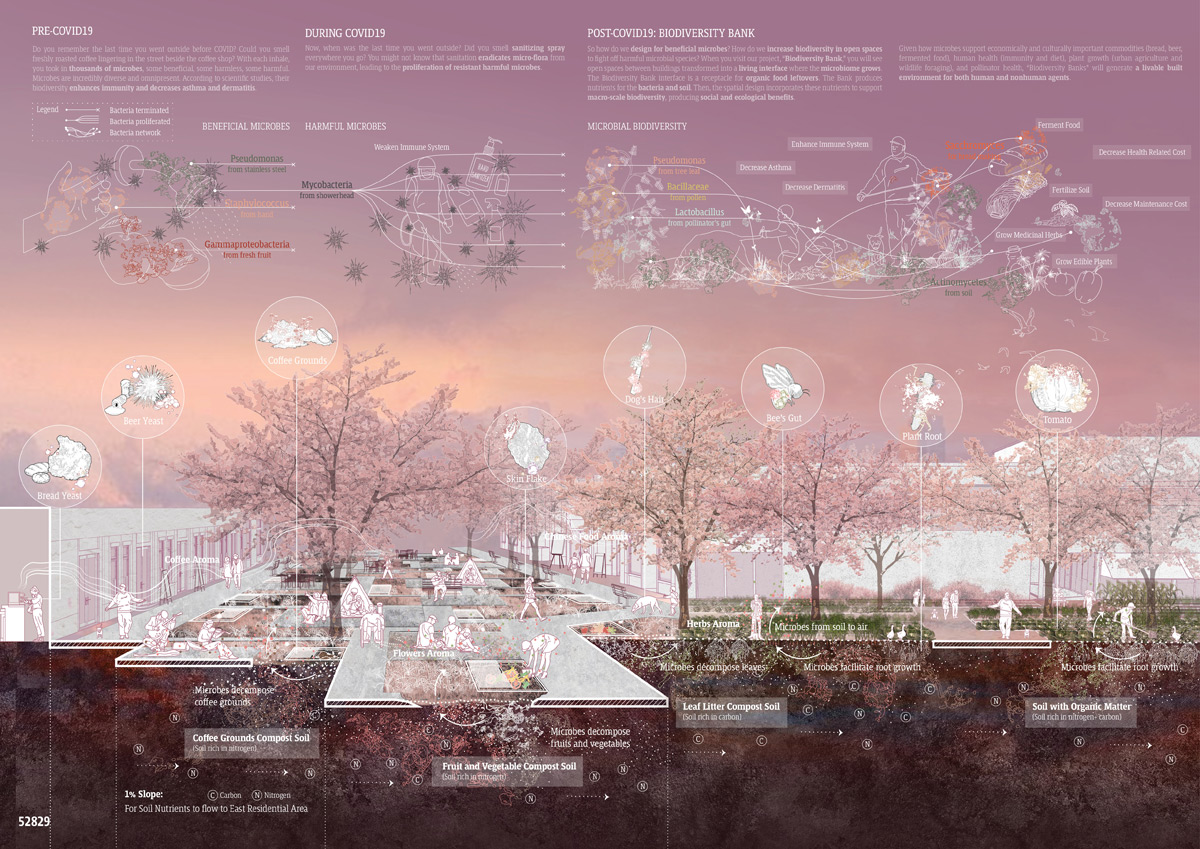
Harvard Graduate School of Design students Joanne Li (MLA I ’21) and Tian Wei Li (MLA I ’22) won first place in the World Landscape Architecture international competition Reimagining the Spaces in Between. Their project, “Biodiversity Bank,” was supported by a GSD Summer Emergency Fund grant and advised by Design Critic in Landscape Architecture Rosalea Monacella. The ideas competition challenged students to redesign an area in a fictional city impacted by the COVID-19 pandemic.
In their entry, the students explained: “When you visit our project, you will see open spaces between buildings transformed into a living interface where the microbiome grows. Have you noticed that during COVID, alimentary and organic disposables have become more abundant, now that your home and kitchen are the center of your life? The ‘Biodiversity Bank’ interface is a receptacle for organic food leftovers. The Bank produces nutrients for the bacteria and soil. Then, the spatial design incorporates these nutrients to support macro-scale biodiversity, producing social and ecological benefits.”
“An innovative response that highlights the (often-overlooked) importance of soil and bacteria for health and well-being and maintenance of life,” noted the competition’s jury. “The solution presents the concept of city as a mutually symbiotic organism with everything inter-related. Interesting solution and compelling graphics. Appealing typologies such as orchards, meditation gardens and compost gardens that come together to create a startlingly different type of city solution.”
LIVING GROUND: Redefine six-feet distancing by Xi Chen and Sophia Xiao
The runner-up prize went to Xi Chen (MLA I ’21), Sophia Xiao (MLA I ’21), Siqi Zhu (MLA II ’22), and Xuezhen Xie (Cornell) for “LIVING GROUND: Redefine six-feet distancing.” Their project looks at different scenarios for organizing outdoor activities on a six-by-six foot grid. “An aggressive scheme that reclaims public spaces for the public,” commented one juror.