TERREMOTO // David Godshall and Jenny Jones, “Radical Gardens of Love and Interconnectedness”
TERREMOTO // David Godshall and Jenny Jones, “Radical Gardens of Love and Interconnectedness”
| Event Information |
|---|
| Starting Monday, April 4, members of the general public will once again be invited to attend GSD public programs in person. All attendees must be fully vaccinated, including a booster shot, and must present proof of vaccination at the security desk in the lobby of Gund Hall before entering an event. To expedite your check-in process, please email your proof of vaccination to [email protected].
All are also invited to watch and participate online in this program by tuning into this page at the noted start time. No pre-registration is required. Online audience members will be able to submit questions throughout the event using Vimeo’s Q&A function. If you would like to submit questions for the speaker in advance of the event, please click here. Live captioning will be provided during this event live stream and CART captioning will be provided for our in-person audience. Learn more about accessibility services at public programs. |
This event recording is also available to watch with audio description .
Event Description
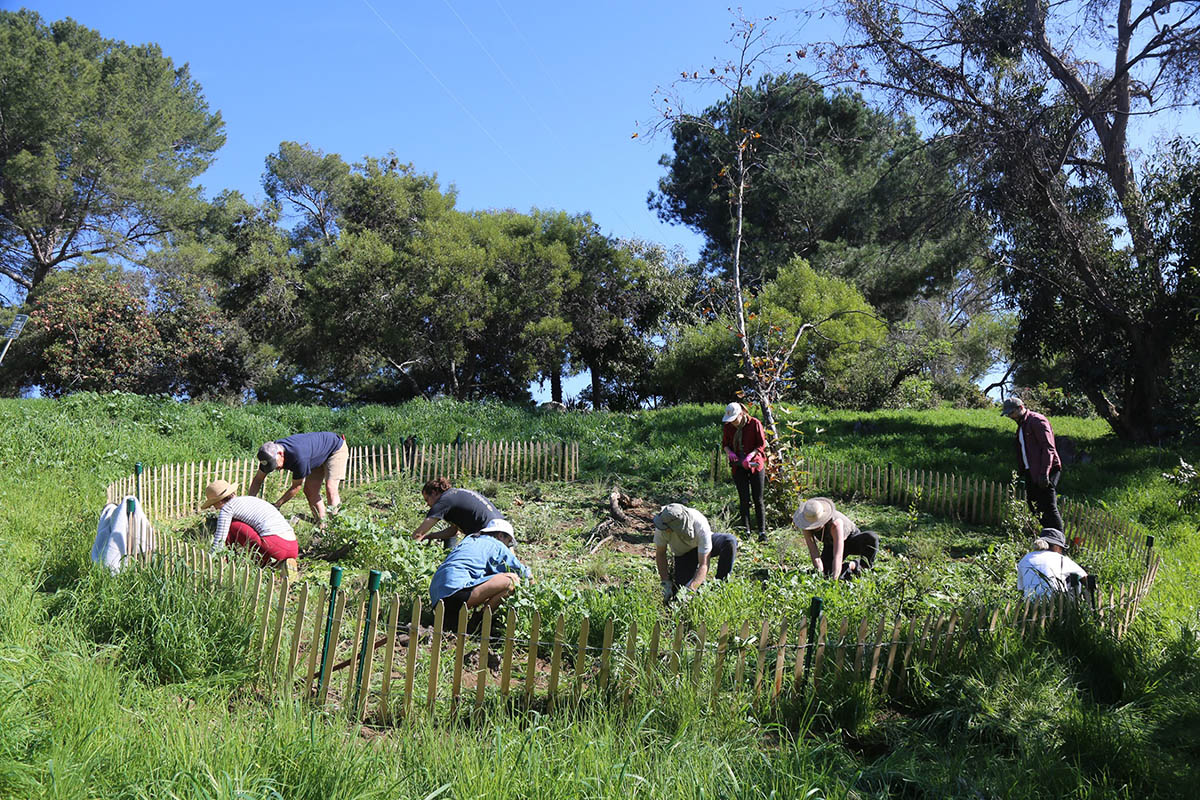
TERREMOTO is presently navigating a transitional period within its practice towards making omni-positive gardens and landscapes that are fair, just and generous in their relationships to labor, materials and ecology. We believe that we are at a cultural, environmental + civilizational fork in the road, and through deep internal self-interrogation of landscape history and practice (including our own), we are creating a constantly evolving set of metrics that will allow us (and you!) to create gardens that can lock horns with the BIGNESS of this moment. What a time to be alive! And what a time to be making gardens!
Audience members who attend this event in its entirety may be eligible for continuing education credits from LACES. Please reach out to [email protected] for more information.
Speakers
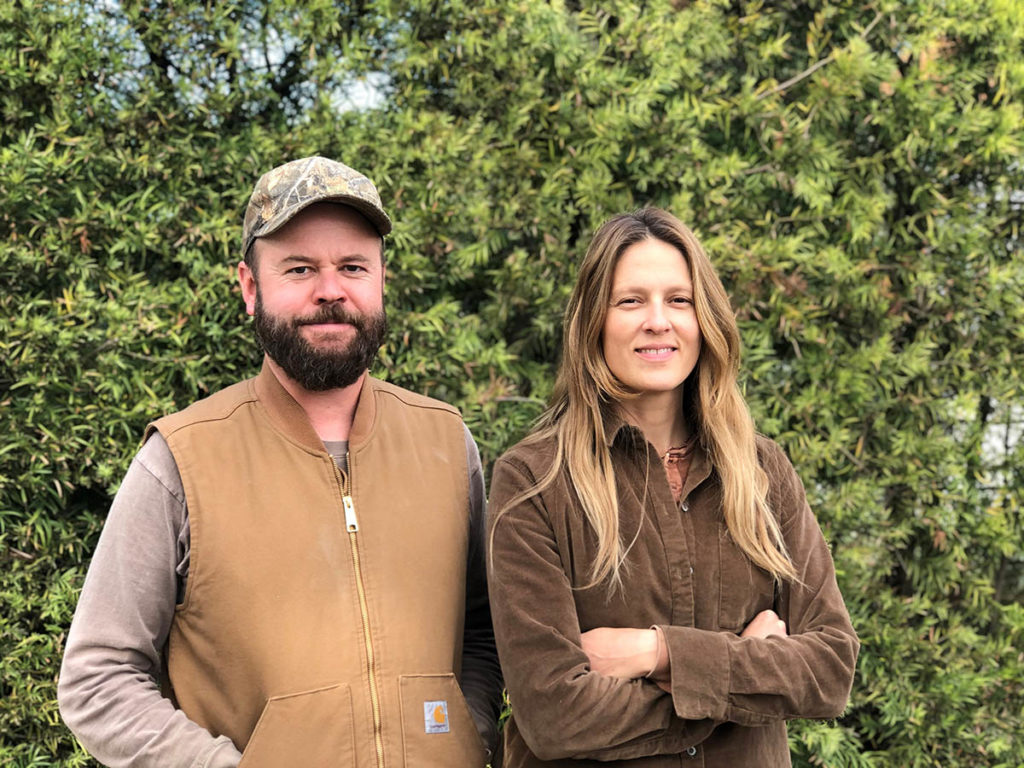
TERREMOTO is a formally and conceptually adventurous office for landscape architecture. TERREMOTO creates well-built, site-specific landscapes that respond to clients’ needs while simultaneously challenging historical and contemporary landscape construction methods, materials, and formal conventions. Our design approach is post-Internet, critically regionalist, and respectfully inflammatory.
TERREMOTO mines the omnipotence of intentional inexactitude and flirts openly with illegibility. We strive, in many cases, to do as little as possible. It is our goal to build gardens and landscapes not for this civilization, but rather, the next one.
Follow TERREMOTO on Instagram .
International Womxn’s Week Keynote Address: Nitasha Dhillon
International Womxn’s Week Keynote Address: Nitasha Dhillon

| Event Information |
|---|
| All are invited to watch and participate online in this program by tuning into this page at the noted start time. No pre-registration is required. Online audience members will be able to submit questions throughout the event using Vimeo’s Q&A function. If you would like to submit questions for the speaker in advance of the event, please click here.
Harvard ID holders are also welcome to attend programs in person, except where an event is listed as online only. Live captioning will be provided during this event livestream. Learn more about accessibility services at public programs. |
This event recording is also available to watch with audio description .
Event Description
Womxn in Design ‘s sixth annual International Womxn’s Week convenes a weeklong series of events that gathers members of the Harvard GSD community and beyond to celebrate and cultivate new ways of thinking about gender and power.
Speaker
Nitasha Dhillon has a B.A. in Mathematics from St Stephen’s College, University of Delhi, and attended the Whitney Independent Study Program in New York and School of International Center of Photography. She holds a Ph.D. from the Department of Media Study – University of Buffalo in New York. She along with Amin Husain is MTL Collective, a collaboration that joins research, aesthetics, and action in its practice.
MTL is a founding member of Tidal: Occupy Theory, Occupy Strategy and Anemones, two in-print movement-generated theory magazines; Strike Debt and Rolling Jubilee, Direct Action Front for Palestine; Global Ultra Luxury Faction (G.U.L.F.); and most recently MTL+, the collective facilitating Decolonize This Place. At present, in addition to being involved in Strike MoMA working group of the International Imagination of Anti-national and Anti-imperialist Feelings (IIAAF), MTL is in post-production on a feature-length experimental documentary about land, life, and liberation in occupied Palestine.
POSTPONED: Iñaki Echeverria, “Parque Ecológico Lago de Texcoco, an Ongoing Ecological Recovery in the Mexico City Valley”
POSTPONED: Iñaki Echeverria, “Parque Ecológico Lago de Texcoco, an Ongoing Ecological Recovery in the Mexico City Valley”
| Event Information |
|---|
| This event has been postponed. Please stay tuned for further details. |
Event Description
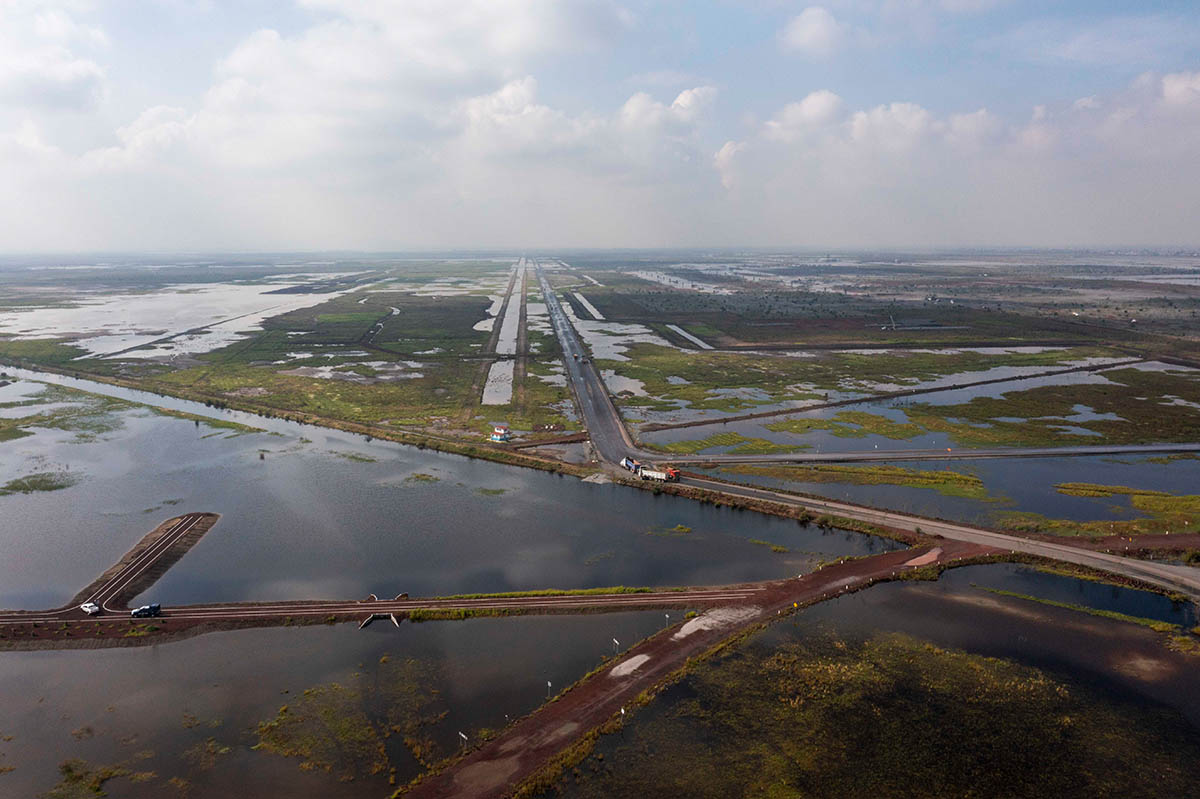
After the fall of Tenochtitlán, 500 years ago, the Spanish conquistadors established a regime that opposed water in the Mexico City Valley. In contrast to the culture of the original inhabitants, water became an “enemy” to be confronted and defeated. Engineering over five centuries perpetuated this approach, which has been called “hydrophobic” by members of the traditional peoples that inhabit the Valley.
This culture extends all the way into the present day, but recently a parallel conversation has arisen, and there are technicians, planners, designers, and politicians that demand a different approach–one that may help preserve and recover as much as possible the original ecology of the Valley, one that may help heal what has been destroyed, one that may transform the future of the entire Valley region.
The first large project that is based on this premise and that has been able to reach the execution phase is the “Parque Ecológico Lago de Texcoco”, an initiative to reclaim 14,000 hectares (almost 35,000 Acre) for ecological purposes with enclaves of cultural and sports infrastructure, that will open this space to the public.
Speaker
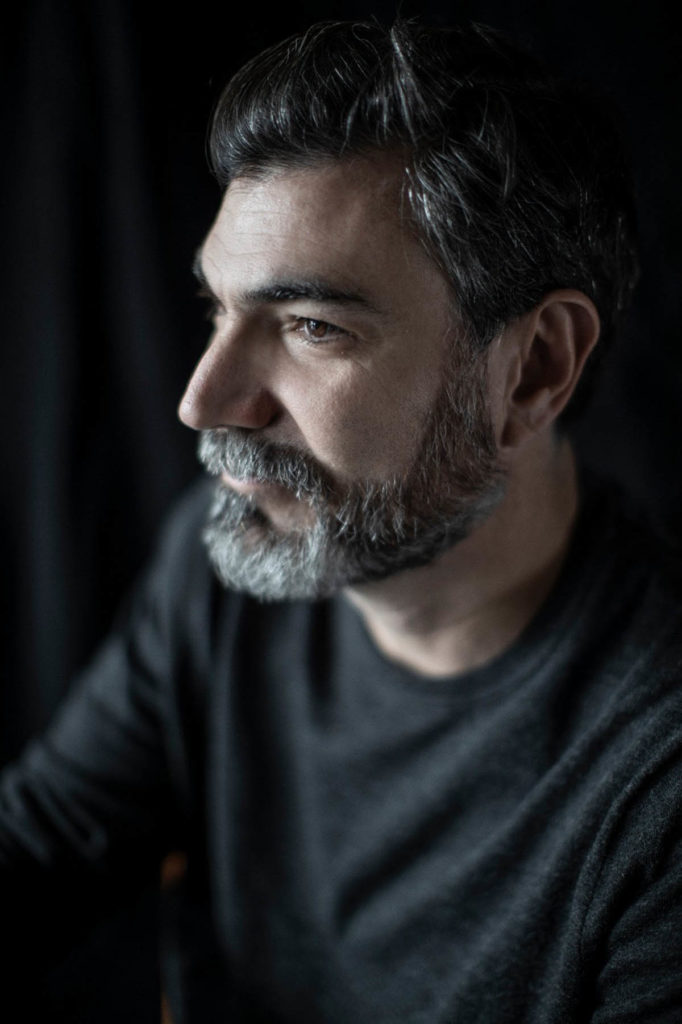
Iñaki Echeverria is an architect, landscape urbanist, and entrepreneur based in Mexico City. He has specialized in the integration of techniques conventionally associated with architecture, science, technology, and ecology to reconsider this intersection as an opportunity to transform buildings, landscape, and infrastructure. He has been studying the region around Lago de Texcoco for more than 18 years. Today he is the Director of the Parque Ecológico Lago de Texcoco in Mexico National Water Commission (Conagua).
Echeverria is an academic at UPenn and has taught Design at Harvard GSD, UNAM, and Iberoamericana and founded an annual workshop at Aedes Network Campus Berlin. He is a member of the board of advisors to Harvard’s Office for Urbanization, Mexico City’s Conduse and the Journal of Contemporary Urban Affairs.
His work has been published and exhibited in America, Africa, Asia and Europe; some emblematic commissions are the ecological parks CDT Tijuana, PEMEX Coatzacoalcos and Atlacomulco; the Papalote Children’s Museum in Monterrey; PEMEX boarding houses for indigenous children; Infirmary school and diabetes clinic for ProCdMx; Ternium’s workers’ club; exteriors for luxury retailer Liverpool and a vast array of housing, mix-use and office projects.
Follow Iñaki Echeverria on Twitter and Instagram .
Harvard Design Magazine #50 Issue Preview and Conversation
Harvard Design Magazine #50 Issue Preview and Conversation
| Event Information |
|---|
| This event is Online Only.
All are invited to watch and participate online in this program by tuning into this page at the noted start time. No pre-registration is required. Online audience members will be able to submit questions throughout the event using Vimeo’s Q&A function. If you would like to submit questions for the speaker in advance of the event, please click here. Live captioning will be provided during this event livestream. Learn more about accessibility services at public programs. |
This event is also available to watch with audio description .
Event Description
“Today is global” is a rather banal truism, but what really is today’s globalism? In a conversation with contributors from across the globe, Harvard Design Magazine introduces Issue #50: Today’s Global, guest-edited by Sarah M. Whiting and Rahul Mehrotra.
Today’s world has entered a phase of critical backlash against globalization, which is for some a critique of international integration, for others a critique of global and local inequalities produced by neoliberal extremism, and for many, a shared global concern over climate change. Increasingly, the inevitability of globalization has been called into question. This issue of Harvard Design Magazine eschews a simple and ineffective binary swing back to a mere celebration of the local or the regional. Instead, it presents a nuanced understanding of where design “sits” vis-à-vis our planet and advances a more productive discourse on globalization. In doing so, we celebrate the emergence of new resources that have made broader global design talent more visible and reject the stultifying categories—such as “first world” and “third world”—defined by contemporary boundaries.
The event will be introduced by Harvard Design Magazine’s Editorial Director, Julie Cirelli, and it will feature a conversation between Sarah Whiting, Rahul Mehrotra, and a group of contributors to the issue: DAAR (Sandi Hilal and Alessandro Petti), Christopher Lee, Nicolai Ouroussoff, and Anel Du Plessis.
Speakers
Anél du Plessis is the National Research Foundation of South Africa (NRF) Research Chair in Cities, Law and Environmental Sustainability and Professor of Law at the North-West University, Faculty of Law, South Africa. Her research focuses on urban law reform and development, sustainability, climate change and transitional local governance in the South African and African regional contexts.
Christopher C. M. Lee is the principal of Serie Architects, and the Arthur Rotch Design Critic in Architecture at Harvard University Graduate School of Design.
The artistic research practice of Sandi Hilal and Alessandro Petti is situated between politics, architecture, art and pedagogy. They are co-director of DAAR (Decolonizing Architecture Art Residency) an architectural studio and an art residency in Palestine and Stockholm. Alessandro is professor of Architecture and Social Justice at the Royal Institute of Art in Stockholm and Sandi is visiting professor at Lund University. Their recent publications are Refugee Heritage (Art and Theory 2021) and Permanent Temporariness (Art and Theory 2019).
Nicolai Ouroussoff is a writer and critic living in New York. Currently adjunct associate professor at Columbia University Graduate School of Architecture, Planning and Preservation, he is formerly the architecture critic of The Los Angeles Times, where he was a finalist for the Pulitzer Prize in 2004.
Joan Nogué, “A Journey through Landscape: From Theory to Practice”
Joan Nogué, “A Journey through Landscape: From Theory to Practice”
| Event Information |
|---|
| The guest speaker for this event will be joining us virtually.
Starting Monday, April 4, members of the general public will once again be invited to attend GSD public programs in person. All attendees must be fully vaccinated, including a booster shot, and must present proof of vaccination at the security desk in the lobby of Gund Hall before entering an event. To expedite your check-in process, please email your proof of vaccination to [email protected]. All are also invited to watch and participate online in this program by tuning into this page at the noted start time. No pre-registration is required. Online audience members will be able to submit questions throughout the event using Vimeo’s Q&A function. If you would like to submit questions for the speaker in advance of the event, please click here. Live captioning will be provided during this event live stream and CART captioning will be provided for our in-person audience. Learn more about accessibility services at public programs. |
If you have any questions about the content of the lecture, please contact Joan Nogué.
Event Description
Drawing from experience accumulated over 40 years of academic and professional trajectory on the question of landscape, as a university professor, director of the Landscape Observatory of Catalonia and ‘militant’ for landscape, Joan Nogué will reflect on the theory and practice of landscape today and into the future. Professor Nogué defends an integral conception of landscape that considers both the tangible and intangible elements. Such conception highlights the geohistorical singularity of landscape –every landscape belongs to a specific space and time– while acknowledging the plurality of views and interpretations that it is subject to. Nowadays, landscape discourses and practices flourish with extraordinary potency, although sometimes they fall into the purely formal and aesthetic dimension. The global ecological crisis is ushering a cultural paradigm change that speaks directly to landscape studies. In order to respond to these changes, contemporary landscape scholarship and practice must engage with the broad-range issues of climate change, the multi-scalar formation of territorial identity, the articulation of common good-based notions of public space, the deepening of people’s desire to reconnect with everyday places and landscapes or the increasing citizen involvement in the processes of landscape patrimonialization. The emergence of these new realities is fueling a growing interest in the cultural, social and political aspects of landscape. The landscape professionals capable of grasping the field’s evolving reality will exercise undisputed leadership in the years to come.
Audience members who attend this event in its entirety may be eligible for continuing education credits from LACES. Please reach out to [email protected] for more information.
Speaker
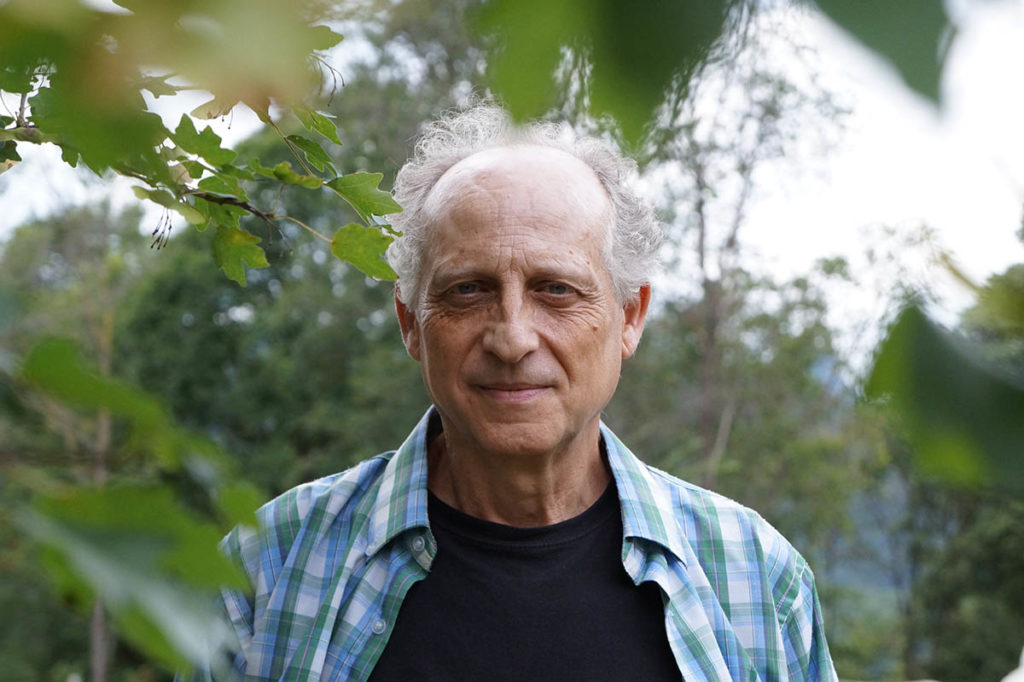
Joan Nogué is a professor of Human Geography at the University of Girona (Catalonia) and founder and director of the Landscape Observatory of Catalonia during the period 2005-2017. His two lines of research are geographic thought and landscape theory and practice. His last two books on these topics are Paesaggio, territorio, società civile. Il senso del luogo nel contemporaneo (Melfi: Libria, 2017), published in Italy, and Yi-Fu Tuan. El arte de la geografia (Barcelona: Icaria, 2018). Some of his books have been translated into languages such as Brazilian Portuguese (2004, Geopolitics, Identity, and Globalization, with Joan Vicente), Chinese (2009, Nationalism and Territory) or Italian (2009, Altri Paesaggi). He has coordinated and edited the translation into Spanish of John B. Jackson’s book Discovering the Vernacular Landscape (2010), as well as Eric Dardel’s L’Homme et la terre. Nature de la réalité géographique (2013) and Yi-Fu Tuan’s Romantic Geography: In Search of the Sublime Landscape (2015). He was awarded the Jaume I Prize for “Urbanism, Landscape and Sustainability” in 2009. Member of the Institute of Catalan Studies and of the Scientific Commitee of the Fondazione Benetton Studi Ricerche (Italy). Trustee of the BUNKA Foundation, promoted by RCR Architects (2017 Pritzker Prize Laureates).
The Honorable Marcia L. Fudge, “Building the World We Want to See: What Do We Want Our Legacy to Be?”
The Honorable Marcia L. Fudge, “Building the World We Want to See: What Do We Want Our Legacy to Be?”

| Event Information |
|---|
| All are invited to watch and participate online in this program by tuning into this page at the noted start time. No pre-registration is required. Online audience members will be able to submit questions throughout the event using Vimeo’s Q&A function. If you would like to submit questions for the speaker in advance of the event, please click here.
Harvard ID holders are also welcome to attend programs in person, except where an event is listed as online only. Live captioning will be provided during this event livestream. Learn more about accessibility services at public programs. |
This event recording is also available to watch with audio description .
Event Description
HUD Secretary Marcia Fudge believes the country’s housing issues do not fit into a one-size-fits-all approach. We need policies and programs that can adapt to meet a community’s unique housing challenges. She is committed to making the dream of homeownership – and the security and wealth creation that comes with it – a reality for more Americans. Under her leadership, the Department of Housing and Urban Development is working to eradicate the growing homelessness issue, put an end to discriminatory practices in the housing market, and ensure that our fair housing rules are doing what they are supposed to do: opening the door for families who have been systematically locked out for generations to buy homes and have a fair shot at achieving the American dream.
The Joint Center for Housing Studies’ annual John T. Dunlop Lecture honors a distinguished member of the Harvard community in recognizing the contributions of Professor John T. Dunlop. In addition to serving as Chairman of the Economics Department and Dean of the Faculty of Arts and Sciences, Professor Dunlop was United States Secretary of Labor during the Ford administration. Professor Dunlop had a lifetime career in mediation, arbitration, and dispute resolution. A commitment to the nation’s construction industries and housing also distinguished his work. He served as chairman of the Construction Industry Stabilization Committee and played a role in the establishment of the National Institute for Building Sciences.
After the lecture, Secretary Fudge will be in conversation with Jerold Kayden, the Frank Backus Williams Professor of Urban Planning and Design at the Harvard Graduate School of Design.
Speaker
Secretary Marcia L. Fudge is the 18th Secretary of the U.S. Department of Housing and Urban Development. Throughout her career, Secretary Fudge has worked to help low-income families, seniors, and communities across the country. She served as U.S. Representative for the 11th Congressional District of Ohio from 2008-21, and was a member of several Congressional Caucuses and past Chair of the Congressional Black Caucus. In 1999, Secretary Fudge was elected the first female and first African American mayor of Warrensville Heights, Ohio, a position she held for two terms. Secretary Fudge’s career in public service began in the Cuyahoga County Prosecutor’s Office, rising to the rank of Director of Budget and Finance. She earned her bachelor’s degree in business from The Ohio State University and law degree from the Cleveland State University Cleveland-Marshall School of Law.
Follow Secretary Fudge on Twitter and Instagram .
Sandra Barclay & Jean Pierre Crousse, “Transversal Grounds”
Sandra Barclay & Jean Pierre Crousse, “Transversal Grounds”
| Event Information |
|---|
| All are invited to watch and participate online in this program by tuning into this page at the noted start time. No pre-registration is required. Online audience members will be able to submit questions throughout the event using Vimeo’s Q&A function. If you would like to submit questions for the speaker in advance of the event, please click here.
Harvard ID holders are also welcome to attend programs in person, except where an event is listed as online only. Live captioning will be provided during this event livestream. Learn more about accessibility services at public programs. |
This event recording is also available to watch with audio description .
Event Description
Architectural practice in South America is often defined by uncertainty, scarcity, and discontinuity in the design and construction processes. New fields of action must be found in the openings and cracks of instability to root architecture in new forms of meaning-building.
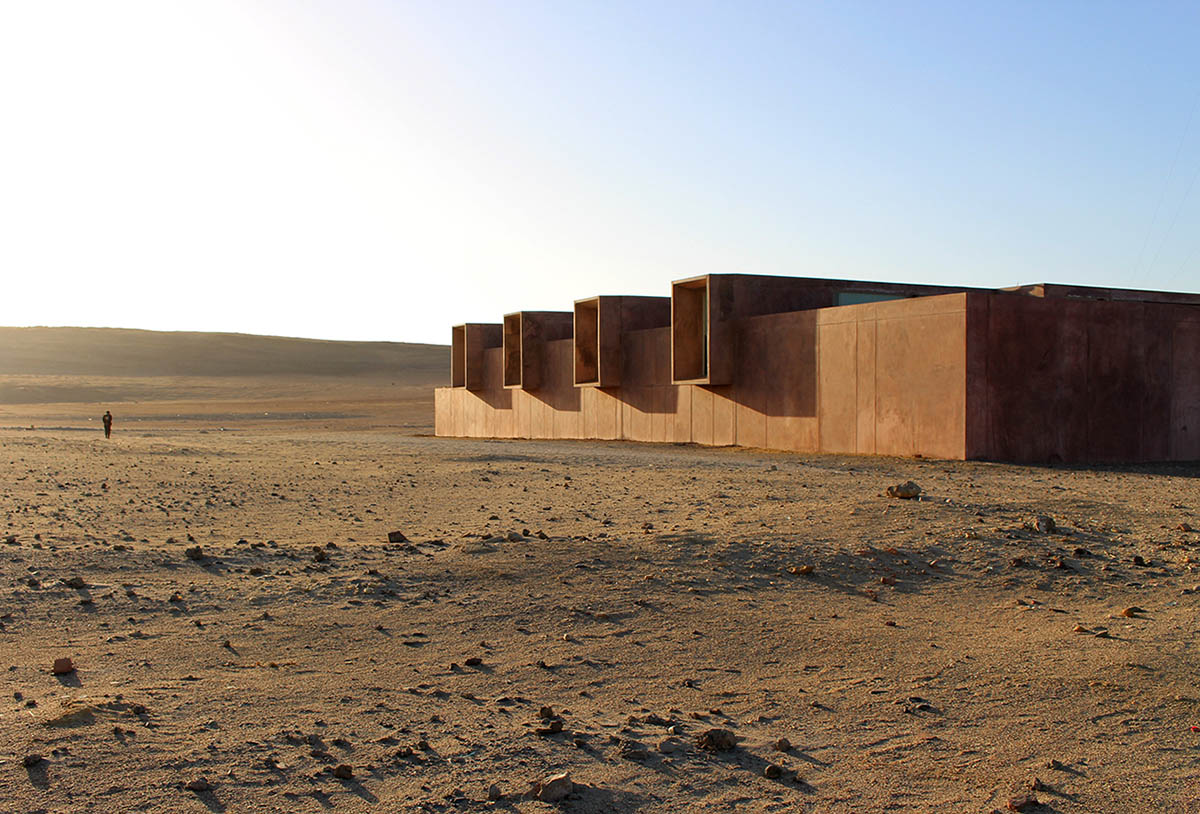
The design research led by Barclay & Crousse focuses on the power of imperfection, memory, and the archaic found at the crossroads between landscape, climate, and architecture. The topological approach of their buildings and projects combines a resolutely contemporary design with a careful and open-minded search for the meaningful local conditions that root them in Peruvian society as an act of stubborn resistance to standardization and stereotypes.
In Transversal Grounds, they follow the traces of Alexander Von Humboldt, the scientist who realized that the section, and not the plan, is the only way to understand the Central Andes region. Their journey from the barren landscapes of the desert coast through the steep Mountain range into the Amazon jungle helped them rethink architecture challenges from geographical and cultural conditions. The projects done in the last years through this territorial section understand architecture as a sensitive way of adding meaning to the cultural construction of our environment.
Speakers
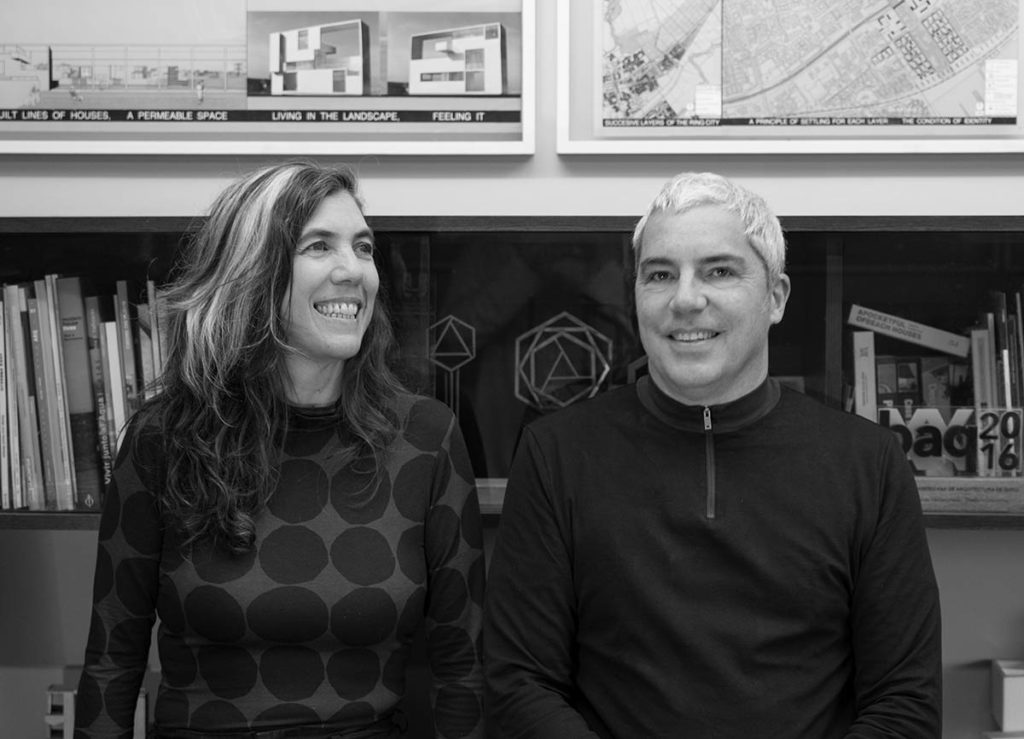
Founded in Paris in 1994, Barclay & Crousse Architecture has been based in Lima, Peru, since 2006. The studio manages a wide range of programs on a transcontinental basis, leading a design laboratory that explores the bonds between landscape, climate, and architecture. Their work challenges common notions about technology, usage, and well-being that can inform and be pertinent in a global context from specific conditions of developing countries.
Barclay & Crousse was awarded the Mies Crown Hall Americas Prize 2018 by IIT Chicago, the Oscar Niemeyer Prize 2016 for Latin American Architecture, the Peruvian National Prize of Architecture in 2014 and 2018, and the Latin America Prize 2013, given by the International Committee of Architectural Critics (CICA). Barclay and Crousse were curators of the Peruvian Pavilion at the 15th Venice Biennale, 2016, which obtained the Jury’s Special Mention. Their lecture building for the University of Piura was exhibited at the 16th International Architecture Exhibition at the Venice Biennale, 2018.
Barclay currently teaches at the PUCP, Lima, and is a Harvard GSD visiting professor. She received the 2018 Woman in Architecture Award from the London-based Architects’ Journal and Architectural Review. She is an Honorary Fellow of the American Institute of Architects and a member of the Jury for the 17th International Architecture Exhibition at the Venice Biennale, 2021.
Crousse is director of the Master Program in Architecture at the PUCP, Lima. He is a visiting professor at the Harvard GSD. He has been a Curatorial advisor for Peru, for the MoMA exhibition “Latin America in Construction: Architecture 1955-1980 ”, 2015, and member of the jury for the MCHAP Prize, Chicago, 2016. He is a foreign member of the French Académie d’Architecture. He is the author of “Landscape in Central Andes” (PUCP, 2020) and editor of “Urban Black Holes” (PCP, 2017)
John Portman Lecture: Bruther // Stéphanie Bru et Alexandre Thériot
John Portman Lecture: Bruther // Stéphanie Bru et Alexandre Thériot

| Event Information |
|---|
| Starting Monday, April 4, members of the general public will once again be invited to attend GSD public programs in person. All attendees must be fully vaccinated, including a booster shot, and must present proof of vaccination at the security desk in the lobby of Gund Hall before entering an event. To expedite your check-in process, please email your proof of vaccination to [email protected].
All are also invited to watch and participate online in this program by tuning into this page at the noted start time. No pre-registration is required. Online audience members will be able to submit questions throughout the event using Vimeo’s Q&A function. If you would like to submit questions for the speaker in advance of the event, please click here. Live captioning will be provided during this event live stream and CART captioning will be available for our in-person audience. Learn more about accessibility services at public programs. |
Speakers
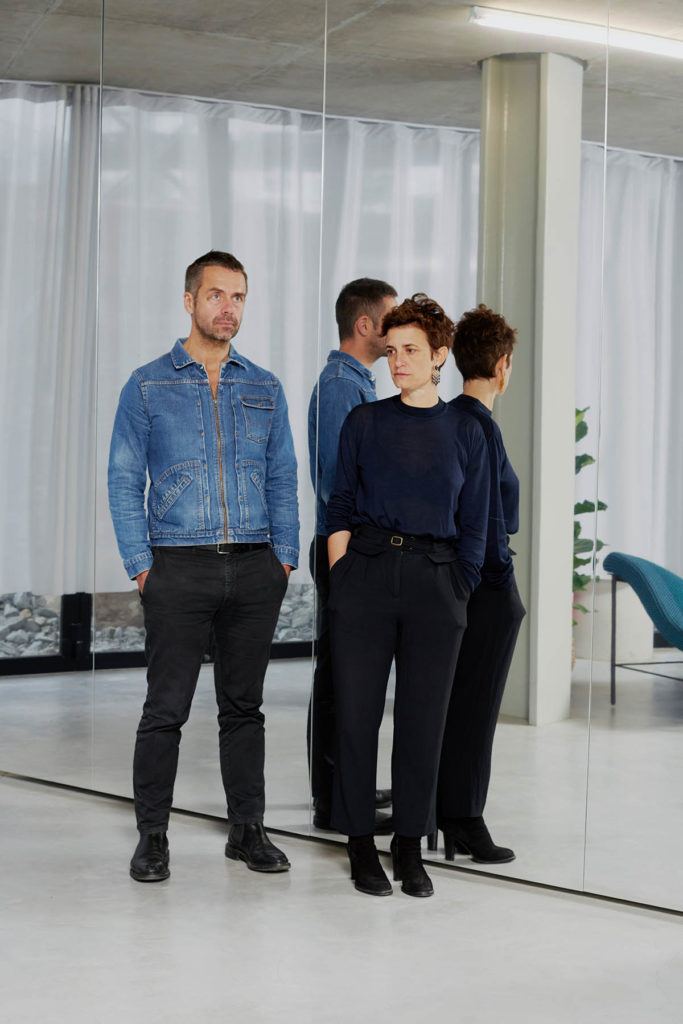
Stéphanie Bru and Alexandre Theriot founded Bruther in Paris in 2007. They belong to the generation of architects who started their careers at the beginning of the recession, a condition likely to be reflected in the way they define architecture: as a Swiss Army knife, a tool to be used in the most disparate circumstances, an aid that reconciles all fields of knowledge.
Their design courage is evident in urban projects, especially those on the margins, often for a public institution with a small budget. Elastic social infrastructures can be seen in the cultural and sports centre (2014) in Saint-Blaise, Paris, and the Nouvelle Génération research centre (2015) in Caen, Normandy. Both act as catalysts for collective urban activity; both are reminiscent of the Brazilian SESC (Social Service of Commerce) buildings.
BRUTHER’s work is the subject of international conferences and several publications. In 2019, the monograph El Croquis on their journey is published.
Distinguished by several awards, they have received the Équerre d’Argent prize three times, the Dejean prize in 2018 from the Academy of Architecture, and more recently the Swiss Award. Stéphanie Bru became a full member of the Academy of Architecture in 2021.
Stéphanie Bru and Alexandre Theriot were visiting professors at the École Polytechnique Fédérale de Lausanne in 2018. Currently, Alexandre Theriot is an associate professor at the Swiss Federal Institute of Technology in Zurich, Stéphanie Bru is an associate professor at the Universität der Künste in Berlin. For Spring 2022, Bru and Theriot are the John C. Portman Design Critics at the GSD.
Sam Olbekson, “Culture, Community, and Environmental Justice in Contemporary Indigenous Design”
Sam Olbekson, “Culture, Community, and Environmental Justice in Contemporary Indigenous Design”
| Event Information |
|---|
| All are invited to watch and participate online in this program by tuning into this page at the noted start time. No pre-registration is required. Online audience members will be able to submit questions throughout the event using Vimeo’s Q&A function. If you would like to submit questions for the speaker in advance of the event, please click here.
Harvard ID holders are also welcome to attend programs in person, except where an event is listed as online only. Live captioning will be provided during this event livestream. Learn more about accessibility services at public programs.
|
This event recording is also available to watch with audio description .
Event Description
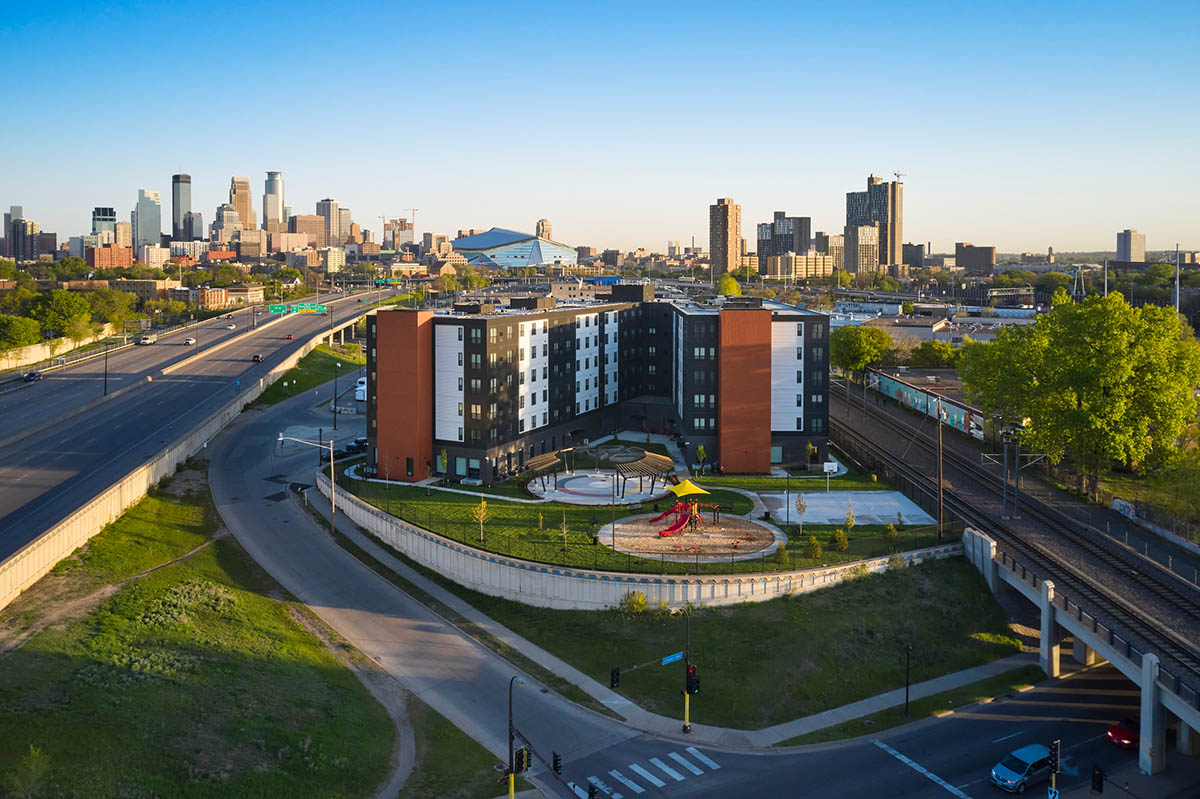
Creating a strong sense of place is critical to cultural identity in Native American communities. New tribal building and planning projects provide significant opportunities for tribal communities to reinforce cultural revival efforts while advancing economic, educational, and healthcare initiatives. This session will encourage an open and interactive discussion of the central issues in tribal design and efforts to lead a fundamental shift toward culturally appropriate design solutions and self-determination. From rural reservation single-family houses to inner-city multifamily mixed-use urban developments, Native American communities face unique challenges and opportunities. Legal and political constraints, complicated funding mechanisms, and a lack of infrastructure all contribute to a critical shortage of adequate housing and economic opportunity in most Native American communities. Many design solutions for tribal communities, unfortunately, fall back on one-size-fits-all models of development and design cliches that do not respond to the distinct social structures of Native families or reflect the diverse range of cultural and artistic expression unique to each tribe. This discussion will highlight diverse Native American projects that have challenged the status quo of typical tribal design and planning projects with innovative and culturally respectful design solutions.
Speaker
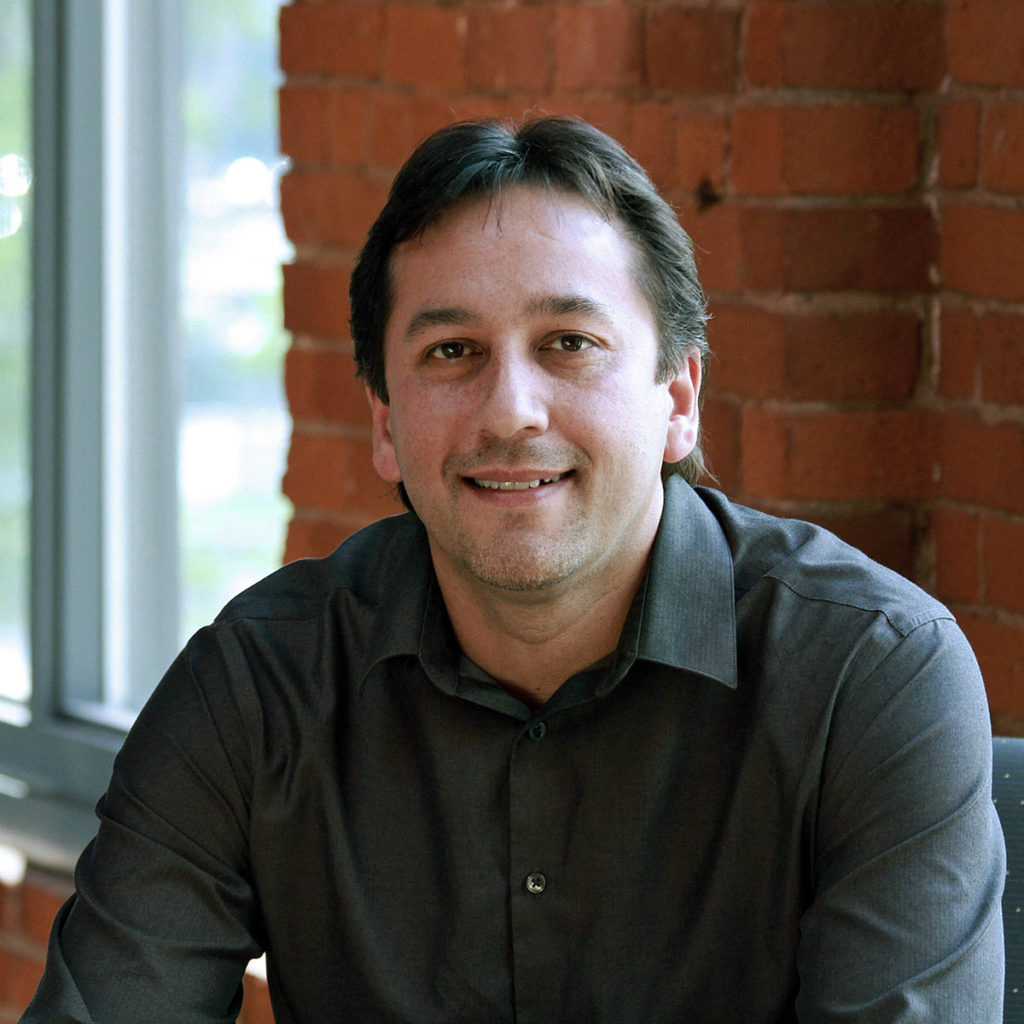
As an Indigenous architect with over 25 years of design, comprehensive planning, and cultural visioning experience, Sam Olbekson, MAUD ’05, serves tribal communities and Indigenous organizations by bringing a Native perspective to the design and planning process.
With a sincere commitment to improving the lives of tribal community members, Sam brings a wealth of experience and cultural knowledge as a talented designer on a wide range of mixed-use, urban design, residential, institutional, hospitality, landscape, educational, and community-oriented projects. He is committed to helping advance the cultural preservation, economic growth, health, and well-being of Native communities through sound planning and practical design strategies that are beautiful, innovative, sustainable, functional, and culturally specific.
Published nationally as a thought leader in contemporary Native American design theory, Sam is known as a progressive and skilled design thinker on culturally significant projects and produces unique and inventive design solutions that respond to cultural tradition in innovative and contemporary ways without relying on stereotypical imagery. Sam is also passionate about serving his community. He holds leadership positions with a number of American Indian organizations and has received numerous recognitions for both design and community service.
Follow Sam Olbekson on Twitter .
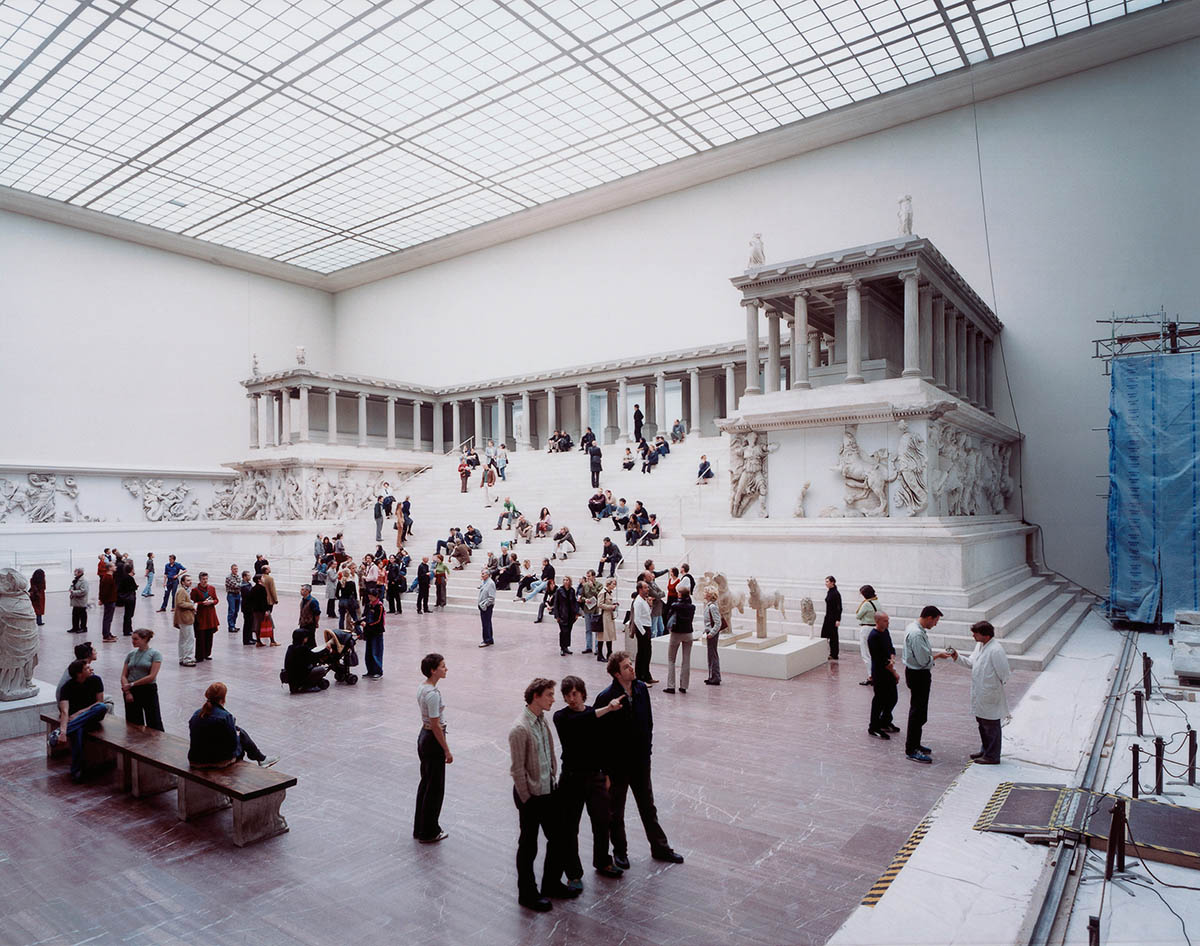
Archive Matrix Assembly: Nana Last and Thomas Struth
Archive Matrix Assembly: Nana Last and Thomas Struth
| Event Information |
|---|
| All are invited to watch and participate online in this program by tuning into this page at the noted start time. No pre-registration is required. Online audience members will be able to submit questions throughout the event using Vimeo’s Q&A function. If you would like to submit questions for the speaker in advance of the event, please click here.
Harvard ID holders are also welcome to attend programs in person, except where an event is listed as online only. Live captioning will be provided during this event livestream. Learn more about accessibility services at public programs. |
Speakers
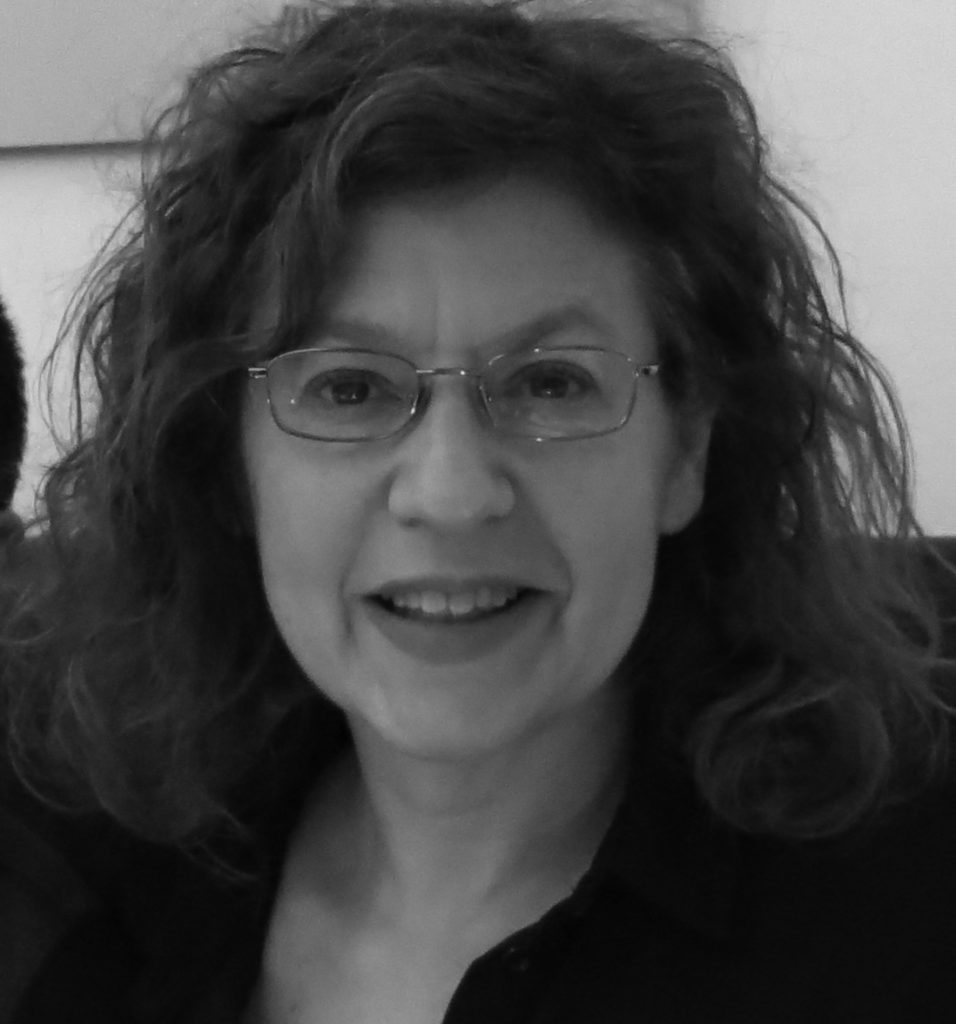
Nana Last MArch ’86 is an art and architecture theorist. She is Associate Professor of Architecture at the University of Virginia, where she founded the interdisciplinary Ph.D. Program in the Constructed Environment. Her writing considers relations between architecture, art, philosophy and science in modern and contemporary society. Her books include: Wittgenstein’s House: Language, Space and Architecture (2008, 2012, Fordham University Press), and Archive Matrix Assembly: The Photography of Thomas Struth , (2021 Applied Research + Design). She is currently working on a book tentatively entitled: “From Text to Algorithm: Architecture and Big Data” that examines the epistemological impacts of the advent of big data on architecture, art and urbanism. Her work has been supported by the Graham Foundation for Advance Studies in the Fine Arts. She received a Ph.D. in Architecture and Art: History, Theory and Criticism from the Massachusetts Institute of Technology and a Master’s degree in Architecture from Harvard University.
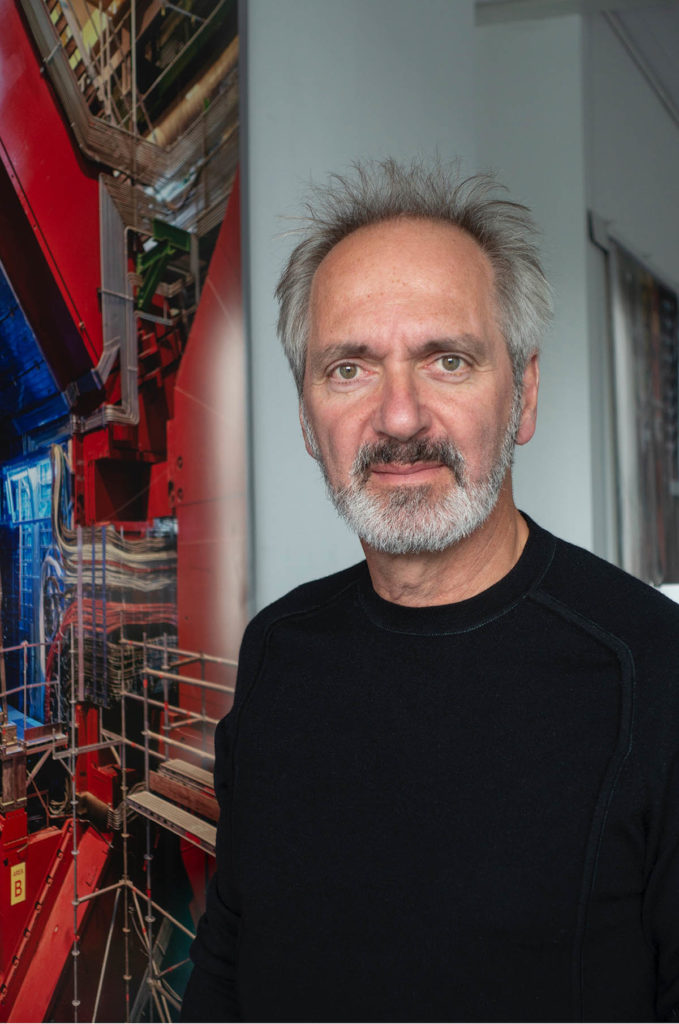
Thomas Struth was born in 1954 in Geldern, Germany and studied at the Kunstakademie Düsseldorf. He was part of the first generation of artists to study photography with Bernd and Hilla Becher. Comprehensive solo exhibitions of Struth’s work have been presented at institutions including the Stedelijk Museum in Amsterdam, The Tokyo National Museum of Modern Art, The Metropolitan Museum of Art in New York, the Museo del Prado in Madrid, the Museum Folkwang in Essen and Haus der Kunst in Munich. Between 1993-1996 Struth was the first Professor for Photography at the Staatliche Hochschule für Gestaltung in Karlsruhe. Struth was awarded the Spectrum International Prize for Photography by Kulturstiftung Lower Saxony. He is Honorary Fellow of The Royal Photographic Society and Foreign Honorary Member of the American Academy of Arts and Letters. Struth’s work is featured in various public art collections, including Pinakothek der Moderne, Munich, the Centre Georges Pompidou, Paris, the Tate Gallery, London, the Galleria d’Accademia, Florence, the National Museum of Modern Art, Tokyo, the Stedelijk Museum, Amsterdam, the Art Institute of Chicago, the Museum of Modern Art, New York, and the Solomon R. Guggenheim Museum, New York. The artist lives in Berlin.