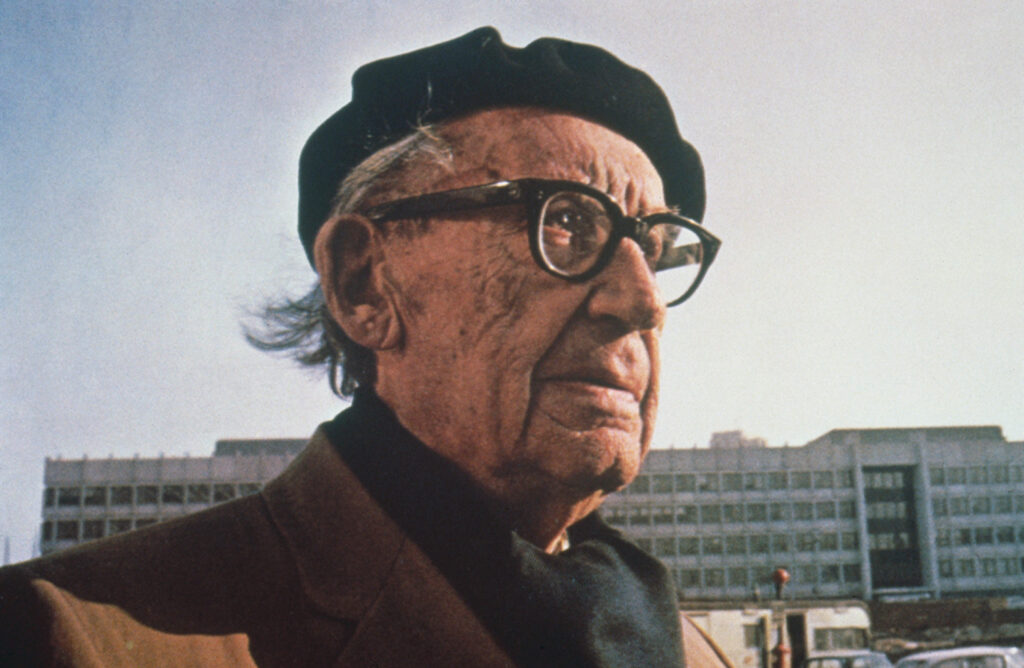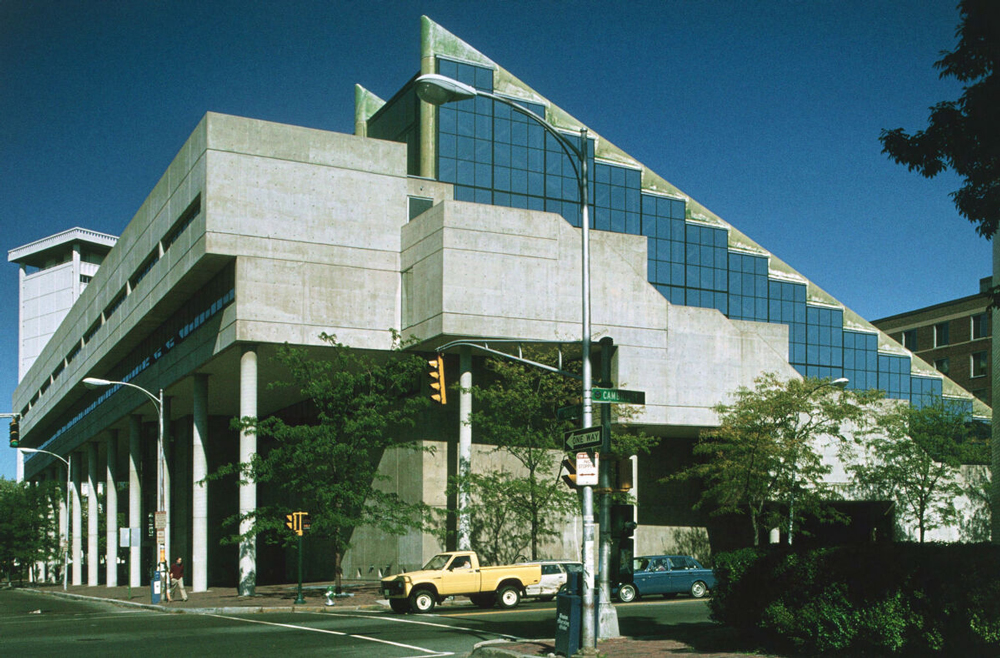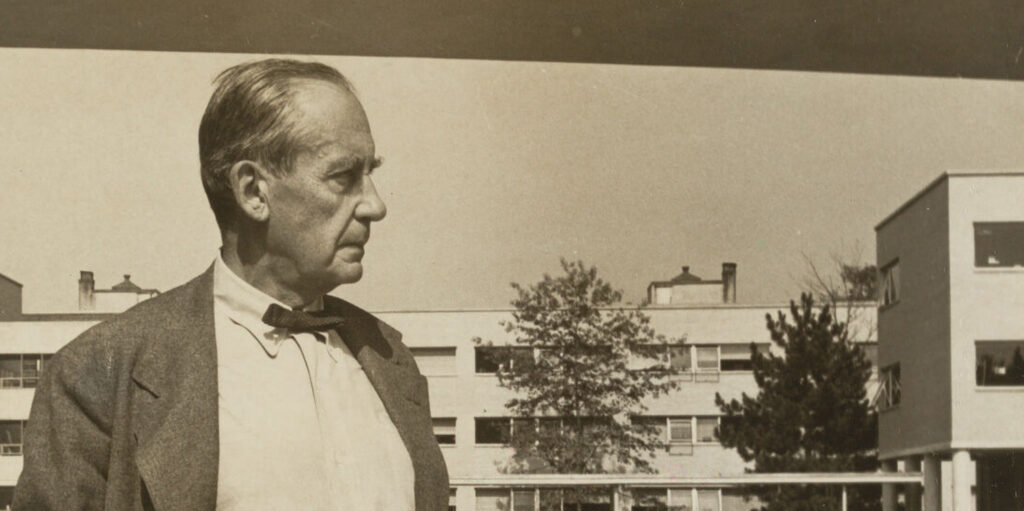
When Walter Gropius joined the Harvard Graduate School of Design (GSD) in 1937, he brought the ideas of the Bauhaus with him. Established only the previous year, the GSD was still defining its identity as a school encompassing architecture, landscape architecture, and city planning. Founding dean Joseph Hudnut recruited Gropius to chair the Department of Architecture, where he helped transform the GSD into one of the world’s leading institutions for modern design education.
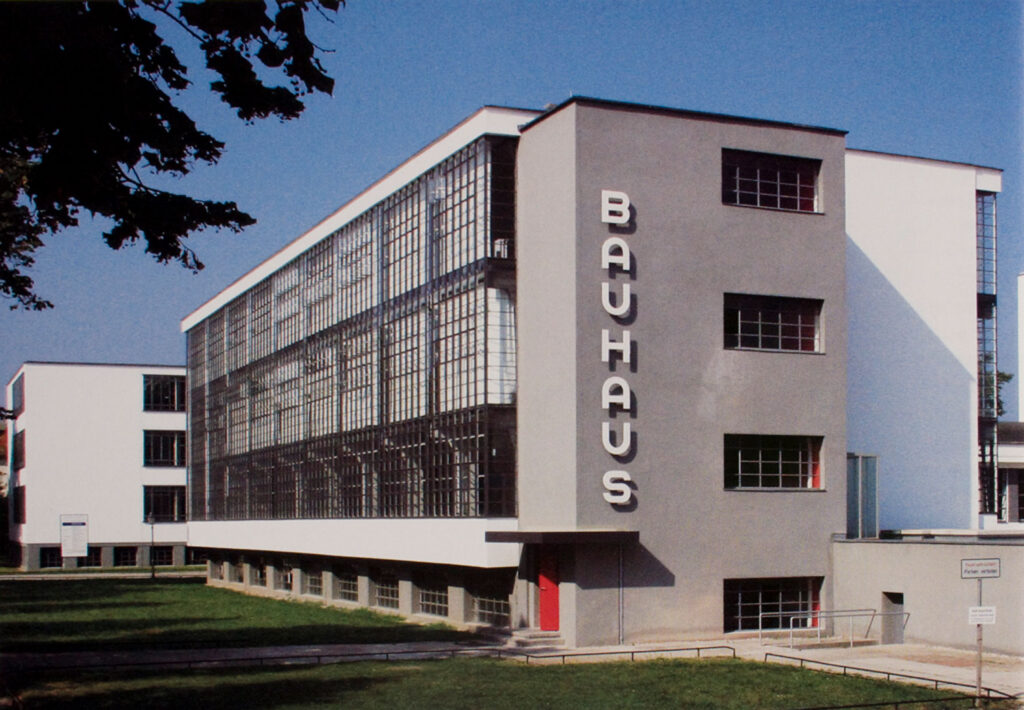
Before arriving at Harvard, Gropius had founded the Bauhaus, a German school that united architecture, art, craft, and industrial design within a single curriculum. Rejecting the rigid academic traditions of the past, the Bauhaus emphasized experimentation, collaboration, and the integration of design with technology and everyday life. Although pressure from the Nazi regime forced the school to close in 1933, its ideals spread to the United States through students and faculty members—including Gropius—who fled Europe.
At the GSD, Gropius worked with Hudnut to replace the Beaux-Arts model of architectural education with a modern studio-based approach. The Beaux-Arts system emphasized historical precedent, formal composition, and carefully prescribed design exercises. Gropius instead encouraged students to develop original solutions to contemporary problems. Rather than replicate forms from the past, students learned by doing—testing ideas through drawing, model making, critique, and teamwork. The studio became a place where architecture was practiced as a collective endeavor.
Gropius’s international standing attracted distinguished faculty members, including his former Bauhaus colleague Marcel Breuer, as well as students from around the world, firmly establishing the GSD within the broader modern movement. Through both his teaching and professional practice, he demonstrated that architectural education and practice could mutually reinforce one another.
These ideas took physical form on Harvard’s campus. In 1948, Harvard Law School commissioned Gropius and The Architects Collaborative (TAC), the firm he had cofounded three years earlier, to design the Harvard Graduate Center. Completed in 1950, the complex—which included Harkness Commons and seven residence halls—introduced modernist architecture to the university at an unprecedented scale. Reflecting the Bauhaus ideal of uniting architecture with the visual arts, TAC’s designs incorporated site-specific works by artists including Joan Miró, Josef Albers, Hans Arp, Herbert Bayer, and Richard Lippold. Miró’s mural for the Harkness Commons dining room and Albers’s brick relief America embodied Gropius’s belief that art should be an integral part of architecture rather than merely applied ornament.
Although Gropius resigned as chair of the Department of Architecture in 1952, his approach to teaching design endured. Under Dean Josep Lluís Sert, the GSD expanded these ideas beyond architecture to include urban design and planning, building on the foundation Gropius had helped establish.
The GSD still embraces many principles Gropius introduced nearly a century ago, including hands-on learning, sustained critique, experimentation, and collaboration across disciplines. More than any single building or architectural style, Gropius’s enduring legacy is the model of design education he helped establish.