Gund Hall Receives 2025 Modernism in America Award From DOCOMOMO US
Gund Hall Receives 2025 Modernism in America Award From DOCOMOMO US
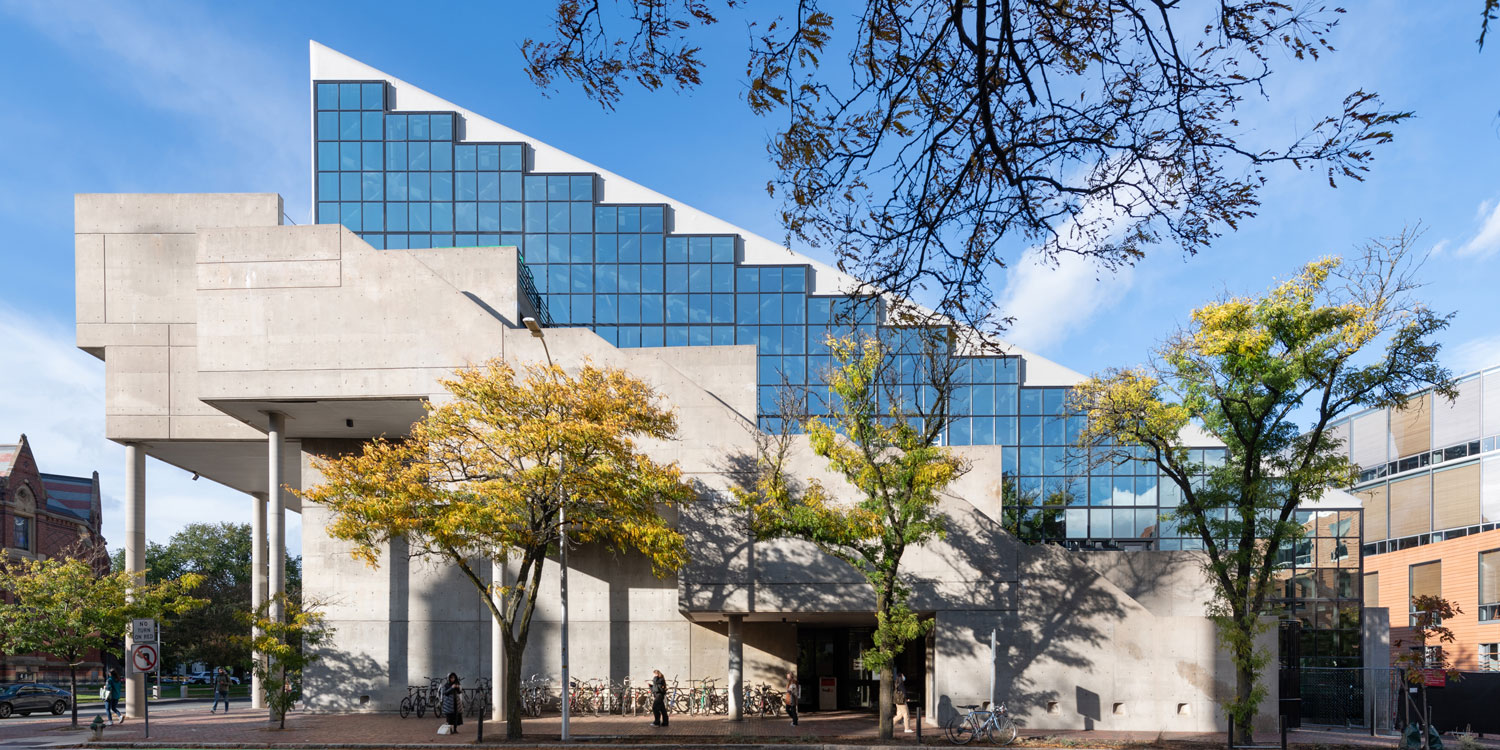
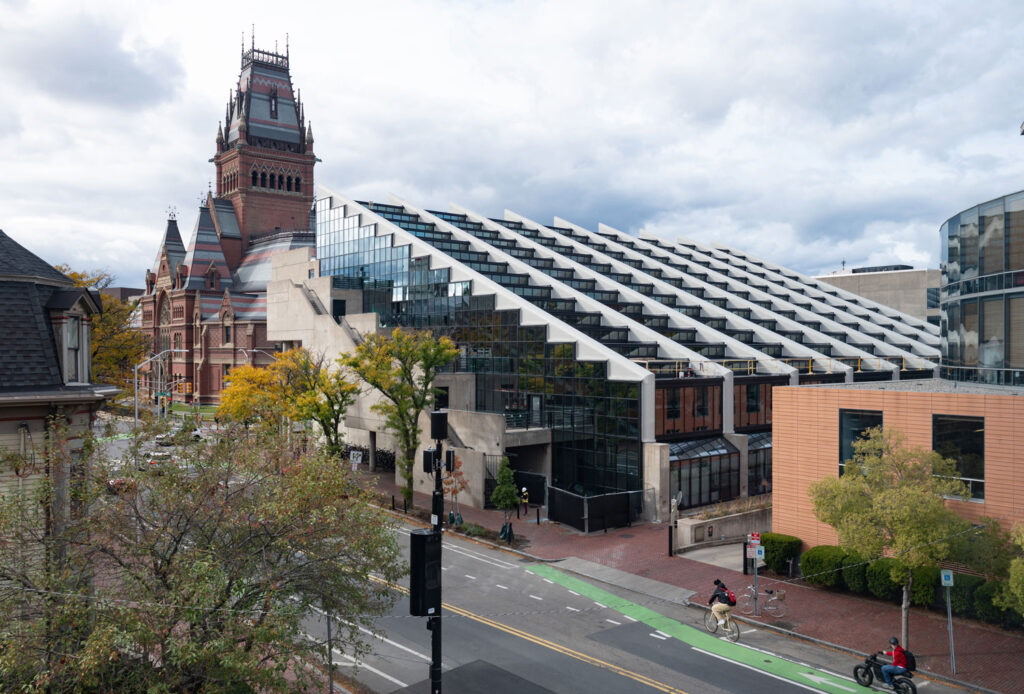
In 2024, the Harvard Graduate School of Design (GSD) undertook an ambitious renovation to upgrade Gund Hall’s energy performance, sustainability, and accessibility while conserving the building’s original design. This week, Docomomo US —a non-profit organization dedicated to the documentation and conservation of works of the twentieth-century modern movement—announced Gund Hall as the recipient of the 2025 Modernism in America Award for excellence in the civic design category.
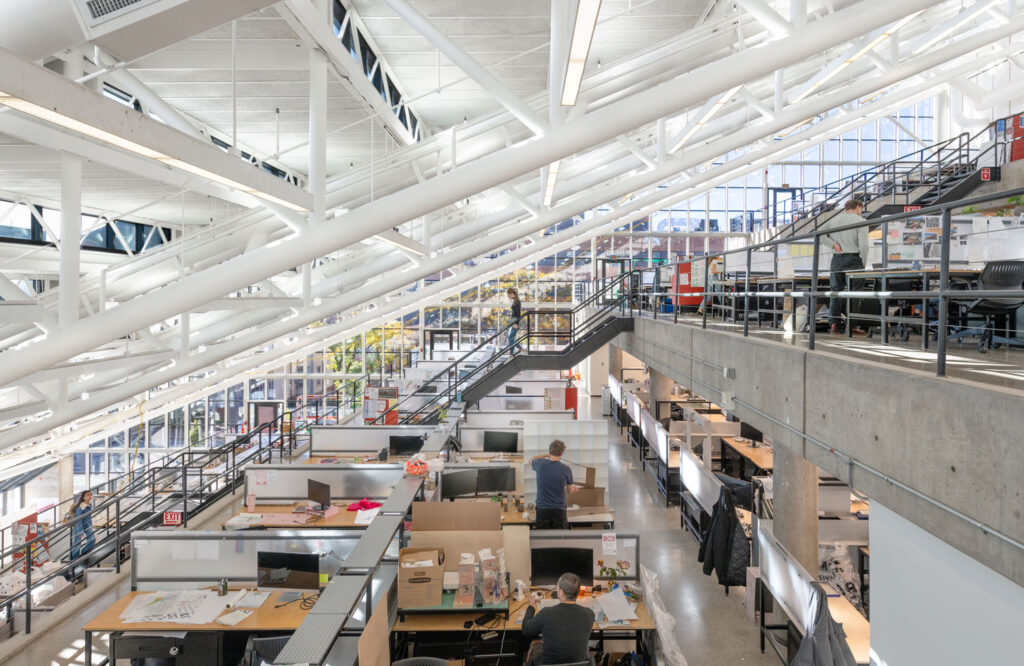
“This year’s Modernism in America Awards highlight the enduring power of excellence in design and the ability of historic preservation to respond to the evolving needs of society,” Docomomo explained . Designed by John Andrews (MArch ’58) as a home for the GSD, Gund Hall opened in 1972. Fifty years later, a design team led by Bruner/Cott Architects harnessed innovative technology to renew Gund Hall’s distinctive glass curtain wall. By improving the building’s energy efficiency, thermal performance, and light quality, the renovation created a more functional and comfortable environment for the school’s occupants while offering a model for the stewardship of mid-twentieth-century architecture. As the award announcement noted, “The restoration of Gund Hall’s curtain wall demonstrates how modern landmarks can improve usability and extend building life while meeting the urgent demands of climate responsibility through thoughtful, sustainable interventions.”
Other structures to receive Modernism in America Awards of Excellence this year include Boston City Hall (Kallman, McKinnell, and Knowles, 1968; advocacy award); and Harlem River Houses (by Archibald Manning Brown and funded by the Public Works Administration, 1937; residential design award) in New York City; and the Transamerica Pyramid Center (William Pereria, 1972; commercial design award) in San Francisco, California. The award ceremony will take place on November 6, 2025, in Chicago.
In addition to the 2025 Modernism in America Award of Excellence bestowed by Docomomo US, since the completion of its renovation Gund Hall has also received the 2025 Robert H. Kuehn Award from Preservation Massachusetts and a Preservation Award from the Cambridge Historical Commission .
The GSD Speaks Your Language
The GSD Speaks Your Language
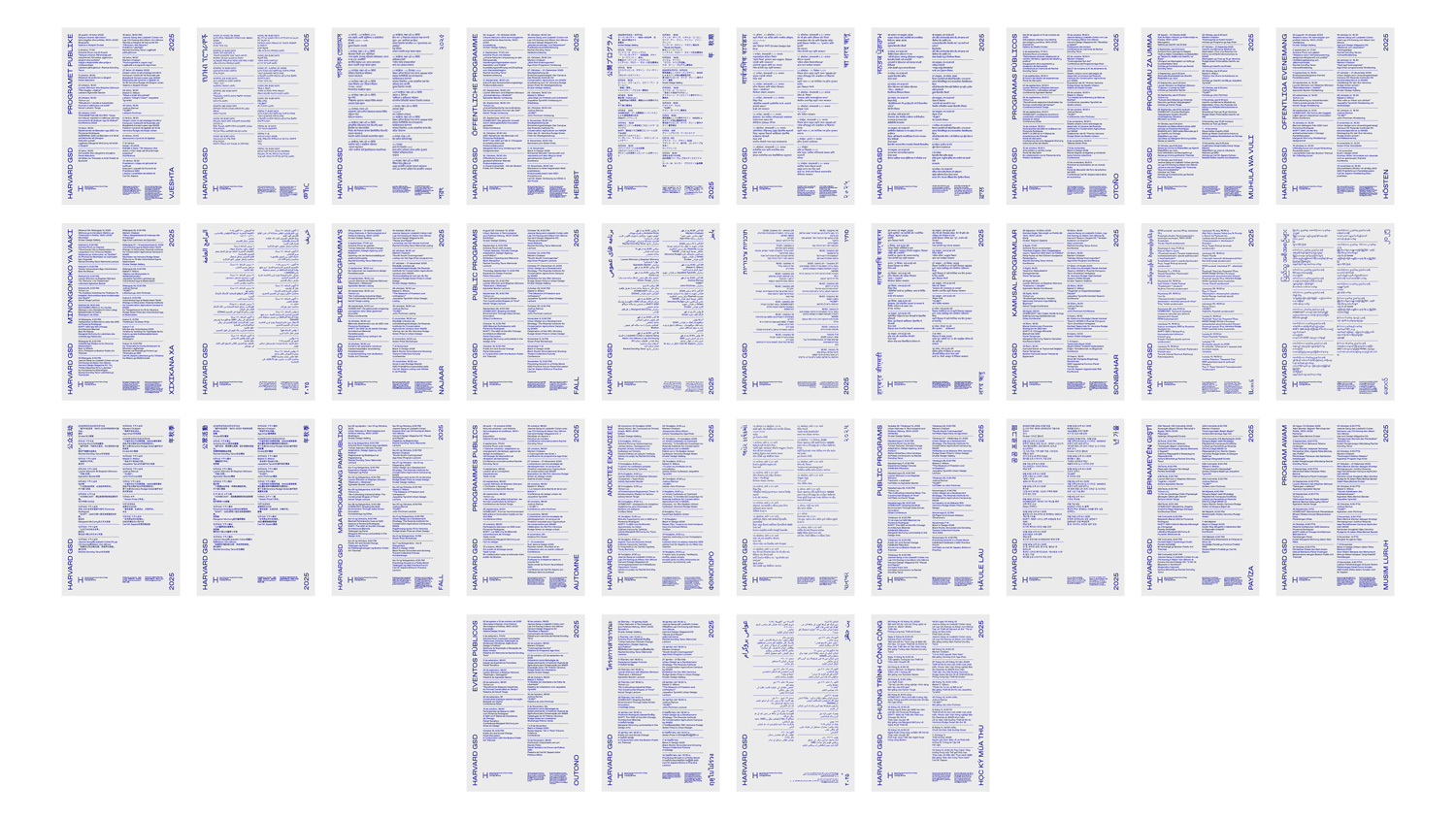
Students at the Harvard Graduate School of Design come from more than 60 countries and speak at least 56 languages, with 34 of them being students’ first or preferred languages, according to a survey of current and incoming students in July 2025. The visual identity of our fall 2025 public programs is translated into those 34 languages, celebrating the internationality of the GSD community.
The project was possible only with the assistance of student and alumni volunteers who translated and reviewed the posters. Among them is Adria Meira (MDes ’26), a Brazilian student who translated the Portuguese version of the poster. “Ensuring that the poster appeared in Portuguese was important to me as a representation of my culture, language, and country,” says Meira.
Valentine Geze (MDE ’26), worked on the French version. “I wanted to support this project because I see translation as a way to both welcome and celebrate the diversity of the GSD,” says Geze. “Supporting immigrants and honoring the languages spoken here feels especially important now; making space for many voices expands the perspectives that shape our academic and personal experiences.”
In past years, the GSD has collaborated with designers to create unique visual identities and promotional materials for the public programs. This year, the GSD’s own art director Chad Kloepfer, and Willis Kingery, graphic design consultant, designed the posters to represent the linguistic diversity of the GSD.
This multilingual project highlights the GSD’s commitment to welcoming students from around the world. “The GSD is one of the most international schools at Harvard,” said Dean Sarah Whiting in spring 2025. “Our international makeup goes back to the founding of the GSD. It is part of our DNA—our student body, our faculty, our staff, and the discipline and practice of design all thrive on this internationalism. The extraordinary breadth of experience and perspectives that the international members of our community provide is essential to who we are.”
Meira is part of the international community that Dean Whiting described. For her, participation in the poster project is “a way to highlight the contributions of the Brazilian community, which has 12 members at the school.” The student organization Brazil GSD, of which Meira is a part, “enriches the life of the school for everyone and provides much needed support to those of us studying far from home at such a challenging time.”
| Language | Translators |
|---|---|
| Amharic | Anonymous |
| Arabic | Sara Abduljawad (MLA ’27) |
| Armenian | Shant Armenian (MArch ’28) |
| Bangla | Anonymous |
| Burmese | Htet H Hlaing (MArch ’26) |
| Chinese (Simplified & Traditional) | Anson Leung (MLA ’26) |
| Dutch | Emma van Zuthem (MDes ’27) |
| Farsi | Soroush Yeganeh (MArch ’26) |
| Filipino | Maita S. Hagad (MLA ’28) |
| French | Valentine Geze (MDE ’26) |
| German | Robin Albrecht (MArch ’26) |
| Greek | Styliani Rossikopoulou Pappa (MDes ’19) & Alkiviadis Pyliotis (MArch ’20) |
| Gujarati | Aum Gohil (MAUD ’27) |
| Hebrew | Anonymous |
| Hindi | Malvika Dwivedi (MDes ’27) |
| Japanese | Anonymous |
| Korean | Jeongjoon Lee (MArch ’27) |
| Kurdish | Leyla Uysal (MDes ’24, MLA ’27) |
| Malay | Joshua Teo (MDes ’26) |
| Marathi | Riddhi Kasar (MDE ’26) |
| Portuguese | Adria Meira (MDes ’26) |
| Punjabi | Anonymous |
| Spanish | Dana Barale Burdman (MDes ’26) |
| Swahili | Martha Oloo (MLA ’27) |
| Swedish | Hannah Ahlblad (PhD ’30) |
| Thai | Sirinda (Kaew) Limsong (MDE ’26) |
| Tsonga | Xiluva Mbungela (MDes ’26) |
| Turkish | Defne Ergun (MArch ’28) |
| Urdu | Omer Yousuf MUP ’26 |
| Vietnamese | Tuân Cao (MAUD ’27) |
Translation of Albanian and ʻŌlelo Hawaiʻi (Hawaiian) was provided by We Are Very.
GSD Announces Fall 2025 Public Programs and Exhibitions
GSD Announces Fall 2025 Public Programs and Exhibitions
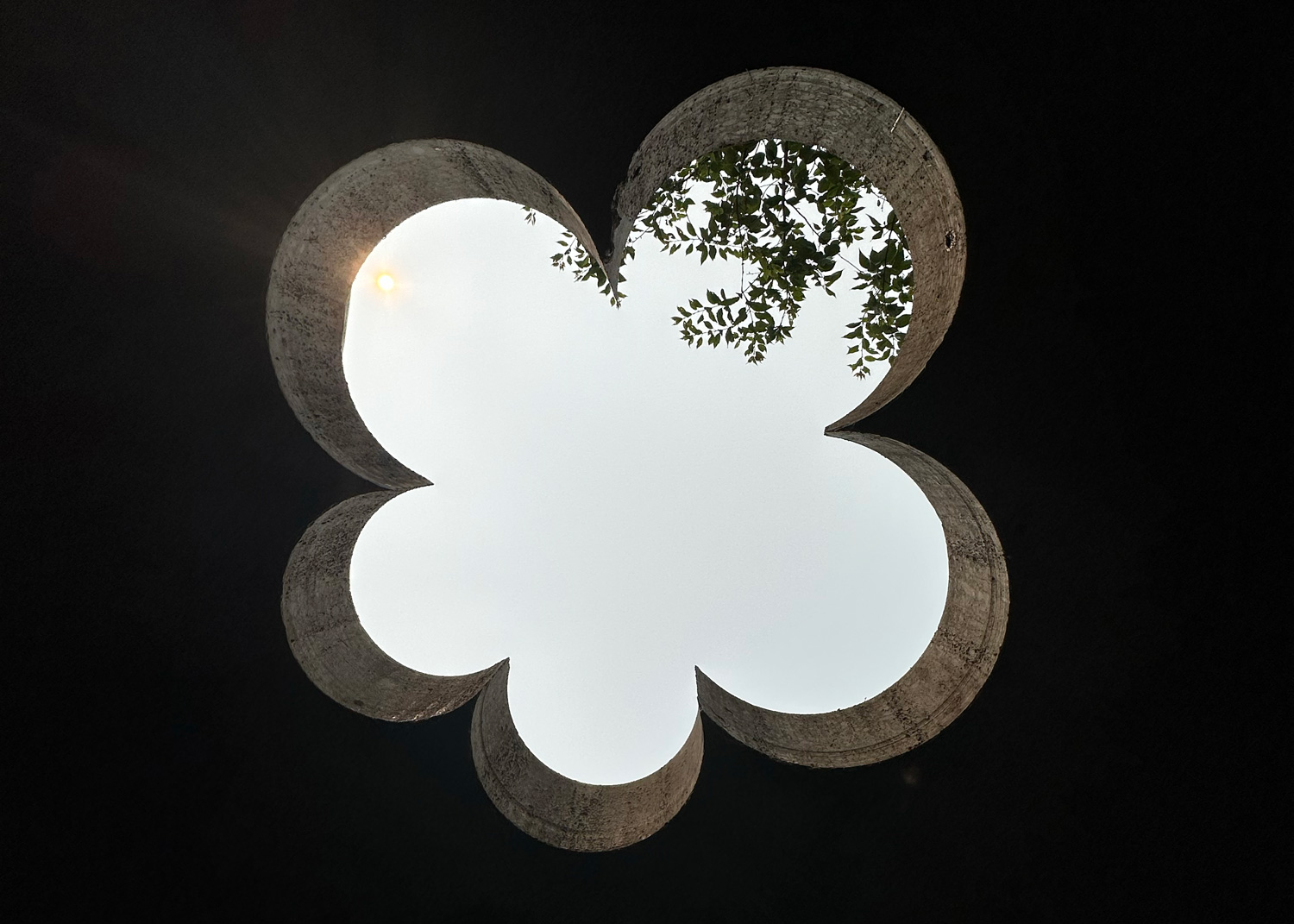
The Harvard University Graduate School of Design (GSD) announces its fall 2025 public programs and exhibitions, a series that highlights the ethical concerns of designers who grapple with historical legacies when creating contemporary spaces.
The exhibition Urban Natures: A Technological and Political History, 1600–2030, on view in the Druker Design Gallery (through October 13), measures how far we have come since the first public gardens were created and asks us to envision the future of our cities in innovative ways. The exhibition opens on September 2, with a panel of GSD faculty who will address climate change adaptation, the agency of designers, and the role of urban natures in promoting new collective values.
“Reuse and Repair” is the theme of Harvard Design Magazine 53 (October 16), edited by Lizabeth Cohen, Howard Mumford Jones Research Professor of American Studies at Harvard University,and Jeanne Gang, Kajima Professor in Practice of Architecture. Adaptive reuse is also an ethos that emerges in lectures by several designers this fall. Lauren Stimson and Stephen Stimson (September 23) restore wildness to the landscapes they design. Yichun Liu (September 25) reckons with the legacy of industrial sites across China. Practicing Growth in a Finite World (November 13), a transdisciplinary panel of practitioners, speculates on how to repair models of professional practice in ways that ethically address the challenges of our time.
Several speakers dig into contested ground. Meriem Chabani (October 22), Aga Khan Design Critic in Architecture, explores architecture’s engagement with “the South” as a fictional construct shaped by subjection and uneven power relations. Mabel O. Wilson (October 29) examines “freedom and unfreedom” in the 1791 founding of Washington, DC, as the nation’s capital. Joshua Ramus (October 30) describes the arc of his career, including the recent Perelman Performing Arts Center at the World Trade Center.
Later in the fall, the Druker Design Gallery will showcase Urban Design as a Development Strategy: The Rwanda Institute for Conservation Agriculture Campus by MASS (October 27–December 21), an exhibition of this year’s Green Prize–winning project in Bugesera, Rwanda. An afternoon of workshops with the designers on November 6 will dive deeper into the interdisciplinary process behind the project. The 2025 Black in Design conference, Black Roots: Grounded and Growing Toward Collective Futures (November 7–8), investigates how to make space, take space, and create “tools for living” through the three interconnected themes of Black theologies, Black ecologies, and Black geographies.
The complete public program schedule appears below and can be viewed on the Harvard GSD’s public programs calendar. All events will be livestreamed on the GSD website unless otherwise noted. Please visit the Harvard GSD’s home page to sign up for periodic emails about the school’s public programs, exhibitions, and other news.
Urban Natures: A Technological and Political History, 1600–2030
Exhibition, Druker Design Gallery
August 25–October 13
Antoine Picon with guests: “Urban Natures: Climate Change Adaptation, Design Agency, and Politics”
Exhibition opening and welcome back reception
Rachel Dorothy Tanur Memorial Lecture
September 2, 5:00 p.m.
Experience Design Futures
Panel discussion
September 11, 6:30 p.m.
Lauren Stimson and Stephen Stimson: “restraint + wildness”
Sylvester Baxter Lecture
September 23, 6:30 p.m.
Yichun Liu: “Re-Cultivating Industrial Sites: The Constructed Shapes of Time”
Kenzō Tange Lecture
September 25, 6:30 p.m.
HOMECAST: Shaping the Built Environment Through Data-Driven Innovation
DDes Conference
September 26, 9:00 a.m.
GSD Biennial Participants and Florencia Rodriguez
SHIFT: The GSD at the 6th Chicago Architecture Biennial
Panel discussion
Margaret McCurry Lectureship in the Design Arts
October 14, 6:30 p.m.
Public Art and Social Change
Panel discussionn conjunction with the Boston Public Art Triennial
October 15, 6:30 p.m.
Jeanne Gang and Lizabeth Cohen with Lap Chi Kwong and Alison Von Glinow
Harvard Design Magazine 53: “Reuse and Repair” issue release
Rachel Dorothy Tanur Memorial Lecture
October 22, 6:30 p.m.
(Rescheduled from October 16)
Meriem Chabani: “South South Cosmogonies”
Aga Khan Program Lecture
October 23, 6:30 p.m.
(Rescheduled from October 22)
Urban Design as a Development Strategy: The Rwanda Institute for Conservation Agriculture Campus by MASS
Exhibition for the 15th Veronica Rudge Green Prize in Urban Design
Druker Design Gallery
October 27–December 21
Mabel O. Wilson: “The Measure of Freedom and Unfreedom”
Jaqueline Tyrwhitt Urban Design Lecture
October 29, 6:30 p.m.
Joshua Ramus: “10,887”
John Portman Lecture
October 30, 6:30 p.m.
Urban Design as a Development Strategy: The Rwanda Institute for Conservation Agriculture Campus by MASS
Celebration of the 15th Veronica Rudge Green Prize in Urban Design
November 5, 6:30 p.m.
Green Prize Workshops
November 6, 12:00 p.m.
Black in Design 2025: “Black Roots: Grounded and Growing Toward Collective Futures”
Conference
November 7–8
Practicing Growth in a Finite World
Carl M. Sapers Ethics in Practice Lecture
November 13, 6:30 p.m.
Jeanne Gang Named Kajima Professor in Practice of Architecture
The Harvard Graduate School of Design announces that Jeanne Gang (MArch ’93) has been named the Kajima Professor in Practice of Architecture as of July 1, 2025. Established at the school in 1989 by the Kajima Corporation, the endowed professorship supports a faculty member to advance instruction and scholarship in architecture.
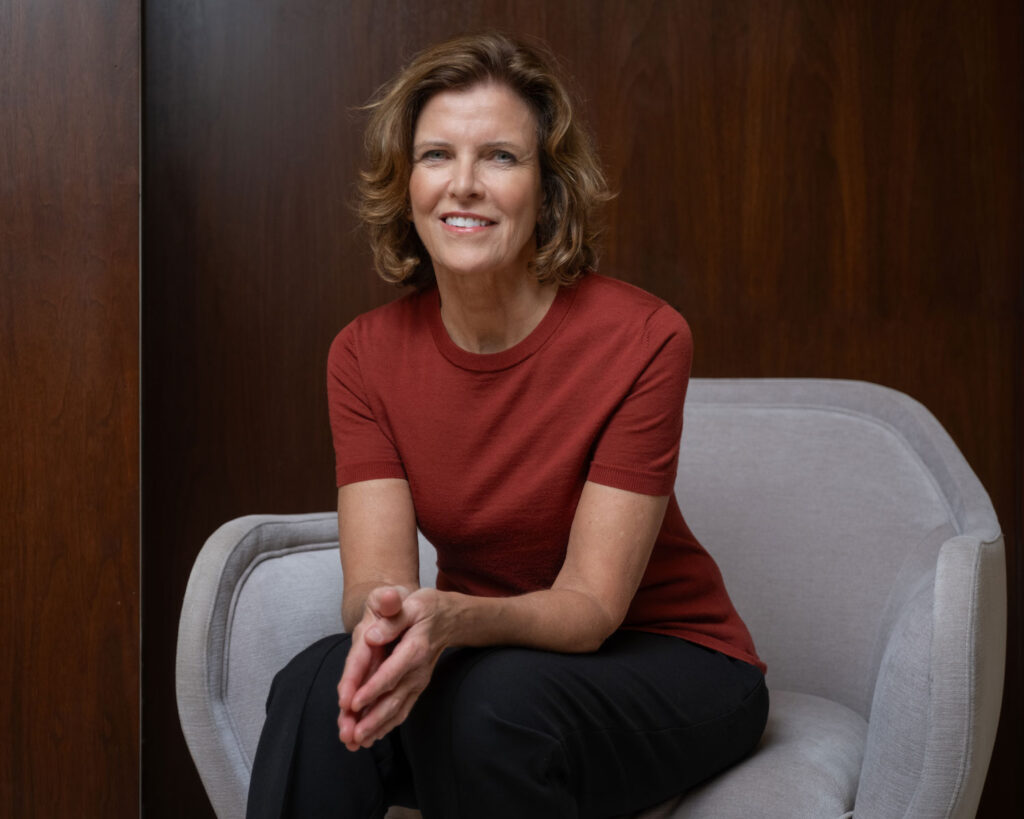
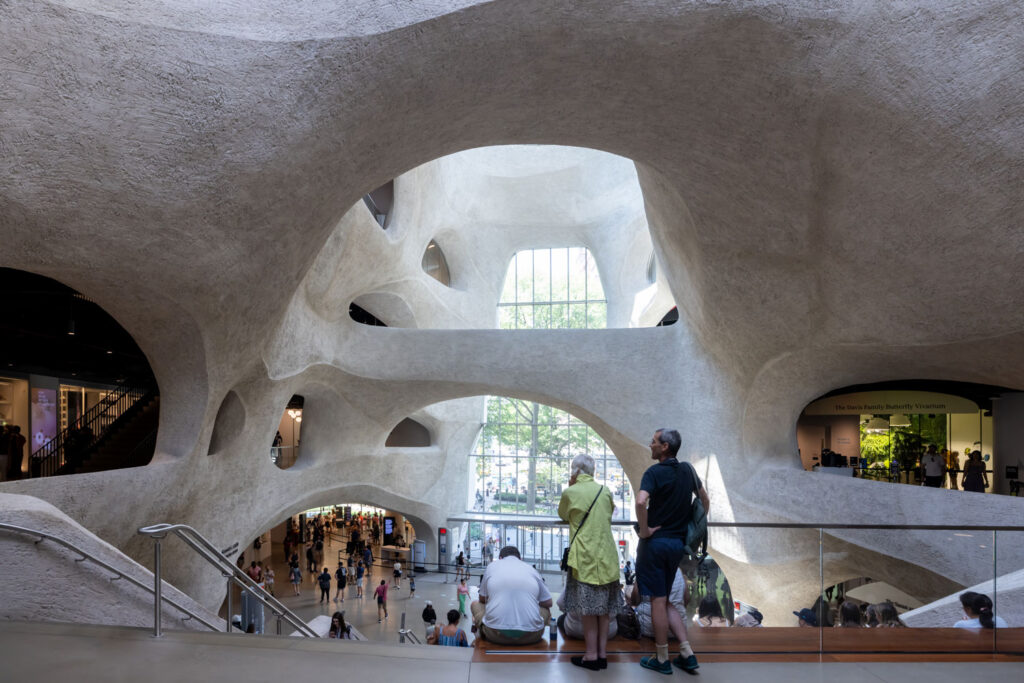
Gang is the founding partner of Studio Gang , an international architecture and urban design practice based in Chicago with offices in New York, San Francisco, and Paris. The firm has built a large portfolio of globally respected projects that draw insight from ecological systems to strengthen relationships among individuals, communities, and environments. Well known projects include the Aqua Tower in Chicago, IL (completed in 2010), the Arcus Center for Social Justice Leadership at Kalamazoo College in Kalamazoo, MI (completed in 2014), and Solar Carve in New York, NY (completed in 2019). Most recently, Studio Gang has received high praise for its design of the Richard Gilder Center for Science, Education, and Innovation at the American Museum of Natural History in Manhattan (2023), which provides a new entrance hall and wing for this major institution. Studio Gang has also created the campus plan for Harvard’s Enterprise Research Campus and designed notable buildings for the site, including the David Rubenstein Treehouse conference center.
Studio Gang has become known for advancing ecological and community-centered design practices, and these aspects of professional life form the backbone of Gang’s pedagogy at the GSD. To help students develop their agency as designers, her option studios focus on existing buildings, such as the New England Aquarium, with an emphasis on resiliency and reuse. These studios also have provided Gang with a forum for her own research on low-carbon techniques for adaptive reuse and addition, including her concept of “architectural grafting.” Gang has developed these themes further as a guest editor, with Lizabeth Cohen, of Harvard Design Magazine 53: “Reuse and Repair,” forthcoming Fall 2025.
Mauro Marinelli Wins 2025 Wheelwright Prize
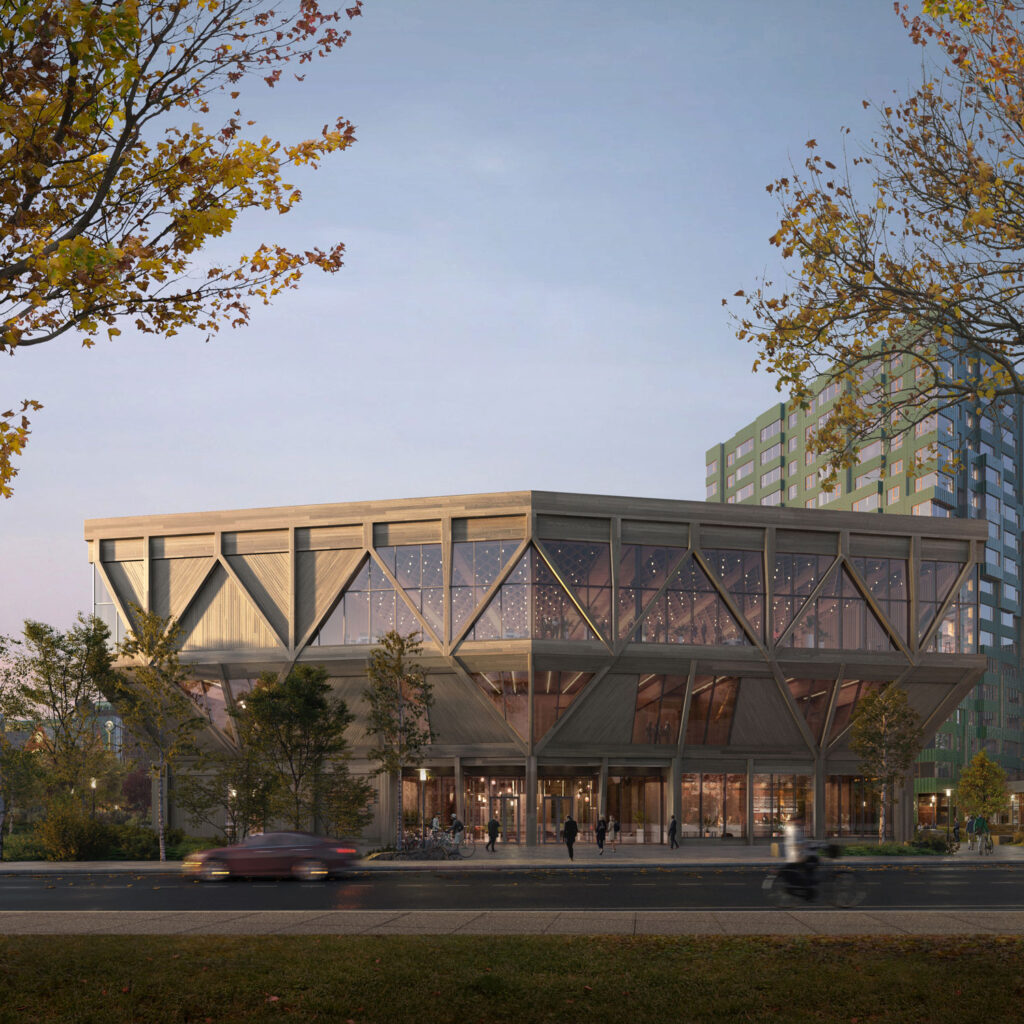
Harvard University Graduate School of Design (GSD) is pleased to name Mauro Marinelli the winner of the 2025 Wheelwright Prize . The $100,000 prize supports investigative approaches to contemporary architecture, with an emphasis on globally minded research.
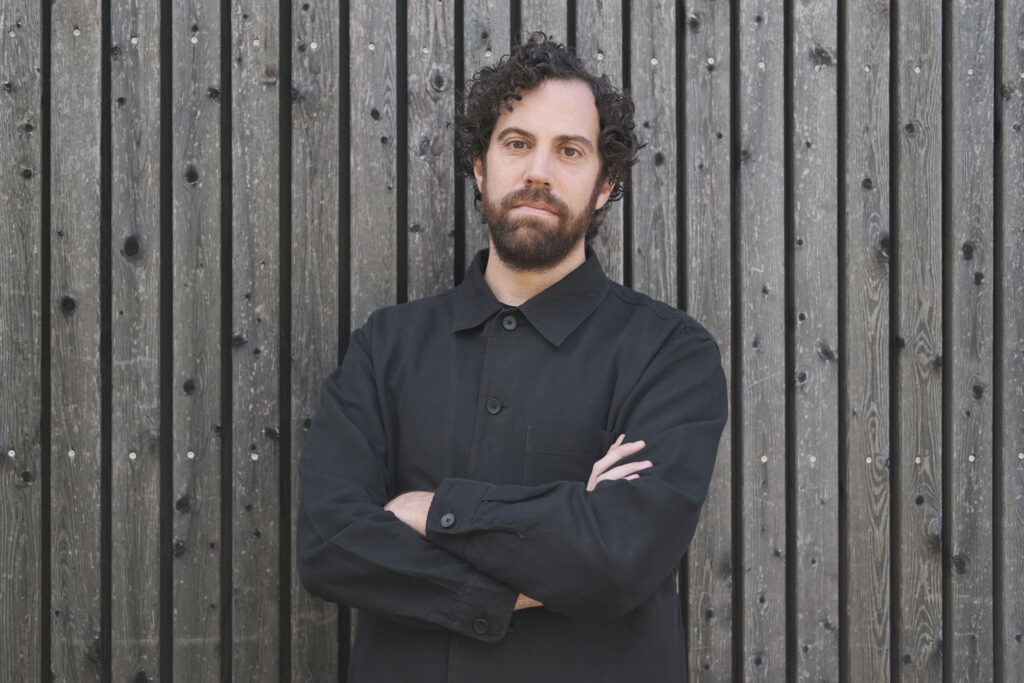
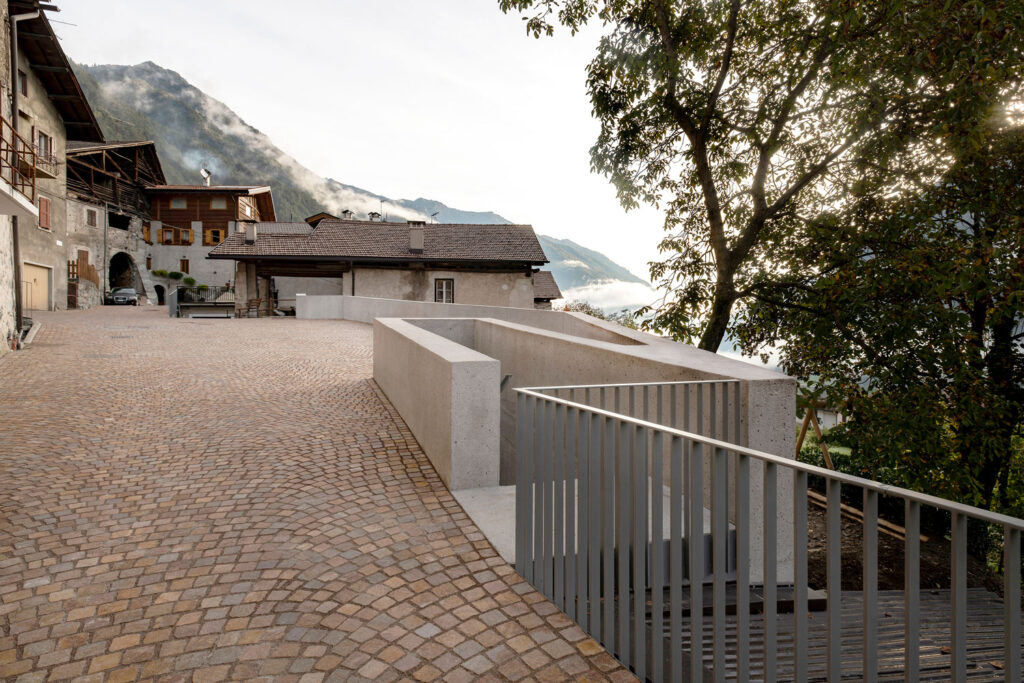
Marinelli’s project, Topographies of Resistance: Architecture and the Survival of Cultures, examines the role of architecture in sustaining and revitalizing rural mountainous regions that face challenges related to climate change, infrastructure, and cultural erosion. The study develops design strategies that promote autonomy, sustainability, and local identity by comparing contexts in the Alps, Andes, and Himalayas. Through analysis and field experiments, Marinelli seeks to generate architectural approaches that empower communities and challenge urban-centric biases.
The Wheelwright Prize supports innovative design research, crossing both cultural and architectural boundaries. Winning research proposal topics in recent years have included social and spatial relations in contemporary Africa ; environmental and social impacts of sand mining ; and new paradigms for digital infrastructure .
The Wheelwright Prize will fund two years of Marinelli’s research and travel. He plans to focus his work in the European Alps, the South American Andes, and mountainous regions of China. “This support enables me to investigate how architecture can actively engage with the fragile cultural systems of high mountain communities. I intend to contribute tangible insights to both the cultural vitality of mountain territories and architectural discourse,” says Marinelli.
“I am thrilled to announce Mauro as this year’s winner. The architecture of our shared future must respond thoughtfully to specific cultural contexts, geographic conditions, and ecological forces—including humidity, wetlands, woodlands, coastlines, and many others,” says Sarah M. Whiting, Dean and Josep Lluís Sert Professor of Architecture at the GSD. “Mauro’s research fosters precisely these kinds of responses, emphasizing self-sufficiency, local identity, and architectural approaches uniquely suited to the climatic, demographic, and economic vulnerabilities shared by mountainous communities around the world.”
In addition to Whiting, jurors for the 2025 prize include: Chris Cornelius, professor and chair of the Department of Architecture at the University of New Mexico School of Architecture and Planning; Grace La, professor of architecture and chair of the Department of Architecture at the GSD; Jennifer Newsom, co-founder of Dream the Combine and assistant professor at Cornell University’s College of Architecture, Art, and Planning; Tosin Oshinowo, principal and founder of Oshinówò Studio; and Noura Al Sayeh, head of Architectural Affairs for the Bahrain Authority for Culture and Antiquities.
Marinelli was among four distinguished finalists selected from a highly competitive and international pool of applicants. The 2025 Wheelwright Prize jury commends finalists Meriem Chabani, Mohamad Nahleh, and Alfredo Thiermann for their promising research proposals and presentations.
About Mauro Marinelli
Mauro Marinelli is an architect and holds a PhD in Architecture and Urban Design from Politecnico di Milano, where he has served as adjunct professor of architectural design since 2016. He has been visiting professor at IUAV Venice (2024) and visiting lecturer at Università Federico II Naples (2025), and has been invited to lecture at numerous other institutions. In 2017, he co-founded franzosomarinelli with Mirko Franzoso, an architecture office based in the Alps, focused on contemporary design in fragile territories. The studio’s work has been exhibited in numerous architecture exhibitions and published internationally, with a strong focus on contextual sensitivity through material and spatial research.
About the Finalists
Meriem Chabani
Algeria-born, Paris-based Meriem Chabani is the founder and Principal of NEW SOUTH
, an award-winning architecture, urban planning and anthropology practice prioritizing spaces for vulnerable bodies in contested territories. Her work on complex sites includes the Swann Arr cultural center in Myanmar, the Globe Aroma refugee art center in Brussels, and the upcoming Mosque Zero in Paris. She currently teaches at École Paris Malaquais (FR). In 2020 Meriem won the Europe 40 under 40 award. She is a recipient of the Graham Foundation Grant. In 2025, she was named one of the leading creatives in France by Le Monde.
Mohamad Nahleh
Mohamad Nahleh is assistant professor of architecture at The Ohio State University. His research and practice engage the fields of environmental history, cultural anthropology, and postcolonial literature in expanding the role and imagination of the night in architecture. Recognizing the night as a space rather than a time, his work unsettles the current interchangeability between “night architecture” and “light design” by charging architecture with the urgency to overcome the Western metaphors of light and darkness. Nahleh holds a bachelor of architecture from the American University of Beirut and a master of science in architecture studies from MIT, where he also taught for several years.
Alfredo Thiermann
Alfredo Thiermann is an architect and assistant professor for History and Theory of Architecture at the École polytechnique fédérale in Lausanne. He has taught and lectured at Harvard University, Pontificia Universidad Católica de Chile, and other institutions. His work has been published in Harvard Design Magazine, A+U, and Revista ARQ, among other publications. Thiermann received his professional degree from the Pontificia Universidad Católica in Chile and a masters degree from Princeton University. He received his doctoral degree from the Eidgenössische Technische Hochschule (ETH) in Zurich. He is the author of Radio-Activities: Architecture and Broadcasting in Cold War Berlin (MIT Press, 2024).
Summer Reading 2025: Design Books by GSD Faculty and Alumni
Summer Reading 2025: Design Books by GSD Faculty and Alumni
Whether you plan to read in the summer sunshine or an air-conditioned lounge, these recent books by Harvard Graduate School of Design (GSD) faculty and alumni conjure environments from the semi-arid Mezquital Valley to the frozen Arctic tundra.

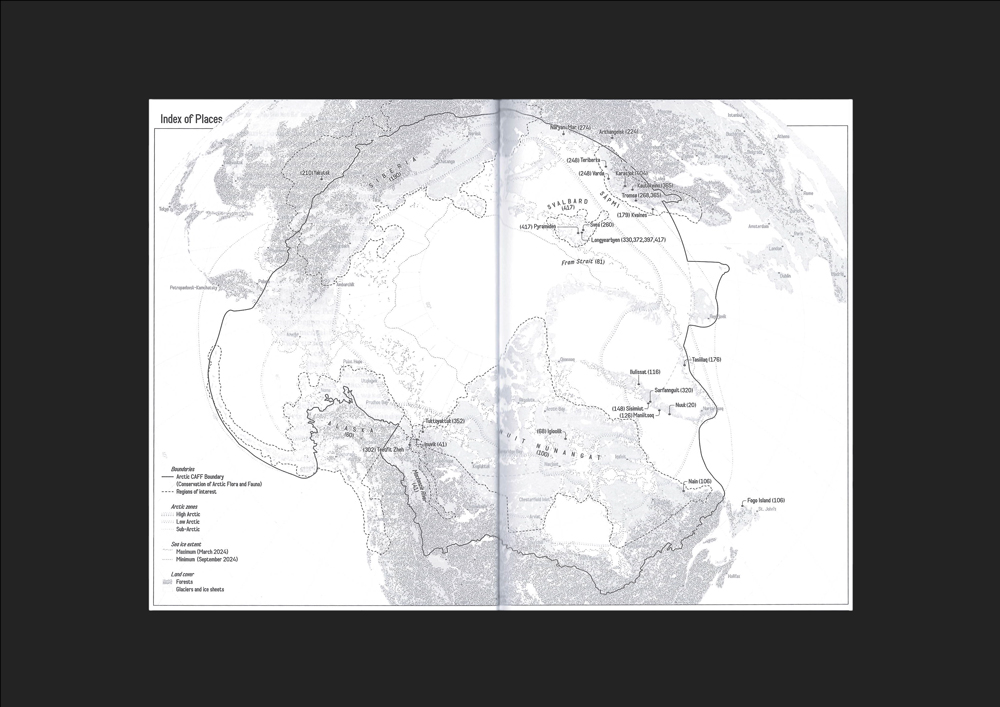
Arctic Practices: Design for a Changing World (Actar, 2025), edited by GSD lecturer in landscape architecture Bert De Jonghe (MDes ’21, DDes ’25) and Elise Misao Hunchuck, confronts two issues critical for Arctic lands: the climate crisis and the need for anticolonial reconciliation. Gathering texts by authors in the fields of design, education, and the arts, the collection offers diverse perspectives on current and future design interventions, all grounded within the Arctic’s distinct environmental and historical context.
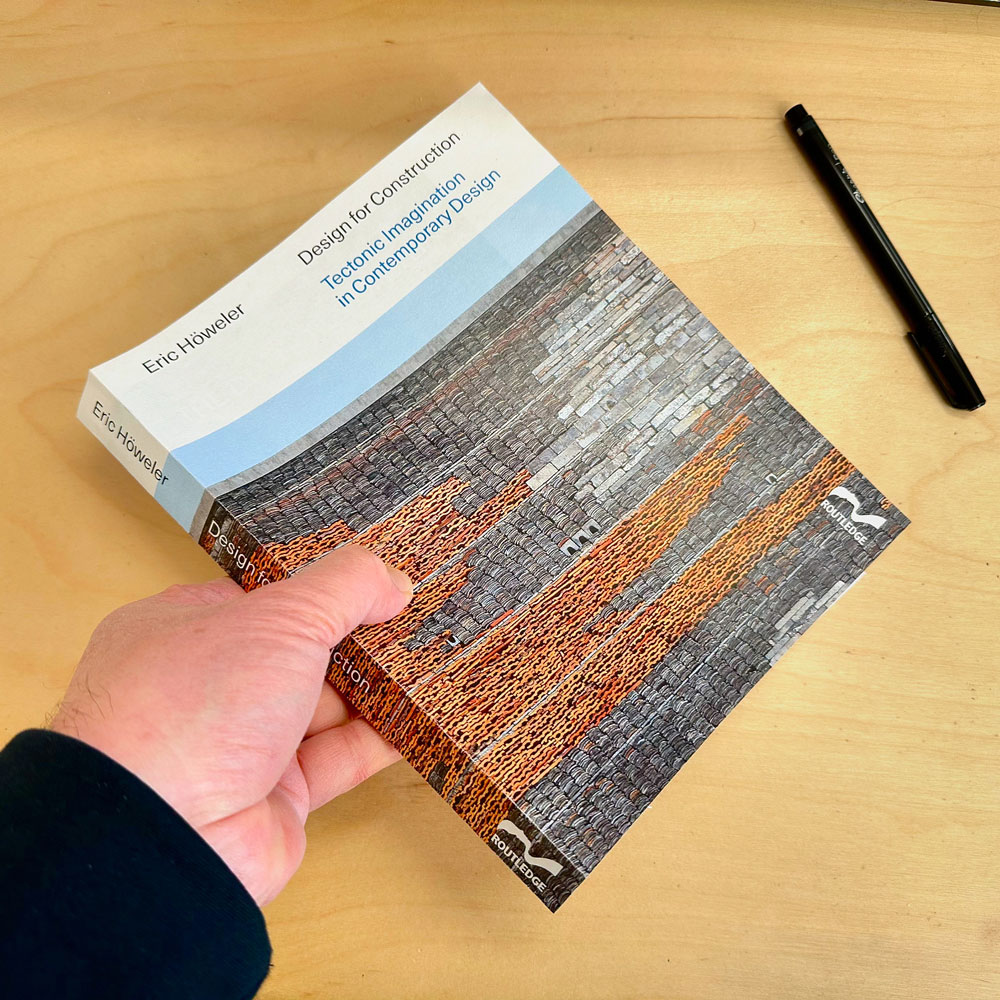
Design for Construction: Tectonic Imagination in Contemporary Architecture (Routledge, 2025), by Eric Höweler, professor of architecture and director of the Master of Architecture I program, bridges conceptual thinking and practical building techniques. The book delves into topics such as materials research and construction sequencing, dissecting projects by leading practitioners (including GSD-affiliates Barkow Leibinger, Johnston Marklee, MASS Design, NADAA, and others) as illustrative examples. As the discipline contends with its ecological and social impacts, re-engaging with design and building offers an opportunity for architects to assert agency while working toward a better future.
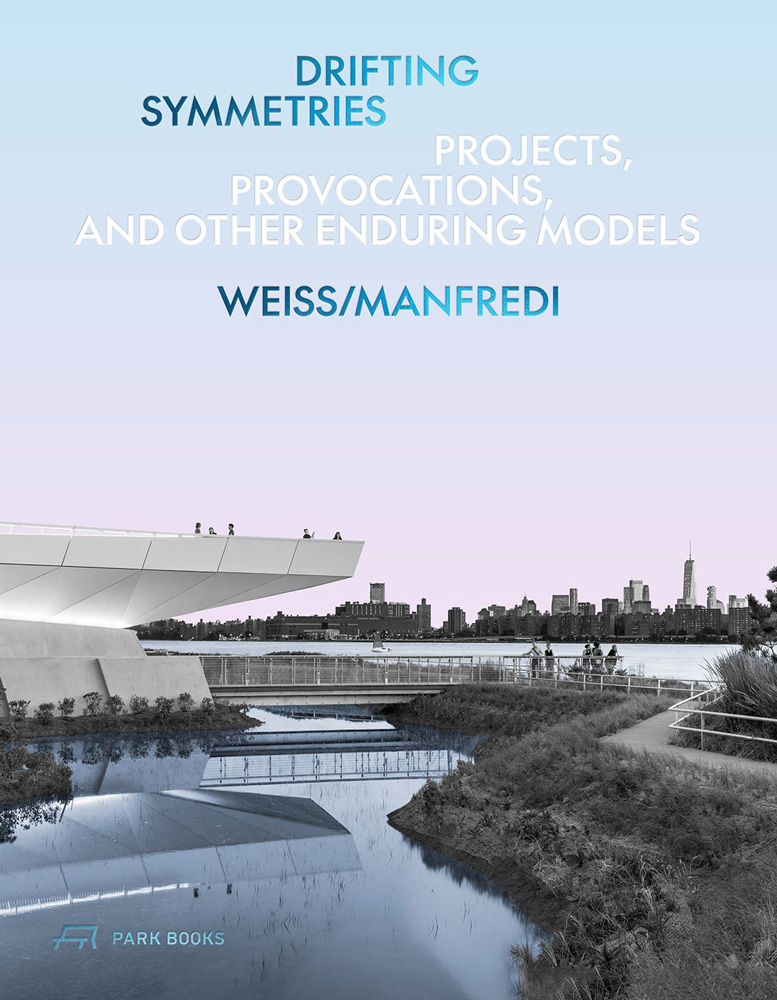
Drifting Symmetries: Projects, Provocations, and Other Enduring Models (Park Books, 2025), by Marion Weiss and Michael Manfredi, design critic in urban planning and design, features projects by the New York City–based architecture practice Weiss/Manfredi. Alongside the firm’s work—which is characterized by a multidisciplinary approach that melds architecture, landscape, and infrastructure—the book presents commentary from leading architects such as Dean and Josep Lluís Sert Professor of Architecture Sarah Whiting, John T. Dunlop Professor in Housing and Urbanization Rahul Mehrota, Hashim Sarkis (MArch ’89, PhD ’95), Nader Tehrani (MAUD ’91), and Meejin Yoon (MAUD ’97), among others.
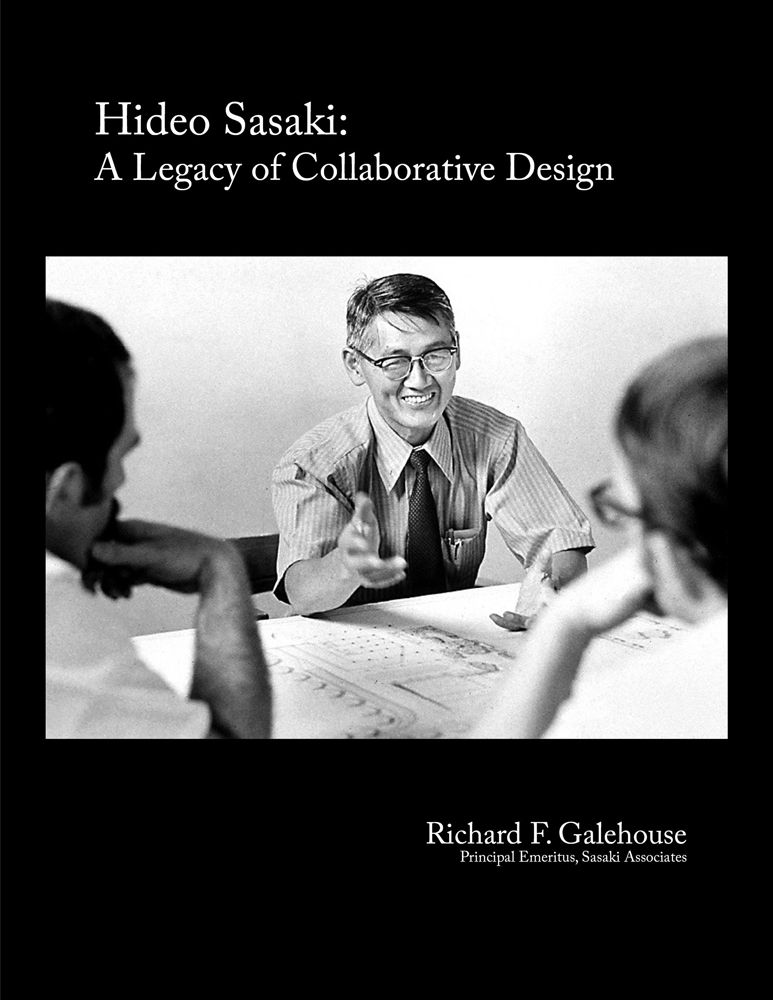
With the recent publication Hideo Sasaki: A Legacy of Collaborative Design, author Richard Galehouse (MCP ’61)—first Sasaki’s student at the GSD and later his business partner—traces the early development of Sasaki’s professional practice in the 1960s and 1970s. Through selected case studies Galehouse illustrates the legacy of design collaboration that Sasaki endowed to his professional practice—Sasaki —as it lives on today. In a distinguishing feature of the book, Sasaki speaks directly to the reader through excerpts from an interview conducted five years after his retirement.
All book proceeds support the Hideo Sasaki Foundation’s mission of equity in design.
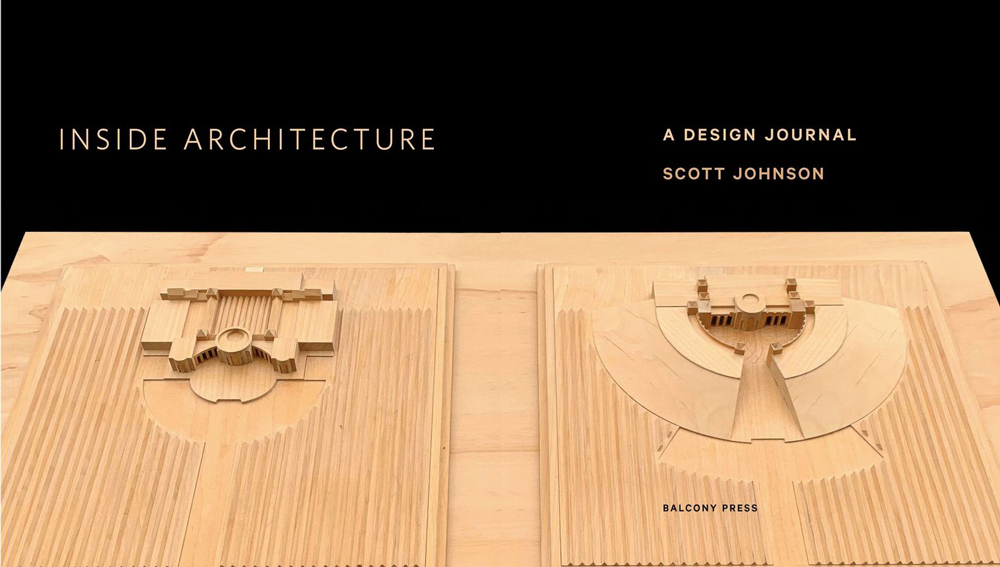
Inside Architecture: A Design Journal (Balcony Press, 2025) by Scott Johnson (MArch ’75), FAIA, is structured as a personal and professional retrospective, offering a glimpse into the creative process of one of Los Angeles’s most accomplished architects. Combining candid narrative (including thoughts on his student years at the GSD), project case studies, and design commentary, Johnson reflects on the buildings, cities, and ideas that have shaped his decades-long career as the design partner and cofounder of the firm Johnson Fain.
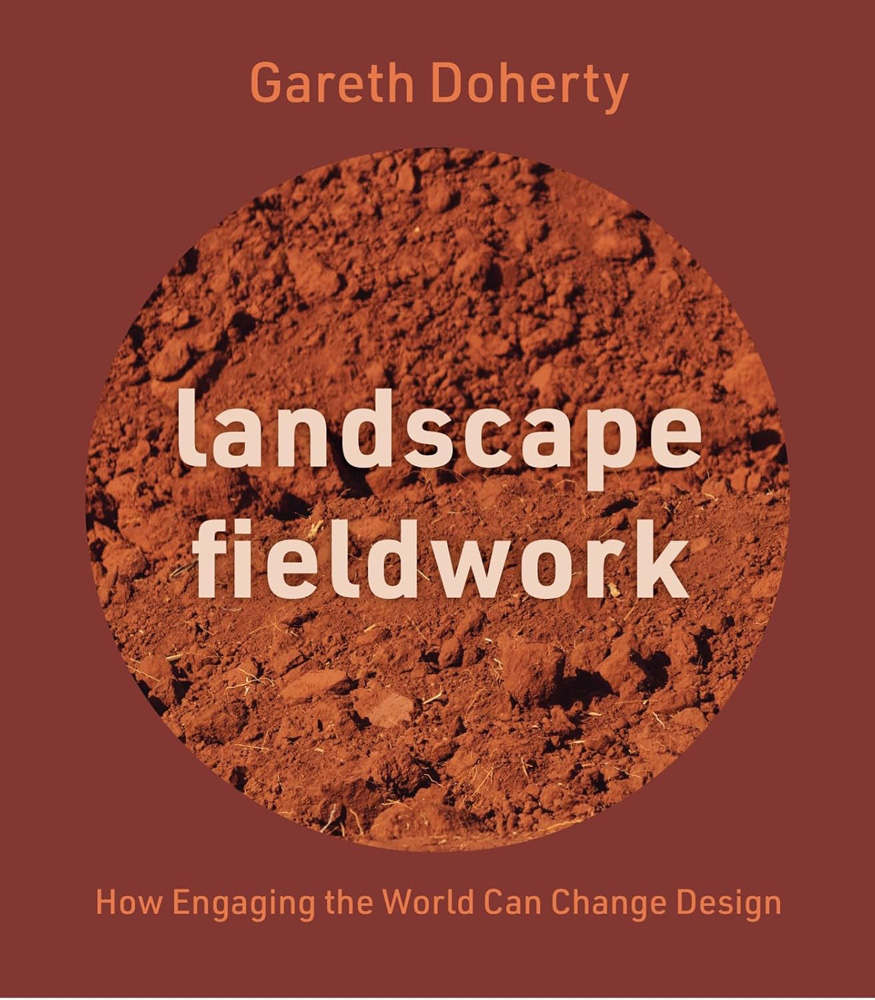
Gareth Doherty (DDes ’10), associate professor of landscape architecture and affiliate of the Department of African and African American Studies, recently published Landscape Fieldwork: How Engaging the World Can Change Design (University of Virginia Press, 2025). This book challenges the discipline’s long-standing focus on the Global North and its current reliance on digital and technological solutions, offering tools for practitioners to engage more deeply with multidimensional, diverse landscapes and the communities that create, live in, and use them.
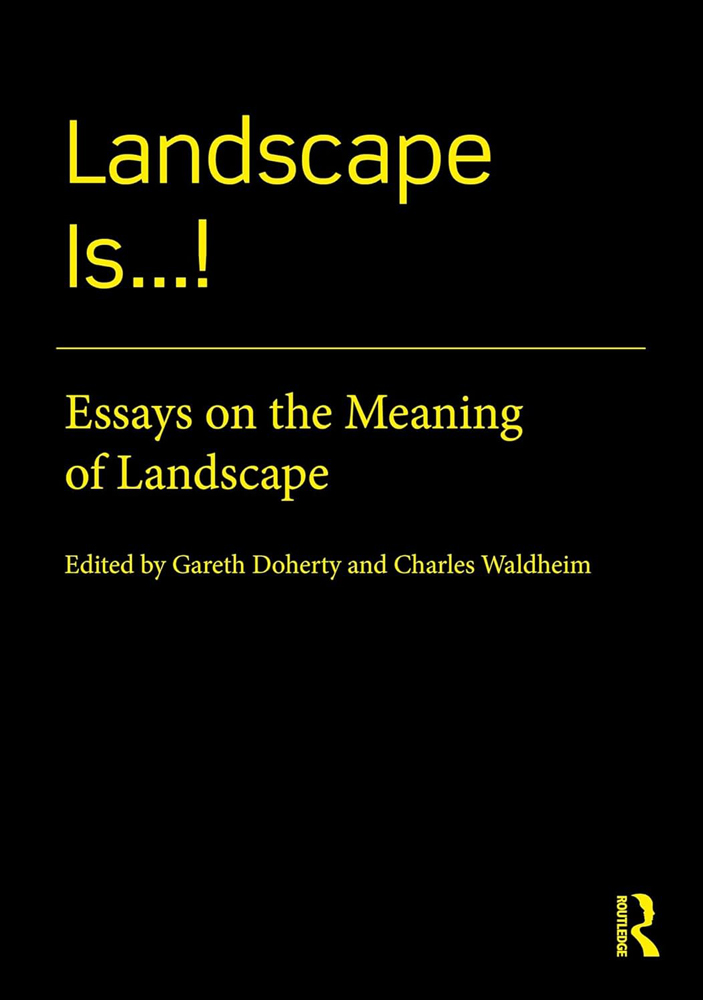
Landscape Is . . . !: Essays on the Meaning of Landscape (Routledge, 2025) explores various meanings of landscape as a discipline, profession, and medium. Edited by Gareth Doherty (DDes ’10), associate professor of landscape architecture and affiliate of the Department of African and African American Studies; and Charles Waldheim, John E. Irving Professor of Landscape Architecture and co-director of the Master in Design Studies program, this collection is a companion volume to Is Landscape…?: Essays on the Identity of Landscape , released in 2016.
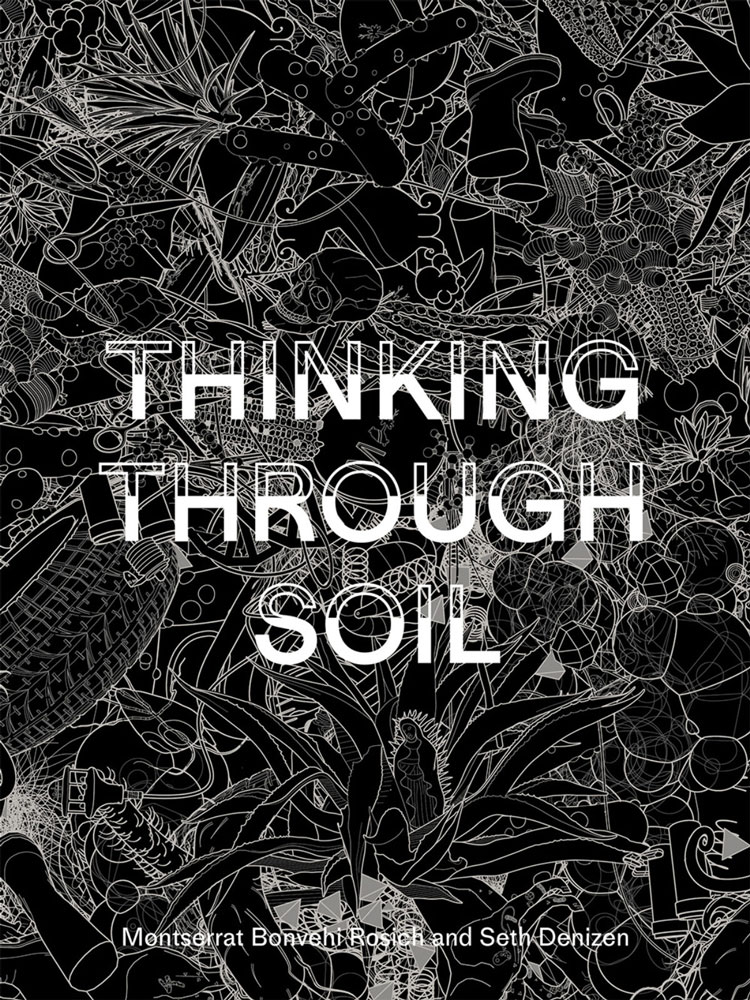
Thinking Through Soil: Wastewater Agriculture in the Mezquital Valley (Harvard Design Press, 2025), by former Dan Urban Kiley fellows Monserrat Bonvehi Rosich (2017–2018) and Seth Denizen (2019–2021), offers an analysis of the world’s largest wastewater agricultural system, located in the Mexico City–Mezquital hydrological region, to envision an improved future environment in central Mexico. This case study presents soil as an everchanging entity that is critical for the health of the planet and all its inhabitants.
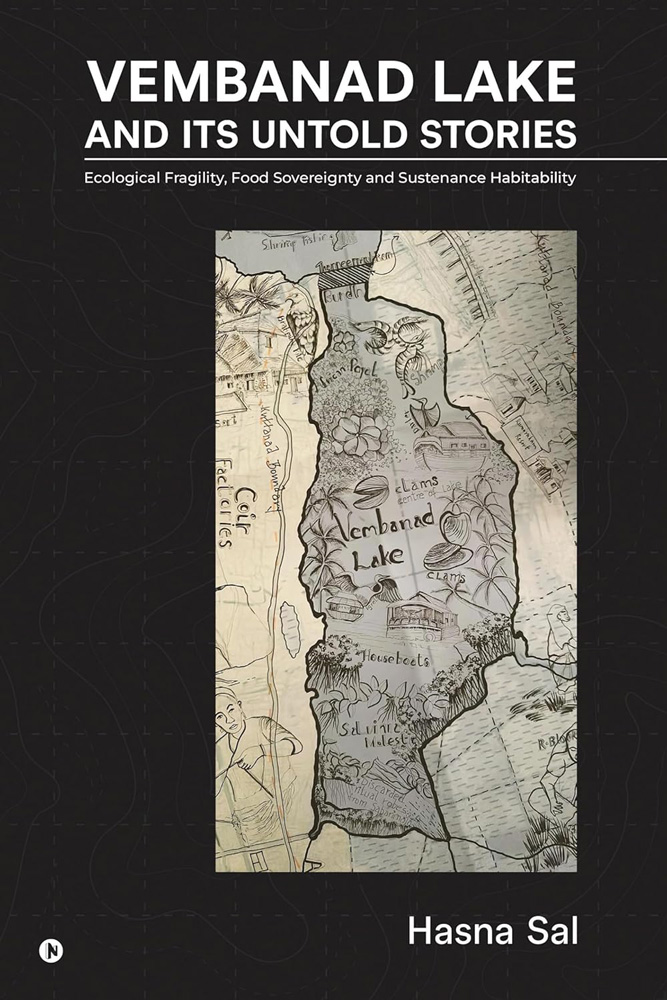
Vembanad Lake and Its Untold Stories: Ecological Fragility, Food Sovereignty, and Sustenance Habitability (Notion Press, 2025), by Hasna Sal (MDes ’25), interrogates the historical evolution, ecological challenges, and socio-economic transformations of Vembanad Lake—the longest lake in India, and the largest in the state of Kerala—over the past century. Integrating cartographic and diagrammatic analysis with oral histories by fisherman, oceanographers, and more, the book advocates for a transdisciplinary framework that values localized, experiential knowledge as essential for designing inclusive conservation strategies that support environmental stewardship and social justice.
MASS Awarded Veronica Rudge Green Prize in Urban Design
MASS Awarded Veronica Rudge Green Prize in Urban Design
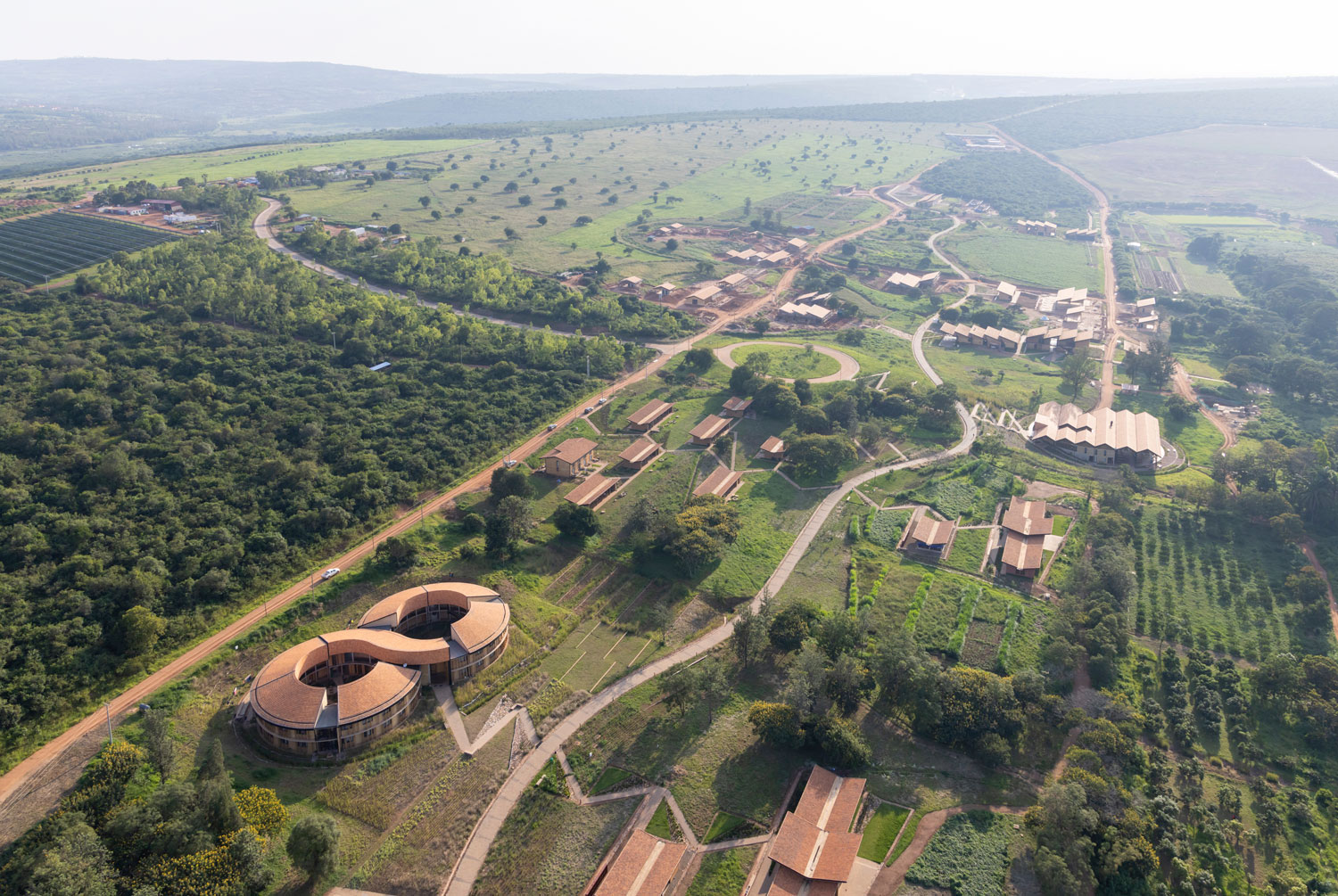
The Harvard University Graduate School of Design (GSD) is pleased to announce that the 15th Veronica Rudge Green Prize in Urban Design has been awarded to the Rwanda Institute for Conservation Agriculture (RICA) campus in Bugesera, Rwanda. MASS , which led the master planning, architecture, landscape, engineering, furniture design and fabrication, and construction for the project, will receive the $50,000 prize.
Established in 1986, the biennial Green Prize recognizes projects that make an exemplary contribution to the public realm of a city, improve the quality of life in that context, and demonstrate a humane and worthwhile direction for the design of urban environments. Eligible projects must include more than one building or open space constructed in the last 10 years.
“With this award, the GSD acknowledges not just design excellence but also excellence in the process, says Joan Busquets, chair of the Green Prize jury and Martin Bucksbaum Professor in Practice of Urban Planning and Design at the GSD. “Infused with a commitment to experimentation, realized through constant negotiation between the city officials, motivated designers, and mobilized citizens, and educating other cities about implementation pathways, the RICA project sets a new standard for evaluating innovation in the field of urban design.”
The RICA Campus
“We are grateful that the Green Prize is elevating the role of design as a strategy for planetary healing and a catalyst for human potential,” says Alan Ricks, founding principal and co-executive director of MASS. “RICA is a powerful reminder that design can be both—a model of abundance not defined by excess, but by balance—where education, conservation, and community thrive together in the face of ecological limits and towards a social foundation where all can flourish.”
With Rwanda’s population expected to double by 2050, the Rwanda Institute for Conservation Agriculture (RICA) will help ensure the nation’s future food security by educating the next generation of farmers and agricultural leaders in developing healthy, sustainable food systems. Promoting biodiversity, ecological conservation, and community participation, the campus design reinforces the experiential approach to learning at the heart of RICA’s curriculum.
RICA’s master plan includes more than 20,000 square meters of buildings and 1400 hectares of landscape. The project encompasses housing, academic spaces, barn storage, processing space, stormwater systems, human and animal waste management systems, and off-grid energy infrastructure. The master plan was guided by the unique theory of One Health, an understanding that human, ecological, and animal health are deeply intertwined. RICA harnesses symbiotic ecological and agricultural relationships, and regenerative principles to achieve greater crop yields, increased biodiversity, utilized waste streams, healthier soils, and cleaner water.
The campus is connected by a central spine that supports social movement and cohesion. Connective programming along this corridor spatially links agricultural techniques and supports campus life. RICA’s research goals necessitate a variety of feed options for livestock, which include dairy cattle, goats, sheep, poultry, and swine, to complement the diversity of field and irrigation types inherent to crop management. The landscape architects established spatial parameters for the campus enterprises, including biosecurity vectors for barns, circulation/feed routes, waste management, and pastures.
RICA is expected to have a net-zero carbon footprint through landscape design, sustainable construction methods, and materials, such as stone, soil, and vegetation, sourced directly from the site. The project is energy-independent, drawing power from renewable, off-grid energy sources built as part of the project. The RICA team developed a supply chain of building materials harvested, crafted, and sourced locally, with 90 percent of the budget spent within 500 miles of the site and 96 percent of materials sourced within Rwanda. Taking into account all stages of the building process—material extraction, manufacturing, transportation, and installation—RICA’s embodied carbon will be 58percent less than the global average for institutional works. RICA is estimated to become carbon-positive by 2044, positioning the project as a model for sustainable development. Employment of local workers was also prioritized, with about 90 percent of the 1300-person workforce from the Bugesera district.
RICA is completely powered by an on-site 1.5MW solar array and battery storage. In addition to the electrical draw of the campus, the array supports a network of lake pumps, filtering stations, and irrigation systems. Wastewater streams became a guiding design factor, and the team implemented a treatment plant for human waste, recycling the byproduct for forage crop irrigation. The master plan orchestrates the collection, distribution, and storage of animal waste to safely support composting and fertilization.
This year’s jury includes GSD faculty members Jungyoon Kim, Associate Professor in Practice of Landscape Architecture; Dan Stubbergaard, Professor in Practice of Urban Design; and Hanif Kara, Professor in Practice of Architectural Technology. Also on the jury is GSD alumnus Kongjian Yu, Professor and founding dean of Peking University College of Architecture and Landscape, and founder and design principal of Turenscape. The jury was chaired by Joan Busquets, Martin Bucksbaum Professor in Practice of Urban Planning and Design.
An exhibition coinciding with the prize will be on display at Druker Design Gallery beginning October 27, 2025. A public lecture and reception for the exhibition is scheduled for Wednesday, November 5, in Piper Auditorium at the GSD, and an afternoon of workshops with designers from MASS is scheduled for Thursday, November 6, 2025. Visit the GSD’s calendar of public programs for more.
Rachel Weber Appointed Chair of Department of Urban Planning and Design
The Harvard University Graduate School of Design (GSD) announces that Dr. Rachel Weber has been appointed Chair of the Department of Urban Planning and Design, effective July 1, 2025. Weber is an urban planner, political economist, and economic geographer who researches the relationship between finance and the built environment. Her work examines how the engagement of municipal governments with financial markets affects how cities borrow, spend, and develop.
Weber joined the GSD as professor of Urban Planning in January 2025, and she succeeds Ann Forsyth, Ruth and Frank Stanton Professor of Urban Planning, who was appointed Chair in 2023.

“I could not be more excited about Rachel’s appointment and for the future of urban planning and design at the GSD,” says Sarah M. Whiting, Dean and Josep Lluís Sert Professor of Architecture. “Rachel’s research into the relationship between finance and the built environment has had an impact both within the discipline of urban planning and outside academia, influencing the creation of new public policy at all levels of government. I am also very grateful to Ann Forsyth for her leadership of the department over the past two years.”
Weber is the author of more than 50 peer-reviewed journal articles, as well as numerous book chapters and published reports. Her latest book, From Boom to Bubble: How Finance Built the New Chicago (University of Chicago Press, 2015), won the Best Book Award from the Urban Affairs Association. She is the co-editor of the Oxford Handbook of Urban Planning (2012), a compilation of 40 essays by leading urban scholars.
“Planners, designers, and developers confront urban problems in increasingly complex and polarized environments,” Weber says. “The Department of Urban Planning and Design equips our graduates for the technical and ethical challenges of building shared spatial futures. Across the GSD, faculty, staff, and students bring world-class levels of knowledge, experience, and passion to their work. I am honored to join this esteemed community of scholar-practitioners and eager to help advance our collective endeavors.”
In addition to her academic roles, Weber has served as an advisor to planning agencies and community organizations on issues related to property taxes, project finance, capital planning, and economic development. She was appointed to then-presidential candidate Barack Obama’s Urban Policy Committee in 2008, and by Chicago Mayor Rahm Emanuel to the Tax Increment Financing Reform Task Force in 2011.
Weber joined the GSD from the University of Illinois at Chicago where, since 1998, she taught and conducted research in the fields of economic development, real estate, city politics, and public finance. Her current research project spotlights the predictive knowledge practices that allow real estate investors to create and extract value from the built environment, often to the detriment of communities. Titled “The Urban Oracular: Speculating on the Future City,” this work builds on her previous insight that those involved in urban development too often are overconfident in their forecasts about supply and demand. Focusing on the period from the Global Financial Crisis through the Covid-19 pandemic, Weber is examining the role of ever more sophisticated models, algorithms, and data sources that enable investors to convert the future into capital.
Weber has been cited and quoted extensively in The New York Times, The Wall Street Journal, National Public Radio, The Economist, Crain’s, the Chicago Tribune, and other news outlets. She holds a master’s and PhD in City and Regional Planning from Cornell University and an undergraduate degree in Development Studies from Brown University.
Announcing New Faculty Appointments for the 2025–2026 Academic Year
The Harvard Graduate School of Design (GSD) announces two new faculty appointments for the coming academic year: Nestor M. Davidson as Professor of Real Estate and Avis Devine as Associate Professor of Real Estate. Both appointments are effective July 1, 2025.
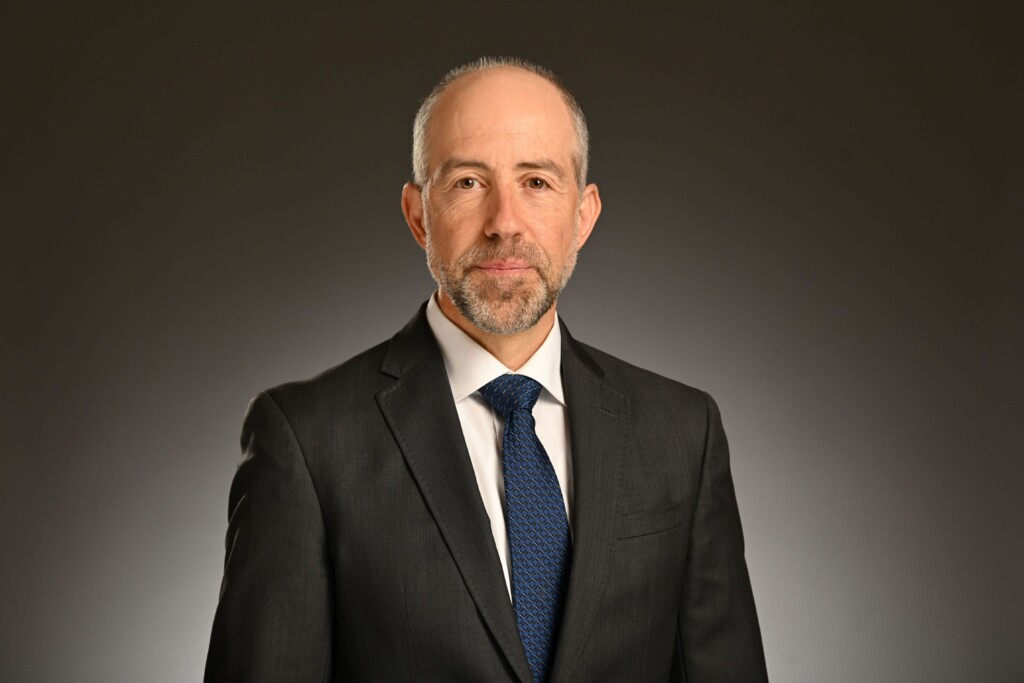
In his scholarship and teaching, Nestor M. Davidson (AB ’90) explores a set of related questions around transactional dynamics in real estate as well as regulatory frameworks for real estate markets. Those questions address topics including doctrinal and legal-structural concerns in affordable housing and fair housing, property theory and the constitutional dimensions of property law, and legal determinants of the built environment. He has distinguished himself in the field of urban law, exploring undertheorized constitutional and administrative aspects of urban governance, the role of law in city life, and critical fault lines in the legal relationship between states and local governments. Davidson has published widely in leading law journals, including the Columbia Law Review, Michigan Law Review, Virginia Law Review, and Yale Law Journal. Among the books he has co-authored or co-edited are Law and the New Urban Agenda (2020); The New Preemption Reader (2019); The Cambridge Handbook of the Law of the Sharing Economy (2018); and Law Between Buildings: Emergent Global Perspectives on Urban Law (2017). His current book project, Cities in Law: Urbanism as a Legal Phenomenon, is forthcoming from Cambridge University Press. Previously, Davidson practiced commercial real estate law at Latham & Watkins LLP, working on the real estate aspects of corporate mergers and acquisitions, real estate private equity and international project finance, as well as large-scale development, land-use, and planning projects with a particular focus on affordable multifamily housing investment, syndication, development, and compliance. He twice served at the United States Department of Housing and Urban Development, first as special counsel and later as principal deputy general counsel. Davidson also spent six years on the Board of the New York State Housing Finance Agency and most recently chaired the New York City Rent Guidelines Board. Davidson comes to the GSD from Fordham Law School, where he was the Albert A. Walsh Professor of Real Estate, Land Use and Property Law and founded the Urban Law Center. After earning his AB from Harvard College and JD from Columbia Law School, he clerked for Judge David S. Tatel on the US Court of Appeals for the District of Columbia Circuit and for Justice David H. Souter on the US Supreme Court.

Dr. Avis Devine holds a PhD in finance from the University of Cincinnati, an MBA from Duquesne University, and a BSc from Westminster College. She comes to the GSD from York University’s Schulich School of Business in Toronto, where she was a tenured associate professor of real estate finance and sustainability. Prior to her academic career, Devine worked in commercial real estate finance, underwriting, and valuation. Devine’s research investigates the financial and environmental performance of sustainable investment within the commercial real estate sector. Her work has been published in leading economics, finance, and sustainable development journals, including Energy Economics, Journal of Business Ethics, Journal of Real Estate Finance and Economics, and Journal of Regional Science. Her scholarly contributions have been recognized with such awards as the Nick Tyrrell Research Prize in real estate investment. Devine regularly collaborates on interdisciplinary projects with scholars and industry partners, contributing to a broader understanding of how sustainable investment and climate-related risks shape financial outcomes, portfolio strategy, and the built environment. She has received multiple research grants from academic and industry organizations and is currently engaged in projects examining the efficacy of green bond use of proceeds, the relationship between institutional ownership and carbon emissions in the energy sector, and office leasing impacts of remote and hybrid work on sustainable building adoption and commuting carbon emissions. Additionally, Devine plays an active role in shaping sustainability discourse within the real estate sector and beyond. She has served on advisory boards for the International WELL Building Institute, BOMA Canada, and RealPAC, and serves on the Real Estate Research Institute board of directors. She has crafted and frequently taught in real estate executive education programs and presents on sustainable real estate investment to corporations and real estate industry audiences worldwide. Her public presence in industry and academia alike has been widely recognized, with citations in media outlets such as The New York Times, The Globe and Mail, Commercial Property Executive, and The Financial Post.
The GSD Announces 2025–2026 Faculty Promotions
The Harvard Graduate School of Design announces four faculty promotions: Sean Canty to Associate Professor of Architecture, Jungyoon Kim to Associate Professor in Practice of Landscape Architecture, Pablo Pérez-Ramos to Associate Professor of Landscape Architecture, and Sara Zewde to Associate Professor in Practice of Landscape Architecture.

Sean Canty (MArch ’14) is an architect and educator whose work explores the capacity of architectural form to reorganize spatial norms and forms of social life. He is the founder of Studio Sean Canty (SSC), a Cambridge-based, independent architecture practice that introduces novel geometries and materials to enrich the spaces of everyday life. Working across domestic, cultural, and civic programs, SSC’s design approach incorporates drawing, model-making, and immersive visualization to choreograph spatial adjacencies that balance solitude and collectivity. Canty is also a cofounder of Office III, a design collective with offices in New York, San Francisco, and Cambridge. The group was a finalist in the 2016 MoMA PS1 Young Architects Program and designed the Governors Island Welcome Center. Their work has been exhibited at the Museum of Modern Art and other venues. Canty has taught or coordinated Architecture Core design studios since his first appointment at the GSD in 2017 and offers courses in design media and techniques. His pedagogy emphasizes abstraction, representation, and typological invention, drawing connections between architectural form, spatial organization, and visual communication. Prior to the GSD, Canty held teaching appointments at the Cooper Union, UC Berkeley, and California College of the Arts. His work has been exhibited internationally, including at the 18th Venice Architecture Biennale, The Cooper Union, and A83 Gallery, and his writing has appeared in Harvard Design Magazine, Log, Domus, MAS Context, and several edited volumes. His accolades include the 2023 Arts and Letters Award in Architecture from the American Academy of Arts and Letters, the 2023 Architectural League Prize, and the 2020 Richard Rogers Fellowship from Harvard. He holds an MArch from the GSD and a BArch from California College of the Arts.

Jungyoon Kim (MLA ’00) is a practicing landscape architect, registered in the Netherlands and in Massachusetts. She founded PARKKIM with Yoonjin Park in Rotterdam in 2004 and relocated to Seoul in 2006. PARKKIM PLLC recently opened in Massachusetts with the goal of expanding its practice beyond Korea. PARKKIM has completed a wide variety of projects that range in scale and nature, including high-profile corporate landscapes and civic venues. Notable completed projects include the Seoul Museum of Craft Art (2021), Hyundai Motor Group Global Partnership Center and University Gyeongju Campus (2020), Plaza of Gyeonggi Provincial North Office (2018), CJ Blossom Park (2015), and Yanghwa Riverfront (2011). Their ongoing projects include Suseongmot Lake Floating Stage in Daegu, Korea, for which PARKKIM won the international invited competition in 2024 and is to be completed in 2026. She published the book Alternative Nature (2015), co-authored with Park, a compilation of articles written by the two principals since 2001. The term “alternative nature” was first presented in their essay “Gangnam Alternative Nature: the experience of nature without parks,” featured in the book Asian Alterity (2007), edited by William Lim, rethinking the concept of “natural” within the context of contemporary East Asian urbanism. Upon her GSD appointment, Kim has expanded PARKKIM’s design research into seminar courses and option studios, including “Lost and Alternative Nature: Vertical Mapping of Urban Subterrains for Climate Change Mitigation.” Kim was selected as “Design Leader of Next Generation” (2007) awarded by the Korean Ministry of Commerce and appointed to “Seoul Public Architect” (2011) by the Metropolitan Government Seoul. She received an MLA from the GSD and a BAgric in landscape architecture from Seoul National University with distinction.
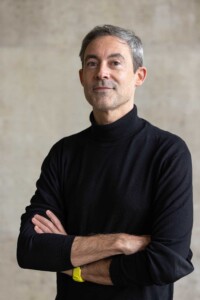
Pablo Pérez-Ramos (MLA ’12, DDes ’18), is a licensed architect from the Escuela Técnica Superior de Arquitectura de Madrid (ETSAM); he coordinates the first-semester Landscape Architecture Core studio and teaches research seminars and lecture courses in landscape theory. Pérez-Ramos’s research explores the reciprocal relationship between design and the natural sciences, using landscape form as a medium to interpret both physical processes and abstract scientific concepts. With interests in material culture, the environmental humanities, and the philosophy of science, he has delved into the origins of ecological narratives in contemporary landscape architecture, and more recently expanded his focus to include thermodynamics, biological systematics, and evolutionary theory. His theoretical agenda underpins ongoing research on climate adaptation, traditional knowledge, and agroecological practices in conditions of extreme heat and aridity. His work is ultimately concerned with the formal tensions and interferences existing between human technology and the other physical forces and processes—tectonic, atmospheric, biological—that shape landscapes. Prior to his GSD appointment, Pérez-Ramos taught at the Northeastern University School of Architecture, Boston Architectural College, and Escuela Técnica Superior de Arquitectura de Madrid. Between 2012 and 2016, he served as regional planning coordinator for the 2025 master plan for the Metropolitan District of Quito and previously practiced as a licensed architect in Madrid. His writings have been published in the Journal of Landscape Architecture (JoLA), The International Journal of Islamic Architecture (IJIA), PLOT, MONU, Revista Arquitectura (COAM), Landscape Research Record (CELA), and in the edited volumes The Landscape as Union between Art and Science: The Legacy of Alexander von Humboldt and Ernst Haeckel (2023), and MedWays Open Atlas (2022), among others.

Sara Zewde (MLA ’15) is founding principal of Studio Zewde, a design firm practicing landscape architecture, urbanism, and public art. Recent and ongoing projects of the firm include the Dia Beacon Art Museum landscape in Beacon, New York; the Watts Towers Arts Center landscape in Watts, Los Angeles; Cuyahoga Valley National Park in Ohio; and the Studio Museum in Harlem. Zewde’s practice and research start from her contention that the discipline of landscape architecture is tightly bound by precedents and typologies rooted in specific traditions that must be challenged. Without rigorous investigation, Zewde contends that these cultural assumptions will silently continue to constrict the practice of design and reinforce a quiet, cultural hegemony in the built form of cities and landscapes. Her projects exemplify how sensitivities to culture, ecology, and craft can serve as creative departures for expanding design traditions. Prior to joining the GSD in 2020, Zewde held faculty appointments at GSAPP, Columbia University, and the University of Texas School of Architecture. She holds an MLA from the GSD, an MCP from MIT, and a BA in sociology and statistics from Boston University. She regularly writes, lectures, and exhibits her work, and she is currently writing a manuscript based on her research of Frederick Law Olmsted’s travels through the Slave South and their impact on his practice. The book will be published in 2027 with Simon & Shuster. Zewde was named the 2014 National Olmsted Scholar by the Landscape Architecture Foundation, a 2016 Artist-in-Residence at the Robert Rauschenberg Foundation, and a United States Artists Fellow in 2020. More recently, she was named to the 2024 TIME 100 Next and *Wallpaper’s 300 People Shaping Creative America.