Preta
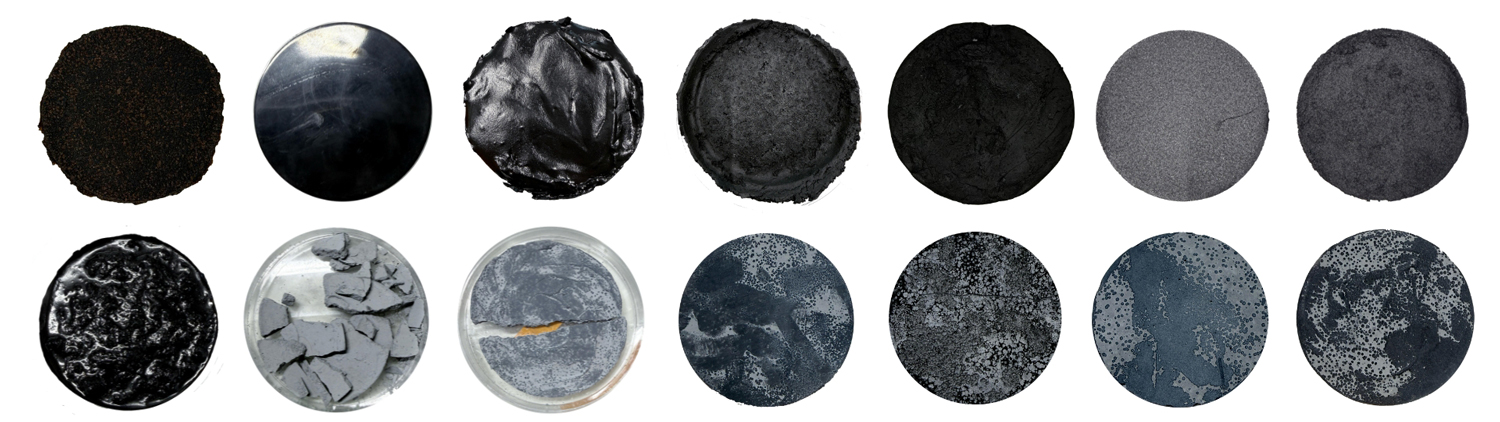
Preta addresses a fundamental challenge in today’s material economy: we operate in a largely linear system that generates over 40 gigatons of CO₂ annually, with emissions continuing to rise. While carbon capture technologies are advancing, many remain energyintensive, costly, and difficult to scale. At the same time, large volumes of carbon-rich waste, particularly from biomass, are underutilized or released back into the atmosphere. Our project reframes this challenge.
Instead of viewing carbon only as a pollutant, we asked whether carbon can become the foundation of the material world around us. Preta transforms carbon-rich waste into durable, high-performance composites, supported by a material system we have developed and prototyped to balance carbon content, strength, and manufacturability. By locking carbon into everyday products, from furniture to apparel, we prevent its return to the atmosphere. We aim to revolutionize the way carbon is viewed, turning emissions into assets that generate new economic value.
What makes our approach unique is its coupling of material innovation with demand creation. Rather than relying solely on industrial-scale capture systems, we design materials and products that generate consumer and market demand, creating a pull for carbon-storing materials. As adoption increases, so does the amount of carbon sequestered within the material system.
This positions Preta as more than a material platform. It is a scalable pathway to carbon drawdown that connects waste streams, manufacturing, and consumption into a circular model where carbon is continuously stored for hundreds to thousands of years rather than emitted.