Summer Reading 2026: Design Books by GSD Faculty and Alumni
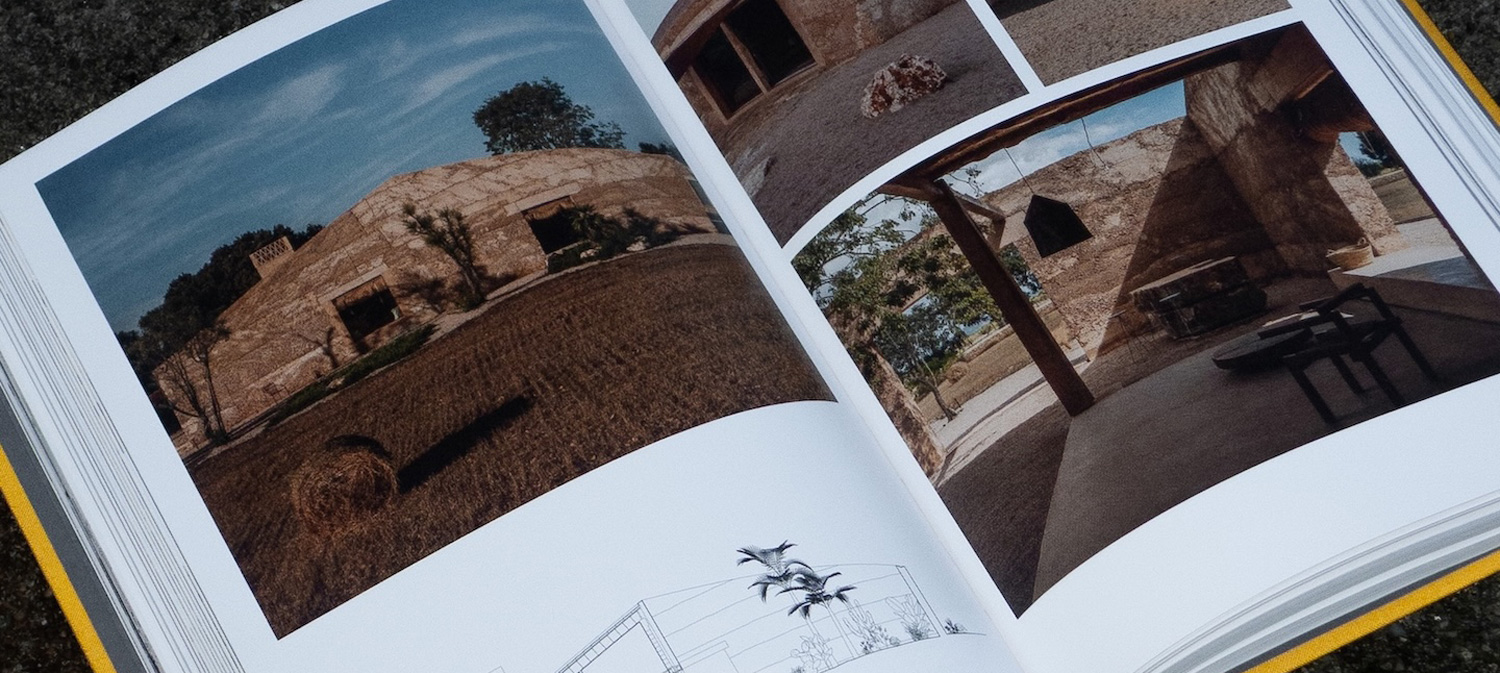
This summer’s selection of books by Harvard Graduate School of Design (GSD) faculty and alumni spans continents, disciplines, and generations of practice. Together, these volumes examine how design mediates the relationship between people, places, and the planet—from world expos and social housing to regenerative landscapes and architectural legacies.
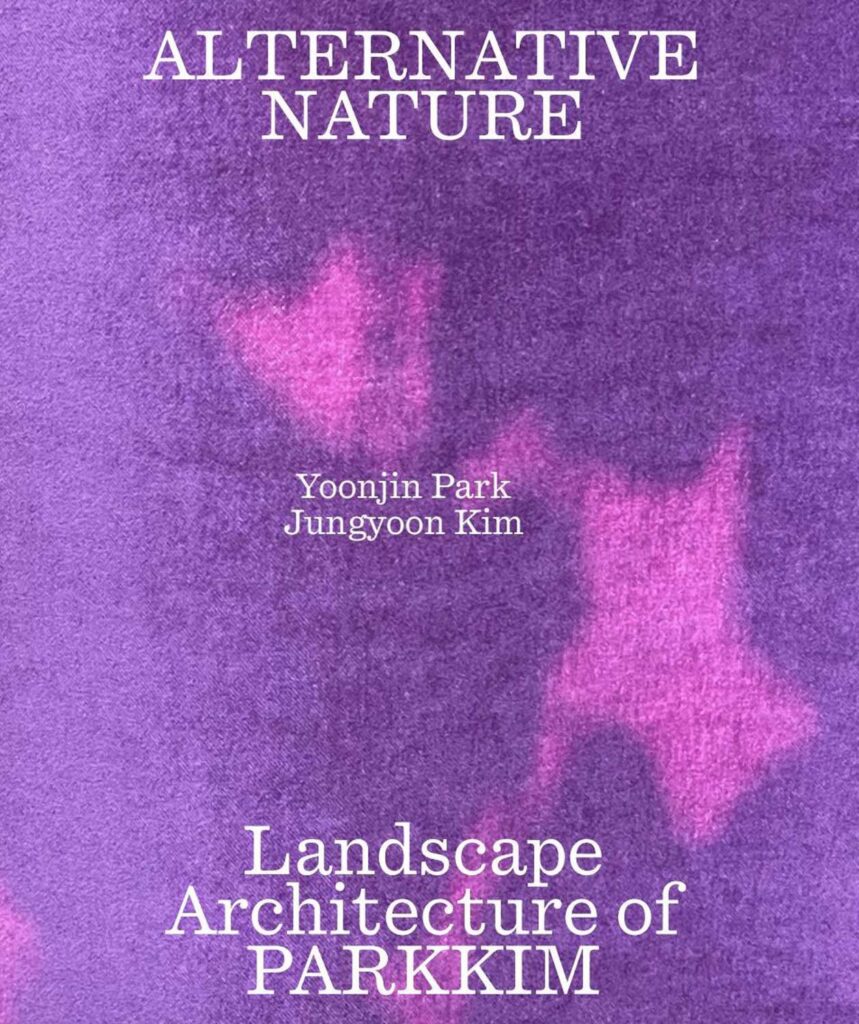
Alternative Nature: Landscape Architecture of PARKKIM (Actar, 2026), by Jungyoon Kim (MLA ’00), associate professor in practice of landscape architecture, and Yoon-jin Park (MLA ’00), celebrates 21 years of the landscape architecture practice PARKKIM, showcasing 26 projects that span corporate campuses, civic spaces, and memorial landscapes. The monograph highlights the firm’s distinctive approach to shaping terrain through sculptural landforms, material experimentation, and ecological sensitivity. Contributions by Gary R. Hilderbrand, Peter Louis Hornbeck Professor in Practice of Landscape Architecture; Niall Kirkwood, Charles Eliot Research Professor of Landscape Architecture; John Hong (MArch ’96), professor of architecture at Seoul National University; and others situate PARKKIM’s work within broader conversations about landscape, design, and environmental stewardship.
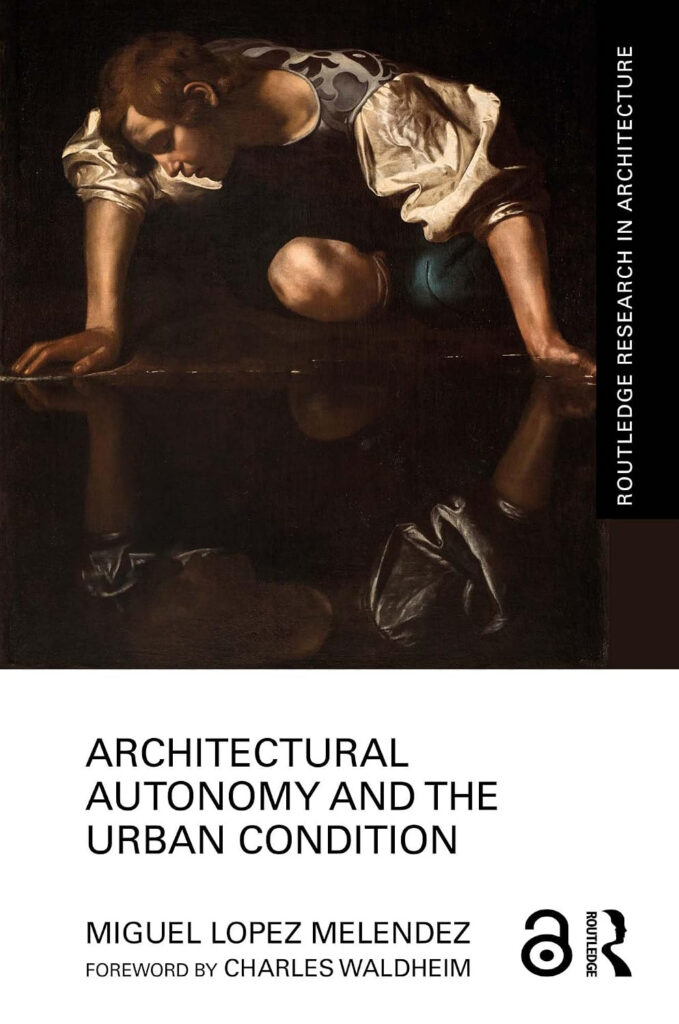
Architectural Autonomy and the Urban Condition (Routledge, 2026) by Miguel Lopez Melendez (MAUD ’14, DDes ’21) reexamines the idea of architectural autonomy, arguing that it is fundamentally a cultural question rather than simply a matter of architectural form. By tracing the concept’s philosophical, artistic, political, and urban histories, the book offers a new framework for understanding the relationship between architecture, cities, and cultural change. The book opens with a foreword by Charles Waldheim, John E. Irving Professor of Landscape Architecture.
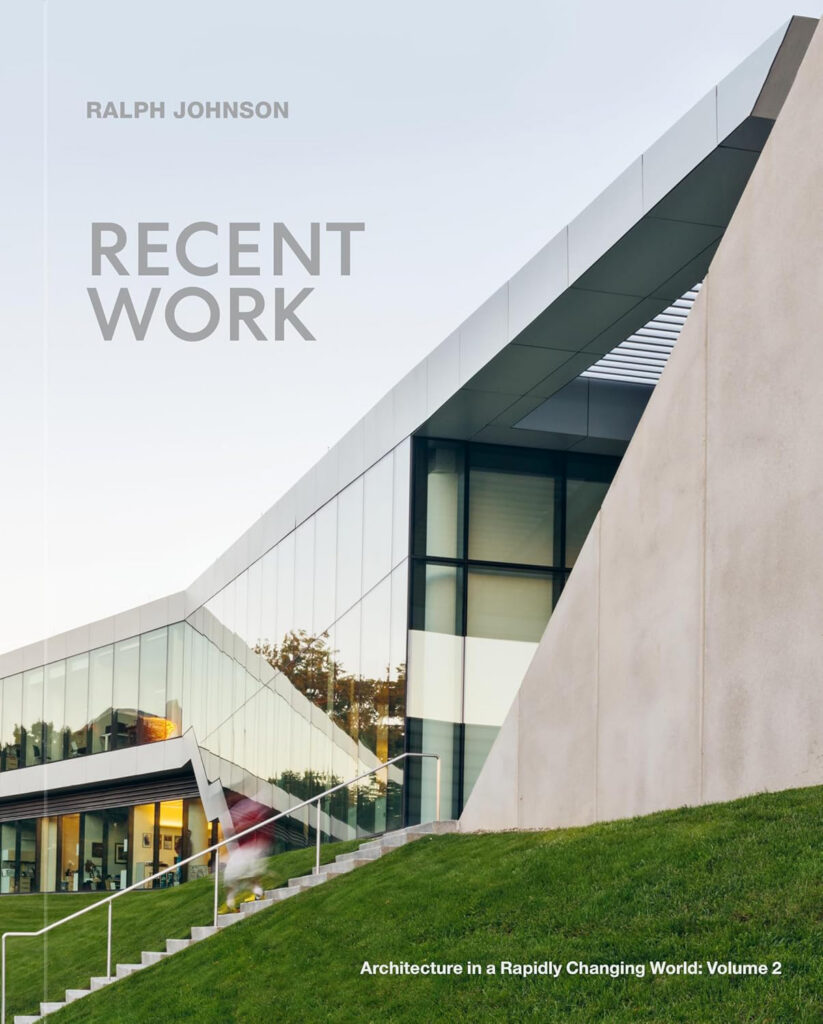
Architecture in a Rapidly Changing World (ACC Art Books, 2026) is a two-volume monograph celebrating the career and legacy of architect Ralph Johnson (MArch ’73), whose work at Perkins&Will has shaped communities around the world for more than six decades. Featuring projects spanning from 1971 to the present, the volumes trace the evolution of Johnson’s practice and his enduring commitment to humanism, environmentalism, and modernism.
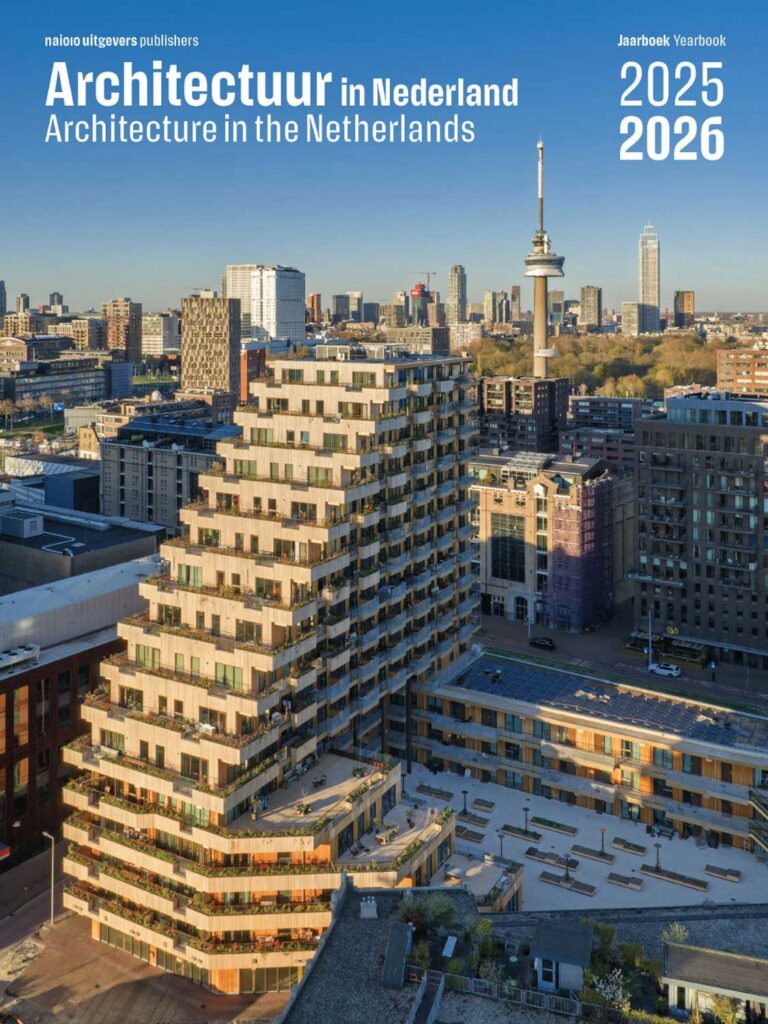
Architecture in the Netherlands 2025/2026 (nai010, 2026), edited by Stephan Petermann, lecturer in architecture, Annuska Pronkhorst, and Thomas Bedaux, continues the long-running annual review of Dutch architecture, highlighting the year’s most compelling projects and offering a critical assessment of the profession’s current state. Through project selections and editorial commentary, the yearbook examines how architecture in the Netherlands is responding to evolving challenges and debates shaping the field today.
Charles Waldheim, John E. Irving Professor of Landscape Architecture and co-director of the Master in Design Studies program, and Abby Spinak, lecturer in landscape architecture, have each contributed a chapter to the book Building Postcarbon Futures: Land, Justice, and Energy Transitions (Lincoln Institute of Land Policy and Columbia University Press, 2026), edited by Billy Fleming. In “Imagining Infrastructure Investment After Carbon: Civil Aviation and the New Deal, 1933–1943,” Waldheim examines how federal investments in airports and aviation infrastructure during the New Deal reshaped the American landscape and informed broader patterns of national development.
Climate and Biodiversity in Infrastructure (Routledge, 2026), edited by Spiro Pollalis, professor of design technology and management emeritus, and Evgenia Hagistavrou, presents a framework for integrating climate action and biodiversity goals in infrastructure projects. Developed through the Zofnass Program at the Harvard GSD, the book provides a set of criteria to help project teams identify risks, establish priorities, evaluate opportunities, and inform decision-making across sectors including energy, water, transportation, food, waste, information, and landscape design.
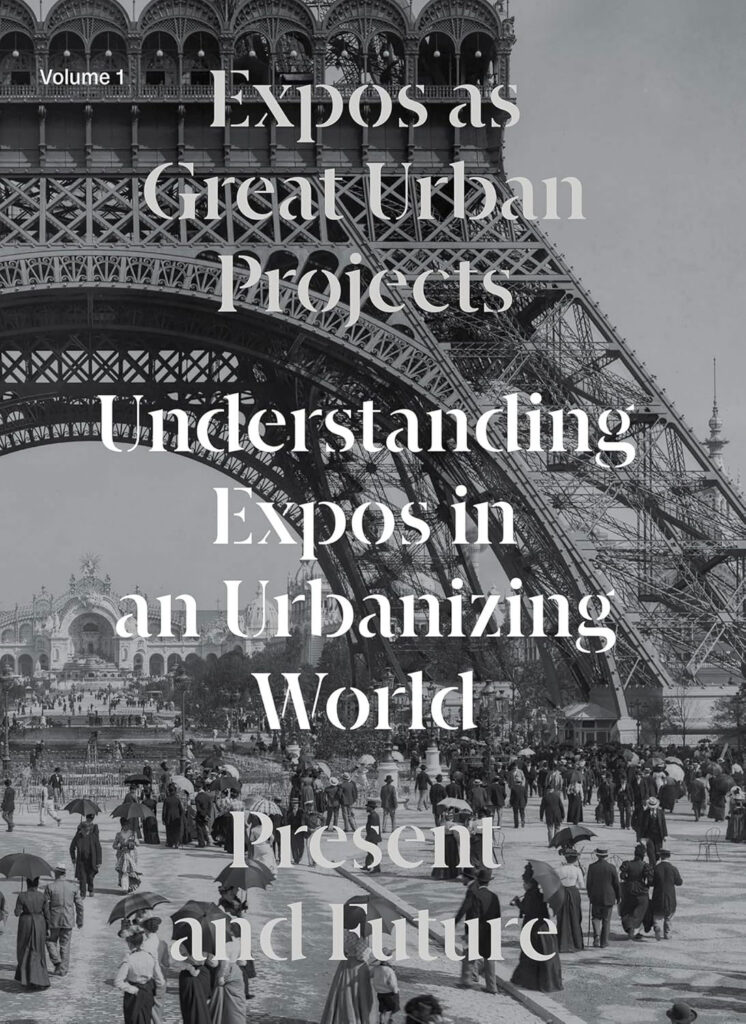
Expos as Great Urban Projects: Understanding Expos in an Urbanizing World, Present and Future (Applied Research & Design, 2026) stems from a multidisciplinary research initiative conducted at the Harvard GSD in collaboration with the Bureau International des Expositions (BIE), the intergovernmental organization that oversees and regulates world expos. The two-volume publication—authored by Joan Busquets, Martin Bucksbaum Professor in Practice of Urban Planning and Design, with editors Dingliang Yang (MAUD ’14, DDes ’19) and Michael Keller (MAUD/MLA ’16), examines more than 150 years of world expos as a distinct urban phenomenon, demonstrating how they have reshaped cities and served as catalysts for cultural, spatial, and infrastructural transformation.
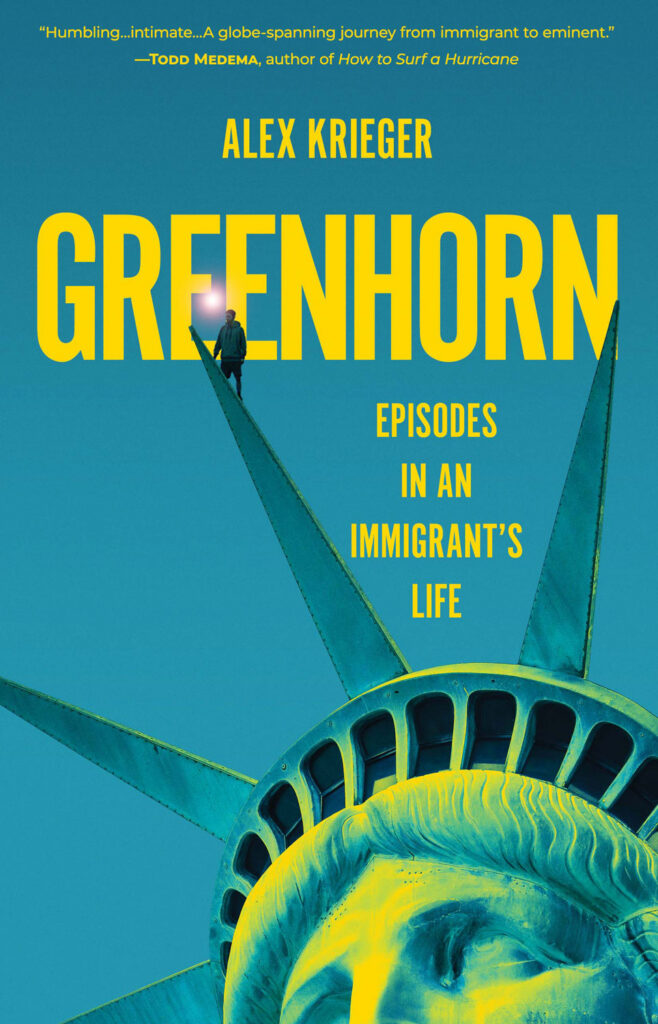
In Greenhorn: Episodes in an Immigrant’s Life (Atmosphere Press, 2026), Alex Krieger (MCU ’77), professor in practice of urban design emeritus, reflects on a life shaped by migration, memory, and the search for belonging. Beginning with his arrival in the United States as a nine-year-old child of Holocaust survivors and tracing his journey through architecture, urban planning, and academia, the memoir explores the immigrant experience with warmth, humor, and insight. Through personal stories and cultural reflection, Krieger offers a meditation on identity, home, and the enduring complexities of embracing an adopted country while remaining mindful of its contradictions.
In At Home with the Collective: A Report from the Future of Housing (Birkhäuser, 2026), edited by Alexander Eisenschmidt, contributors argue for a shift away from market-driven models of homeownership and toward housing as a collective project of community building and social solidarity. Among the volume’s essays is “Learning from the Paradoxes of US Public Housing: The Case of Millers River,” by Susanne Schindler, design critic in urban planning and design at the GSD and research fellow at the Joint Center for Housing Studies, and Chris Moyer, which draws lessons from the 300-unit complex for elderly and disabled residents in Cambridge, Massachusetts.
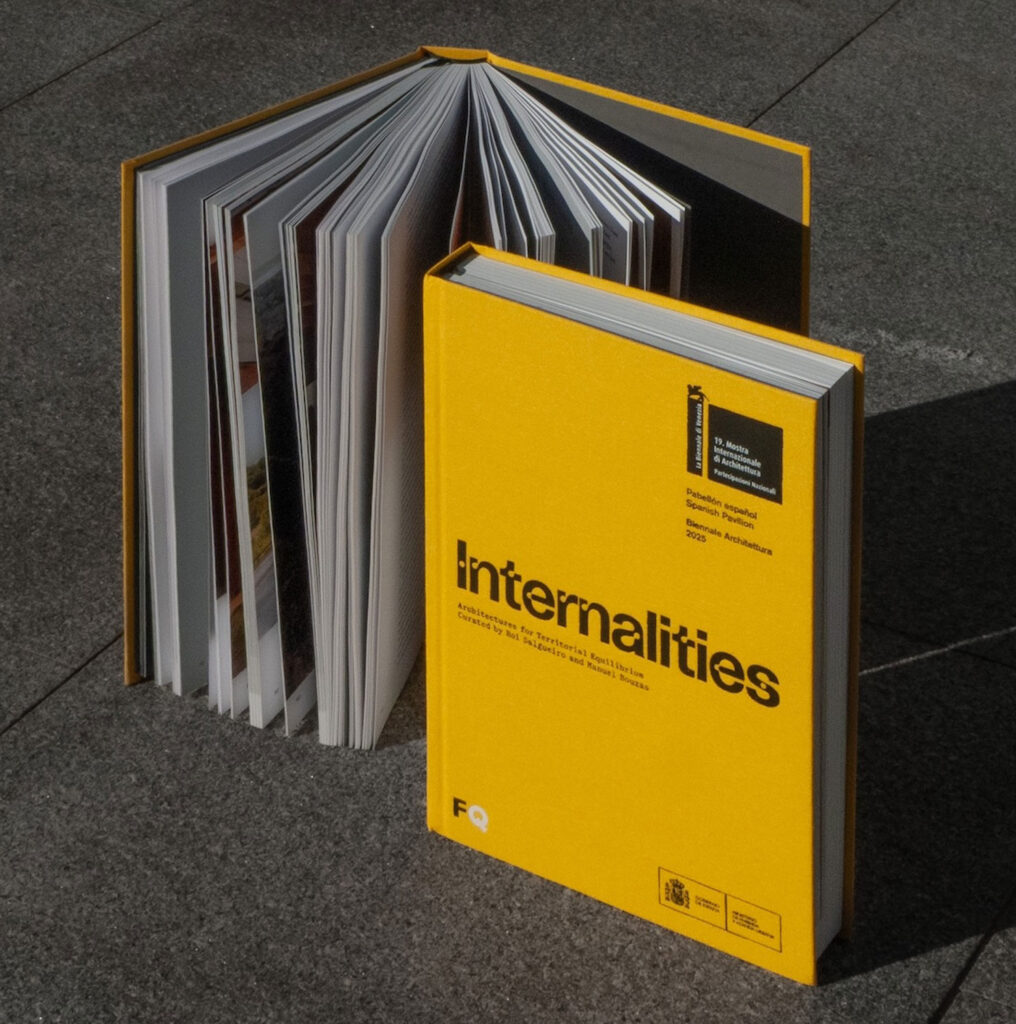
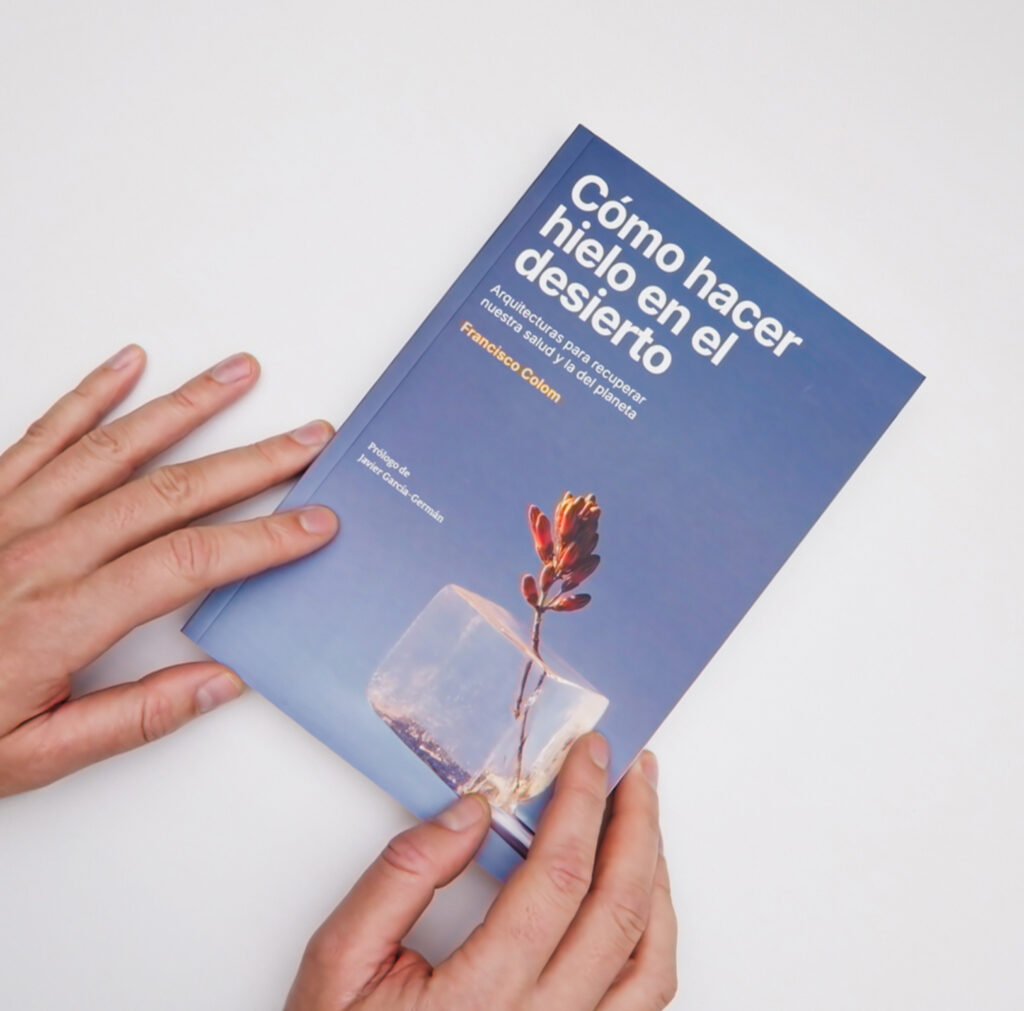
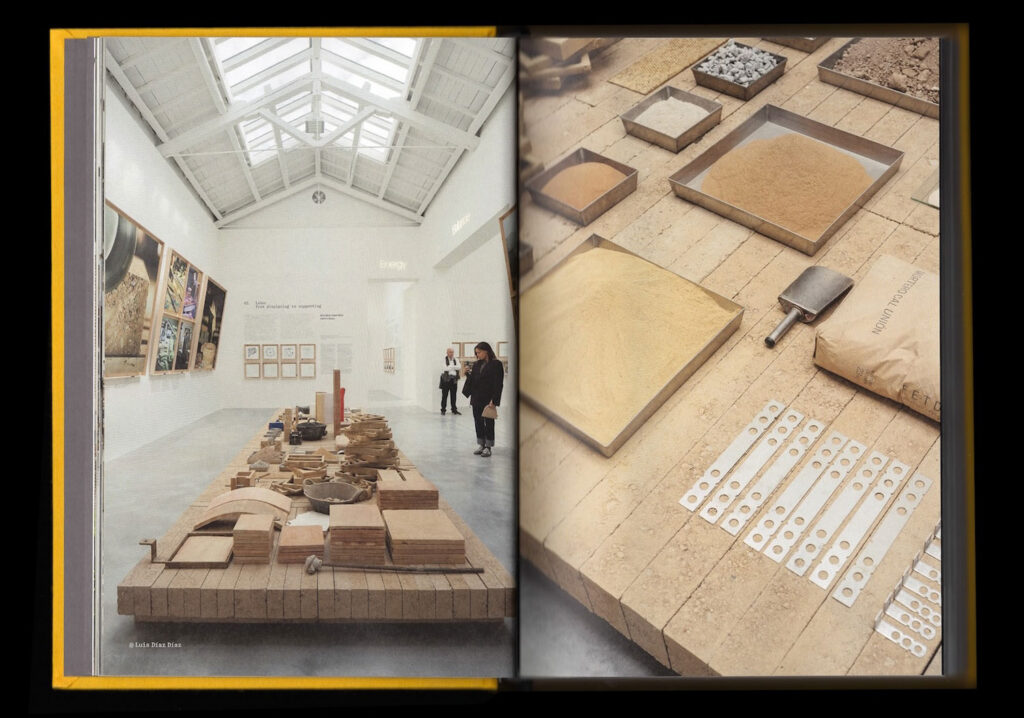
Co-edited by Manuel Bouzas (MDes ’24) and Roi Salgueiro (MDes ’14), Internalities: Architectures for Territorial Equilibrium (MIVAU & Arquia Foundation, 2026) stems from the Spanish Pavilion at the 2025 Venice Architecture Biennale. Through essays, research, and contributions from leading international thinkers and designers, the book explores how architecture can foster regenerative, low-carbon practices rooted in local territories. It spotlights a new generation of Spanish architects whose work leverages regional material ecologies to forge new balances between economies and ecosystems.
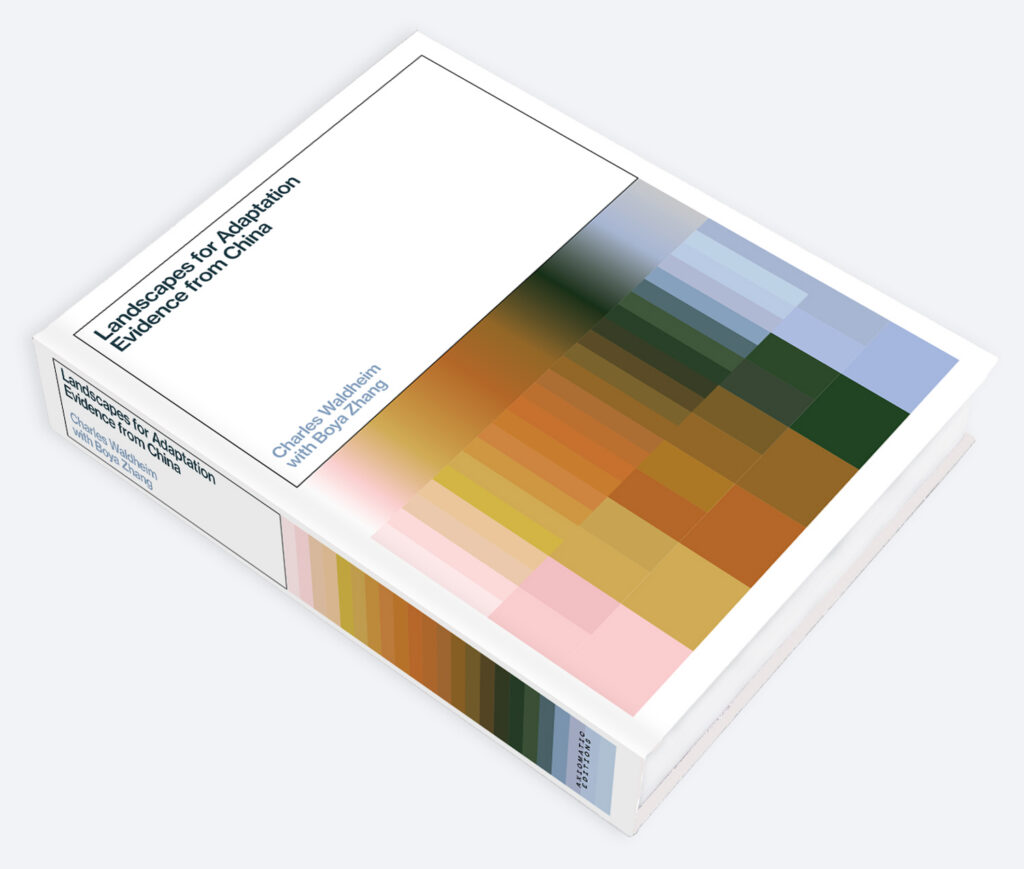
Landscapes for Adaptation: Evidence from China (Axiomatic Editions, 2026), by Charles Waldheim, John E. Irving Professor of Landscape Architecture and co-director of the Master in Design Studies program, with Boya Zhang (MArch ’17, DDes ’25), is a new monograph on the work of Kongjian Yu (DDes ’95) and Turenscape, whose landscape projects serve as pioneering experiments in climate adaptation. Featuring 60 built works, the book examines how landscape architecture can replace outdated infrastructure models with more resilient approaches to environmental change, offering practical strategies for climate adaptation in China and beyond.
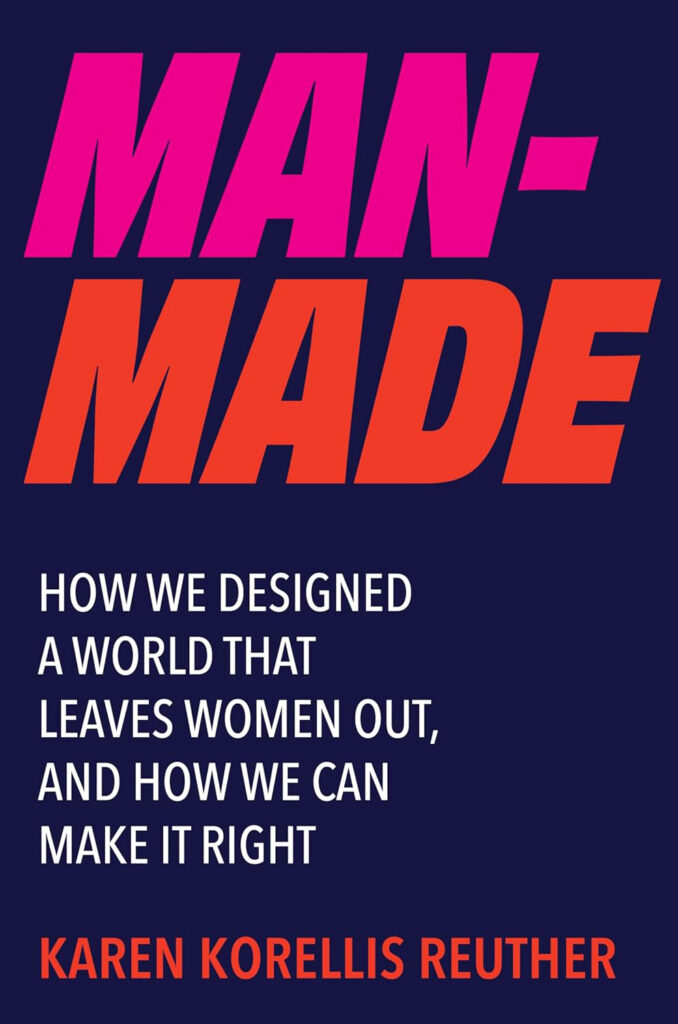
Man-Made: How We Designed a World That Leaves Women Out, and How We Can Make It Right (HarperCollins, 2026), written by Karen Korellis Reuther, design critic in advanced studies at the GSD, argues that a world designed largely by and for men has made everyday products, spaces, and systems less safe and less equitable for women. Drawing on more than 40 years of experience at companies including Reebok and Nike, industrial designer Reuther shows how design assumptions—from crash-test dummies to safety gear to sneakers—have treated the female body as an afterthought. Rather than a lament, the book offers a research-backed call to rethink design and architecture in ways that better serve women—and, ultimately, everyone.
Andrea Soto Morfin (MLA ’17) and Alejandro Guerrero recently published two monographs that present their architectural and landscape studio, ATELIER ARS, founded in Guadalajara, Mexico. Titled Nostalgia and Transgression (Arquine Editorial, 2026) and TC 170-ATELIER ARS (TC Cuadernos, 2025), the monographs present fifteen years of practice through the studio’s most significant work, organized around three enduring themes: architecture’s relationship to landscape, history, and human experience.
Opera Aperta: La riparazione come Atto Radicale / Repair as a Radical Act (Allemandi, 2026), edited by Marina Otero Verzier, lecturer in architecture, with Giovanna Zabotti, Tatiana Bilbao ESTUDIO, MAIO Architects, and Ana Robles Pérez, explores repair as a creative and cultural practice that can transform buildings, communities, ecosystems, and social relationships. Documenting the Holy See Pavilion at the 2025 Venice Architecture Biennale, the book brings together drawings, photographs, conversations, and essays to examine care, interdependence, and regeneration, inviting readers to rethink architecture as a collective act of responsibility and stewardship.
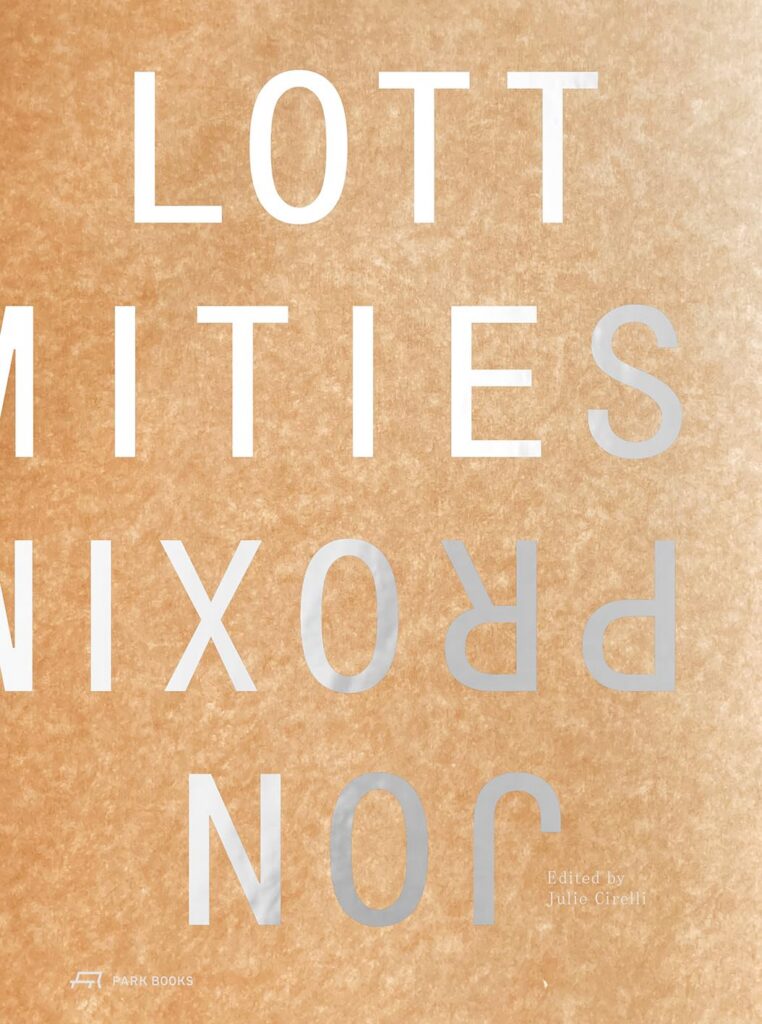
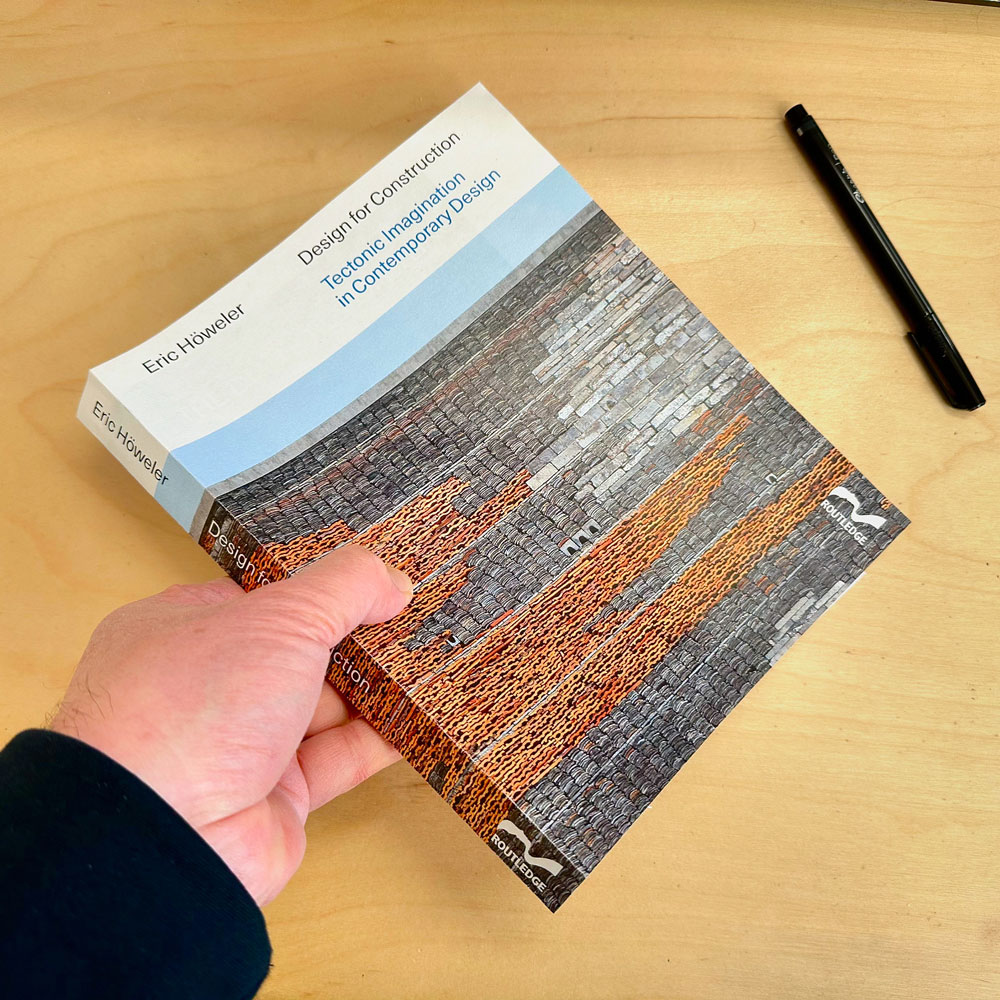
Proximities: The Architecture of Jon Lott (Park Books, 2026) examines the work of Jon Lott (MArch ’05), associate professor of architecture, and his practice, Para Project, through five featured projects that reveal an architectural approach grounded in adaptability, contextual engagement, and experimentation. Blending project documentation with philosophical reflection, the book explores themes of proximity, approximation, and doubling to illuminate Lott’s playful design methodology and its relationship to the experience of space.
In Real Estate: Histories of Architecture and Capital (gta Verlag, 2026), edited by Gregorio Astengo and Davide Spina, contributors examine how developers, financiers, and other real estate actors have shaped cities and the built environment. The chapter “Generating Public Goods By Way of Private Real Estate: The New York City Educational Construction Fund, 1966–75,” by Susanne Schindler, design critic in urban planning and design at the GSD and research fellow at the Joint Center for Housing Studies, investigates a pioneering program that leveraged private real estate development to deliver public educational infrastructure, highlighting the complex relationship between public goals and market-driven urban development.
Reflections on Democracy and Urban Form: Provocations from a Panel at Harvard’s Graduate School of Design (Sternberg Press, 2026), edited by Marcus Miessen and Diane E. Davis, Charles Dyer Norton Professor of Regional Planning and Urbanism, extends conversations sparked by the 2024 release of Democracy and Urban Form, a republication of Richard Sennett’s influential 1981 GSD lectures. Featuring contributions from Davis, Miessen, Miguel Robles-Durán, Sennett, and Claire Zimmerman, and the volume revisits Sennett’s enduring ideas through the lens of today’s political and urban challenges, building on a panel discussion inspired by a keynote lecture from political philosopher Michael Sandel on democratic renewal.
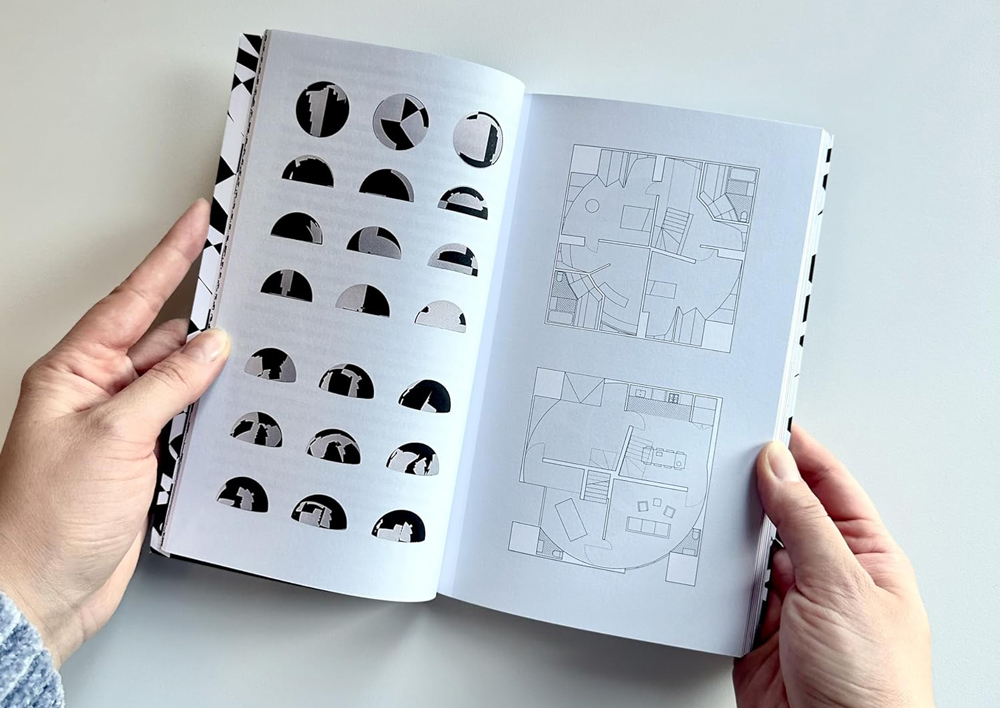
Magda Maaoui, assistant professor of urban planning, has contributed a major essay to Renée Gailhoustet (AA Publications, 2026), a new monograph on the French architect edited by Nichola Barrington-Leach. Through drawings, contemporary photography, and critical essays, the volume reassesses Gailhoustet’s pioneering social housing projects and their enduring relevance to debates on housing, equity, and urban life. In her chapter, Maaoui examines Gailhoustet’s distinctive approach to designing healthy, socially engaged housing and the architect’s role in shaping new models of social housing in the late 20th century.
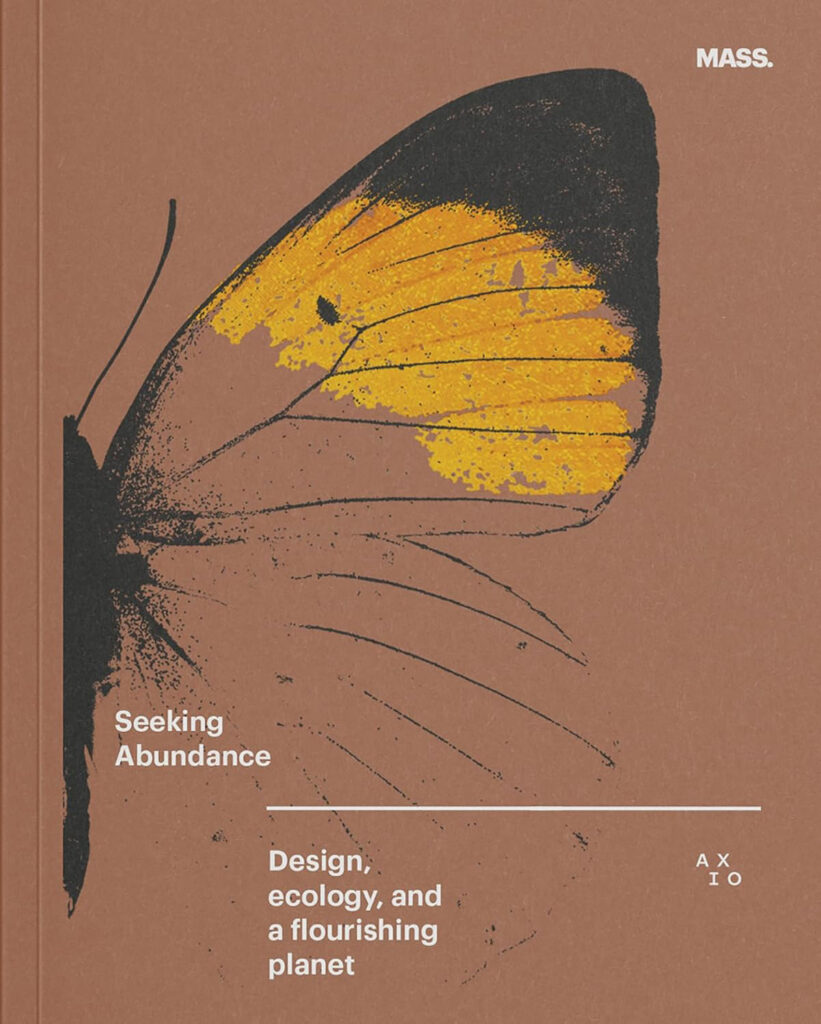
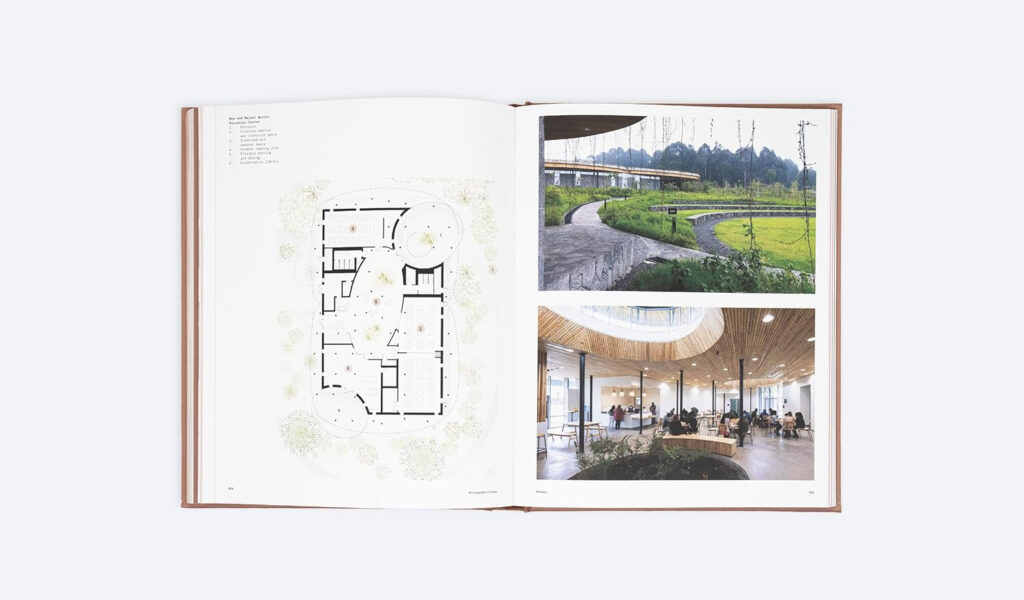
Seeking Abundance: Design, Ecology, and a Flourishing Planet (ORO Editions, 2026), coedited by Sierra Bainbridge, design critic in landscape architecture, and Alan Ricks (MArch ’10), examines regenerative design as a framework for restoring ecosystems, strengthening communities, and advancing social equity. Drawing on a decade of work by the nonprofit design practice MASS in Rwanda and the Democratic Republic of the Congo, the book shows how architecture and planning can generate positive environmental, social, and economic outcomes. Through a series of projects and case studies, it presents a replicable model rooted in multidisciplinary collaboration, community engagement, and responsiveness to local ecologies.
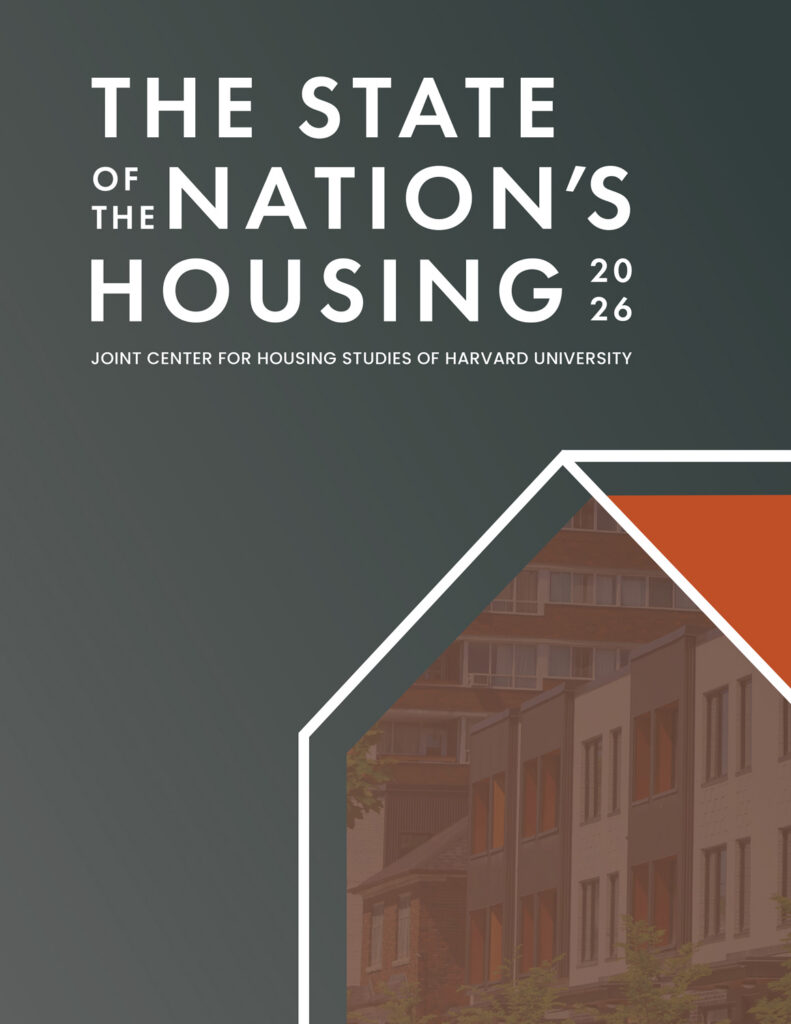
Each June, the Harvard University Joint Center for Housing Studies releases its annual State of the Nation’s Housing report, a comprehensive assessment of US housing markets that tracks recent trends, identifies emerging challenges, and analyzes the demographic, economic, and policy forces shaping housing conditions for renters and homeowners. Among its conclusions, the 2026 report finds that persistent affordability challenges and growing economic uncertainty continue to strain housing markets nationwide, underscoring the need for coordinated action across the public and private sectors.

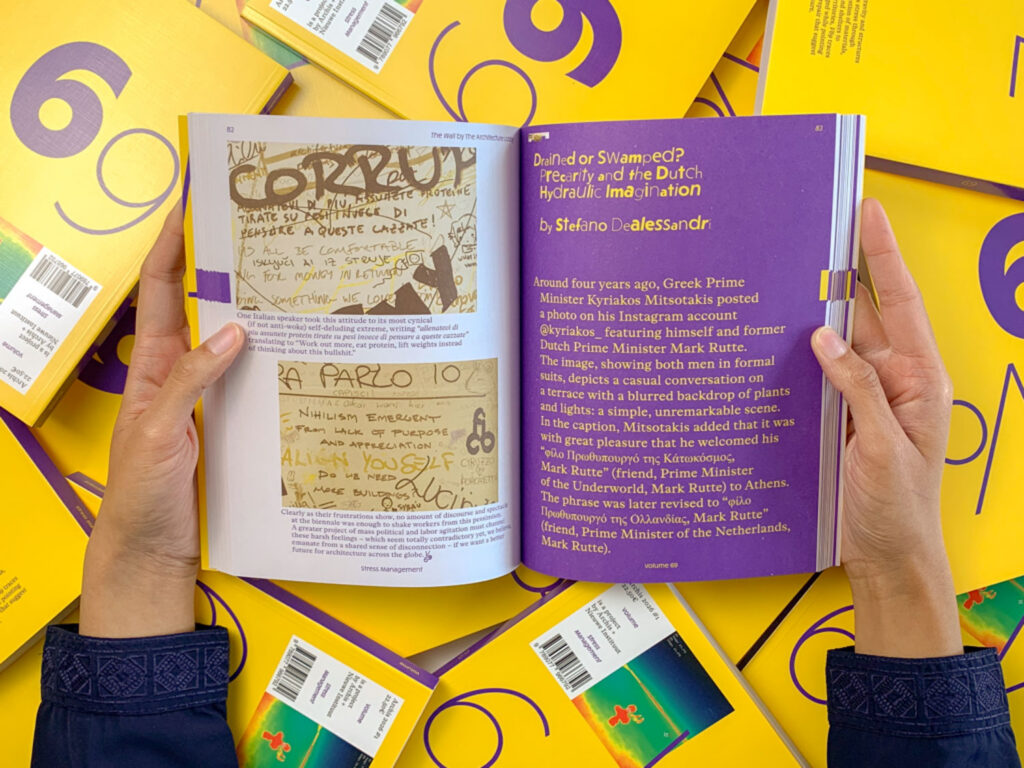
VOLUME 69: Stress Management (2006), edited by Stephan Petermann, lecturer in architecture, examines how architecture both manages and generates stress, exploring pressures that shape buildings, landscapes, workplaces, infrastructures, and bodies. Through essays, case studies, and lighter interventions—including coloring pages, a crossword, and reflections on everyday professional anxieties—the issue considers how stress is absorbed, displaced, and negotiated across the built environment.
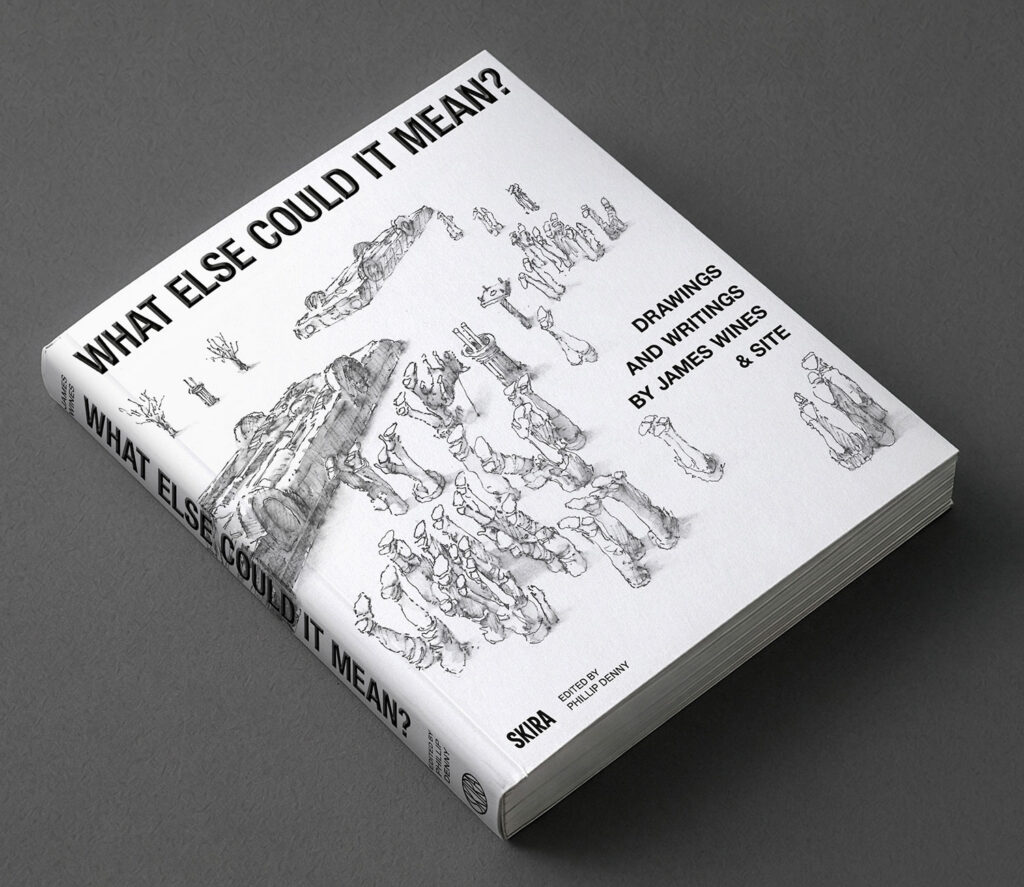
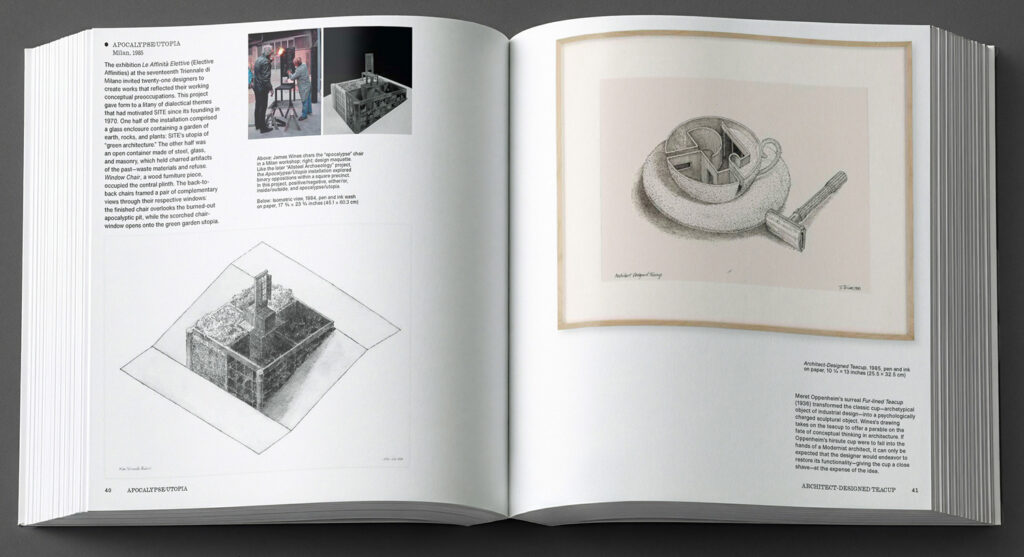
Edited and designed by Phillip Denny (PhD ’25), What Else Could It Mean? Drawings and Writings by James Wines/SITE (Skira, 2026) explores more than five decades of groundbreaking work in art, architecture, environmental design, and education by James Wines and his New York–based practice SITE. Featuring rare archival photographs, drawings, and essays, the volume examines Wines’s and SITE’s influential critiques and reimaginings of architecture, urbanism, and the built environment. Moving beyond a retrospective survey, the book presents their work as a timely call to address contemporary challenges with creativity, wit, and imagination.