“Architecture’s Inscriptions,” Curated by K. Michael Hays and Sun Shi Ning, Opens at TANK Shanghai

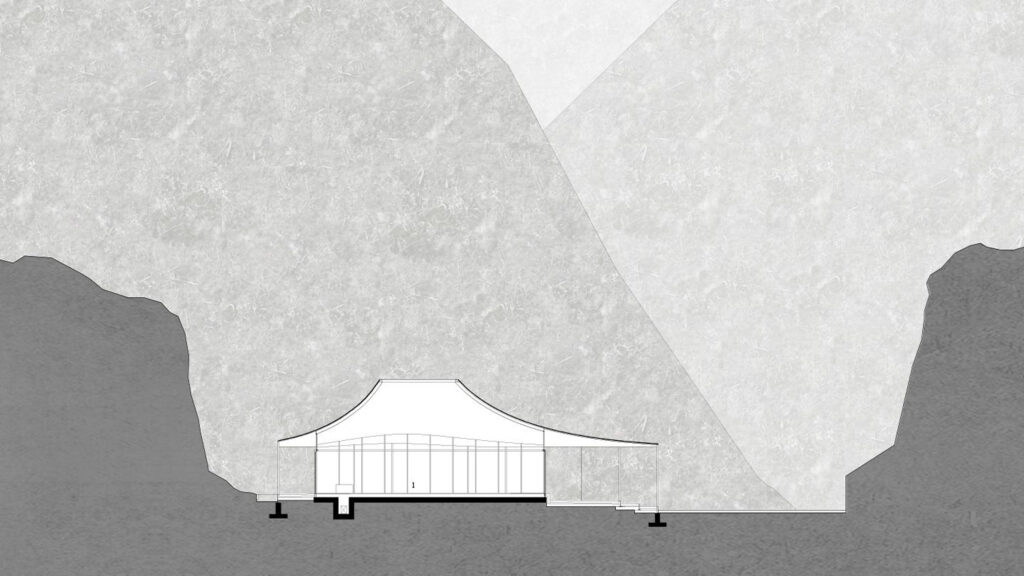
Architecture’s Inscriptions, an exhibition curated by K. Michael Hays, Eliot Noyes Professor of Architectural Theory at the Harvard Graduate School of Design (GSD), and Sun Shi Ning (DDes ’26), will open at TANK Shanghai on the West Bund on July 9, 2026. On view through October 7, 2026, the show brings together works by contemporary architects and artists with ancient Chinese manuscripts, rubbings, scholar’s rocks, and paintings to explore forms of synthetic poetics grounded in inscription.
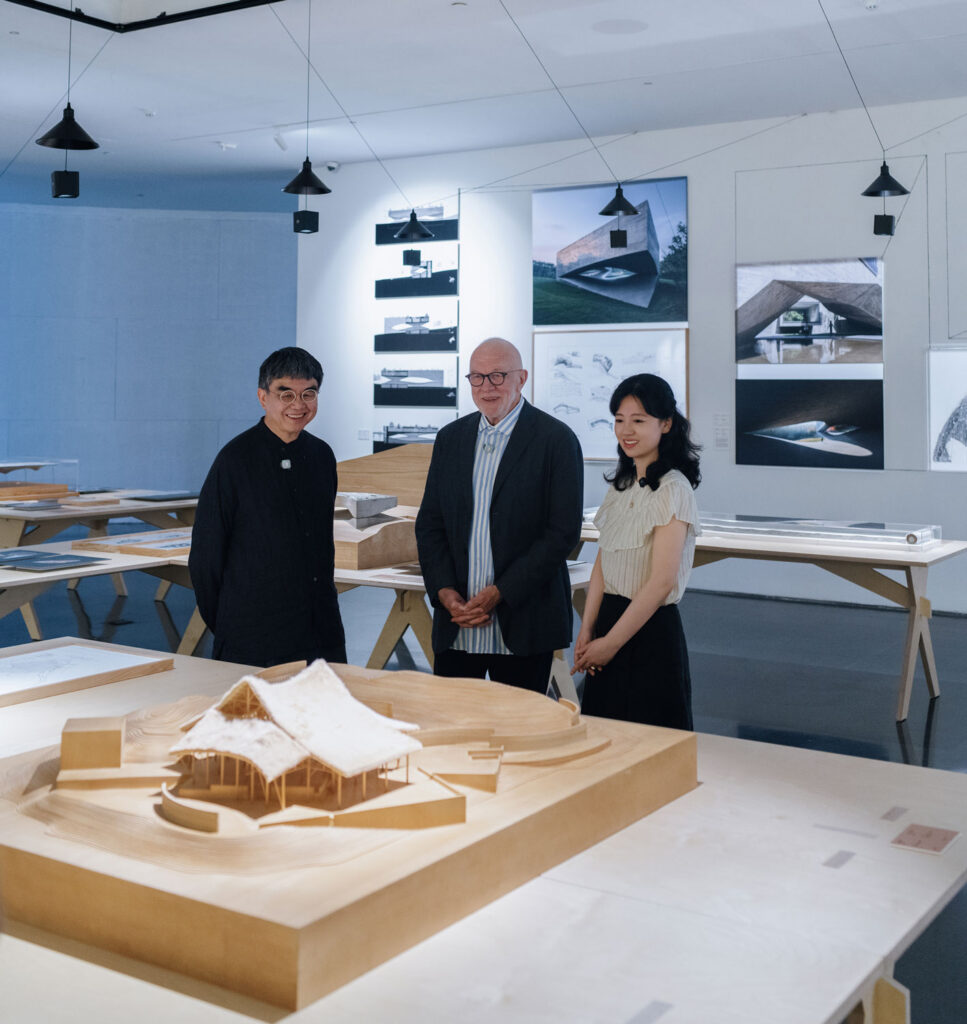
INstallation Views of Architecture’s INscriptions
The exhibition extends Hays’s long-standing research into architecture’s inscriptions, pursued since the 1990s, and grows out of teaching, research, and colloquia developed with Tongji University and the Harvard GSD. At the GSD, joint research and a seminar led by Hays and Sun, in collaboration with the Harvard Art Museums, invited students to examine historical objects and contemporary works by artists including Liu Dan, Zhan Wang, Xu Bing, and Yang Yongliang as material agencies that produce wide-ranging conditions of inscription. The exhibition proposes a contemporary synthetic poetics, bringing architecture into relation with writing, art, landscape, and material traces, and suggesting that architecture begins not with fixed ideas or representation, but with situation, process, propensity, and reiteration.
Select Objects on Display
Organized around four frames—Allographics, Singular Trace, Parataxis, and Geoglyph—Architecture’s Inscriptions traces how marks, lines, graphic codes, landscapes, and architectural forms move across genres and through time. In the galleries, drawings and models of recent architectural projects are placed in dialogue with works and artifacts from other media, foregrounding inscription as a material and spatial practice that links architecture, art, history, and the environment.