Marina Otero Verzier “Feral Clouds”
About this Event
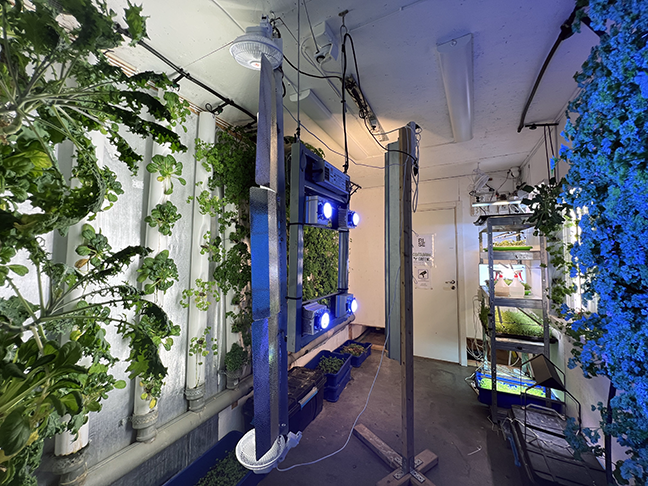
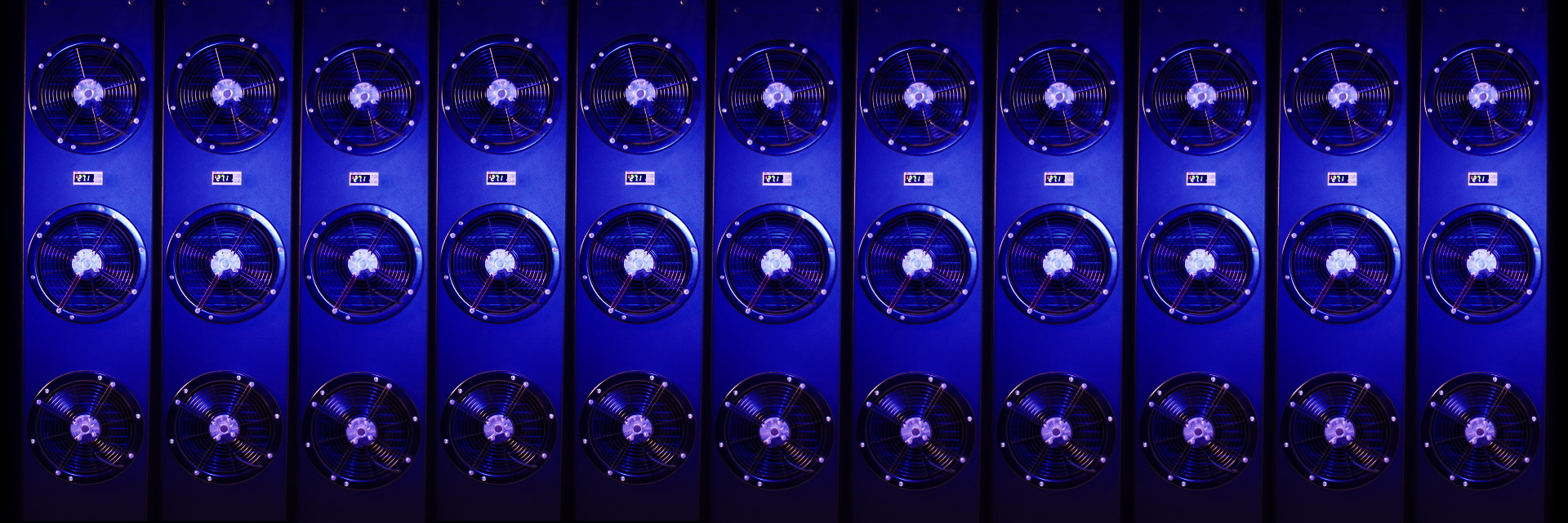
Feral Clouds draws on research supported by the Wheelwright Prize to examine the architectures and politics of data processing and storage in a context shaped by technological competition and climate collapse. Bringing together activism, policy work, design prototypes, and educational initiatives, this lecture proposes a reorientation of digital culture away from Cartesian paradigms and market-driven notions of efficiency.
Ferality operates here as a lens through which to understand both the excesses of an industry obsessed with winning the AI race at the expense of the planet and the unruly consequences of that obsession. From the residual heat expelled by servers to the destruction embedded in AI supply chains, digital infrastructures generate effects that evade design, control, and prediction.
At the same time, “ferality” refers to forms of contestation against this violence, as well as the unintended relationships and material transformations that fracture techno-solutionist imaginaries and give rise to alternative energy cultures. Drawing on sovereign and Indigenous clouds, feminist servers, permaculture imaginaries, and low-tech computation, Otero Verzier outlines speculative yet actionable directions for systems of data storage that embrace limits, decay, and transformation.
Join us the next day, on March 10, for a conversation between Marina Otero Verzier and Kate Crawford that dives deeper into the questions Marina raises in her lecture.
Speaker
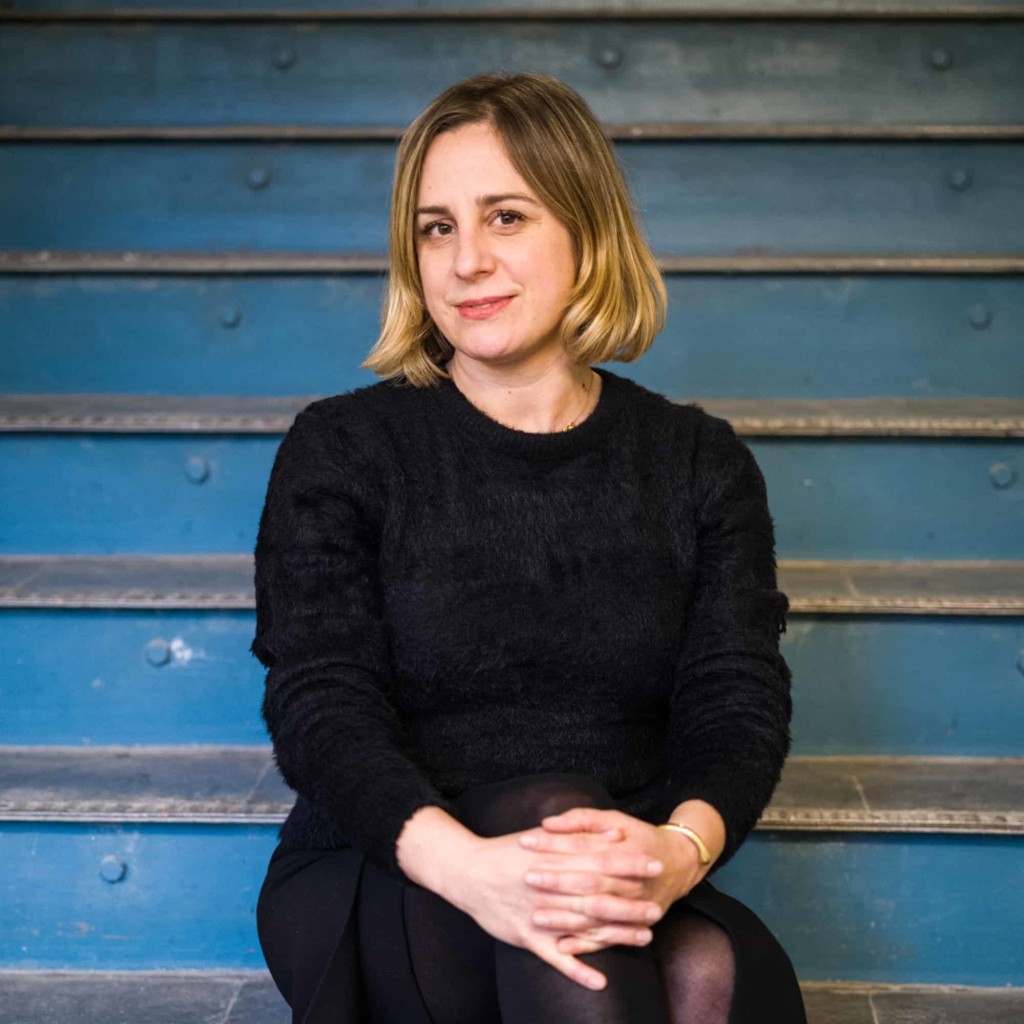
Marina Otero Verzier is an architect and researcher whose work sits at the intersection of critical spatial practices, ecology, technology, and activism. In 2022, she received Harvard GSD’s Wheelwright Prize for a research project on the future of data storage. She is a Lecturer in Architecture at the GSD and has led the Data Mourning clinic at Columbia University’s GSAPP Otero has collaborated with the Supercomputing Center of the DIPC to develop alternative models for data storage, including Computational Compost, awarded by Ars Electronica and the Spanish Biennial of Architecture and Urbanism in 2025. She was invited by Chile’s Ministry of Science, Technology, Knowledge, and Innovation to serve as an expert in the development of the country’s first National Data Centers Plan, working alongside local communities affected by extractivism, and she advises governments internationally on data center policies. Previously, Otero was Head of the MA Social Design at Design Academy Eindhoven and Director of Research at Het Nieuwe Instituut. She has curated exhibitions at major international venues, including the Venice Architecture Biennale and the Oslo Architecture Triennale, and is the author of En las Profundidades de la Nube (2024) and co-editor of Automated Landscapes (2023), Lithium: States of Exhaustion (2021), More-than-Human (2020), Architecture of Appropriation (2019), and Work, Body, Leisure (2018), among others.
Harvard University welcomes individuals with disabilities to participate in its programs and activities. If you would like to request accommodations or have questions about the physical access provided, please contact the Public Programs Office at (617) 496-2414 or [email protected] in advance of your participation or visit. Requests for American Sign Language interpreters and/or CART providers should be made at least two weeks in advance. Please note that the University will make every effort to secure services, but that services are subject to availability.
#GSDEVENTS