Vittorio Magnago Lampugnani, “The City as Accumulated Knowledge: Urban Design and Research”
Vittorio Magnago Lampugnani, “The City as Accumulated Knowledge: Urban Design and Research”
| Registration Information |
|---|
| The GSD’s Fall 2021 Public Programs are all virtual and require registration.
The event will also be live streamed to the Harvard GSD YouTube page. Only viewers who are attending the lecture via Zoom will be able to submit questions for the Q+A. If you would like to submit questions for the speaker in advance of the event, please click here.
Live captioning will be provided during this event.
|
Event Description
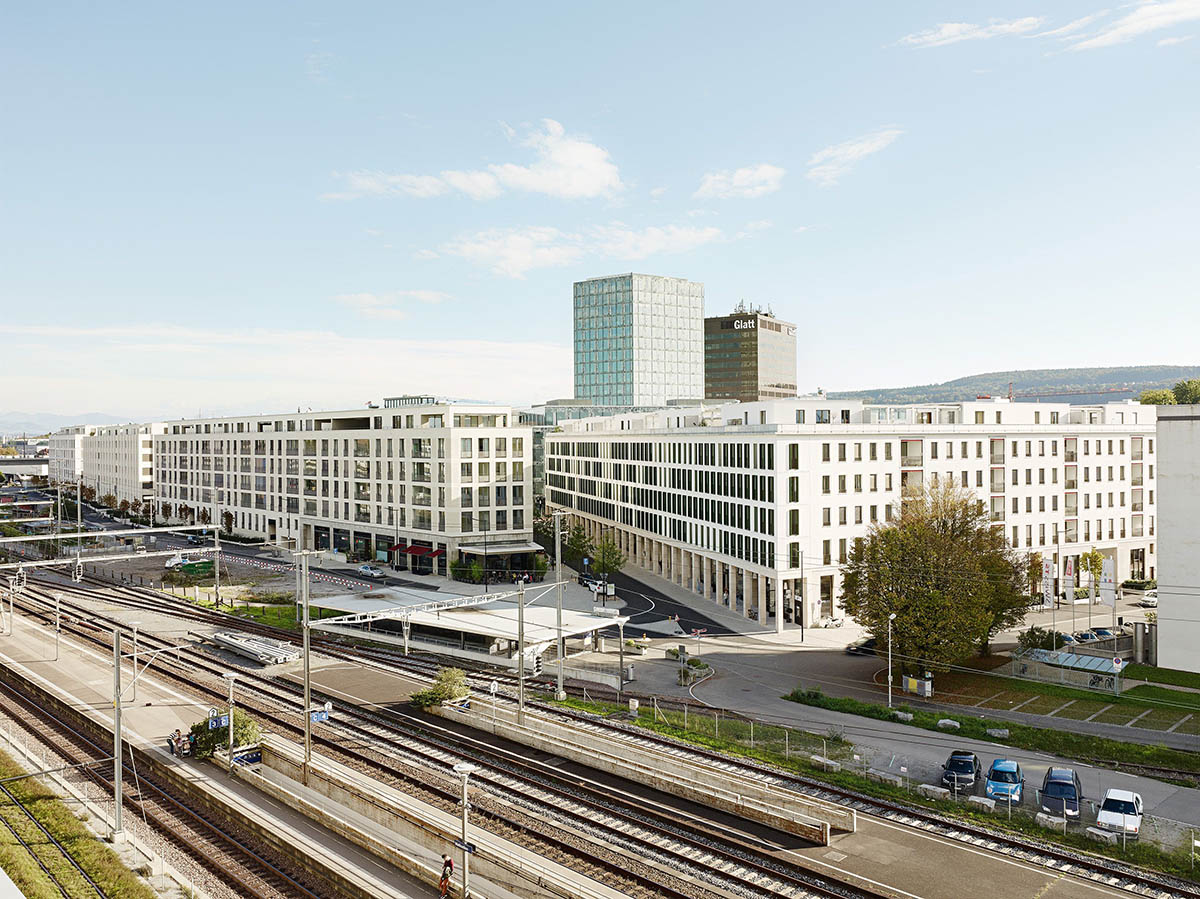
Like architecture and landscape architecture, but possibly even more so, urban design is a discipline that relies on precise and complex knowledge. This knowledge has been patiently accumulated over time and is the sum of the intelligence, experience, and creativity of those who have built up our cities and the discipline itself.
The lecture addresses this layered historical and contemporary knowledge of the city: How can we really see our built environment and understand its intertwinings that reveal and create genealogies? How can we organise its solutions in compendiums that preserve the theoretical principles and the tools used to design cities? And, finally, how do we extend this knowledge to contemporary urban projects, while avoiding imitation or replication? The case studies and examples of this talk will be European, but the methodology proposed can be applied to very different cultural contexts. The intention is to show how existing cities, examined with critical care, can be lessons for design itself – not limiting the creative possibilities of urban design today, but on the contrary giving it a solid disciplinary basis on which it can reinvent itself.
This event is supported by the Walter Gropius Lecture Fund.
Speaker
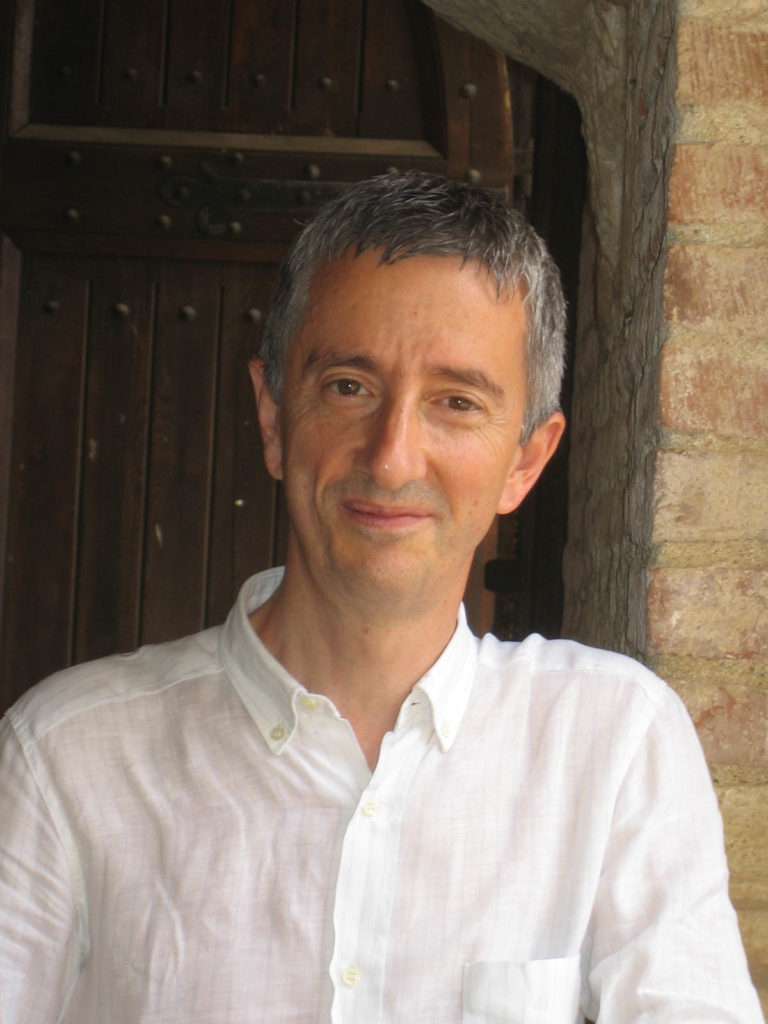
Vittorio Magnago Lampugnani studied architecture at Sapienza University and the University of Stuttgart, where he obtained his PhD. He played a seminal role in the International Building Exhibition in Berlin, while serving as a member of the editorial board of the magazine Casabella in Milan. He later served as chief editor of Domus magazine and as the director of the German Architecture Museum in Frankfurt am Main. From 1994 until 2016 he held the chair for History of Urban Design at ETH Zurich . Since 1981, he has headed the Studio di Architettura in Milan and, since 2010 and together with a partner, Baukontor Architekten in Zurich.
In his writing, his teaching and his practice, Lampugnani has consistently advocated for architectural and urban sustainability. His own projects, from the Novartis Campus in Basel to the Richti urban quarter and the office building on Schiffbauplatz, both in Zurich, are examples of an urban architecture that tries to comply with the imperative of A Radical Normal (the title of his latest book) and with the challenges of our earth’s limited resources.
Jane Bennett, “Out for a Walk in the Middle Voice”
Jane Bennett, “Out for a Walk in the Middle Voice”
| Registration Information |
|---|
| The GSD’s Fall 2021 Public Programs are all virtual and require registration.
Click here to register for Jane Bennett, “Out for a Walk in the Middle Voice”. The event will also be live streamed to the Harvard GSD YouTube page. Only viewers who are attending the lecture via Zoom will be able to submit questions for the Q+A. If you would like to submit questions for the speaker in advance of the event, please click here.
Live captioning will be provided during this event.
|
Event Description
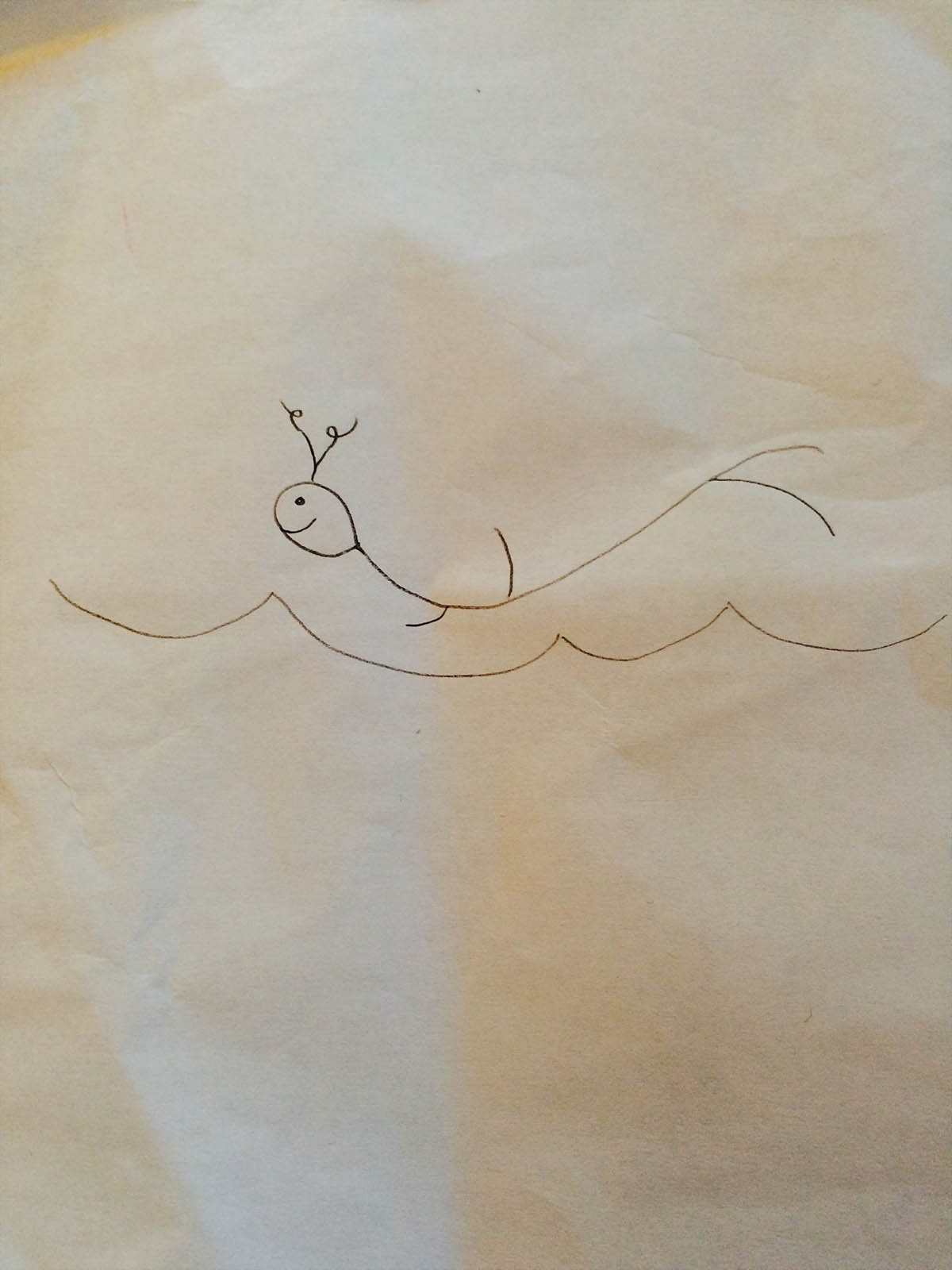
It begins with two strolls: one by the 19th-century naturalist Henry Thoreau, who finds himself inscribed by vegetal forms and powers; and one by Paul Klee’s graphic line as it enlists the energies of a human hand to become a doodle. These two walks expose the radical entanglement of human and nonhuman activities, and they call for a lexicon able to acknowledge such a trans-specied kind of agency. How to bespeak such joint efforts in ways that give the nonhuman its due? What grammar, syntax, and verbal forms best acknowledge the contributions of human, animal, vegetal, mineral, and atmospheric vitalities to one another? How to find a language sensitive to the way human writing is itself enabled and infused with nonhuman inscriptions?
Speaker
Jane Bennett is Andrew W. Mellon Professor of the Humanities at Johns Hopkins University. Her recent essays have appeared in Grain/Vapor/Ray (on Odradek and the end of the world), Evental Aesthetics (special issue on Vital Materialism), MLN (on mimesis), LA+: Interdisciplinary Journal of Landscape Architecture, and Zeitschrift für Medien- und Kulturforschung (on walking). She is the author of Vibrant Matter: A Political Ecology of Things (2010); The Enchantment of Modern Life (2001); Thoreau’s Nature (1994), and Unthinking Faith and Enlightenment, (1987). Her new book is Influx & Efflux: Writing up with Walt Whitman (2020).
Spiro Pollalis, “Sustainability and Climate Change: From Science to Design”
Spiro Pollalis, “Sustainability and Climate Change: From Science to Design”
| Registration Information |
|---|
| The GSD’s Fall 2021 Public Programs are all virtual and require registration.
The event will also be live streamed to the Harvard GSD YouTube page. Only viewers who are attending the lecture via Zoom will be able to submit questions for the Q+A. If you would like to submit questions for the speaker in advance of the event, please click here.
Live captioning will be provided during this event.
|
Event Description
The upcoming national investment in infrastructure is most welcomed; it will add jobs and stimulate the economy. However, it is imperative for the infrastructure to be sustainable, resilient, and mitigate climate change. How can that be ensured?
Since its founding in 2008, the research at the Zofnass Program has focused on providing tools for designers and planners to measure the sustainability and resilience of infrastructure. Recently, the focus is on expanding the tools for mitigating climate change. Today, the outcome of the Zofnass Program empowers both sides: the design professionals and the public agencies to specify the expectations contractually, level the field for sustainability promises, and monitor the results. Furthermore, the tools educate, provide insight, and promote collaboration among design professionals towards a common objective.
The presentation will follow the trajectory of the vision and goals and the associated deliverables. The guiding principles have always been that “you cannot improve unless you can measure” and “do the right project.” Urban infrastructure projects in landscape, stormwater and clean water bodies, and transportation will be used as vehicles to present the tools. City planning examples will follow, including the planning of the Allston campus for Harvard. The presentation will provide insights on the adopted research inquiry to engage the industry and academia best and several anecdotes and debates on crucial decision-making milestones towards developing useful tools.
Speaker
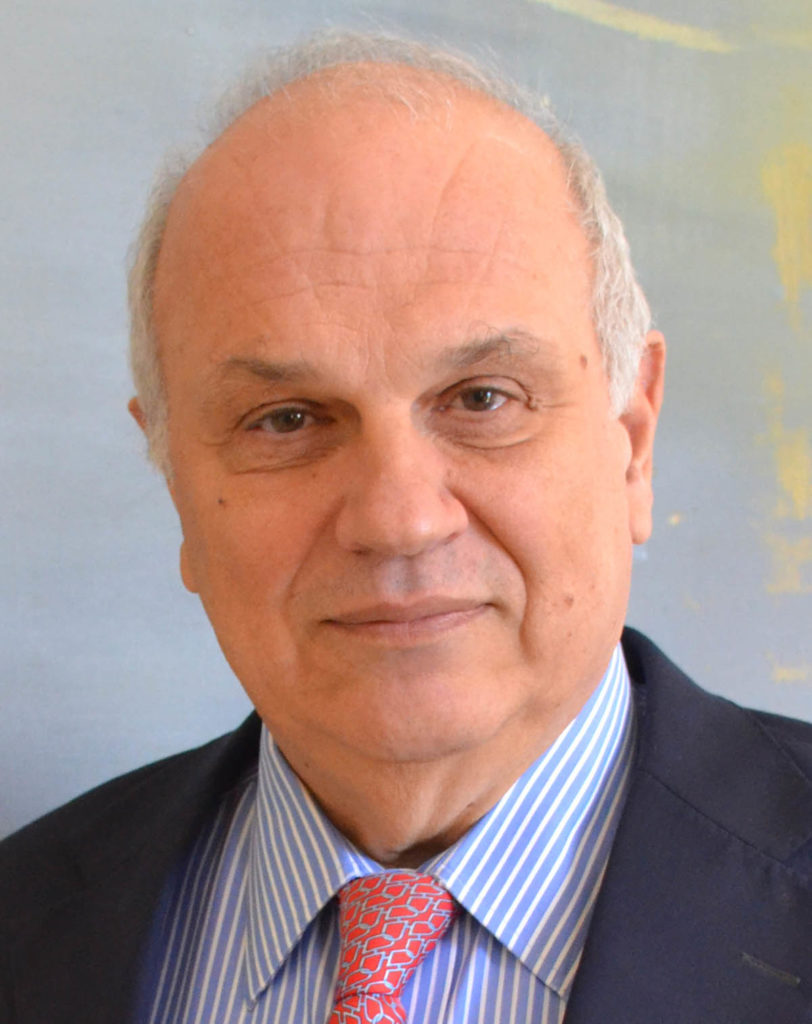
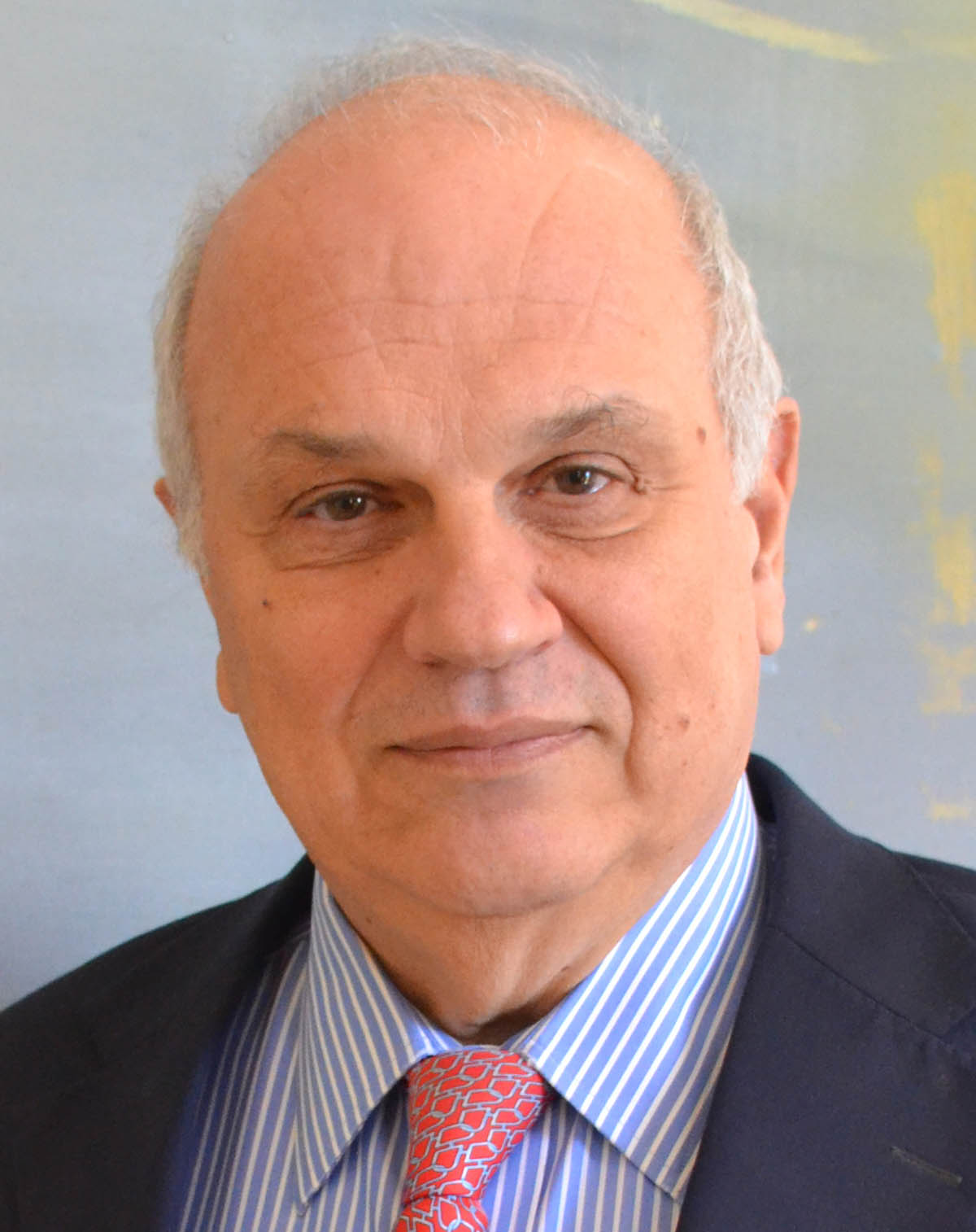
Prof. Pollalis, now Emeritus, has been Professor of Design Technology and Management at the Graduate School of Design since 1986. He is the Director of the Zofnass Program for the Sustainability of Infrastructure , which has developed the Envision® rating system and the Planning Guidelines for Sustainable Cities, and the Principal Investigator of the research project “Gulf Sustainable Urbanism” (2010-2013). He has taught as a visiting professor at Uni-Stuttgart, TU-Delft, and ETH-Zurich. He has published several books and articles in journals and has given many lectures at conferences.
In his private practice, Prof. Pollalis consults worldwide on sustainability, urbanism, and management. He is a consultant to the GSA, the Asian Development Bank, the World Bank, the UNEP, the NRCC, and the Greek Government. He has led the National Urban Assessment of Pakistan and has planned sustainable cities in Asia, including the DHA City Karachi, which is under construction.
Prof. Pollalis received his first degree from the University in Athens (EMP) and his Master’s and PhD from MIT. His MBA in high technology is from Northeastern University. He has an honorary Master’s degree in Architecture from Harvard.
Anne Anlin Cheng, “Monsters, Cyborgs, and Vases: Apparitions of the Yellow Woman”
Anne Anlin Cheng, “Monsters, Cyborgs, and Vases: Apparitions of the Yellow Woman”
| Registration Information |
|---|
| The GSD’s Fall 2021 Public Programs are all virtual and require registration.
The event will also be live streamed to the Harvard GSD YouTube page. Only viewers who are attending the lecture via Zoom will be able to submit questions for the Q+A. If you would like to submit questions for the speaker in advance of the event, please click here.
Live captioning will be provided during this event.
|
Event Description
What does it mean to be a human ornament, to be a subject who survives as or through crushing objecthood? What is beauty for the unbeautiful?
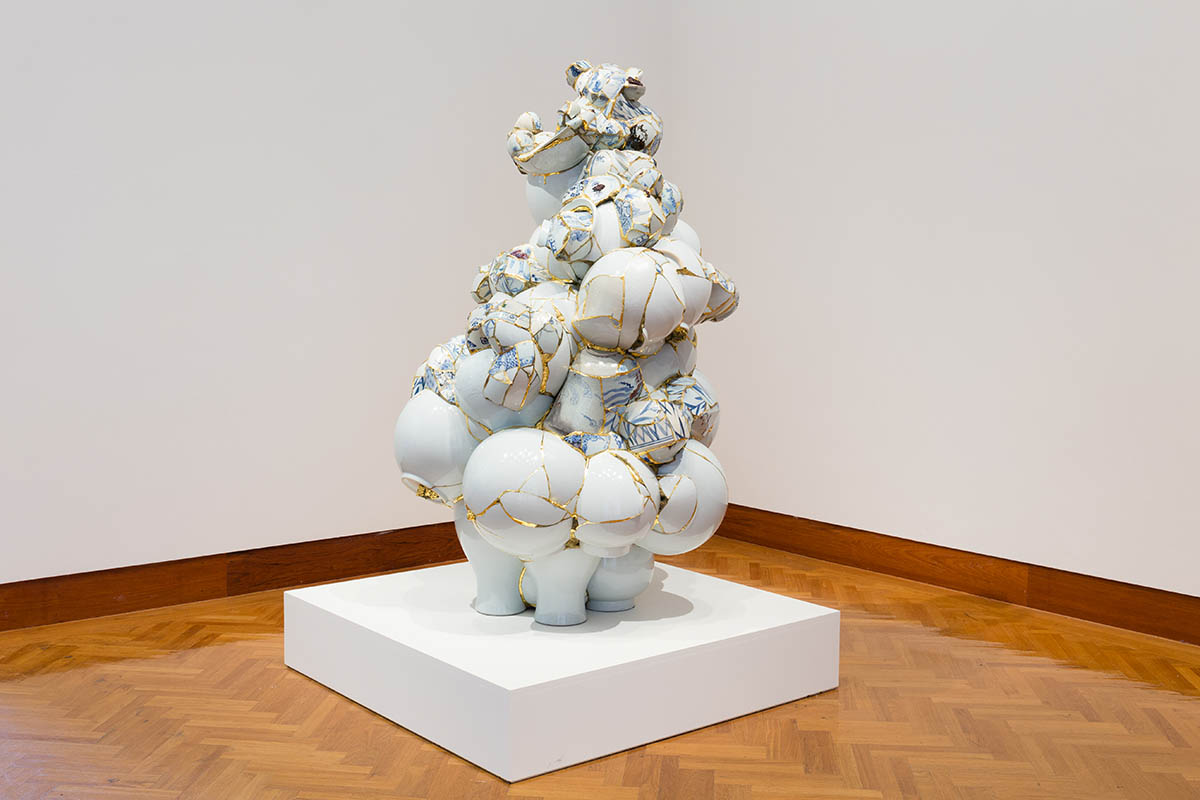
This talk takes a series of humanoid objects – monsters, cyborgs, and standing vases – as fulcrums through which to explore how racialized gender, specifically the specter of the yellow woman, animates the designs of futurity and enables the slippage between the human and the inhuman so fundamental to the dream of modernity.
Speaker
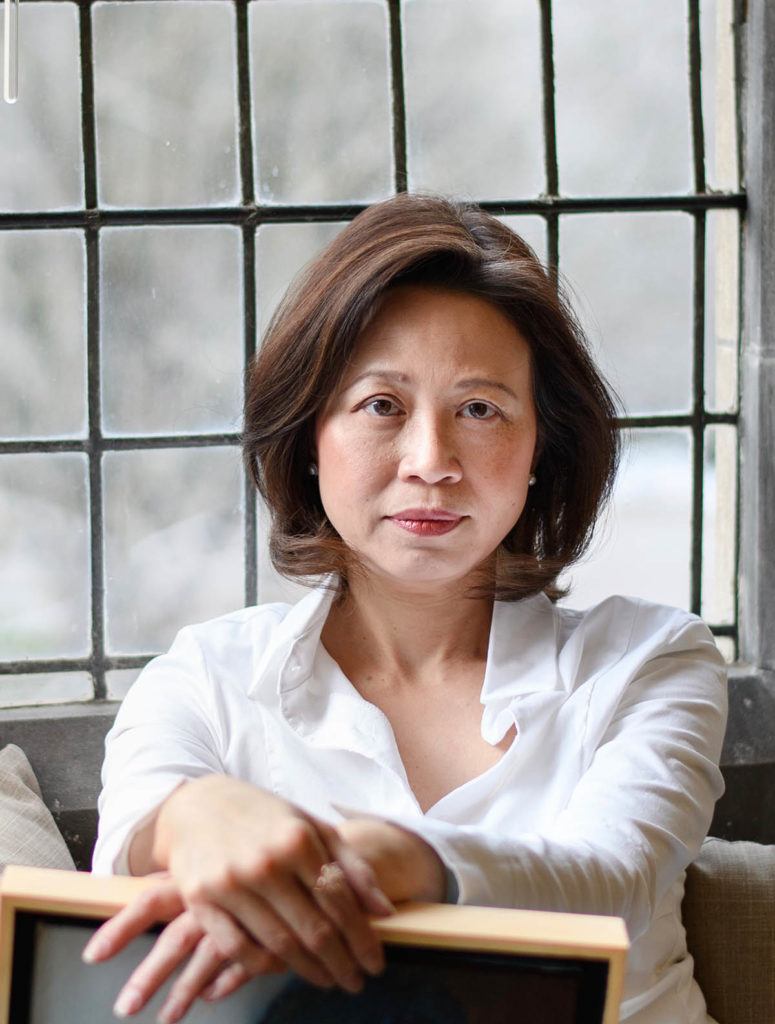
Anne Anlin Cheng is Professor of English, and affiliated faculty in the Program in American Studies, the Program in Gender and Sexuality Studies, and the Committee on Film Studies at Princeton University. She is the author of The Melancholy of Race: Psychoanalysis, Assimilation, and Hidden Grief ; Second Skin: Josephine Baker and the Modern Surface ; and, most recently, Ornamentalism . Her work has appeared in journals such as Critical Inquiry, Representations, PMLA, Camera Obscura, Differences, among others. She is also a contributor to New York Times , The Atlantic , Los Angeles Review of Books , and Huffington Post .
Robin Winogrond, “In Search of Geographical Re-enchantment”
Robin Winogrond, “In Search of Geographical Re-enchantment”
| Registration Information |
|---|
| The GSD’s Fall 2021 Public Programs are all virtual and require registration.
Click here to join Robin Winogrond, “In Search of Geographical Re-enchantment”. The event will also be live streamed to the Harvard GSD YouTube page. Only viewers who are attending the lecture via Zoom will be able to submit questions for the Q+A. If you would like to submit questions for the speaker in advance of the event, please click here.
Live captioning will be provided during this event.
|
Event Description
“Unruly places have the power to disrupt our expectations, of stimulating and reshaping our geographical imagination, to reenchant geography…Space sounds modern in a way that place doesn’t. The reaction of modern societies has been to straighten and rationalize…the oddity of place.”
– Alistair Bonnet, Unruly Places
The replacement of the unique and specific with the generic is a sign of our times. Cities make no exception. In the name of the modern, new and improved, the luring richness, unexpected and uncontrolled are being standardized out of our urban landscapes. The result is often a sterile built environment with scary resemblance to architectural renderings that has little to do with the unfolding of human experience.
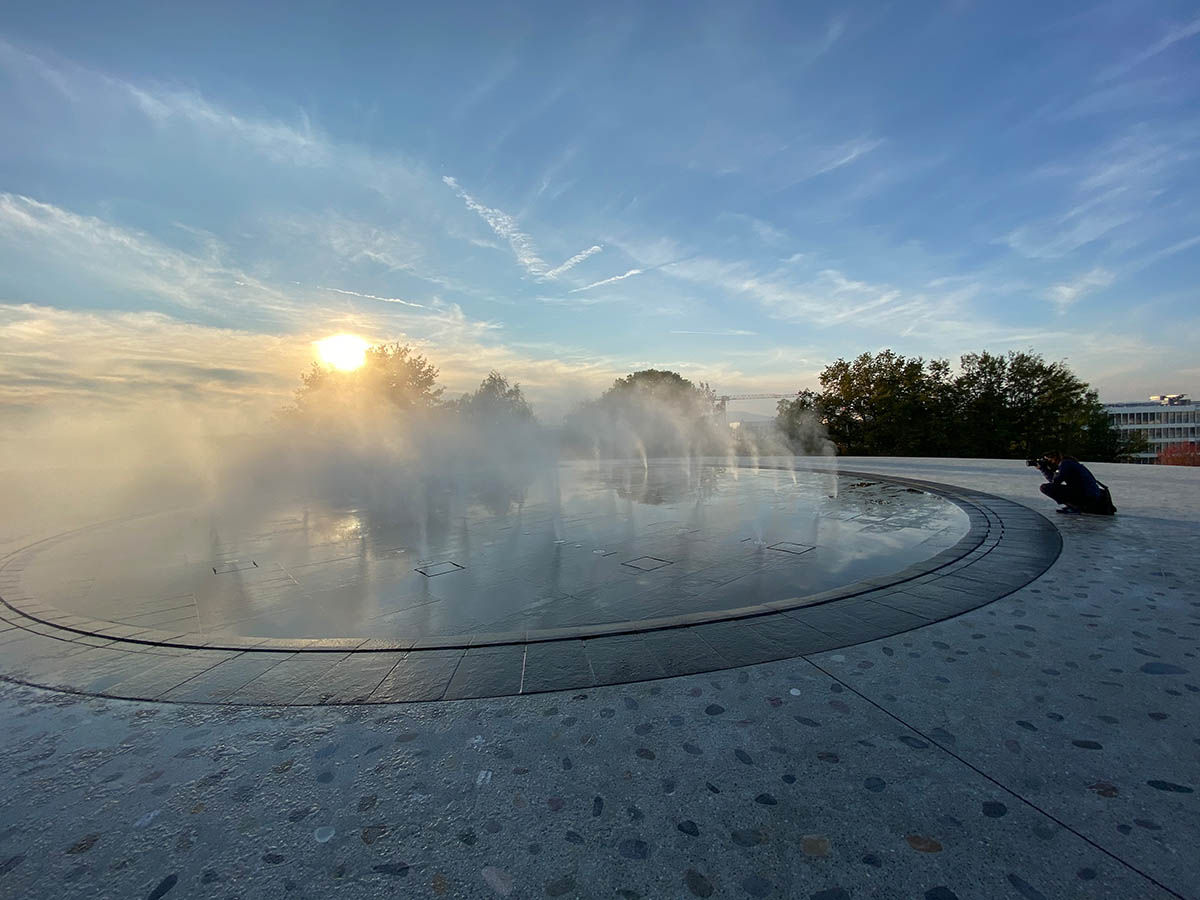
Robin Winogrond will show a series of her recent projects in Switzerland and Germany, most often on the urban periphery, which increasingly focus on sussing out the poetic potential of the banality of our contemporary urban landscape. What in a place engages our imagination or leaves us cold? Using a narrative approach, the projects become testing grounds to re-enchant each specific site with the power of its own inherent qualities, expressing the underestimated oddity of place that our contemporary urban landscapes contain.
Speaker
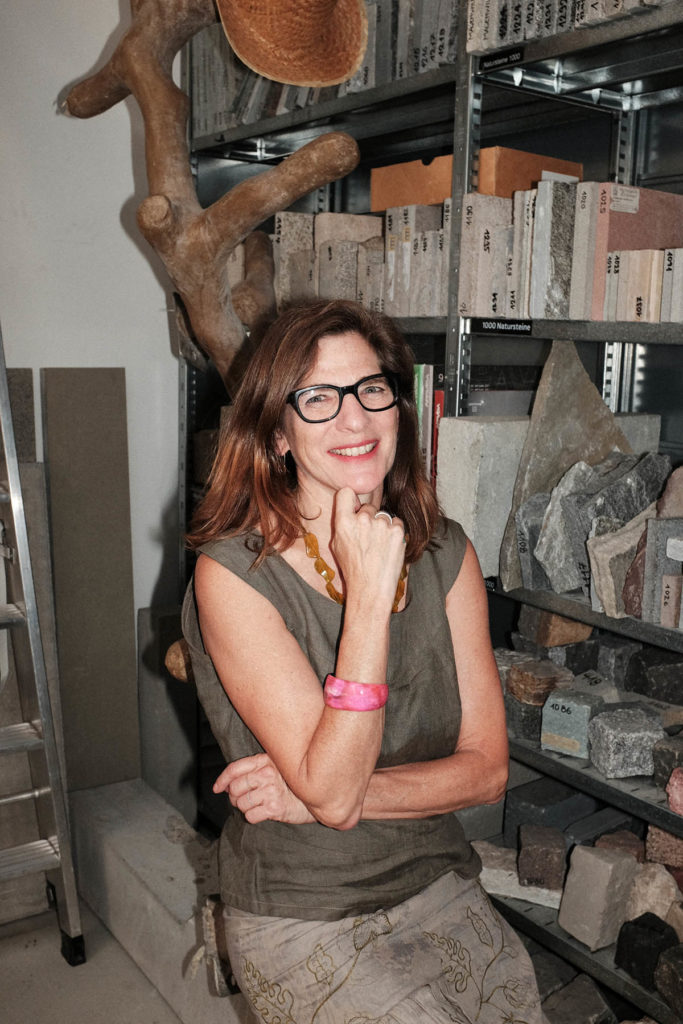 Robin Winogrond, landscape architect and urban designer, is co-founder of Studio Vulkan Landscape Architecture, in Zurich, Switzerland. She was partner from 2014-2020, a period in which numerous international competitions and prizes were won, most notably the recently completed Zurich Airport Park. While continuing the collaboration with Studio Vulkan, she is working independently and internationally on projects, juries, lecturing, teaching, and publishing. She is currently teaching at the Harvard University Graduate School of Design.
Robin Winogrond works on a wide variety of scales and themes, with a focus on built works as well as large-scale open space and urban design schemes, and site-specific installations. Her work, at once atmospheric and pragmatic in nature, seeks to design but also build powerful experiences of slippery matters such as atmosphere, imagination, the psychology of social space, multifaceted identity of place, and embodied experience. Combining these with the pragmatic nature of building, the projects search to understand and interpret the diverse demands, contradictions and countervailing expectations of the contemporary landscape, especially on the increasingly banal urban periphery, using this productive tension as a driver for developing innovative and experimental design strategies that interpret the conditions of the site and its users.
Daniela Bleichmar, “The history of cochineal and the changing value of Mexican indigenous environmental knowledge, ca. 1500–1800”
Daniela Bleichmar, “The history of cochineal and the changing value of Mexican indigenous environmental knowledge, ca. 1500–1800”
| Registration Information |
|---|
| The GSD’s Fall 2021 Public Programs are all virtual and require registration. Click here to register for the Public Lecture with Daniela Bleichmar. The event will also be live streamed to the Harvard GSD YouTube page. Only viewers who are attending the lecture via Zoom will be able to submit questions for the Q+A. If you would like to submit questions for the speaker in advance of the event, please click here. Live captioning will be provided during this event. |
Event Description
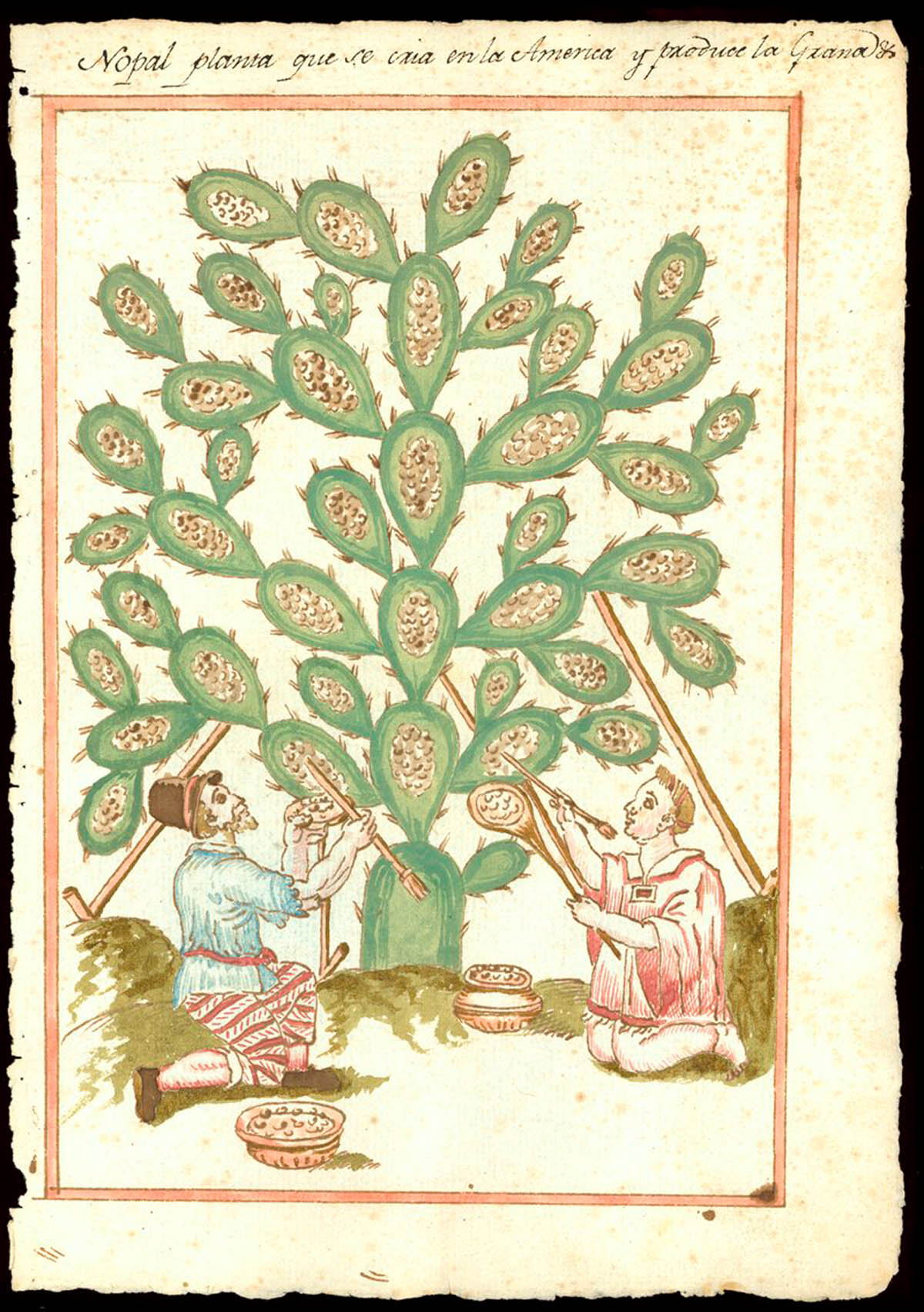
Before the development of synthetic dyes in the second half of the 1800s, natural dyes were some of the most prized and sought-after commodities in the global economy. This talk uses historical images and texts to excavate changing approaches to indigenous environmental knowledge in colonial Mexico and early modern Europe through the study of cochineal. This insect, native to the Americas, produced the world’s best quality and most valuable red dye from the 1520s until the rise of the modern chemical dye industry. Long used by indigenous people in the Americas, under Spanish colonization Mexican cochineal became a lucrative global commodity that depended on indigenous expertise for successful cultivation and preparation. Producing cochineal dye involved not only growing, harvesting, and preparing the insects but also maintaining their host species, the prickly-pear cactus.Over time, various approaches framed cochineal as a closely guarded imperial secret that led to espionage by covetous rivals eager to establish their own colonial plantations, as a scientific mystery that puzzled European scientists and showed the limits of their technologies and techniques, and as proof of the superior epistemic authority of native local knowledge over European long-distance ignorance. At the crux of this complex and fascinating history are questions about extraction, place, knowledge, and authority. The talk follows cochineal as it moved from Mexico to the rest of the world, from the plantation to the archive, from under the microscope to the surface of the copper plate, and from the courtroom to the printed page, tracking shifting ideas about what constituted environmental knowledge, where it could be produced, and who was understood to possess it as local indigenous objects and expertise entered circulated during the first global era.
Speaker
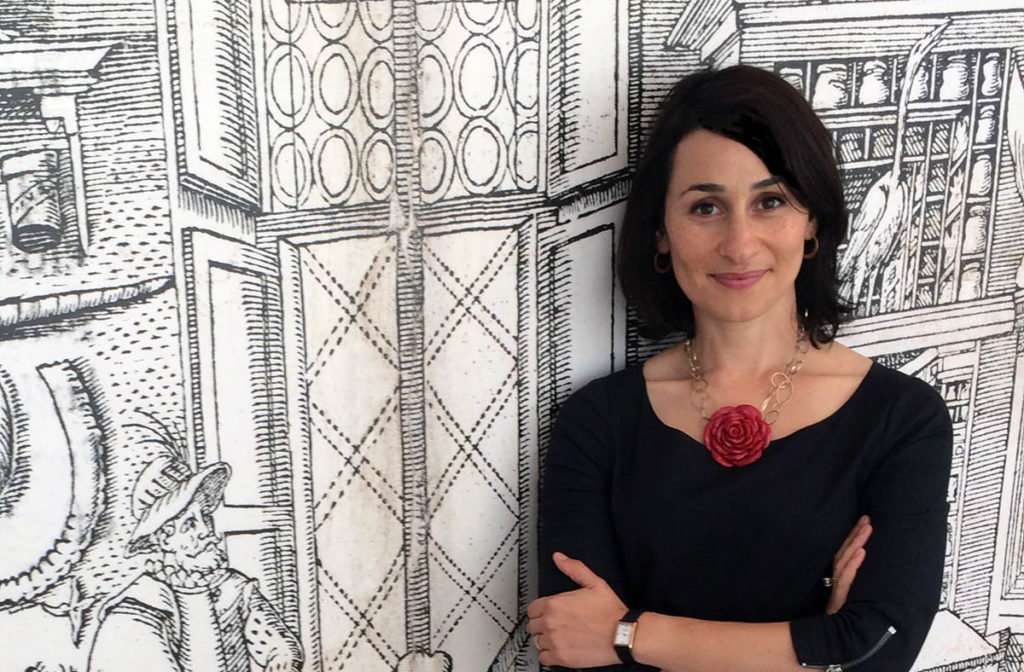
Daniela Bleichmar is Professor of Art History and History at the University of Southern California , where she also serves as the founding director of the Levan Institute for the Humanities and director of the USC Society of Fellows in the Humanities . Her research and teaching address the history of images, objects, and texts in colonial Latin America and early modern Europe, focusing on the histories of science and knowledge production, cultural encounters and exchanges, collecting, and books. Her research has been supported by the Mellon Foundation, the Getty Foundation, the Getty Research Institute, and the ACLS. Her publications include the books Visible Empire: Botanical Expeditions and Visual Culture in the Hispanic Enlightenment (University of Chicago Press, 2012) and Visual Voyages: Images of Latin American Nature from Columbus to Darwin (Yale University Press, 2017). She is currently writing a cultural biography of the Codex Mendoza, an Indigenous illustrated manuscript produced in early colonial Mexico, which traces the extraordinary life of this transcultural object from Mexico City in the 1540s to London in the 1830s
Li Hu + Huang Wenjing | OPEN, “Imagine”
Li Hu + Huang Wenjing | OPEN, “Imagine”

|
Registration Information |
|---|
| The GSD’s Fall 2021 Public Programs are all virtual and require registration.
Click here to register for Li Hu + Huang Wenjing | OPEN, “Imagine”. The event will also be live streamed to the GSD’s YouTube page. Only viewers who are attending the lecture via Zoom will be able to submit questions for the Q+A. If you would like to submit questions for the speakers in advance of the event, please click here.
Live captioning will be provided during this event.
|
Event Description
As architects practicing in China today, cultural projects present great challenges and freedoms at the same time, for us to imagine the future and give form to the tangible. Through stories behind six recent cultural projects from the studio, Founding Partners of OPEN, Li Hu and Huang Wenjing, will discuss the changing role and opportunity for architects in a transformative society, and the importance of being radical yet poetic at the same time.
Speakers
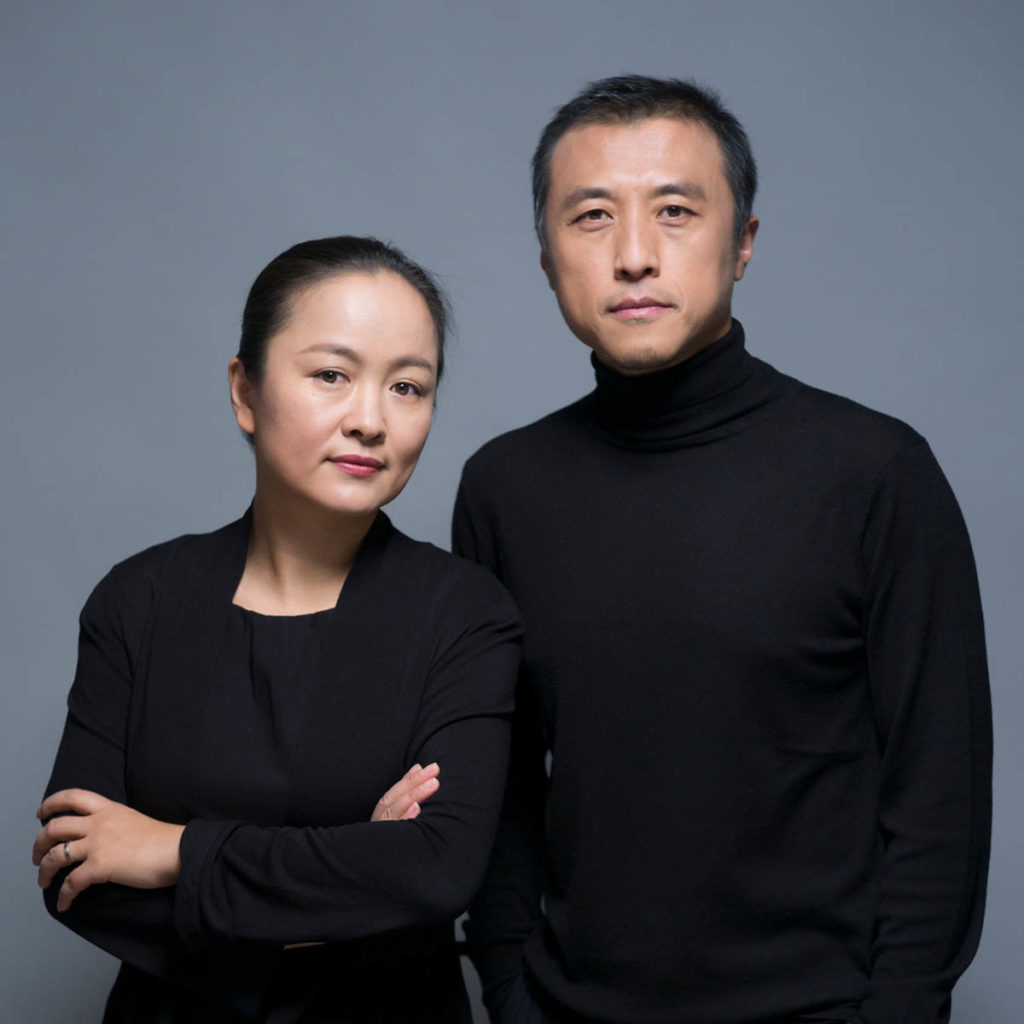
Li Hu and Huang Wenjing, born in 1973, are founding partners of OPEN and visiting professors at Tsinghua University and Central Academy of Fine Arts, China.
Li and Huang co-founded OPEN in New York City and established the studio’s Beijing office in 2008. Prior to OPEN, Li Hu was the partner of Steven Holl Architects, and director of Columbia University GSAPP’s Studio-X Beijing. Huang was a senior designer and associate at the New York-based firm Pei Cobb Freed and Partners.
Some major projects by OPEN include: Garden School/Beijing No.4 High School Fangshan Campus, Tsinghua Ocean Center, Tank Shanghai, UCCA Dune Art Museum, Shanghai Qingpu Pinghe International School, and Chapel of Sound. OPEN’s work has been widely recognized, with recent awards including the 2021 AR Future Project Awards, 2020 London Design Museum’s Beazley Designs of the Year Nominee, 2019 P/A Awards, 2018 AIA Education Facility Design Award of Excellence, among many others.
Li and Huang have co-authored three books about OPEN’s work, OPEN Questions (2018), Towards Openness (2018) and OPEN Reaction (2015). They have also been invited to participate in many important international exhibitions, such as the Venice Biennale 2014 and 2021, and the inaugural Chicago Architecture Biennial in 2015.
Talking Architecture
Talking Architecture
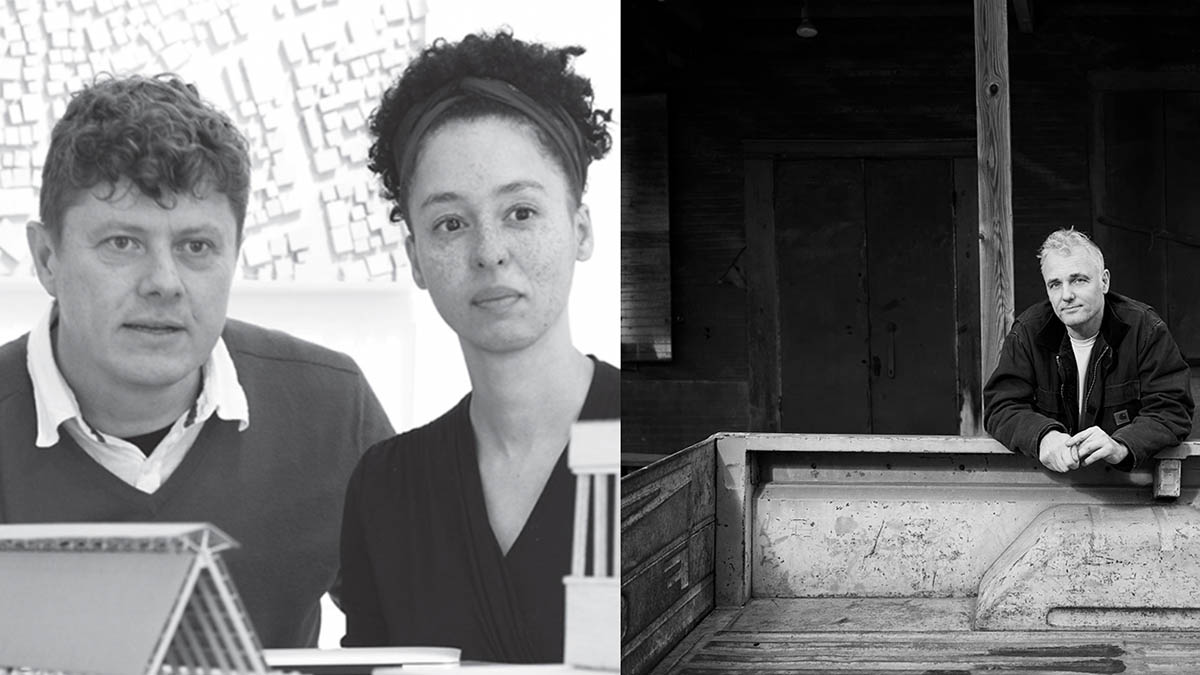
Talking Architecture is a series of live-interviews hosted by course Talking Architecture (VIS 2359), conducted by students and moderated by Instructor Diego Grass. These events are spin-offs of GSD-sponsored public lectures held during the semester. Their intent is to extend the conversations between these guests and the GSD community.
Upcoming Events
There are currently no upcoming events planned in this series.
For more information on the GSD Spring 2021 Public Program, please visit our events page.
Past Events
Live-interview Session #3: Rural Studio (Andrew Freear)
Friday, April 23 at 11 AM ET
Register here
Live-interview Session #2: Wolff Architects (Ilze and Heinrich Wolff)
Friday, March 26 at 11 AM ET
Online Only
Live-interview Session #1: DnA_Design and Architecture (Xu Tiantian)
Friday, February 19 at 11 AM ET
Xu Tiantian (1975-) is the founding principal of DnA_Design and Architecture, based in Beijing since 2004. Xu received her M.A. in Urban Design from Harvard University Graduate School of Design and her Baccalaureate in Architecture from Tsinghua University. Before establishing DnA, she worked at several design firms in the United States and the Netherlands, including OMA. She has engaged extensively with rural revitalization processes in Songyang, Zhejiang province, which she featured at the 2018 Venice Architecture Biennale. She has received the 2006 WA China Architecture Award and 2008 Young Architects Award from The Architectural League New York.
“When Memory Is Not Enough” – A Conversation with Walter Hood and Garnette Cadogan
“When Memory Is Not Enough” – A Conversation with Walter Hood and Garnette Cadogan
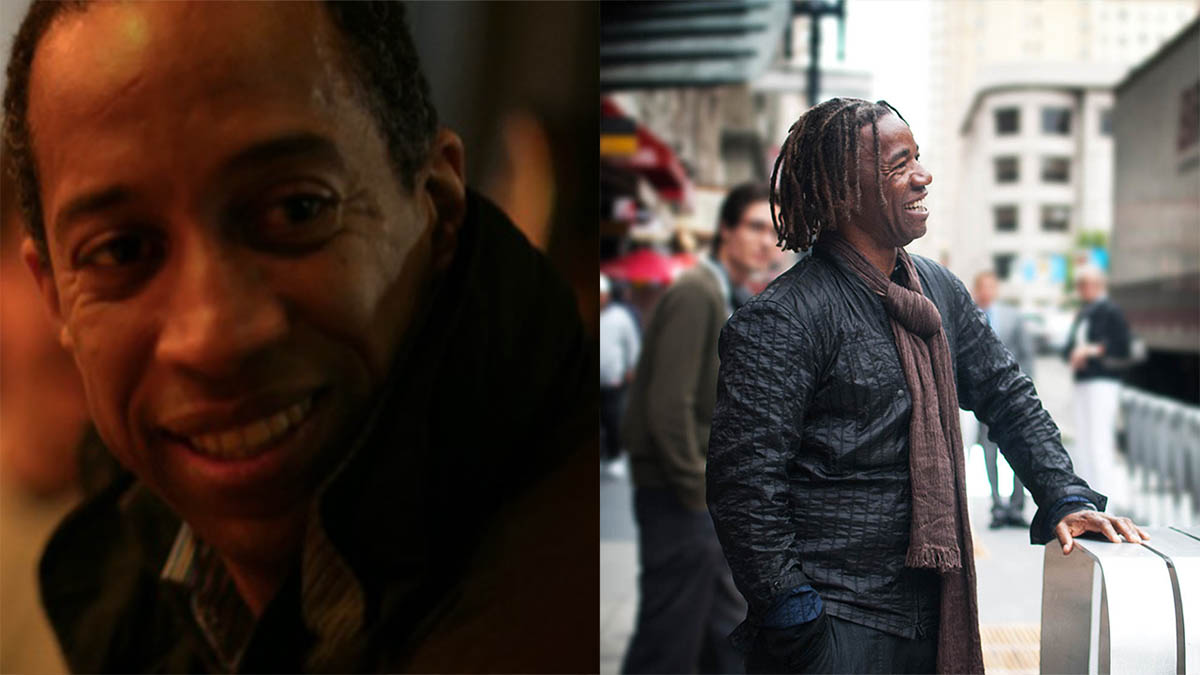
Click here to register for the conversation with Walter Hood and Garnette Cadogan .
Scroll down to find complete registration instructions and additional information about accessing the program.
Event Description
Walter Hood and Garnette Cadogan will participate in a conversation that draws from Walter’s Tuesday night lecture of the same title.
Speakers
Walter Hood is the Creative Director and Founder of Hood Design Studio in Oakland, California. Hood Design Studio is a cultural practice, working across art, fabrication, design, landscape, research and urbanism. He is also the David K. Woo Chair and the Professor of Landscape Architecture and Environmental Planning at the University of California, Berkeley. He lectures on and exhibits professional and theoretical projects nationally and internationally. He was recently the Spring 2020 Diana Balmori Visiting Professor at the Yale School of Architecture.
Walter creates urban spaces that resonate with and enrich the lives of current residents while also honoring communal histories. Hood melds architectural and fine arts expertise with a commitment to designing ecologically sustainable public spaces that empower marginalized communities. Over his career, he has transformed traffic islands, vacant lots, and freeway underpasses into spaces that challenge the legacy of neglect of urban neighborhoods. Through engagement with community members, he teases out the natural and social histories as well as current residents’ shared patterns and practices of use and aspirations for a place.
The Studio’s award-winning work has been featured in publications including Dwell, The Wall Street Journal, The New York Times, Fast Company, Architectural Digest, Places Journal, and Landscape Architecture Magazine. Walter Hood is also a recipient of the 2017 Academy of Arts and Letters Architecture Award, 2019 Knight Foundation Public Spaces Fellowship, 2019 MacArthur Fellowship and 2019 Dorothy and Lillian Gish Prize.
Garnette Cadogan is the 2020-2021 Harry W. Porter, Jr. Distinguished Visiting Professor at the School of Architecture at the University of Virginia. He was a Martin Luther King, Jr. Visiting Scholar (2017-2018) at the Department of Urban Studies and Planning at MIT, and is currently a Fellow at the Institute for Advanced Studies in Culture at the University of Virginia and Senior Critic in the Sculpture Department at Yale School of Art.
Cadogan’s current research and writing explores the promise and perils of urban life, the vitality and inequality of cities, and the challenges of pluralism. In Fall 2017, he was listed among a select group of writers around the world who “represent the future of new writing. ” He is the editor-at-large of Nonstop Metropolis: A New York City Atlas (co-edited by Rebecca Solnit and Joshua Jelly-Schapiro), winner of the 2017 Brendan Gill Prize from the Municipal Art Society of New York, and is at work on a book on walking .
How to Join
Register to attend the event here . Once you have registered, you will be provided with a link to join the event via Zoom. This link will also be emailed to you.
Live captioning will be provided during this event.
Rebecca Choi, “White Man’s Got a God Complex”
Rebecca Choi, “White Man’s Got a God Complex”

The GSD’s Spring 2021 Public Programs are all virtual and require registration.
Click here to register for Rebecca Choi, “White Man’s Got a God Complex.”
Scroll down to find complete registration instructions and additional information about accessing the GSD’s programs.
Event Description
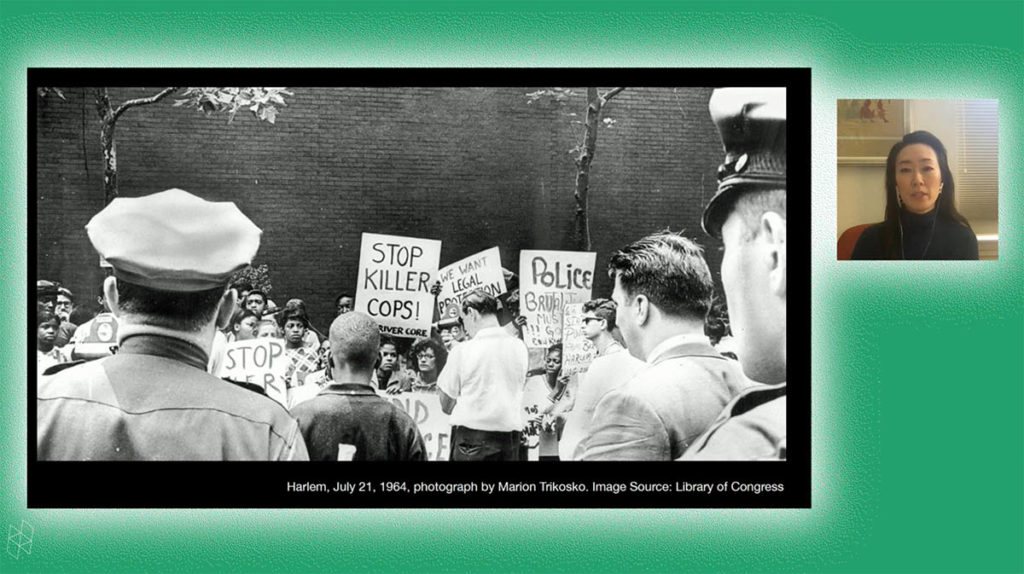
In 1976, Chicago developer Charles Shaw bought nearly one million cubic feet of air above the Sculpture Garden of the Museum of Modern Art for 17 million dollars, relieving the Museum of their debt problems. Bought under New York City’s Transfer of Development Rights, Shaw used his rights to air space in the construction of a 56-floor apartment tower on 53rd Street. Mayor Beame hailed the “self-help project” a success, claiming that the transaction showed “how government and the private sector can cooperate in achieving the common goal of improving lives in the city.” Transfer of air rights was not new, however the relationship between architects, Harlem, and MoMA in presenting experimental, bureaucratized architectural visions to the public is specific to the late 1960s. This talk discusses these visions and the context of Harlem, where a range of surreptitious and highly choreographed mechanisms of abstraction were tested out and exhibited at MoMA in a demonstration plan for the neighborhood in 1967.
Audience members are eligible for 1.5 AICP Certification Maintenance credits and/or 1.5 AIA Continuing Education Learning Units after attending this event. Please visit the AICP website or AIA website for more information.
Speaker
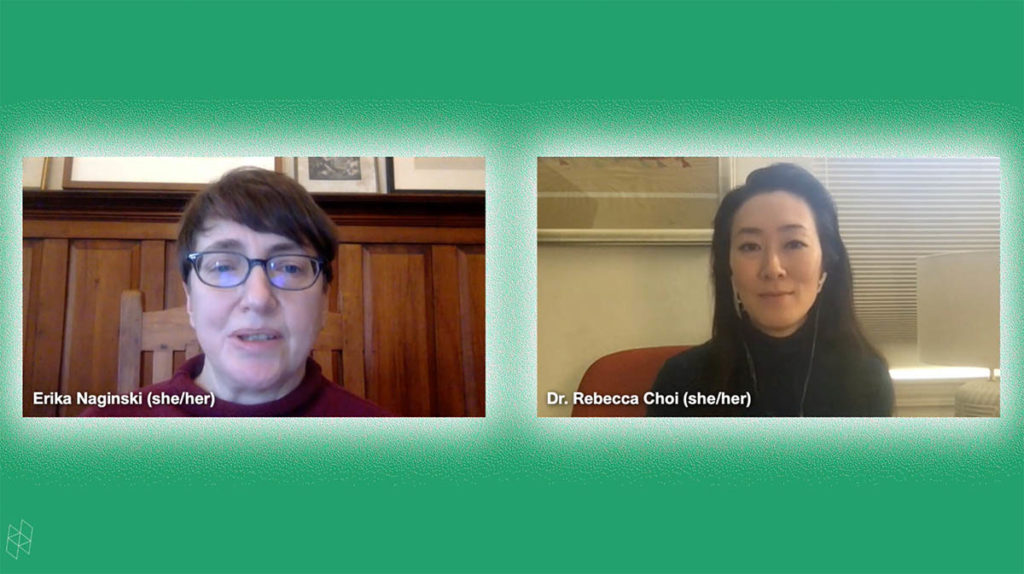
Dr. Rebecca Choi is a postdoctoral fellow and visiting lecturer at the Institute for the History and Theory of Architecture (gta Institute) at the ETH Zürich. Her research considers how movements for racial justice have had a pivotal role in the making of urban America. Choi is currently working on a book project which expands and deepens her doctoral work, Black Architectures: Race, Pedagogy and Practice, 1957–68. Developed through oral histories and alter-institutional archives, Black Architectures is an atlas of resistance that pushes for greater intersectionality between architecture, critical race theory and environmental studies. She has contributed writing to Harvard Design Magazine, The Avery Review, ARDETH Journal, and Places Journal.
How to Join
Register to attend the lecture here . Once you have registered, you will be provided with a link to join the lecture via Zoom. This link will also be emailed to you.
The event will also be live streamed to the GSD’s YouTube page . Only viewers who are attending the lecture via Zoom will be able to submit questions for the Q+A. If you would like to submit questions for the speakers in advance of the event, please click here .
Live captioning will be provided during this event. A transcript will be available roughly two weeks after the event, upon request.