Cores and Peripheries: Designing Cities in Transition
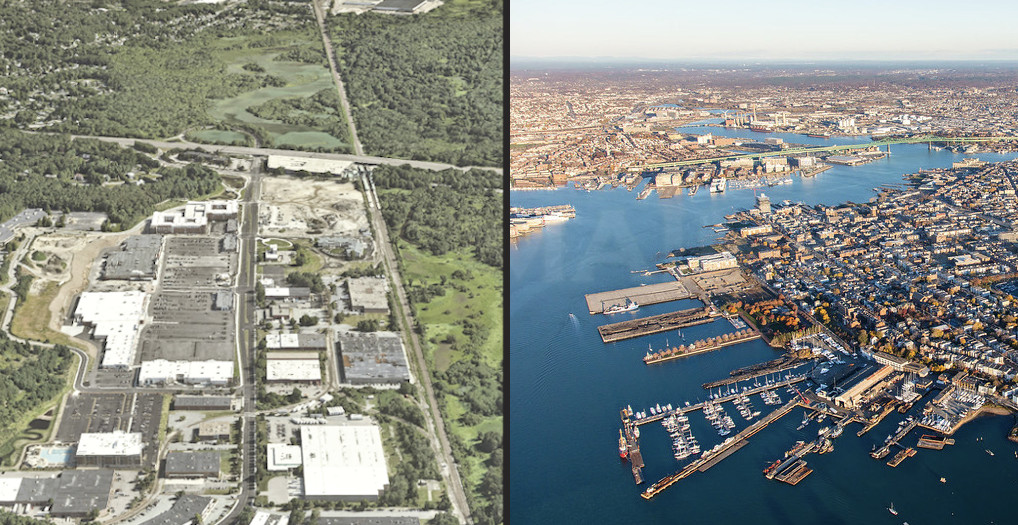
The Urban Design Core Studio examines how cities evolve across their cores and peripheries, revealing how physical form, culture, and ecology intersect in moments of transition. Through two parallel sites in Massachusetts—East Boston and Westwood—students explored the tension between density and openness, permanence and adaptation, and the shifting roles of infrastructure at the metropolitan scale.
In East Boston, proposals envision housing for 10,000 new residents that balance affordability, cultural continuity, and resilience to rising seas. In Westwood, plans for new development reimagine a car-dependent landscape as an ecological and transit-oriented hub. This exhibition traces the studio’s full design process—from site portraits that distill the character, history, and latent potential of each place to analytical studies and case research that ground emerging ideas to final design proposals that articulate more inclusive, adaptive, and interconnected urban futures.
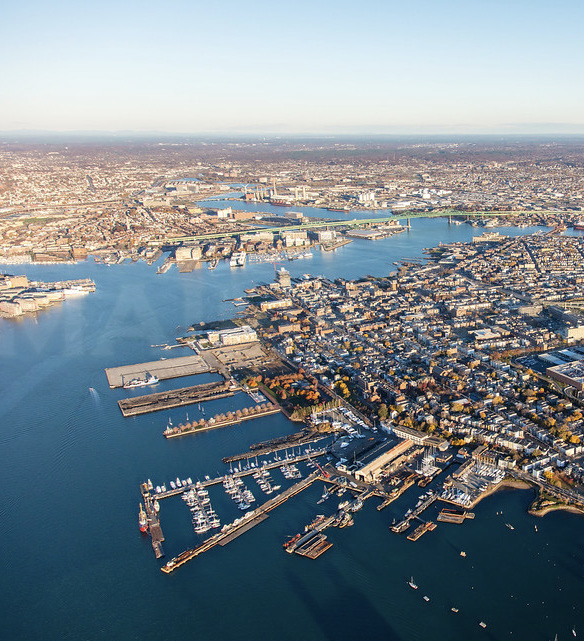
EAST BOSTON, MASSACHUSETTS
The first design exercise focuses on East Boston, an urban area in transition. Located just 600 meters, or a 4-minute subway ride, across the water from the city’s downtown and historic center, the area has experienced significant transitions in the last decade, though also over time as a “port of entry” for many immigrants to the United States. In addition, East Boston is one of the neighborhoods in the city most vulnerable to sea level rise and stormwater flooding.
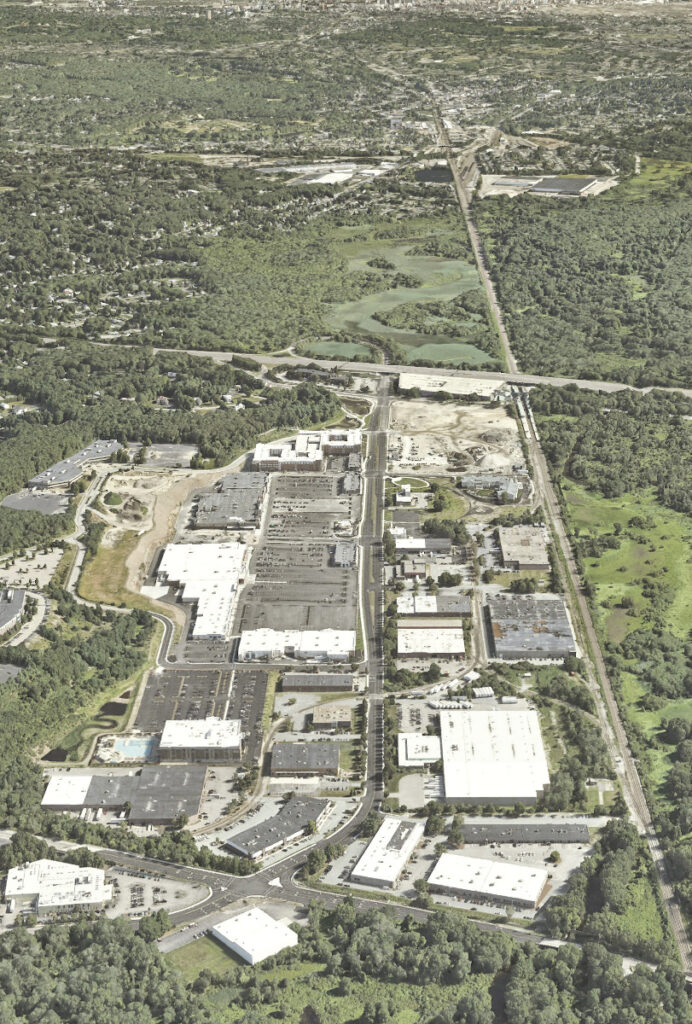
WESTWOOD, MASSACHUSETTS
The second exercise looks at the Route 128/University Park Station district in Westwood, an urban peripheral area in flux. Like many suburbs in the United States, development in Westwood reached its peak in the 1970s and has since been in a state of stasis, albeit a relatively prosperous one. However, as current thinking on urban design shifts from a myopic focus on the city center to the broader urban region and hinterland, there has been renewed interest in the developmental potential of places on the urban periphery.
Looking for older event archives? Please contact Loeb Library or visit our YouTube channel.