Introduction
Missing middle housing (MMH)—a term referring to the building typology between a single-family home and a large-scale apartment building—is increasingly viewed by policymakers, housing advocates, architects, land use planners, and developers as one possible solution to the affordable housing crisis. This scale of housing is ideal for urban and suburban infill sites, fits a wide range of housing preferences, phases of life, and budgets, and is often built by developers invested in their local communities. However, zoning regulations and current financing structures, among other obstacles, make MMH harder than it should be to develop. This chapter seeks to address key obstacles and opportunities to developing MMH, in three parts.
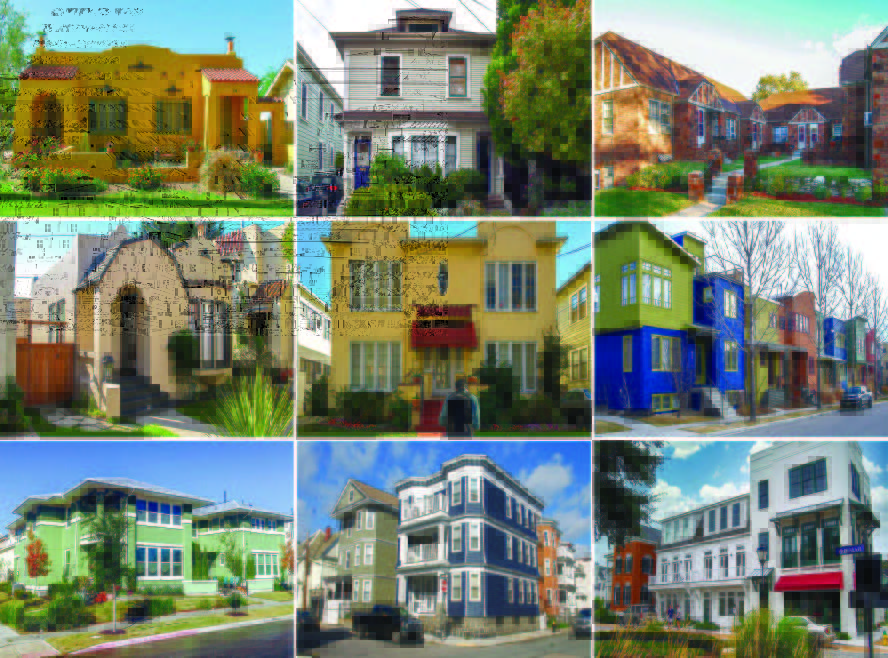
Part 1 will address regulatory barriers, from restrictive zoning to onerous building codes, that make missing middle illegal in many localities. We will also highlight municipalities who have taken or are currently taking steps to legalize missing middle housing through upzoning, code reform, and comprehensive planning.
Part 2 will address the unique challenges to financing missing middle-scale housing, before emphasizing financial incentives that are being proposed in municipalities from Cambridge, MA to the greater New England region to Portland, OR to fund the missing middle.
Part 3 will provide missing middle development case studies in different contexts, from the more rural state of Vermont to the highly populous city of Cambridge, MA. Sample pro formas will determine financial feasibility in these contexts, in service of the question, “How to make the missing middle pencil?” Any capital gaps will be addressed and tied to the larger context of regulatory and incentive programs that together will facilitate more efficient development of missing middle housing.
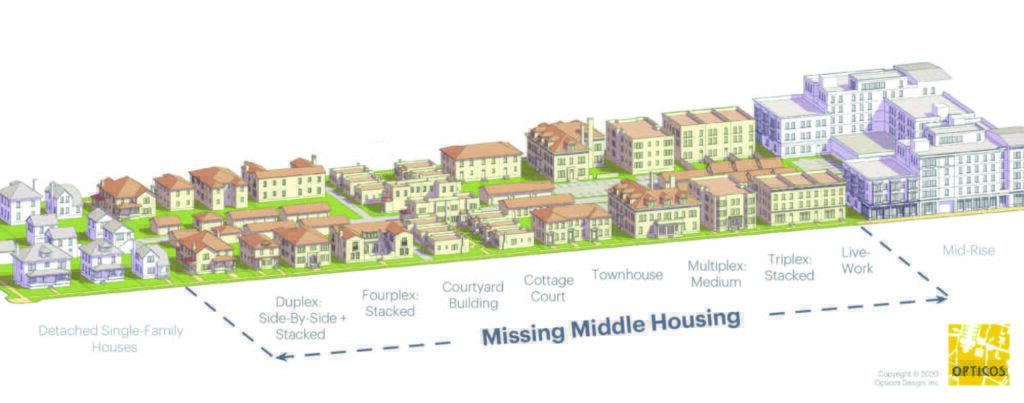
What Happened to the Missing Middle?
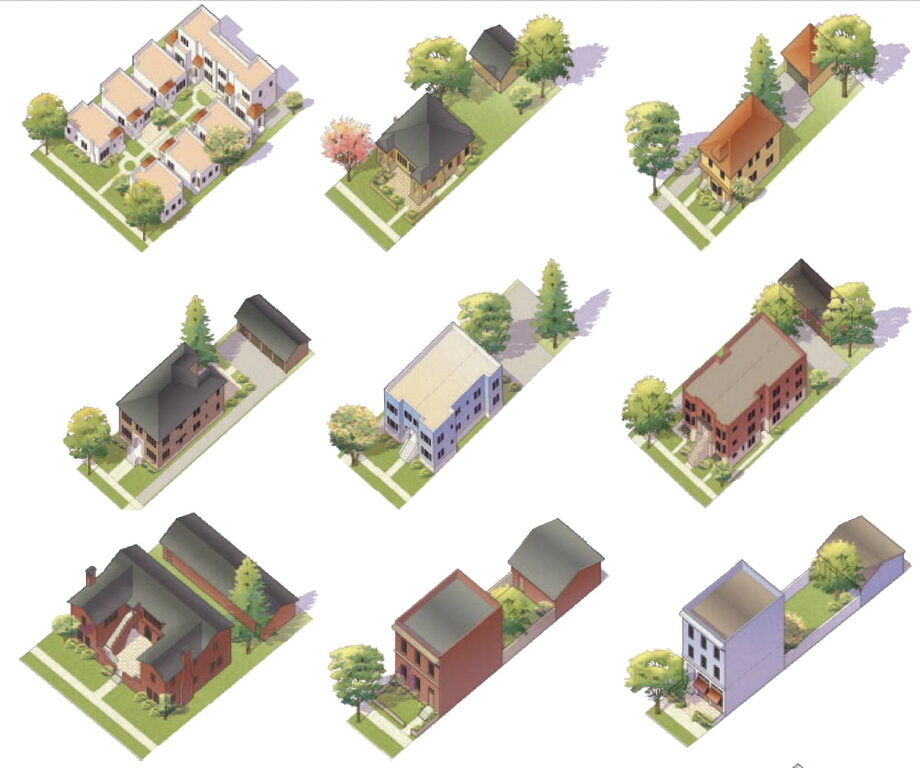
Take a look around a historic downtown or city center, and you’re bound to spot examples of missing middle housing—take Boston’s iconic triple-decker, for example, or a four‑unit apartment building tucked neatly into a long, narrow lot. Missing middle housing is endemic to many communities; these home types organically sprang up as town and city centers grew in dense, walkable patterns. It was economical for builders and developers to create smaller, multifamily structures, often becoming owner-operators and renting out the spare units. Cities across the country have their own style of missing middle, and these homes are now located in desirable locations close to amenities, transit, and jobs.
But these homes are in short supply—in effect, they are “missing” from the modern housing market. The simple reason is that smaller multi-unit homes were zoned out of legality by many zoning codes that prioritized and even privileged single family homes. Other barriers to middle housing that contribute to it being “missing” from the market include:
- High developer fees and incentives that make building at scale more attractive
- Lack of missing middle home builders
- Larger buildings have cost efficiencies
- Onerous code standards that disincentivize smaller-scale home production
- Cultural preferences that prioritize single‑family homes
- Zoning requirements (such as parking, minimum lot sizes, etc.) that limit missing middle production.1
Why Build Missing Middle Homes?
While the list of missing middle barriers may seem daunting, there are ample reasons why these home types are having a comeback. As a short list, middle housing can:
- Enhance neighborhood character
- Contribute to walkable living
- Meet demand for more diverse housing options
- Address need for affordability
- Provide infill development/gentle density
Significantly, by providing a range of unit sizes and scales, middle housing often tracks with middle income or workforce housing income brackets, which is a gaping need in the current housing market. Additionally, middle housing is ideal for urban infill lots—places where infrastructure already exists—that would not be suitable for larger-scale multi-unit structures, but might accommodate a duplex or triplex. And, a new generation of smaller‑scale missing middle home builders can build equity while contributing to community revitalization and providing a living space in a crunched market. In this way, missing middle homes can create a virtuous cycle of community benefits, which is sometimes called a “return on community” in addition to a “return on profit.”
Now, let’s take a look at what cities can do to make missing middle housing legal again.
Part 1: Legalizing the Missing Middle: Regulatory Obstacles and Opportunities
The provision of MMH is often limited by a regulatory framework designed around two extremes: single-family homes and large-scale multifamily developments. This “missing” typology—such as duplexes, triplexes, fourplexes, townhouses, and small courtyard apartments—has been effectively zoned out in much of the United States. Local developers corroborate this point: according to Cambridge, MA-based developer Ian Hatch of Fulcrum Development, “Where permitting and zoning don’t align, missing middle is uneconomical.”2 Unlocking the potential for these forms requires targeted zoning reforms, which not only remove barriers but also proactively create opportunities for a range of housing types. This section explores key regulatory obstacles and the reforms that municipalities are adopting to legalize and encourage the missing middle.
Parking
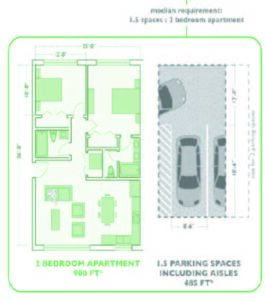
Historically, zoning codes have required excessive parking spaces per residential unit, often regardless of the location or the actual transportation needs of residents. These requirements drive up development costs and consume valuable land, making smaller‑scale developments less feasible. On average above-grade parking can cost $24,000 per space, adding significant costs to development projects.3 Parking minimums are particularly burdensome for missing middle housing, which often targets walkable, transit-oriented areas where residents are less likely to rely on cars.
Reform Opportunities
- Reduce or eliminate parking minimums. Cities like Minneapolis and Cambridge have eliminated parking minimums citywide, enabling developers to allocate space and funding to housing instead of parking.4
- Adopt parking maximums. Parking maximums can be an effective strategy in areas where community pressures request transit accessible projects to provide extra parking. Cities such as Portland, OR, have introduced parking maximums in transit‑accessible areas to further incentivize dense, transit-oriented development. Parking maximums establish clear expectations for developers and help address lender concerns, as lenders have historically required high parking ratios.
- Encourage shared parking models. Encouraging shared parking arrangements can optimize underused parking spaces while reducing the burden on individual projects. Missing middle projects in urban settings can leverage nearby parking garages as alternative parking options in order to preserve space on-site.
Minimum Lot Size and Efficient Land Use
Minimum lot size requirements often hinder MMH by mandating unnecessarily large parcels, which limit development and discourage efficient land use. Reforming these standards is essential to unlocking opportunities for diverse housing typologies, particularly for homeownership, and for optimizing fragmented or irregular parcels. Lot consolidation and partitioning, in particular, are key processes for enabling missing middle housing. However, these procedures often come with significant costs and lengthy approval timelines, making them prohibitive for smaller-scale developments. Cities can employ creative strategies to streamline these processes, reducing barriers to affordable homeownership.
Reform Opportunities
- Reduce minimum lot size requirements. By lowering minimum lot size requirements, municipalities can create more opportunities for duplexes, triplexes, and townhomes, making better use of existing land. Smaller lots are particularly important in urban areas where land is scarce and expensive.
- Permit floor area averaging. Allowing developers to utilize floor area ratio (FAR) averaging across parcels, even when non-adjacent, is a key tool for efficient land use. For instance, the Downtown Community Plan in Los Angeles enables “as of right” FAR averaging across multiple lots, helping maximize density and site potential without requiring costly parcel consolidation. Extending such strategies to MMH would create flexibility for small-scale developments in urban and suburban areas.
- Streamline subdivisions for homeownership. Subdivision processes often delay or derail missing middle projects. Simplifying these procedures is critical for affordable small-scale ownership models, such as townhomes. The City of Los Angeles Small Lot Ordinance, for example, allows developers to build fee-simple homes on smaller parcels with minimal discretionary review, reducing costs and enabling diverse housing types.
Lot Coverage and Setback Rules
Lot coverage and setback rules, which limit the percentage of a lot that can be developed, can also inhibit the construction of missing middle housing. These restrictions often result in inefficient land use, and prohibit MMH typologies such as bungalow courts, scattered site development, and row houses.
Reform Opportunities
- Increase lot coverage allowances. Reforming these rules to permit greater coverage for small-scale multifamily housing can encourage more compact and efficient designs.
- Allow flexible setback requirements. Permit reduced or zero setbacks in urban and transit-accessible areas to enable more efficient use of land and create a cohesive streetscape, especially for row houses and townhomes.
- Incorporate design best practices for privacy and comfort. Solutions include offsetting or screening windows to minimize sightlines, positioning balconies to avoid overlooking private spaces, and incorporating upper-story step-backs to reduce the visual impact on adjacent properties.
Floor Area Ratio (FAR) and Density
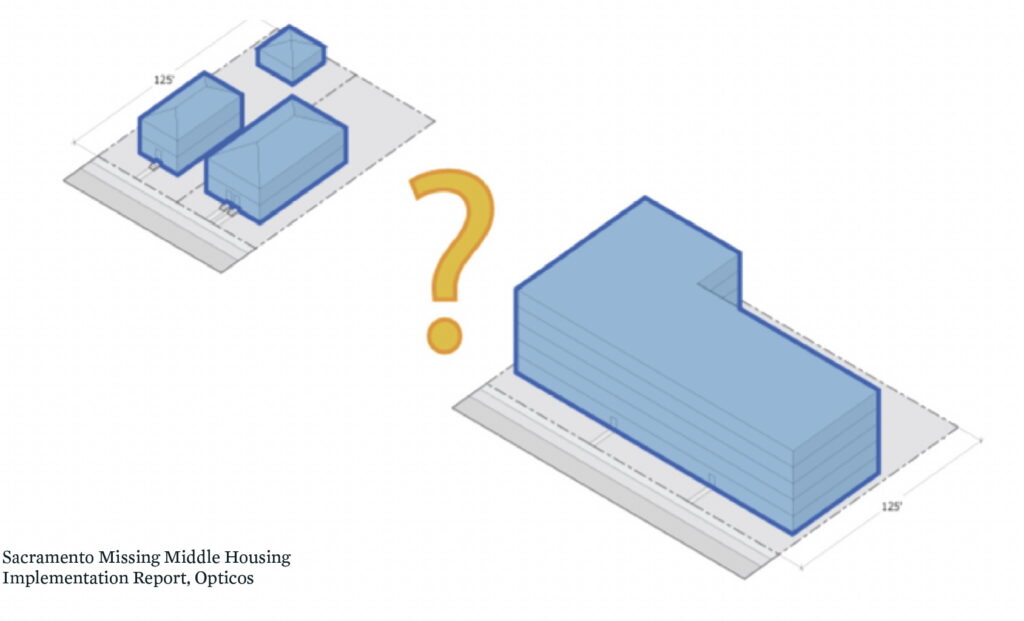
The development of MMH is often constrained by two regulatory metrics: floor area ratio (FAR), which limits the total buildable square footage on a lot, and density restrictions, which cap the number of housing units permitted based on lot area. These two metrics are frequently misaligned, creating unnecessary barriers to producing diverse housing types. For instance, a lot may allow a large single-family home but prohibit a fourplex of equivalent size, despite both fitting within the same building envelope. Aligning these metrics can unlock the potential of missing middle housing while maintaining neighborhood character.
Reform Opportunities
- Incorporate relational zoning. Remove FAR maximums and focus on context-based form standards such as relational height and building width standards. Relational zoning standards enable projects to adapt to the surrounding context. Relational height standards should start with a three-story baseline and permit up to two additional stories if neighboring structures are taller. Relational building width standards should be informed by a case study of neighborhood conditions and include maximum widths to prevent full-block monolithic structures. This approach encourages gentle density, optimizes land use, and supports neighborhood evolution without requiring discretionary approvals or rezoning.
- Implement flexible unit sizes. Allow developers to determine unit configurations rather than imposing strict density caps. This enables a mix of smaller and larger units within the same building envelope, providing housing diversity while preserving a contextual building envelope.
- Establish “as of right” pre-approved missing middle typologies. Typologies such as duplexes, triplexes, fourplexes, townhouses, and courtyard apartments can be exempt from FAR and density restrictions. These pre-approved plans increase transparency, streamline the development process, and lower costs, creating opportunities for smaller-scale developers.
- Streamline adaptive reuse provisions. Introduce zoning allowances for converting existing buildings, like single-family homes or underutilized commercial structures, into multifamily housing without needing full rezoning.
Building Code
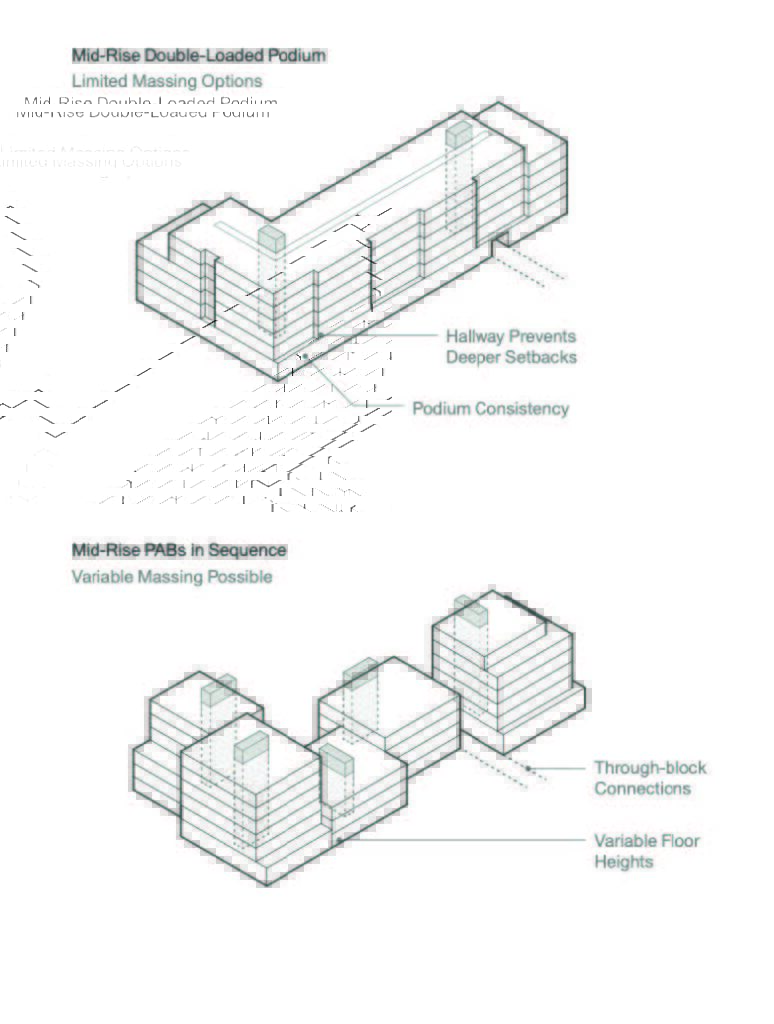
All buildings are governed by rules for health, safety, and occupant welfare, which is known as the building code. There are two main code types: residential (in Massachusetts, this applies to single family homes and duplexes) and commercial (3+ unit homes, which are considered multifamily homes, and mixed‑use buildings). By definition, Missing Middle Housing falls between single-family homes and larger-scale multifamily buildings—which means that often, these home types must comply with rigorous commercial code requirements that are simply not worth a triplex or quadplex. While building code is governed at the state level and is difficult to shift, one interesting solution around the regulation of staircases has recently emerged from researchers at Utile Planning and Design, Boston Indicators, and the Harvard Joint Center for Housing Studies.
Reform Opportunities
- Allow increased flexibility for single-stair residential buildings, or Point Access Blocks (PABs). Currently in Massachusetts (in addition to other states and localities), building code mandates that structures between three to six stories require two staircases, or means of egress. This requirement greatly hinders project and design flexibility, especially on smaller or infill lots, and instead incentivizes larger‑scale, uniformly designed residential buildings. Single-stair construction would open up access to smaller lots in more walkable, dense places—which often align with missing middle typologies and character. As the report Legalizing Mid-Rise Single-Stair Housing in Massachusetts explains, “The allowance of a single stair is critical to achieving the kind of urban variety that our cities need and that the public deserves but, without a change to the building code, will be only seen abroad or in unrealized designs not yet subject to the realities of market-driven housing production.”5
Development Review Process
There are fundamental differences—in size, scale, and complexity—between missing middle housing projects and large-scale multifamily or mixed-use developments, but these differences are not often reflected in the development review process. This means that smaller-scale, community-oriented developers are navigating the same byzantine, lengthy review processes as much more advanced outfits, incurring disproportionate per-unit development fees, while simultaneously being excluded from certain development incentives that are geared towards scaled projects. Luckily, there is consensus that development review is ripe for more nuanced, sophisticated reform. As Boston’s recently released Article 80 (or development review) Modernization Action Plan concedes, “Development review in Boston is broken. Today’s process is lengthy, opaque, and unpredictable, which, when coupled with an outdated zoning code, makes it harder to grow our city.”6
Reform Opportunities
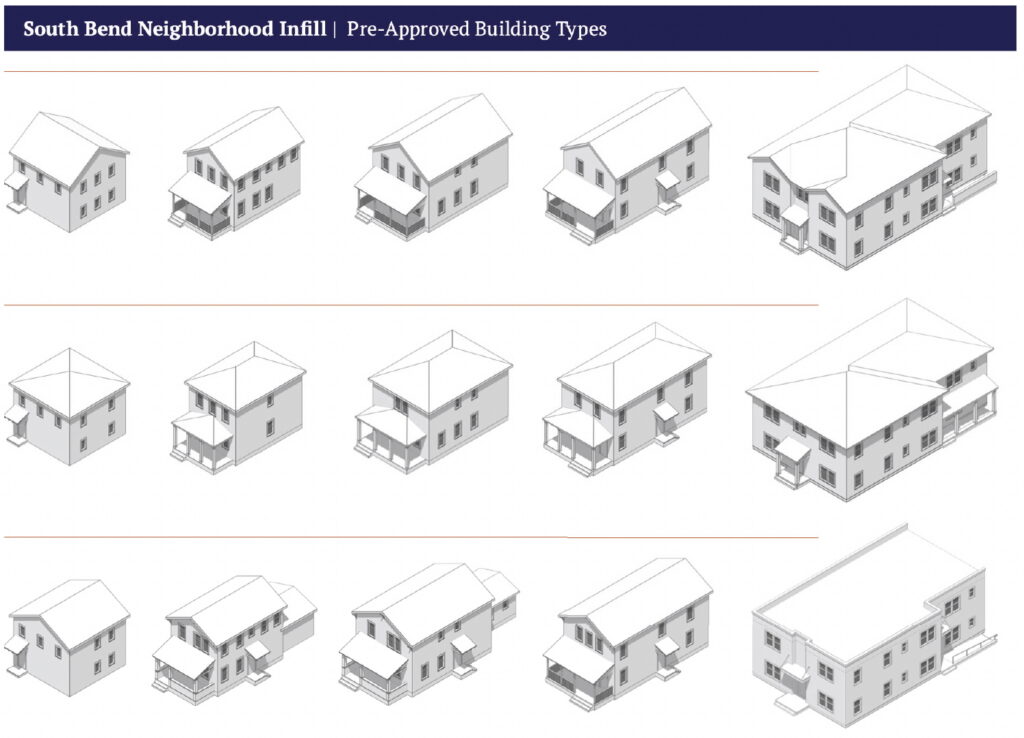
- Enable by-right construction or pre‑approved plans. Municipalities can permit missing middle home types “by-right,” or without the need for conditional review or additional approval.7 To take this concept even further, pre-approved plan sets for context-sensitive missing middle typologies can be deployed within city limits, so long as developers meet all site plan review requirements. These steps can significantly speed up the development review process.
- Streamline smaller project review. Differentiate the review processes for missing middle and larger-scale multifamily developments, acknowledging that missing middle developers are often small shops without the capacity for lengthy and burdensome review processes. Municipalities can send a clear signal that they are amenable to and supportive of smaller-scale development by providing clear, streamlined, and simplified development review, including reducing development fees proportionally for smaller-scale projects.
Part 2: Financing the Missing Middle: Exploring Creative Approaches to Achieving Feasibility
Why is the Missing Middle So Difficult to Finance?
Even after overcoming regulatory barriers, financing missing middle housing remains a significant challenge, largely due to risk. The lack of precedents in this market complicates underwriting, leading to higher interest rates. The current financial system is designed primarily to support either single-family homes or large multifamily developments, leaving missing middle projects at a disadvantage. Additional legal risks, particularly for condominium projects, further deter small-scale builders. Policies like construction defect liability amplify this risk, causing many developers to hesitate. Liability concerns also drive up insurance premiums for small developers, often to prohibitive levels.8 Implementation barriers also increase costs. For example, buildings with three or more units are often treated the same as large multifamily structures, significantly raising construction expenses for missing middle projects.
Now, let’s take a look at what can be done to break down these barriers.
Diversifying the Developer Pool
Large developers often avoid building at the scale of missing middle, making it essential to focus on building the capacity of small-scale developers as a long-term solution. Insights from stakeholder interviews reveal that smaller, regional developers are frequently the ones taking on these midsize projects.9 This is because these developments are more manageable in terms of capital, resources, and logistics, making them a better fit for small-scale builders. They are often mission-driven, deeply connected to their communities, and more attuned to local demands and design preferences.
Additionally, small developers tend to expect lower returns and often have closer relationships with their investors. Because these developers often don’t have access to the global pool of real estate capital, they often have to get creative—many have established lasting relationships with a handful of investors, and early in their careers, investment came primarily from friends, family, and other investors close to them and/or that believe in their mission.10
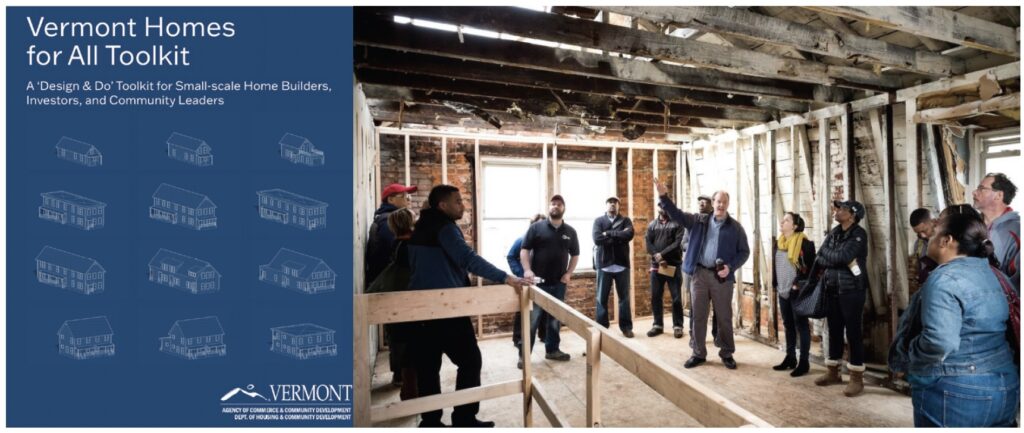
To build this capacity, prioritizing small‑scale builders with local ties in public land disposition processes is crucial. Empowering these developers with resources such as toolkits, technical assistance, and ready-to-use design templates can further enhance their ability to deliver missing middle solutions effectively.
Public-Private Partnership
While missing middle housing often produces naturally lower-cost market-rate units without the aid of subsidies, construction costs don’t often allow these projects to pencil in cash markets. Missing middle typologies are particularly well-suited to addressing middle-income housing needs and are a great fit for affordable homeownership programs, so developers may want to consider seeking subsidy for some or all units. By forming partnerships with public sector agencies or leveraging incentive programs, there is an opportunity to advance density goals while also delivering affordability co-benefits through mixed-income or affordable housing initiatives.11 Public sector collaboration can also sometimes help by streamlining the development approvals process, thus reducing upfront costs for developers.
Municipalities seeking to actively promote gentle density might consider offering incentives for density, such as Portland’s successful accessory dwelling unit program. This program waives development charges and offers access to pre-approved plans.12
Additionally, new financing mechanisms, such as the Cambridge Redevelopment Authority’s Housing Capital Fund that provides below-market-rate financing for stalled missing middle infill projects, highlight innovative approaches to how the public sector can go even further to support this critical housing typology.13
Looking Forward
How can missing middle housing become a less risky investment? To begin, the market and regulatory environment must clearly signal that this type of housing is both a priority and a sound investment. Such a shift would pave the way for more advantageous underwriting terms, making these projects more financially feasible.
The Terner Center for Housing Innovation emphasizes that scaling missing middle development will require a fundamental transformation in the marketplace. They conclude that developers could pursue these projects more readily if underwriting terms for convertible construction-to-permanent loan products were more favorable, land use codes actively prioritized missing middle housing over single-family homes rather than merely permitting it, lot splitting for fee-simple townhome development were simplified, permitting timelines and processes for missing middle projects were more predictable, and additional measures encouraged property sales in established neighborhoods.14
Part 3: Financing the Missing Middle: Making the Missing Middle Pencil
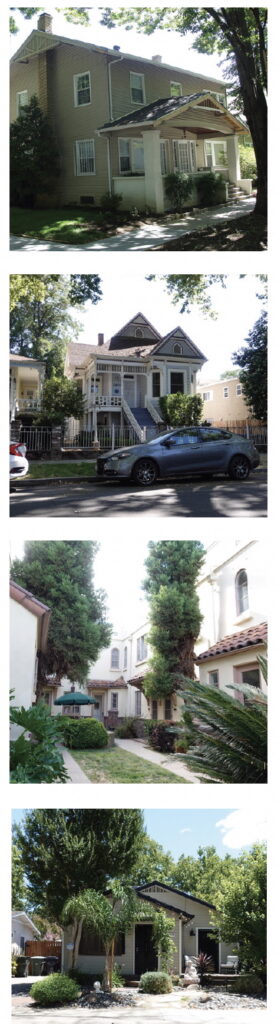
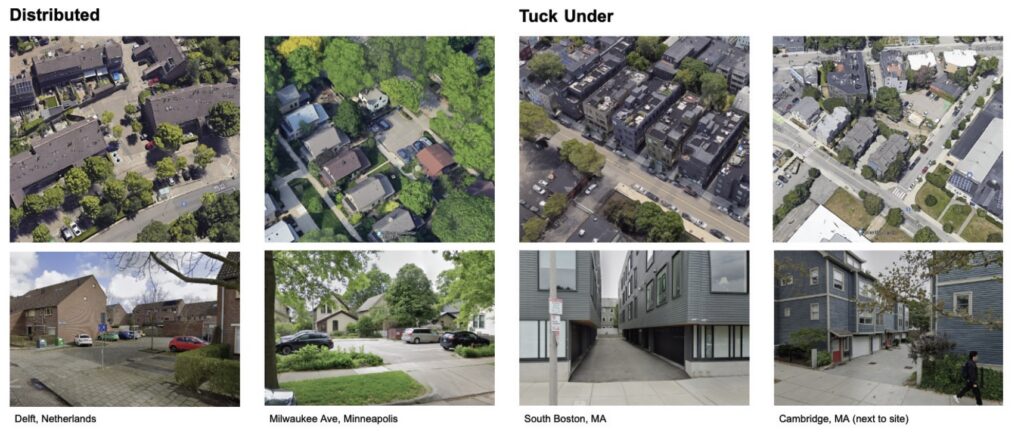
Building for the missing middle is inherently challenging. To assist in representing the difficulty of creating this housing sector, we developed the following illustrative financial pro formas. These pro forma projections use the Vermont Homes for All Toolkit sample pro formas developed by the Vermont Department of Housing and Community Development for‑rent and for‑sale “missing middle” market product types. These projections are meant for illustrative purposes only, but they build on two real-world case studies for proposed development sites—one in Cambridge, MA, and one in Burlington, VT. In practice, the typology labeled as “Stacked Row” would likely be subdivided into smaller units than the unit sizes indicated below.
The basic assumptions are outlined in the table below, but both examples make use of the group’s understanding of the general construction and development costs of the respective sites. To fully develop proformas for these selected sites would require additional due diligence outside the scope of this project, but the examples below demonstrate how difficult it is to create financially feasible middle-market housing. In addition to the stated assumptions, both sites assume a 24‑month construction period and a land purchase price of $100,000. For the rental product, interest is capitalized at 7.00%. The for-sale product assumes full pre-sale of constructed units and therefore does not assume capitalizing any portion of the construction interest. This choice was made to maximize the potential proceeds from the development and may not represent actual development requirements.
Case Study: Cambridge, MA Site
Situated in the heart of Cambridge, Massachusetts, our case study site is located in one of Greater Boston’s most dynamic urban neighborhoods. Cambridge is home to globally renowned institutions like Harvard University and MIT, and its eclectic mix of historic charm and cutting-edge innovation has made it a hub for both residents and businesses. However, like much of the Boston metropolitan area, Cambridge faces a housing crunch, with high demand for both market‑rate and affordable units.
The site lies at a prime location just blocks from Harvard Square, a vibrant node of retail, dining, and public transit access. The property currently sits as largely vacant land but is poised for redevelopment opportunities that align with Cambridge’s push for more sustainable, mixed-use developments. The site’s adjacency to Harvard’s campus, Fresh Pond, and the Charles River provides unique opportunities to integrate new housing units and pedestrian-oriented amenities.
Key redevelopment questions include:
- How can this site contribute to Cambridge’s goal of fostering greater housing equity and supply?
- Does missing middle housing pencil on this site?
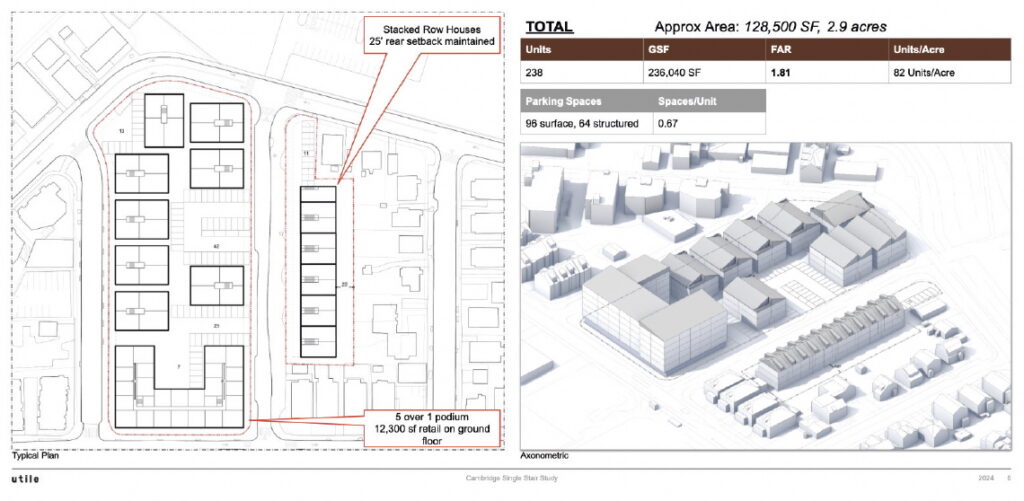
As a case study, this site offers the potential to examine the feasibility of middle market housing development in one of the most amenity rich, yet expensive, areas of the United States.
Case Study: Burlington, VT
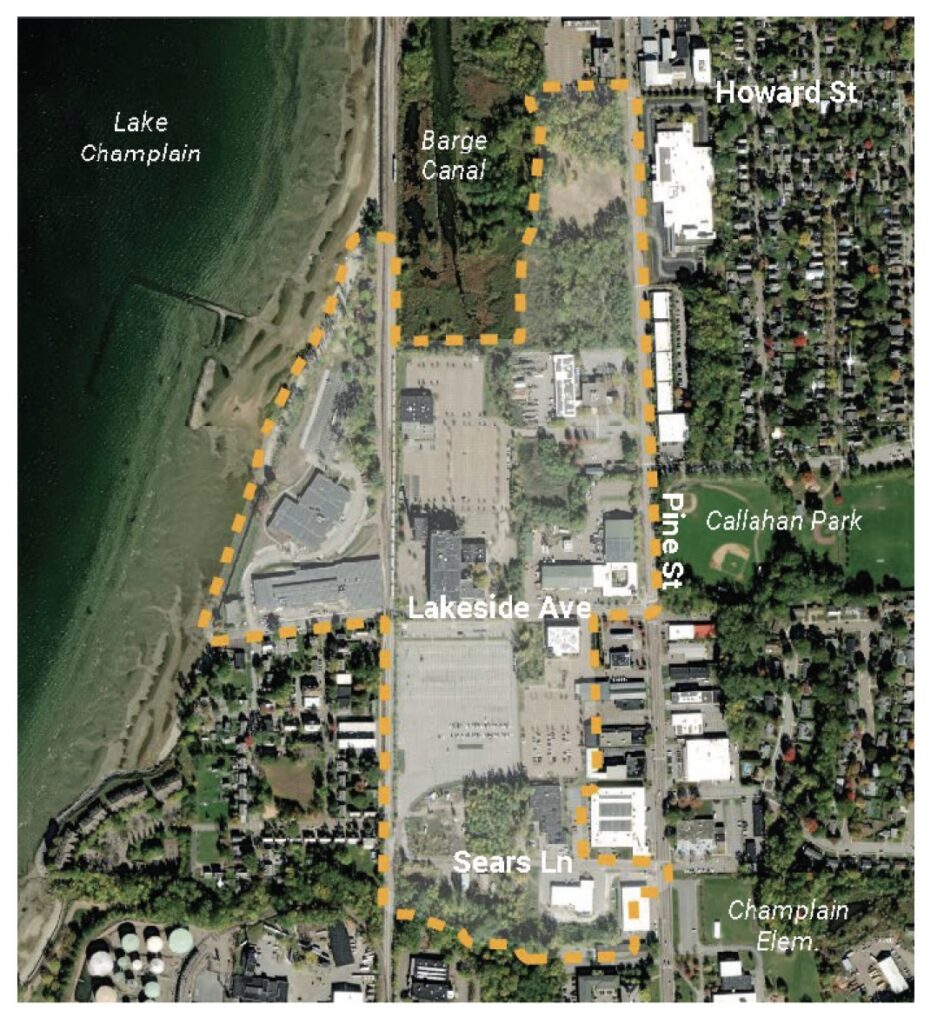
Perched on the shores of Lake Champlain, Burlington is Vermont’s largest city, with just shy of 45,000 residents. Home to the University of Vermont, Burlington hosts a vibrant mix of small businesses along its pedestrian-only thoroughfare, Church Street, which teems with students and locals alike. However, like many other cities and towns in the state and region, Burlington is facing a housing crisis—and missing middle housing has emerged as one answer to incrementally bring new units online.In the South End of Burlington, the City is stepping up as a major partner to catalyze a new neighborhood-scale development project on 13 acres that will create 1000+ homes, commercial and maker spaces, office startups, artist studios, and a vibrant public realm plan.

The recently rezoned South End Innovation Zoning Overlay District (SEID) seeks to answer the following question: How can large surface parking lots and other underutilized sites on and near Lakeside Avenue be re-envisioned to:
- Become vibrant places that enhance and preserve South End identity
- Create new space for makers, jobs, and even homes
- Increase the area’s environmental and economic resilience15
Our case study site, 68 Sears Lane, falls within the SEID, and is owned by the City. While the parcel will ultimately host a multiplicity of uses, we focused on neighborhood-scale housing typologies including stacked row houses and single stair apartments.
Pro Forma Summary
Table 1: Proposed Unit Mix for Four Test Scenarios – Cambridge and Vermont Sites
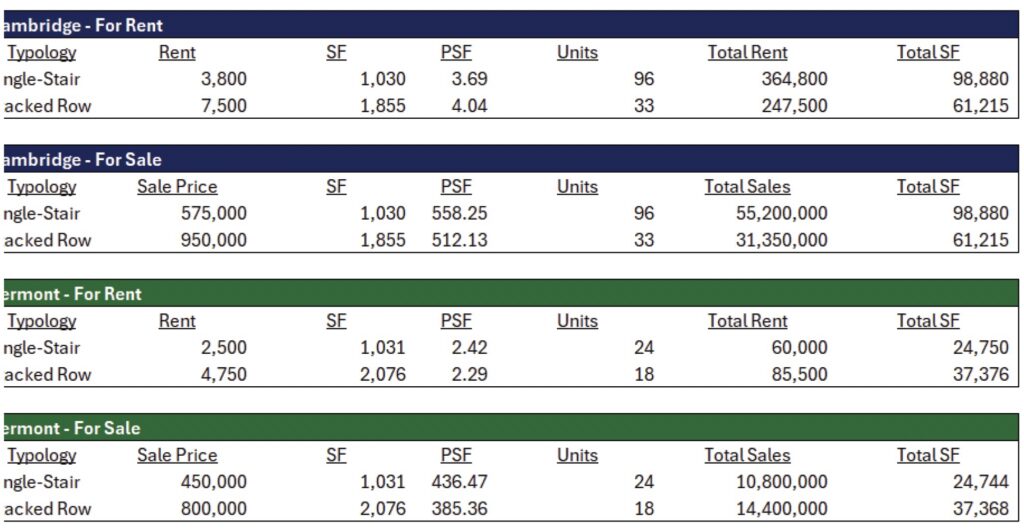
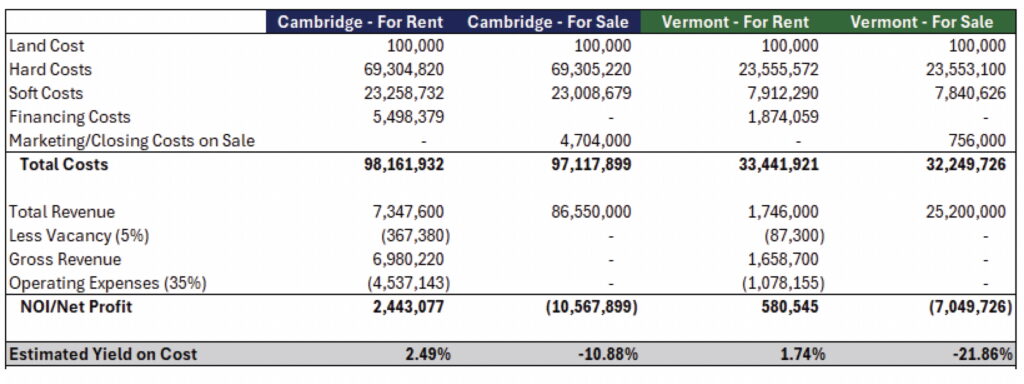
Table 2: Estimation of Yield on Cost – Cambridge and Vermont Sites
Why the Missing Middle Doesn’t Pencil: Analysis of Costs
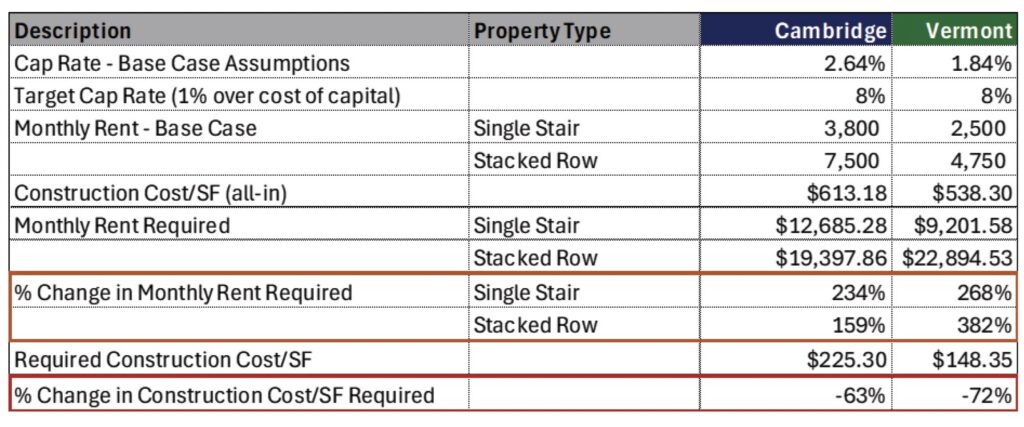
The return measures for sale and rent for both case study sites are not favorable to motivate investments into the supply of missing middle housing. Given that the returns are a function of inflows (sale income or rents) and the associated costs (construction costs and/or operating expenses), it becomes imperative that an attempt to make the supply of missing middle housing work necessarily has to look at the two components—maximizing the revenues or minimizing the costs. Considering that the market generally sets a “notional cap” on how much prices or rents can be fixed, developers are primarily left with the option of minimizing the associated costs in order to deliver returns which are decent enough to generate investments into the supply of missing middle housing. In the analysis of the two sites, we assumed that investors will require a cap rate of at least 100 basis points over the 7% cost of capital (8% cap rate) to have an economic justification to invest in missing middle housing.
As shown in Table 3, at the projected rent levels (market rents based on the Area Median Incomes), construction costs need to reduce by 63% to 72% to achieve the target 8% cap rate. On the other hand, if costs are kept at their current levels, rents have to be increased between 159% and 382% over the current levels to achieve the target 8% cap rate.
Analysis of Construction Costs
Hard construction costs constitute the most part of the total cost of constructing missing middle housing. Hard construction costs account for about 70% of the total construction budget for both sites and represent a reasonable estimate for more construction projects of this type.
Hard construction costs remain the single most significant component of total construction costs. This entails costs incurred on site preparation, off-site improvements, actual construction (materials, labor, equipment, among others), contingencies, and other costs directly related to the actual construction of the development.
The size of actual construction costs emphasizes the need for innovation in building methods, material choices, labor sources, and other critical elements in the bid to minimize costs. While contingencies are general provisions to cater for unforeseen events such as unexpected site conditions, design errors, increase in material costs, unfavorable weather conditions, or changes in regulations, their significance in the composition of the overall hard costs emphasizes the need for a very thoughtful and collaborative design and planning process for missing middle housing development.
Bibliography
- “Apply for an Accessory Dwelling Unit (ADU) System Development Charge Waiver | Portland.Gov.” Accessed November 6, 2024. https://www.portland.gov/ppd/residential-permitting/adu-sdc-waiver.
- “Burlington City Council Passes Major Zoning Overhaul, Paving Way for More Housing – VTDigger.” Accessed November 15, 2024. https://vtdigger.org/2024/03/26/burlington-city-council-passes-major-zoning-overhaul-paving-way-for-more-housing/.
- Chen, Alyssa. “New Force in Cambridge Affordable Housing: Redevelopment Authority Starts $10M Fund.” *Cambridge Day*, September 16, 2024. https://www.cambridgeday.com/2024/09/16/new-force-in-cambridge-affordable-housing-redevelopment-authority-starts-10m-fund/.
- City of Boston Planning Department. *Article 80 Modernization Draft Action Plan for Improving Boston’s Development Process.* Boston, MA, 2024.
- “Homes for All: A ‘Design & Do’ Toolkit for Small-Scale Home Builders, Investors & Community Leaders | Agency of Commerce and Community Development.” Accessed November 16, 2024. https://accd.vermont.gov/homesforall.
- Lorin, Eddie. “Financing Solutions for the Missing Middle.” *Multi-Housing News* (blog), December 23, 2021. https://www.multihousingnews.com/affordable-housing-in-2022-addressing-the-missing-middle/.
- Opticos Design. “Citywide Missing Middle Housing Implementation Study.” Accessed November 15, 2024. https://opticosdesign.com/work/citywide-missing-middle-housing-implementation-study/.
- “PlanBTV: Comprehensive Plan.” Burlington, VT, August 2019.
- Riecke, John. “Choosing to Build Two Parking Spaces or Two Bedrooms Shouldn’t Be Difficult.” *DenverUrbanism* Blog. Accessed November 15, 2024. https://denverurbanism.com/2016/12/choosing-to-build-two-parking-spaces-or-two-bedrooms-shouldnt-be-difficult.html.
- South Bend, Indiana. “Build South Bend: Pre-Approved Building Plan Sets.” Accessed November 6, 2024. https://southbendin.gov/bsb/preapprovedplans/.
- “South End Coordinated Redevelopment | Burlington, VT.” Accessed November 21, 2024. https://www.burlingtonvt.gov/202/South-End-Coordinated-Redevelopment.
- Steuteville, Robert. “A Primer on Missing Middle Housing.” CNU, January 6, 2023. https://www.cnu.org/publicsquare/2023/01/06/primer-missing-middle-housing.
- Terner Center for Housing Innovation. “Construction Defect Liability in California: How Reform Could Increase Affordable Homeownership Opportunities,” July 2024. https://ternercenter.berkeley.edu/research-and-policy/construction-defect-liability/.
- Terner Center for Housing Innovation. “Making Missing Middle Pencil: The Math Behind Small‑Scale Housing Development,” June 2024. https://ternercenter.berkeley.edu/research-and-policy/making-missing-middle-pencil-the-math-behind-small-scale-housing-development-2024/.
- Sv@home, Karen, San Spur, and Jose. 2016. “Missing Middle Housing Responding to the Demand for Walkable Living.” ↩︎
- Tomasso, Amy, Raymond Narbi, and Ian Hatch. Interview with Ian Hatch, Fulcrum Development. ↩︎
- Metropolitan Area Planning Council. Perfect Fit Parking: Executive Summary. ↩︎
- Marshall, Alex. “Free Parking? Why Reforming Parking Policy Is Critical to Tackling Urban Challenges.” ↩︎
- “Legalizing Mid-Rise Single-Stair Housing in Massachusetts: a Report on the Impact of Allowing Mid-Rise Point Access Blocks on Housing Design and Development in Greater Boston and Beyond.” 2024. ↩︎
- “Article 80 Modernization Draft Action Plan.” Bostonplans.org. ↩︎
- “Build South Bend: Pre-Approved Building Plan Sets.” Build South Bend. ↩︎
- Terner Center for Housing Innovation, “Construction Defect Liability in California.” ↩︎
- Tomasso, Amy, Brittany Arceneaux, Abby Glass, and Dan Parolek. Interview with Dan Parolek, Opticos. ↩︎
- Terner Center for Housing Innovation, “Making Missing Middle Pencil.” ↩︎
- Lorin, “Financing Solutions for the Missing Middle.” ↩︎
- “Apply for an Accessory Dwelling Unit (ADU) System Development Charge Waiver | Portland.Gov.” ↩︎
- Chen, “New Force in Cambridge Affordable Housing.” ↩︎
- Terner Center for Housing Innovation, “Making Missing Middle Pencil.” South End Innovation District, “South End Innovation District Planning Commission Presentation Summary.” ↩︎
- South End Innovation District, “South End Innovation District Planning Commission Presentation Summary.” ↩︎