Marlon Blackwell, “Radical Practice”
Marlon Blackwell, “Radical Practice”
Event Description
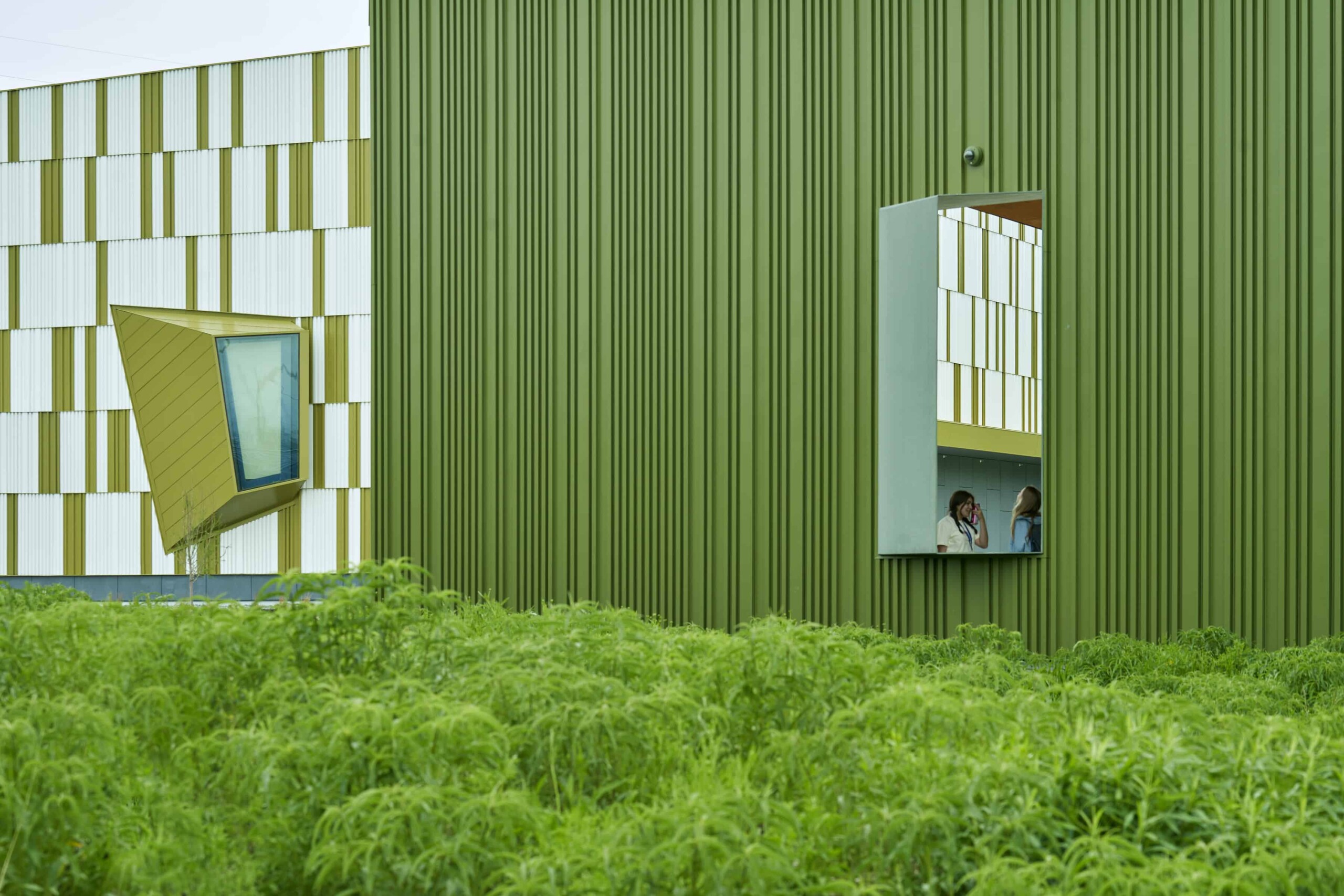
Marlon Blackwell will discuss his architecture and design process and will introduce ‘Radical Practice: The Work of Marlon Blackwell Architects’, a new monograph released in June 2022 by Princeton Architectural Press. The iconic and award-winning designs span across typologies, scales, and budgets by merging the universal language of architecture and the particulars of place. The lecture discusses the richness of the work, its methods, and its consequences – suggesting an open-endedness, at once generous and provocative, to the practice’s trajectory and interest in what a “radical practice” can be. A core principle at the heart of the practice, radical in its fundamental simplicity, is how the making of buildings and places is a constant, authentic focus.
Speaker
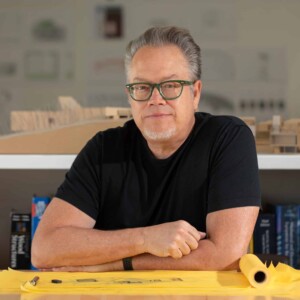
Marlon Blackwell, FAIA, is a practicing architect in Fayetteville, Arkansas, and is teaching as the John Portman Design Critic in Architecture at the Harvard University Graduate School of Design for the Spring of 2024. He also serves as the E. Fay Jones Distinguished Professor at the Fay Jones School of Architecture and Design at the University of Arkansas. In 2020, Marlon was honored with the American Institute of Architects Gold Medal. The Gold Medal is the AIA’s highest annual honor, recognizing individuals whose work has had a lasting influence on the theory and practice of architecture. Blackwell is a lifetime member of the American Academy of Arts and Sciences (2023) and the American Academy of Arts and Letters (2021), a 2019 Resident Fellow of the American Academy in Rome, a 2014 United States Artists Ford Fellow, and a 2016 Cooper Hewitt National Design Award recipient in Architecture. Work produced in his professional office, Marlon Blackwell Architects (MBA), has received significant recognition with the firm winning over 180 design awards. In 2022, Marlon released Radical Practice, a monograph of MBA’s recent work, published by Princeton Architectural Press.
Malkit Shoshan, “Designing Within Conflict”
Malkit Shoshan, “Designing Within Conflict”
Speaker
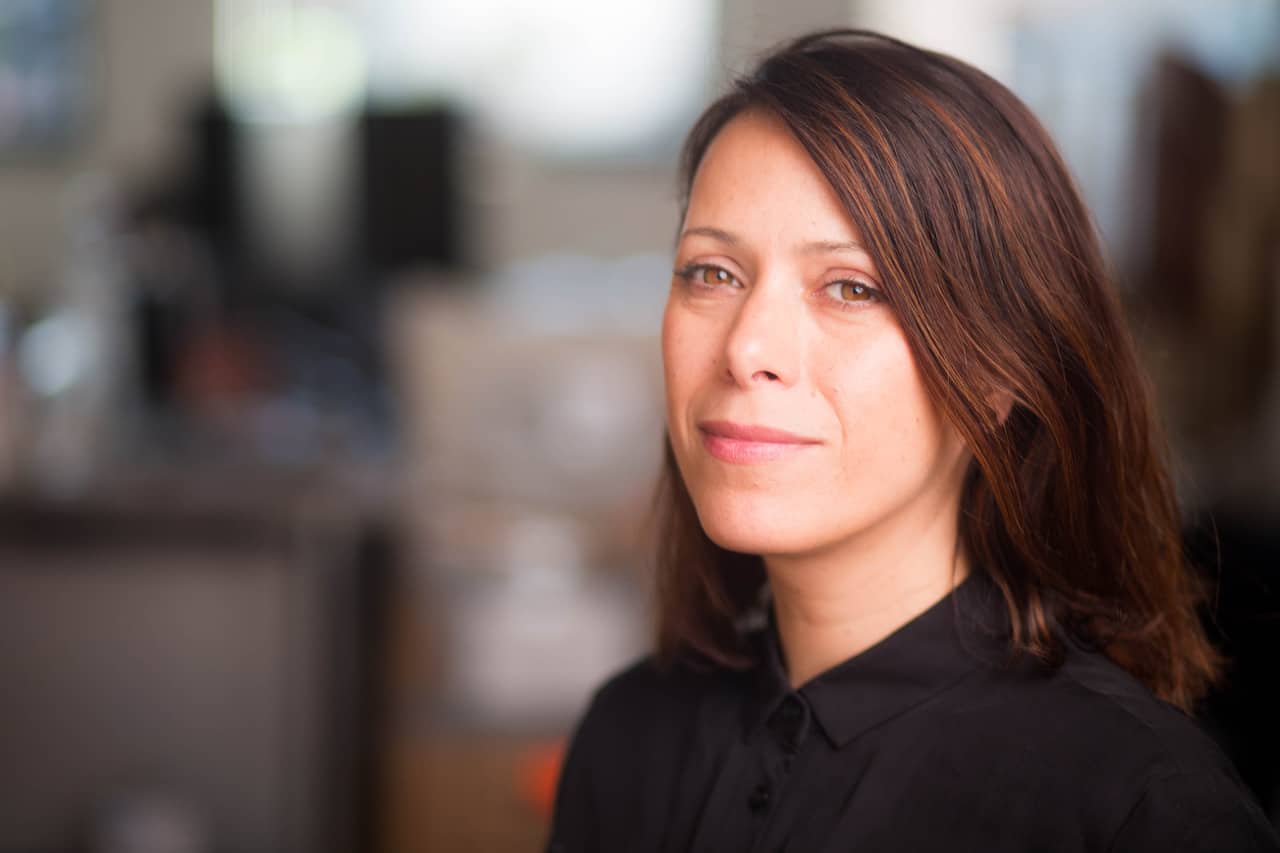
Malkit Shoshan is a designer, author, and educator. She is the founding director of the Foundation for Achieving Seamless Territory (FAST), which initiates and develops projects at the intersection of architecture, urban planning and human rights. In her work, she uses spatial design tools to make visible systemic violence, engage with various publics to co-design alternatives that center social and environmental justice, and advocate for systemic change.
Shoshan is a design critic in Urban Planning at Harvard University’s Graduate School of Design, and a visiting scholar at NYU’s Institute for Public Knowledge. She is the author and mapmaker of the award-winning book “Atlas of the Conflict, Israel-Palestine” (010 Publishers, 2011), the co-author of “Village. One Land Two Systems and Platform Paradise” (Damiani Editore, 2014), and the author and illustrator of “BLUE: The Architecture of UN Peacekeeping Missions” (Actar, 2023). Her additional publications include “Zoo, or the letter Z, just after Zionism” (NAiM, 2012), “Drone” (DPR-Barcelona, 2016), “Spaces of Conflict” (JapSam books, 2016), “Greening Peacekeeping: The Environmental Impact of UN Peace Operations” (IPI, 2018), and “Retreat” (DPR-Barcelona, 2020). Her work has been published and exhibited internationally. In 2021, she was awarded, together with FAST, the Silver Lion at the Venice Architecture Biennale for their collaborative presentation “Border Ecologies and the Gaza Strip.”
Pedro Gadanho, “Priorities Reversed: From Climate Agnosticism to Ecological Activism”
Pedro Gadanho, “Priorities Reversed: From Climate Agnosticism to Ecological Activism”
Event Description
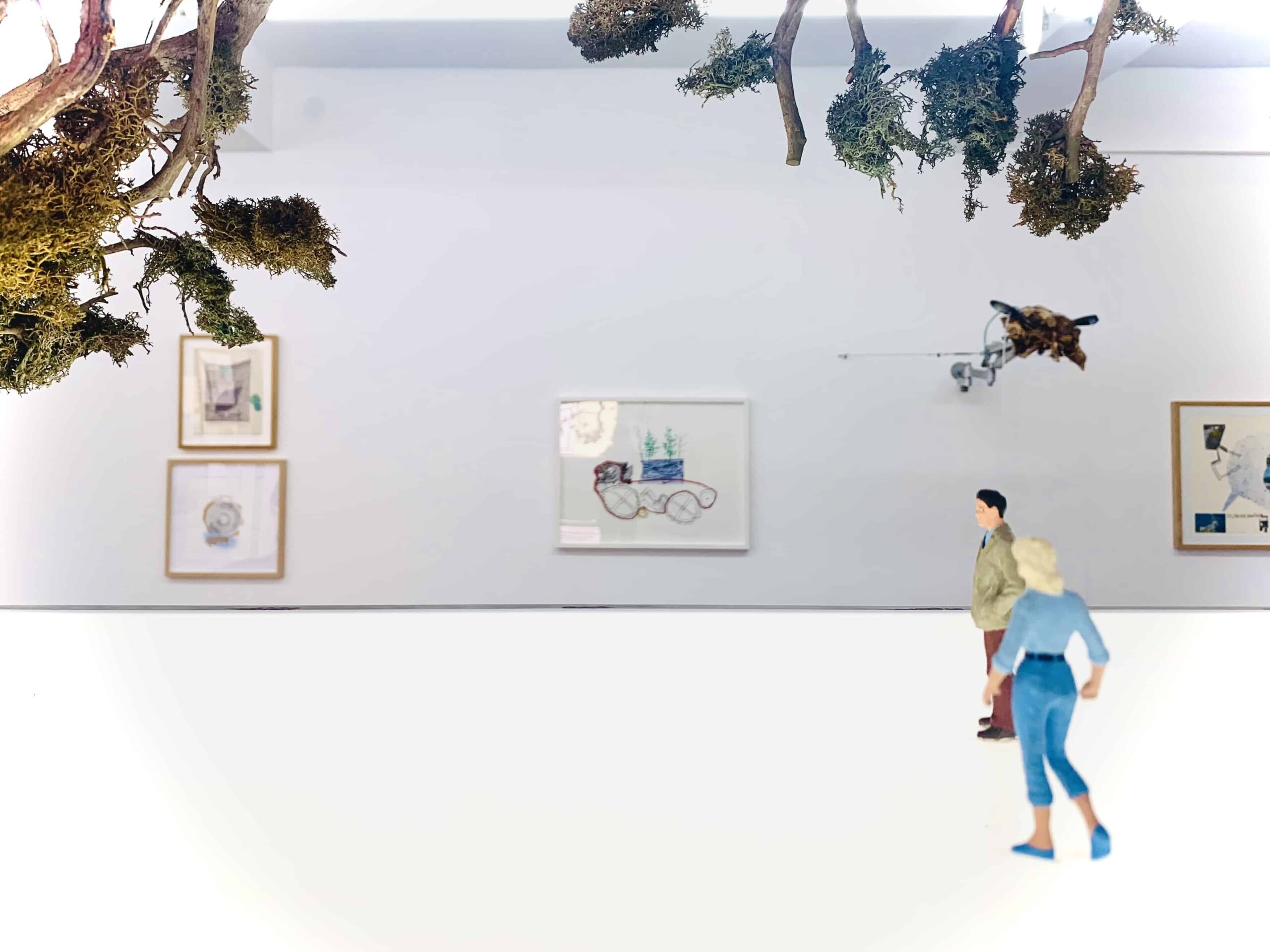
Rather than slowly immersing in the subject of the ecological emergency, if one suddenly dives into its depths, the experience can be irreversibly transformative. Based on a personal trajectory of exhibitions, books and projects, this talk dwells on how such a radical reversal can alter not only one’s worldview, but also what kind of action and practice one accepts to pursue after their priorities have undergone a radical change.
Speaker
Pedro Gadanho is an architect, curator and author. A 2020 Loeb Fellow from Harvard University, Gadanho holds an MA in art and architecture, and is a PhD in architecture and mass media. From 2012 to 2016, he was the curator of contemporary architecture at the Museum of Modern Art, New York, where he coordinated the Young Architects Program and curated exhibitions such as 9+1 Ways of Being Political, Uneven Growth, and A Japanese Constellation. Between 2015 and 2019, he was the founding Director of MAAT, the Museum of Art, Architecture and Technology, in Lisbon, where he initiated more than 50 exhibition projects, including shows and publications such as Utopia/Dystopia, Tension & Conflict, and Eco-Visionaries. During 2020-21, he led a bid for European Capital of Culture 2027 by a coalition of 17 cities in Portugal’s interior, and became a Guest Professor at the University of Beira Interior. He has edited the BEYOND bookazine, the ShrapnelContemporary blog, and contributes regularly to international publications. He wrote Arquitetura em Público, a recipient of the FAD Prize for Thought and Criticism in 2012. In 2022, he launched Climax Change! How Architecture Must Transform in the Age of Ecological Emergency (ACTAR Publishers: New York/Barcelona).
Garnette Cadogan, “‘The Ground is All Memoranda’: Walking as Register, Responsibility, and Reenchantment”
Garnette Cadogan, “‘The Ground is All Memoranda’: Walking as Register, Responsibility, and Reenchantment”

Speaker
Garnette Cadogan’s research explores the promise and perils of urban life, the vitality and inequality of cities, and the challenges of pluralism. Cadogan is the Tunney Lee Distinguished Lecturer in Urbanism at MIT Department of Urban Studies and Planning and is a Visiting Scholar at the Institute for Public Knowledge at New York University and a Fellow at the Institute for Advanced Studies in Culture at the University of Virginia.
Mario Carpo, “Generative AI, Imitation, Style, and the Eternal Return of Precedent”
Mario Carpo, “Generative AI, Imitation, Style, and the Eternal Return of Precedent”
Event Description
Generative AI does not create new images out of thin air; it generates images that have a “certain something” in common with a selection of images we have fed into it. This selection, often called a “dataset,” can be generic or custom-made; either way, Generative AI automates the imitation and replication of some of its common visual features, often known in the past as styles. Imitation was for centuries the backbone of the classical tradition in European art, and it was de facto banned by 20th-century modernism for many good reasons. As the rise of Generative AI is bringing the practice of imitation back to our design schools and to the design professions, we urgently need to learn again what imitation is, how it works, what it does, and how we can deal with it today, in critical and creative terms. Every dataset is a canon, but every reference to precedent is based on preference, and we know all too well that preference is often a proxy for prejudice.
Speaker
Reyner Banham Professor of Architectural Theory and History, the Bartlett School of Architecture, UCL London; Professor of Architectural Theory at Die Angewandte (University of Applied Arts), Vienna (emeritus).
Mario Carpo was the Head of the Study Centre at the Canadian Centre for Architecture in Montréal from 2002 to 2006, Vincent Scully Visiting Professor of Architectural History at the Yale School of Architecture from 2010 to 2014 and in 2017, Senior Scholar in Residence at the Getty Research Institute (2000-2001); Resident at the American Academy in Rome (2004); Guggenheim Fellow (2022-2023); etc.
Mr. Carpo’s research and publications focus on the history of early modern architecture and on the theory and criticism of contemporary design and technology. His award-winning Architecture in the Age of Printing (MIT Press, 2001) has been translated into several languages. His most recent books are The Alphabet and the Algorithm (2011); The Second Digital Turn: Design Beyond Intelligence (2017); and Beyond Digital: Design and Automation at the End of Modernity (2023), all published by the MIT Press.
Malkit Shoshan and Womxn in Design: “Designing Within Conflict: Building for Peace”
Malkit Shoshan and Womxn in Design: “Designing Within Conflict: Building for Peace”

International Womxn’s Week includes a weeklong series of events organized by Womxn in Design that gather members of the GSD community to learn about and challenge notions of gender and power from within the framework of design.
Event Description
A Desert-Focused Conversation with Dr. Suhad Bishara
As part of Malkit Shoshan’s year-long appointment as this year’s Senior Loeb Scholar, she will host Dr. Suhad Bishara, a human rights lawyer and the Legal Director of Adalah, a Haifa-based human rights organization, for a conversation about the challenges confronting communities in the desert region of Israel.
As a landscape, the desert registers the enduring history of territorial boundaries, and it is a place where spatial policies are often used to facilitate the displacement of indigenous communities from their nomadic and semi-nomadic lifestyles in favor of state control. In the case of the Negev/Naqab desert in the south of Israel, nomadic and semi-nomadic routes as well as homes and grazing fields have been swiftly transformed into new towns, lone farms, nature reserves, monoculture pine forests, military bases, and industrial zones.
Such displacement—often prompted by rezoning or other state-sanctioned repurposing of the landscape—has forcibly uprooted many Bedouins from their livelihoods and cultural heritage, compelling them to settle in densely populated localities. Others who have resisted relocation find themselves subjected to multidimensional violence that is justified by state policy on land use, including militarized raids and the destruction of Bedouin settlements.
Speakers
Malkit Shoshan is a designer, author, and educator. She is the founding director of the Foundation for Achieving Seamless Territory (FAST), which initiates and develops projects at the intersection of architecture, urban planning and human rights. In her work, she uses spatial design tools to make visible systemic violence, engage with various publics to co-design alternatives that center social and environmental justice, and advocate for systemic change.
Shoshan is a design critic in Urban Planning at Harvard University’s Graduate School of Design, and a visiting scholar at NYU’s Institute for Public Knowledge. She is the author and mapmaker of the award-winning book “Atlas of the Conflict, Israel-Palestine” (010 Publishers, 2011), the co-author of “Village. One Land Two Systems and Platform Paradise” (Damiani Editore, 2014), and the author and illustrator of “BLUE: The Architecture of UN Peacekeeping Missions” (Actar, 2023). Her additional publications include “Zoo, or the letter Z, just after Zionism” (NAiM, 2012), “Drone” (DPR-Barcelona, 2016), “Spaces of Conflict” (JapSam books, 2016), “Greening Peacekeeping: The Environmental Impact of UN Peace Operations” (IPI, 2018), and “Retreat” (DPR-Barcelona, 2020). Her work has been published and exhibited internationally. In 2021, she was awarded, together with FAST, the Silver Lion at the Venice Architecture Biennale for their collaborative presentation “Border Ecologies and the Gaza Strip.”
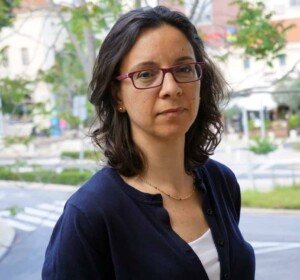
Dr. Suhad Bishara, Advocate | Legal Director and Director of the Land and Planning Rights Unit at Adalah
Suhad serves as Adalah’s Legal Director and has worked with Adalah since 2001. Suhad specializes in land and planning rights. She has more than 23 years of experience litigating cases before the Israeli Supreme Court and served as lead lawyer in major human rights cases regarding Palestinian citizens of Israel and international humanitarian law cases concerning Palestinians in the 1967 Occupied Territory before the Israeli Supreme Court. Previously, she served as a legal consultant to the Association of Forty, the Arab Steering Committee for Urban Planning in the Galilee Society, and the Hotline for Battered Women. Suhad is also one of the founders of Kayan – A Feminist Organization. She received an LL.B. from the Hebrew University of Jerusalem, an LL.M. in Public Service Law from New York University’s School of Law (USA), and a PhD at the King’s College School of Law in London. She was also a Palestine & Law Fellow at Columbia University Law School.
Forest Futures: Will the Forest Save Us All?
Forest Futures: Will the Forest Save Us All?
Event Description
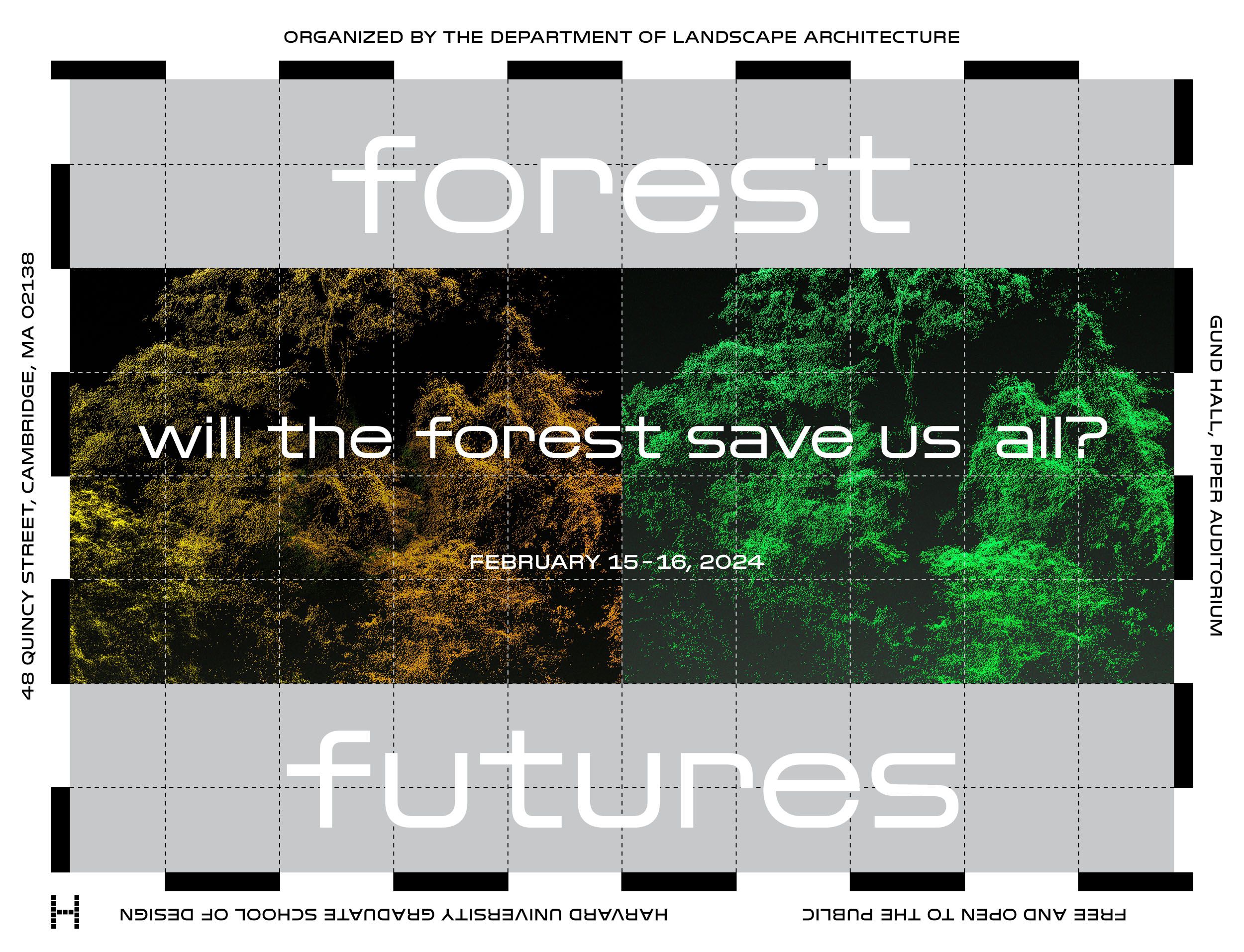
The Harvard University Graduate School of Design will host a two-day academic conference alongside its new exhibition, Forest Futures.
Planetary survival in the Anthropocene crucially depends on the stewardship of resilient forest ecosystems worldwide—at the scales of wilderness, planted forests, metropolitan tracts, and the urban forest canopy of cities and towns everywhere. The Fifth National Climate Assessment (US, 2023) repeats now familiar claims that healthy forests provide essential ecological, economic, and social benefits and services.
But our forests today face extreme risk. Disturbance agents are driving massive change—including unprecedented temperature increases, altered precipitation patterns, increasingly catastrophic weather events, uncontrollable mega-fires, and destructive land use practices. This symposium addresses risks and threats, initiatives and improved practices, and speculations on a more secure and more just future for metropolitan and urban forests and the species that inhabit them.
The symposium accompanies a concurrent gallery exhibition in the Druker Design Gallery, Gund Hall, entitled Forest Futures, curated by GSD Professor of Landscape Architecture Anita Berrizbeitia and the graduate students in her seminar, DES-3510 Forests: Histories and Future Narratives.
Conference Overview
Thursday, February 15
Harvard GSD, Piper Auditorium
48 Quincy St., Cambridge, MA 02138
Doors open at 6:00 p.m.
Welcome
6:30 — 6:45 p.m.Gary Hilderbrand, Chair of the Department of Landscape Architecture
Opening Keynote
6:45 — 7:15 p.m.
William (Ned) Friedman
Keynote Response
7:15 — 7:45 p.m.
Honorable Mayor Michelle Wu
Gary Hilderbrand, William (Ned) Friedman & Edward Eigen
Gallery Preview
7:45 — 8:00 p.m.
Anita Berrizbeitia
Reception
8:00 p.m. — 9:00 p.m.
Friday, February 16
Harvard GSD, Gund Hall
48 Quincy St., Cambridge, MA 02138
Welcome
9:30 — 9:45 a.m.Sarah Whiting, Dean and Josep Lluís Sert Professor of Architecture
Opening Remarks
9:45 a.m. — 10:00 a.m.
Gary Hilderbrand, Chair of the Department of Landscape Architecture
Panel 1: Scaling Threats
10:00 a.m. — 11:25 a.m.
Moderated by Edward Eigen
- Lisa Haber-Thomson & Edward Eigen, Epping Forest’s Highwayman, Dick Turpin
- David Nowak, Urban Forest Change: The Need for Planning and Action
- Jonathan Thompson, The Role of Forests in Massachusetts’ Decarbonization Roadmap
- Discussion
Panel 2: Decoding the Urban Forest
11:45 a.m. — 1:10 pm
Moderated by Pablo Perez-Ramos
- Michael Jakob, The Heterotopic Other
- Nicholas Pevzner and Max Piana, Beyond the Axe: Reimagining Silviculture and Design
- Acheampong Atta-Boateng, Concrete to Canopy: Nature-based Urban Adaptation
Lunch Break
1:15 p.m. — 2:15 p.m.
Panel 3: Speculating and Acting
2:15 p.m. — 3:40 p.m.
Moderated by Pamela Conrad
- Silvia Benedito, “Cold-Fire” Landscape Management for Warmer Climates
- Amy Whitesides, An Equitable Urban Forest Plan for the City of Boston
- Eric Kramer, Shared Responsibility, Empowering Action in Cambridge, MA
Panel 4: A Just Survival?
4:00 p.m. — 6:00 p.m.
Moderated by Gary Hilderbrand
- Maria-Mercedes Jaramillo, Growing Forests in Bogotá: Resistance, Reconciliation, Resilience
- Abby Spinak, What You Do to the Land, You Do to the People
- Sonja Dümpelmann, From Breathing Space to Palliative: Urban Forests and Public Health in the Plantationocene
- Discussion & Closing Remarks
Speakers
Acheampong Atta-Boateng is a plant ecologist affiliated with the ecosystems group at the Environmental Change Institute, University of Oxford. Additionally, he serves as a research associate at the Oxford Museum of Natural History. Formerly, he held the research director position at Yale University’s Urban Ecology and Design Lab, contributing significantly to the development of Green Cooling Tower technology for infrastructure cooling and carbon sequestration. Acheampong’s research centers on understanding how plants strategically employ life history traits for optimal adaptation and productivity in diverse environmental conditions. His work spans temperate and tropical vegetation systems, from the Metacomet Ridges of New England to African savannas. He holds a Master’s degree in Forest Science and pursued further education in mechanical engineering and material science at Yale University. His doctoral research at the University of Oxford explored the intricate connections between tree physiology, pollination ecology, and landscape in relation to cacao productivity.
Silvia Benedito is a registered architect, landscape architect and urban designer in both Portugal and Germany. She teaches and coordinates design studios and research centered on the role of climate-oriented design strategies in ameliorating thermal loads of urban territories. Her most recent research examines the wildfire causes in rural communities of the Mediterranean-type climate regions (MCRs) and West Africa. Benedito has taught at the Harvard Graduate School of Design and has served as a Guest Professor at the Technische Universität München (2018) and at the Technische Universität Graz (2019). More recently, she was the Distinguished Visiting Scholar at the University of Waterloo, Canada. Benedito’s most recent book, Atmosphere Anatomies: On Design, Weather, and Sensation (Lars Müller Publishers, Zürich, 2021), was awarded the Sustainability and Innovation Book Award (2022).
Anita Berrizbeitia is a Professor of Landscape Architecture at the Harvard Graduate School of Design. She served as Chair of the Department of Landscape Architecture between 2015-2022 and as Program Director of the Master in Landscape Architecture Degree Programs between 2012-2015. Her research explores nineteenth and twentieth-century public realm landscapes, with interests in material culture, urban political ecology, and the productive functions of landscapes in processes of urbanization and climate adaptation. Her research on Latin American cities and landscapes focuses, in addition, on the role of large-scale infrastructural projects on territorial organization, climate adaptation, and on the interface between landscape and emerging urbanization.
Sonja Dümpelmann is Professor and Chair of Environmental Humanities at Ludwig-Maximilians-Universität Munich where she also co-directs the Rachel Carson Center. She was previously a Professor in the Department of Landscape Architecture at the University of Pennsylvania Stuart Weitzman School of Design. Dümpelmann is a historian of urban landscapes and environments. Her most recent award-winning books are Landscapes for Sport: Histories of Physical Exercise, Sport, and Health (ed., Washington DC: Dumbarton Oaks Research Library and Collection, 2022), and Seeing Trees: A History of Street Trees in New York City and Berlin (Yale University Press, 2019). Among other things, she has served as Senior Fellow in Garden and Landscape Studies at the Dumbarton Oaks Research Library and Collection, Washington D.C. and as President of the Landscape History Chapter of the Society of Architectural Historians.
Edward Eigen is a Senior Lecturer in the History of Landscape and Architecture at the Harvard University Graduate School of Design. His scholarly work focuses on the intersections of the human and natural sciences with the built environment in the long nineteenth century. His book, On Accident: Episodes in Architecture and Landscape, was published by the MIT Press in 2018. Currently, he is examining landscapes associated with the modern American presidency, including the “grassy knoll.” His recent essays on Olmsted examine questions of race, ornithology, piracy, drafting tools, and friction.
Lisa Haber-Thomson is a Lecturer in the Department of Architecture at the Harvard Graduate School of Design and an architectural historian and designer interested in interdisciplinary and inter-media translations. Her research explores the historical entanglements between architecture and law. She is currently at work on two major projects. The first is about prisons—a book manuscript on early modern carceral architecture across England and its expanding empire as well as the many spatial forms of detention and claims of sovereignty and subjecthood it produced. In parallel, she is interested in how architecture becomes implicated in contemporary legal practice, especially with regard to prisoner’s rights discourses.
Gary Hilderbrand, FASLA, FAAR, is the Peter Louis Hornbeck Professor in Practice and Chair of the Department of Landscape Architecture, Harvard Graduate School of Design. He is also principal and founder of Reed Hilderbrand Landscape Architects. Hilderbrand is a fellow and resident of the American Academy in Rome. He received the Design Medal from ASLA in 2017. His widely acclaimed publications include The Miller Garden: Icon of Modernism (Spacemaker Press, 1999) and Visible | Invisible: Landscape Works of Reed Hilderbrand (Metropolis Books, 2013).
Michael Jakob teaches Comparative Literature at UGA Grenoble, History and Theory of Landscape at HEPIA, Geneva, and aesthetics of design at HEAD, Geneva. He is a visiting professor at the Accademia di Architettura in Mendrisio and at Parma University. His teaching and research focus on landscape theory, aesthetics, the history of vertigo, contemporary theories of perception and the poetics of architecture. Among his publications in English: the swiss touch in landscape architecture, Ifengspace, Tianjing 2015; The Bench in the Garden, Oro Editions, Novato CA 2022; Faux Mountains, Oro Editions, Novato CA 2019, Seeds of Knowledge, Silvana Editoriale, Milan 2022. He is the curator of international exhibitions and the author of documentary films on landscape.
Maria-Mercedes Jaramillo is a transcultural architect and urban planner. After more than ten years of experience in urban design, master planning and strategic land-use planning in France, she has been orienting structural transformations for Bogota through her roles as Urban Development Director at ProBogotá Región -an independent non-profit organization sponsored by the top 50 Colombian companies- (2015-2020), CEO of Bogota’s public Urban Regeneration and Development Company (2020-2021) and Secretary of Planning for Bogotá (2021-2023). During Covid 19 pandemic, she was appointed by Mayor Claudia López to tackle poverty, feminization of poverty and hunger, engaging in new scales of territorial planning, from the very local to metropolitan dimensions. As a result, Bogota has a new Land Use and Master Plan -Bogotá Reverdece, 2022-2035- to shape the future of needed innovations: providing 1 million housing units, enabling 1 million additional jobs, and deploying a feminist ease-of-access care system while preserving strategic ecosystems, fostering adaptation to climate risks and promoting local, innovative and participatory planning. She is currently a Loeb Fellow at the Harvard Graduate School of Design.
William (Ned) Friedman is the Arnold Professor of Organismic and Evolutionary Biology at Harvard University and the eighth Director of the Arnold Arboretum of Harvard University in its 152-year history. During his thirteen years at the helm of the Arboretum, Friedman has worked to expand the Arboretum’s global impacts through diverse environmental justice initiatives, a keen focus on ex situ conservation, and the promotion of a vast array of scientific scholarship within the living collections. As an evolutionary biologist, Friedman’s scholarly studies have fundamentally altered century-old views of the earliest phases of the evolution of flowering plants, Darwin’s so-called “abominable mystery.” He is also deeply interested in the history of early (pre-Darwinian) evolutionary thought, particularly the largely overlooked contributions of horticulturists and botanists.
Eric Kramer A principal of Reed Hilderbrand, Eric brings equal attention to rigorous research, responsive engagement of people and communities, and the expressive potential of design. He has led projects associated with the renewal and enrichment of campuses, cities, and institutions, including the Cambridge Urban Forest Master Plan, the Alamo Comprehensive Interpretive Master Plan in San Antonio, Texas, Pier 4 Waterfront Park and Central Wharf Plaza in Boston, and the Clark Art Institute in Williamstown, Massachusetts. He edited Visible|Invisible, the firm’s award-winning monograph. Eric received a Master of Landscape Architecture from the Harvard Graduate School of Design and a Bachelor of Arts from Amherst College. He has served as an adjunct professor in the Rhode Island School of Design’s landscape architecture program and serves on the board of The Cultural Landscape Foundation.
David J. Nowak is an Emeritus Senior Scientist with the USDA Forest Service, Northern Research Station. His research investigates urban forest structure, health, and change, and its effect on human health and environmental quality. He has authored 400 publications and given over 600 presentations across the world. He also led teams developing the i-Tree software suite that quantifies the benefits and values from vegetation globally. In a 2020 ranking of >24,000 forest researchers worldwide, Dr. Nowak ranked number 2.
Nicholas Pevzner is an assistant professor in landscape architecture at the University of Pennsylvania’s Weitzman School of Design. His research spans across the topics of ecological systems, energy landscapes, and climate policy. His work focuses on ecological systems and their integration into design, the design of renewable energy landscapes and energy infrastructure’s integration into culturally contested landscapes, and speculative designs for decarbonization. His teaching and research investigate the impacts of climate policy on the physical built environment, on cultural attitudes, and on implications for spatial justice. He holds a Master of Landscape Architecture from the University of Pennsylvania and a Bachelor of Architecture from The Cooper Union. Prior to his appointment at Penn, he worked at the landscape architecture firm Michael Van Valkenburgh Associates.
Max Piana is a postdoc researching ecologies with the U.S. Forest Service and an urban ecologist who works at the interface of science and practice. As a research ecologist, teacher, and land manager, he engages with urban practitioners and integrates research into the planning, design, and management of cities. His current research focuses on plant community dynamics and management strategies in urban greenspaces. From remnant forest fragments to green infrastructure, he is interested in how the ecological mechanisms and successional trajectories of these systems may be altered to better facilitate and sustain their ecological health and function.
Abby Spinak is a Lecturer in the Department of Landscape Architecture at the Harvard Graduate School of Design, where she studies energy history, with a particular interest in the politics of utility ownership and the role of infrastructure in disseminating economic ideas. Her current research ties the history of electrification in the rural United States to the evolution of twentieth-century American capitalism and alternative economic visions. She is currently completing a book, Democracy Electric: Energy and Economic Citizenship in an Urbanizing America.
Jonathan Thompson is a Senior Ecologist at the Harvard Forest, a department of Harvard University. His research focuses on long-term and broad-scale changes in forest ecosystems, with an emphasis on quantifying how land use – including harvest, conversion, and land protection – affects forest ecosystem processes and services. He is the Principal Investigator for the Harvard Forest Long Term Ecological Research (LTER) program, sponsored by the National Science Foundation and involving more than 100 scientists and students investigating the dynamics of the New England landscape. He also leads the New England Landscape Futures project, which collaborates with diverse stakeholders from throughout the region to build and evaluate scenarios that show how land-use choices and climate change could shape the landscape over the next 50 years.
Amy Whitesides is a registered landscape architect, practitioner, and educator. She is a Design Critic in Landscape Architecture at Harvard GSD, where she teaches Climate by Design and second and third-semester CORE studios. Before coming to the GSD full-time, she spent 10 years in the Boston office of Stoss Landscape Urbanism, where she was most recently the Director of Resilience. At Stoss, Amy ran many of the firm’s waterfront design and planning efforts for resilient public open space and Boston’s Urban Forest Plan. Her projects have been recognized with numerous awards, including an ASLA Honor Award, World Landscape Architecture Award of Excellence, APA Sustainability & Resiliency Award, and multiple BSLA awards of Merit. Amy is currently working on watershed-level urban forest planning in the greater Boston area and research, funded by Harvard University’s Salata Institute, on the potential for developing agroforestry at a national scale.
Sarah Whiting has been Dean and Josep Lluís Sert Professor of Architecture at the Harvard University Graduate School of Design since 2019. She is also a design principal and co-founder of WW Architecture, based in Cambridge, and served as the Dean of Rice University’s School of Architecture from 2010 to 2019. Whiting obtained an interdisciplinary, self-directed Bachelor of Arts degree from Yale, a Master of Architecture from Princeton in 1990, and a Doctor of Philosophy in the History and Theory of Architecture from MIT in 2001. Whiting’s research and writing is broadly interdisciplinary, with the built environment at its core. An expert in architectural theory and urbanism, she is particularly interested in modern and contemporary architecture’s imbricated relationship with politics, economics, and society, and how the built environment shapes the nature of public life.
Joel Sanders, “From Stud to Stalled!: Inclusive Design through a Queer Lens”
Joel Sanders, “From Stud to Stalled!: Inclusive Design through a Queer Lens”

Event Description
In his talk, Joel Sanders will trace the evolution of his thinking about gender, human identity and space over the past twenty-five years from the publication of STUD: Architectures of Masculinity (1996), which examined the role that architecture plays in the construction of masculinity through a gay male lens, to recent projects like Stalled! Public Restrooms, created by JSA/MIXdesign, an inclusive design studio dedicated to considering the intersecting needs of a broad segment of the population that the discipline of architecture has traditionally overlooked: people of different ages, genders, races and abilities that fall out of the cultural mainstream.
Speaker
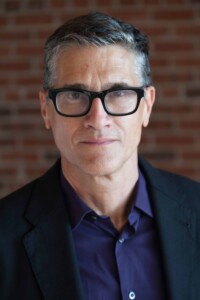
Joel Sanders is an architect and founder of JSA/MIXdesign, an architectural studio design think tank dedicated to making restrooms, art museums, and university campuses welcoming to people of different ages, genders, abilities, cultural identities, and religions. His projects include Stalled!, an AIA award-winning project that responds to national controversies surrounding transgender access to public restrooms. Sanders founded MIXdesign in 2018 as a branch of his New York-based studio JSA. Sanders is Director of Post-Professional Studies and Professor at Yale School of Architecture. Editor of STUD: Architectures of Masculinity and Groundwork: Between Landscape and Architecture, Sanders’s writings and practice have explored the complex relationship between culture and social space, looking at the impact that evolving cultural forces (such as gender identity and the body, technology and new media, and the nature/culture dualism) have on the designed environment. JSA projects have been featured in international exhibitions and the permanent collections of MoMA, SF MoMA, the Art Institute of Chicago, and the Carnegie Museum of Art. The firm has received numerous awards, including six New York Chapter AIA Design Awards, three New York State AIA Design Awards, three Interior Design Best of Year Awards, and two ALA / IIDA Library Interior Design Awards.
Margot Kushel, “The Toxic Problem of Poverty + Housing Costs: Lessons from New Landmark Research About Homelessness”
Margot Kushel, “The Toxic Problem of Poverty + Housing Costs: Lessons from New Landmark Research About Homelessness”

Event Description
For over three decades, Dr. Margot Kushel has both cared for people who experience homelessness and studied the causes, consequences, and solutions to homelessness, particularly in California, which is home to 30 percent of the people experiencing homelessness in the US. Kushel, who recently led the largest representative study of homelessness in the United States since the mid-1990s, will discuss insights that have emerged from her work as a physician and researcher. Her research has shown that California’s homelessness crisis is primarily due to the lack of housing that low-income households can afford. Moreover, contrary to popular beliefs, the majority of people experiencing homelessness in the state were born in California. She will draw on the findings to discuss policies, programs, and practices that would help people experiencing homelessness and those who are at risk of becoming homeless.
Speaker
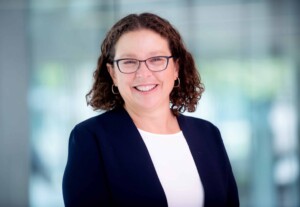
Margot Kushel, MD, is a Professor of Medicine at the University of California, San Francisco (UCSF), Director of the Benioff Homelessness and Housing Initiative, and Director of the Center for Vulnerable Populations at Zuckerberg San Francisco General Hospital and Trauma Center. Her research focuses on efforts to prevent and end homelessness and mitigate the effects of housing instability on healthcare outcomes with the aim of informing the development of programs and policies to end homelessness. Dr. Kushel was the lead author of The California Statewide Study of People Experiencing Homelessness, a landmark report published in 2023. The largest representative study of homelessness in the United States since the mid-1990s, it provided a comprehensive look at the causes and consequences of homelessness in California and recommended policy changes to shape programs in response.
Featured Panelists
Peggy Bailey is the Vice President for Housing and Income Security at the Center on Budget and Policy Priorities (CBPP), where she oversees CBPP’s work to protect and expand access to affordable housing. Bailey, whose work is centered in identifying the ways racism and discrimination in housing policy have resulted in disinvestment in communities of color and created disparate outcomes for people in marginalized groups, has also served as Senior Advisor on Rental Assistance to HUD Secretary Marcia L. Fudge and, before that, as CBPP’s Vice President for Housing Policy.
Dr. Jim O’Connell is the president of Boston Health Care for the Homeless Program, which he founded in 1985. O’Connell, who also is an Assistant Professor of Medicine at Harvard Medical School, is the author of Stories from the Shadows: Reflections of a Street Doctor and the editor of The Health Care of Homeless Persons: A Manual of Communicable Diseases and Common Problems in Shelters and on the Streets. His work also is the subject of Rough Sleepers: Dr. Jim O’Connell’s Urgent Mission to Bring Healing to Homeless People, a best-selling book written by Tracy Kidder.
Chris Herbert (moderator) is Managing Director of the Harvard Joint Center for Housing Studies. He also serves on the Board of Directors of Freddie Mac. Herbert has extensive experience conducting research related to housing policy and urban development, particularly the financial and demographic dimensions of homeownership, and the implications for housing policy. He also has been the Joint Center’s Director of Research and was Senior Associate in the Housing and Community Development practice at Abt Associates.
Mayors Imagining the Just City: Volume 4
Mayors Imagining the Just City: Volume 4
Event Description
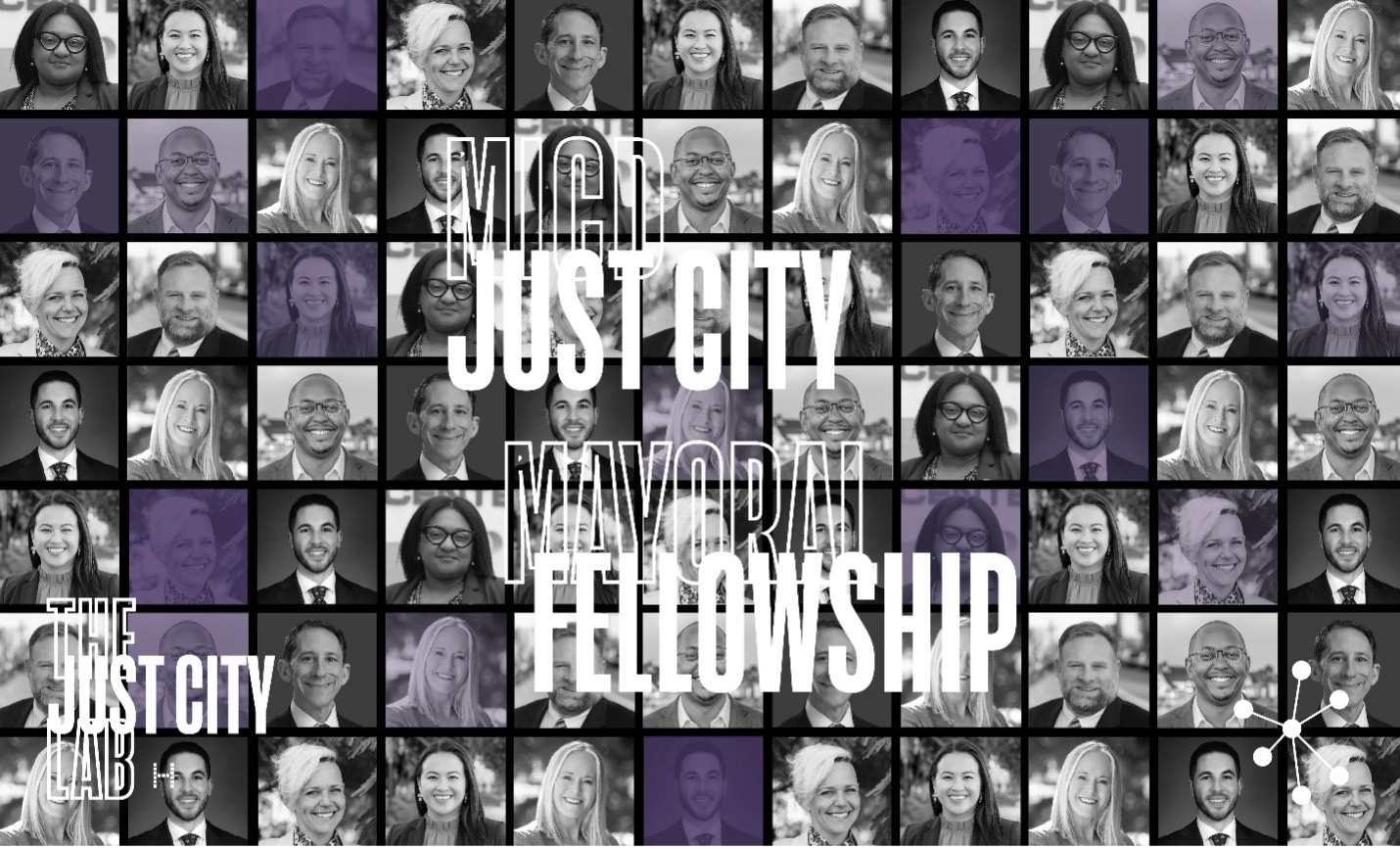
Concluding the fourth annual Mayors’ Institute on City Design (MICD) Just City Mayoral Fellowship–a collaboration between MICD and Harvard GSD’s Just City Lab –the Fellows discuss strategies for using planning and design interventions to address racial, social, and environmental injustice in each of their cities.
Speakers
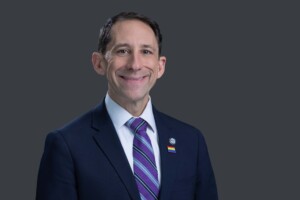
Mayor Matt Tuerk, Allentown, PA As Allentown’s 43rd Mayor and its inaugural Latino leader, Matt Tuerk, armed with an International Business degree and an MBA, leverages his expertise in economic development. His governance emphasizes strategic planning, budget management, and cross-disciplinary collaboration, resulting in notable enhancements to public safety, public works, and public health. Beyond leadership, Tuerk, an enthusiastic runner, language lover, and family man, truly embodies the commitment of a leader devoted to shaping his community’s future.
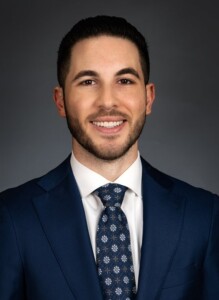
Mayor Abdullah H. Hammoud, Dearborn, MI Abdullah H. Hammoud, serving as Dearborn, MI’s seventh Mayor since January 2021, prioritizes co-governance with the public to foster a multiethnic democracy. As an epidemiologist deeply engaged in environmental advocacy, he passionately safeguards Michigan’s land, air, and water, advocating for healthier environments for children. A three-time University of Michigan graduate with MBA, MPH, and Bachelor of Science degrees, Hammoud, a proud son of immigrants, alongside his wife, Dr. Fatima Beydoun, is dedicated to raising their family in Dearborn while advocating for families citywide.
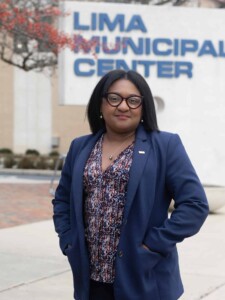
Mayor Sharetta Smith, Lima, OH Sharetta Smith, Lima’s 59th Mayor and the first woman and African American in the role, previously served as Chief of Staff, focusing on housing, afterschool programs, and modernizing city operations. In her mayoral role, she prioritizes citizen engagement, supports small businesses, promotes homeownership, and tackles crime comprehensively. With degrees from the University of Toledo and Ohio Northern University, Smith actively contributes to community betterment through involvement in various boards and committees.
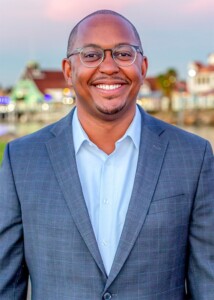
Mayor Rex Richardson, Long Beach, CA Rex Richardson, Long Beach’s 29th Mayor, is dedicated to community empowerment. The first African American Mayor in the city’s history and a former City Councilmember, he advocates positive change, collaborating with neighborhood leaders on public safety, economic, and community investments. Nationally, he advises the United States Conference of Mayors, while regionally, he serves on the Los Angeles County Affordable Housing Solutions Agency. As the leader of the 42nd most populous city, Richardson focuses on his “Opportunity Beach” Agenda, addressing homelessness, economic recovery, public safety, youth development, and environmental sustainability.
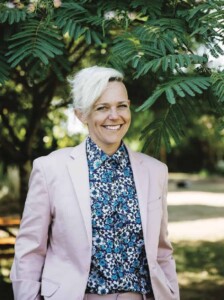
Mayor Remy Drabkin, McMinnville, Oregon Mayor Remy Drabkin of McMinnville, Oregon, a dedicated public servant for over 12 years, is the city’s first female, Jewish, and queer-identified Mayor. Serving on the City Council and Planning Commission, she established the Affordable Housing Commission and Diversity, Equity, and Inclusion (DE&I) Advisory Committee. As a housing advocate, her policies have provided shelter and aided in transitioning people out of homelessness. Remy actively engages in state-level advocacy, appointed by Governor Brown as a Director on the Oregon Wine Board. Co-founder of Wine Country Pride, she promotes LGBTQ+ Pride celebrations and established the world’s first Queer Wine Fest through her winery, Remy Wines, emphasizing sustainability and carbon sequestration.

Mayor Cory Mason, Racine, WI Cory Mason, a fifth-generation Racine, Wisconsin resident, has dedicated over 17 years to serving his hometown as both a Wisconsin State Legislature member and its 61st Mayor. Re-elected six times to the State Assembly, he secured the Mayor’s office in a 2017 special election. Focused on rebuilding the middle class and promoting economic growth through technology and public-private partnerships, Mayor Mason recently started his second full four-year term. A Racine Case High School graduate, he holds a Bachelor of Arts in Philosophy from the University of Wisconsin – Madison and is a devoted family man.
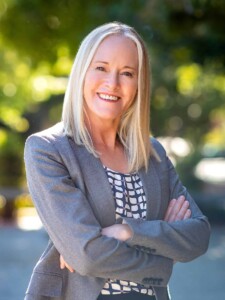
Mayor Kate Colin, San Rafael, CA In 2020, Kate Colin made history as the first female Mayor of San Rafael since its incorporation in 1847. Serving on the City Council since 2013 and previously as a Planning Commissioner for 8 years, she has repositioned city goals to prioritize economic growth, homelessness/housing, sustainability, and social justice. Mayor Kate fosters community engagement through initiatives like the Public Arts Review Board and Police Advisory Accountability Committee. As Chair of the San Rafael Sanitation Agency, she represents the city on various regional boards, advocating for gun safety and leading the city’s first Economic Strategic Plan.
Moderator

Toni L. Griffin is Professor in Practice of Urban Planning and the founder of Urban Planning and Design for the American City , based in New York. Through the practice, Toni served as Project Director the long-range planning initiative of the Detroit Work Project, and in 2013 completed and released Detroit Future City, a comprehensive citywide framework plan for urban transformation. Most recent clients include working with the cities of Memphis, Milwaukee and Pittsburgh.
Ms. Griffin was recently a Professor of Architecture and the founding Director of the J. Max Bond Center on Design for the Just City at the Spitzer School of Architecture at the City College of New York. Founded in 2011, the Bond Center is dedicated to the advancement of design practice, education, research, and advocacy in ways that build and sustain resilient and just communities, cities, and regions. Currently, the Center is focused on several design research initiatives including the Legacy City Design Initiative, that explores innovative design solutions for cities that have lost greater than 20% population lost since their peak; “Just City Design Indicators Project” that seeks to define the core values of a just city and offer a performance measure tool to assist cities and communities with evaluating how design facilitates urban justice in the built environment; and “Inclusion in Architecture” that examines the participation of people of color in architecture and related design fields.
Partners

The Mayors’ Institute on City Design (MICD) is a leadership initiative of the National Endowment for the Arts in partnership with the United States Conference of Mayors. Since 1986, the Mayors’ Institute has helped transform communities through design by preparing mayors to be the chief urban designers of their cities.

The National Endowment for the Arts (NEA) is the independent federal agency, established by Congress in 1965, whose funding and support gives Americans the opportunity to participate in the arts, exercise their imaginations, and develop their creative capacities. Through partnerships with state arts agencies, local leaders, other federal agencies, and the philanthropic sector, the NEA supports arts learning, affirms and celebrates America’s rich and diverse cultural heritage, and extends its work to promote equal access to the arts in every community across America.

The United States Conference of Mayors (USCM) is the official nonpartisan organization of cities with populations of 30,000 or more. USCM promotes effective national urban/suburban policy, strengthens federal/city relationships, ensures that federal policy meets urban needs, provides mayors with leadership and management tools, and creates a forum in which mayors can share ideas and information.

At the Just City Lab, we ask: Would we design better places if we put the values of equality, inclusion or equity first? If a community articulated what it stood for, what it believed in, what it aspired to be — as a city, as a neighborhood — would it have a better chance of creating and sustaining more healthy, vibrant place with positive, economic, health, civic, cultural and environmental conditions? Imagine that the issues of race, income, education and unemployment inequality, and the resulting segregation, isolation and fear, could be addressed by planning and designing for greater access, agency, ownership, beauty, diversity or empowerment. Now imagine the Just City: the cities, neighborhoods and public spaces that thrive using a value-based approach to urban stabilization, revitalization and transformation. Imagine a set of values that would define a community’s aspiration for the Just City. Imagine we can assign metrics to measure design’s impact on justice. Imagine we can use these findings to deploy interventions that minimize conditions of injustice.