Project-Based Learning
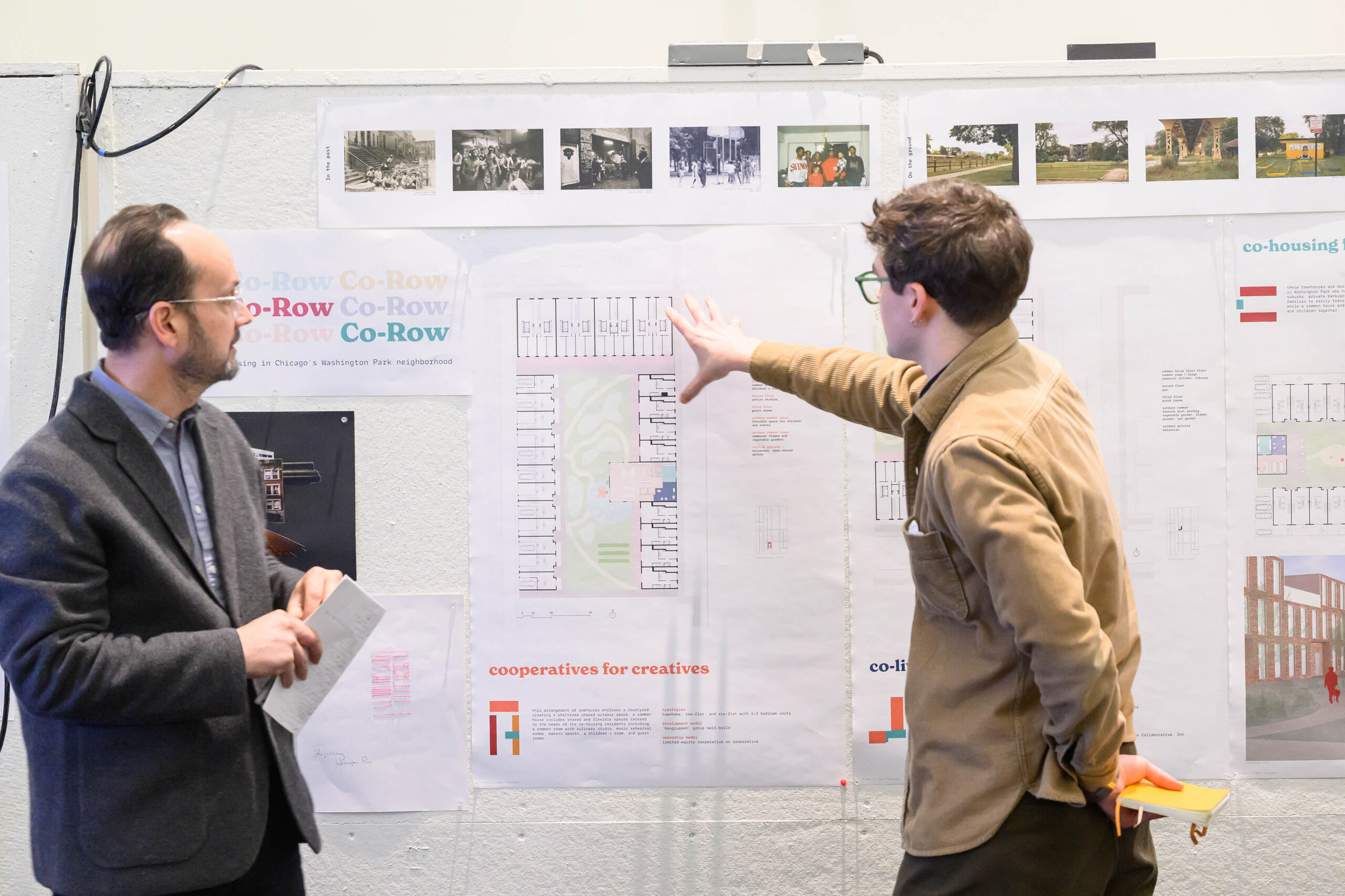

Option Studio
In addition to the two first-year core urban planning studios, MUP students may elect to enroll in an option studio in their third and/or fourth term(s). Option Studios present domestic and international projects that allow students, individually or as members of collaborative teams, to think creatively and apply interdisciplinary problem-solving methods to planning questions. While students may be able to take studio classes offered in other GSD departments, the Urban Planning and Design department always offers a selection of studios intended for planning students.

Applied Planning Practice Courses
In addition to the two first-year core urban planning studios, MUP Applied Planning Practice (APP) courses offer students the chance to explore studio-type problems in less-intensive, 4-unit seminar courses across a broad range of areas of focus. An Applied Planning Practice course includes a substantial real-world project developed in collaboration with an external client, with this applied work comprising 40% or more of the course’s total assignment requirements. There is no restriction on the total number of Applied Planning Practice courses students may take as electives. Applied Planning Practice courses may also count toward an Area of Concentration, provided they are included in the list of approved concentration courses.
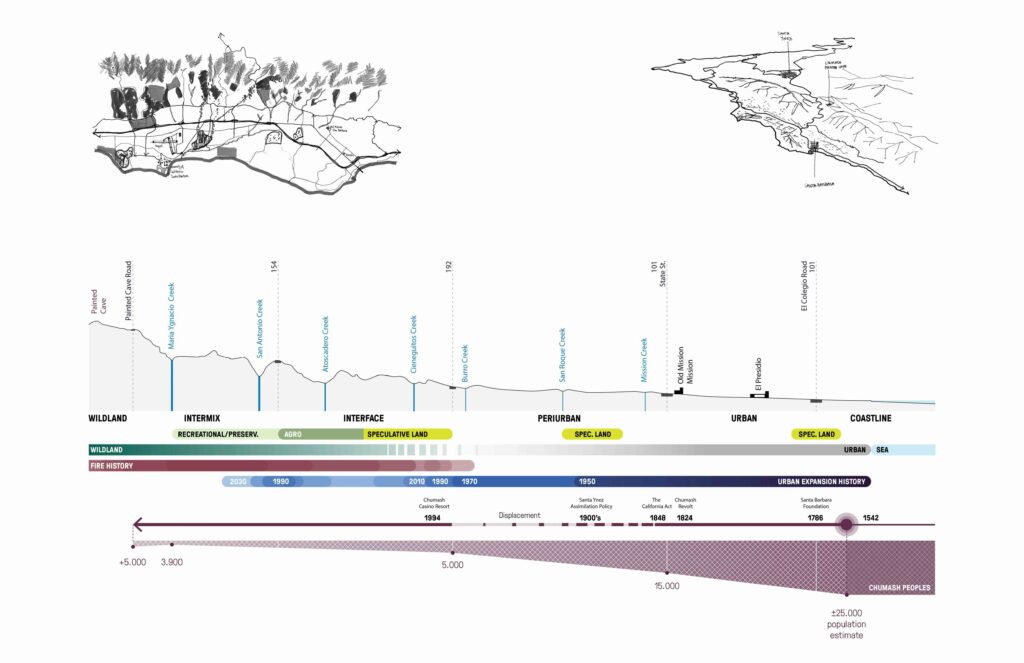
Independent Thesis
In addition to the two first-year core urban planning studios, MUP Applied Planning Practice (APP) courses offer students the chance to explore studio-type problems in less-intensive, 4-unit seminar courses across a broad range of areas of focus. An Applied Planning Practice course includes a substantial real-world project developed in collaboration with an external client, with this applied work comprising 40% or more of the course’s total assignment requirements. There is no restriction on the total number of Applied Planning Practice courses students may take as electives. Applied Planning Practice courses may also count toward an Area of Concentration, provided they are included in the list of approved concentration courses.