Winter Reading 2026: Recent Publications by GSD Faculty, Staff, and Alumni
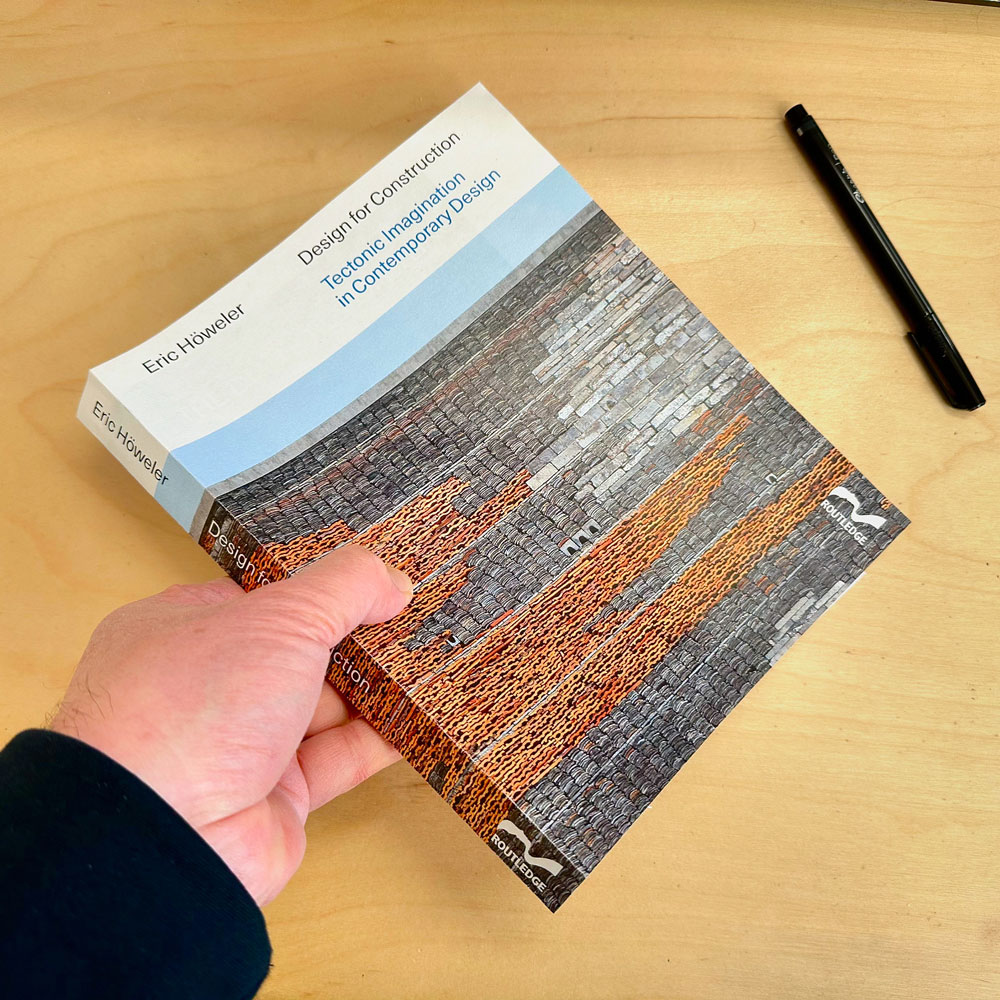
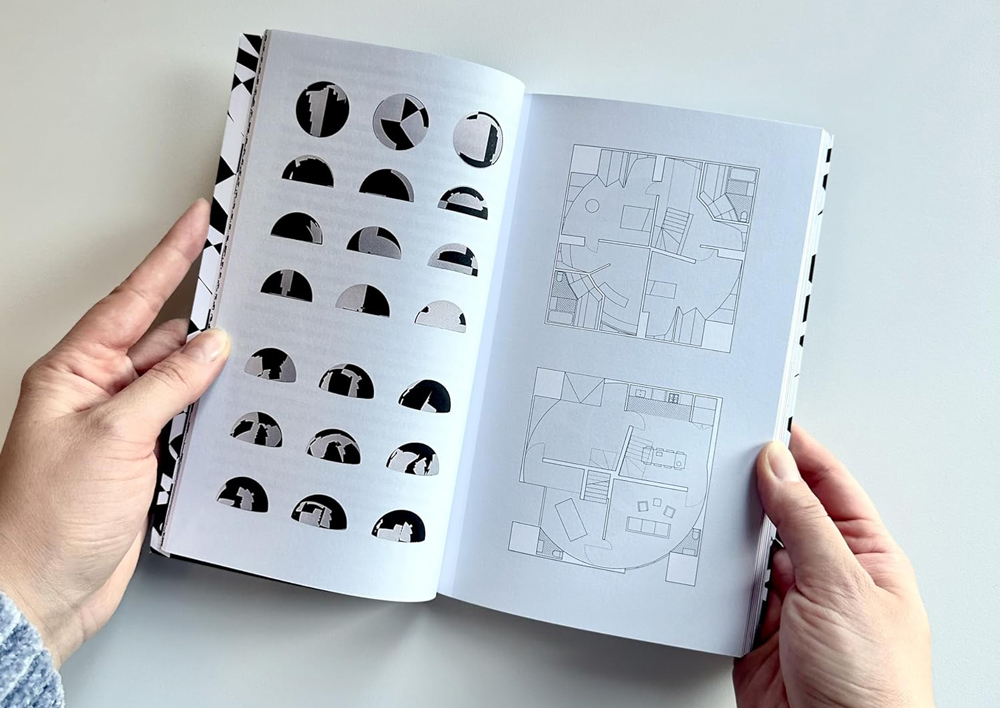
These recent publications by Harvard Graduate School of Design faculty, staff, and alumni capture a field in flux—grappling with AI, climate repair, and the politics of land and infrastructure. Arranged alphabetically, these titles offer a tour of the ideas reshaping how we design, plan, and read the built world.
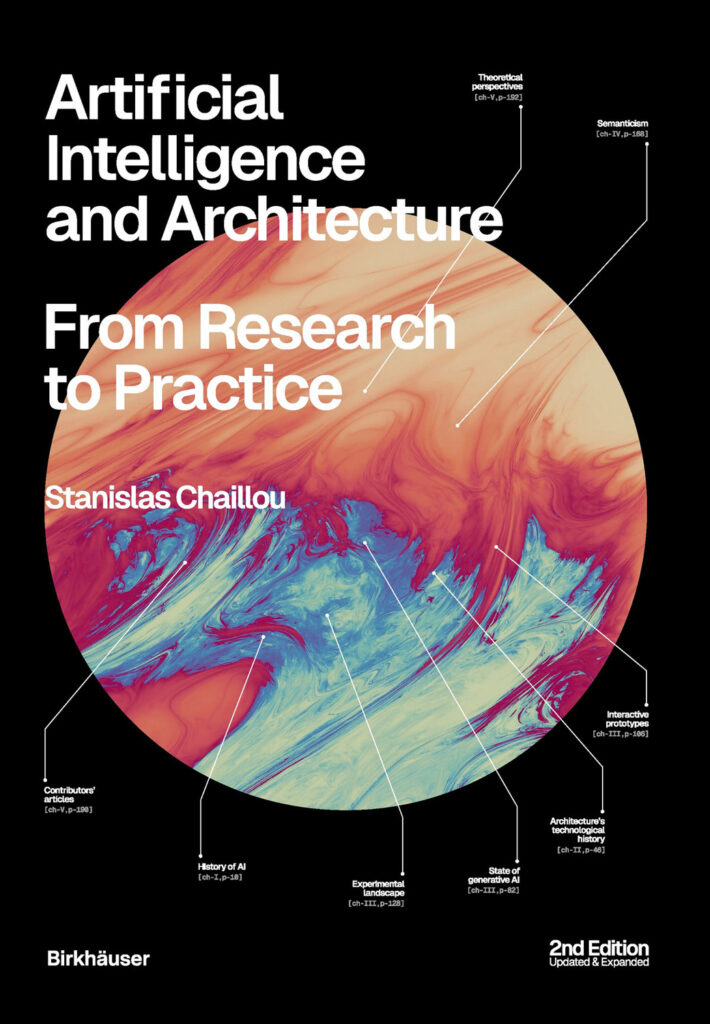
The updated and expanded edition of Artificial Intelligence and Architecture (Birkhäuser, 2025; initially published 2022), by Stanislas Chaillou (MArch ’19), explores a pivotal moment in the relationship between AI and the built environment. Approaching the subject through history, practice, and theory, Chaillos traces architecture’s technological development, surveys current uses of AI in the field, and concludes by highlighting contributors pushing the discipline forward. Insights map the evolving conversation around what AI means for architecture, now and in years to come.
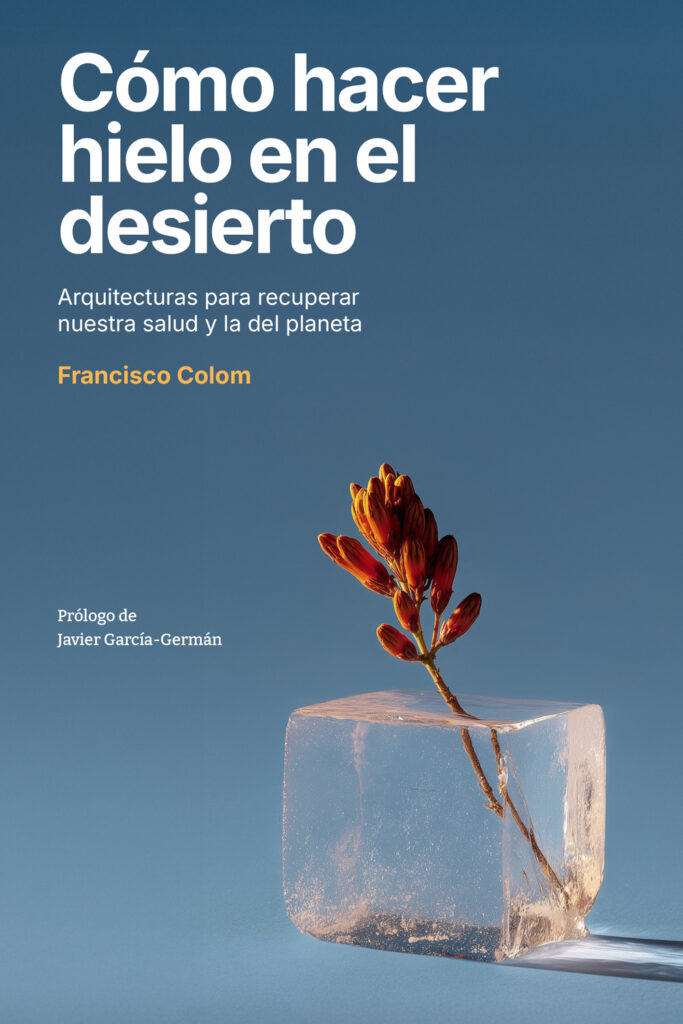
In Cómo hacer hielo en el desierto: Arquitecturas para recuperar nuestra salud y la del planeta (Ancestra, 2025) or How to Make Ice in the Desert: Architectures to Restore Planetary Health (translation expected in late 2026), author Francisco Colom (MDes ’19) explores how buildings have shaped our relationship with the natural world, challenging sustainability narratives that focus too narrowly on energy efficiency. Drawing on stories, projects, and personal experience, Colom calls for a broader cultural transformation in how we design and live, proposing an “antifragile” architecture that helps us reconnect with nature.
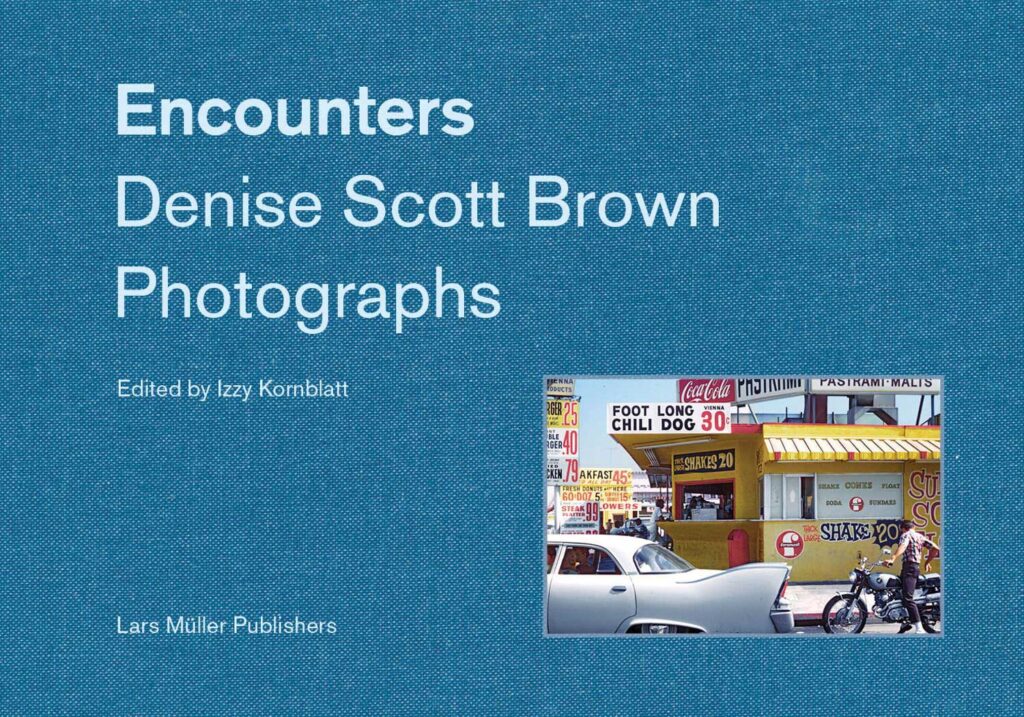
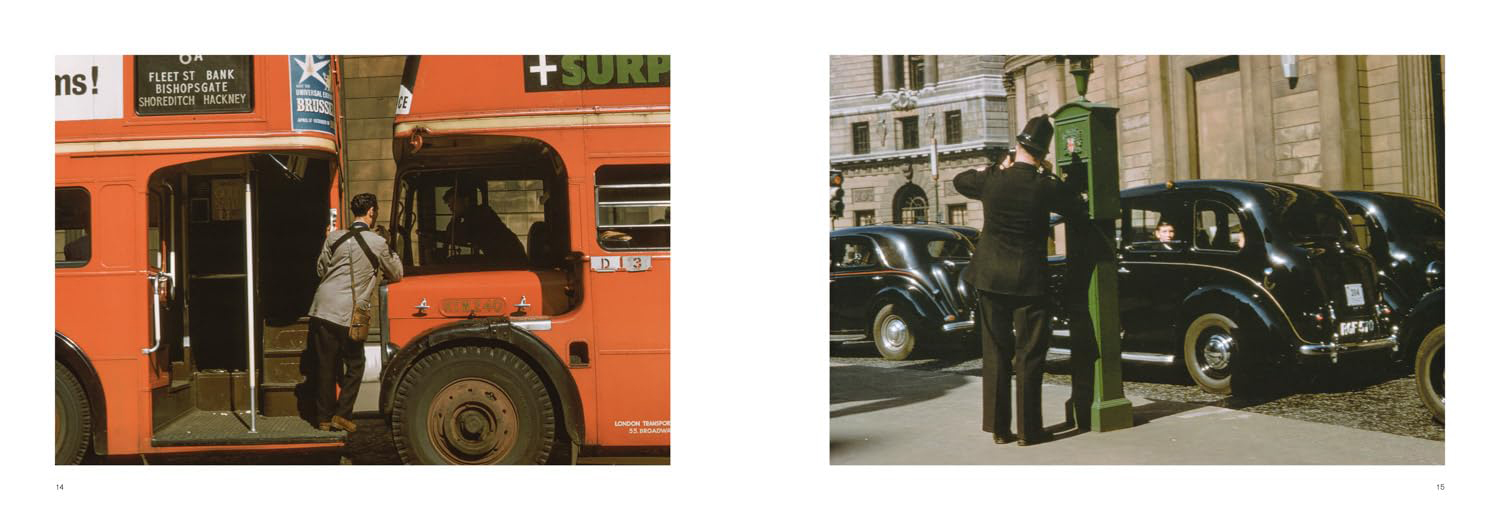
For the architect Denise Scott Brown, photography has served as a vital tool for recording and studying everyday environments. Encounters: Denise Scott Brown Photographs (Lars Müeller, 2025), edited by Izzy Kornblatt (MDes ’19), for the first time gathers a definitive selection of images Scott Brown took from the 1950s through 1970s in Africa, Europe, and ultimately the United States, where her fascination with suburbia gave rise to the seminal publication Learning from Las Vegas (1972) and her partnership with Robert Venturi. Organized thematically, the collection is accompanied by Kornblatt’s essay on Scott Brown’s enduring interest in the ordinary.
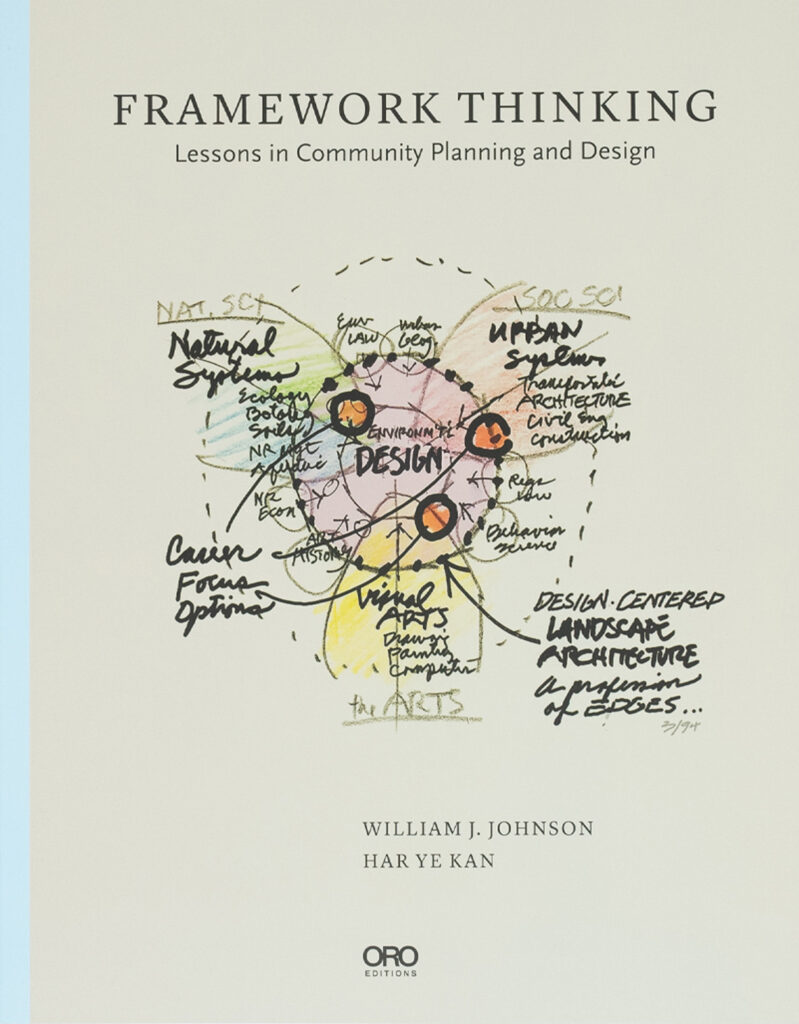
Framework Thinking (ORO Editions, 2025) distills lessons for achieving extraordinary design outcomes by strengthening vision through holistic thinking, inclusive collaboration, and an intentional process—a “framework thinking” mindset. Drawing on decades of planning and design experience, authors William J. Johnson (MLA ’57) and HarYe Kan (DDes ’12) present a context-centered approach that keeps every step focused on the larger picture of people and place. It balances short-term, achievable results with early-stage discovery of a long-term “big idea” to shape distinctive communities.
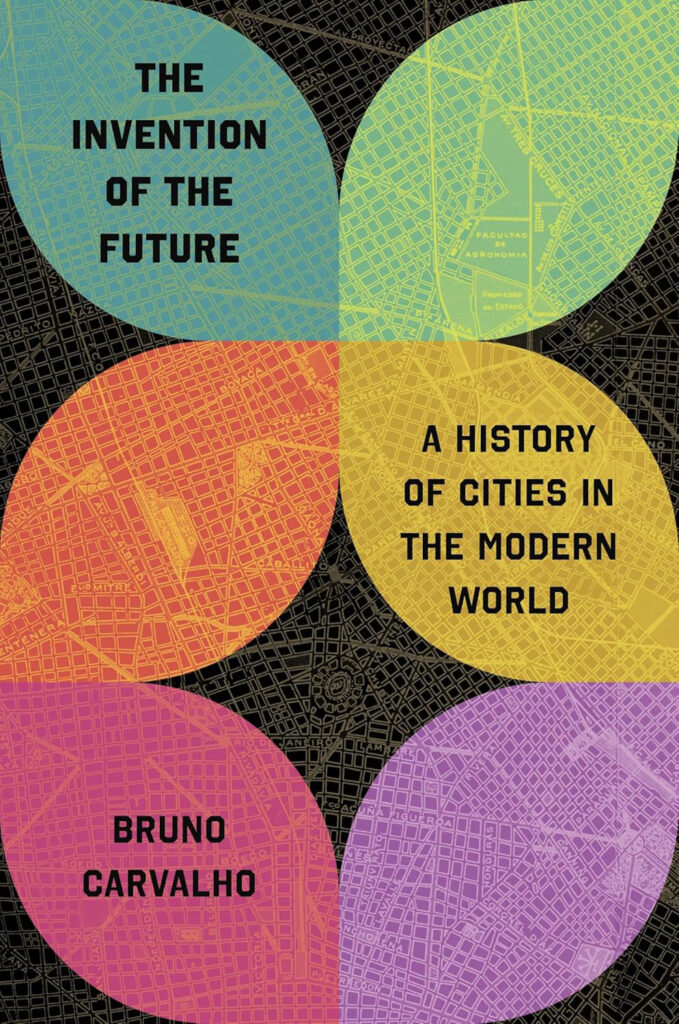
With The Invention of the Future (Princeton University Press, 2026), Bruno Carvalho—Harvard professor of romance languages and literatures and GSD faculty affiliate—shows how, throughout the past three centuries, cities defied prediction, with visionary plans and new technologies producing dramatic, unintended consequences. Carvalho’s narrative moves briskly through turning points from post–1755 Lisbon and Manhattan’s 1811 plan to Haussmann’s Paris, Le Corbusier’s South American schemes, Brasília, the triumph of the automobile, and Africa’s accelerating urbanization. Arguing that our ability to imagine urban futures has narrowed under social and environmental strain, he nevertheless makes a case for compact, transit-rich cities—and for the odd necessity of “reaching back” to move forward.
Susanne Schindler , research fellow at the Joint Center for Housing Studies, coedited the special issue of Planning Perspectives 40, no. 5 (2025) with Franziska Kramer and Dasha Kuletskaya. Titled “Land Matters: Planning Histories of Value, Use and Property,” this edition argues that treating land as material—not just policy or property—upends how planners produce knowledge and society constructs land. These collected articles contend that, while a such a shift may prove difficult, it offers the most powerful lever for dismantling extractive land paradigms that fuel climate change.
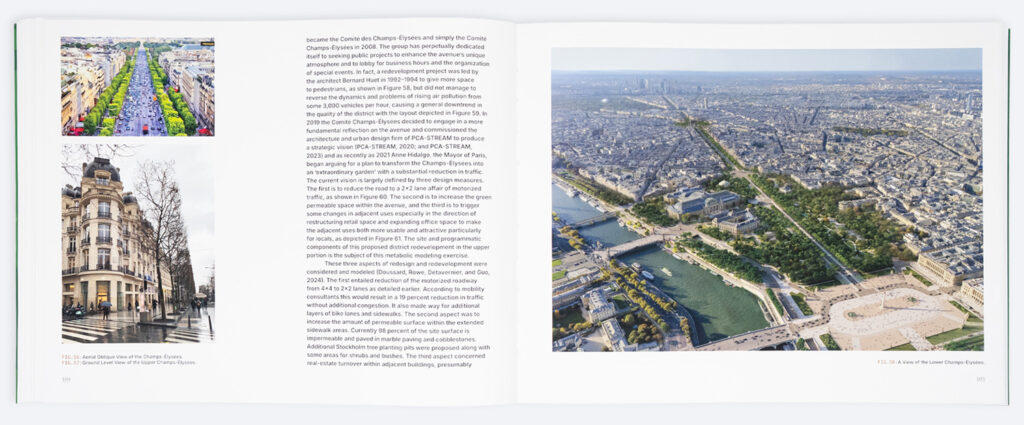
In The Metabolism of Settlement Coexistences (ORO Editions, 2025), authors Carlos Arnaiz (MArch ’03), Claire Doussard (MLAUD ’14), and Peter Rowe, Raymond Garbe Professor of Architecture and Urban Design, present cities as metabolic organisms—forever taking in water, energy, and raw materials to build and nourish themselves. They propose a method of measuring a city’s ecological footprint, tracing inputs across their entire life cycle, from extraction to construction and daily use to eventual demolition and waste. Such analysis would map hidden costs—embedded energy, stray emissions, uncounted carbon—and serve as a toolkit for designing more efficient and environmentally responsible cities.
Magda Maaoui, assistant professor of urban planning, has contributed a keynote chapter to Staging Ground: Infrastructures, Performance, and Bodies in Movement (Theatrum Mundi and dpr-Barcelona, 2025), edited by John Bingham-Hall. This collective publication reframes rapid infrastructural change—driven by climate breakdown, environmental justice, and urban expansion—through often-overlooked lived experiences, bringing together projects that borrow from choreography, sound, and dramaturgy to make mobility infrastructure legible at a human scale. Developed through a 2023–2025 Theatrum Mundi residency program, the book explores topics such as rest, ecology, and symbolic power across sites throughout Greater Paris. Paired with staging.city , Staging Ground offers portable methods for rethinking how we design, read, and inhabit infrastructures in flux.
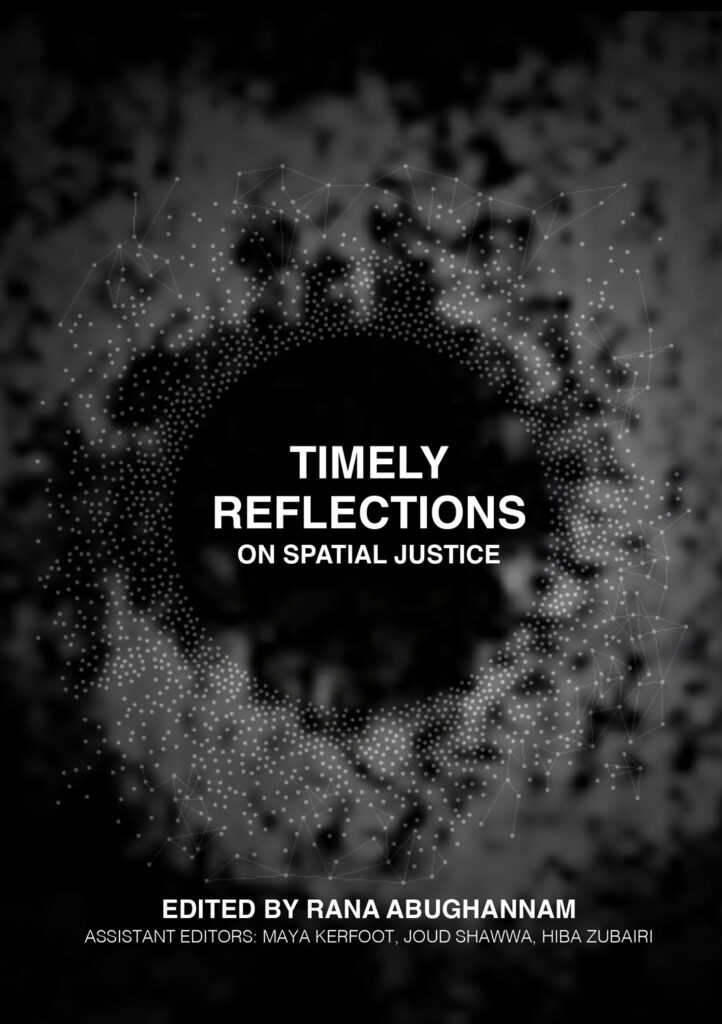
As violence and discrimination intensify throughout the world, Timely Reflections on Spatial Justice (Open Access, 2025), edited by Rana Abughannam and others, centers spatial justice by treating knowledge—its creation, circulation, and implementation—as resistance. Associate professor of architecture Ana María León (MDes ’01) has contributed two articles to this collection: “Solidarity” and “Settler Colonialism.” The latter piece was cowritten with the Settler Colonial City Project , a research collective cofounded by León and Andrew Herscher (MArch ’89, PhD ’02) to produce knowledge about cities across Turtle Island/Abya Yala/The Americas as spaces where decolonial struggles continue to unfold.