Dear Alumni and Friends of Landscape Architecture,
As I reflect on a remarkably eventful academic year and a wonderfully successful commencement in late May, I wanted to reconnect with you as I step away from my role as department chair. Professor Anita Berrizbeitia (MLA ’87), a former department chair, will return to the role while I focus on a new faculty search and a new teaching assignment. I am deeply grateful to Anita for her steadfast devotion to the department and her exceptional intellectual leadership. Serving as department chair for the past four years has been an extraordinary and deeply rewarding honor. Together with our outstanding teaching faculty, brilliant and ambitious students, and many supportive alumni and friends, we have accomplished a great deal in challenging times.
Most importantly, under Dean Whiting’s superb leadership, the mood in the School this year was exceptional. Our international students have told me they feel seen and supported, and the sense of community across all departments has been palpably strong. I can say with confidence that our students feel the care and support provided by the School’s administration. We are likewise proud of Harvard’s exceptional leadership amid the economic and social challenges we face.
Early in the school year, we were deeply saddened by the sudden accidental death of our great friend and supporter Kongjian Yu (DDes ’95), founder of Turenscape and a leading voice in landscape architecture worldwide. You can read Irving Professor Charles Waldheim’s remembrance here. We miss Kongjian’s tireless and persuasive passion for placing the discipline at the center of cities’ responses to the climate crisis.
Now in its 126th year, the department has a markedly expanded presence in the School, the University, and beyond, especially in climate adaptation, urban and community forestry, resilient coastal planning, environmental history, and design applications of GIS and AI, among other areas. Several faculty members are deeply engaged with colleagues in Harvard’s Department of Organismic and Evolutionary Biology, the Arnold Arboretum and Harvard Forest, the Harvard Data Science Initiative, and the Salata Institute for Climate and Sustainability. We have sustained student internship programs with Garden and Landscape Studies at Dumbarton Oaks; Harvard’s Center for Italian Renaissance Studies in Florence, Italy; the Arnold Arboretum; and the remarkable historic château and organic farm at Courances, France. These efforts have brought us strong bonds and noteworthy collaborations.
This year, our lunchtime lecture series in the Frances Loeb Library featured faculty members in conversation on topics of varied current interest. Visiting Design Critics Silvia Benedito (MAUD ’04) and James Lord (MLA ’96) discussed design approaches to wildfires in California, Portugal, and West Africa. Professor Anita Berrizbeitia (MLA ’87) joined Irving Professor Charles Waldheim for a rich and lively conversation on teaching theory in the discipline. Assistant Professor Karen Lee Bar-Sinai presented her work on eco-machines, while Senior Lecturer Ed Eigen explored that work and offered tremendous insights of his own. Professor in Practice Chris Reed and Associate Professor in Practice Belinda Tato examined strategies and outcomes rooted in deep community engagement in design. Assistant Professor Kaja Talley-Schumacher and Lecturer Abby Spinak, our two environmental historians, offered diverse perspectives on how environmental histories reshape narratives of human and more-than-human relationships. Finally, Visiting Design Critic Sierra Bainbridge and Lecturer Alexis Landes shared their views on alternative forms of practice that are moving the field forward.
Our department’s public lecture series was equally stimulating. We opened the fall semester with our perennial “Global to Local to Global” climate workshop with Emeritus Professor Carl Steinitz. We hosted a screening of Mitchell Rasor’s (MLA ’94) beautiful film, Salt Marsh, with Mitchell and filmmaker Tom Bell sharing stories of Mitchell’s salt marsh painting across the seasons on the Maine coast. Lauren Stimson and Stephen Stimson (MLA ’87) visited, memorably entertaining us with stories of their Charbrook Farm studio and their many award-winning projects—after charmingly transforming the Piper Auditorium stage with abundant flowers and trees from the farm. The noted climate activist Bill McKibben gave a rousing talk on the perils of climate disaster and what we must do about them. The eminent landscape architect Kate Orff (MLA ’97) generously shared reflections on her career path with an overflowing audience at Piper Auditorium. Daniel Urban Kiley Fellow Kira Clingen (MDes/MLA ’21) gave her Kiley Fellowship talk, “Place-Based Scenario Planning for the Climate Emergency,” based on her work with the Office for Urbanization on Cape Ann, Massachusetts. We also hosted “Richard Forman’s Spatial Ecology of the Land,” a conversation with Dean Whiting and Professor Emeritus Richard T. T. Forman. The event offered an opportunity to display fourteen of Richard’s influential books in the Loeb Library and to reflect on his defining role in our understanding of the ecology of landscapes, urban systems, roads, regions, towns, and more.
-
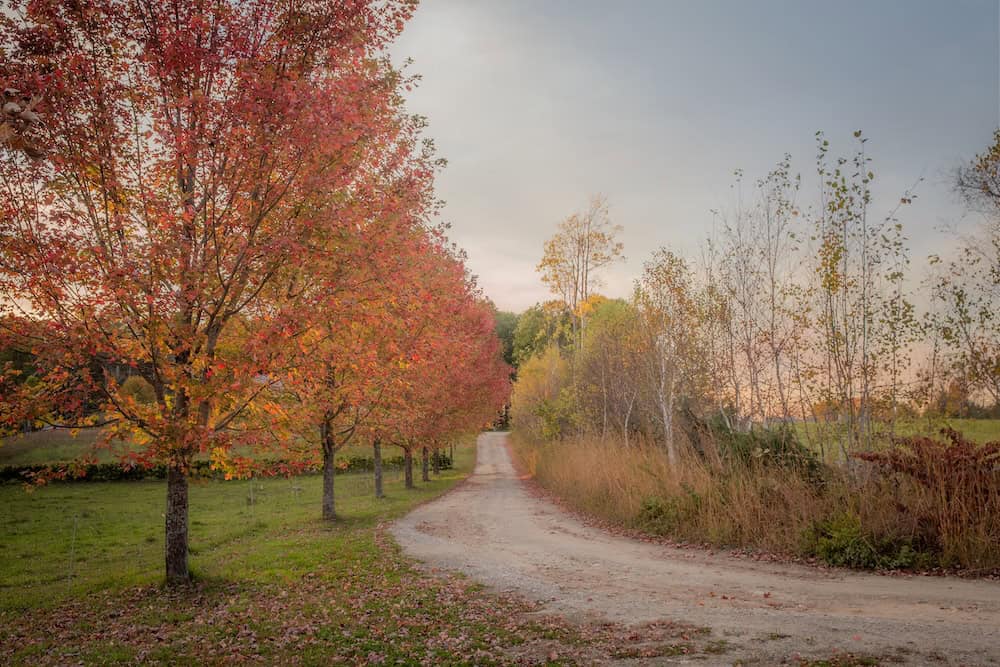
Sylvester Baxter Lecture
Lauren Stimson and Stephen Stimson “restraint + wildness”
-
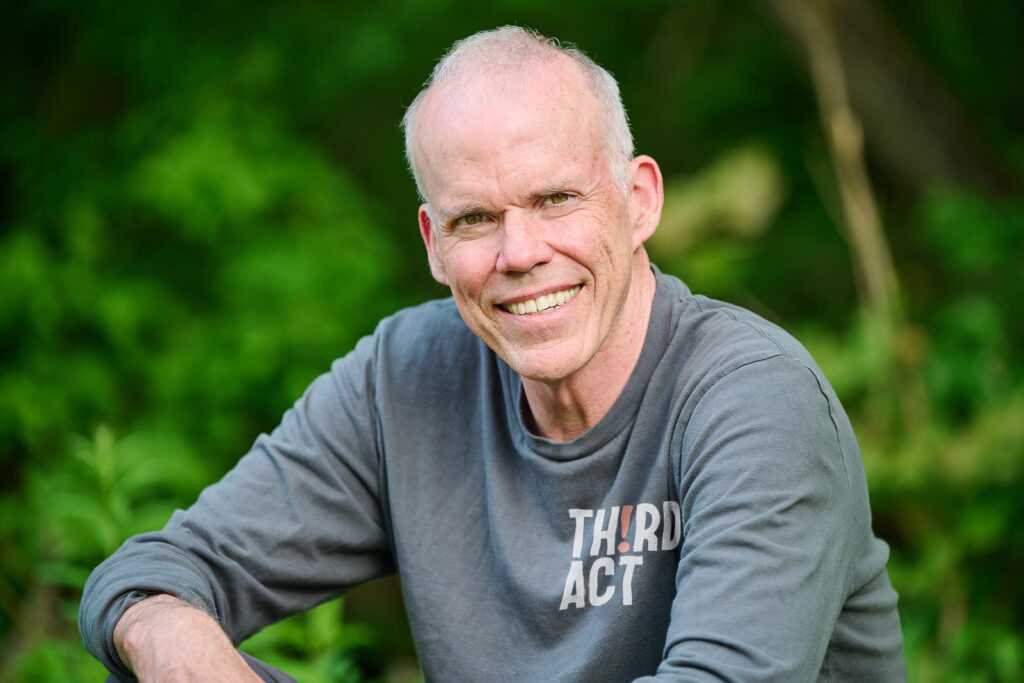
Open House Lecture
Bill McKibben “A Fresh Start for Our Cities”
-
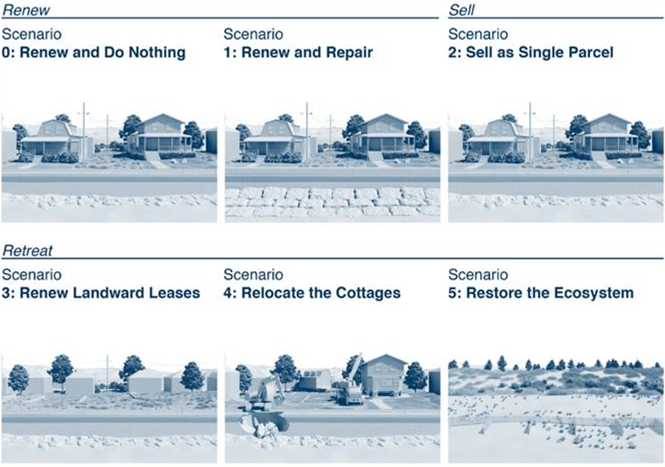
Daniel Urban Kiley Lecture
Kira Clingen “Place-Based Scenario Planning for the Climate Emergency”
We held two symposia this year, along with multiple exhibitions. In February, we hosted scholars and practitioners from around the world for “Designers of Mountain and Water: Alternative Landscapes for a Changing Climate,” curated by Associate Professor in Practice Jungyoon Kim (MLA ’00) and her colleague Nicholas Harkness, Modern Korean Economy and Society Professor and director of the Harvard Korea Institute. The symposium and exhibition featured 57 works by 23 practices in Asian bioregions. In April, Associate Professor Pablo Pérez-Ramos hosted “Oases of Mezcal: An Oaxacan Rural Community in Conversation with Harvard University,” featuring his engagement with climate-challenged agricultural communities in western Mexico. Finally, the student-led Landscape Technology Forum held several internal and public events that provided remarkable conversations around innovative applications of technology in the field.
Our option studio sites varied widely this year, and all option studios received funding for travel. In the fall, students journeyed to Athens, Kyoto, Geneva, Santa Fe, and two regions of California, the South Central Coast and Napa Valley. In the spring semester, students traveled to the Atacama region of Peru as well as to Dakar, London, Berlin, and New York City—this last studio shared with students in the GSD’s Real Estate Program. These studio trips provide invaluable opportunities for one-of-a-kind learning with local officials, specialists, and stakeholders.
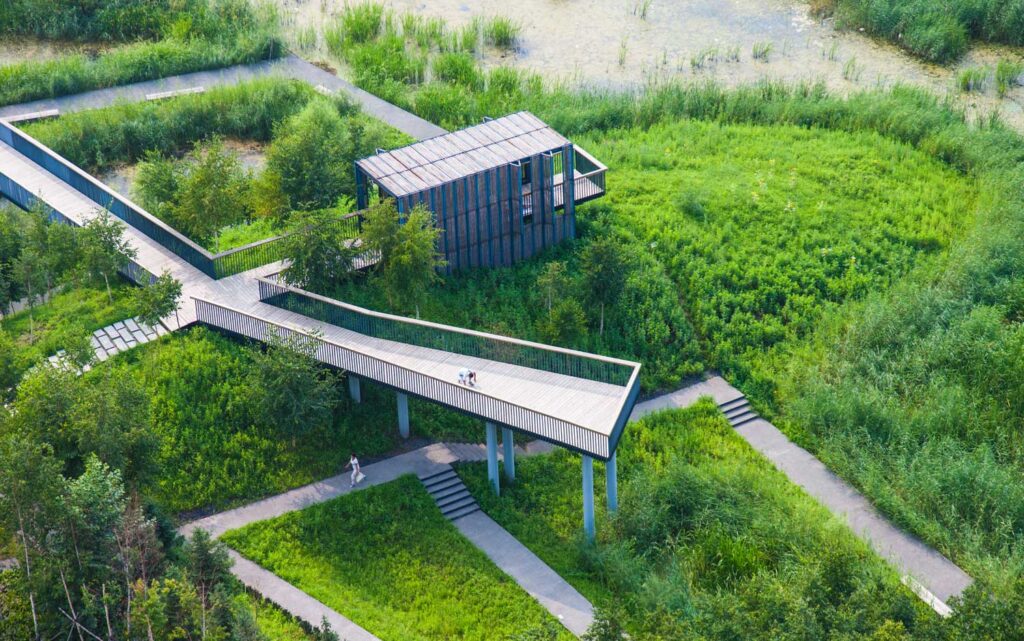
As our community deepens its engagement with environmental and social challenges, the following initiatives further demonstrate the School’s commitment to co‑designing with ecological processes and local knowledge:
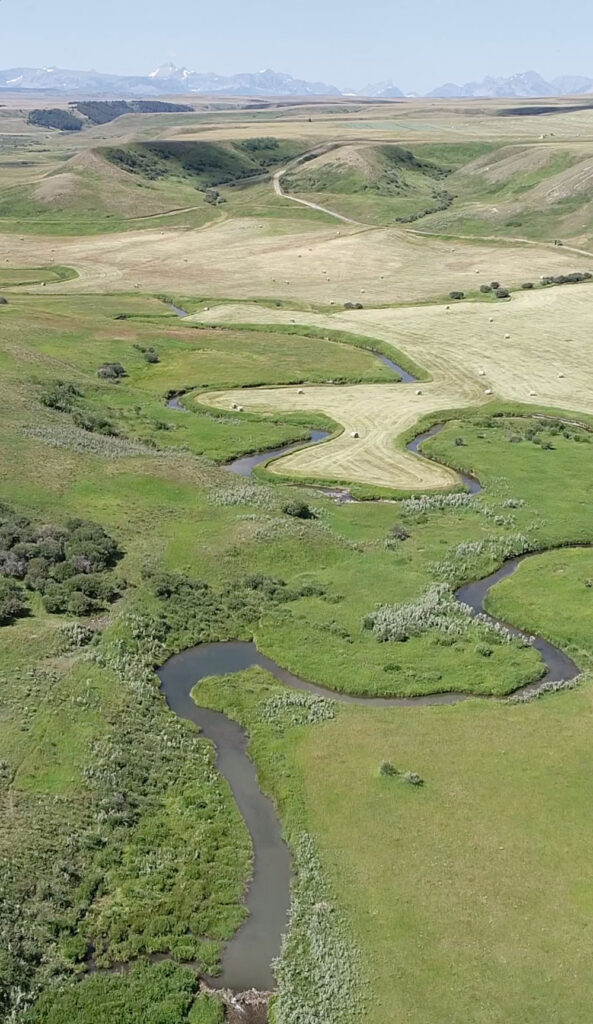
- How landscape architects collaborate with “nature’s furriest engineers” (beavers) to restore wetlands and enhance biodiversity:
- The Rwanda Institute for Conservation Agriculture (RICA) campus by MASS, which integrates architecture, agriculture, and ecology as a holistic development strategy:
-
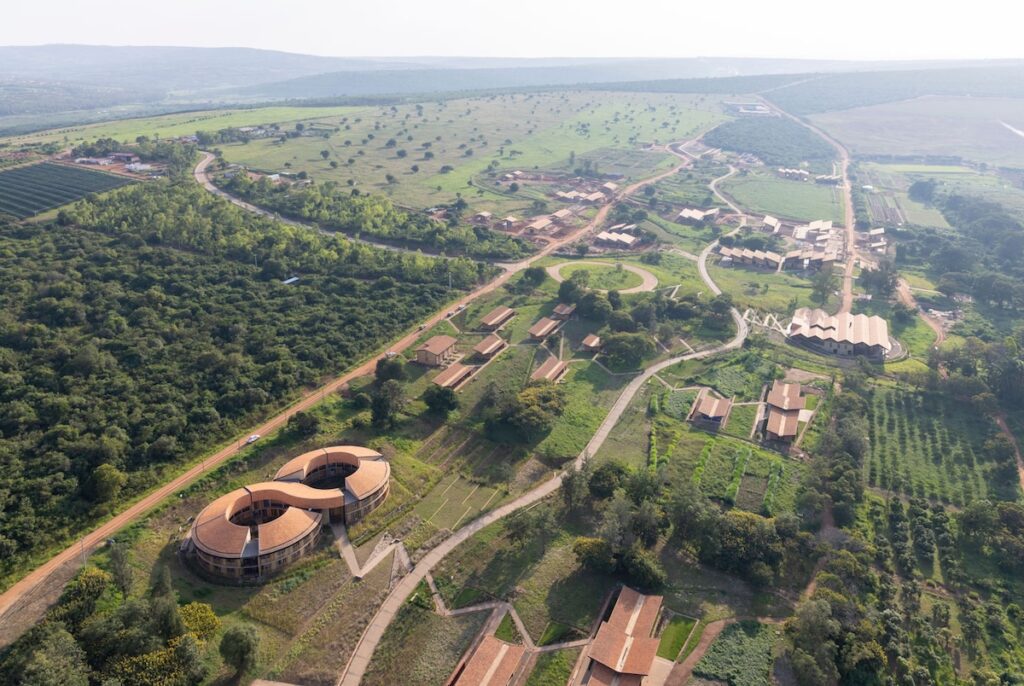
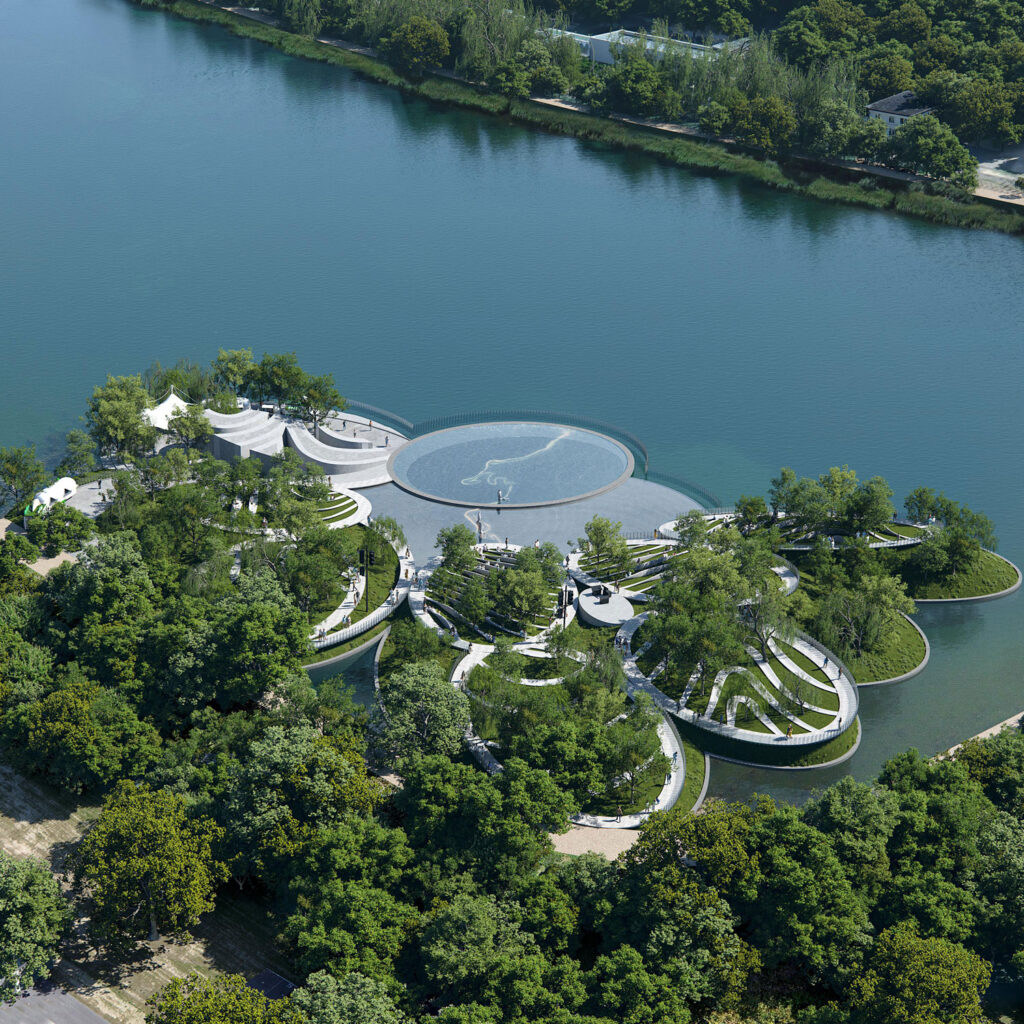
Veronica Rudge Green Prize in Urban Design
Urban Design as a Development Strategy The Rwanda Institute for Conservation Agriculture Campus by MASS
As we look ahead to the fall, you are invited to join alumni, faculty, students, and friends for the ASLA Los Angeles: GSD Alumni Reception 2026. The reception will take place on Wednesday, September 16, 2026, from 7:00–9:00 p.m. PDT at SWA Group. We are especially grateful to Gerdo Aquino (MLA ’96) and Ying-yu Hun (MLA ’94) for generously hosting us in their studio.
In closing, I want to express my deep gratitude and respect for my GSD teaching colleagues, who have provided remarkable support and affirming community during my time as department chair. It has been enormously satisfying to work with Dean Whiting, the Executive Committee, the Senior Faculty Council, the department chairs, and our program directors, who work tirelessly on behalf of students and serve as vital liaisons with the chairs. I have taught at the school for more than three decades, but in my time as Department Chair, I truly felt the spirit of this aspirational and committed learning community over these past four years. I leave the department in strong shape and in excellent hands, and I remain ready to support its continued success.
Sincerely,
Gary R. Hilderbrand (MLA ’85), FASLA, FAAR
Peter Louis Hornbeck Professor in Practice
Harvard University Graduate School of Design
Principal
Reed Hilderbrand LLC