Belinda Tato’s Ecosistema Urbano Selected to Design Cambridge Cool Spots

The City of Cambridge has selected Ecosistema Urbano, the international urban design and architecture studio cofounded by Belinda Tato, associate professor in practice of landscape architecture at the Harvard Graduate School of Design (GSD), to design a new series of temporary shade structures for the city. The project is part of Cool Spots, a Cambridge Participatory Budgeting initiative that aims to address the unequal effects of extreme heat by creating comfortable, accessible, and welcoming public spaces where residents can gather and find relief from hot weather. Ecosistema Urbano was selected through a competitive process that drew 44 applications; five finalist teams were interviewed by a panel of city staff, design professionals, and community members.
In collaboration with the city and local residents, Ecosistema Urbano will identify locations and develop designs for one or more Cool Spots installations. Design work will continue through fall and winter 2026, with fabrication and installation planned for spring and summer 2027.
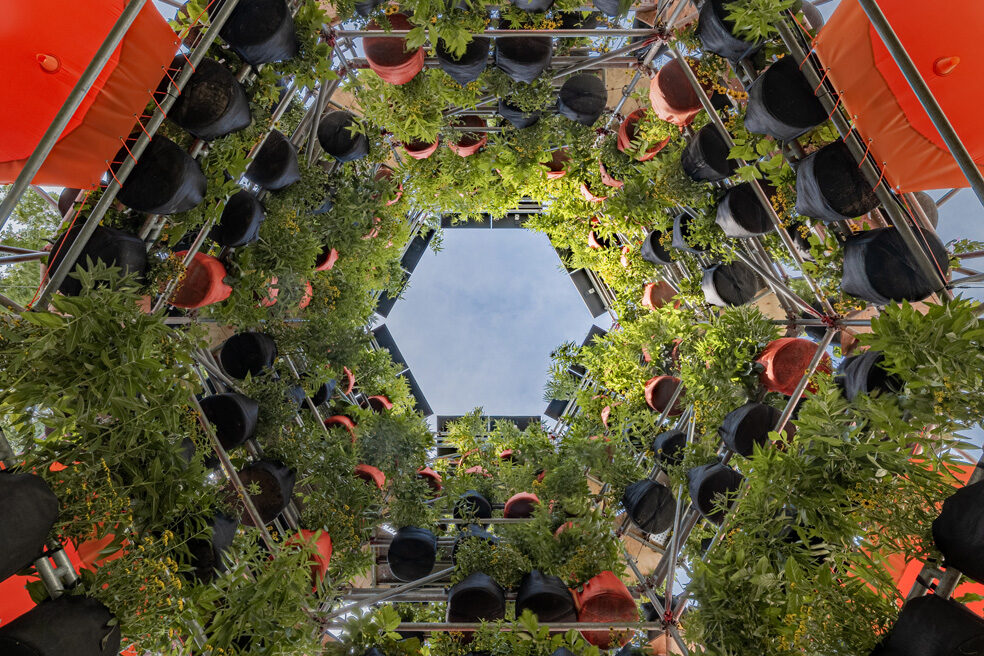
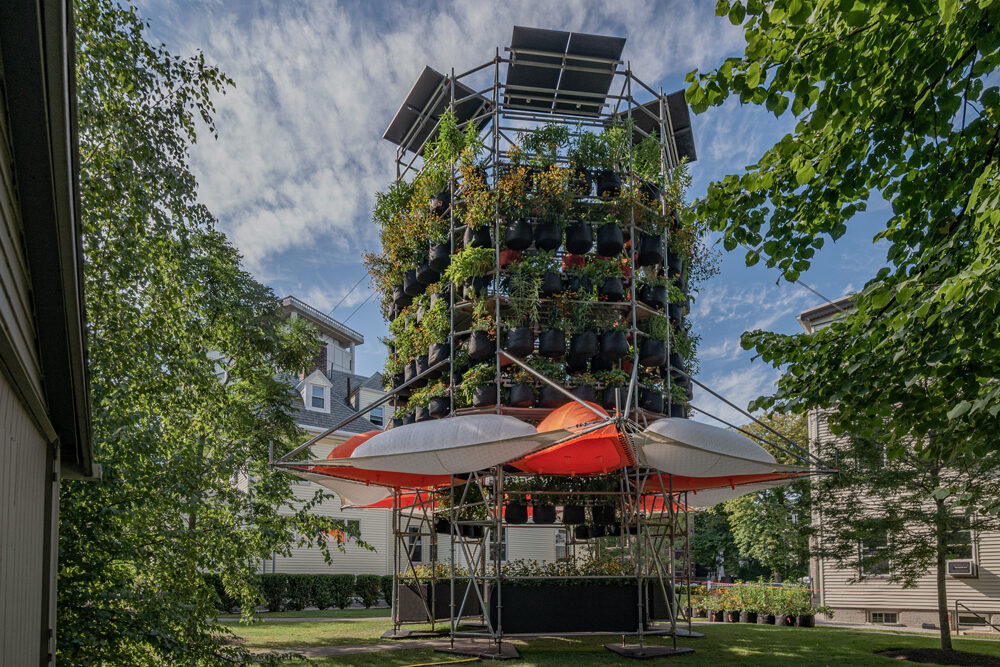
Tato cofounded Ecosistema Urbano with José Luis Vallejo. The studio’s practice brings together architecture, urban design, environmental strategies, and public participation, an approach reflected in Tato’s teaching and research focused on climate-responsive public space and participatory design. Her recent work includes Polinature (2024), a temporary vertical garden installed on the GSD campus and conceived as a low-cost, low-tech approach to improving climate comfort in urban environments.

Tato’s interdisciplinary work extends to the Master in Design Engineering program—offered jointly by the GSD and the Harvard John A. Paulson School of Engineering and Applied Sciences (SEAS)—which she co-directs. Bringing together design and engineering, the program explores how emerging technologies are reshaping relationships among individuals, communities, institutions, and their environments. Tato co-curates Design Engineering for New Systems of Being, marking the program’s tenth anniversary with an exhibition of student projects that engage the social, political, and ethical dimensions of technological change. On view at Gund Hall from September 25 through December 20, 2026, the exhibition will travel to the Science and Engineering Complex in spring 2027.