Mary Anne Piacentini, who earned a master in city planning (MCP) from the Harvard Graduate School of Design in 1974, has received the 2026 Cornelius Amory Pugsley Medal for Parks and Conservation. Presented by the American Academy for Park and Recreation Administration (AAPRA), the Pugsley Medal is the most prestigious award in the United States recognizing contributions to public parks and conservation. This year’s medal also honors Missouri historian and conservation leader Susan L. Flader, PhD. AAPRA Pugsley Committee chair Lewis Ledford praised both recipients for “a lifelong commitment to protecting special places, strengthening communities, and advancing the value of parks and conservation for generations to come.”
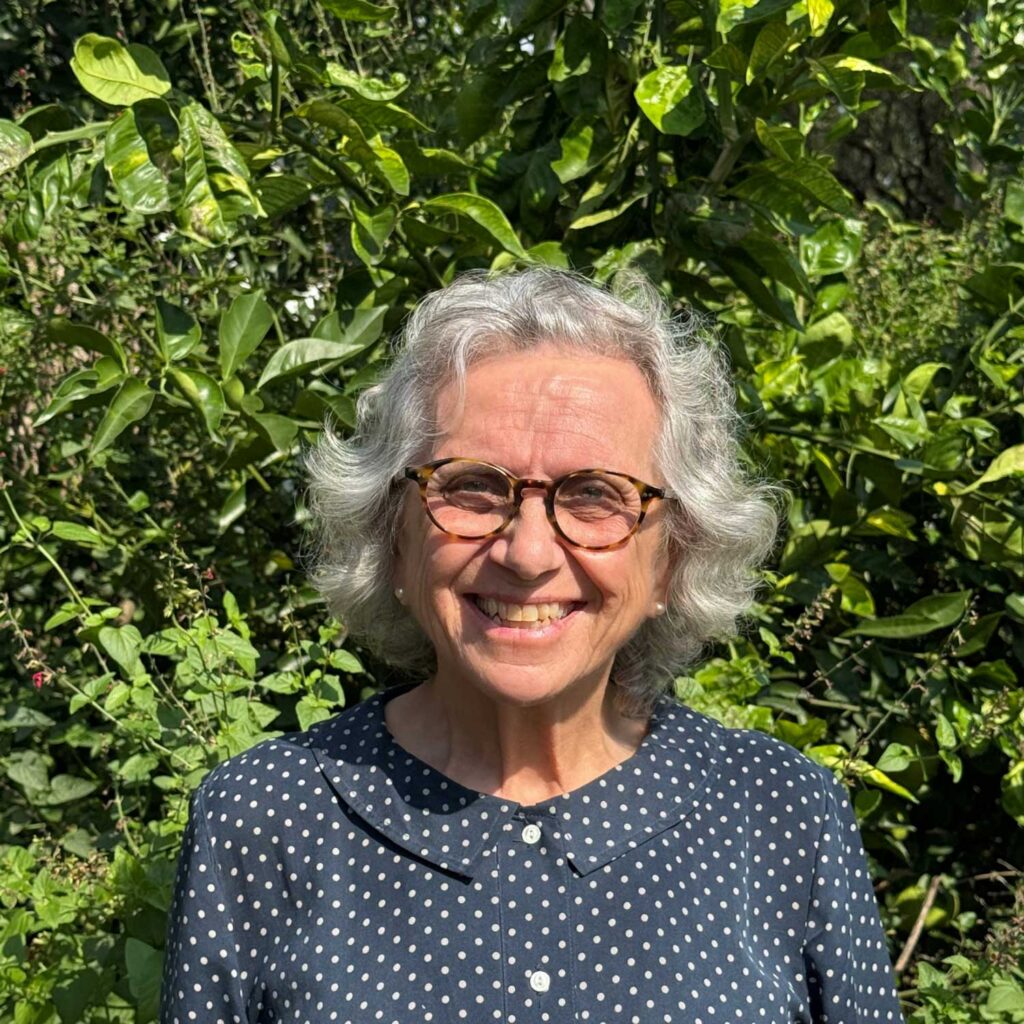
As president and CEO of the Coastal Prairie Conservancy, Piacentini “has turned conservation vision into lasting results on the landscape,” Ledford said. Under her leadership, the conservancy (formerly the Katy Prairie Conservancy) protects 36,607 acres throughout Southeast Texas, including coastal prairie in western Harris and Waller Counties: grasslands, wetlands, and wildlife habitat that help reduce flooding in one of the country’s fastest-growing metro areas. Her other honors include the Terry Hershey Bayou Stewardship Award, the Flo Hannah Prairie Career Achievement Excellence Award, the AIA Houston Civic Vision Award, and Audubon Texas’s inaugural Terry Hershey Texas Women in Conservation Award.
Piacentini oversees the conservancy’s land protection programs, conservation assistance to private landowners, regional partnerships, and daily operations. Beyond the prairie, she serves on regional task forces, including the Harris County Community Flood Resilience Task Force, and leads flood mitigation and stream restoration efforts. Her career shows how planning, conservation, and civic leadership together can reshape a region’s relationship with its land and water.