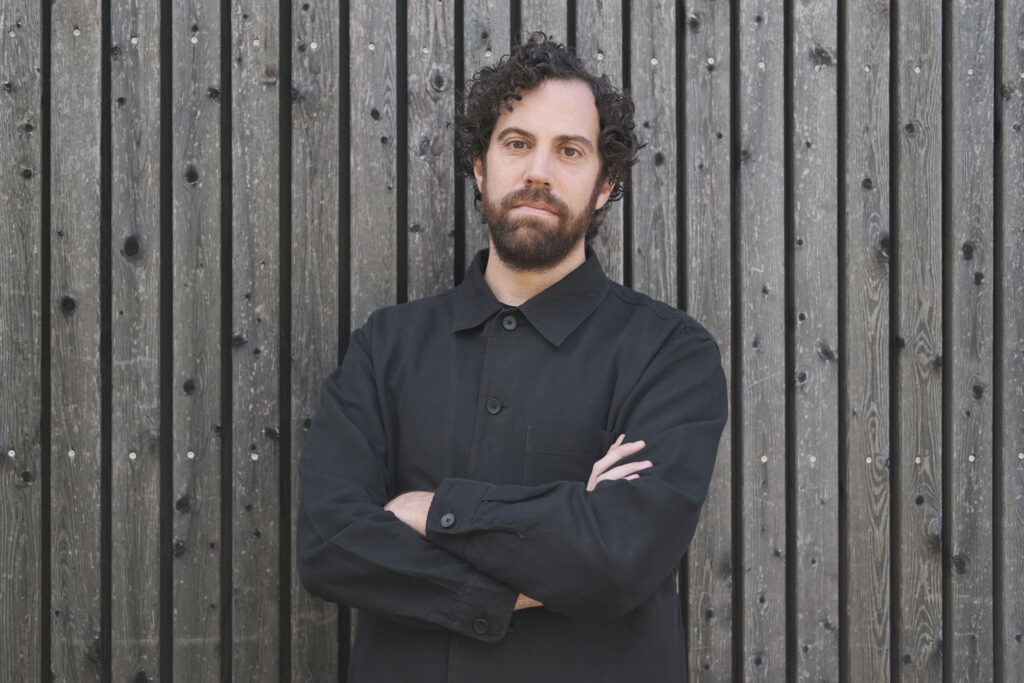
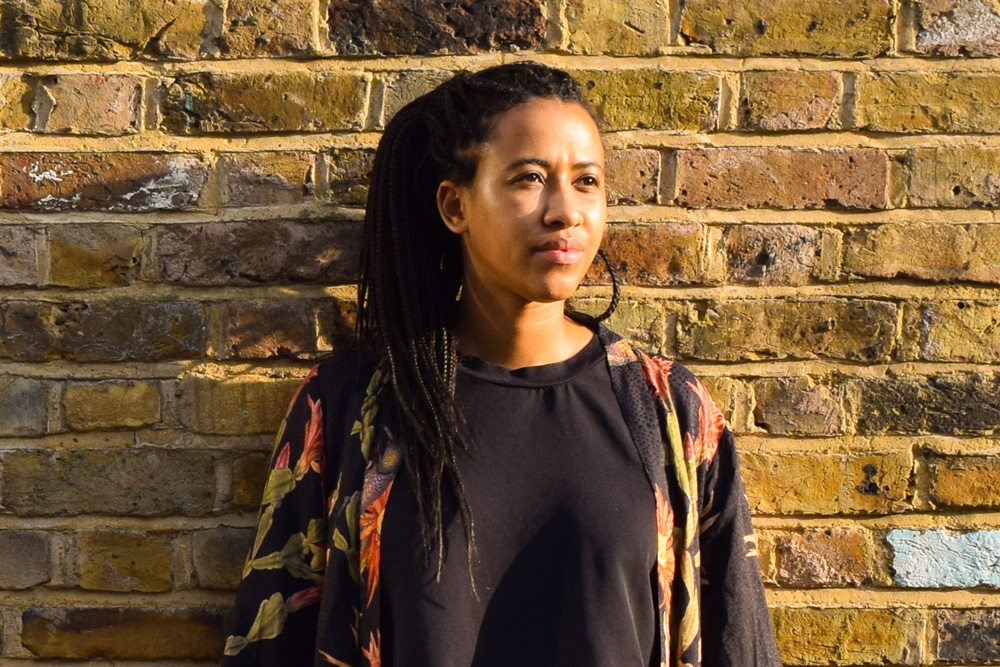
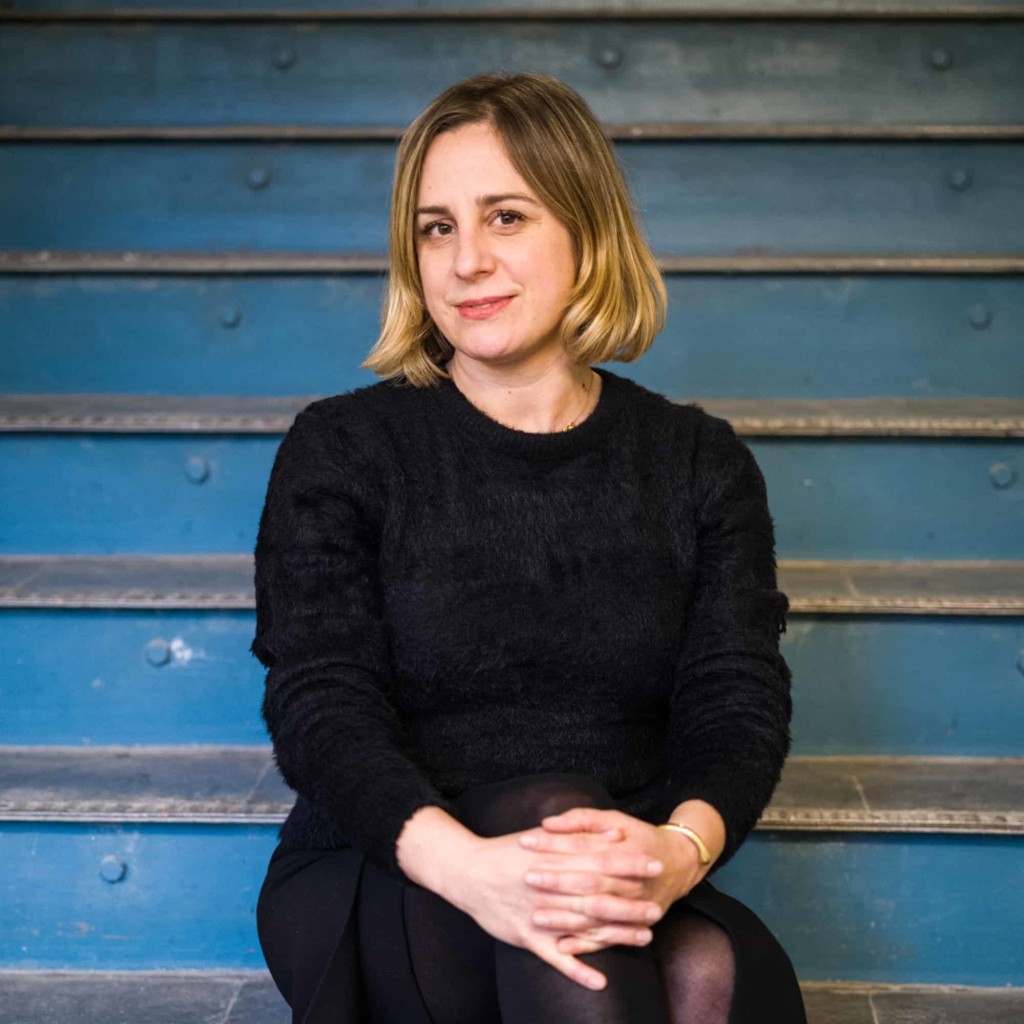
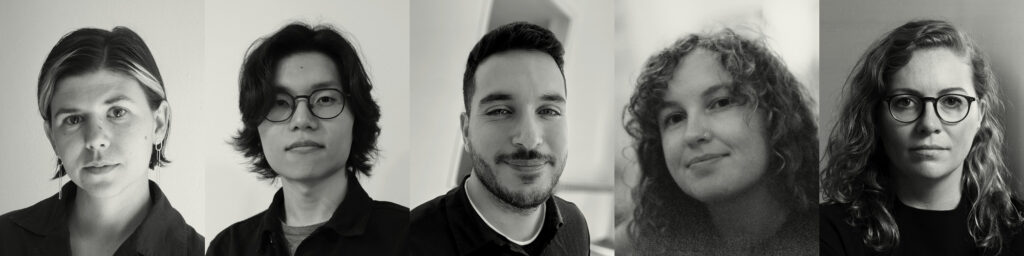
Harvard University Graduate School of Design (GSD) is pleased to announce five shortlisted architects for the 2026 Wheelwright Prize: Olga Cobușcean, Junho “Sohun” Kang, Mohamad Nahleh, Ellen Peirson, and Brittany Utting. The Wheelwright Prize is an international competition for early-career architects.
Winners receive a $100,000 fellowship to foster innovative architectural research that is informed by cross-cultural engagement and can make a significant impact on architectural discourse. Winning research proposal topics in recent years have included the role of architecture in sustaining and revitalizing rural mountainous regions; social and spatial relations in contemporary Africa; and new paradigms for digital infrastructure.
The 2026 Wheelwright Prize drew a wide pool of international applicants. A winner will be announced in June.
Jurors for the 2026 Prize
- Mariana Ibañez, associate professor and chair of UCLA Architecture and Urban Design, and co-founder of Ibañez Kim
- Marina Otero Verzier, lecturer in architecture at Harvard GSD
- Jennifer Newsom, co-founder of Dream the Combine and assistant professor at Cornell University’s College of Architecture, Art, and Planning
- Charles Waldheim, John E. Irving Professor of Landscape Architecture, director of the Office for Urbanization, and co-director of the Master in Design Studies program at Harvard GSD
- Oliver Wainwright, architecture and design critic of The Guardian and Loeb Fellow 2026
- Sarah M. Whiting, dean and Josep Lluís Sert Professor of Architecture at Harvard GSD
Shortlisted Architects
Olga Cobușcean
Born in Chișinău, Moldova, Cobușcean is an architectural thinker, writer, and designer working at the intersection of spatial practice and the question of belonging. She has spent the last decade living and working between the margins and centers of Europe, observing what the EU looks like from inside, outside, and its thresholds. From this embodied position grows her ongoing research on the architecture of Europeanization. She studied architecture at RWTH Aachen University and ETH Zürich. Her master’s thesis, “Hotel National—Arriving Back Home,” dealing with an abandoned Soviet-modernist hotel in Chișinău, received the ETH Medal and the SIA Master Prize Architecture. Based in Berlin, she currently teaches urban design at Leibniz University Hannover.
Junho “Sohun” Kang
Kang is an architectural designer and researcher whose practice begins in the field—living alongside communities under pressure, learning from their spatial practices, and co-creating new possibilities in place. In Jeju Island, South Korea, he collaborated with haenyeo (diving women) to rebuild a community fireplace for intertidal commons. In Pecos, Texas, he spent a year inside an emergency shelter for migrant children, documenting how humanitarian architecture materializes carceral logics and carving openings for care—from wayfinding to a library. He holds a Master of Architecture I from Harvard GSD and has practiced in Boston, Seoul, and Los Angeles. He teaches at Northeastern University and develops architectures of transnational care, advancing non-carceral care for migrant children.
Mohamad Nahleh
Nahleh is assistant professor of architecture at The Ohio State University and founder of Nightrise. His work confronts imperial and capitalist regimes of illumination by reclaiming night as a primary site for architectural and political inquiry. Through writing and building, he studies how communities facing colonial violence and ecological devastation mobilize darkness to forge worlds beyond the grip of oppression and pollution. Nahleh holds a Bachelor of Architecture from the American University of Beirut and a Master of Science in Architecture Studies from MIT, where he also taught for several years.
Ellen Peirson
A London-based architect and writer, Peirson works at the intersection of material ecologies, domestic life, and policy. She examines how architecture can tell stories about who we are and the world in which we live. In her role at Mike Tuck Studio, she led Don’t Throw Your House Away, a RIBA-funded study on embodied carbon in everyday home renovations. She puts this into practice through her work on low-toxicity, breathable retrofits in London. She also regularly writes on architecture, reuse, and housing justice for publications including The Architects’ Journal and The Architect’s Newspaper. Peirson’s current practice-based research follows how mineral supply chains pass through the home, maintenance and repair become cultural acts, and renters experience these systems.
Brittany Utting
Utting is assistant professor of architecture at Rice University and co-founder of the research and design collaborative HOME-OFFICE. Her work focuses on the relationship between architecture and environmental care, exploring the spatial and technical practices of climate research. She recently edited Architectures of Care: From the Intimate to the Common (Routledge, 2024) and co-edited Log 60: The Sixth Sphere (Winter/Summer 2024). This special issue of Log laid the groundwork for the exhibition The Sixth Sphere, which was exhibited internationally in Lisbon, Berlin, and Houston. Utting has been a MacDowell Fellow in Architecture and was the 2017–2018 Oberdick Fellow at the University of Michigan.