Extending the Great Green Wall in Dakar
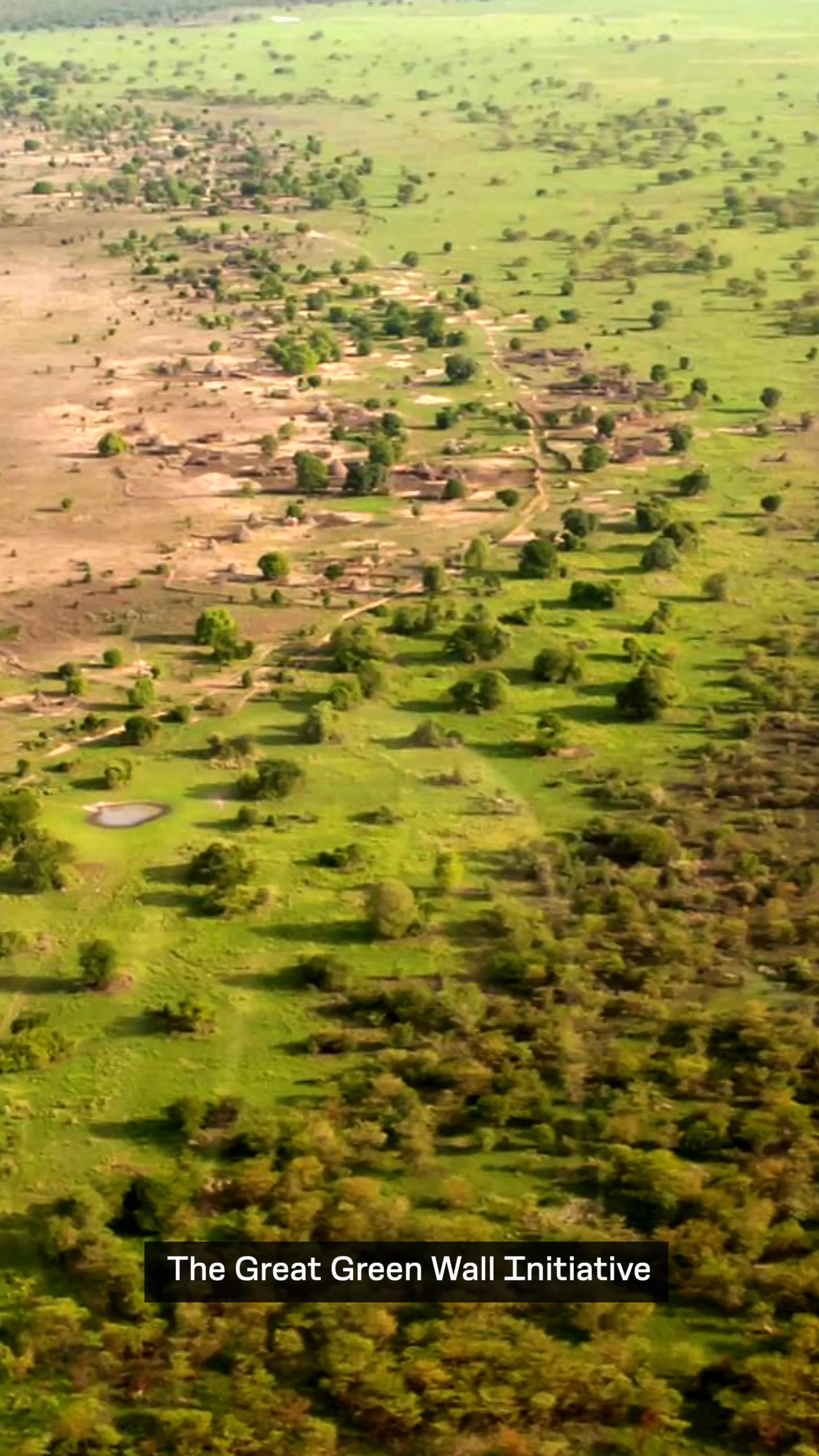
What does it mean to extend the Great Green Wall into a rapidly urbanizing African city?
Originally imagined as a line of trees stretching from Djibouti to Dakar, the Great Green Wall has evolved into a continental-scale effort to restore landscapes, strengthen communities, and address climate pressures across the Sahel.
In a Harvard GSD studio led by Sierra Bainbridge and Rob Levinthal, students traveled to Dakar, Senegal, to explore how this ambitious initiative might take root in urban and peri-urban landscapes. Collaborating with local leaders of the Dakar Greenbelt Initiative, GSD students worked across sites shaped by mining, shrinking green space, flooding, and heat. They also researched the complex social, economic, and ecological realities of the Mbeubeuss landfill—the largest in West Africa. The studio examined how landscape design can support ecological repair while engaging the communities whose livelihoods are tied to these places.
Bainbridge calls this work “landscape diplomacy”: using design to connect landscapes, people, and policy toward more just and resilient futures.
This research was made possible by the Koji Yanai Innovative Infrastructure Initiative Fund.
The Architecture of Human Waste
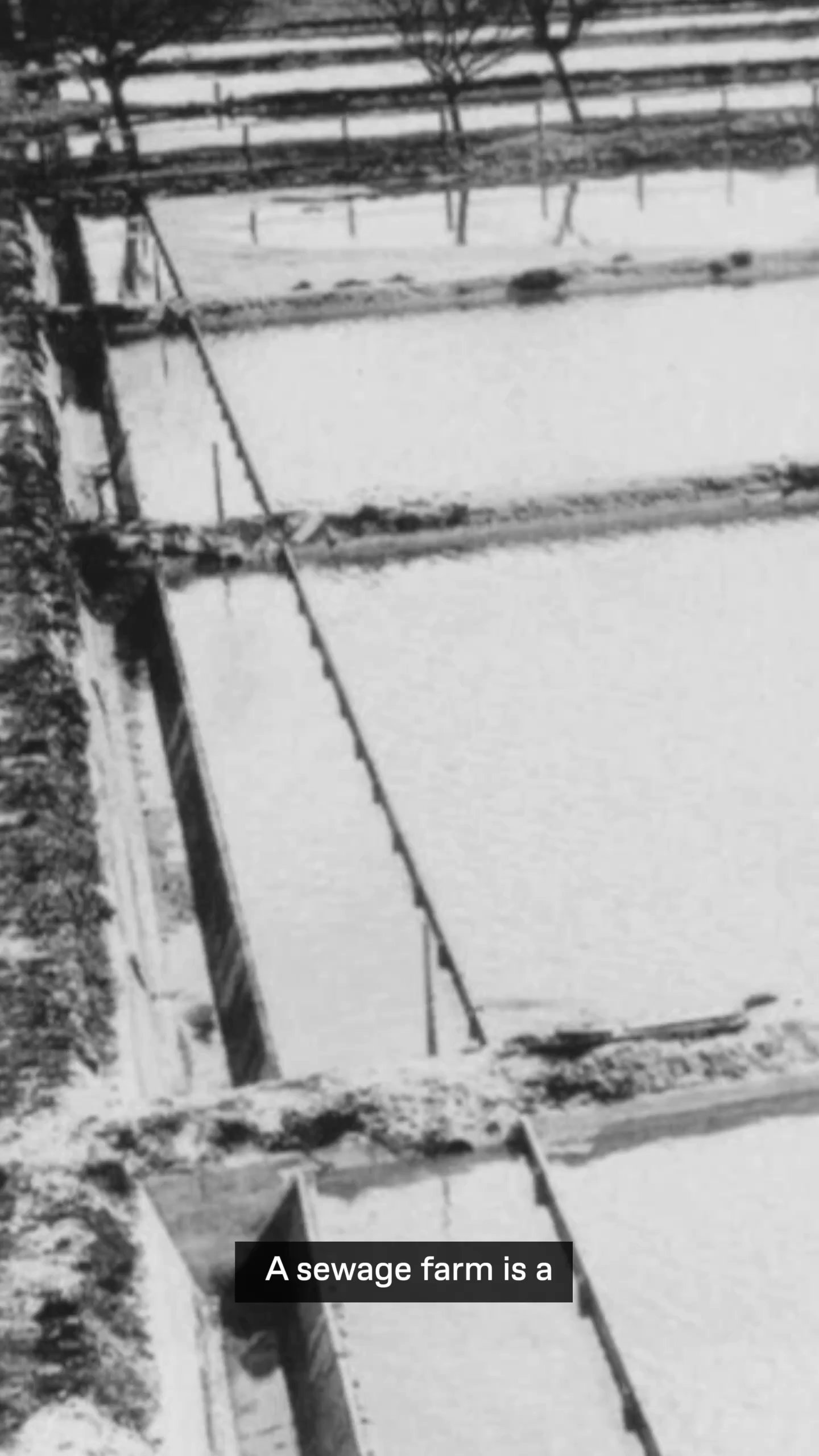
Berlin’s vast 19th-century sewage farms—once engineered to process the city’s waste across thousands of acres of agricultural land—remain one of the largest experiments in urban circularity ever constructed.
This spring, the Harvard Graduate School of Design studio “post FLUSH: Water, Waste and Intimacy in Berlin’s Civic Realm,” taught by Chris Reed and Laila Seewang, invited students to reconsider these overlooked landscapes not as obsolete infrastructure, but as ecological, social, and civic assets for the future.
Moving between Berlin’s expansive sewage fields and the everyday spaces where water and waste are managed—public toilets, baths, transit hubs, and housing—the studio explored how infrastructure quietly shapes urban life. Students proposed new futures for these landscapes, imagining cleaner water systems, renewable energy networks, public gathering spaces, and healthier urban environments. Ultimately, the work asks: What might cities become if the systems that sustain them were designed not to disappear from view, but to more openly support collective and ecological life?
This research was made possible by the Koji Yanai Innovative Infrastructure Initiative Fund.
Imagining a Wetter Future in Miami
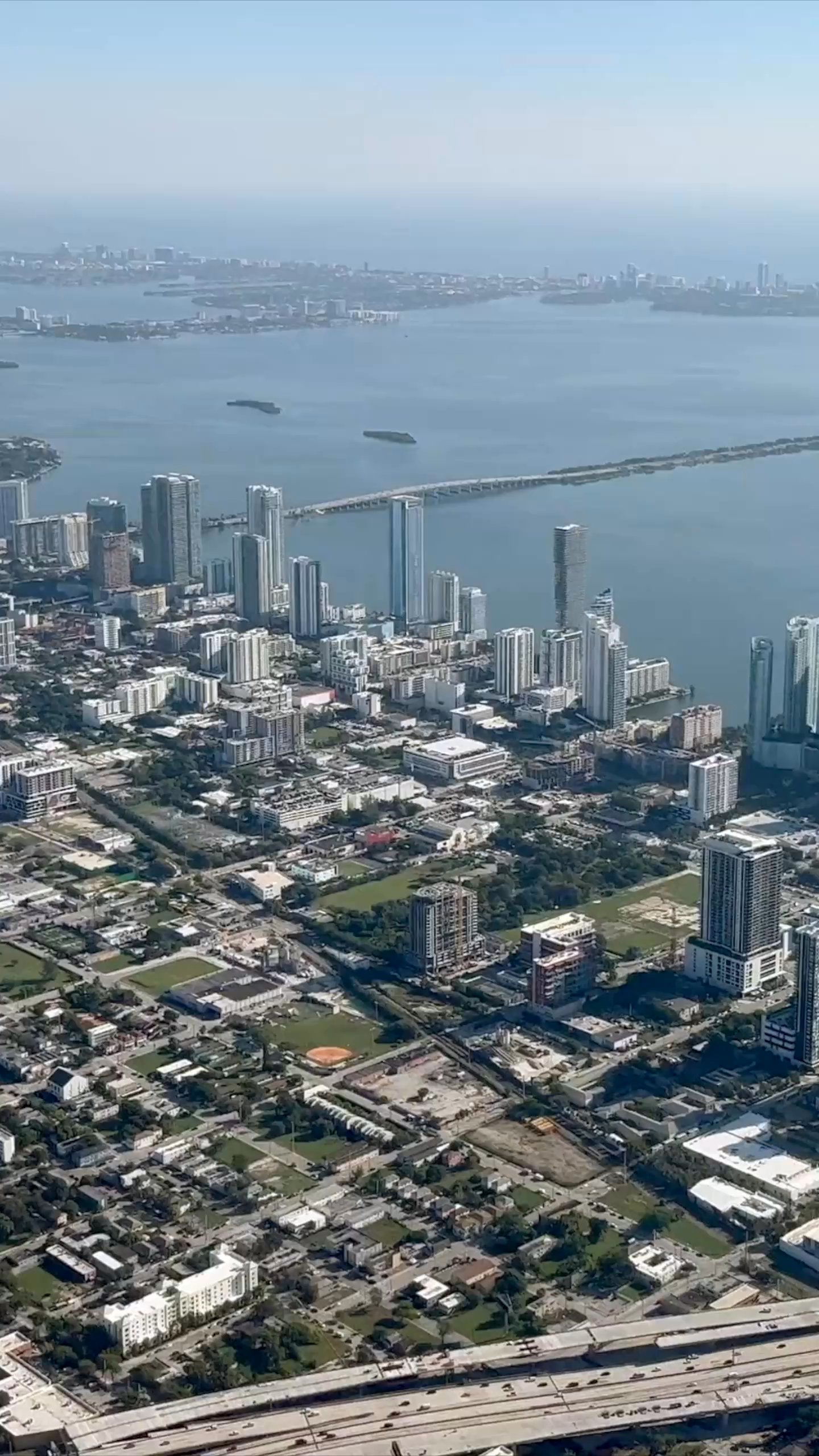
How do you design for a city whose future is increasingly shaped by water?
In Miami, sea level rise, flooding, and storm surge are already reshaping everyday life. Yet construction continues, raising urgent questions about how architecture and urbanism can respond to a wetter reality.
In a Harvard GSD studio led by Nader Tehrani in spring 2026, students designed an architecture school and housing on a downtown site defined by the Miami River, the Metro Rail, and a shopping center—three infrastructures set at different above-ground elevations. Rather than treating infrastructure only as an engineering challenge, the studio explored how it might become an architectural framework for public space.
After traveling to Miami and learning from local experts, students are imagining new ways of living, building, and connecting in a city already confronting the future.
This research was made possible by the Koji Yanai Innovative Infrastructure Initiative Fund.