The Urban Design Lab (UDL) has selected the graduate thesis of Liuyun Wang (MLA ’23) for publication in the 2026 UDL Thesis Publication, which brings together 40 selected thesis projects from 17 countries. Wang also presented the project during the UDL Thesis Publication Seminar in September 2026, where selected designers and researchers presented their work to an international panel of academics and professionals.
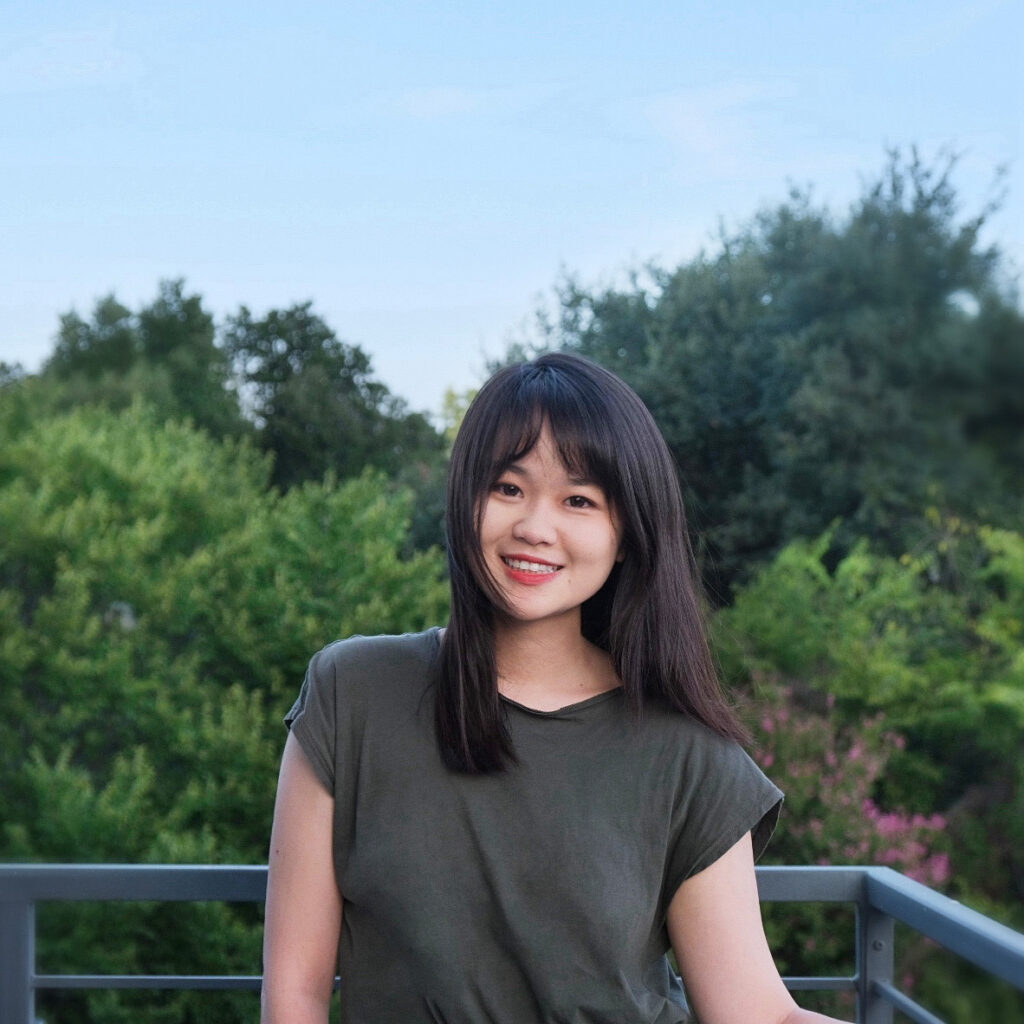
Wang’s thesis, titled “The Last REFUGIA: Wild Seeds Takeover the Riparian Buffer in North Central Wisconsin,” was developed at the GSD and advised by Montserrat Bonvehi Rosich. Beginning with the question of collective survivalism in an increasingly unpredictable climate, The Last REFUGIA uses the riparian areas of North Central Wisconsin as a pilot site and asks which landscapes may become the last refugia for wild seeds, wildlife, and communities under more extreme environmental conditions. Instead of analyzing the landscape through municipal boundaries, the project looks at it at the watershed scale.
Through ecological mapping, ownership and access research, and field conversations with the Menominee community, Wang reconsiders stewardship as a reciprocal relationship between people, land, water, and species. This thesis also traces wild plants that are relatives of crops cultivated in the region today. While domesticated crops have been selected for agricultural productivity, many of their wild relatives retain genetic diversity and resilience under changing environmental conditions. In the project, wild seeds therefore become more than “weeds”: they operate as seed banks and ecological infrastructure that could help buffer food stress when conventional agricultural systems become vulnerable to extreme climate events.
From these recurring ecological and ownership conditions, six typologies of stewardship frameworks emerge. Together, they form REFUGIA (the Riparian Environment Future Initiative), a watershed-scale framework for co-knowledge, community-driven policy-making, and collective stewardship. Rather than proposing a single master plan, each typology responds differently to existing ownership, production, access, and ecological conditions. Ultimately, REFUGIA imagines the riparian buffer not simply as a protected edge, but as a productive and regenerative landscape for collective survival within a multispecies future. Wang continues to develop the project as an ongoing research framework, testing how different forms of riparian ownership and stewardship may emerge in other watersheds and how the framework might continue to evolve through research and implementation.
Follow Liuyun Wang on Instagram.
Share your professional updates or those of your fellow GSD alumni:
The GSD’s extraordinary alumni community is made up of thought leaders who continually innovate across disciplines. They are regularly recognized around the world by the design industry, news media, and professional peers alike. We encourage our alumni to share their professional successes with our community.