Master in Landscape Architecture I AP
Master in Landscape Architecture I AP
Important Dates
PROGRAM OVERVIEW

STUDENT PROJECTS
-
![Monterrey’s Urban [River] Forest: Improving Microclimatic Conditions through Public-Private Partnership Vertical Development](https://www.gsd.harvard.edu/wp-content/uploads/2024/07/Monterrey-Urban-River-Forest_PlimptonPoorvuPrize2024_Submission-1_Page_01_2-1024x663.jpg)
Monterrey’s Urban [River] Forest: Improving Microclimatic Conditions through Public-Private Partnership Vertical Development
Miguel Lantigua Inoa (MArch II/MLA AP ’24), Jaime Espinoza (MRE ’25), Chris James (MRE ’25) -
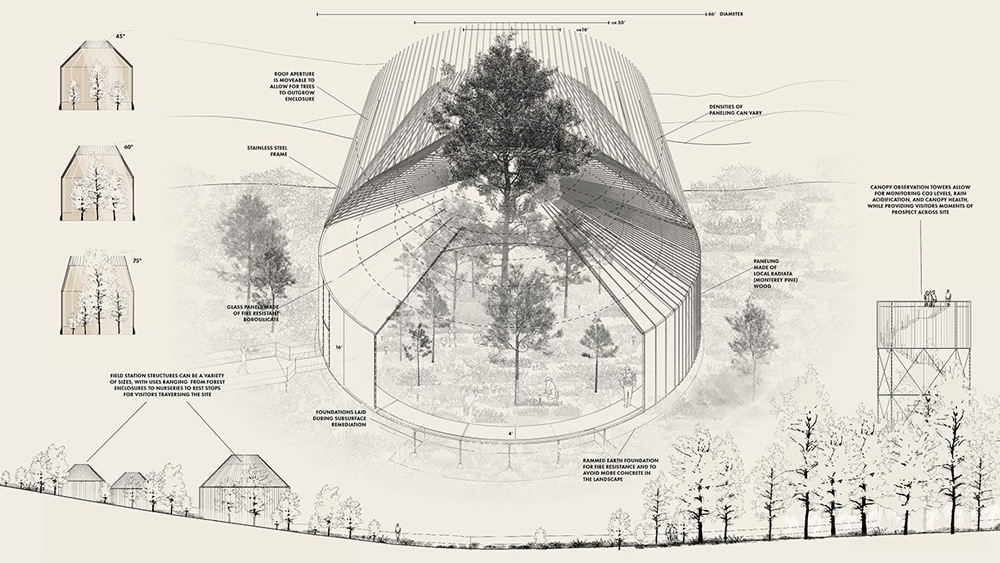
Reforesting Fort Ord
Slide Kelly (MLA I AP/MDes ’24), Amy Whitesides -
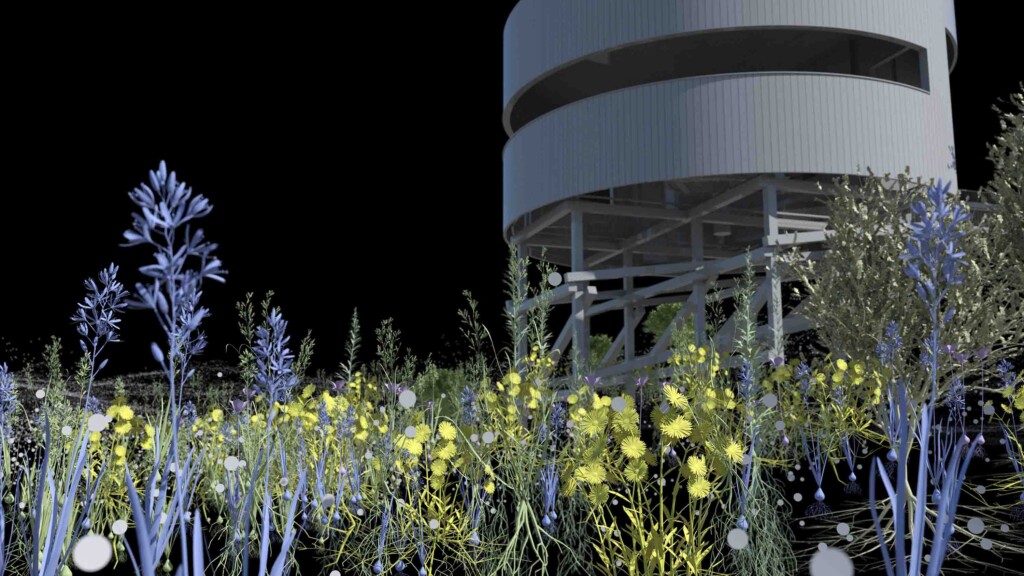
Uncommon Knowledge: Practices and Protocols for Environmental Information
Sonia Sobrino Ralston (MLA I AP '23), Rosalea Monacella -
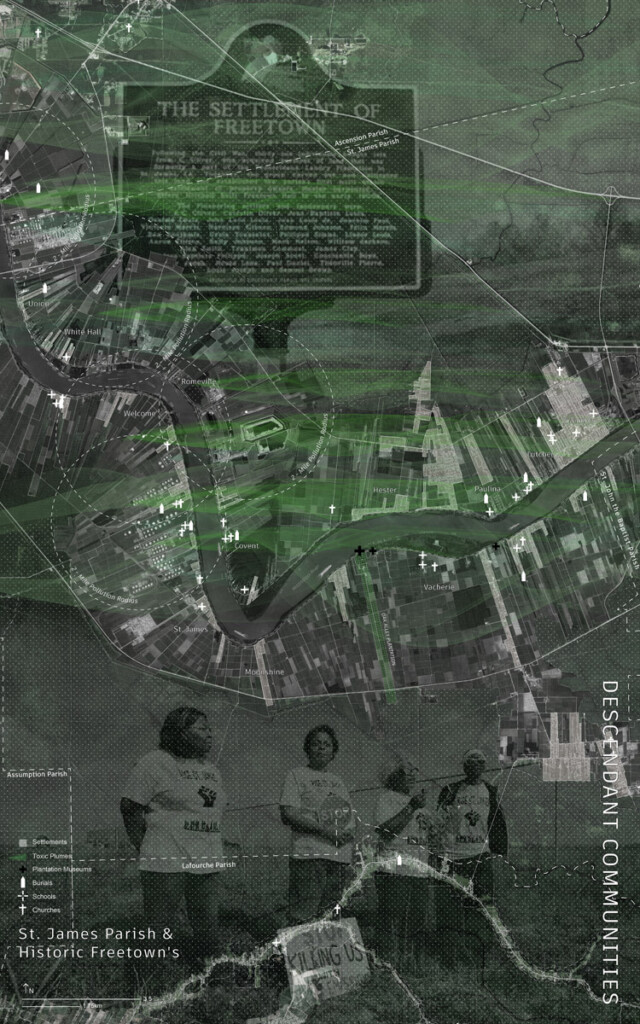
Plantation Futures: Foregrounding Lost Narratives
Celina Abba (MLA I AP '23), Enrique Cavelier (MLA I AP '23), Rosalea Monacella -
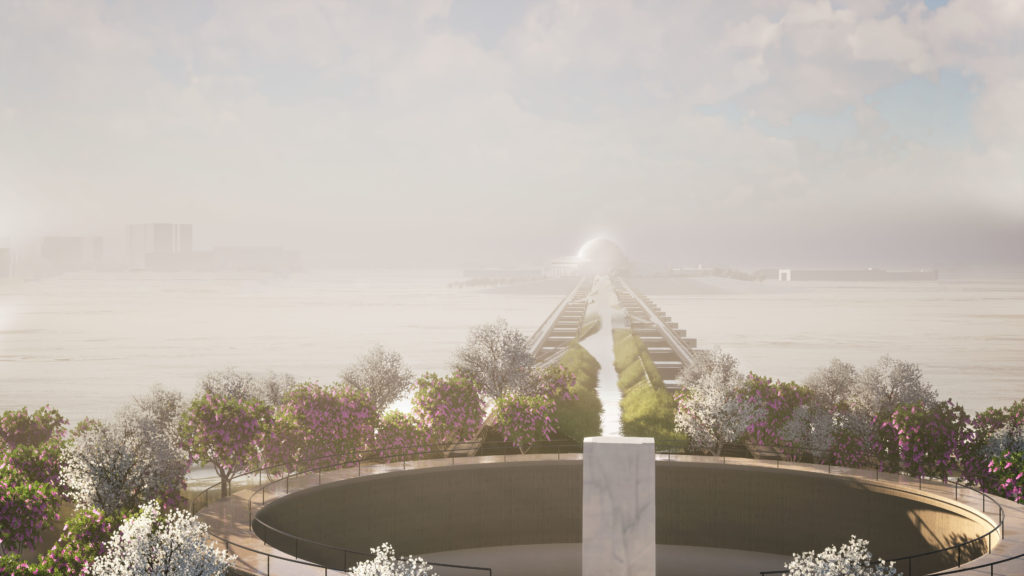
Parallel History
Hanh Nguyen (MArch II/MLA I AP ’21), Gary R. Hilderbrand -

From Humboldt to Caldas: Environmental Liberations through Tropical Altitudes
Juan David Grisales (MDes/MLA I AP '21), Pablo Pérez-Ramos -
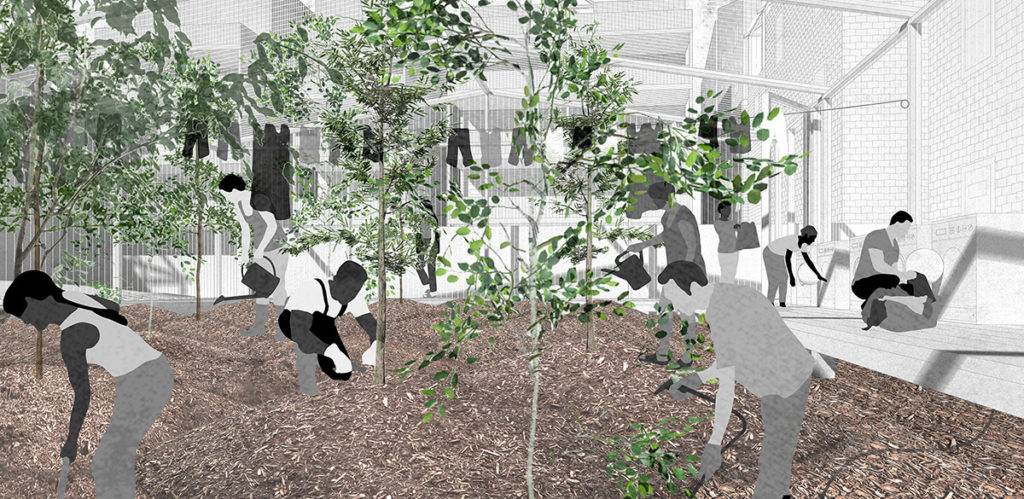
Transmission Right of Way
Fabiana Casale (MLA I AP '22), Yvonne Fang (MLA I '21), Maria Ulloa (MLA I AP '21), Rosalea Monacella -
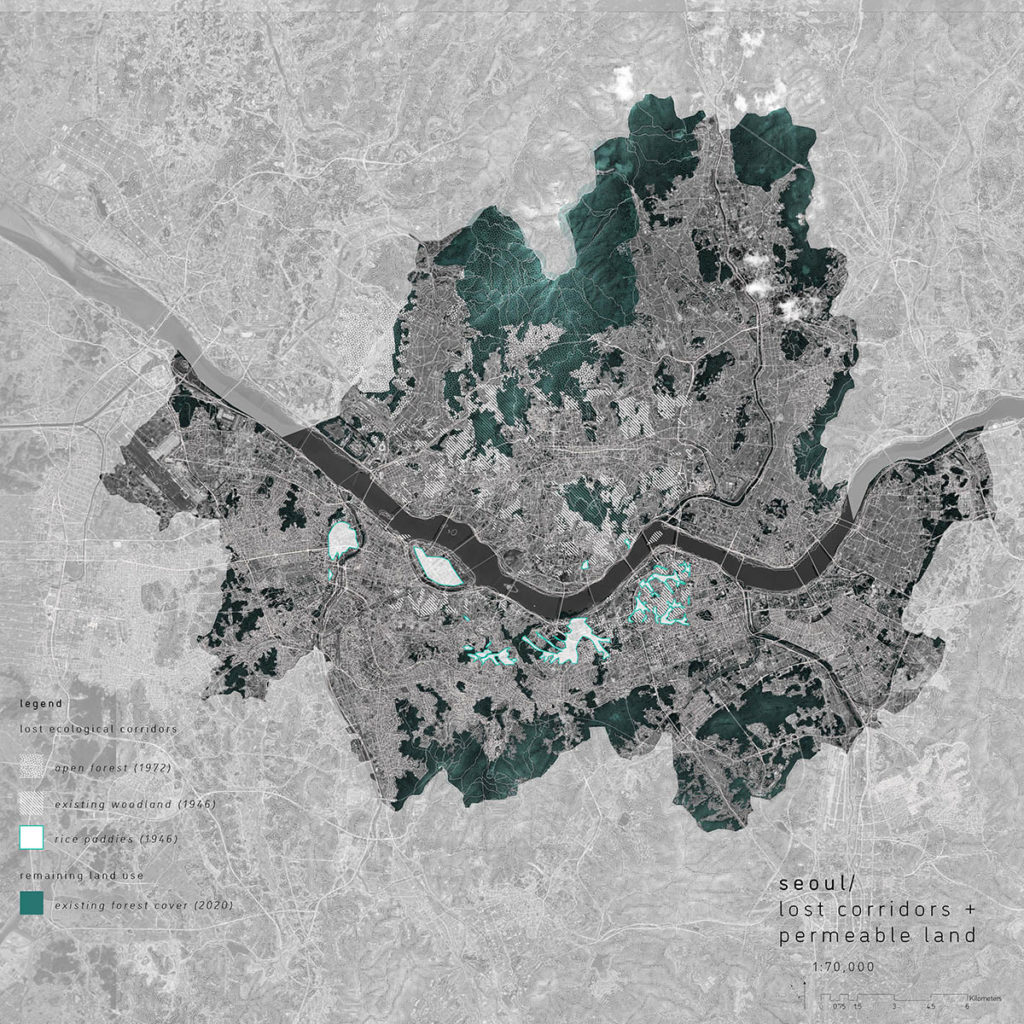
Rewilding the Urban Block: Constructing Permeability through Artificial Ground
Kari Roynesdal (MLA I AP/MUP '21), Jungyoon Kim, Yoon-Jin Park -
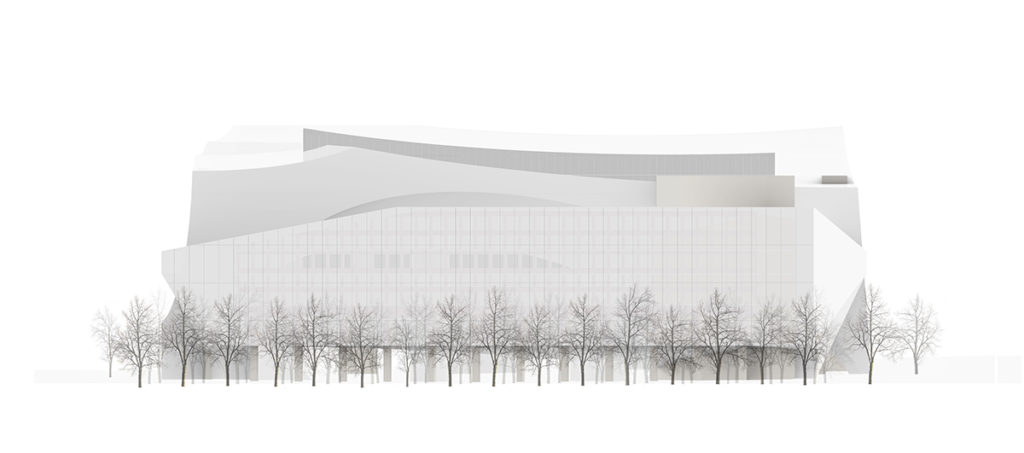
J. Edgar’s Mask
Yifan Wang (MLA I AP '21), Thomas Luebke -
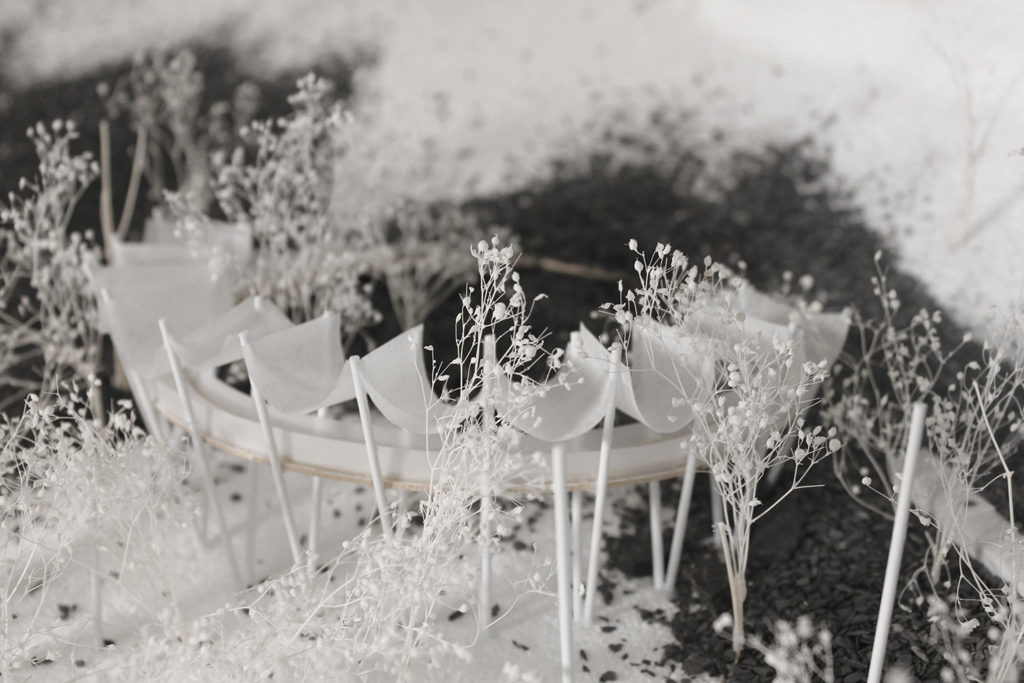
Hidden Landscape
Xijia Zhang (MLA I AP '20), Robin Winogrond
Master in Landscape Architecture I
Master in Landscape Architecture I
Important Dates
TESTIMONIALS
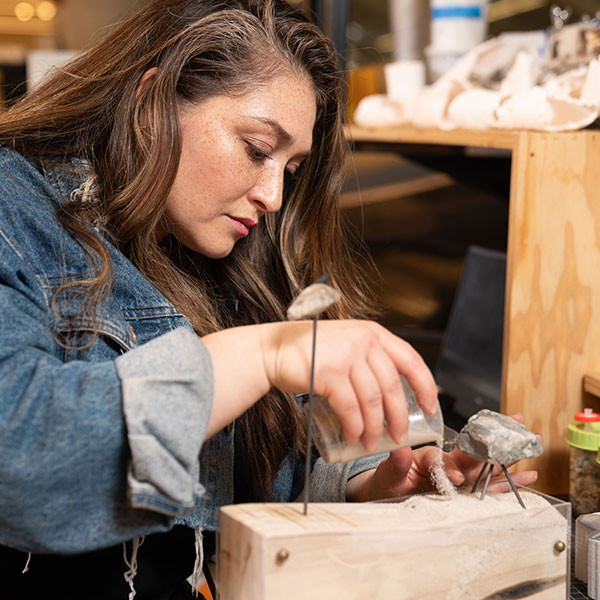
“Without the GSD, I wouldn’t be able to envision so clearly the possibilities that I have ahead of me in the next five to ten years. Much of that is because of my peers, and the passions and skill sets they bring to the school. I’ve learned so much from my cohort by digging into big questions amid discourse in the trays. It’s important to have different perspectives at the table—with classmates from different income levels and backgrounds—so that conversations aren’t one-sided or from a single point of view.”
Felicia Perez(MLA ’24)
PROGRAM OVERVIEW
STUDENT PROJECTS
-
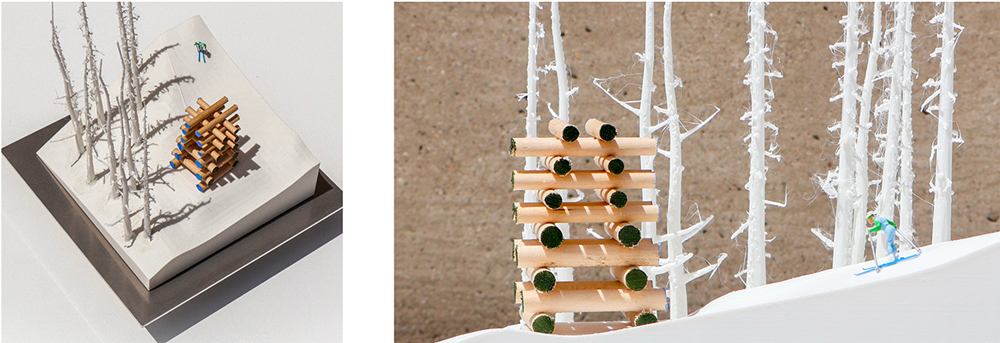
After Snow: The Case for an Alpine Public
Cory Robinson Page (MLA I/MUP ’25), Kira Clingen -
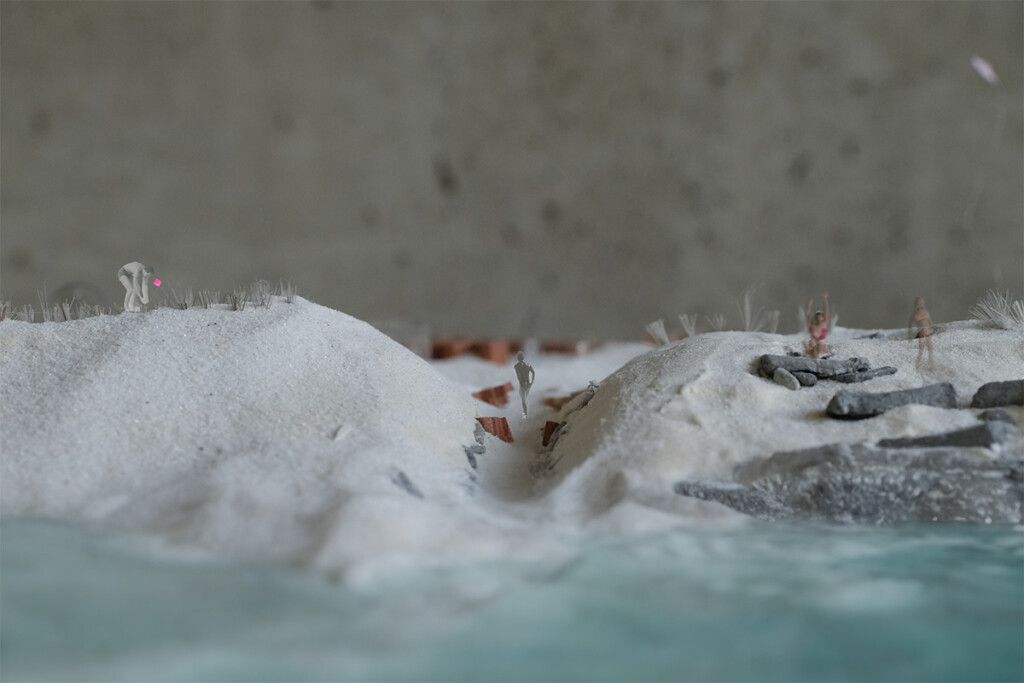
Staging Riis
August Sklar (MLA I ’25), Danielle Choi -
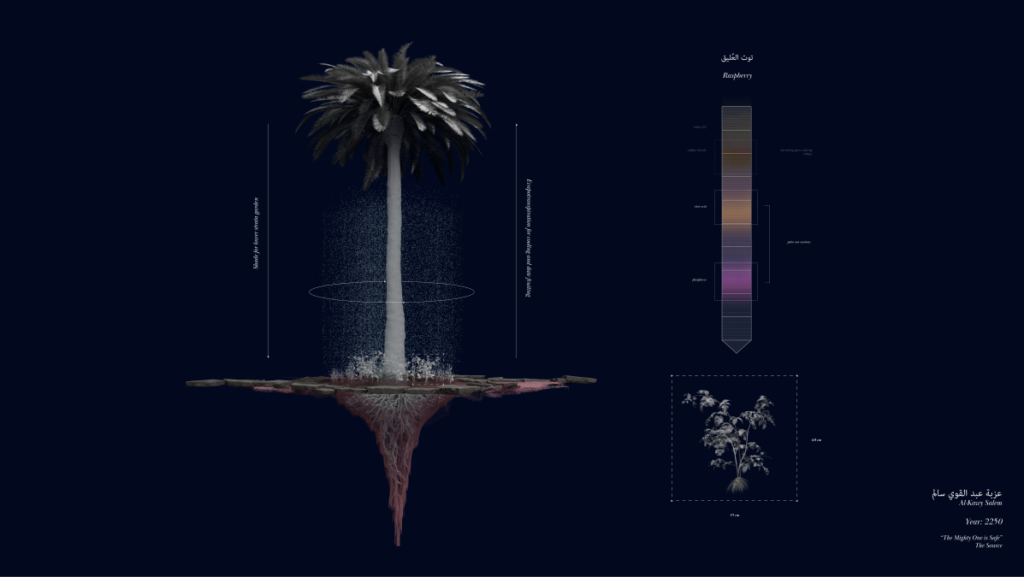
Chemical Occupations: Anti-Colonial Reactions in the Desert
Issam Azzam, Rosalea Monacella -
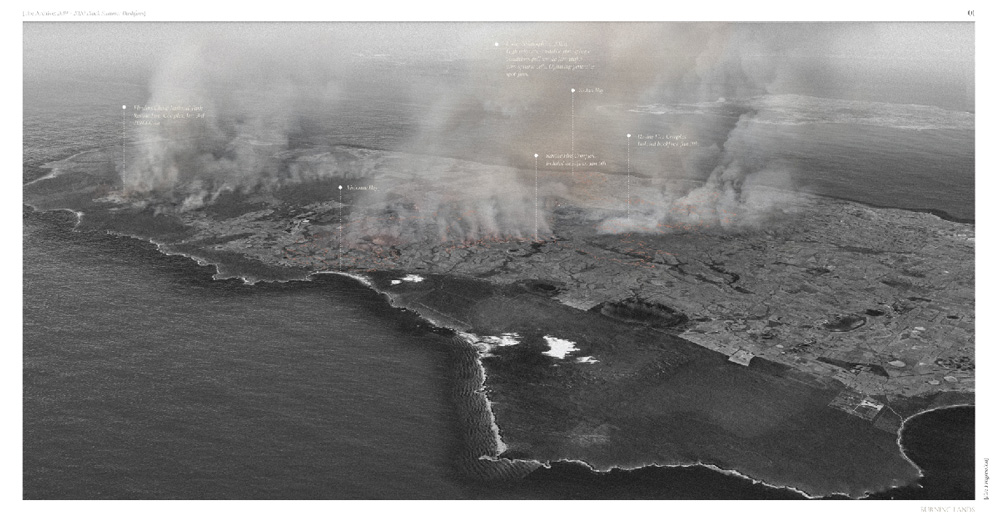
Seeding Grounds: Working Beyond Arcadia in The Pyrocene
Stewart Crane Sarris (MLA I ’24), Craig Douglas -

INSURGENT GEOLOGY: Mineral Matters in the Arctic
Melanie Louterbach (MLA I ’24), Rosalea Monacella -
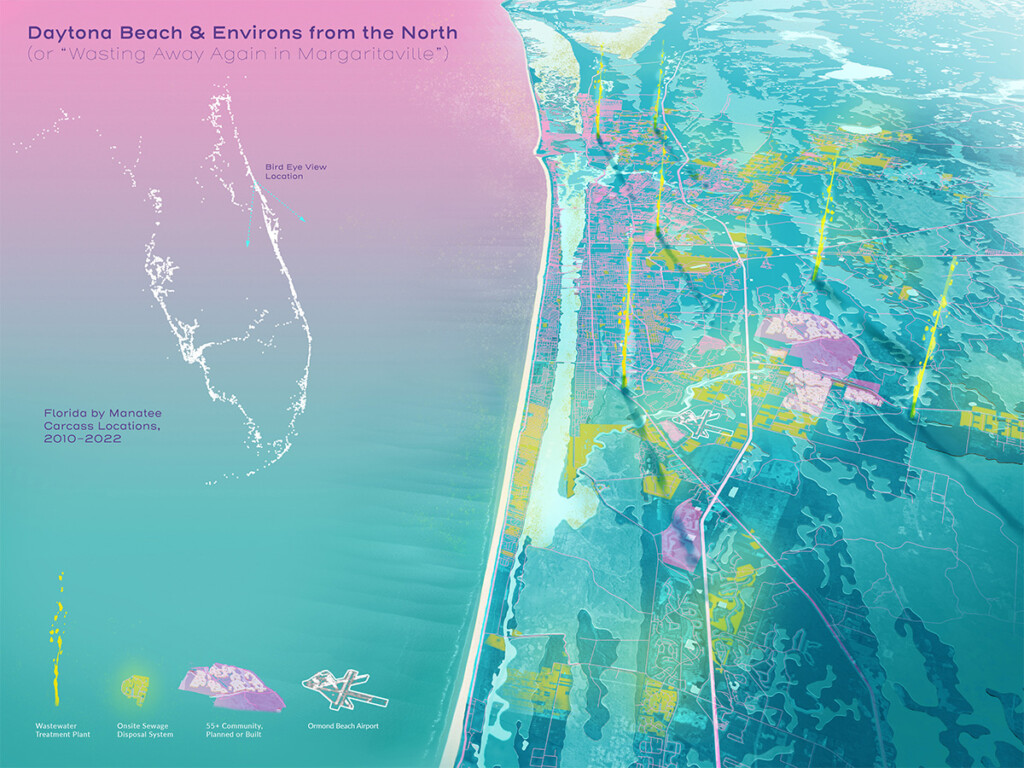
Manatees and Margaritas: Toward a Strange New Paradise
Kevin Robishaw (MLA I ’23), Craig Douglas -

The Echoes of Sky River – Two Pre-modern and Modern Atmospheric Assemblages
Liwei Shen (MLA I '22), Sergio Lopez-Pineiro -
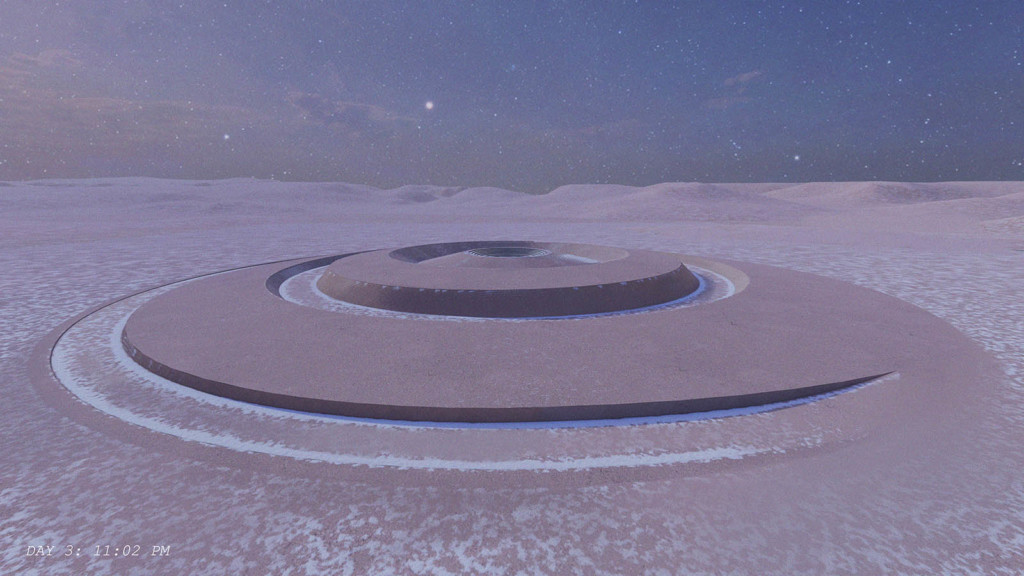
Reciprocal Optimism: Projecting Terrestrial Analogues
Lucy Humphreys Chebot (MLA I '22), Danielle Choi -
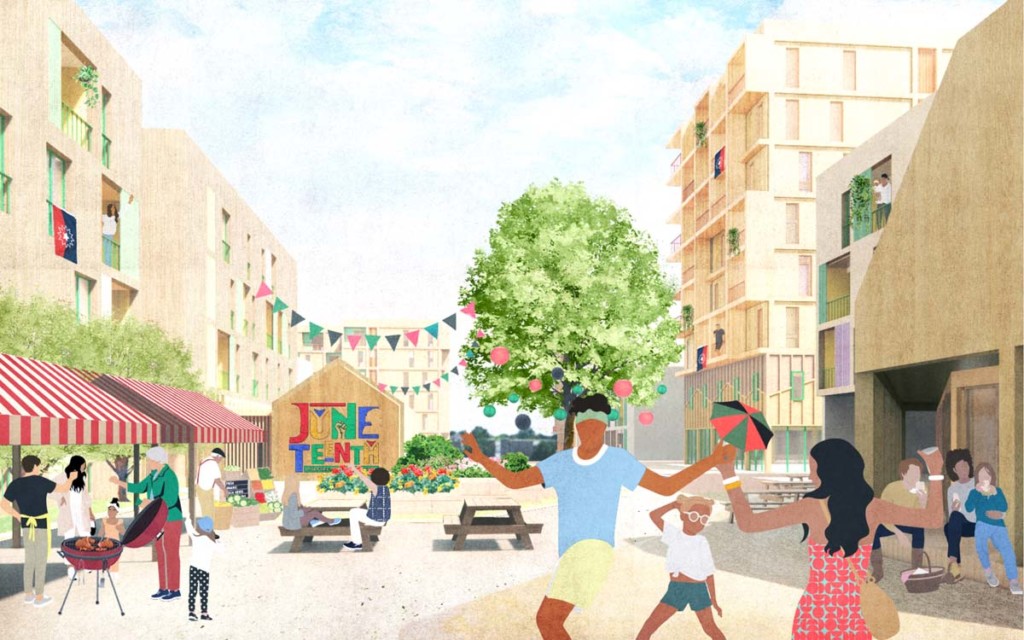
Bracing Peter Bracy
Hana Cohn (MLA I '24), Youngju Kim (MAUD ’23), Arami Matevosyan (MDes ’22), Naksha Satish (MAUD ’22), Gina Ford, Rhiannon Sinclair -
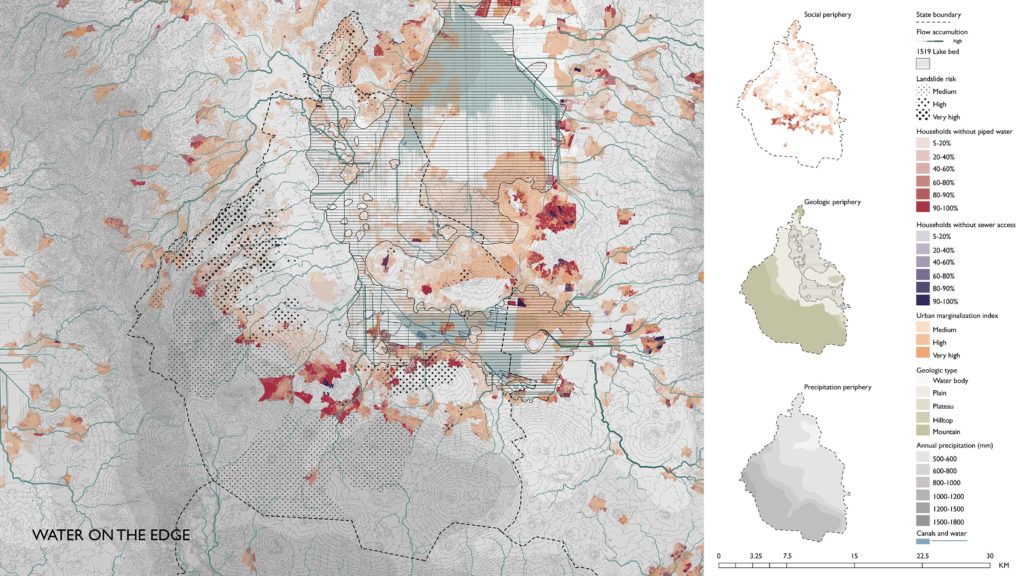
Water at the Edge: Towards Water Independence for Mexico City’s INFONAVIT Housing
Ciara Stein (MLA I/MUP ’21), Montserrat Bonvehi Rosich, Seth Denizen
Undergraduate Architecture Studies
Undergraduate Architecture Studies
Learn More:
Undergraduate Architecture Studies
For students of Harvard College, Architecture Studies is a track within the Faculty of Arts and Sciences, History of Art and Architecture concentration, jointly administered by the History of Art and Architecture Department and the Graduate School of Design (GSD). Linking the GSD and Harvard College, the track represents not only a first chance for undergraduates to tap into the Graduate School of Design’s course and event offerings, but also the enrichment that architecture and design thinking can offer to liberal-arts studies.
Architecture stands at the intersection of creative imagination, practical realization, and social use, comprising not only material structures of human occupation, but also the dynamic processes that shape human action and experience. The study of architecture integrates technical and humanistic methods of inquiry with written and visual modes of representation, in traditional classroom venues and “making”-based studios designed especially for Harvard College undergraduate students within this track.
You may find evolving examples of student design work and specifics on the making-based undergraduate courses that the track offers.
More details about the Architecture Studies track, including course requirements.