Application deadline All application materials and the application fee are due by 5:00 p.m. ET on the deadline day.
Master of Architecture I AP
On this page
Individuals who have completed a pre-professional four-year Bachelor of Arts or Bachelor of Science degree with a major in architecture or environmental design may be eligible for admission with advanced standing, subject to the review of the admissions committee. Such applicants will be considered for placement in the third term of the program, thus reducing the required course of study to two-and-one-half years.
Applicants who are granted advanced standing must have completed the same preparation in college-level calculus, physics, and history as described in the previous section, as well as undergraduate courses that are roughly analogous to the course of study of the first year of the graduate program, demonstrating high achievement in design.
Individuals admitted with advanced standing normally begin with the third term of the program and must complete a minimum of five terms of full-time study in residence. Under special circumstances, students may receive permission to reduce their course load and extend their studies over a longer period of time.
Please note that the MArch program is now designated as a STEM program. Accordingly, international students holding F-1 visas may be eligible for a 24-month Optional Practical Training (OPT) extension on top of their initial OPT of 12 months, for a total of 36 months, following graduation. Each F-1 student must petition United States Citizenship and Immigration Services to approve the 24-month STEM extension, and Harvard does not represent or warrant that USCIS will grant any individual petition.
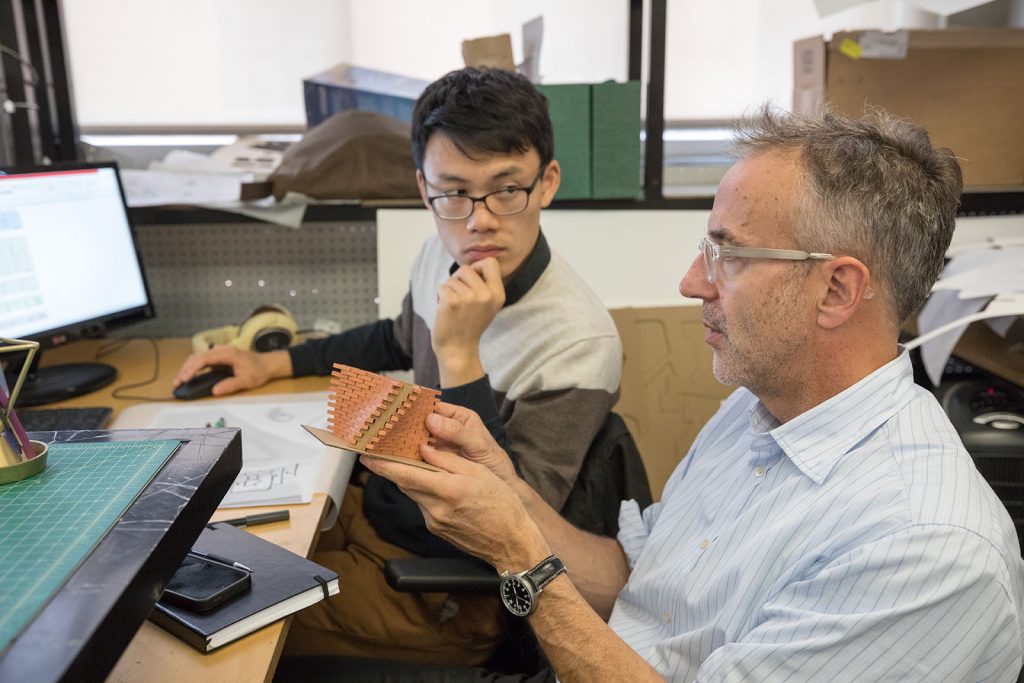
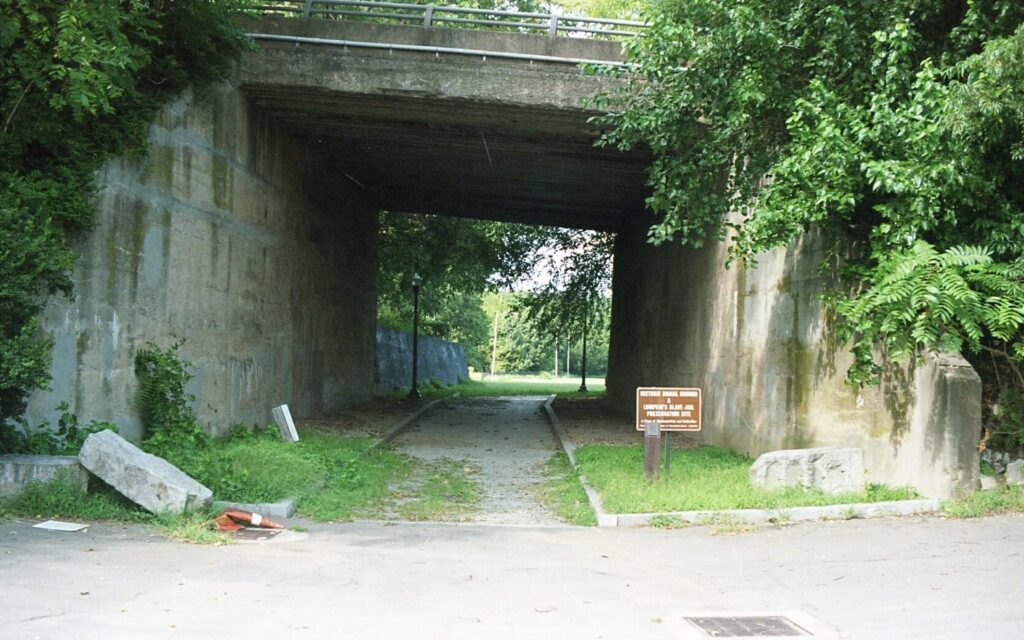
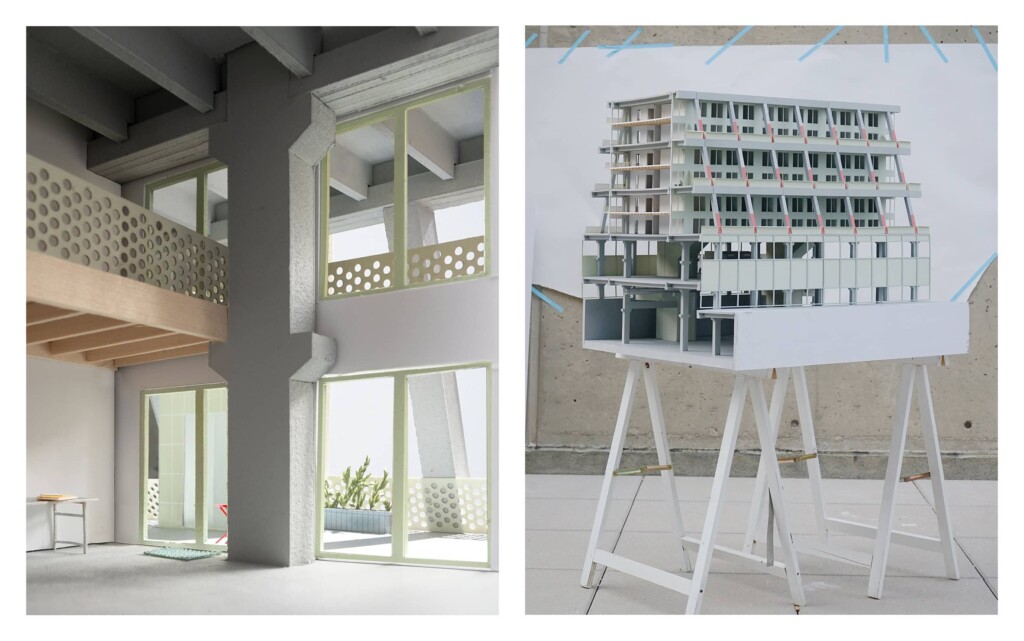
BRICK: THICK/THIN STU-1311 Frano Violich
In the United States, most registration boards require a degree from an accredited professional degree program as a prerequisite for licensure. The National Architectural Accrediting Board (NAAB), which is the sole agency authorized to accredit professional degree programs in architecture offered by institutions with U.S. regional accreditation, recognizes three types of degrees: the Bachelor of Architecture, the Master of Architecture, and the Doctor of Architecture. A program may be granted an eight-year term, an eight-year term with conditions, or a two-year term of continuing accreditation, or a three-year term of initial accreditation, depending on the extent of its conformance with established education standards.
Doctor of Architecture and Master of Architecture degree programs may require a non-accredited undergraduate degree in architecture for admission. However, the non-accredited degree is not, by itself, recognized as an accredited degree.
The Harvard University Graduate School of Design’s Department of Architecture offers the following NAAB accredited degree programs:
Master of Architecture (non-pre-professional degree + 105 graduate credit hours on the NAAB scale) Note: this is equivalent to 140 units in the GSD course unit calculations.
Master of Architecture AP (pre-professional degree + 75 graduate credit hours on the NAAB scale) Note: this is equivalent to 100 units in the GSD course unit calculations.
Master of Architecture in Urban Design / Master of Landscape Architecture in Urban Design
Master of Architecture in Urban Design / Master of Landscape Architecture in Urban Design
Important Dates
January 5, 2027 5:00 p.m. ET
Application deadline All application materials and the application fee are due by 5:00 p.m. ET on the deadline day.
Master of Architecture in Urban Design / Master of Landscape Architecture in Urban Design
As a post-professional studio based program, the Master of Architecture in Urban Design (MAUD) and the Master of Landscape Architecture in Urban Design (MLAUD) combines intense design instruction, extensive applied research, and knowledge of urban history and theory.
Taking advantage of the remarkable international makeup of the faculty and student body, the MAUD/MLAUD program establishes a common intellectual ground among architects who have a strong interest in engaging the practice and theory of contemporary urbanism.
Conceived as a two-year (four-semester) program, the MAUD/MLAUD core curriculum includes the Elements of Urban Design Studio and the Urban Design Contexts and Operations seminar in the fall, followed by an Urban Planning and Design Studio and the Cities by Design seminar in the spring. An otherwise flexible academic path in each of the four semesters allows students to engage in advanced studios and elective courses across all three GSD departments as well as other schools at Harvard and MIT. The curricular structure also encourages advanced research and the possibility to develop an individual elective thesis.
The MAUD/MLAUD program introduces post-professional students, already trained in architecture or landscape architecture, to the critical concepts, strategies, and technical skills associated with contemporary Urban Design research and practice. Through studio and coursework, students are challenged to imagine new formal and organizational strategies for the delivery of housing, infrastructure, and a democratic public realm by taking on issues of inequality, climate change, the environment, and public health. Through history and theory lecture courses, seminars, and research projects, students engage a range of critical frameworks and conceptual models for understanding the complex socio-spatial dynamics of urban design practices and the technological, institutional, and political contexts in which they operate over time and across cultures and geographies.
Since the emergence of Urban Design as a modern practice in the 19th century and its establishment as a distinct field of study at Harvard in 1960, the scope and ambition of Urban Design has significantly expanded. As cities grow and diversify, so does the landscape of urban and peri-urban conditions. Globally, the expansion and transformation of metropolitan regions have introduced new scales and urban archetypes, producing an even wider range of local characteristics, cultural identities, and community needs requiring attention and resolution. This increase in formal, social, economic, and environmental complexity has further complicated the field of urban design, shifting the geography and focus from rigid specialization in primarily western contexts to trans-disciplinary and internationally varied processes that embrace complexity and anticipate change.
During their two years of study, students develop the necessary literacies to critically engage with, interrogate the character, and transform the form of complex built environments. In addition to diverse course offerings, numerous research opportunities with faculty further enrich a dynamic and exciting learning environment for exploring and advancing meaningful responses to the challenges of our time.
Four terms of full-time study in residence are required for award of the degree. Under special circumstances, students may receive permission to reduce their course loads and extend their studies over a longer period. Concurrent and joint degree candidates must consult the rules governing concurrent and joint degrees for information on residency requirements.
Please note that the MAUD/MLAUD program is designated as a STEM program. Accordingly, international students holding F-1 visas may be eligible for a 24-month Optional Practical Training (OPT) extension on top of their initial OPT of 12 months, for a total of 36 months, following graduation. Each F-1 student must petition United States Citizenship and Immigration Services to approve the 24-month STEM extension, and Harvard does not represent or warrant that USCIS will grant any individual petition.
Harvard Law School (HLS) and the Harvard University Graduate School of Design (GSD) offer a joint degree program in law and urban planning. The HLS/GSD joint degree program supports and encourages students seeking an interdisciplinary education in urban planning and law, and prepares them for leadership positions at the intersection of these fields. The joint program permits students to pursue a Juris Doctor (JD) degree at HLS and a Master in Urban Planning (MUP) degree at the GSD and to complete both degrees in four years, rather than the five years that would be required if the degrees were pursued independently. Students in the joint program must complete all of the basic requirements for both the MUP and JD degrees, as further described below.
A committee made up of HLS Professor Molly Brady and GSD Professor Nestor Davidson (“Faculty Committee”) oversees the joint degree program. The Faculty Committee is responsible for making decisions regarding the structure and requirements of the program and for working with the students enrolled in the program.
Prospective JD/MUP students must apply, and be separately admitted, to both HLS and the GSD, each of which will independently review and admit applicants. Questions relating to the admissions process at each school should be addressed directly to JD Admissions at HLS and to the Admissions Office at the GSD.
Prospective JD/MUP students may apply to HLS and/or the GSD, concurrently in advance of admission to either school, or during the first year at either school. Students interested in applying to either school for matriculation the following September should note the HLS deadline is early February while the GSD deadline is in early January. All HLS applicants are required to submit a GRE or LSAT score, in accordance with application guidelines. All GSD applicants are required to submit a GRE score. Once admitted, students should follow the notification procedures at each school regarding acceptance of admission and plans to matriculate.
Students admitted to both schools should email Kristi Jobson, Assistant Dean for Admissions and Chief Admissions Officer at HLS, and Sean Conlon, GSD Registrar, if they intend to enroll in the joint degree program.
The joint degree program is currently limited to six entering students each year. If more than six eligible students seek to start the program in any given year, then the Faculty Committee will rank order the list of students, permitting enrollment of the top six.
Students in the joint degree program have four academic years to complete both degrees and are expected to spend five semesters and two winter terms in residence at HLS and three terms in residence at the GSD, for a total of eight fall or spring semesters/terms and two HLS winter terms.
In the first two years of the joint degree program, students are required to enroll for one full year of study at HLS and for one full year of study at the GSD; either can come first. In the third and fourth years of the program, joint degree students will enroll in, and take courses at, both schools. Students must take the majority (at least 12 units of the required 40) of their coursework at the GSD during one of those terms. See below for more information about the coursework at each school.
Students in the joint degree program will have a primary faculty advisor at both HLS and the GSD. Faculty advisors will supervise a student’s academic work and assist in determining the most appropriate sequencing for each student’s course of study, keeping in mind the requirements for both degrees.
Master in Urban Planning and Master in Public Administration
Master in Urban Planning and Master in Public Administration
Harvard Kennedy School (HKS) and the Harvard University Graduate School of Design (GSD) offer a joint degree program in public administration and urban planning.
The joint degree program permits students to pursue a Master in Public Administration (MPA) or Master in Public Administration in International Development (MPA/ID) degree at HKS and a Master in Urban Planning (MUP) degree at the GSD. Both degrees are completed in three years, rather than the four years that would be required if the two degrees were pursued independently. Students in a joint degree program must complete all of the requirements of both the MPA (or MPA/ID) and MUP degrees.
A committee made up of GSD Professor Rachel Weber and GSD Professor Nestor Davidson (“Faculty Committee”) oversees the degree program. The Faculty Committee is responsible for making decisions regarding the structure and requirements of the program and for working with students.
Prospective MUP/MPA or MPA/ID students must apply, and be separately admitted, to the GSD and HKS, each of which will independently review and admit applicants.
Prospective MUP/MPA or MPA/ID students may choose to apply to the GSD and HKS at the same time in advance of admission to both schools, or to the GSD or HKS during their first year at the school to which they have already matriculated. Students interested in applying to either school should be careful to observe the application deadlines for each school.
Students admitted to both schools at the same time must inform both schools of their enrollment decision no later than the deadline set by each school, and they must indicate their intention to pursue the joint degree program and at which school they plan to begin their studies. Students admitted to the GSD or HKS during their first year at the other school must inform both schools no later than the deadline by which they must accept admission that they intend to pursue the joint degree program.
Students in the joint degree programs have three academic years to complete both degrees and are required to spend three terms in residence at the GSD and three terms in residence at HKS, for a total of six terms. During the third year of the joint degree students are in-residence in both schools simultaneously. In three years, students must satisfy all curricular course requirements for both the MUP and MPA or MPA/ID programs.
In the first two years of the joint degree programs, students are required to enroll for one full year of study at the GSD and for one full year of study at HKS. Either can come first. In the third year of the program, joint degree students will be considered simultaneously enrolled in both schools.
Master in Urban Planning and Master in Public Policy
Master in Urban Planning and Master in Public Policy
Harvard Kennedy School (HKS) and the Harvard University Graduate School of Design (GSD) offer a joint degree program in public policy and urban planning.
The joint degree program permits students to pursue a Master in Public Policy (MPP) degree at HKS and a Master in Urban Planning (MUP) degree at the GSD and to complete both degrees in three years, rather than the four years that would be required if the two degrees were pursued independently. Students in the joint degree program must complete all of the basic requirements for both the MPP and MUP degrees.
A committee made up of GSD Professor Rachel Weber and GSD Professor Nestor Davidson (“Faculty Committee”) oversees the degree program. The Faculty Committee is responsible for making decisions regarding the structure and requirements of the program and for working with students.
Prospective MUP/MPP students must apply, and be separately admitted, to the GSD and HKS, each of which will independently review and admit applicants.
Prospective MUP/MPP students may choose to apply to the GSD and HKS at the same time in advance of admission to both schools, or to the GSD or HKS during their first year at the school to which they have already matriculated. Students interested in applying to either school should be careful to observe the application deadlines for each school.
Students admitted to both schools at the same time must inform both schools of their enrollment decision no later than the deadline set by each school, and they must indicate their intention to pursue the joint degree program and at which school they plan to begin their studies. Students admitted to the GSD or HKS during their first year at the other school must inform both schools no later than the deadline by which they must accept admission that they intend to pursue the joint degree program.
Students in the joint degree programs have three academic years to complete both degrees and are required to spend three terms in residence at the GSD and three terms in residence at HKS, for a total of six terms. During the third year of the joint degree students are in-residence in both schools simultaneously. In three years, students must satisfy all curricular course requirements for both the MUP and MPP programs.
In the first two years of the joint degree programs, students are required to enroll for one full year of study at the GSD and for one full year of study at HKS. Either can come first. In the third year of the program, joint degree students will be considered simultaneously enrolled in both schools.
Application deadline All application materials and the application fee are due by 5:00 p.m. ET on the deadline day.
Master in Design Engineering
The Master in Design Engineering (MDE) program prepares the next generation of leaders to create transformative solutions that positively improve society. The integrated fields of design and engineering are uniquely positioned to address the world’s toughest challenges.
Our world faces increasingly complex, often unpredictable dilemmas of consequence to human lives and living environments, including rapid urbanization, climate change, and resource scarcity. These and other problems demand a deep and systems-level understanding of the underlying problem architecture, which in turn enables innovative, multi-faceted solutions that transcend disciplines and scales. The MDE program prepares innovators who operate both creatively and analytically, think strategically, and collaborate broadly. MDE graduates lead change and advance novel, real-world solutions.
The Master in Design Engineering is a collaborative degree program between the Harvard University Graduate School of Design and the Harvard John A. Paulson School of Engineering and Applied Sciences.
Application deadline All application materials and the application fee are due by 5:00 p.m. ET on the deadline day.
Master in Urban Planning
Accredited by the Planning Accreditation Board and open to those with an undergraduate degree, Harvard’s two‑year professional Master in Urban Planning (MUP) prepares students to address the critical challenges facing cities and regions in the coming decades. Urban planners play a central role in shaping the built environment—including buildings, infrastructure, and public spaces—which profoundly influences quality of life.
The program centers on four themes: managing change in complex environments; working across multiple scales and systems; engaging ethically with spatial challenges; and understanding planning as a hands‑on practice where implementation matters.
Students learn to understand, analyze, and influence the many forces that shape the built environment—social, economic, environmental, political, cultural, legal, and aesthetic. The curriculum introduces key histories and theories of urban planning and urbanism while building strong qualitative, quantitative, and visual communication skills. Through courses and real‑world projects, students see how plans are carried out within legal, institutional, political, and economic contexts. A range of concentrations allows them to tailor the program to their specific interests and career goals.
Four terms of full-time study in residence are normally required for award of the degree. Under special circumstances, students may receive permission to reduce their course loads and extend their studies over a longer period of time. Concurrent and joint degree candidates must consult the rules governing concurrent and joint degrees for information on residency requirements.
Please note that the MUP program is designated as a STEM program. Accordingly, international students holding F-1 visas may be eligible for a 24-month Optional Practical Training (OPT) extension on top of their initial OPT of 12 months, for a total of 36 months, following graduation. Each F-1 student must petition United States Citizenship and Immigration Services to approve the 24-month STEM extension, and Harvard does not represent or warrant that USCIS will grant any individual petition.
The Master of Urban Planning (MUP) program, combined with practical experience and the AICP exam, leads to professional certification from the American Institute of Certified Planners. Harvard has not determined whether the program meets the educational requirements for professional licensure in any state other than Massachusetts.
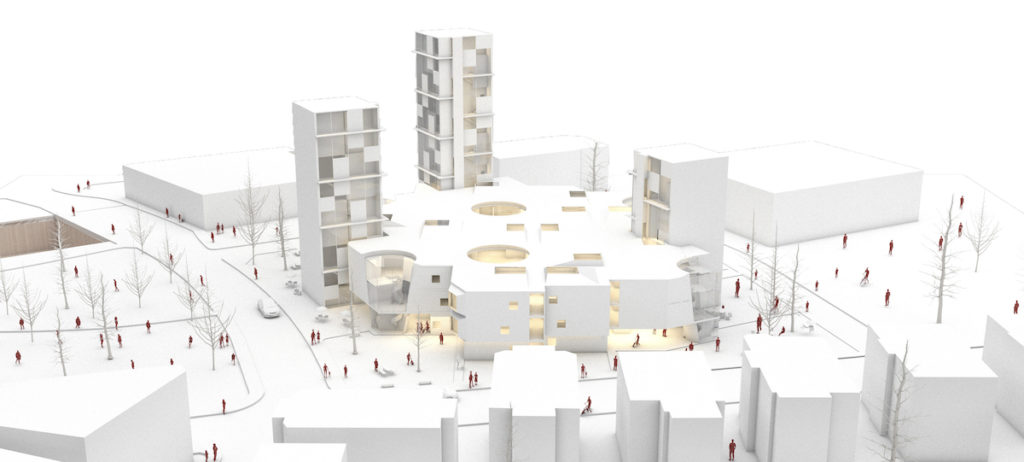
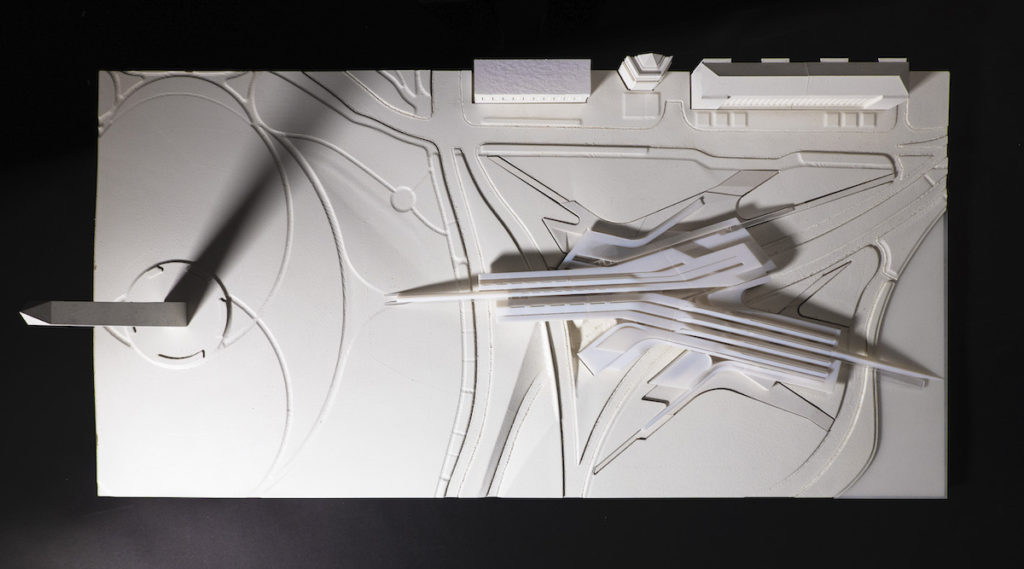
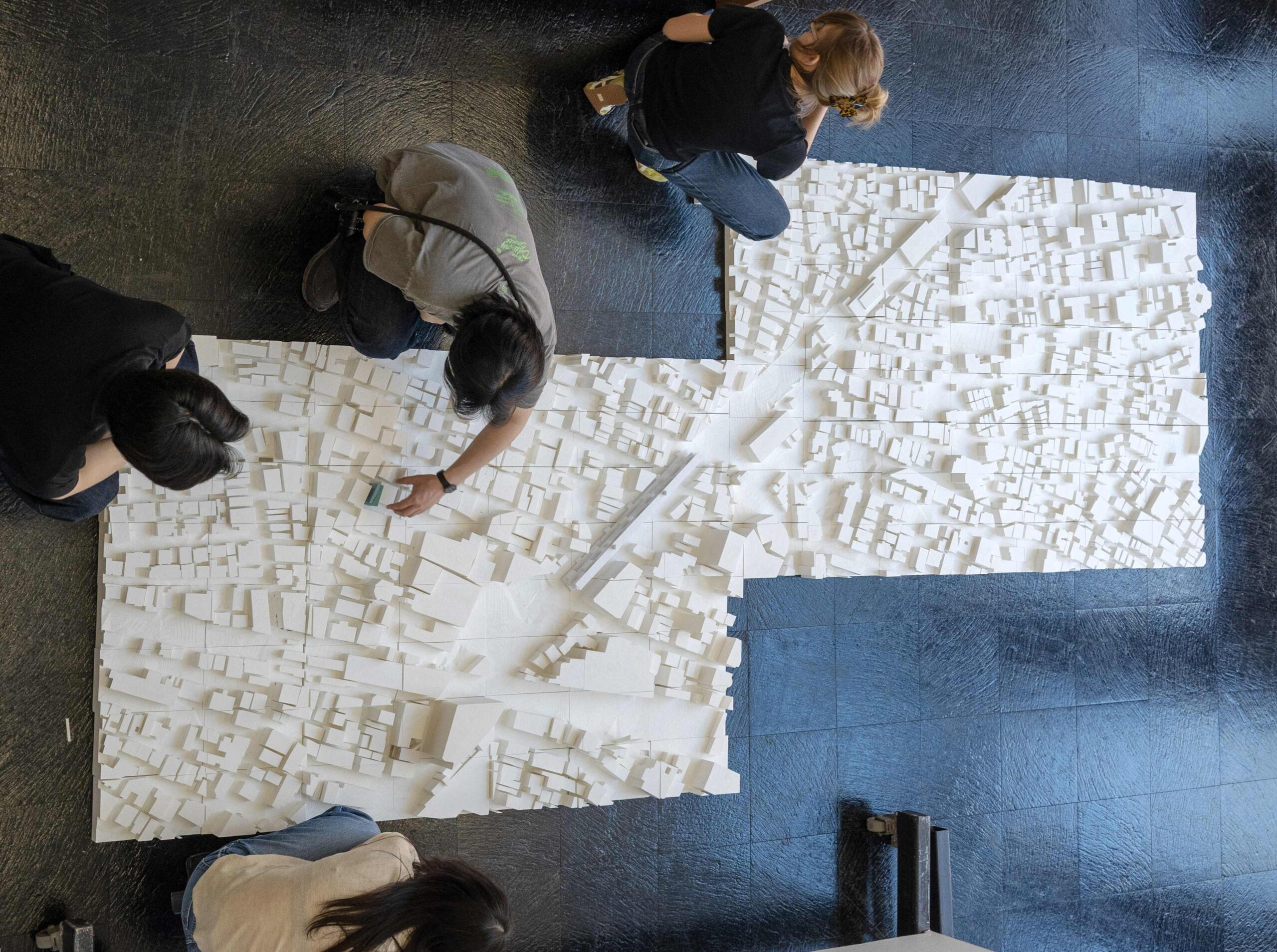
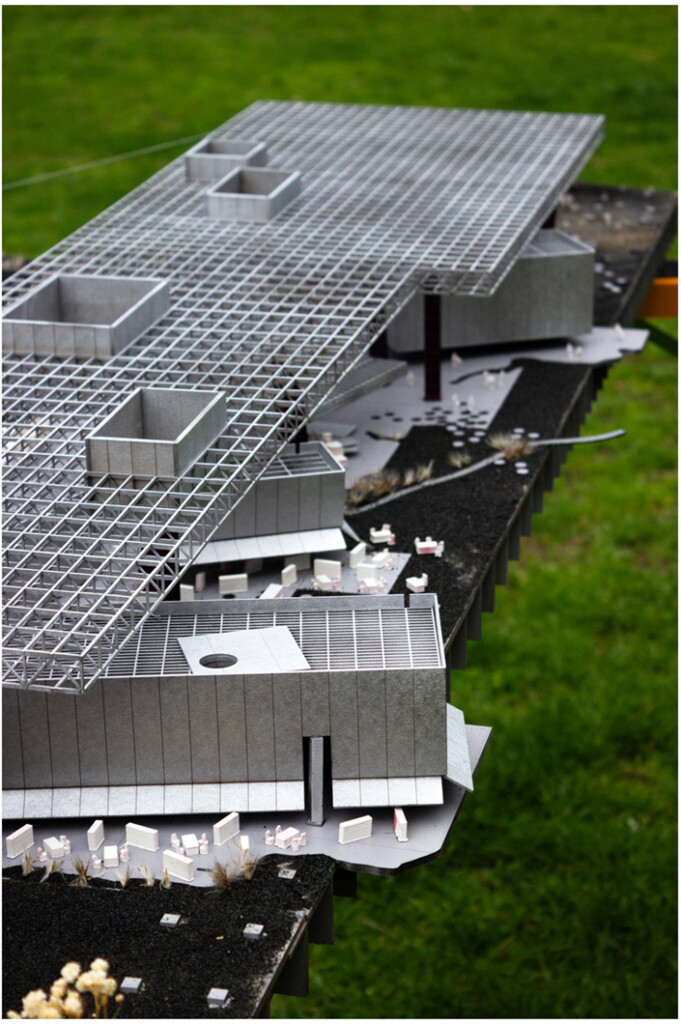
Model prep for Mohsen Mostafavi studio, "'Moshi Moshi, Shimokitazawa': for an Architecture of Conviviality" 2025.
Important Dates
January 5, 2027 5:00 p.m. ET
Application deadline All application materials and the application fee are due by 5:00 p.m. ET on the deadline day.
Master of Architecture II
On this page
The program leading to the Master of Architecture II (MArch II) is a post-professional degree intended for individuals who have completed a five-year undergraduate professional program in architecture or its equivalent. This degree is not accredited by the National Architectural Accreditation Board (NAAB) and does not fulfill the education requirement for licensure in those jurisdictions adhering to the requirements established by the National Council of Architectural Registration Boards (NCARB).
The course of study extends the base of knowledge of the professional field through graduate study with particular emphasis on design. Students advance and expand their theoretical and analytical skills and strengthen disciplinary knowledge. A minimum of one-half of the electives in the student’s curriculum must be from courses offered by the GSD.
Individuals who have completed a comprehensive five-year professional bachelor of architecture degree or its equivalent, demonstrating high achievement in design, are eligible for admission. The MArch II is a post-professional degree and therefore does not carry accreditation.
A minimum of four terms of full-time study in residence is required for award of the degree.
Please note that the MArch program is now designated as a STEM program. Accordingly, international students holding F-1 visas may be eligible for a 24-month Optional Practical Training (OPT) extension on top of their initial OPT of 12 months, for a total of 36 months, following graduation. Each F-1 student must petition United States Citizenship and Immigration Services to approve the 24-month STEM extension, and Harvard does not represent or warrant that USCIS will grant any individual petition.
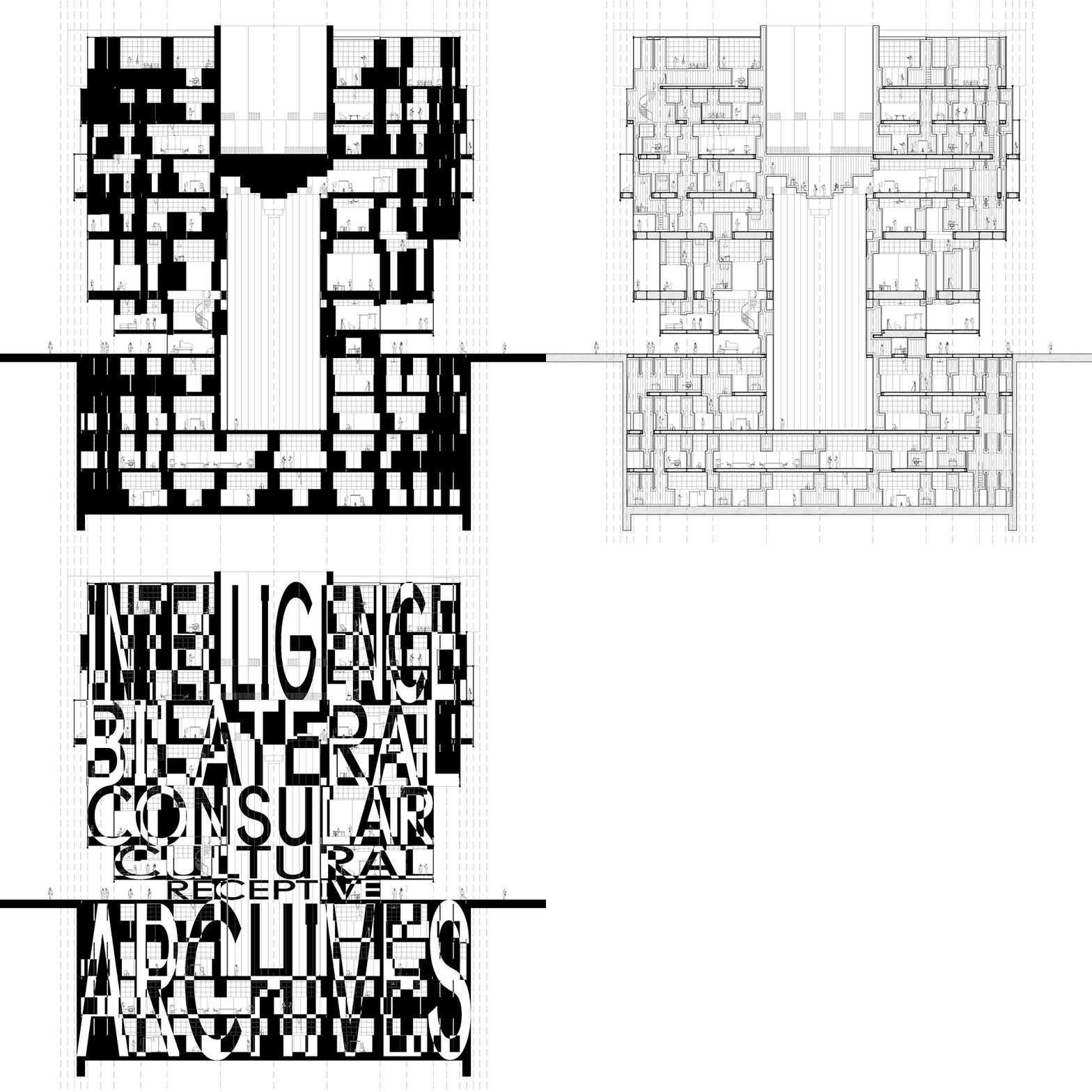
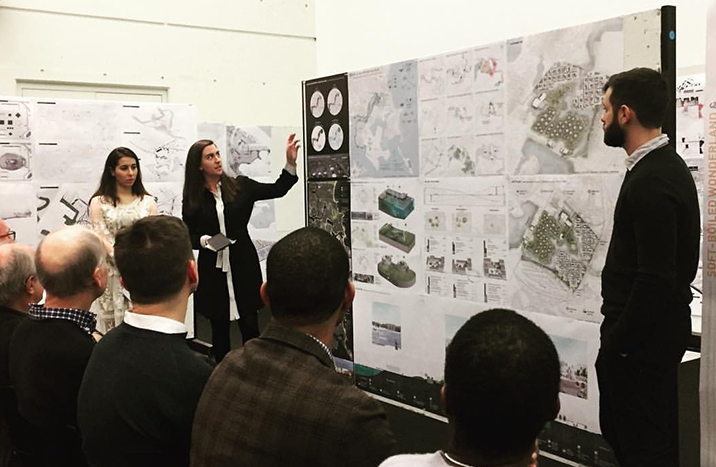
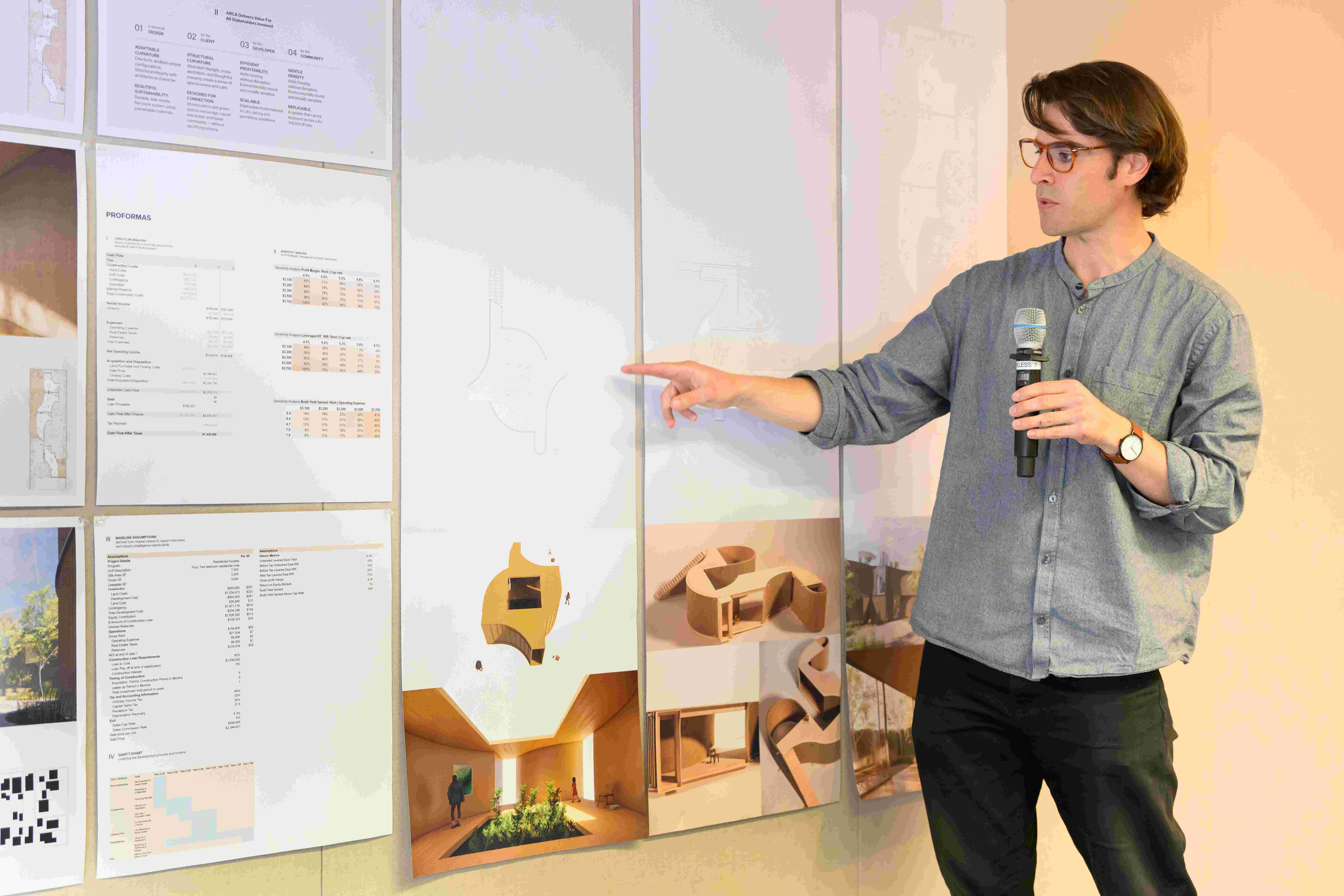
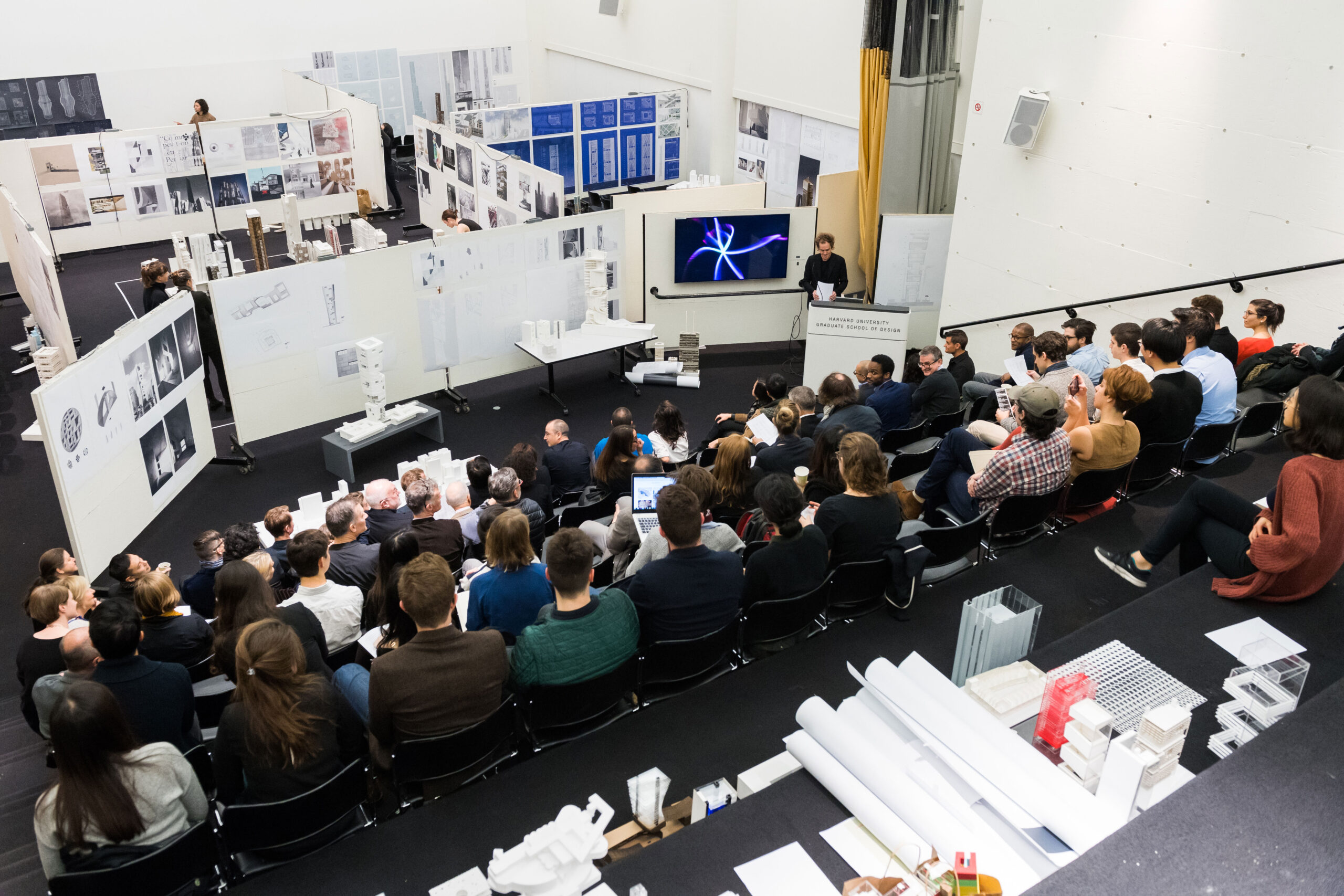
Third Semester Architecture Core: INTEGRATE studio review.
Important Dates
January 5, 2027 5:00 p.m. ET
Application deadline All application materials and the application fee are due by 5:00 p.m. ET on the deadline day.
Master of Architecture I
On this page
The program leading to the Master of Architecture (MArch) is an accredited professional degree intended for individuals who have completed the bachelor’s degree with a major other than one of the design professions or with a pre-professional undergraduate major in one of the design professions.
The course of study is rigorous and comprehensive, preparing graduates for the full range of professional activities in the field of architecture. It provides a solid intellectual base of knowledge in history, theory, technology, the social environment, and professional practice. Particular emphasis is given to developing mastery of design through an intensive series of design studio courses. Committed to developing independent thinking and resolving design issues, students are required to prepare a design thesis that serves as a transition from graduate school to professional practice. To attain registration for professional practice after completion of the degree, a candidate must complete an internship in an architectural office and pass a registration examination. Many students partially complete their internships during the summer while in graduate school.
Individuals who have completed a four-year Bachelor of Arts or Bachelor of Science degree in any field (architecture or other) are eligible for admission to the first term of the professional degree program. Preference for admission is given to applicants who have completed a balanced undergraduate education that includes study in the arts, sciences, and humanities. Four college-level, semester-long courses are specifically required as prerequisites for admission to the M.Arch-1 program: one semester of calculus; one semester of physics(algebra-based, covering mechanics and thermodynamics); and two semesters of history of architecture(together covering Renaissance through Modern periods at minimum). Applicants must achieve a grade of B- or better in each of these courses. Applicants who have scored a 4 or 5 on AP Calculus or AP Physics exams will be considered to have met these prerequisites only if their undergraduate transcript acknowledges the results by awarding institutional credit.
Preparation in the visual arts is desirable and may include drawing, sculpture, and/or graphics. Courses in the humanities, philosophy, literature, and economics are also recommended but are not required.
The Graduate School of Design offers a Pre-Core Workshop to incoming students, which is required for all entering Master of Architecture students without an undergraduate degree in architecture. The workshop may also be required or recommended for students whose portfolios demonstrate a need for more depth of knowledge with software used to design and represent architectural projects (for example, Rhino, V-Ray, AutoCAD, Illustrator, Photoshop). The workshop allows students to set up their computers, their GSD network accounts, and to familiarize themselves with the GSD’s Digital facilities prior to the start of classes. Most importantly, the workshop allows incoming students to gain a basic knowledge of the workflows and digital techniques used in the context of studios: 3D software basics, rendering basics, data-transfer from 3D software, output and model building techniques using CAD/CAM facilities. No academic credit is given for the workshop.
A minimum of seven terms of full-time study in residence, including thesis, is required. Under special circumstances, students may receive permission to reduce their course load and extend their studies over a longer period of time.
Please note that the MArch program is now designated as a STEM program. Accordingly, international students holding F-1 visas may be eligible for a 24-month Optional Practical Training (OPT) extension on top of their initial OPT of 12 months, for a total of 36 months, following graduation. Each F-1 student must petition United States Citizenship and Immigration Services to approve the 24-month STEM extension, and Harvard does not represent or warrant that USCIS will grant any individual petition.
In the United States, most registration boards require a degree from an accredited professional degree program as a prerequisite for licensure. The National Architectural Accrediting Board (NAAB), which is the sole agency authorized to accredit professional degree programs in architecture offered by institutions with U.S. regional accreditation, recognizes three types of degrees: the Bachelor of Architecture, the Master of Architecture, and the Doctor of Architecture. A program may be granted an eight-year term, an eight-year term with conditions, or a two-year term of continuing accreditation, or a three-year term of initial accreditation, depending on the extent of its conformance with established education standards.
Doctor of Architecture and Master of Architecture degree programs may require a non-accredited undergraduate degree in architecture for admission. However, the non-accredited degree is not, by itself, recognized as an accredited degree.
The Harvard University Graduate School of Design’s Department of Architecture offers the following NAAB accredited degree programs:
Master of Architecture (non-pre-professional degree + 105 graduate credit hours on the NAAB scale) Note: this is equivalent to 140 units in the GSD course unit calculations.
Master of Architecture AP (pre-professional degree + 75 graduate credit hours on the NAAB scale) Note: this is equivalent to 100 units in the GSD course unit calculations.
Application deadline All application materials and the application fee are due by 5:00 p.m. ET on the deadline day.
Master in Landscape Architecture II
On this page
The two-year, post‐professional Master in Landscape Architecture (MLA II) degree program stream is for those who hold an undergraduate professional landscape architecture degree or its equivalent.
The MLA II augments that professional preparation with a particular emphasis on the design of the built environment at the intersection of urbanization and ecology, providing those who have already demonstrated professional competence with the opportunity to advance their critical, theoretical, representational, and technical skills through design.
The program of study for the MLA II includes a strong one semester core curriculum that includes studio and courses in representation, theories of urbanism, and a pro-seminar on current topics in the discipline of landscape architecture. The remaining three semesters offer a flexible academic path that allows students to engage in advanced studios and elective courses across all three GSD departments and the university. The curricular structure encourages advanced individual and collective research and the possibility to develop an elective thesis in the final semester.
For students entering the three-year MLA I program, a minimum of six terms of full-time study in residence is required. Individuals admitted with advanced standing to the MLA I AP normally begin with the third term of the program and must complete a minimum of four terms of full-time study in residence. Students entering the two-year MLA II program must also complete a minimum of four terms of full-time study in residence.
Please note that the MLA I, MLA I AP, and MLA II programs are now designated as a STEM program. Accordingly, international students holding F-1 visas may be eligible for a 24-month Optional Practical Training (OPT) extension on top of their initial OPT of 12 months, for a total of 36 months, following graduation. Each F-1 student must petition United States Citizenship and Immigration Services to approve the 24-month STEM extension, and Harvard does not represent or warrant that USCIS will grant any individual petition.
Bas Smets and students explore The Ellinikon Experience Park in Athens as part of STU 1403 “Biospheric Urbanism – Changing Climates – Athens Greece”
Final review presentation for STU 1404 “Harnessing The Future; How the Internet’s Digital Infrastructure Influences the Global Landscape”
The Master of Landscape Architecture (MLA) program is accredited by the Landscape Architectural Accreditation Board. Combined with practical experience, it meets the requirements for licensure in all fifty states and the District of Columbia.