Areas of Concentration
Environment, Climate, and Health
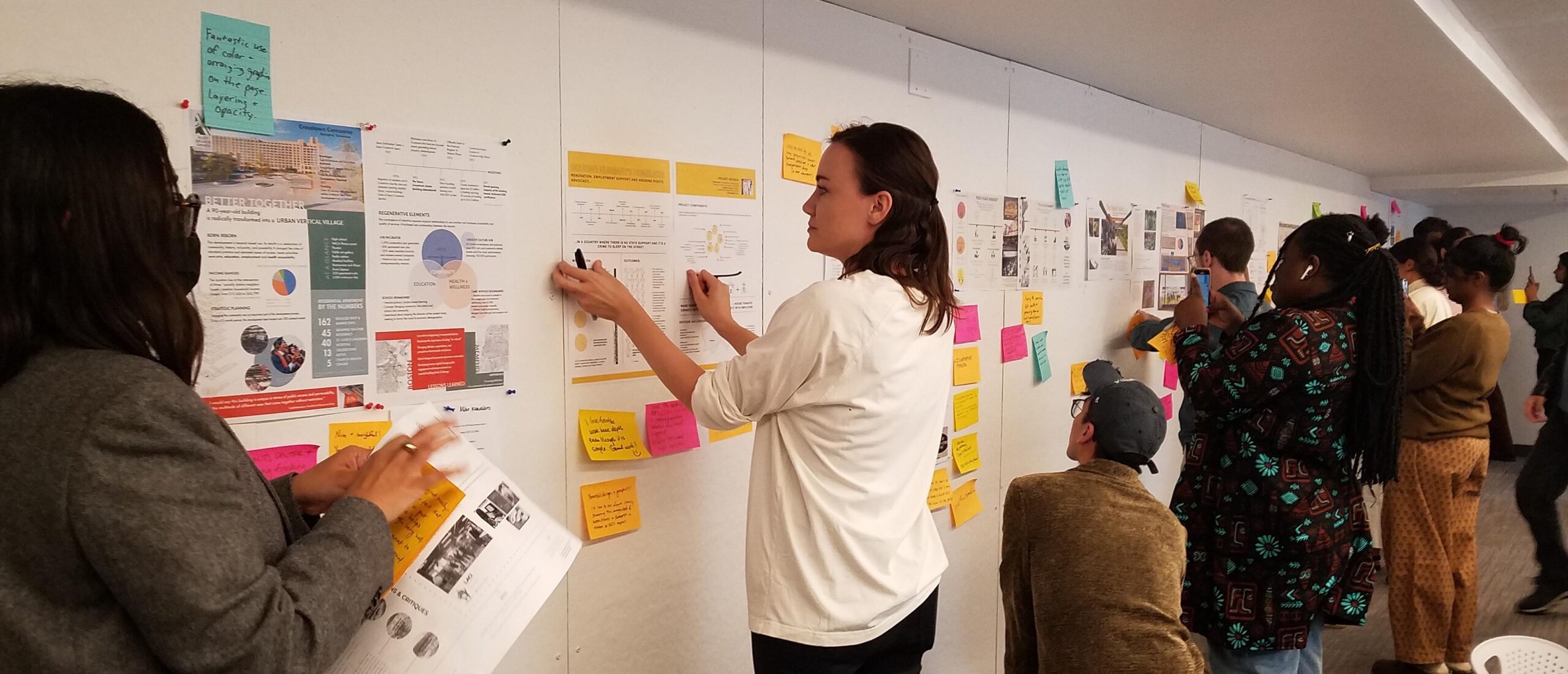
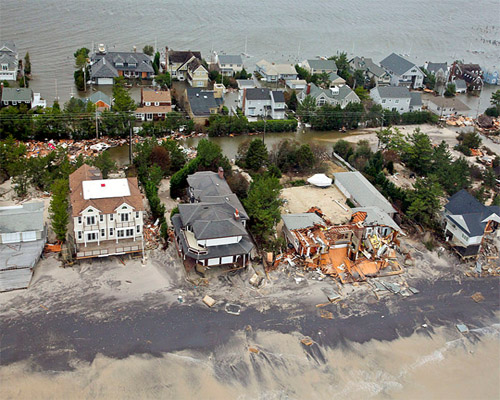
The Environment, Climate, and Health Area of Concentration encompasses the broad field of environmental planning that includes a range of professional activities employing various skills. Typical environmental planning projects focus on achieving the “triple bottom-line” in planning activities by reconciling conflicts between economic development, social equity, and ecological protection and restoration through sustainable development. Planning work may include community organizing and workforce development, sustainable transportation and urban food systems, ecological infrastructure design, and measuring environmental impacts of development projects.
Housing, Community, and Economic Development
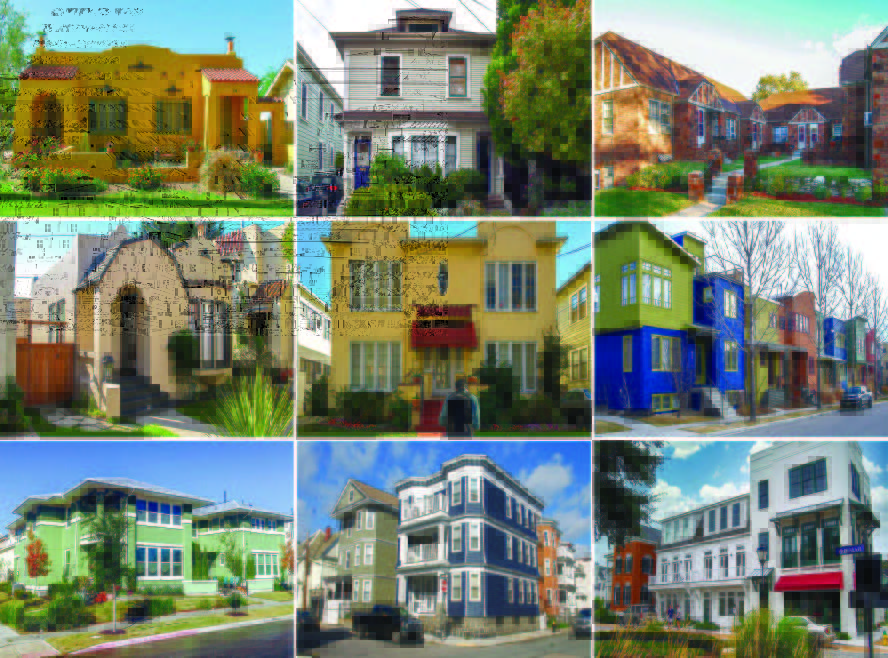
The Housing, Community, and Economic Development Area of Concentration is for students interested in the planning, development, and regulation of housing resources and their surrounding neighborhoods. Planners who choose this concentration may work in the public sector as policymakers, program administrators, or development facilitators or in the non-profit or for-profit sector as affordable housing developers, community activists, or consultants.
International and Comparative Planning
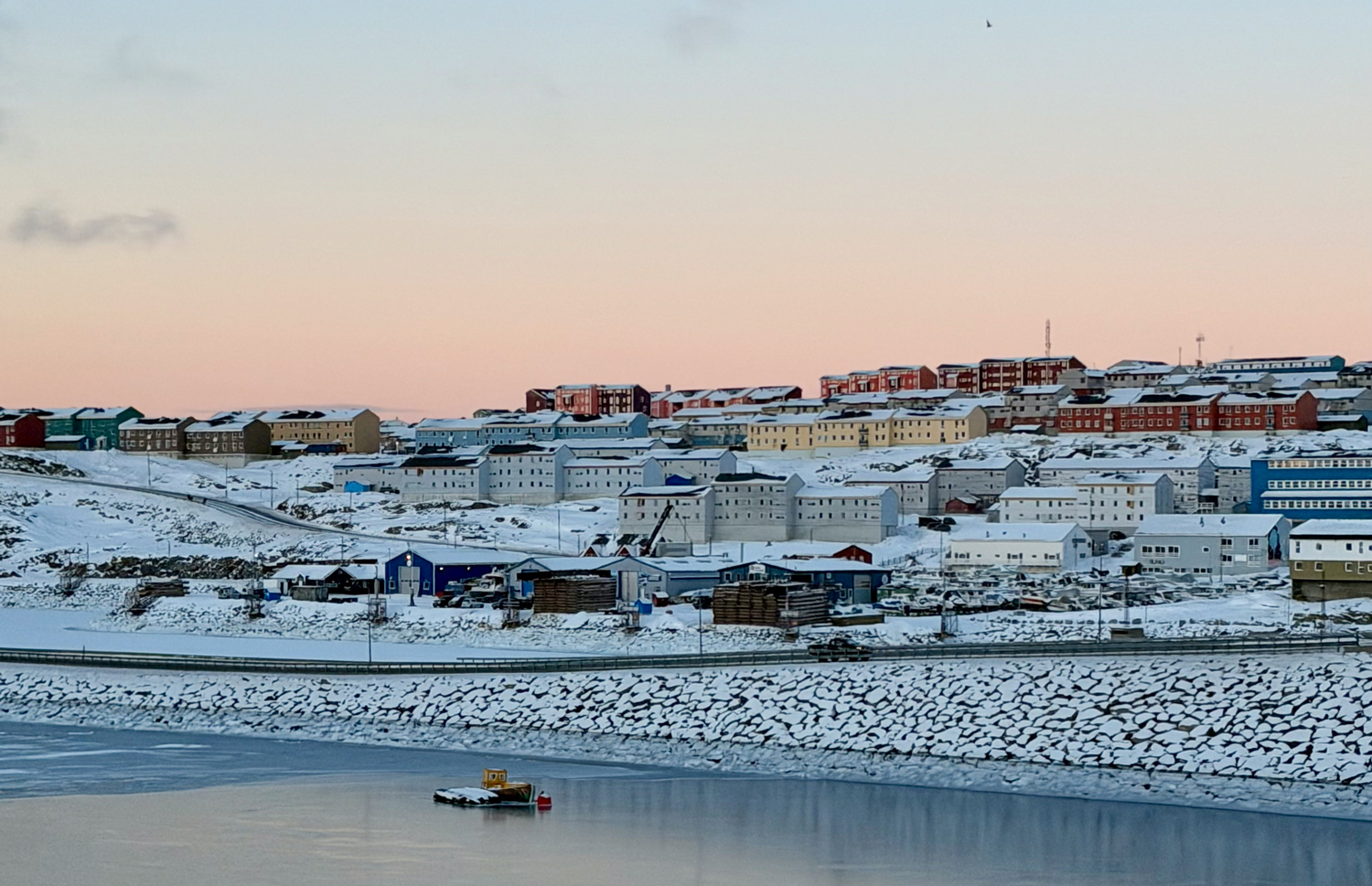
The International and Comparative Planning Area of Concentration p responds to three global concerns. The first is the increasing prominence of urbanization as a major political, economic, and social force in world affairs. The second concern is the rapid growth of cities in the developing world, where most growth in the planet’s urban population occurs. Finally, the concentration reflects the recognition that planners can draw profound lessons from a comparative perspective on urban phenomena, looking at different countries and diverse urban environments. Graduates pursue positions with international development agencies, multilateral organizations, global consulting firms, humanitarian and non-governmental organizations, and national or local governments.

Real Estate and Urban Development
The Real Estate and Urban Development Area of Concentration courses focus on four main skills: development analysis; physical planning, design and construction; finance and deal structuring; and implementation. Students may choose to study real estate and urban development more broadly or focus on a subarea such as public-private partnerships, negotiation, or physical site planning. Students may work in the public sector focused on physical planning or implementation or in the private or nonprofit sectors, possibly as developers or consultants.
Transportation and Infrastructure
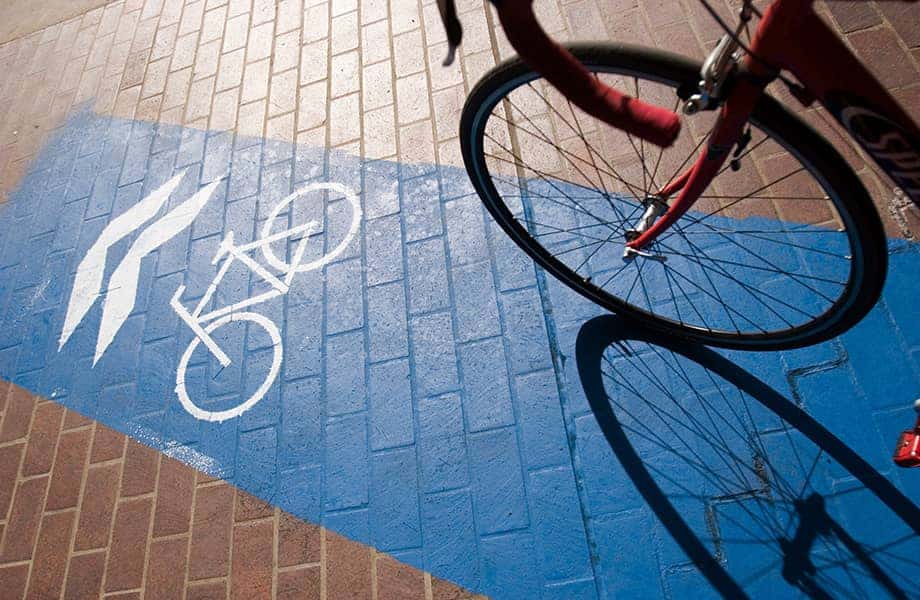
The Transportation and Infrastructure Area of Concentration examines the planning, design, governance, and operation of transportation, stormwater, drinking water, wastewater, and related systems. Students are encouraged to explore infrastructure from multiple perspectives, including planning practice and policy, analytical methods, physical design, the relationship between infrastructure and land use, the regulation of private infrastructure providers, and specialized topics focused on particular transportation modes such biking or infrastructure systems.
Urban Analytics
The Urban Analytics Area of Concentration introduces students to describing, analyzing, and prescribing solutions to urban planning problems using spatial data and analysis methods. Today, an increasing share of urban planning work addresses spatial interactions between numerous geographically bound actors and processes that are too complex to visualize and analyze without computational tools. Geographic Information Systems, spatial statistics, and algorithmic approaches to spatial data analysis are used in public and private planning practices at the local, regional and international scales to describe urban challenges, evaluate the impacts of alternative solutions, and visualize complex information.

Urban Design
The Urban Design Area of Concentration prepares students to shape the physical form of cities while addressing the social, economic, environmental, and political forces that influence urban development. Students learn to analyze urban form across multiple scales and develop proposals for neighborhoods, districts, and regions. The concentration emphasizes the integration of spatial design with planning policy, community engagement, and implementation strategies, equipping students to translate design ideas into feasible and equitable urban interventions. Graduates are prepared to work collaboratively with planners, architects, landscape architects, and public officials on the design and transformation of the built environment. It is strongly recommended that eight of the required 12 credit hours be fulfilled with an option studio offered by the Department of Urban Planning and Design. The remaining four credit hours must be satisfied with an approved urban design-related course.