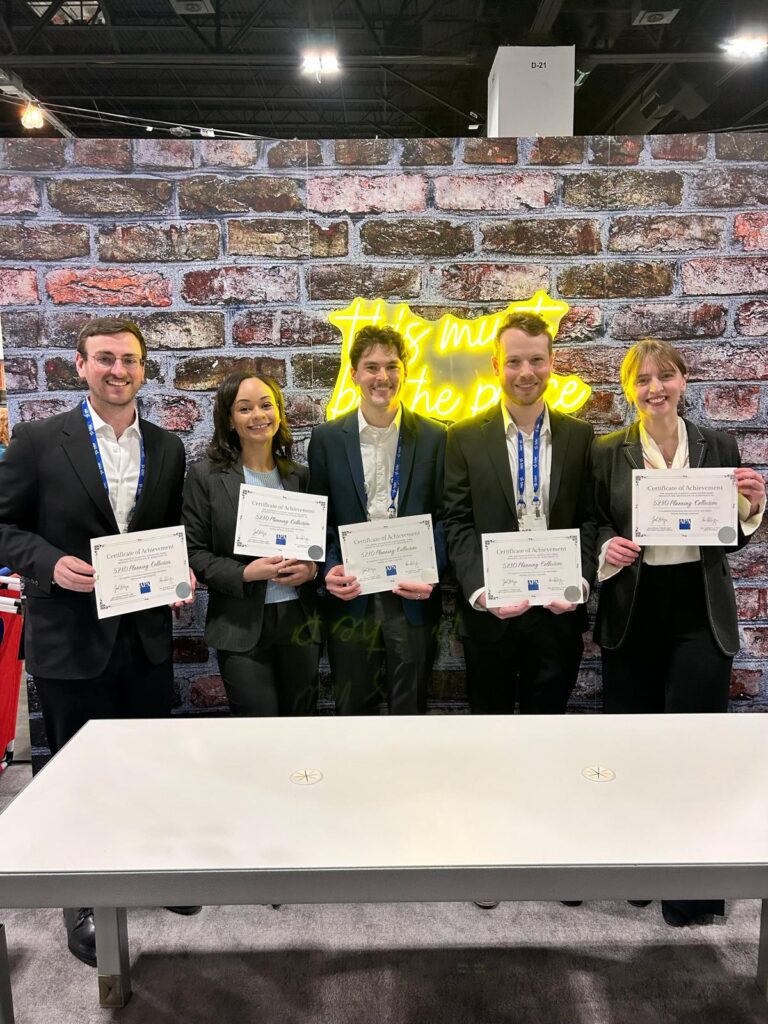
Urban Planning students connect with communities beyond the university in many ways and at a range of scales. Through workshops and studios, internships and fellowships, student organizations, and volunteer opportunities, MUPs expand their networks and put their learning into practice. These connections often begin within the GSD, operate across Harvard and into municipalities throughout the Boston region. They extend to places around the globe.
We share opportunities to get involved through our weekly departmental newsletter, helping students connect with organizations and initiatives.
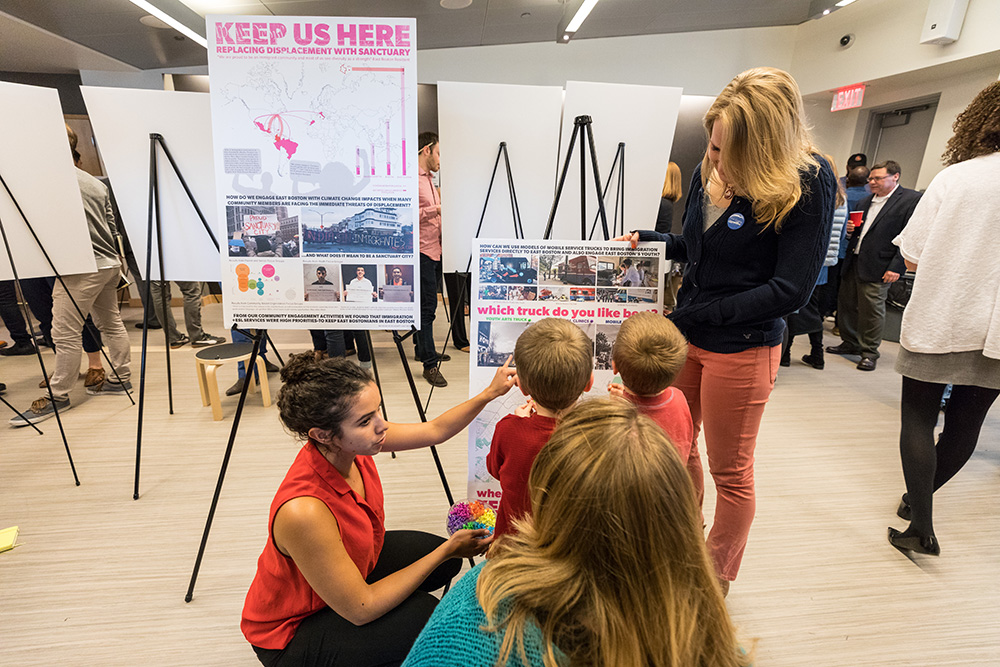
Students presenting their projects to community at East Boston Public Library
Engagement at the GSD
MUP Curriculum
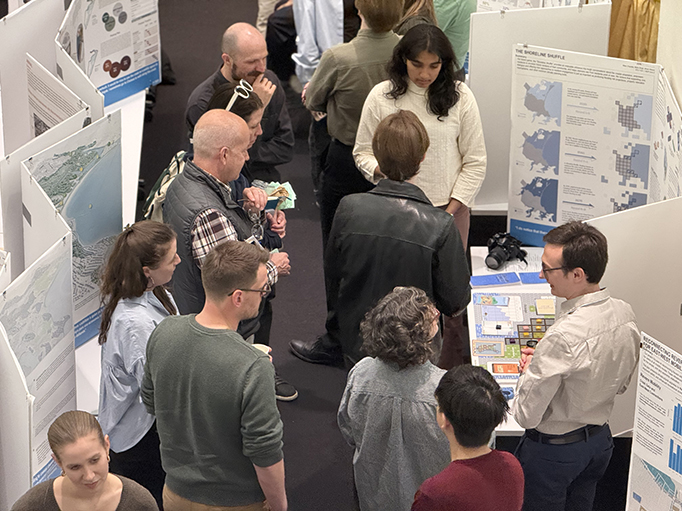
The Second Semester Core Planning Studio engages with real world planning problems. Since spring 2013 the studio has focused on working on a real world problem in a diverse community working in local gateway cities and older neighborhoods including Malden, Chelsea, Revere, Quincy, East Boston, and Lowell.
In addition to the Second Semester Core Studio, Option Studios, Applied Planning Practice courses, thesis, class projects, and elective courses link students to communities in the Boston area and beyond.
A popular elective among MUPs is the Greater Boston Applied Field Lab offered through Harvard Kennedy School of Government, where students, faculty, and state and local project partners bring together their unique skills and experiences to explore critical community issues from many angles.
Loeb Fellows
The Loeb Fellows are accomplished practitioners, influential in shaping the built and natural environment, whose work is advancing positive social outcomes in the US and around the world. In the middle of promising careers they step away from their hectic professional lives for one academic year. They engage with students: collaborating, critiquing, sharing unique experiences and passions, and participating in student life.
Each academic year, the new cohort of Fellows participates in studio reviews and engages students in projects that reflect their interests and expertise. Fellows also participate alongside planners in academic and social events and often use the GSD’s January Termto test ideas and engage with students by offering workshops and weeklong courses.
Big City Planners Director Institute
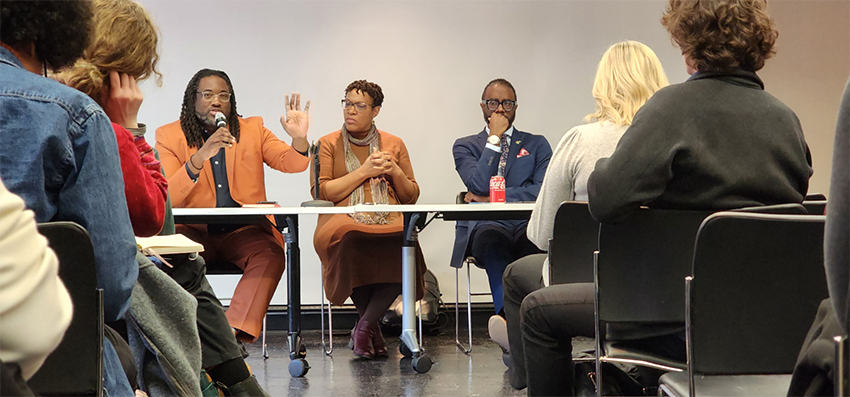
The Big City Planners Director Institute (BCPDI) is a collaborative initiative of the Lincoln Institute for Land Policy, Harvard GSD, and the American Planning Association. It convenes planning directors from the nation’s largest cities to share insights, discuss emerging public policy issues, and explore innovative approaches to urban planning and design. The GSD hosts a panel discussion with several directors, followed by an exclusive student-director networking reception for MUPs.
Harvard Urban Planning Organization
HUPO is Harvard’s Urban Planning Student Organization at the GSD dedicated to supporting MUPs and other GSD students interested in planning and design issues. HUPO’s mission is to build a community and foster interdisciplinary collaboration within the MUP program, the GSD, and Harvard University through hosting a variety of events. HUPO’s programming is also career-focused by hosting supplemental lectures and discussions, workshops with practitioners, and other technical skills training. HUPO provides access to educational and professional opportunities to students at Harvard University to enrich the discourse about planning within Harvard, Cambridge, local communities, and beyond.
GSD Programs, Centers, and Labs
Community Service Fellowship Program
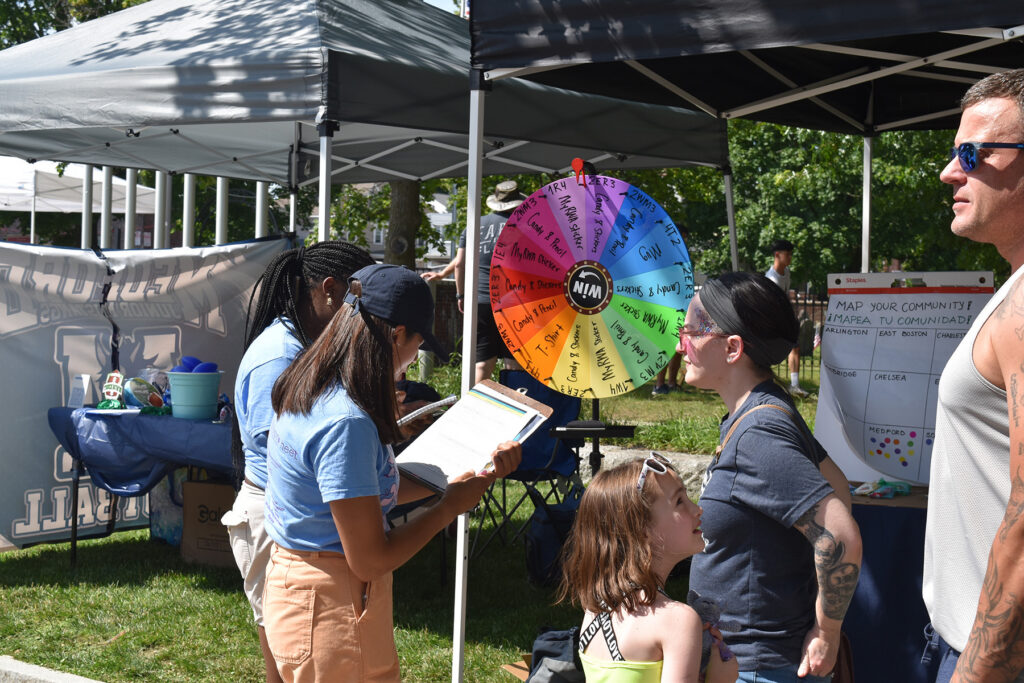
The Community Service Fellowship Program (CSFP) supports GSD students by providing an $8,000 living allowance to students partaking in an immersive summer experience at domestic nonprofit organizations that address key issues, causes, and design in today’s changing world.
During this 10-week, full-time immersive program, students will explore the connections between their research/academic interests and community-based needs. This opportunity for learning and professional growth will offer expansive insights, valuable connections, and the skills necessary to become an informed and impactful practitioner in one’s chosen field.

Harvard’s Joint Center for Housing Studies
The Joint Center for Housing Studies (JCHS) strives to improve equitable access to decent, affordable homes in thriving communities. The Center conducts rigorous research to advance policy and practice and bring together diverse stakeholders to spark new ideas to address housing challenges.
Edward M. Gramlich Fellowship in Community and Economic Development: gives returning graduate students at Harvard the opportunity to conduct, publish, and present original research on challenges for community-based organizations (CBOs) in the NeighborWorks® America network.
Ivory Fellowship in Housing Affordability and Sustainability: A 10-week, full-time summer fellowship working on issues related to affordable and sustainable housing at for-profit companies, nonprofit organizations, or public-sector entities in the United States.
Student Research Support Program: offers competitive grants of up to $7,000 for Harvard graduate students working with faculty members on research, courses, and other projects related to housing, community development, or related urban issues both domestically and abroad.
Thesis Research Grants: GSD students can apply for funding to help offset thesis research-related expenses if their topic is related to housing or community development.
Best Paper on Housing: honors exemplary graduate student work on housing, community development, or related urban issues.
The Just City Lab
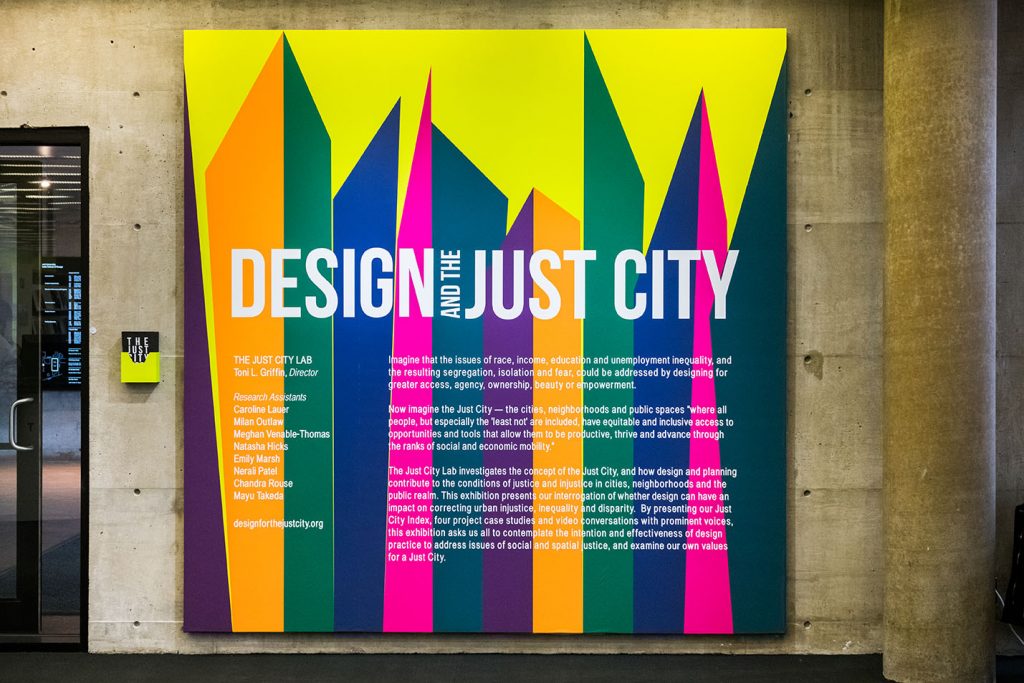
The Just City Lab investigates the definition of urban justice and the just city and examines how design and planning contribute to conditions of justice and injustice in cities, neighborhoods and the public realm. Professor Toni L. Griffin and her team of research assistants have produced The Just City Index, Just City Indicators for the Public Realm, tools for civic engagement, design case studies and offer masterclasses and workshops on designing for justice.
Just City Summer Fellowship: A competitive 10-week summer program for GSD students supporting Just City Mayoral Fellowship mayors and cities.
Healthy Places Design Lab
The Healthy Places D-Lab connects GSD faculty and students with others within the school and beyond. The lab investigates broad questions about how health relates to place and where people live, and how to make places healthier in the US and globally.
Healthy Places Travel and Research Grants: The Lab provides funding to help offset travel and other research-related expenses for MUPs undertaking an independent thesis and MUP Applied Planning Practice courses relevant to human health and well-being.
Health Speaker Series: Students are invited to attend a series of talks on health developed by the courses SES 5464: Do No Harm: Dilemmas in Planning for Health and SES 5514: At Home and Abroad: Housing in Comparative Perspective, taught by Professor Magda Maaoui.
Engagement Across Harvard
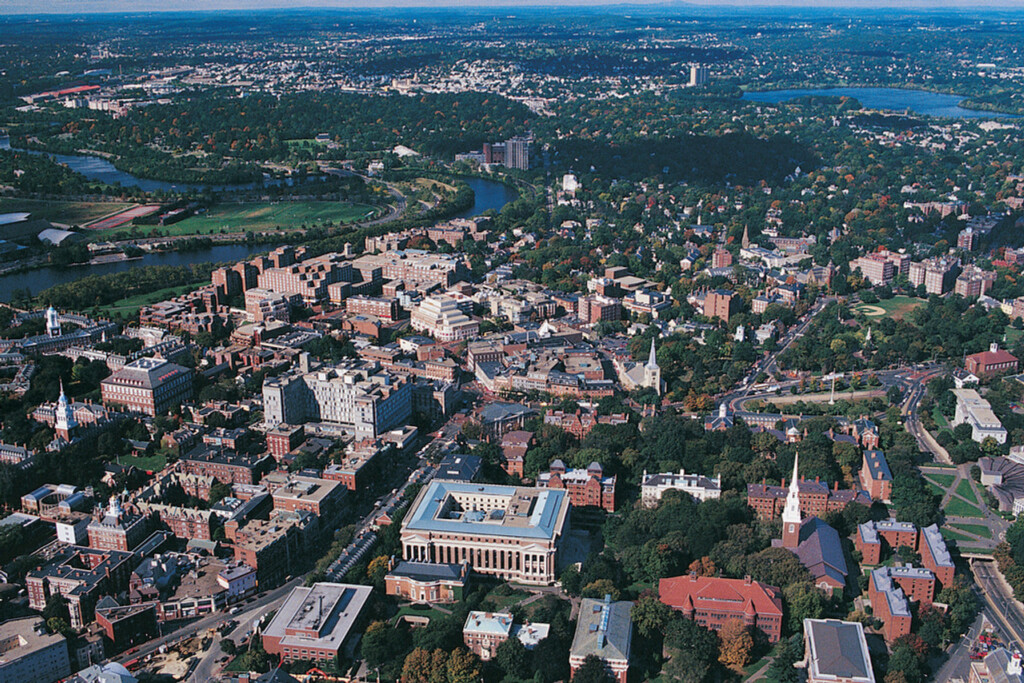
Across Harvard, there are various schools, research centers, and institutes that provide funding for fellowships, internships, research, and competitions engaging communities inside and outside of Harvard and outside. Some of the most popular and relevant opportunities for urban planning students are highlighted below.
Presidential Public Service Fellowships: Harvard’s Presidential Public Service Fellowship program supports a broad range of summer opportunities that serve the common good. Our Fellows are involved in meaningful projects that affect communities across the United States.
Provost Fund for Student Collaboration: The fund supports extracurricular academic collaborations that bring together students from at least three Harvard schools to explore a particular subject.
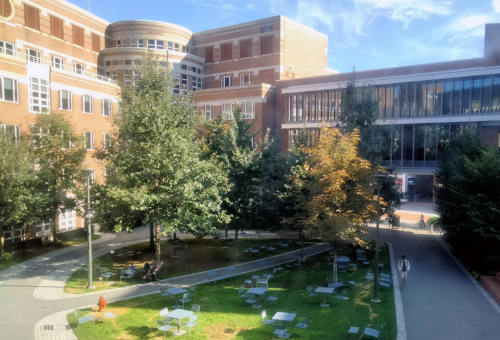
Bloomberg Center for Cities
The Bloomberg Center for Cities at Harvard University offers students opportunities to work with city leaders on priority projects, gaining experience in local government and honing their analytical and leadership skills.
Bloomberg Harvard Summer Fellowships: Graduate students from across Harvard are competitively selected for an opportunity to spend the summer embedded in local government.
Bloomberg Harvard City Hall Fellowships: Graduates of all Harvard master’s or professional degree programs are eligible to apply for this annually-offered fellowship, where fellows are placed in paid, two-year fellowships working for municipal leadership within city halls across the United States.
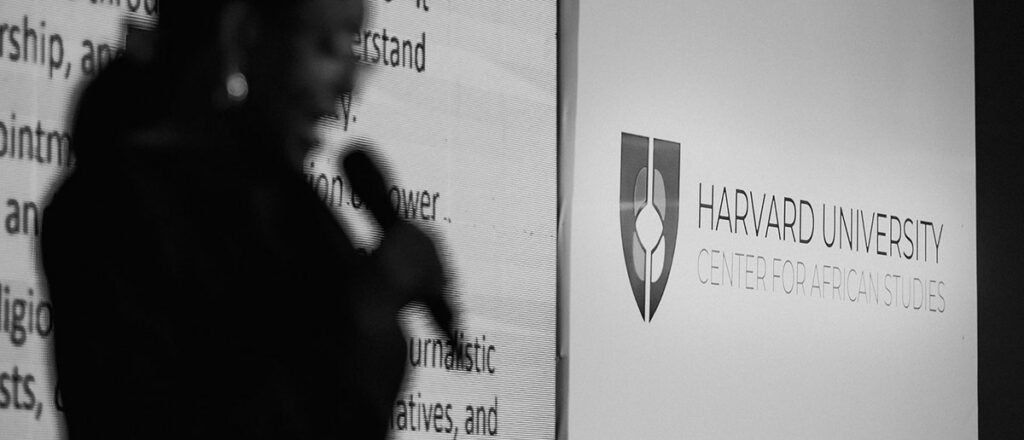
Center for African Studies
Harvard University’s Center for African Studies (CAS) is a globally recognized, interdisciplinary body at Harvard University committed to broadening knowledge about Africa and African perspectives. IT mission is to deepen the knowledge and understanding of Africa through global connections and communities of learning.
Graduate Research Travel Grants: Graduate students traveling to Africa for thesis or dissertation research or for fieldwork connected to an academic project are from across Harvard are competitively selected for grants.
David Rockefeller Center for Latin American Studies
Through a range of programs and resources, the David Rockefeller Center for Latin American Studies (DRCLAS) offers Harvard students the opportunity to deepen their understanding of the region, engage in meaningful research, and connect with a vibrant academic community.
Summer Internship Program: The program offers students the opportunity to engage with Latin America in a meaningful manner that will help shape professional skills, cultural knowledge, and language capabilities.
Summer Research Travel Grants: The grants support graduate students conducting thesis research on Latin America and the Caribbean during the Summer break.
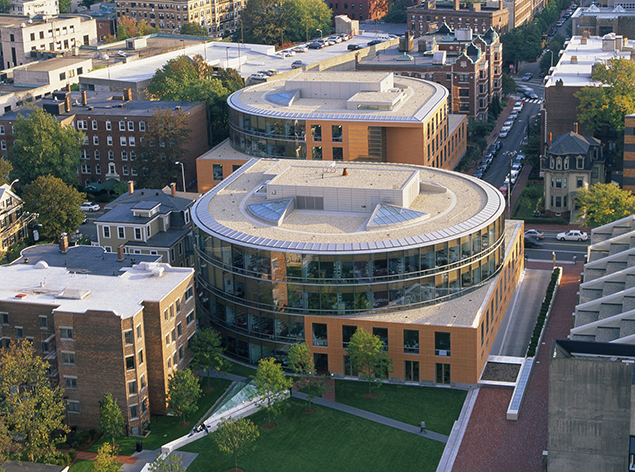
Lakshmi Mittal and Family South Asia Institute
Located steps from the GSD, the Mittal Institute connects Harvard and South Asia. The Institute works with faculty members, students, and in-region institutions and experts to advance and deepen the understanding of critical issues shaping South Asia and its global impact.
Graduate Student Associates: Every year, the institute supports Graduate Student Associates from across the different schools at Harvard who conduct research focused on South Asia. The program is centered on the interdisciplinary exchange of ideas.
Seed for Change Student Grant Competition: The competition aims to develop a vibrant ecosystem for innovation and entrepreneurship by supporting interdisciplinary student projects that could positively impact social, economic, and environmental issues in India.

Rappaport Institute for Greater Boston
A university-wide entity housed at the Harvard Kennedy School, strives to improve the governance of Greater Boston by strengthening connections among the region’s scholars, students, and civic leaders.
Experimental Learning: Students learn by actively engaging in real-world work as part of their academic training. In the Applied Field Lab, experiential learning means students study municipal government by working directly on well-scoped city projects, applying analytical and technical skills while receiving close faculty instruction and feedback.
Rappaport Public Policy Summer Fellowship: Challenges graduate students from across Greater Boston to immerse themselves in the region’s public sector through a dynamic 10-week summer internship experience.
Professional Engagement
American Planning Association
The American Planning Association (APA) connects planning professionals at the local, regional, state and national levels.
APA offers planning students free membership, connecting planners to career-centered resources, networking opportunities, and student leadership opportunities.
The MUP program provides support to a number of planning students to attend APA’s annual National Planning Conference. MUPs frequently compete for and receive APA chapter and division scholarships, competitions, and awards.

APA – Massachusetts Chapter
The American Planning Association Massachusetts Chapter (APA-MA) is an official Chapter of the American Planning Association. APA-MA is home to five PAB-accredited planning programs including Harvard that have planning student organizations (HUPO) and APA-MA student representatives.
Massachusetts Distinguished Planner Lecture: An annual lecture initiated in 2023 as a collaboration between APA-MA and the Massachusetts Planning Schools to provide a forum for a distinguished planner nearing the end of their career to share their reflections on their experiences and the profession with the broader planning community, and particularly with planning students.
Carol Thomas Memorial Scholarship Fund: Awarded annually to planning students to attend the Southern New England APA (SNEAPA) Conference.
Additional opportunities across Harvard, the Boston area, and beyond are advertised through the GSD’s Office of Career Services.