Design Impact 2026: Places Left Behind
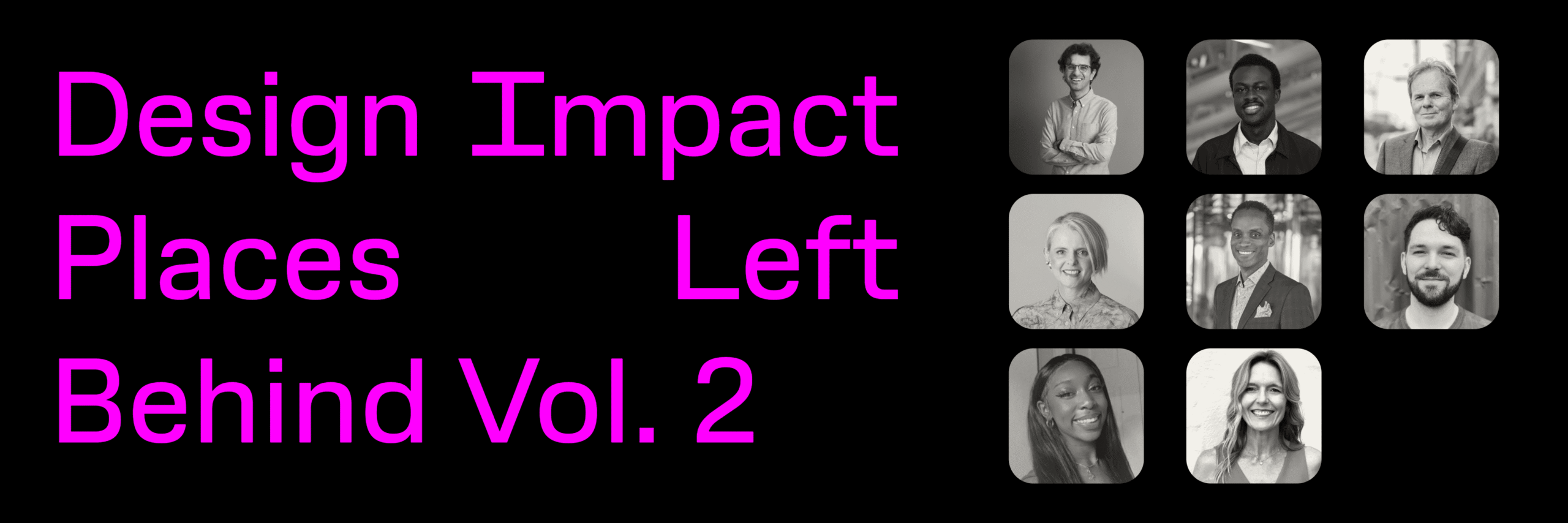
Join the GSD Alumni Council for Design Impact 2026: Places Left Behind, a virtual forum exploring the intersection of spatial design and policy in addressing inequality and fostering regeneration.
Panelists Calvin Brook (MAUD ’85), Sekou Cooke (MArch ’14), and Stacey Lankford Pennington (MUP ’05) will highlight three unique case studies in response to the essential question: How can we use design to reimagine spaces that the modern world seems to have discarded?
Special thanks to Design Impact Co-curators Zeerak Ahmed (MDE ’18) and Michelle Cramer (MAUD ’99), Council member Samuel Maddox (MDes ’19, PhD ’31), and student contributors Joseph Appiah (MAUD ’26) and Eden Olayiwole (MDes ’27)
Design Impact is a global design leadership speaker series hosted by the Harvard Graduate School of Design Alumni Council. These virtual events bring together outstanding rosters of global leaders to share their work and vision, challenging us as a global community to use design as a tool for actionable, transformative change and healing.
Questions? Contact [email protected].
Case Studies
Selma, Alabama, is a city of movement, transformation, and progress. Known globally for its pivotal role in the fight for justice, equality, and democracy, Selma has long been a symbol of courage and resilience. The marches of 1965 left an indelible mark on the American Civil Rights movement. However, Selma’s residents are more than figures in a distant history—we are an active community with aspirations for a vibrant and inclusive future.
Now, Selma is poised to take its next step forward—preserving history while making new history. Downtown Selma will continue to respect its past while embracing growth and opportunity. This transformation will create spaces that are inclusive, dynamic, and rooted in the values of justice and strong community.
The intersection of urban planning and real estate development reveals a tension between the monetization of design and the importance of community and context. The mechanics of planning, designing, building and operating real estate, whether at the scale of a building or neighborhood, are often traditional and subject to the importance of profit. Inevitably, it is an institutional landscape dictated by capital and the time value of money.
Stacey Pennington explores the case study of Makers Quarter, a neighborhood within the Upper East Village of Downtown San Diego, California, where she created an urban planning, engagement and activation strategy which tried to balance the ‘top-down’ nature of real estate with a ‘bottom-up’ model of urban planning and community engagement.
The vision and value system, which started in 2011, is partially realized, posing many reflections and lessons learned. What was a void in the urban fabric, a network of many places and spaces left behind, became a dynamic and vibrant hub, testing ideas to inform the future. Stacey will explore the pros and cons and reflect on the most formidable challenges to an innovative, human-centered design approach.
The Indigenous Design Studio is a Canadian-based practice with studios in Toronto, Winnipeg, and Thunder Bay. The work centers around the concept of restoring Indigenous presence in the fabric of Canadian communities, addressing the question: how can the design professions of architecture, landscape, and planning make a meaningful contribution to Truth & Reconciliation?
Design Impact 2026 Alumni Contributors
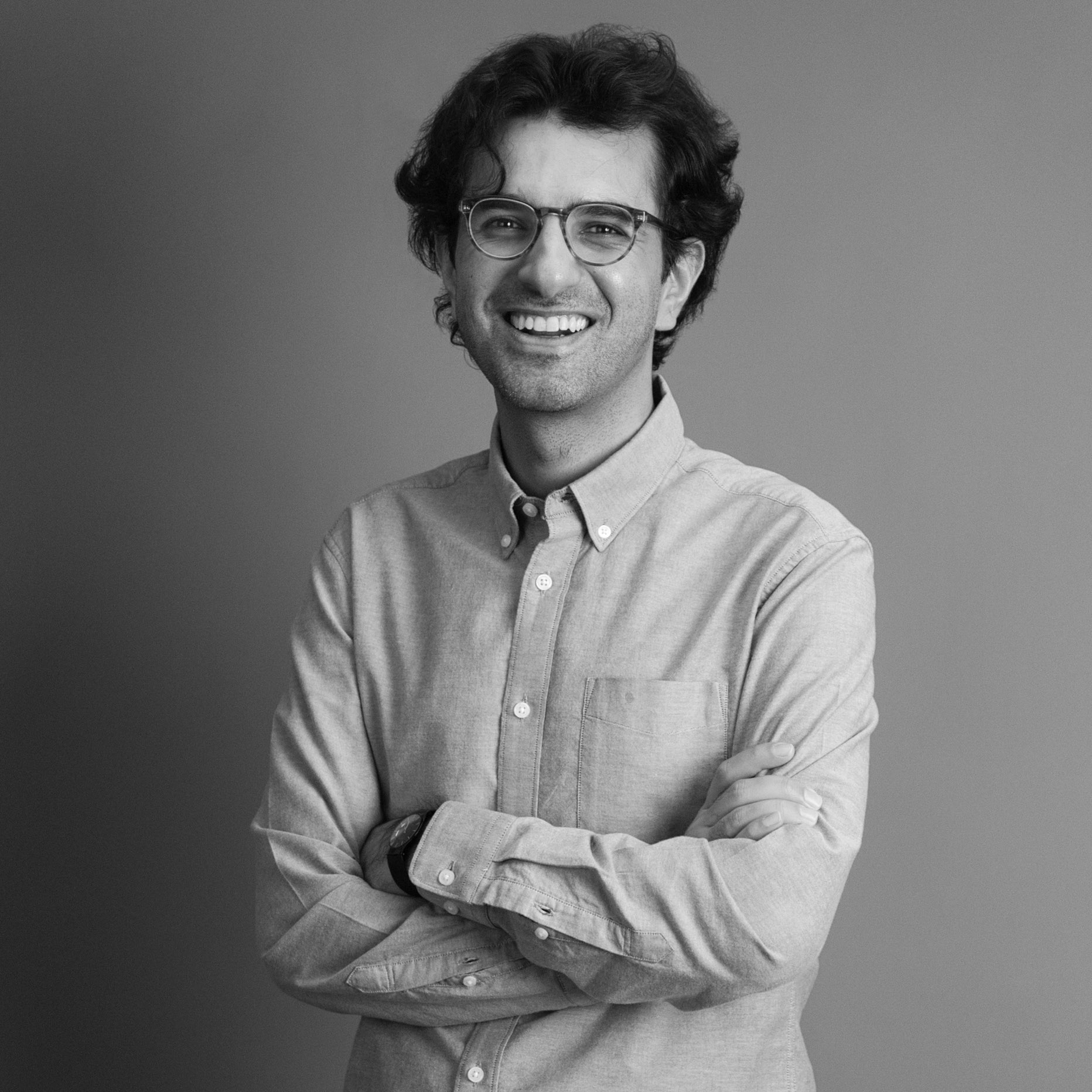
Zeerak Ahmed (MDE ’18)
Head of Design Research, Delivery Ops, Amazon
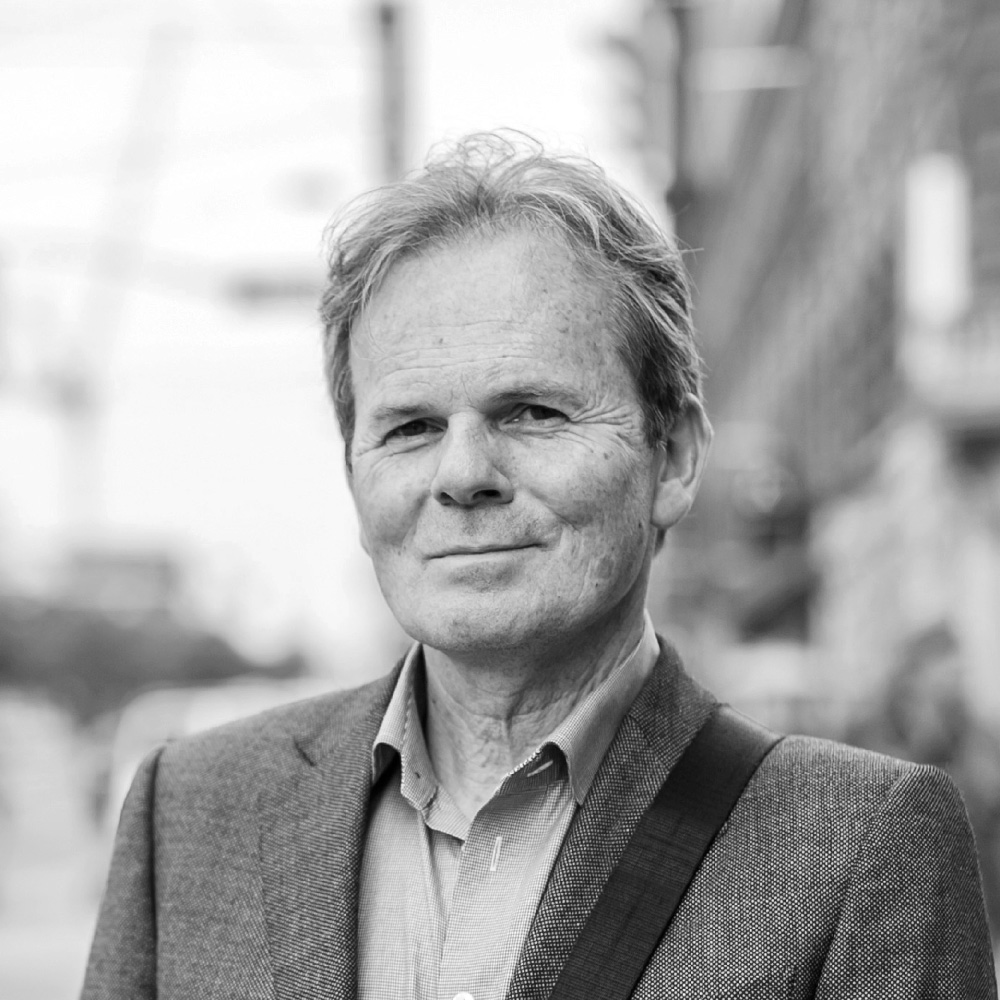
Calvin Brook (MAUD ’85)
Principal, Brook McIlroy
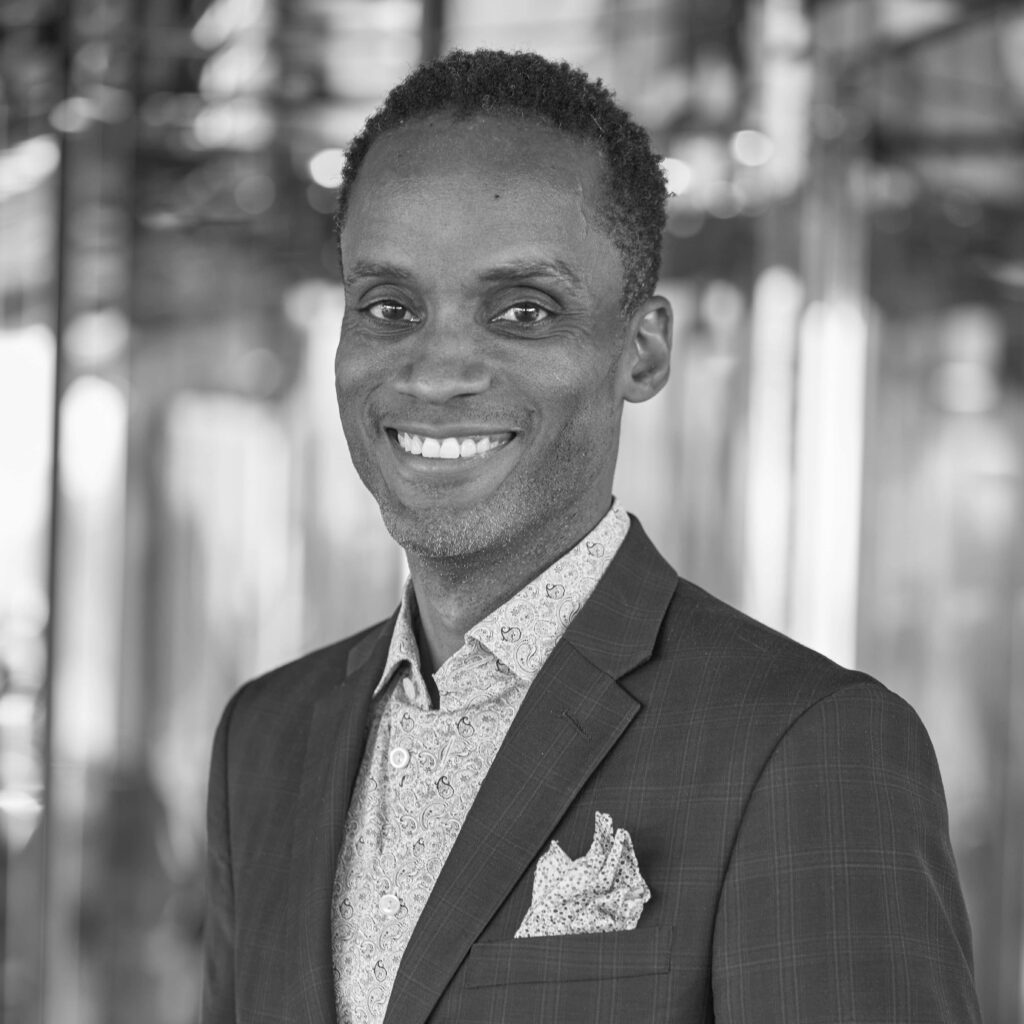
Sekou Cooke (MArch ’14)
Founder, sekou cooke STUDIO
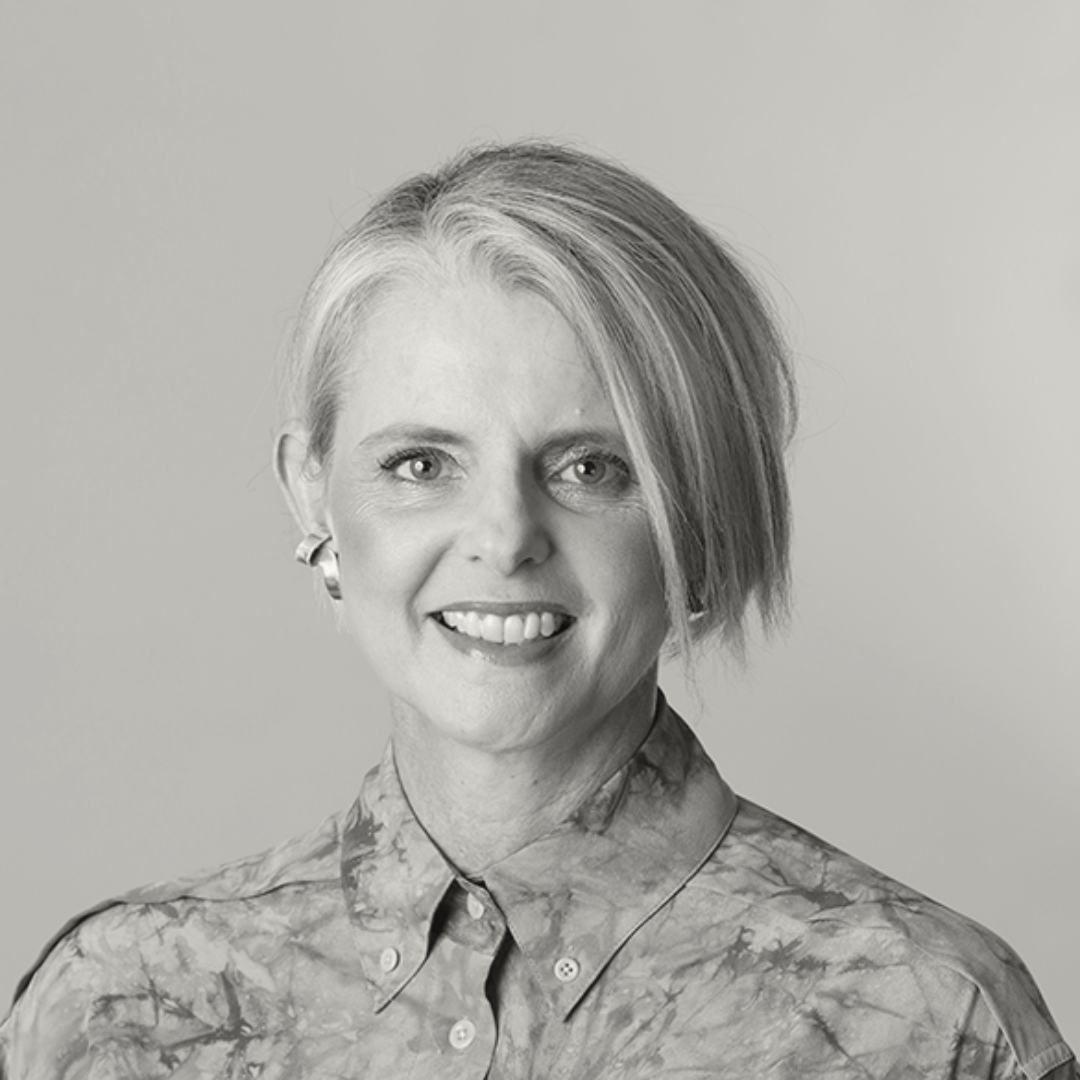
Michelle Cramer (MAUD ’99)
Principal and Practice Lead Sustainable Communities, Frazer-Nash Consultancy
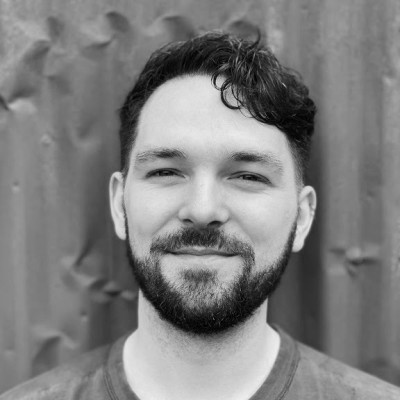
Samuel Maddox (MDes ’19)
PhD Student in Architecture, Landscape Architecture, and Urban Planning, Harvard GSD
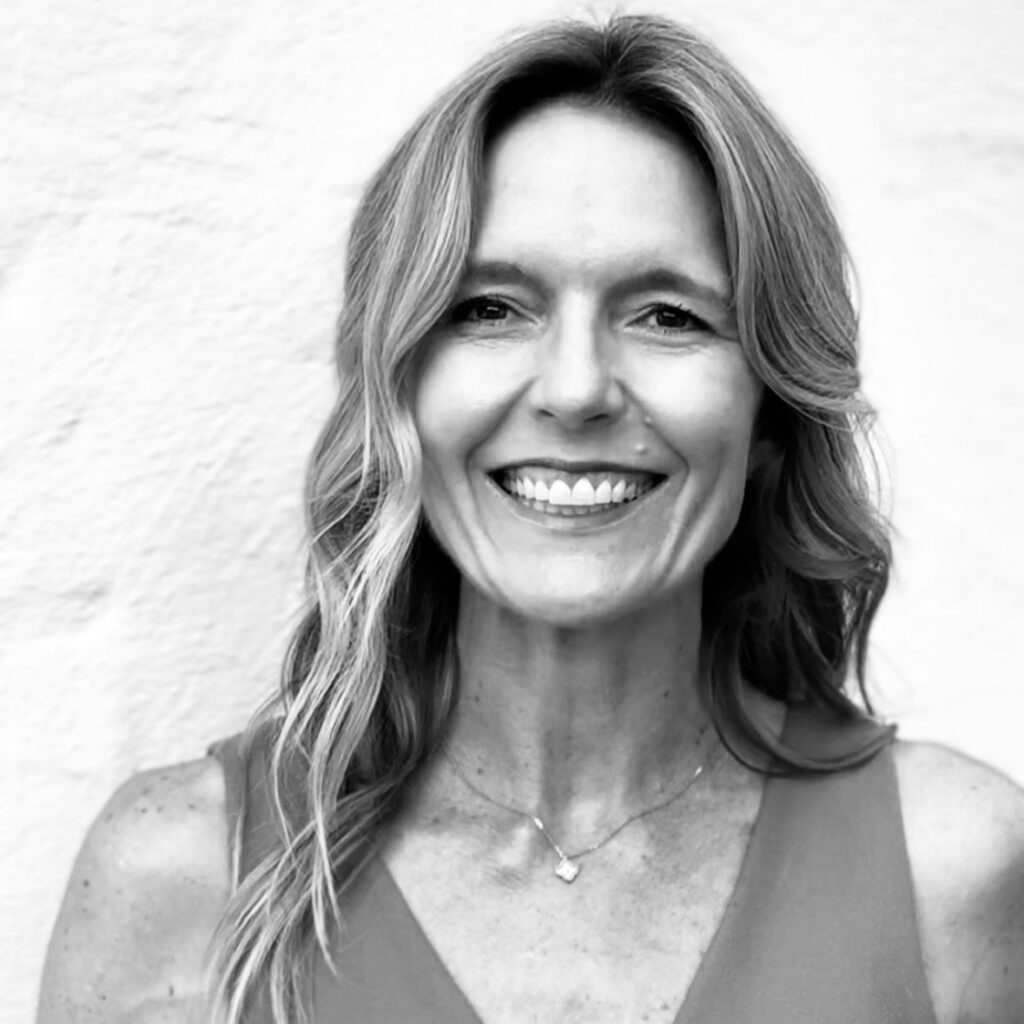
Stacey Lankford Pennington (MUP ’05)
Founder and Principal, SLP Urban Planning, Strategic Advisor, Lankford & Associates