Infrastructure in a Time of Flux: Methods, Conditions, and Situations Symposium
About This Event
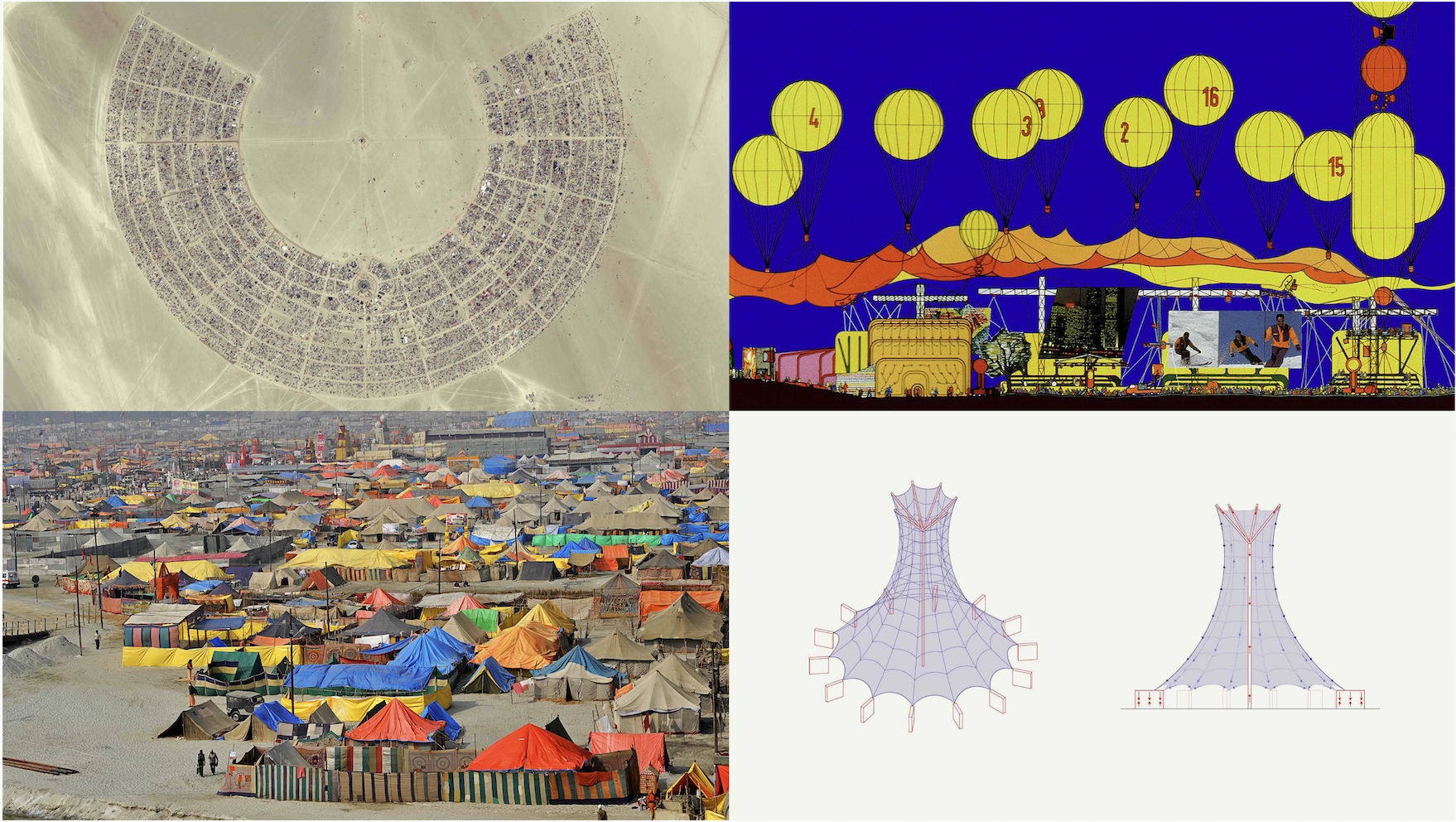
Infrastructure in a Time of Flux foregrounds a body of architectural, engineering, urban planning, and design innovations whose potential remains largely unrealized in these contexts. Bringing together historical precedents and contemporary investigations, the exhibition examines lightweight, adaptable, deployable, and materially efficient building methods while asking why their broader social and design applications remain elusive.
The symposium, like the exhibition on view in Druker Design Gallery, poses a critical question: if architecture has produced such sophisticated methods for building with fewer resources, greater adaptability, and increased efficiency, why have these innovations rarely been directed toward the conditions that constitute the lived reality of a large portion of humanity? In reconsidering this question, we invite a broader reflection on the relationship between invention and implement-ation, and on the capacity of design disciplines to engage with a world defined not by permanence but by flux.
Schedule & Speakers
The artistic practice of Sandi Hilal and Alessandro Petti has explored and acted within and against the condition of permanent temporariness that permeates contemporary forms of life. In their research- and project-based practice, art exhibitions are both sites of display and sites of action that spill over into other contexts: built architectural structures, the shaping of critical learning environments, interventions that challenge dominant collective narratives, the production of new political imaginations, the re-definition of words, and the formation of civic spaces.
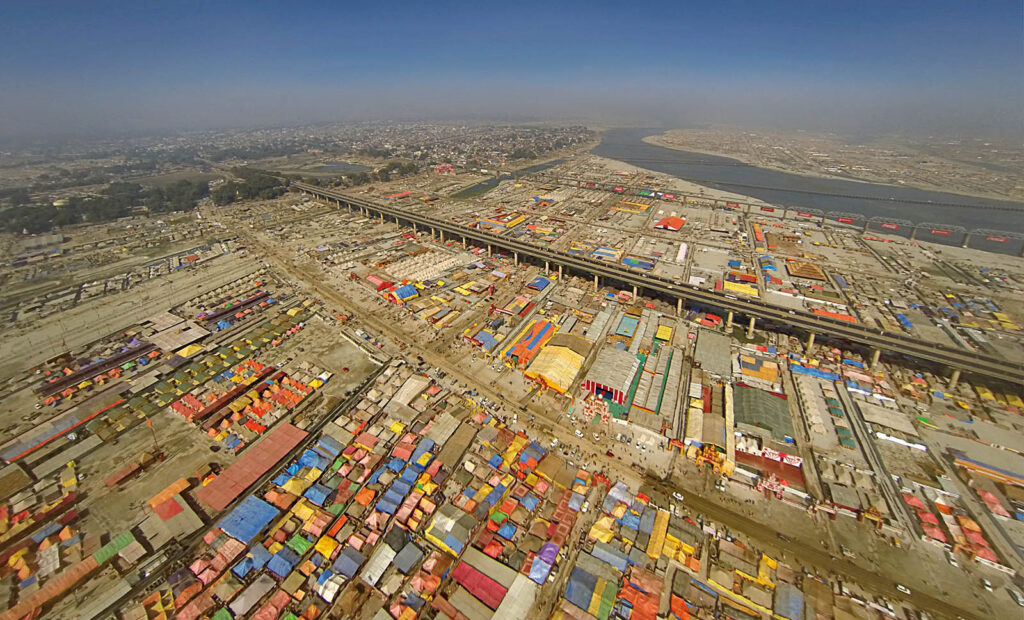
Religious pilgrimages create temporary sacred cities. Drawing on work by several schools at Harvard, this interdisciplinary conversation reflects on the Kumbh Mela, the largest gathering in the world, and the roads, tents, sanitation systems, ceremonial routes, and public services that support it. This panel is organized by the Lakshmi Mittal and Family South Asia Institute at Harvard University.
SPEAKERS
— Rahul Mehrotra, John T. Dunlop Professor in Housing and Urbanization at the Harvard Graduate School of Design
— Tarun Khanna, Jorge Paulo Lemann Professor at Harvard Business School and founding faculty director of the Lakshmi Mittal and Family South Asia Institute at Harvard University
— Satchit Balsari, associate professor of emergency medicine at Harvard Medical School and of Global Health and Population at the Harvard T. H. Chan School of Public Health
— John Macomber, senior lecturer of business administration at Harvard Business School
— Namita Dharia, associate professor of political economy at the Rhode Island School of Design
— Diana L. Eck, professor emerita of comparative religion and Indian studies and faculty director of the Lakshmi Mittal and Family South Asia Institute at Harvard University
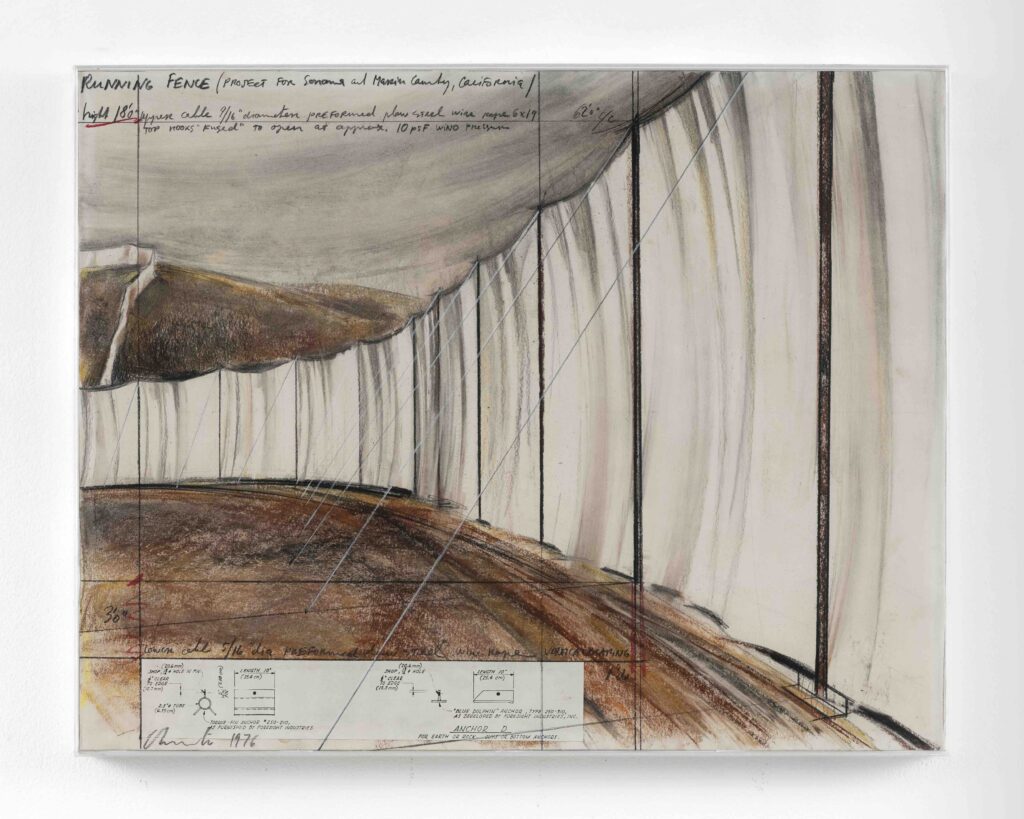
This panel explores historic and contemporary approaches to lightweight construction: suspended, pneumatic, tensile, tensegrity, deployable, gridshell, folded, scaffolding, and spaceframe systems. Developed across different periods and disciplines, these methods use tension, air pressure, geometry, movement, modularity, and coordinated assemblies to create expansive spaces with relatively little material.
SPEAKERS
— Chip Lord, artist; founding member, Ant Farm
— Isabella Sara Inti, founder, Temporiuso.org; codirector, M-US-T (Master in Temporary Uses), Politecnico di Milano
— Kelsey Nocket, Loeb Fellow 2027; former officer USAID Bureau of Humanitarian Assistance
MODERATOR
— Dan Borelli, director of exhibitions, Harvard GSD
This panel brings together an urbanist, a public health expert, and a landscape architect to discuss the forces that continually reshape human settlements. These forces operate beyond the scale of individual buildings, transforming landscapes, redistributing resources, influencing migration, and determining where and how communities can live.
SPEAKERS
— Felipe Vera, Chief of Operations, Inter-American Development Bank
— Satchit Balsari, Associate Professor of Emergency Medicine at Harvard Medical School and of Global Health and Population at the Harvard T. H. Chan School of Public Health
— Amy Whitesides, Assistant Professor of Landscape Architecture, Harvard GSD
MODERATOR
— Kelsey Nocket, Loeb Fellow 2027; Former USAID Bureau of Humanitarian Assistance
This panel features designers and researchers presenting contemporary examples and speculative proposals for structures that meet immediate human needs. These situations emerge through necessity, ritual, labor, exchange, displacement, conflict, celebration, and collective action.
SPEAKERS
— Malkit Shoshan, interim MDes Domain Head: Publics; founding director, FAST
(Foundation for Achieving Seamless
— Mojtaba Nabavi, designer, Safdie Architects
— José Mayoral, founding partner, PRÁCTICA
— Nusrat Jahan Mim, assistant professor, John H. Daniels Faculty of Architecture, Landscape, and Design and Faculty of Information, University of Toronto
— Jeannette Sordi, visiting associate professor, New York Institute ofTechnology
MODERATOR
— Felipe Vera, Chief of Operations, Inter-American Development Bank
Keynotes
Thursday, November 12, 6:30 PM
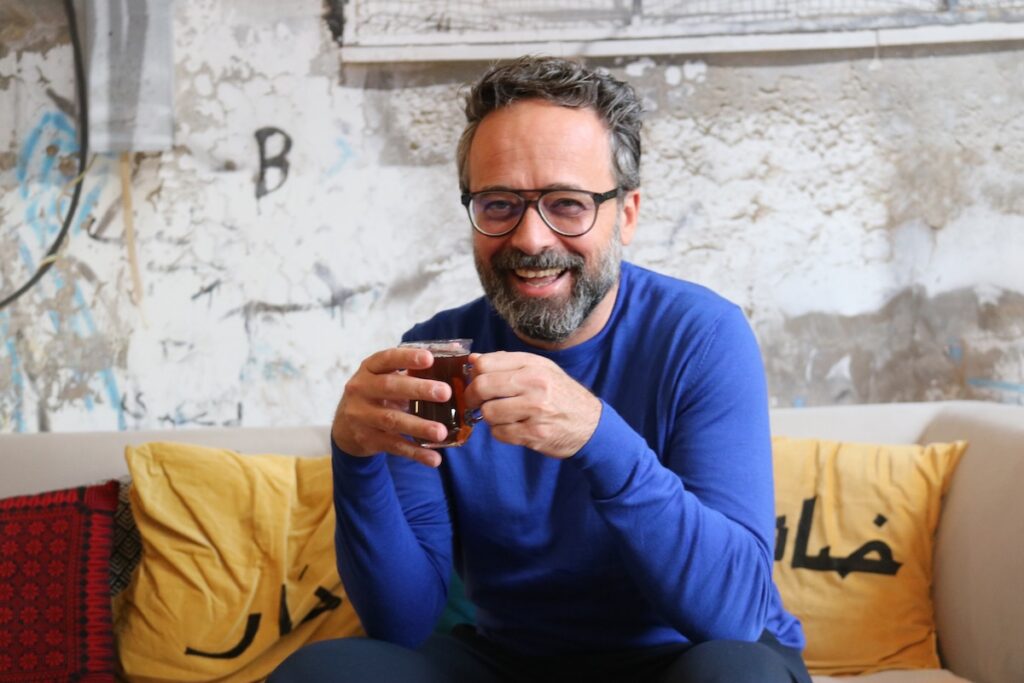
Alessandro Petti (LF ’17) is an architect, artist, researcher, and educator. With Sandi Hilal, he codirects DAAR, a practice working across architecture, art, pedagogy, and research. Their work addresses and intervenes in the political and spatial conditions of exile, dis placement, decolonization, and difficult heritage, including the afterlives of colonial-fascist architecture. Together, they have developed con cepts and practices including Permanent Temporariness, Refugee Heritage, Campus in Camps, and Decolonizing Architecture. Petti is professor of architecture and social justice at the Royal Institute of Art in Stockholm. His work has been presented internationally and remains grounded in long-term collective practices in Palestine and beyond.
Friday, November 13, 10:30 AM
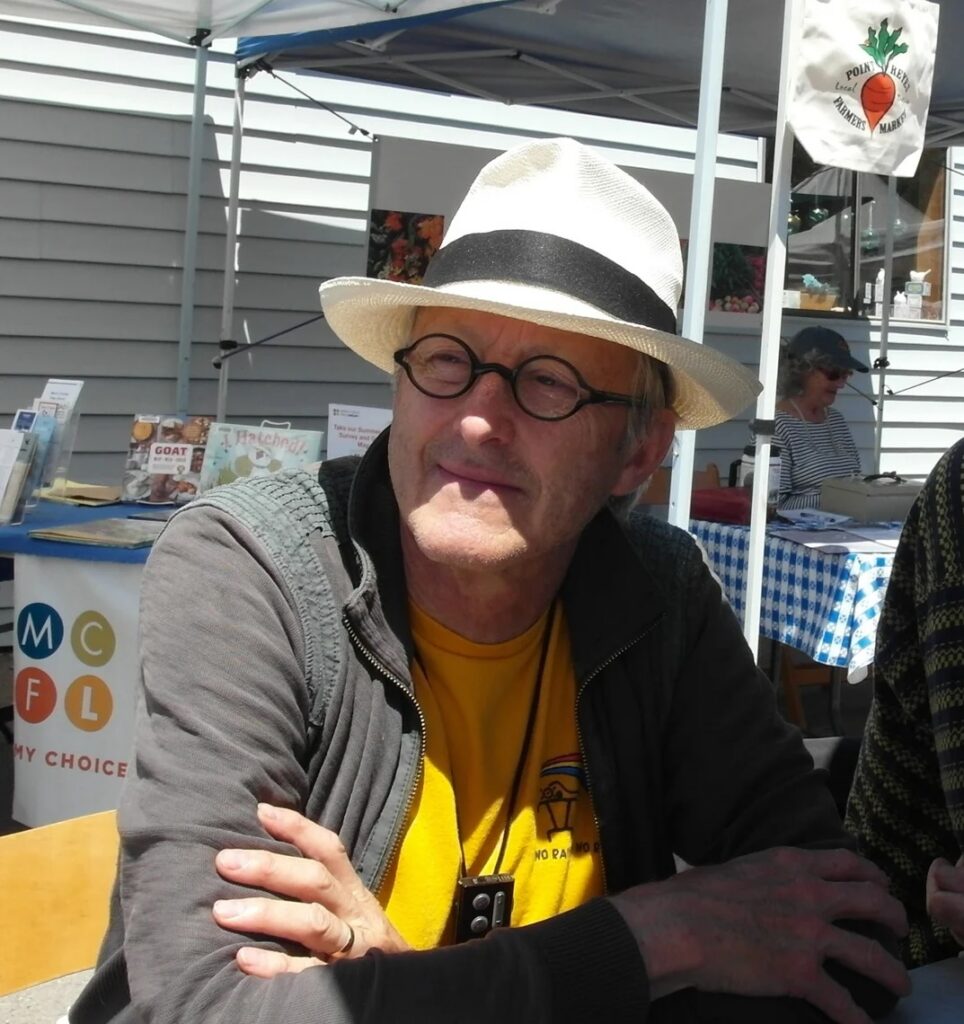
Chip Lord is a retired professor in the Department of Film and Digital Media, U.C. Santa Cruz. Trained as an architect, he was a founding member of Ant Farm (1968-1978), which worked at the radical fringe of architectural practice, producing inflatable structures, performative events, and nomadic design. Its projects included House of the Century (1973) in Angleton, Texas; Cadillac Ranch (1974); and the video art classics Media Burn and The Eternal Frame (both 1975). Lord has since worked in video, including Motorist (1989), selected for that year’s Whitney Biennial, and To & From LAX (2011). Since 1992, he has made films about city spaces; the latest, Venice Underwater (2020), addresses acqua alta, mass tourism, and rising seas.
Speakers & Moderators
SPEAKER BIOS

Amy Whitesides (MLA ’12) is an assistant professor of landscape architecture at the GSD and a registered landscape architect. She has more than 10 years of practice-based experience at Stoss Landscape Urbanism, where, as the Director of Resilience, she led coastal resilience and urban heat reduction projects across scales. At the GSD, Amy teaches studios, seminars, and the flagship climate course, Climate X Design. Her courses and research focus on landscapes of historic extraction, the construction of social and environmental risk, and opportunities to counter these legacies through collective action and slow practices that offer alternatives to the commodification of lands and livelihoods.
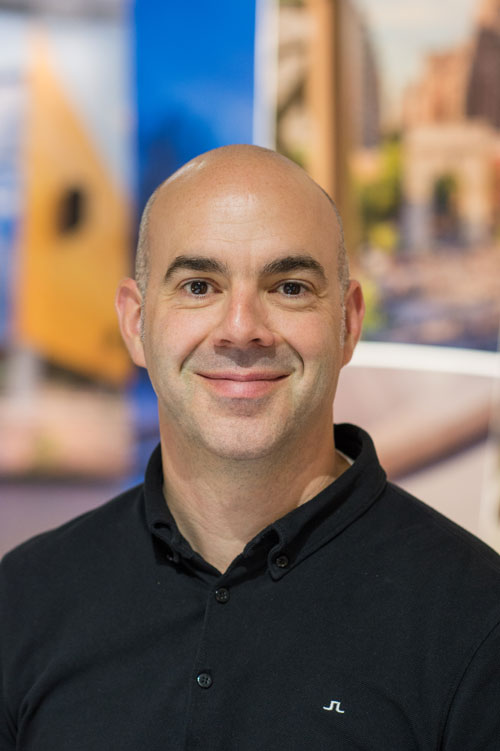
Dan Borelli (MDes ’12) is an artist and director of exhibitions at the GSD. His forthcoming public art project, Color Fields, sited across from Linear Park in Cambridge, is slated to open in 2027. His practice focuses on environmental issues, contaminated communities, and material histories. A graduate of the GS D’s MDes program, he has been an artist in residence for the National Park Service. His project Illuminating Futures: Ashland and Nyanza (2023), supported by an ArtPlace America grant, made public hidden narratives of cancer clusters, activism, and regeneration surrounding one of the first Superfund sites in the United States.
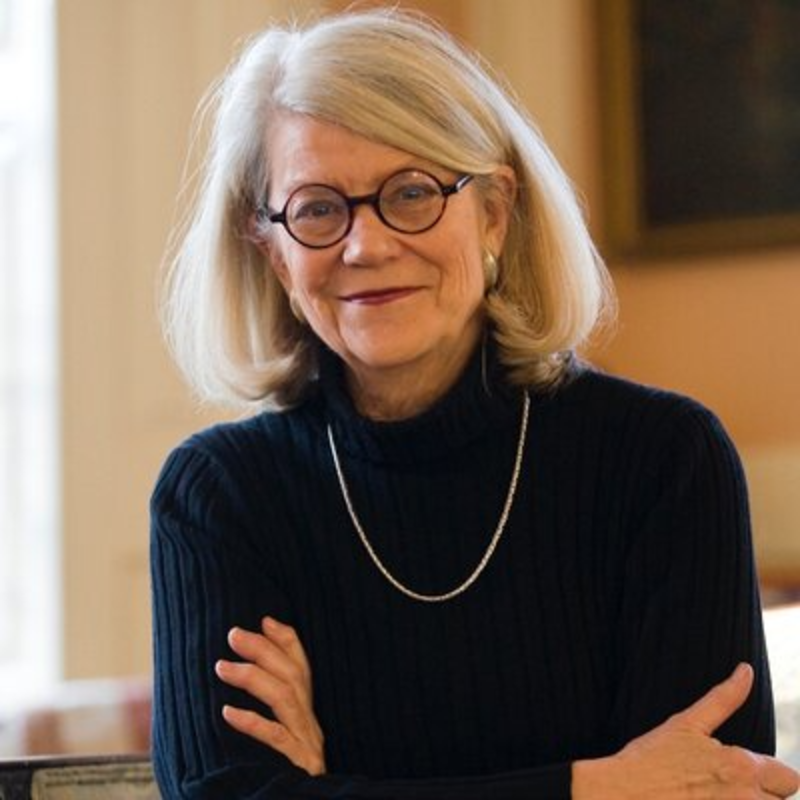
Diana L. Eck is professor of comparative religion and Indian studies emerita and Frederic Wertham Research Professor of Law and Psychiatry in Society at Harvard University. She also serves as faculty director of the Mittal Institute. Her work focuses on India and the United States, examining sacred geographies and pilgrimage traditions in India, as well as religious pluralism in America. Since 1991, she has led the Pluralism Project at Harvard. Her books include Banaras: City of Light (1982), Darsan: Seeing the Divine Image in India (1981), and India: A Sacred Geography (2012).
Felipe Vera (MDes ’13) is chief of operations in Argentina for the Inter American Development Bank, where he is accountable for a $12.1 billion sovereign portfolio of 74 active and closing operations across 12 policy sectors. He turns financing into built projects, functioning systems, and measurable results. Previously, he led operations in housing, urban dev elopment, and climate resilience across the Southern Cone. Vera Benitez has produced more than 20 books on cities, co-originated Ephemeral Urbanism (2016) with Rahul Mehrotra, curated projects at the Venice and Shenzhen Biennales, and taught at the GSD and Universidad Adolfo Ibanez, where he founded Center ELU.
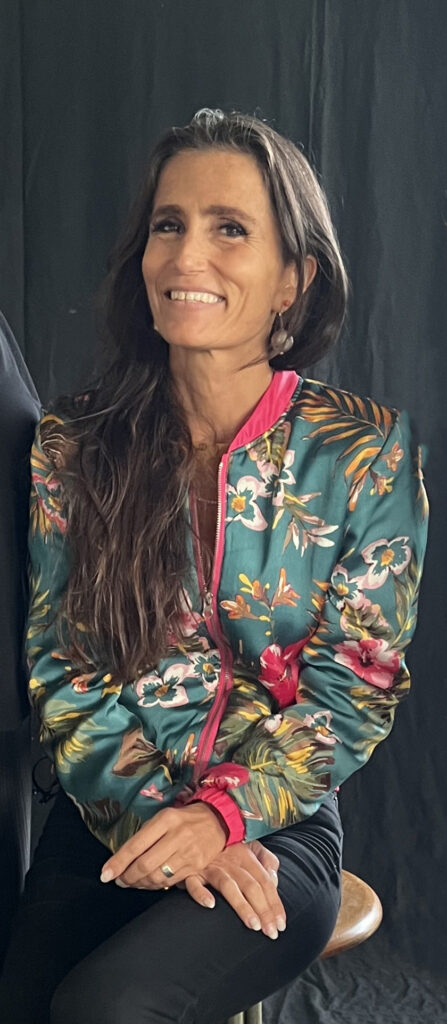
Isabella Sara Inti is an architect and urban planner who focuses on open planning with temporary and transitional uses, and on sociocultural and collaborative approaches that accompany the long-term transformation of abandoned spaces and areas. She has developed numerous masterplans and projects for the temporary reuse of abandoned spaces. She is the founder of Temporiuso srl, a social enterprise and design studio for temporary and transitional uses. She teaches urban planning and is codirector of M-US-T (Master in Temporary Uses) at Politecnico di Milano. She is also president of Stecca3, a hybrid sociocultural space in Milan.
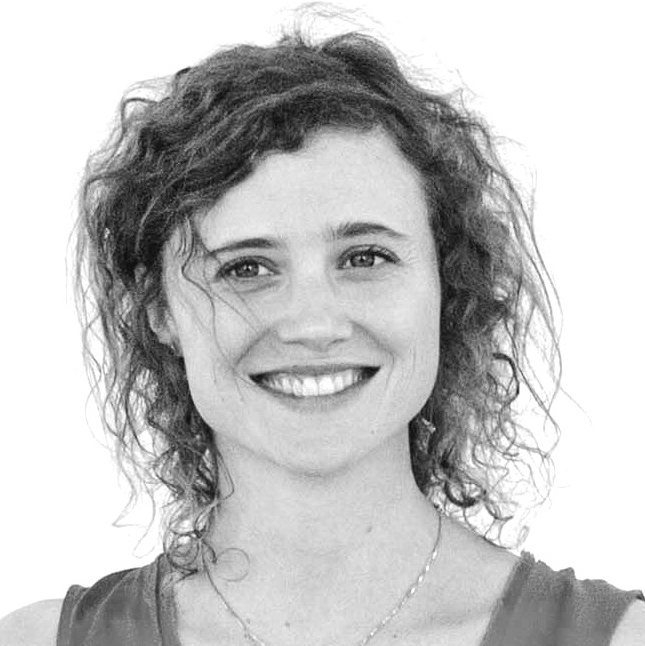
Jeannette Sordi is an architect, researcher, and educator based in New York City. She is a full-time faculty member at the New York Institute ofTechnology and has taught at Syracuse University, Universidad Adolfo Ibanez, and the University of Trento. She holds a PhD in urban planning and design from the University of Genoa (2013) and was a visiting doctoral student at the GSD (2011-2012). Her publications include Ecological Design: Strategies for the Vulnerable City (2022), Landscape as Urbanism in the Amer icas (2020), and Part-time Cities: A Survey of the Chilean Central Coast (2019).
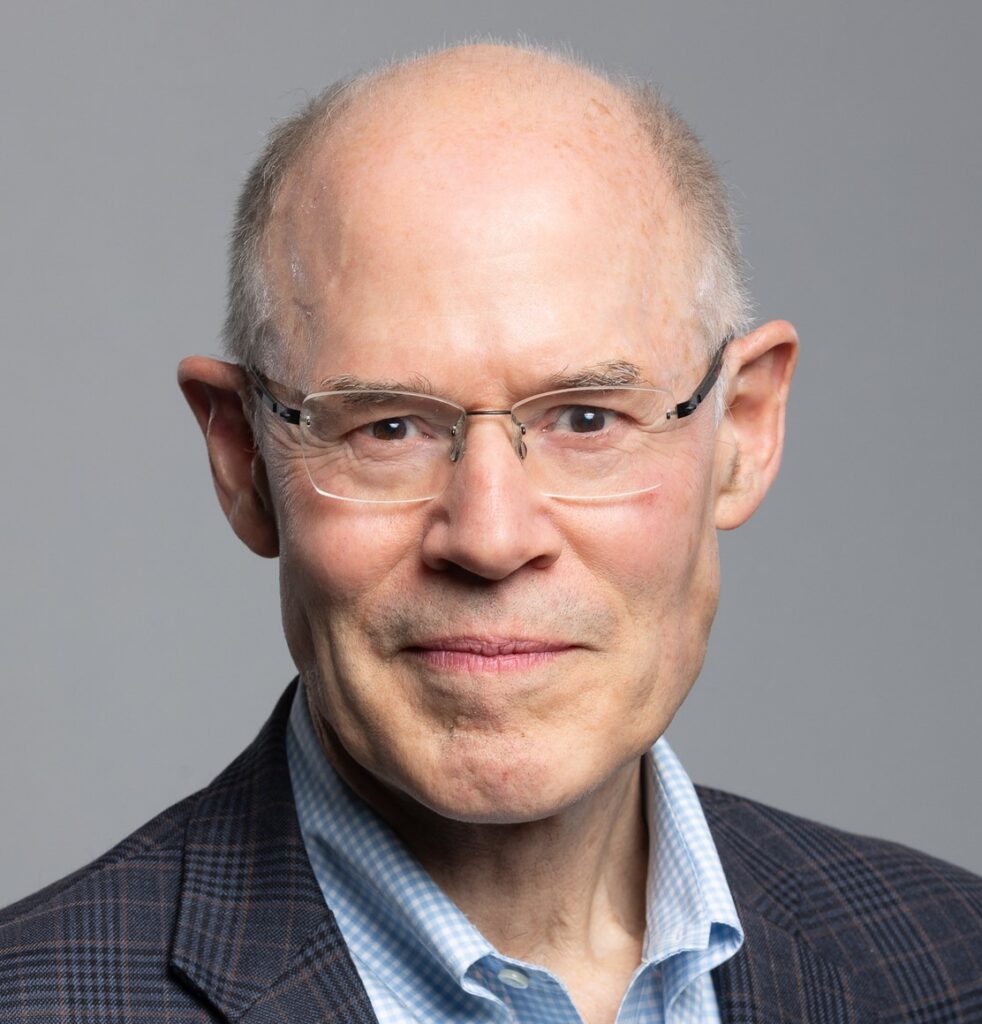
John Macomber is a senior lecturer in finance at HBS. His professional background includes leadership of real estate, construction, and information technology businesses. At HBS, his work focuses on climate adaptation and the future of cities, particularly as aided by private finance and delivery of public infrastructure projects. His teaching covers infrastructure finance, investing in resilience, economic development, and the role of new technologies in improving infrastructure. He coauthored Healthy Buildings: How Indoor Spaces Drive Performance and Productivity (2020), and his most recent book is The Routledge Handbook of Infrastructure Finance (2025).
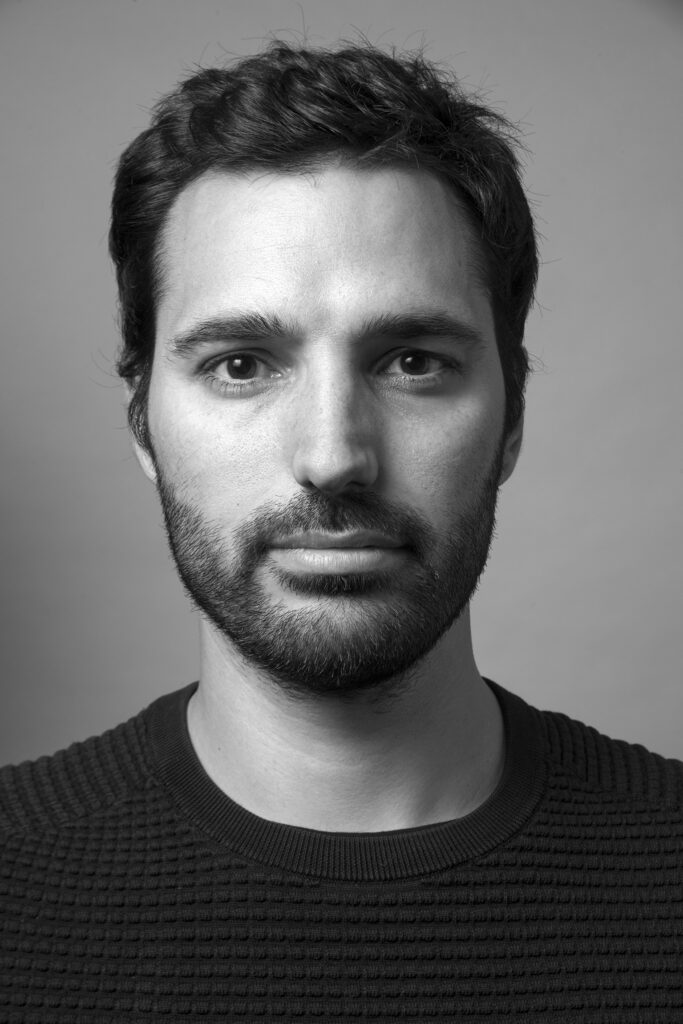
Jose Mayoral (MArch ’14) is an architect, researcher, and founding partner of PRACTICA. He holds a PhD from the Pontificia Universidad Cat61ica de Chile and IUAV University of Venice, and graduated from the GSD in 2014 with a master of architecture. His current research focuses on urban festivities. He codesigned the Ephemeral Urbanism Pavilion (2016) and Somes River Pavilion (2021) at the Venice Architecture Biennale, and curated the 20th Chilean Biennial of Architecture and Urbanism, Dia/ogos /mpos tergab/es (2017). His publications include Ephem eral Urbanism: Cities in Constant Flux (2016) and Ephemeral Urbanism: Does Permanence Matter? (2017).

Kelsey Nocket combines housing policy, emergency response, and public systems design to advance responsive, dignified support for people experiencing displacement. Most recently a foreign service officer with the United States Agency for International Development, she managed human itarian assistance programs in El Salvador, Ukraine, and Somalia. She previously served as the City of San Luis Obispo’s first homelessness response manager and as a refugee officer with the US Department of Homeland Security. Nocket is interested in how small design choices within systems shape trust and long-term outcomes. As a Loeb Fellow, she will explore new approaches to displacement.

Malkit Shoshan is a design critic in urban planning and design at the GSD, where she was the 2024-2025 Senior Loeb Scholar. A designer, researcher, and writer, she is founding director of the architecture think tank FAST (Foundation for Achieving Seamless Territory), which explores the relationships between architecture, urban planning, and human rights. Her collaborative project Border Ecologies and the Gaza Strip: Watermelon, Sardines, Crabs, Sand, and Sediment (2021) received the Silver Lion at the Venice Architecture Biennale. Her books include BLUE: The Architecture of UN Peacekeeping Mis sions (2023) and At/as of Conflict: Israel-Palestine (2010).
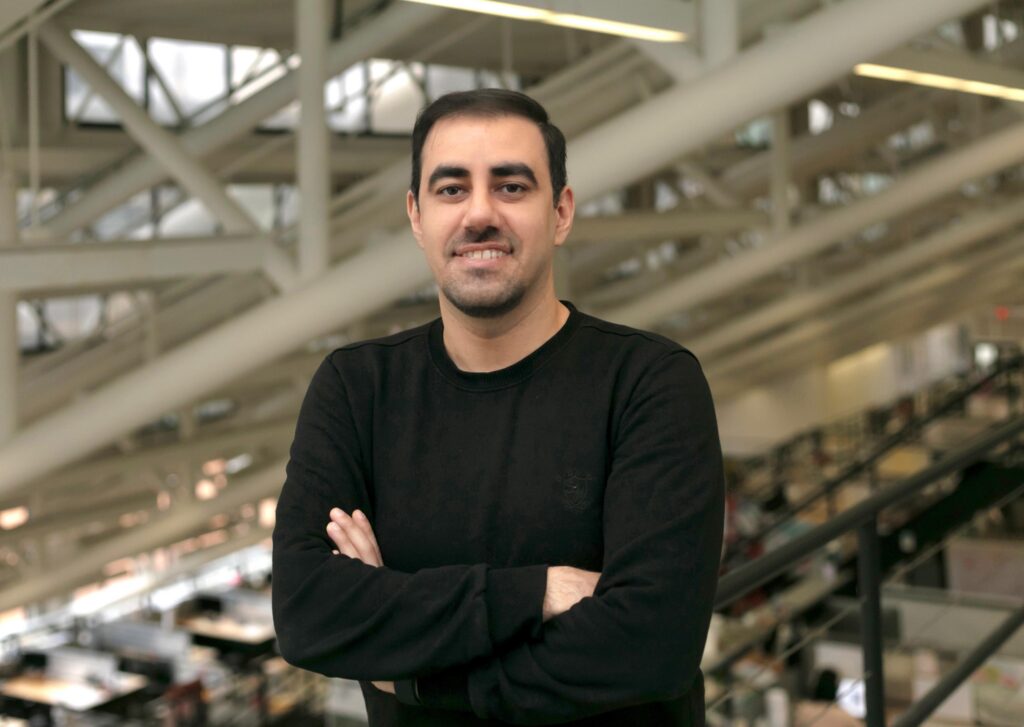
Mojtaba Nabavi (MAUD ’24) is an Iranian architect and urban designer currently practicing at Safdie Architects. He holds a master’s degree in housing architecture and graduated with distinction from the GSD in 2024 with a master of architecture in urban design, receiving the Urban Design Thesis Prize. His research, “Emerging Nomadic Spatial Practices in America,” investigates full-time vehicle dwelling and the spatial practices of contemporary nomadic communities across urban and non-urban contexts in the United States. AIongside his architectural practice, his broader work explores mobility and movability, intentional communities, the climate crisis, and displacement.
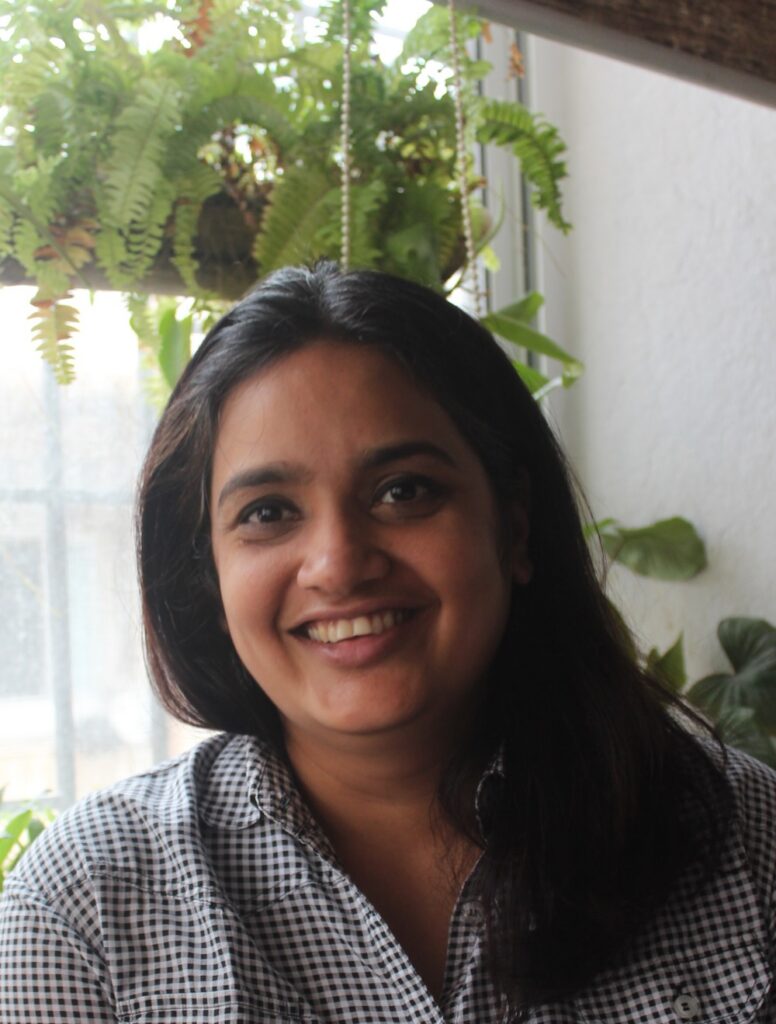
Namita Dharia is an associate professor at the Rhode Island School of Design. She is an architect and anthropologist whose research bridges materiality studies, aesth etics, political ecology, labor studies, and develop ment politics. Dharia has practiced and taught architecture, worked as an architectural journalist, and collaborated on design ethnography. She is the author of The Industrial Ephemeral: Labor and Love in Indian Architecture and Construction (2022). Her second book-length project studies the politics of urban rest in Mumbai. She is a series editor of Cohabitations at University of Minnesota Press.
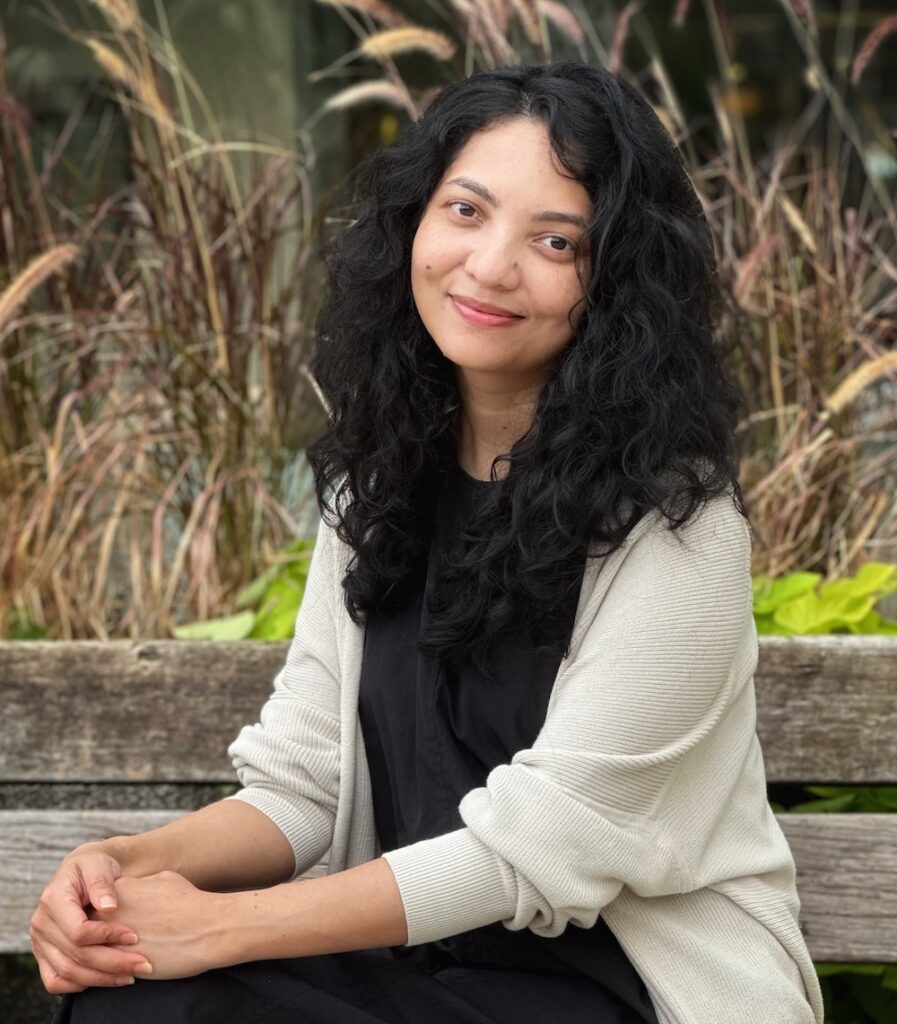
Nusrat Jahan Mim (DDes ’24) is an assistant professor at the University of Toronto, jointly appointed at the John H. Daniels Faculty of Architecture, Landscape, and Design and the Faculty of Information. Her research sits at the intersection of urbanism, human-computer interaction, and human-centered AI, examining how computational systems represent cities, cultures, and communities whose knowledge is often difficult to standardize or make legible to data-driven systems. Through ethnographic, participatory, and design-based research, she studies questions of urban inequality, cultural knowledge, infrastructure, and computational representation, with a particular focus on South Asia and other underserved contexts.
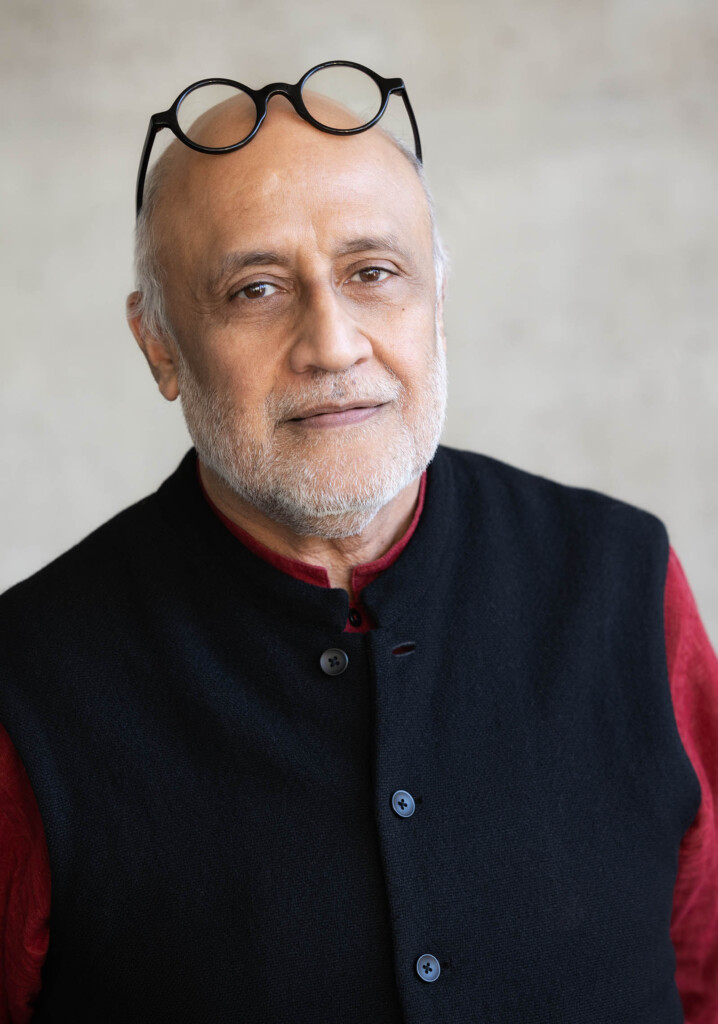
Rahul Mehrotra (MAUD ’87) is the John T. Dunlop Professor in Housing and Urban ization and professor of urban design and planning at the Harvard Graduate School of Design. He is also the founder and principal of RMA Architects, a practice with studios in Mumbai and Boston. His teaching, research, writing, and architectural practice focus on architecture, conservation, and urban planning and design in India.
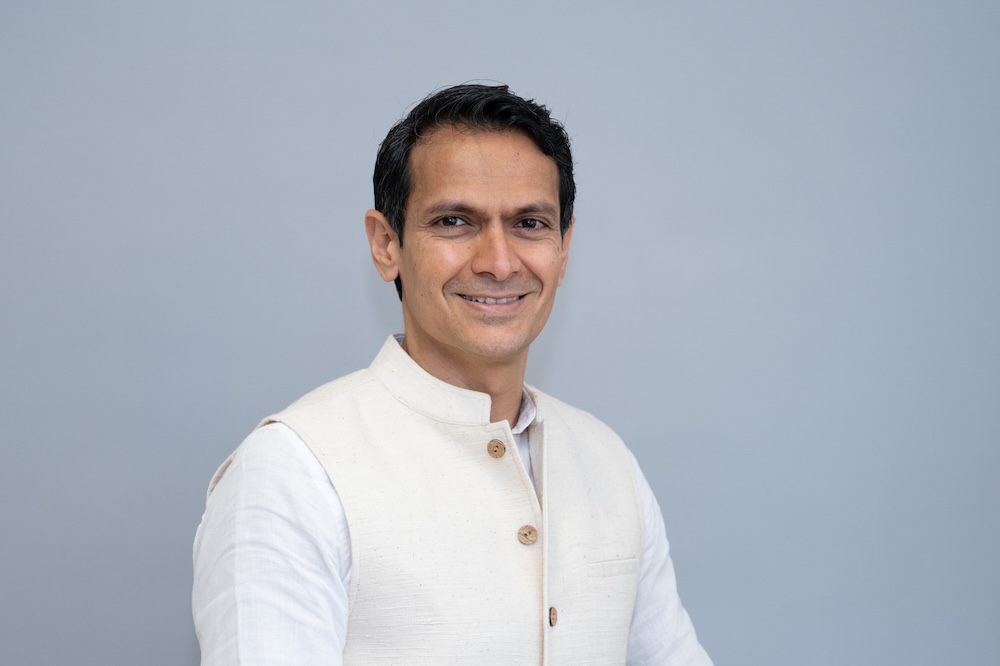
Satchit Balsari is an associate professor of emergency medicine at Harvard Medical School and of global health and population at the Harvard T. H. Chan School of Public Health. His research and teaching focus on complex humanitarian emergencies and digital health implementation science in resource-poor settings. He codirects CrisisReady, a research-response platform that builds data driven decision tools for communities and agencies affected by disasters. He is also founding director of the tri-institute Climate and Human Health fellowship at Harvard and leads the climate platform at the Lakshmi Mittal and Family South Asia Institute.
Tarun Khanna is the Jorge Paulo Lemann Professor at Harvard Business School (H BS). For three decades, he has studied entrepreneurship as a means to social and economic development in emerging markets. After earning degrees from Princeton and Harvard, he joined HBS in 1993 and has taught courses on strategy, entrepreneurship, and eco nomic development to undergraduates, graduate students, and senior executives.
This symposium is supported by a partnership with the Lakshmi Mittal and Family South Asia Institute at Harvard University. It is funded by the Koji Yanai Innovative Infrastructure Initiative Fund and the Loeb Fellowship at the Harvard Graduate School of Design.
Harvard University welcomes individuals with disabilities to participate in its programs and activities. If you would like to request accommodations or have questions about the physical access provided, please contact the Public Programs Office at (617) 496-2414 or [email protected] in advance of your participation or visit. Requests for American Sign Language interpreters and/or CART providers should be made at least two weeks in advance. Please note that the University will make every effort to secure services, but that services are subject to availability.
#GSDEVENTS