RECIPROCITY – ARCHITECTURES OF EXCHANGE THE ARCHITECTURE FRINGE AT HARVARD UNIVERSITY GRADUATE SCHOOL OF DESIGN
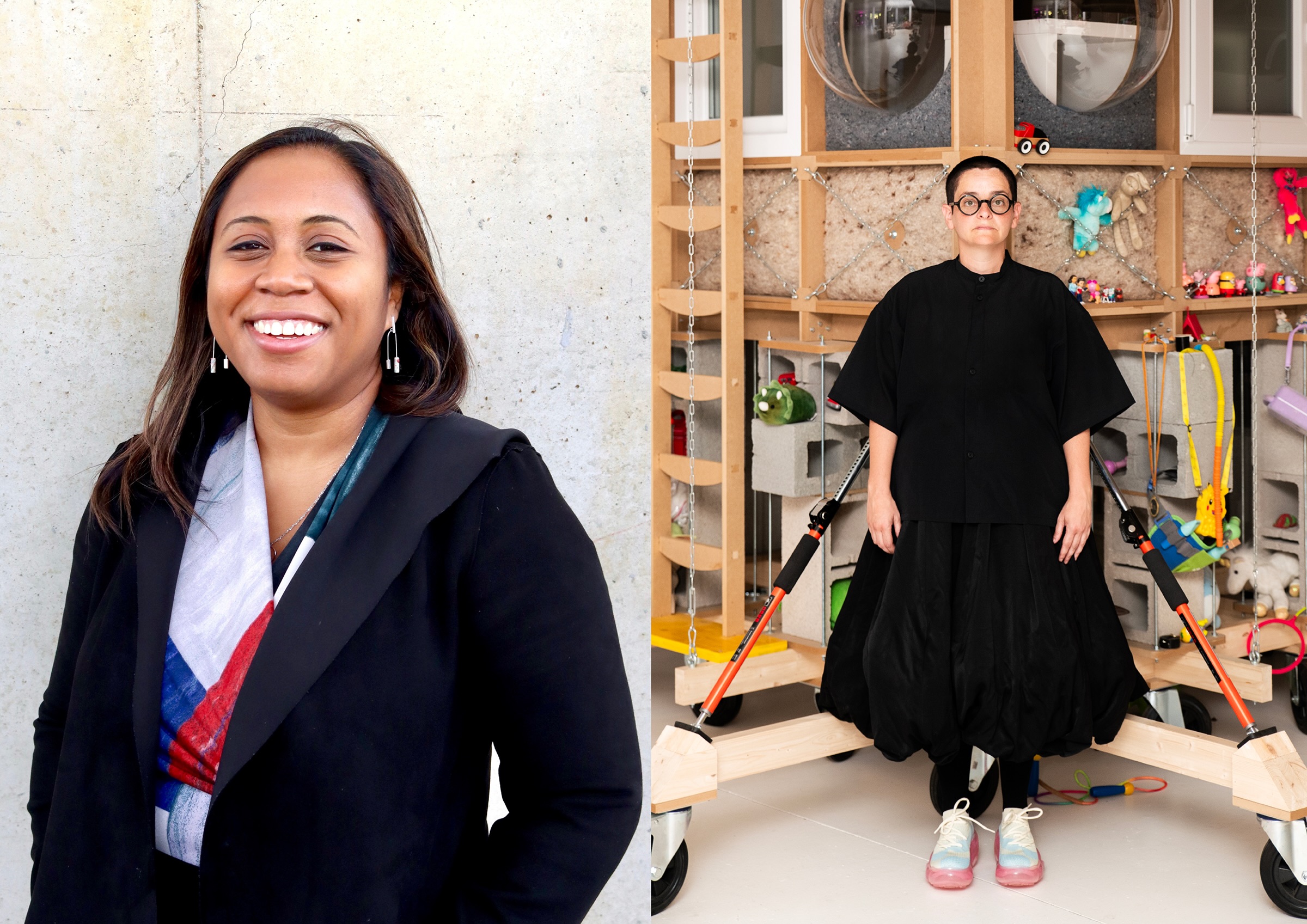
This public lecture looks to reimagine our reciprocal relationship with the world around us by exploring ideas across science, architecture, and construction. We are delighted to be joined by architectural scientist Mae-ling Lokko and architect Mireia Luzárraga who will present and discuss aspects of their respective research, teaching and design practices that shift us towards a deeper co-existence with planetary systems, nature, and non-human life in pursuit of a more symbiotic and sustainable future through recalibrated material cultures, fabrication customs, responsive environments, and social norms.
Speakers
Dr. Mae-ling Lokko is an architectural scientist, designer, educator and artist from Ghana and the Philippines whose work broadly explores the design of value systems around biobased materials. Lokko is an Assistant Professor at Yale University’s School of Architecture, Assistant Director at Yale’s Center for Ecosystems in Architecture (Yale CEA) and the founder of Willow Technologies Ltd, in Accra, Ghana. At Yale, her research focuses on the whole life cycle development, distributed infrastructure design and policy around non-toxic, low-carbon materials.
Mireia Luzárraga is an architect, educator, and co-founder of TAKK, an architecture and research studio based in Barcelona and New York, together with Alejandro Muiño. Her work explores how architecture can foster more equitable forms of living through feminist, ecological, and more-than-human approaches to design. She is currently an Assistant Professor at Columbia University GSAPP, where she coordinates the First Year Core Design Studio, and has previously been a Visiting Professor at the University of Tokyo, among others.
About The Architecture Fringe
The Architecture Fringe is an activist non-profit organization based in Glasgow that seeks to critically transform architecture for the public common good by bridging public, academic and professional audiences through the curation and delivery of festivals, exhibitions, and public programs.
The seventh edition of the biennial Architecture Fringe Festival took place across Scotland in June 2025, and the organization represented Scotland at the 2023 Venice Architecture Biennale with the exhibition A Fragile Correspondence, co-curated by the Architecture Fringe, -ism magazine, and /other.
The events hosted by the Loeb Fellowship and presented by the Architecture Fringe at the GSD have been curated and organized by 2026 Loeb Fellow Andy Summers, co-founder and co-director of the organization.
Harvard University welcomes individuals with disabilities to participate in its programs and activities. If you would like to request accommodations or have questions about the physical access provided, please contact the Public Programs Office at (617) 496-2414 or [email protected] in advance of your participation or visit. Requests for American Sign Language interpreters and/or CART providers should be made at least two weeks in advance. Please note that the University will make every effort to secure services, but that services are subject to availability.
#GSDEVENTS