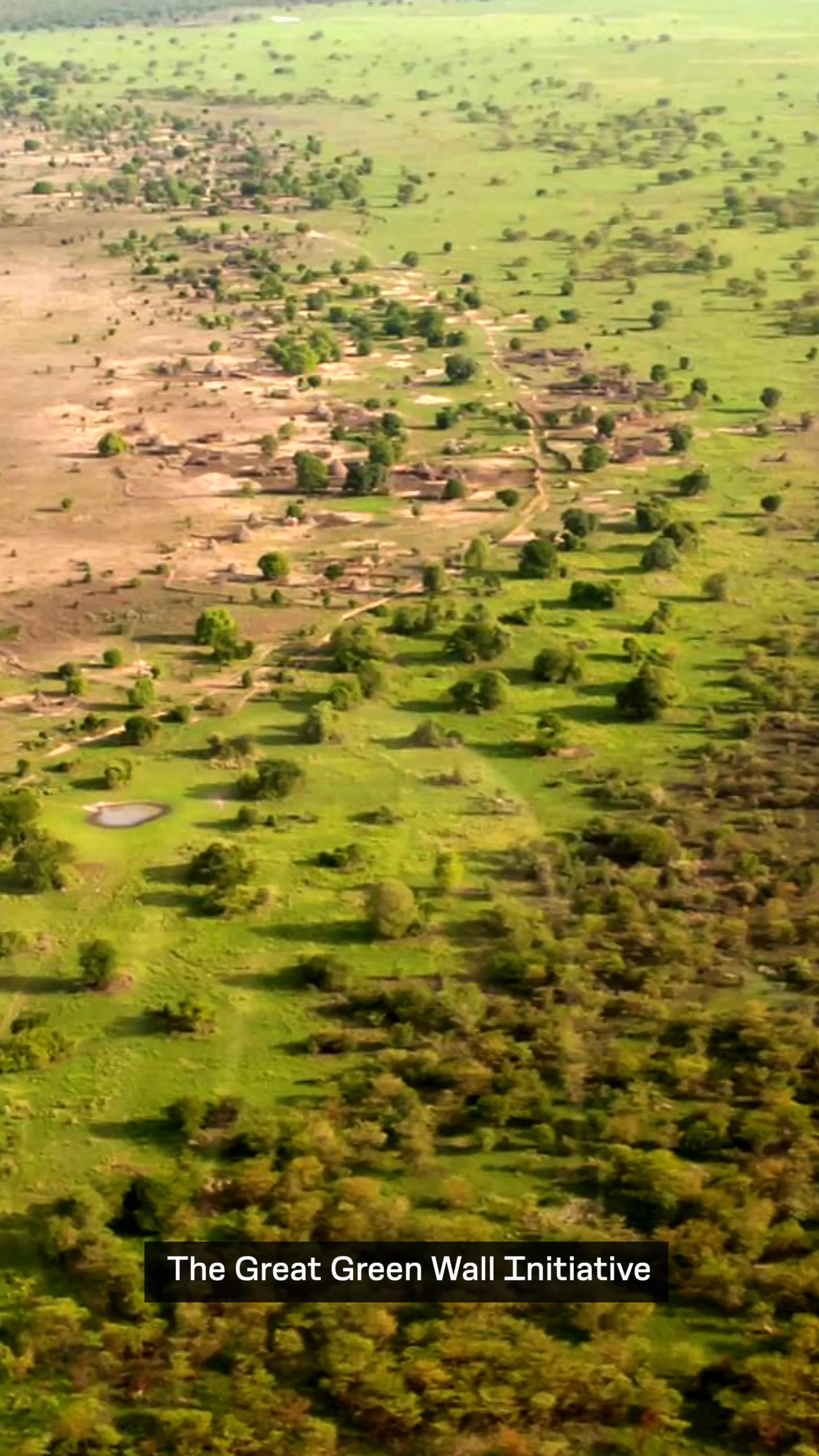
What does it mean to extend the Great Green Wall into a rapidly urbanizing African city?
Originally imagined as a line of trees stretching from Djibouti to Dakar, the Great Green Wall has evolved into a continental-scale effort to restore landscapes, strengthen communities, and address climate pressures across the Sahel.
In a Harvard GSD studio led by Sierra Bainbridge and Rob Levinthal, students traveled to Dakar, Senegal, to explore how this ambitious initiative might take root in urban and peri-urban landscapes. Collaborating with local leaders of the Dakar Greenbelt Initiative, GSD students worked across sites shaped by mining, shrinking green space, flooding, and heat. They also researched the complex social, economic, and ecological realities of the Mbeubeuss landfill—the largest in West Africa. The studio examined how landscape design can support ecological repair while engaging the communities whose livelihoods are tied to these places.
Bainbridge calls this work “landscape diplomacy”: using design to connect landscapes, people, and policy toward more just and resilient futures.
This research was made possible by the Koji Yanai Innovative Infrastructure Initiative Fund.