Master in Urban Planning

- Address
Gund Hall
48 Quincy Street, Suite 312
Cambridge, MA 02138- Hours
Monday–Friday
9 a.m.–5 p.m.
Important Dates
Master in Urban Planning
Accredited by the Planning Accreditation Board and open to those with an undergraduate degree, Harvard’s two‑year professional Master in Urban Planning (MUP) prepares students to address the critical challenges facing cities and regions in the coming decades. Urban planners play a central role in shaping the built environment—including buildings, infrastructure, and public spaces—which profoundly influences quality of life.
The program centers on four themes: managing change in complex environments; working across multiple scales and systems; engaging ethically with spatial challenges; and understanding planning as a hands‑on practice where implementation matters.
Students learn to understand, analyze, and influence the many forces that shape the built environment—social, economic, environmental, political, cultural, legal, and aesthetic. The curriculum introduces key histories and theories of urban planning and urbanism while building strong qualitative, quantitative, and visual communication skills. Through courses and real‑world projects, students see how plans are carried out within legal, institutional, political, and economic contexts. A range of concentrations allows them to tailor the program to their specific interests and career goals.
program overview
Four terms of full-time study in residence are normally required for award of the degree. Under special circumstances, students may receive permission to reduce their course loads and extend their studies over a longer period of time. Concurrent and joint degree candidates must consult the rules governing concurrent and joint degrees for information on residency requirements.
Please note that the MUP program is designated as a STEM program. Accordingly, international students holding F-1 visas may be eligible for a 24-month Optional Practical Training (OPT) extension on top of their initial OPT of 12 months, for a total of 36 months, following graduation. Each F-1 student must petition United States Citizenship and Immigration Services to approve the 24-month STEM extension, and Harvard does not represent or warrant that USCIS will grant any individual petition.
The Master of Urban Planning (MUP) program, combined with practical experience and the AICP exam, leads to professional certification from the American Institute of Certified Planners. Harvard has not determined whether the program meets the educational requirements for professional licensure in any state other than Massachusetts.
StudenT projects
-
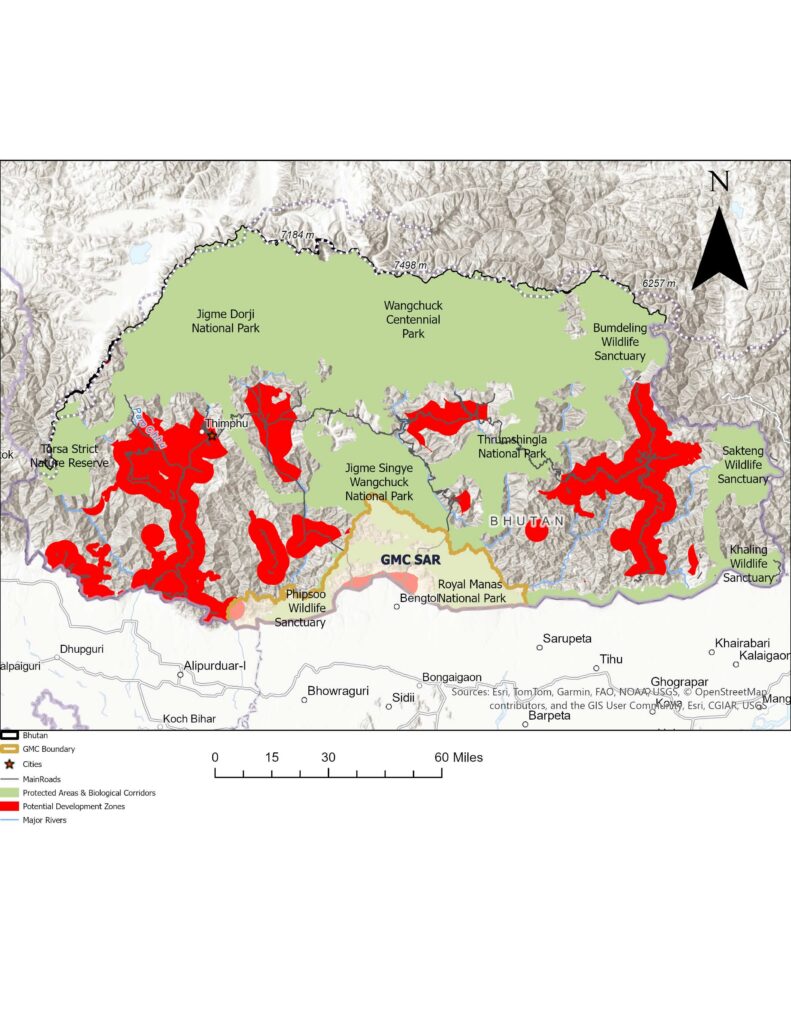
Mindful Urbanism: Buddhist Frameworks and Bhutan’s Model of City-Building
Adin Becker (MUP '26), Diane Davis -
-
-
-
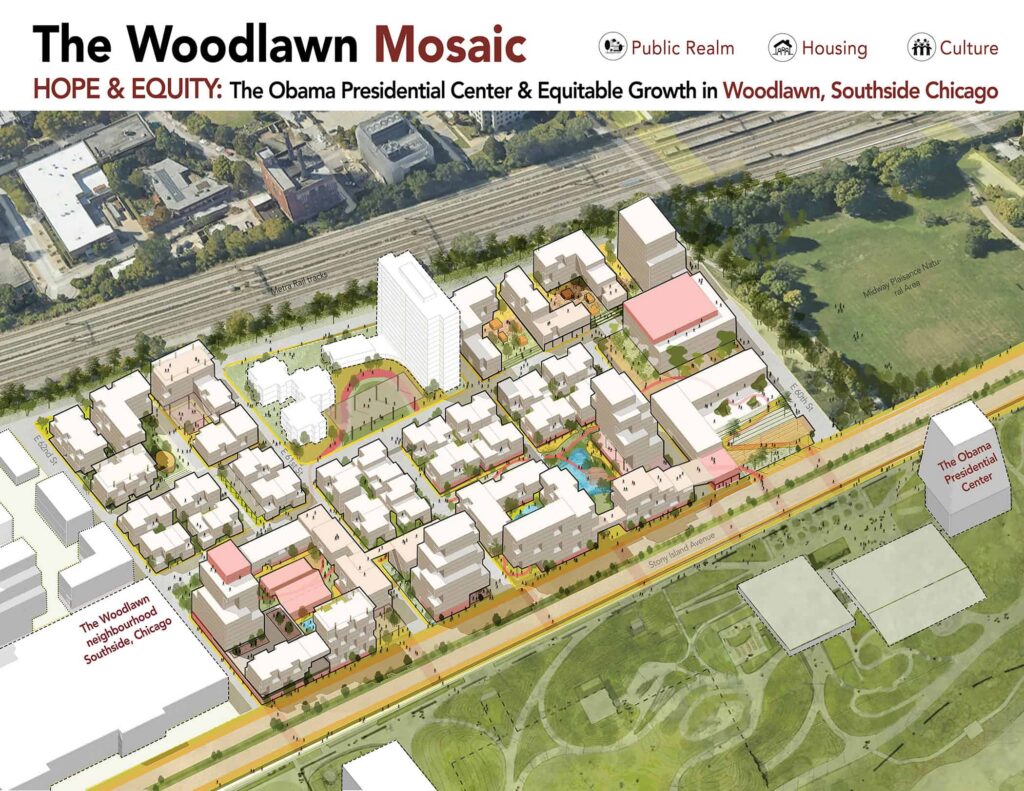
After Snow: The Case for an Alpine Public
Cory Robinson Page (MLA I/MUP ’25), Kira Clingen -

VEILED VISIBILITY: SPATIAL MEMORY AND QUEER IDENTITY IN SHINJUKU NI-CHōME
Mike Kaneshiro Chou (MUP/MPH ’25), Dana McKinney White, Peter Rowe -
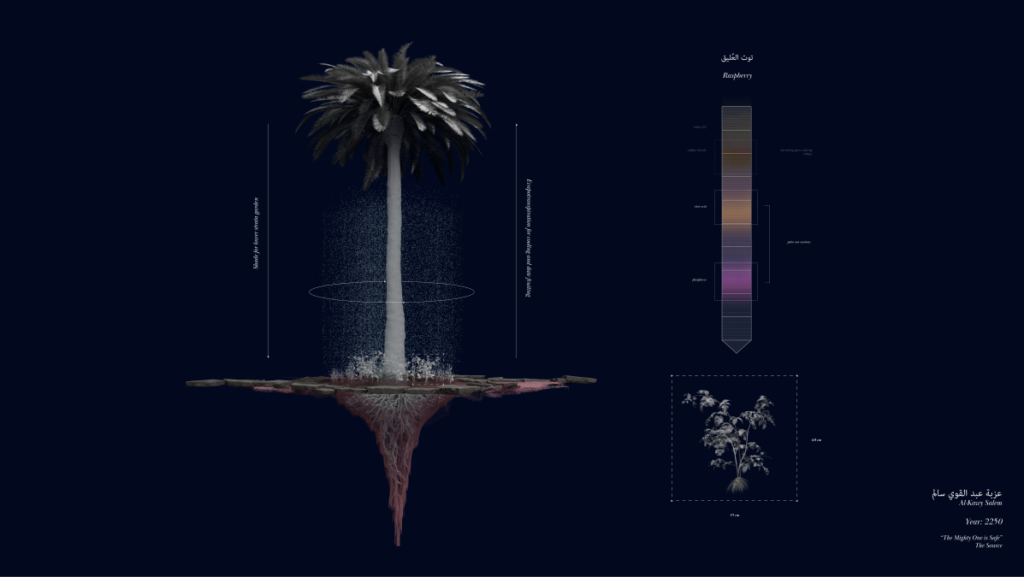
Chemical Occupations: Anti-Colonial Reactions in the Desert
Issam Azzam, Rosalea Monacella -
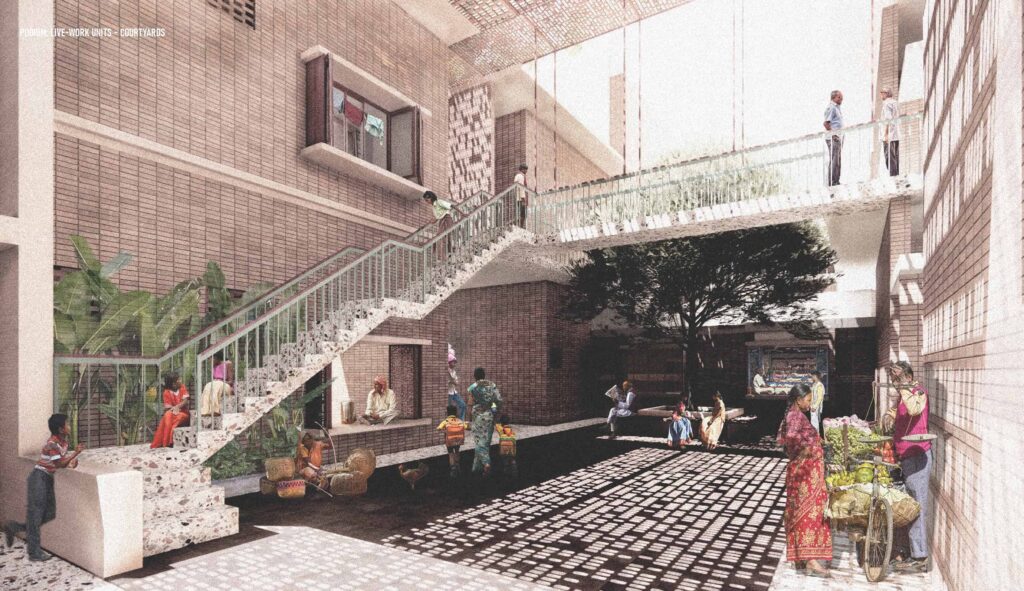
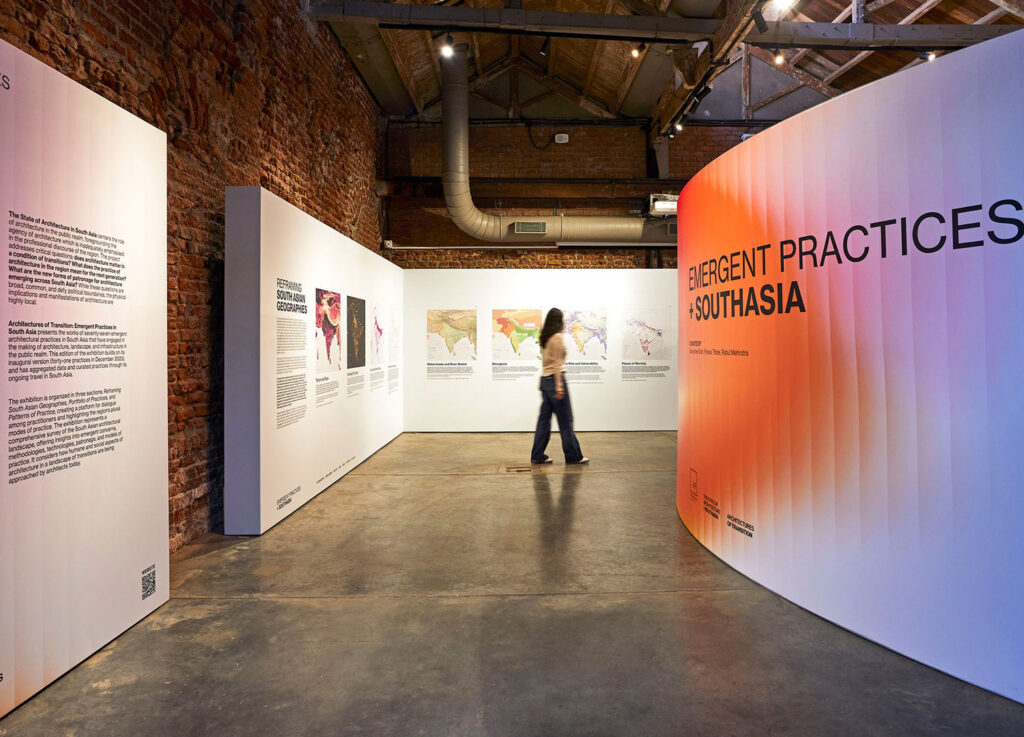
Mumbai INformal
Kiara Nahomy Wong Siu (MAUD '25), Teresa Ka Weng Lai (MAUD '25), Henry Black (MUP '26), R. Kofi Boakye Bempong (MUP/MPA '26) -
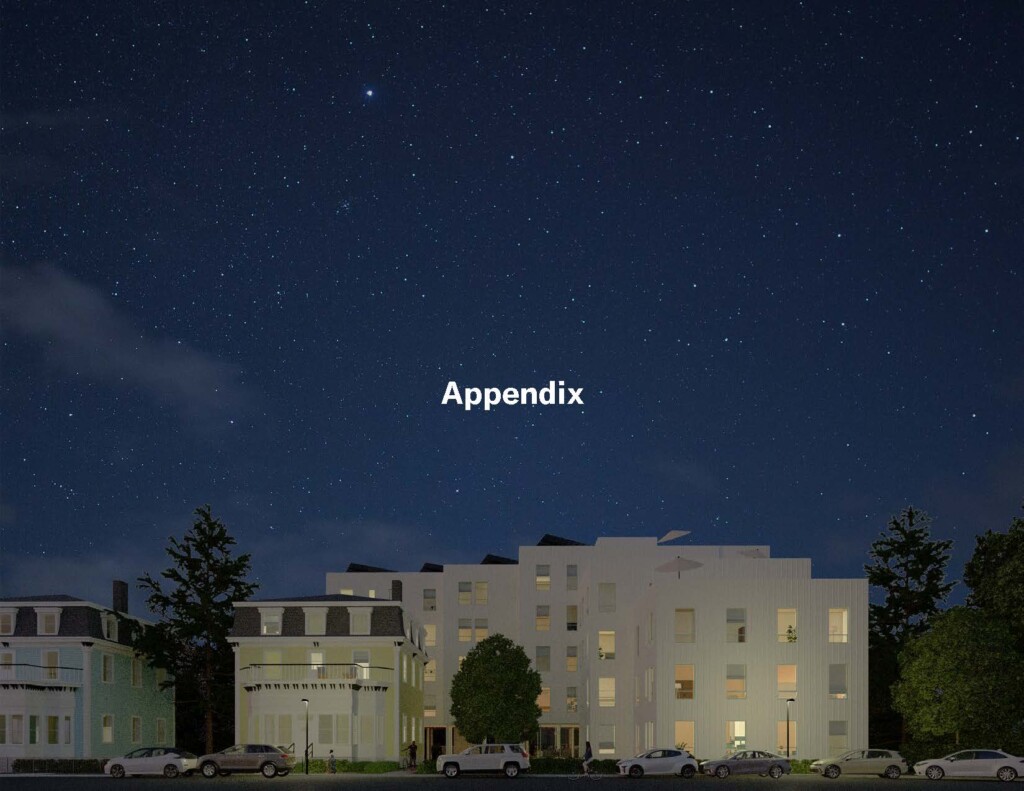
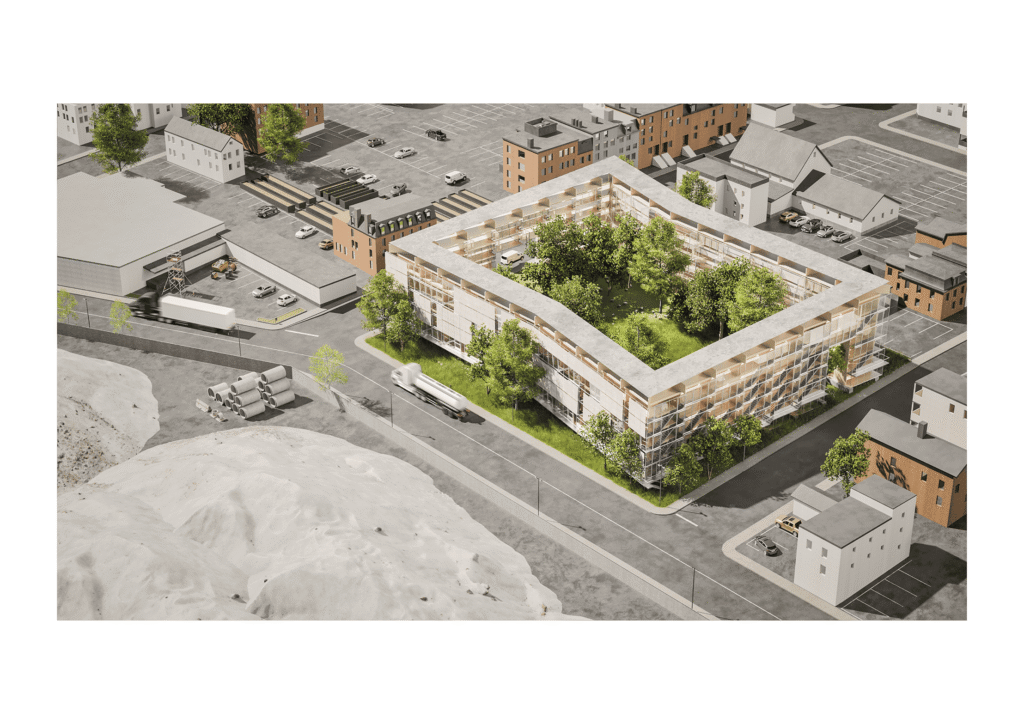
Walnut Park Place: Affordable Ownership Opportunities for the Egleston Square Community
Aaron Smithson (MArch/MUP '25), Cat Chen (MArch '25), Maggie Weese (MUP/MPH '24) -
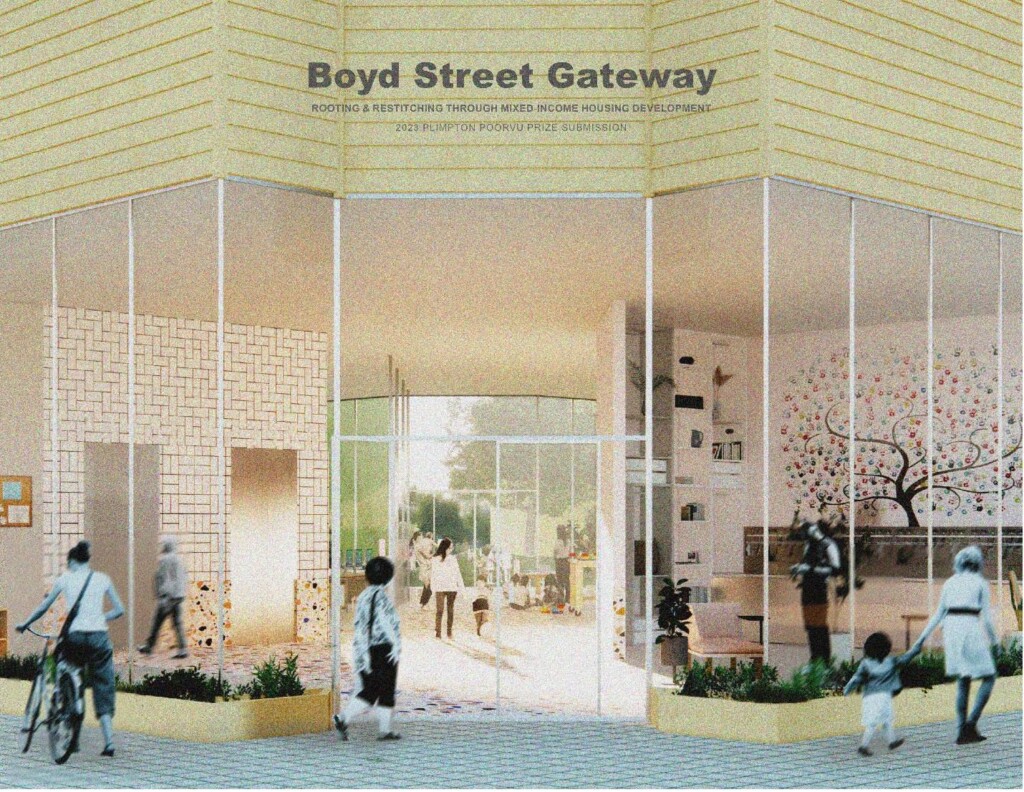
Boyd Street Gateway
Maddie Farrer (MArch I '25), Madeleine Levin (MUP '23), Arielle Rawlings (MUP '23), Edward Marchant