Ismaili Center, Houston, Inaugurated as a Beacon of Openness and Exchange
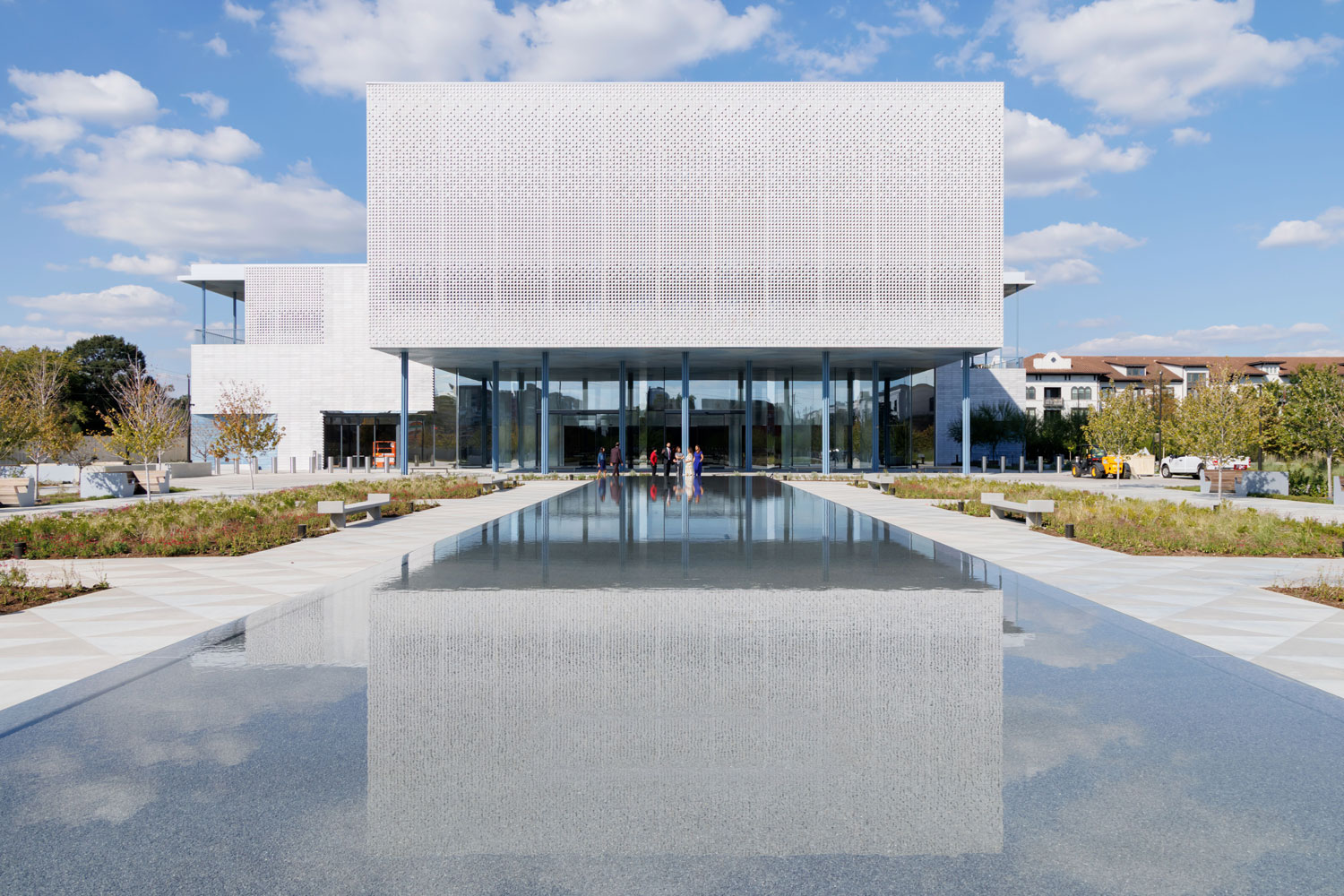
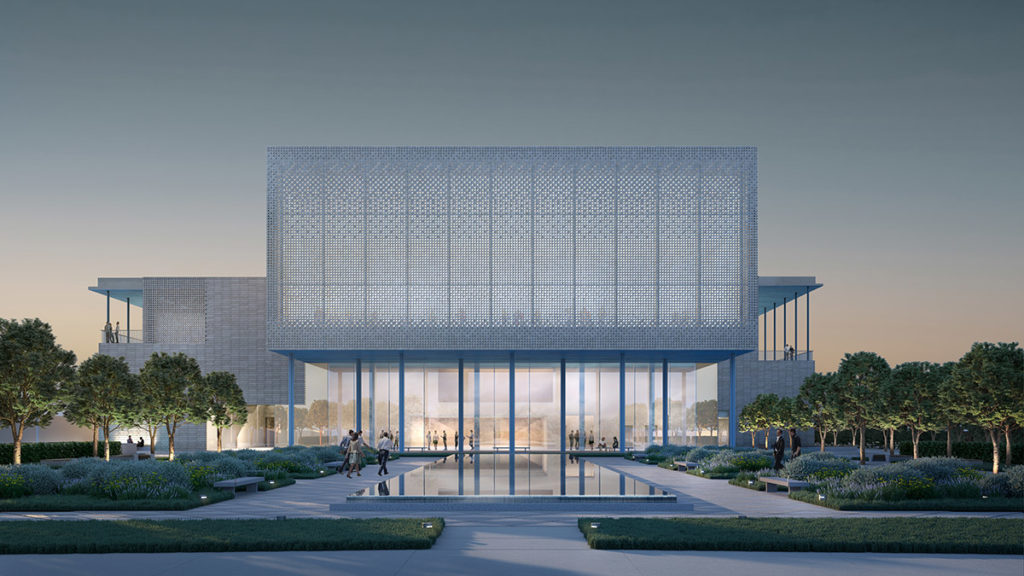
The highly anticipated Ismaili Center, Houston was inaugurated in early November during a ceremony attended by leaders from around the world, including the project’s patron, His Highness Prince Rahim Aga Khan V. The first Ismaili civic and cultural complex in the United States, the Center joins seven others built and funded by the Aga Khan across the globe—spaces dedicated to fostering dialogue, understanding, and shared human values.
Encompassing a 150,000-square-foot, five-story structure set within expansive terraced gardens, the Ismaili Center, Houston, was designed by Farshid Moussavi, founder of London-based Farshid Moussavi Architecture and professor in practice of architecture at the Harvard Graduate School of Design (GSD). Selected through an international competition in 2019, the design team also included Hanif Kara, professor in practice of architectural technology and co-founder of engineering firm AKT II , who served as structural design consultant; Paul Westlake of DLR Group, architect of record; and Thomas Woltz of Nelson Byrd Woltz Landscape Architects.
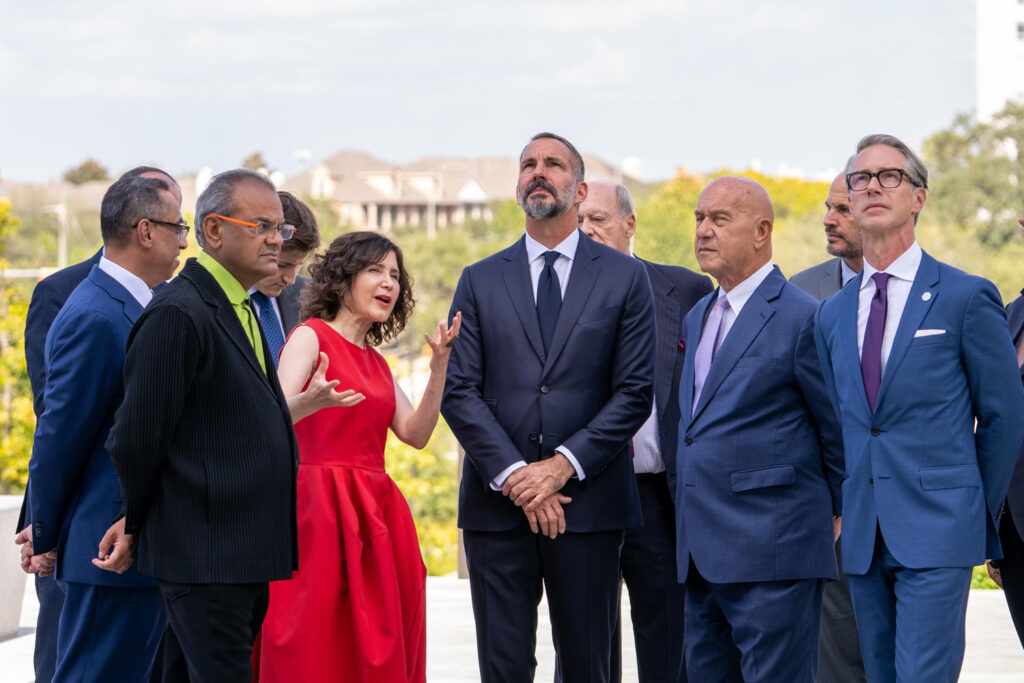
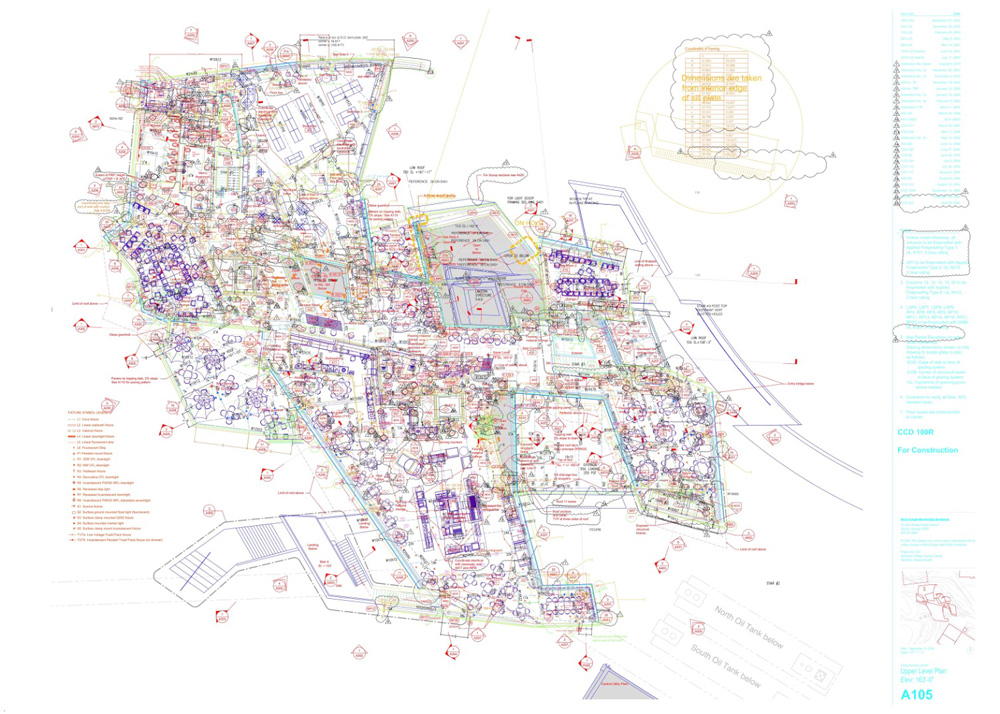
Moussavi revealed the Center’s design in 2022 with construction beginning soon after. She later featured the project’s construction coordination drawings in Architecture as an Instruction-Based Art, an exhibition she curated at the GSD’s Druker Design Gallery in fall 2024.
Set to open to the public in mid-December, the Ismaili Center, Houston, is positioned to become a major cultural and educational hub for the city, offering spaces for meetings, conferences, lectures, performances, and public events. “More than a place of worship or art, the Center stands as a symbol of openness,” a recent press release noted, “a space where communities converge to learn from one another, celebrate shared values, and imagine a more connected world.”