A research initiative from the Harvard Graduate School of Design’s Grinham Research Group, led by Jonathan Grinham (DDes ’17), assistant professor of architecture, is transforming one of the world’s most underutilized natural byproducts—wool—into a high-performance, low-carbon building material with the potential to reshape architectural retrofitting at scale.
The project has been recognized with a Frontiers of Innovation for Societal Impact Fund Spark Award from the Office of the Provost at Harvard University. The award supports advancement from early-stage research toward broader industry engagement and implementation.
“We’re fortunate to have an awesome network of industry partners and academic collaborators already in place,” said Grinham. “The Frontiers of Innovation for Societal Impact Fund provides the critical support needed to grow our research with these partners, advancing our material innovation from promising science into a scalable architecture with a regional manufacturing and climate impact.”
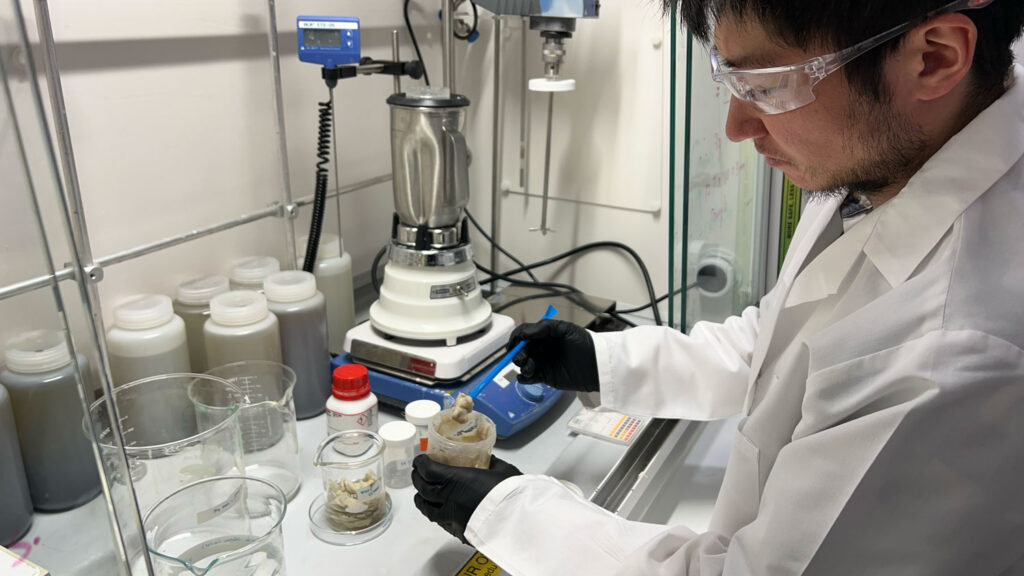
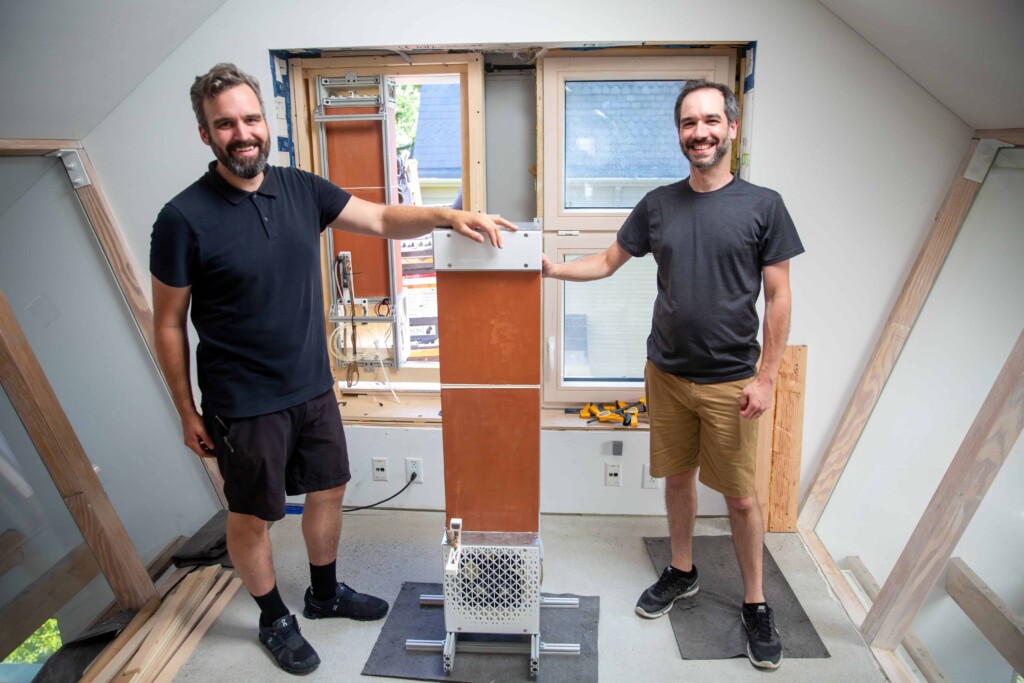
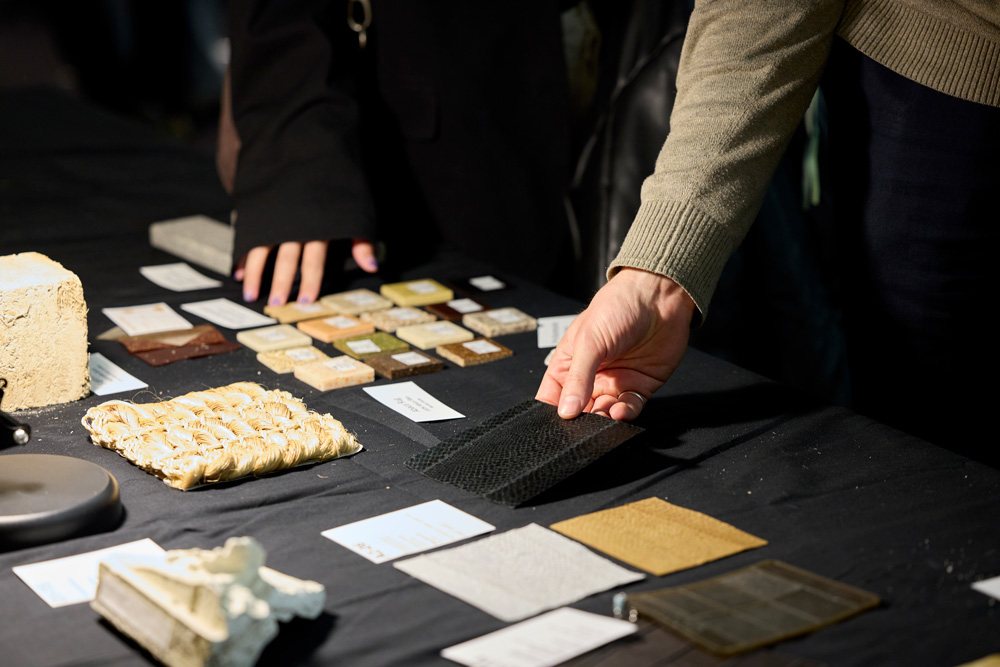
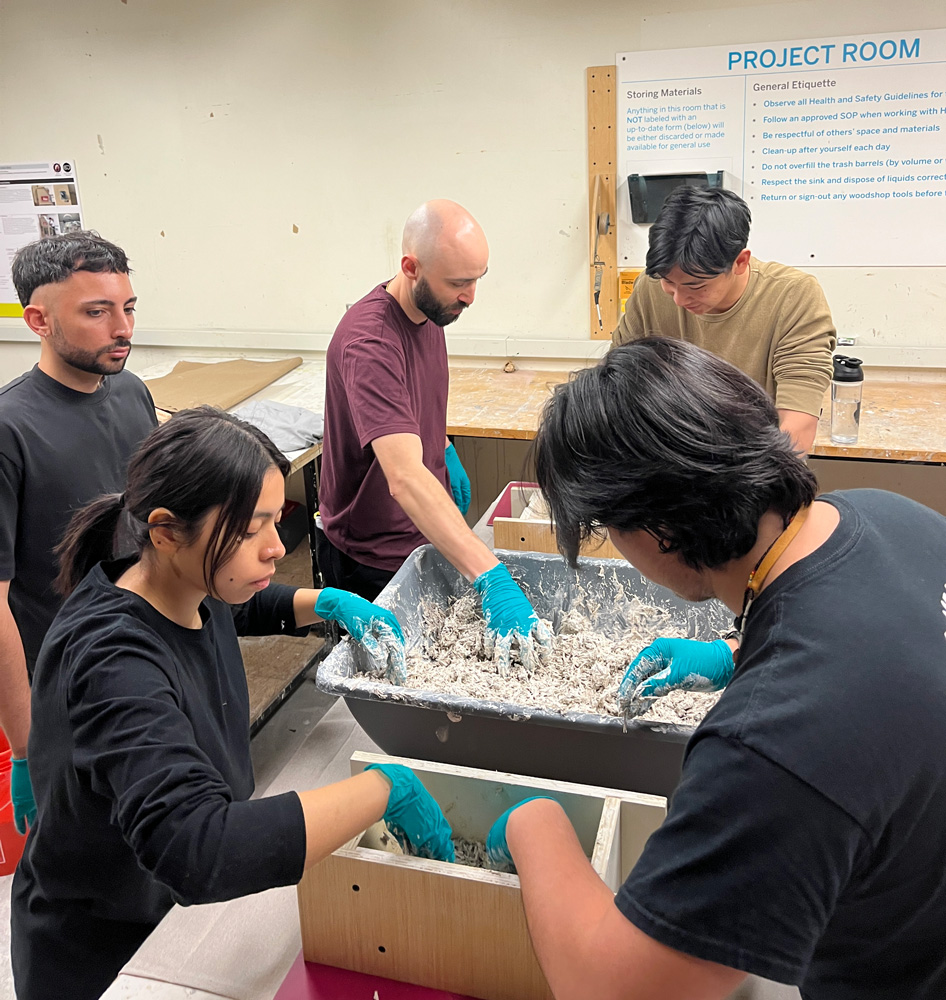
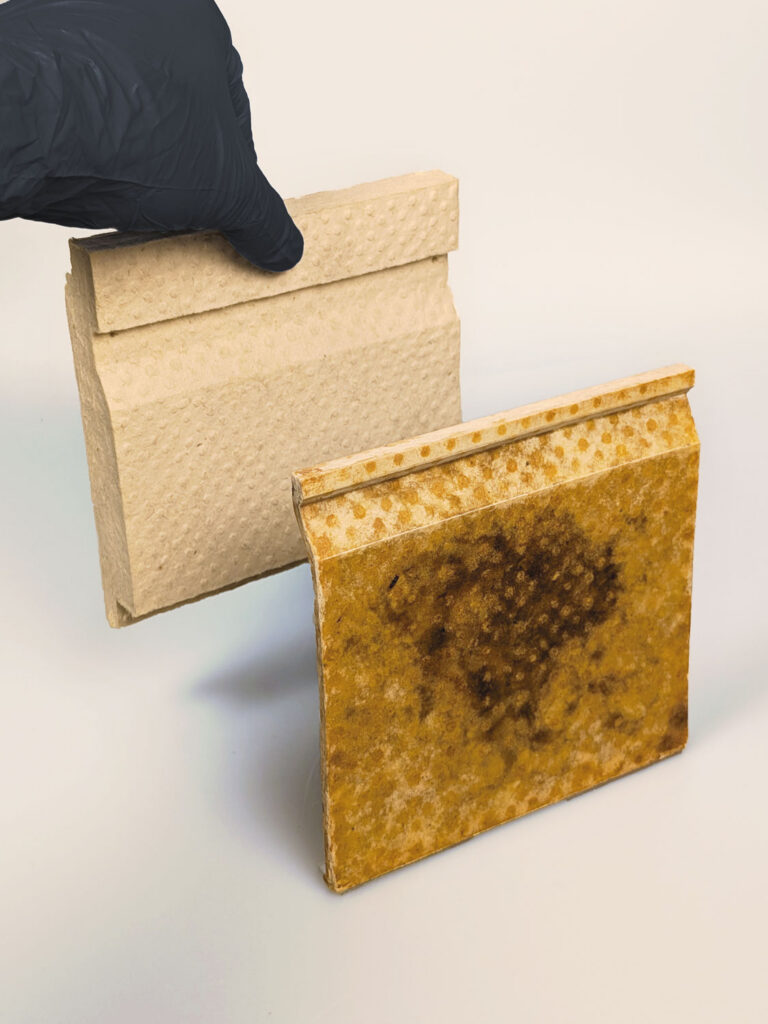
Globally, nearly two billion kilograms of wool are produced each year, with as much as half ultimately discarded. At the same time, the building sector faces mounting pressure to reduce embodied carbon while addressing the urgent need to upgrade aging building stock. The Grinham Research Group’s work, with Leonard Palmer (MArch ’23) serving as project lead, responds to both challenges by converting waste wool into a rigid, keratin-based biocomposite cladding system. The research findings are published in the latest issue of the journal Resources, Conservation and Recycling.

Building on prior laboratory validation, the project is now advancing toward pilot-scale manufacturing with a network of academic and industry partners, including Autodesk, which established a Reduced Carbon Approaches Research Fund at the GSD to support this work. By linking circular material flows with scalable production methods and real-world architectural applications, the research outlines a viable pathway for reducing emissions, supporting large-scale retrofitting efforts, and revitalizing regional manufacturing ecosystems.
The Frontiers of Innovation for Societal Impact Fund was established by Harvard to catalyze faculty research that addresses real-world challenges while fostering deeper engagement with industry, corporations, investors, and foundations. Designed to expand the scale and impact of Harvard’s research enterprise, the fund supports projects that show strong potential to develop into sustained industry collaborations. Spark Awards, ranging from $50,000 to $100,000, enable the initiation or growth of research areas that can lead to new or expanded partnerships.