Infrastructure in a Time of Flux:
Methods, Conditions, and Situations
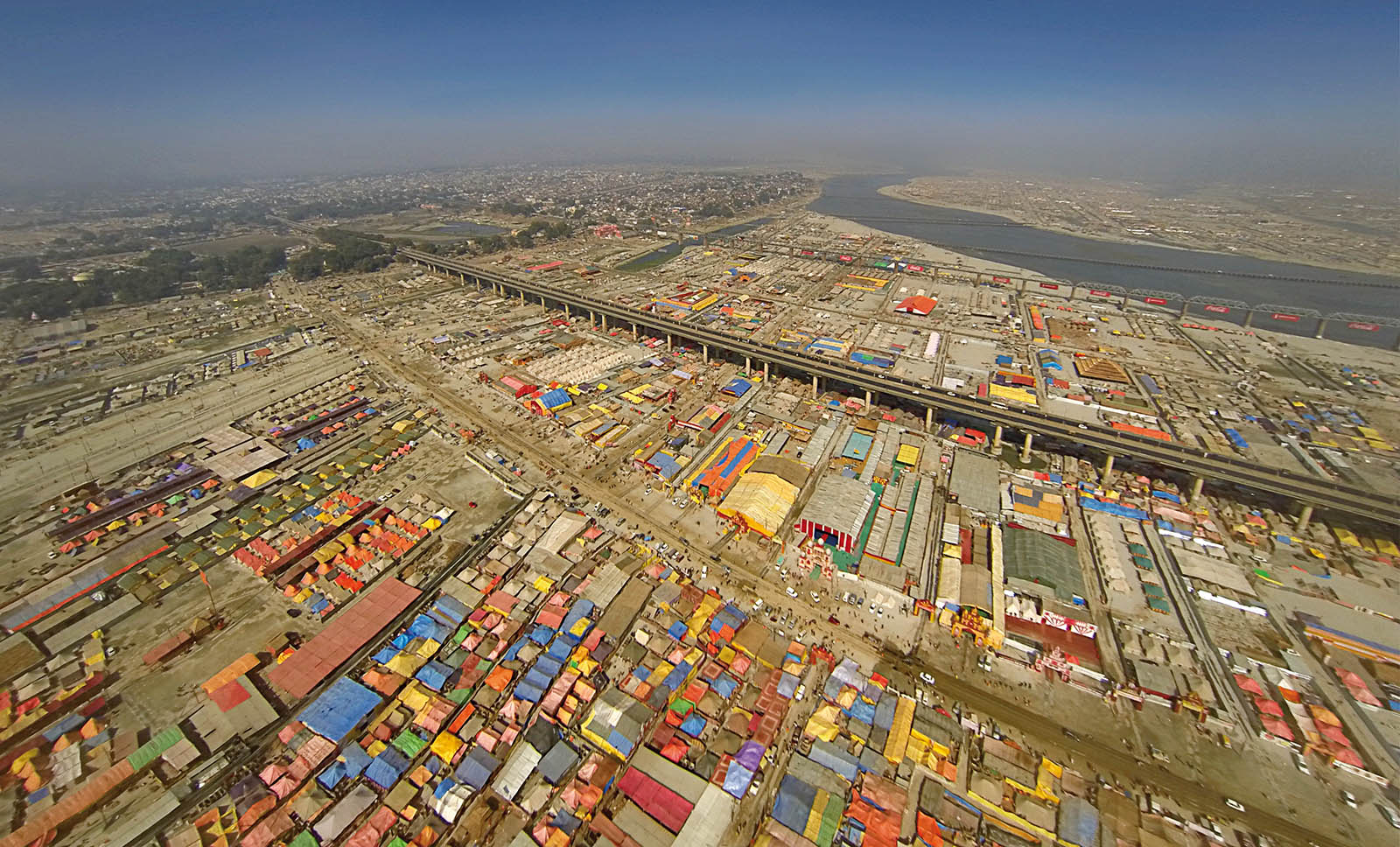
We are living through an era marked by profound environmental, social, political, and technological transformations. Yet architecture, urban design, and planning remain more invested in imagining permanence than in engaging with change. These disciplines have privileged stability, order, and enduring form, frequently treating transformation as a condition to be managed rather than as a productive force in shaping the future.
At the same time, architects, engineers, and urbanists have developed elegant and innovative methods of building as well as have imagined urban interventions that employ lightweight structural systems to challenge conventional assumptions about materiality, enclosure, and permanence. Their experiments demonstrate how minimal means could produce expansive spatial possibilities, generating an extraordinary repertoire of adaptable and resource-efficient structures.
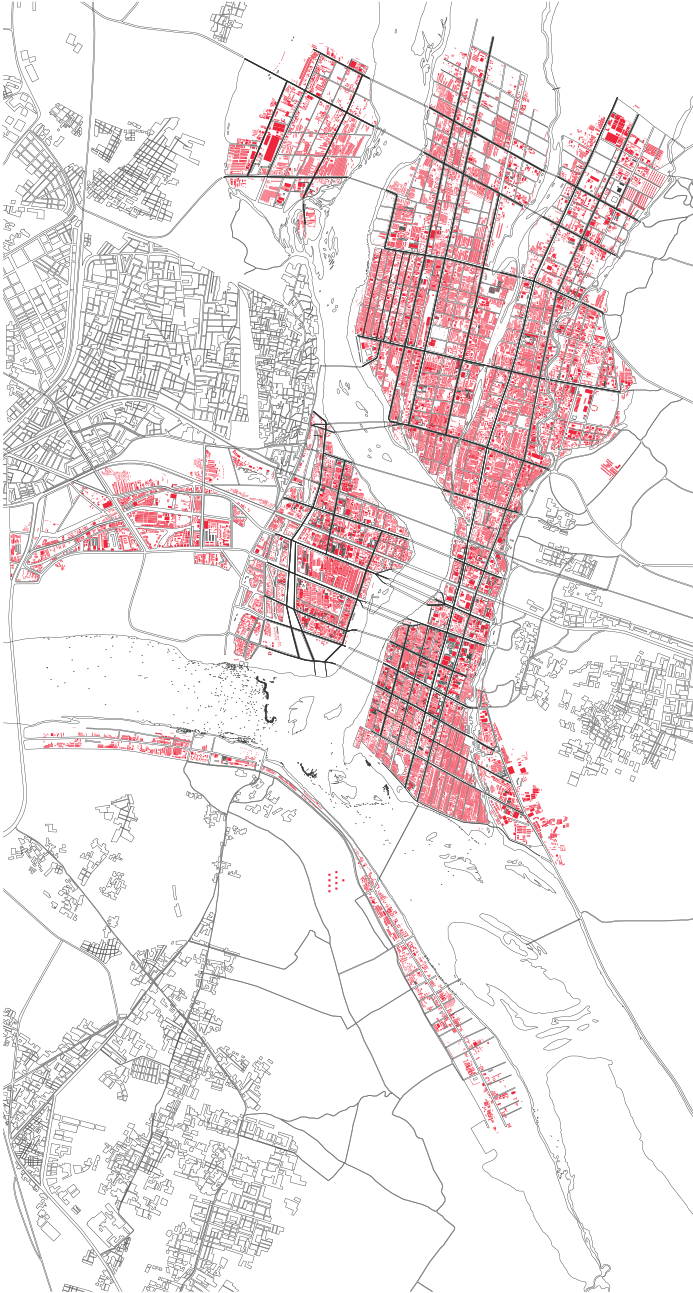
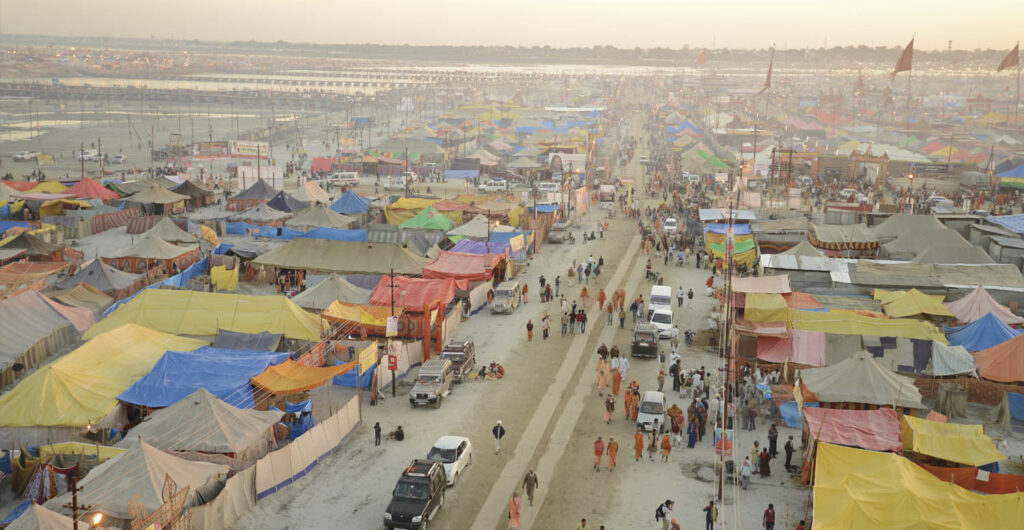
Paradoxically, the application of these innovations has remained limited in the very conditions for which they seem most relevant. Across the globe, a growing spectrum of situations—refugee settlements, sites of conflict and recovery, disaster zones, informal markets, temporary gatherings, and spaces of collective celebration—reveals the realities of a world increasingly characterized by mobility, uncertainty, and persistent transitions. These environments produce new spatial demands and forms of habitation that have received insufficient attention from architecture, urban design, and planning.
Infrastructure in a Time of Flux foregrounds a body of architectural, engineering, urban planning and design innovations whose potential remains largely unrealized within these contexts. Bringing together historical precedents and contemporary investigations, the exhibition examines methods of building that are adaptable, deployable, and materially efficient, while asking why their broader social and design application has remained elusive.
The exhibition poses a critical question: if architecture has produced such sophisticated methods for building with fewer resources and increased efficiency, why have these innovations rarely been directed toward the conditions that constitute the lived reality of a large portion of humanity? In reconsidering this question, the exhibition invites a broader reflection on the relationship between invention and implementation, and on the capacity of design disciplines to engage a world defined not by permanence, but by flux.
Looking for older event archives? Please contact Loeb Library or visit our YouTube channel.