Nancy Fraser Speaks against the Environmentalism of the Rich
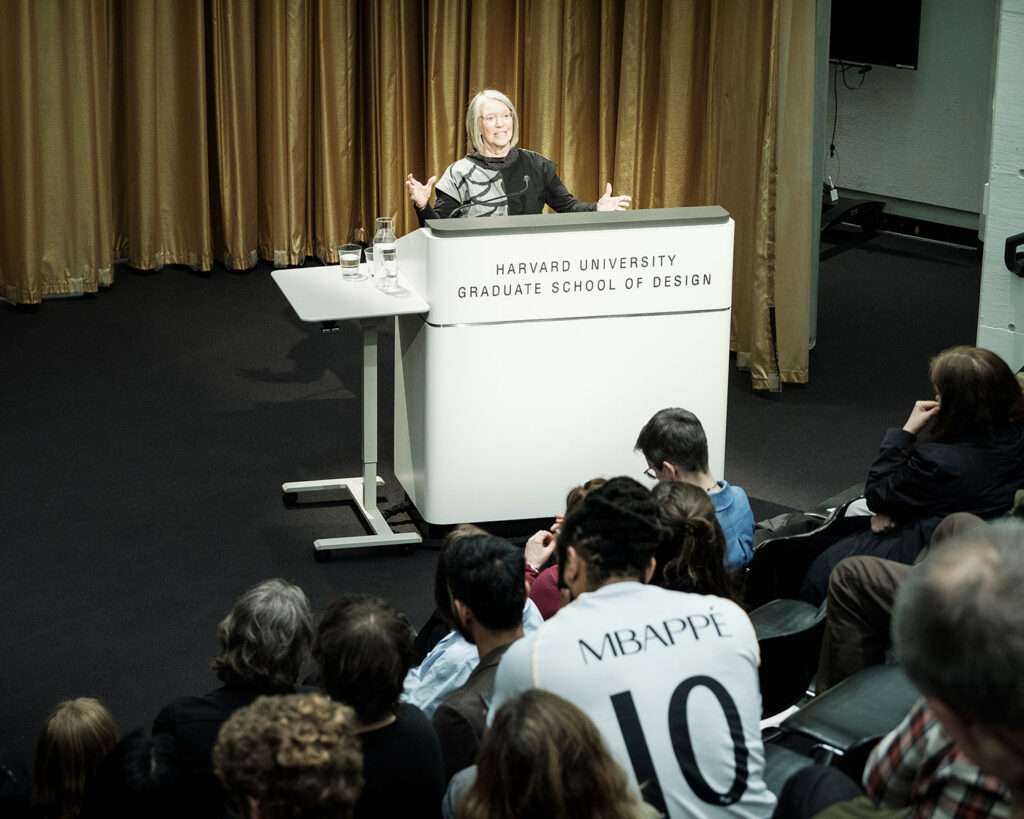
Political philosopher Nancy Fraser, 2026 Senior Loeb Scholar, recently delivered the lecture “Against the Environmentalism of the Rich” at the Harvard Graduate School of Design, challenging the foundations of climate discourse.
Fraser argues that capitalism does not just exploit nature—it entrusts its care to those most driven to extract from it, concentrating control over land, energy, and the conditions that sustain life. This is not a policy failure but a structural contradiction, Fraser asserts, “built into the [capitalist] system’s very design.” Those incentivized to degrade the planet are tasked with managing it.
To confront ecological crisis, Fraser insists, environmentalism must move beyond reform and reckon with capitalism’s core logic—its demand for endless growth. “An environmentalism that might actually save the planet has got to go after capitalism,” Fraser insists. What might it mean for designers—and all of us—to take that challenge seriously?
How Landscape Architects Work with Nature’s Furriest Engineers
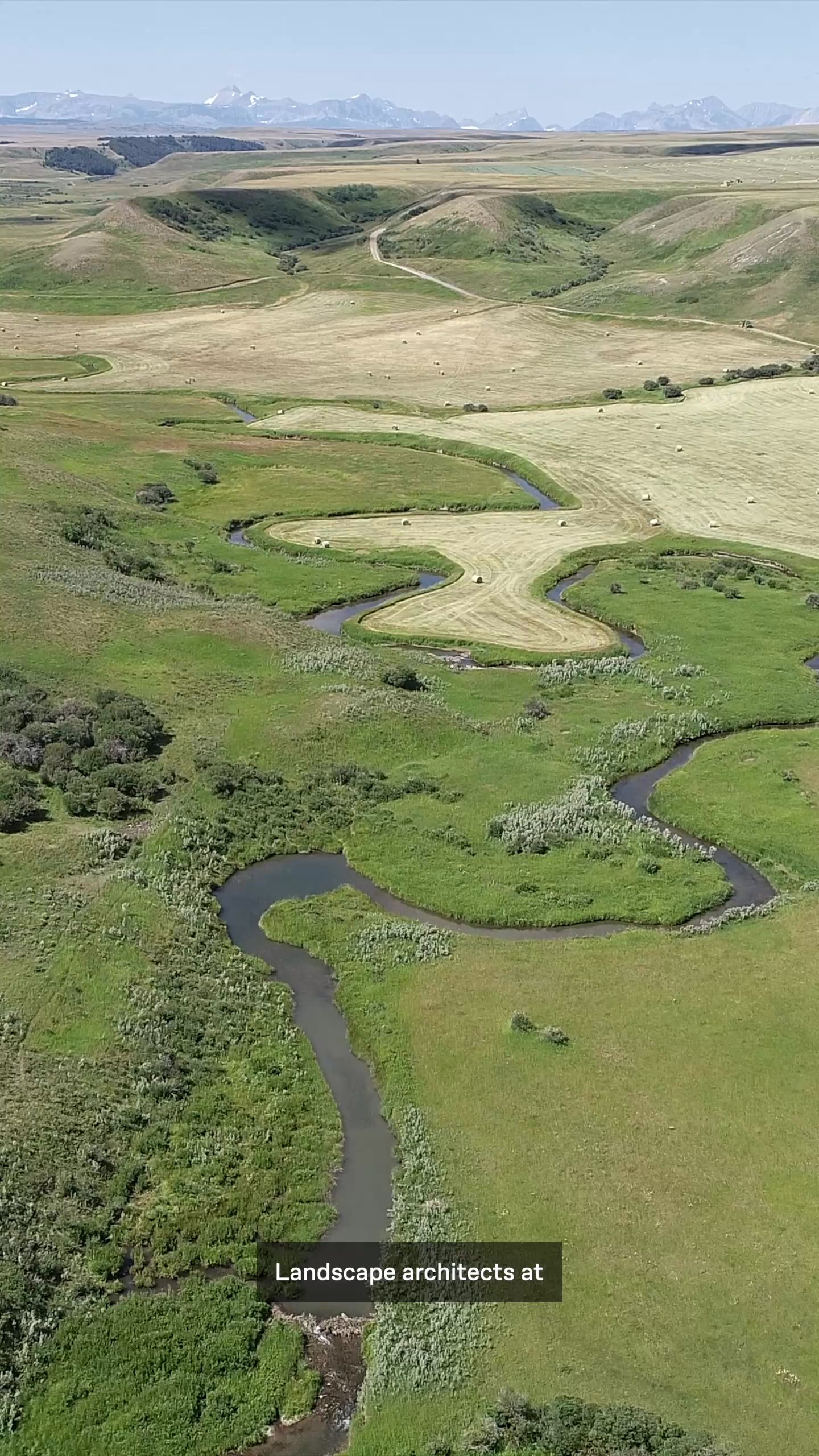
Co-Designing with Beavers
At the GSD, faculty and students are rethinking how to address climate change by designing interventions that work with natural processes.
To improve wetland health and biodiversity, Karen Lee Bar-Sinai, assistant professor of landscape architecture, and Jordan Kennedy, a former research fellow, have enlisted an unexpected partner: the beaver. With strategically placed cuts in the landscape, Bar-Sinai and Kennedy encourage beavers to engage in their innate excavating behaviors, creating dams, canals, and ponds that enhance water quality, reshape hydrology, and support a range of wildlife, from birds to bears.
This research lays the groundwork for future interventions—including, potentially, the design and fabrication of a robotic device that mimics beaver behavior and extends the impact of these strategies beyond what living beavers alone can achieve. Together, these investigations represent a bold approach to landscape architecture—one in which humans learn from and collaborate with other species to help heal the planet.
This research was conducted in partnership with the Beaver Institute and made possible by the Center for Green Buildings and Cities Research Grant, GSD Faculty Research Grant, LUMA Foundation Research Grant, and the GSD Brown-McCann Award.
Landscape Architects Confront Climate Change in the Exhibition Designers of Mountain and Water
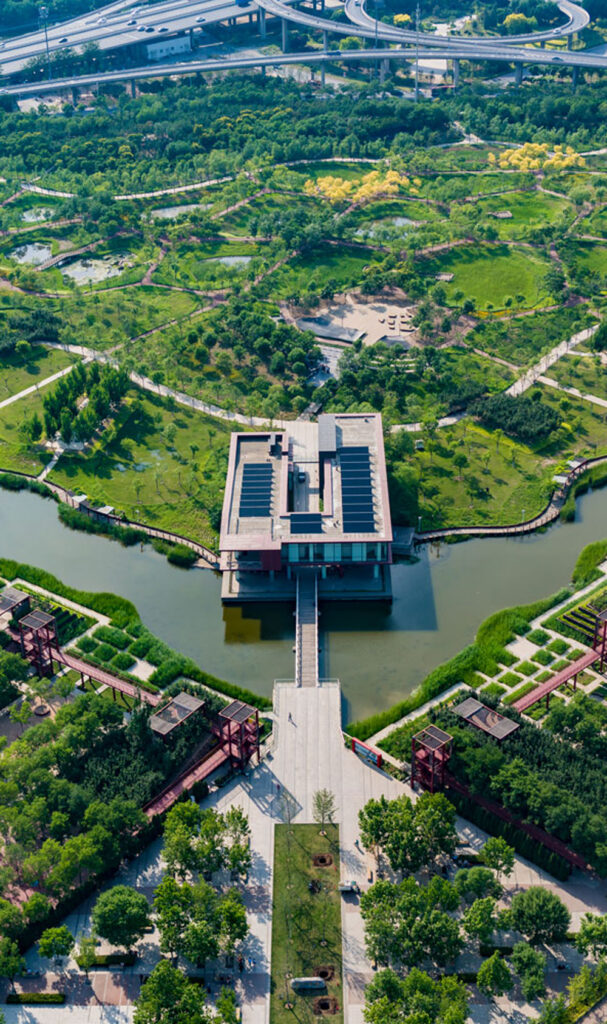
In this video, Jungyoon Kim, exhibition curator and associate professor in practice of landscape architecture at the GSD, introduces Designers of Mountain and Water, co-organized with the Korea Institute at Harvard.
The exhibition features 58 landscape architecture projects across Asia, organized by “bioregion”—geographic areas defined not by nations, but by climate, ecology, and geology: “the borders that nature drew.” Intricate line drawings in the Druker Design Gallery map these bioregions and the terrain that designers of mountain and water engage.
The Sinographic compound 山水, meaning “mountain and water,” is shared across many Asian contexts—as shanshui in China, sansui in Japan, and sansu in Korea. Historically tied to artistic and philosophical visions of the natural world, the term evokes the vital elements of a dynamic landscape.
Amid climate change, the exhibition asks: What elements and dimensions of nature are essential today to designing sustainable spaces for human habitation and flourishing?