Who Will Design the Future? Fellowships are Changing the Answer
At its core, design has the power to reimagine the world—but only when opportunity is within reach. Financial aid fellowships make that possible. They transform potential into practice, allowing the brightest students to lead with purpose rather than be held back by cost.
In the past year, two new fellowship funds have been established that expand the reach across the Harvard Graduate School of Design (GSD). Each began with a donor who understood that access itself can be a form of design.
Designing Opportunity
For architect and alumna Hailim Suh (MArch ’91), the motivation is deeply personal.
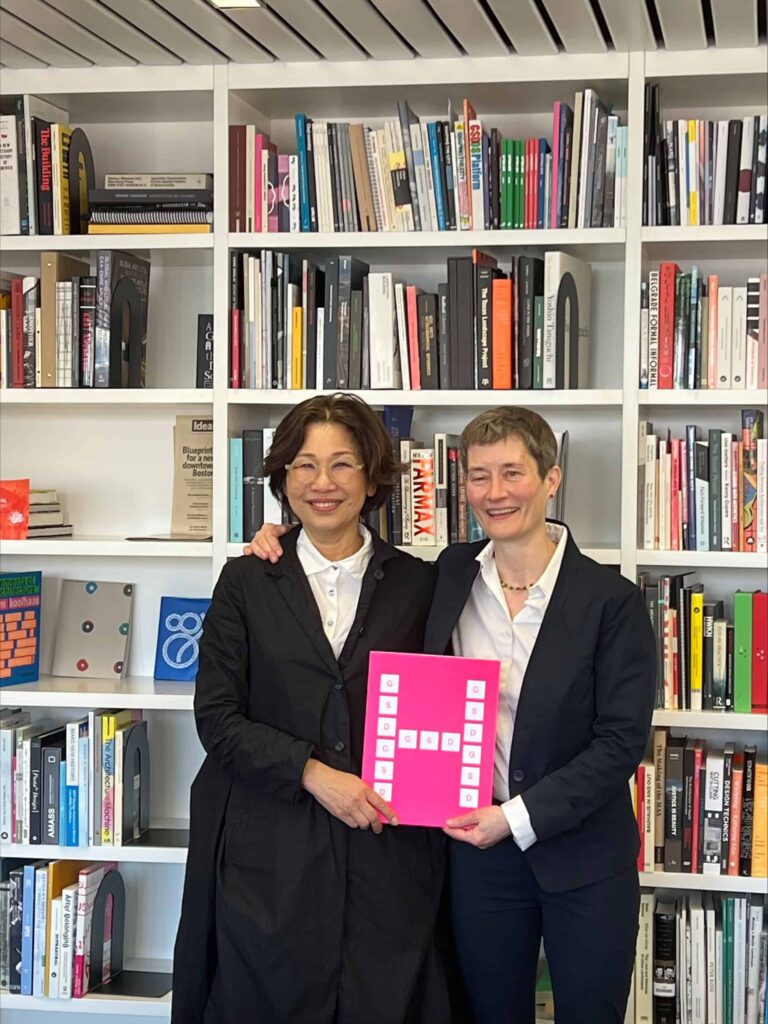
Architecture is not only about building forms, but about shaping values. I hope this fellowship empowers students from Korea to think critically, design empathetically, and lead with integrity—creating works that bridge culture, history, and innovation.
Hailim Suh
The Hailim Suh Fellowship Fund provides immediate, flexible support that bridges the gap between admission and enrollment. It ensures that promising students can say yes to the GSD and to the futures they envision. “Our family’s hope,” Suh adds, “is that this gesture will help cultivate designers who see the world not as it is, but as it could be.”
Scaling Access
In a different way, Abhishek Lodha, CEO of the Lodha Group, sees philanthropy as infrastructure—the framework through which future leaders are built. “The Lodha Foundation is deeply pleased that the Guman Mal Lodha Scholars Program has enabled three truly gifted students to pursue their dream education at the GSD this year,” he says.
Since our association with the School began in 2014, we’ve seen how time at the GSD not only nurtures design talent but also shapes individuals into more complete human beings.
Abhishek Lodha
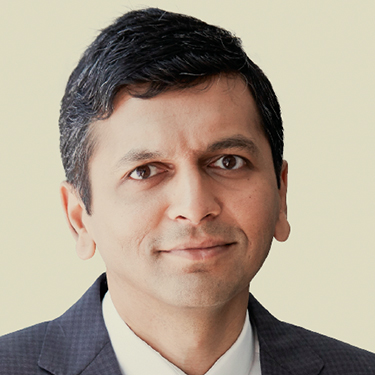
The Lodha Scholars Fund takes scale seriously. Its multi-student awards include full tuition, creating a cohort of Guman Mal Lodha Scholars within the Doctor of Design Studies, Master in Design Engineering, and Master in Real Estate programs.
“Our Foundation’s vision is to uplift societies through ‘caring geniuses,’ who are gifted individuals who recognize that their talent carries an obligation to benefit all,” Lodha continues. “As these scholars fulfill their potential, we hope they will, in turn, extend the same generosity to others. This virtuous cycle of caring and giving embodies our deepest hope for a better tomorrow.”
From Access to Impact
For current GSD student Imani Day (MAUD ’26), that generosity translates into agency. Supported by the Joel D. Heisey Urban Design Fellowship—a fund amplified by the Future Design Leaders Match—Day is pursuing research on how urban design can strengthen the neighborhoods it serves.
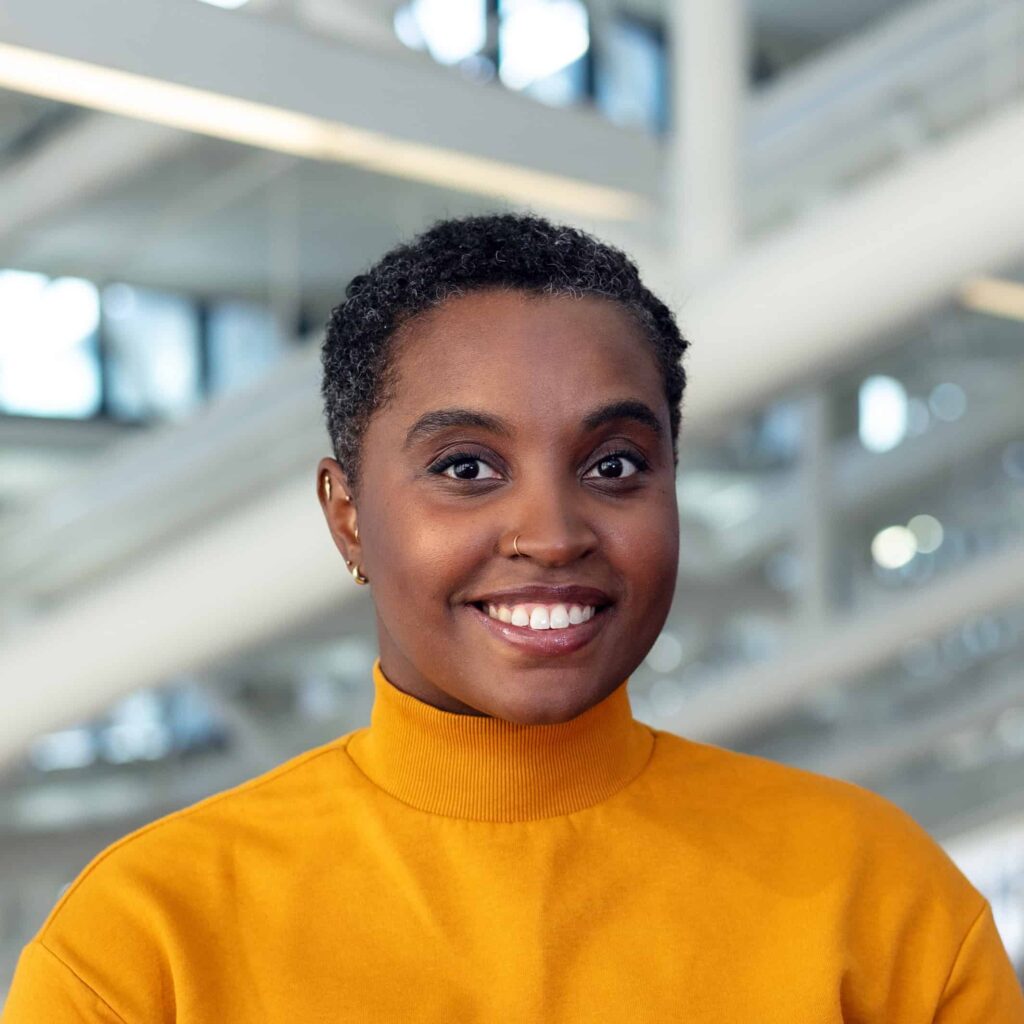
Support for my education becomes support for the communities I aim to serve. It gives me the freedom to imagine futures where design is deeply just.
Imani Day
Day’s experience reflects the core GSD belief that when resources meet talent, design potential expands. With fellowship support, the level of inquiry deepens, classrooms connect with communities, and the ripple effects extend far beyond campus.
The Future of Design Is Who We Include
For Dean Sarah M. Whiting, the logic is both clear and urgent. “We must lead by example. We must lead by design. We must lead by conscience,” she says.
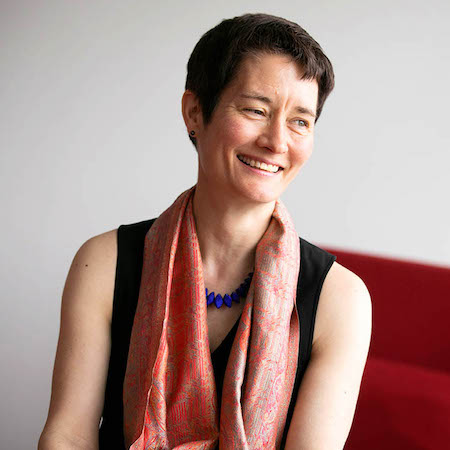
“Financial aid fellowships like the Suh and Lodha funds are about expanding access to education, which means expanding the culture of design itself. By enabling students to attend the GSD who would otherwise not be able to, we we expand the range of voices that make up the conversation in the school.”
Sarah M. WhitingDean and Josep Lluís Sert Professor of Architecture
Philanthropy at the GSD is not a transaction; it’s a transformation. Every fellowship opens a door that leads to more inclusive classrooms, more imaginative cities, and more equitable futures. When access expands, so too does the horizon of what designers can imagine—and who gets to design the world we share.