Can Architecture Make Cities More Human? Japan’s Takenaka Corporation and the GSD Think So.
For more than three decades, the Takenaka Corporation, a leader in the construction industry and one of Japan’s “Big Five” general contractors, has invested in something rare in design education: the time, tools, and intellectual freedom that enable Harvard Graduate School of Design (GSD) architects-in-training to test how design can nurture civic life.
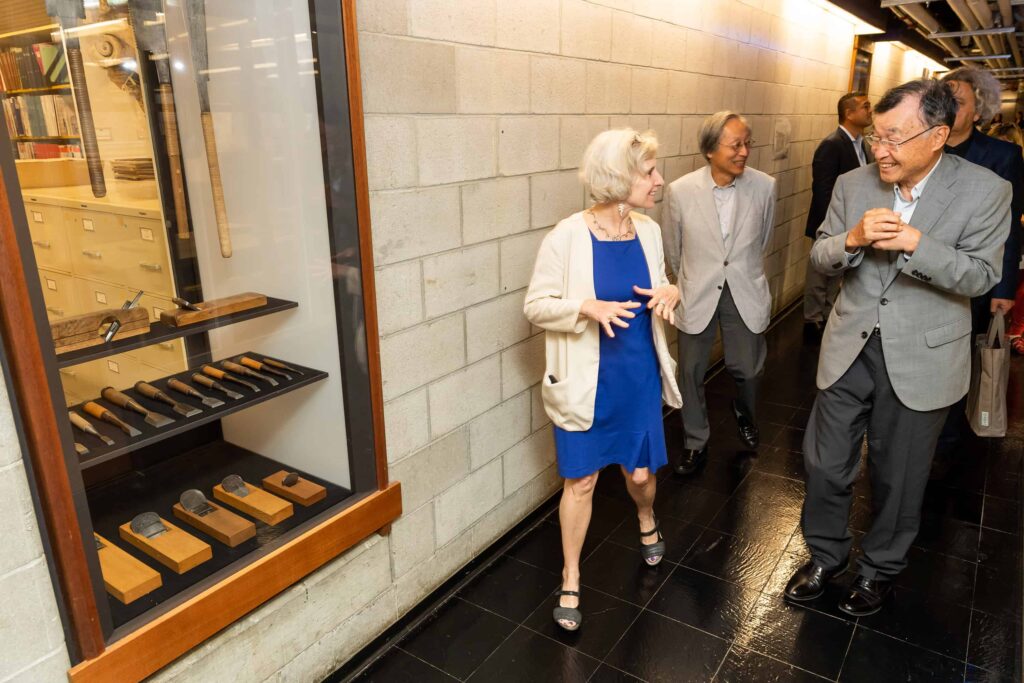
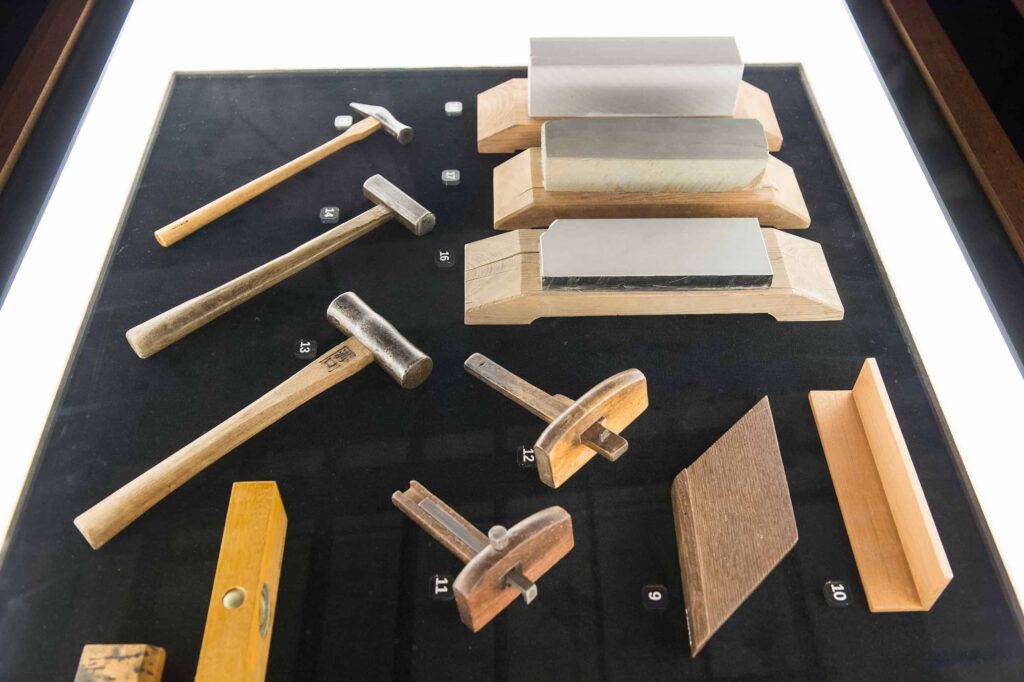
Japanese carpentry tools to the GSD.
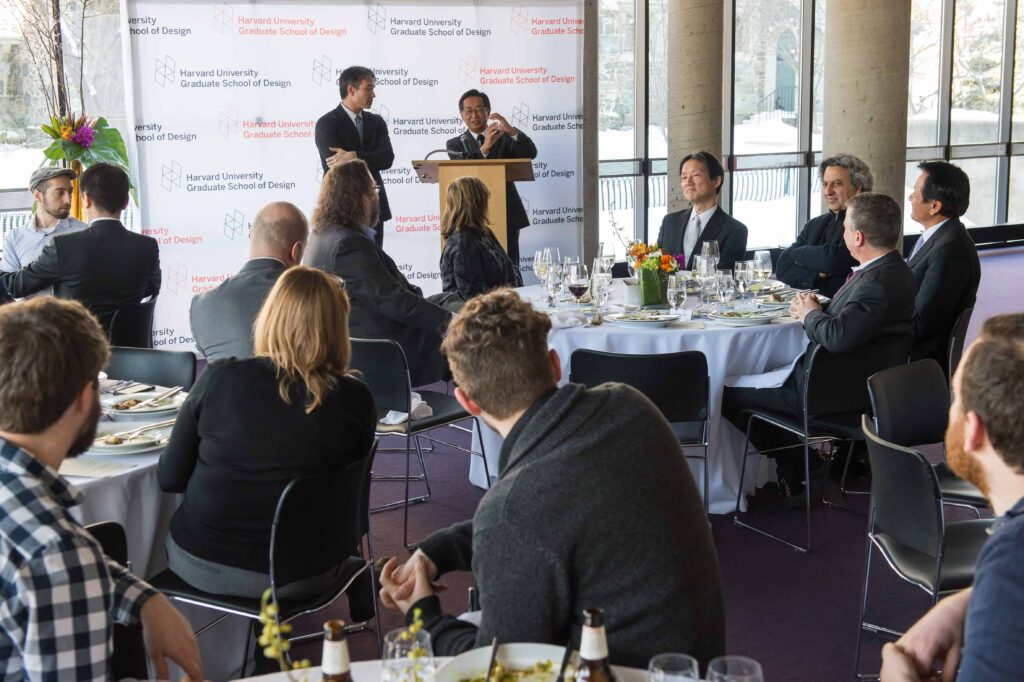
Founded in 1610 and still under family leadership, Takenaka is the oldest operating firm of its kind and renowned for its pioneering role in architectural, engineering, and advanced construction solutions. In 2014, Honorary Chairman Toichi Takenaka gifted a set of new and traditional Japanese carpentry tools from the Takenaka Carpentry Tools Museum collection to the GSD; today, that gift has evolved into a living incubator.
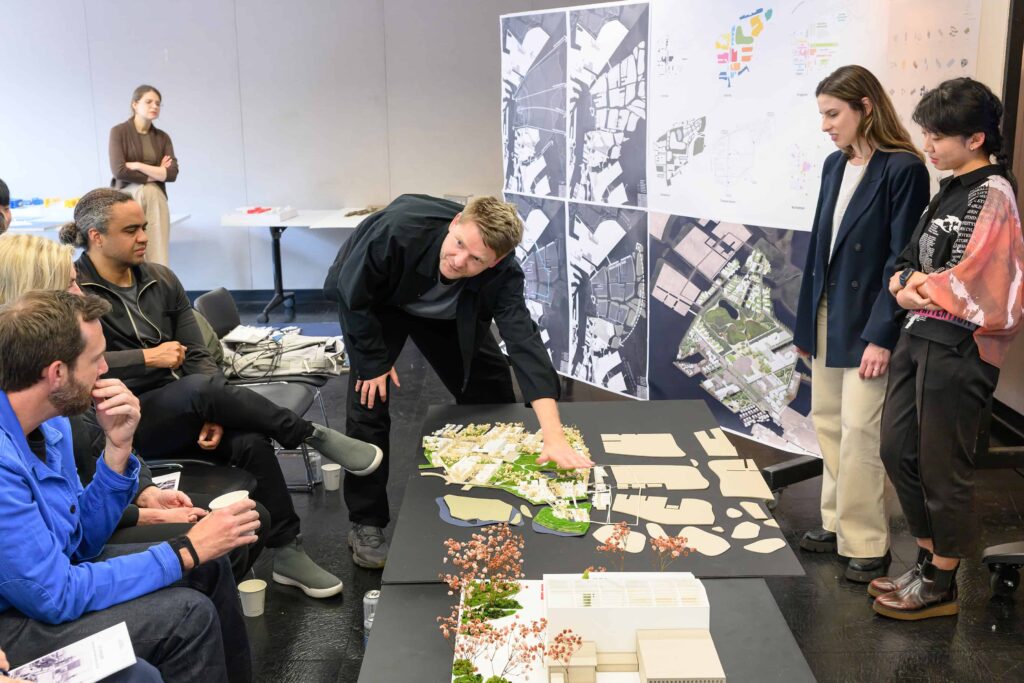
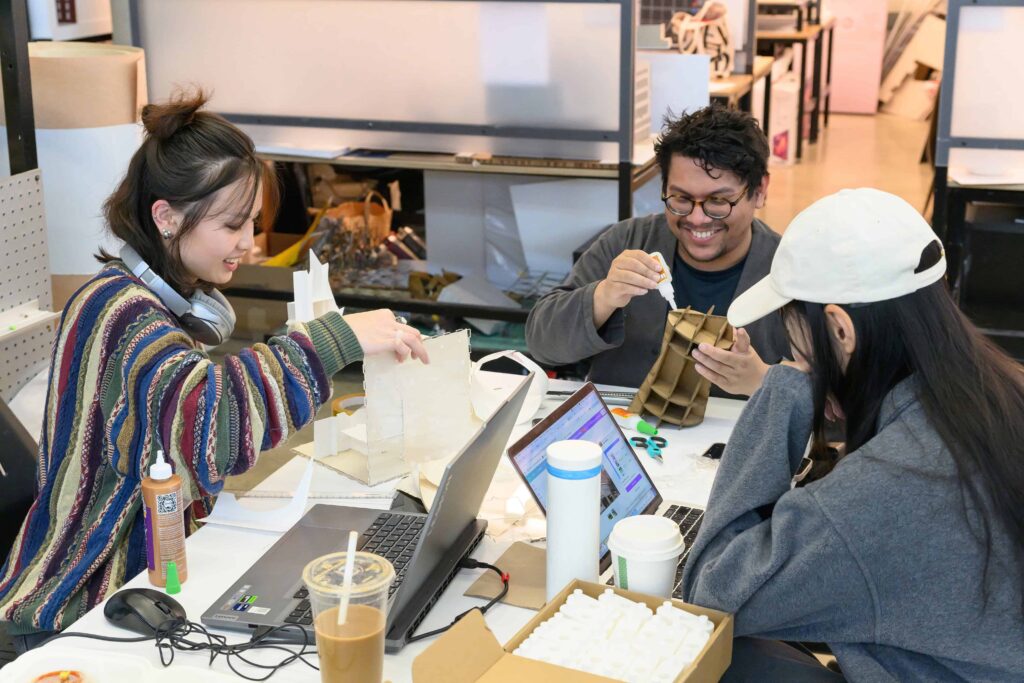
Studios supported by the Takenaka Research Fund in Urban Design, Architecture, Development, and Innovation have become laboratories where GSD students develop new typologies, hone the craft of building, and engage directly with communities. The goal is both humble and radical: to spread ideas that can travel far beyond Tokyo while staying rooted in Takenaka’s ethos of passing the “best works” to future generations.
Framing the Challenge
“Given changing demographics—aging, depopulation, single living—how can the city prepare itself for a future we all share?” asks Mohsen Mostafavi, Alexander and Victoria Wiley Professor of Design and Harvard University Distinguished Service Professor.
His answer is that architecture can cultivate civic life. The term “conviviality” originates from Austrian social critic Ivan Illich, who in his 1973 book Tools for Conviviality described the value of “autonomous and creative” interrelationships between people and between people and their environments. By responding sensitively to context and linking urban form with community life and the natural environment, design can transform density from a liability into a source of conviviality. Each Takenaka studio taught by Mostafavi becomes a working demonstration of that conviction.
Studios in Action
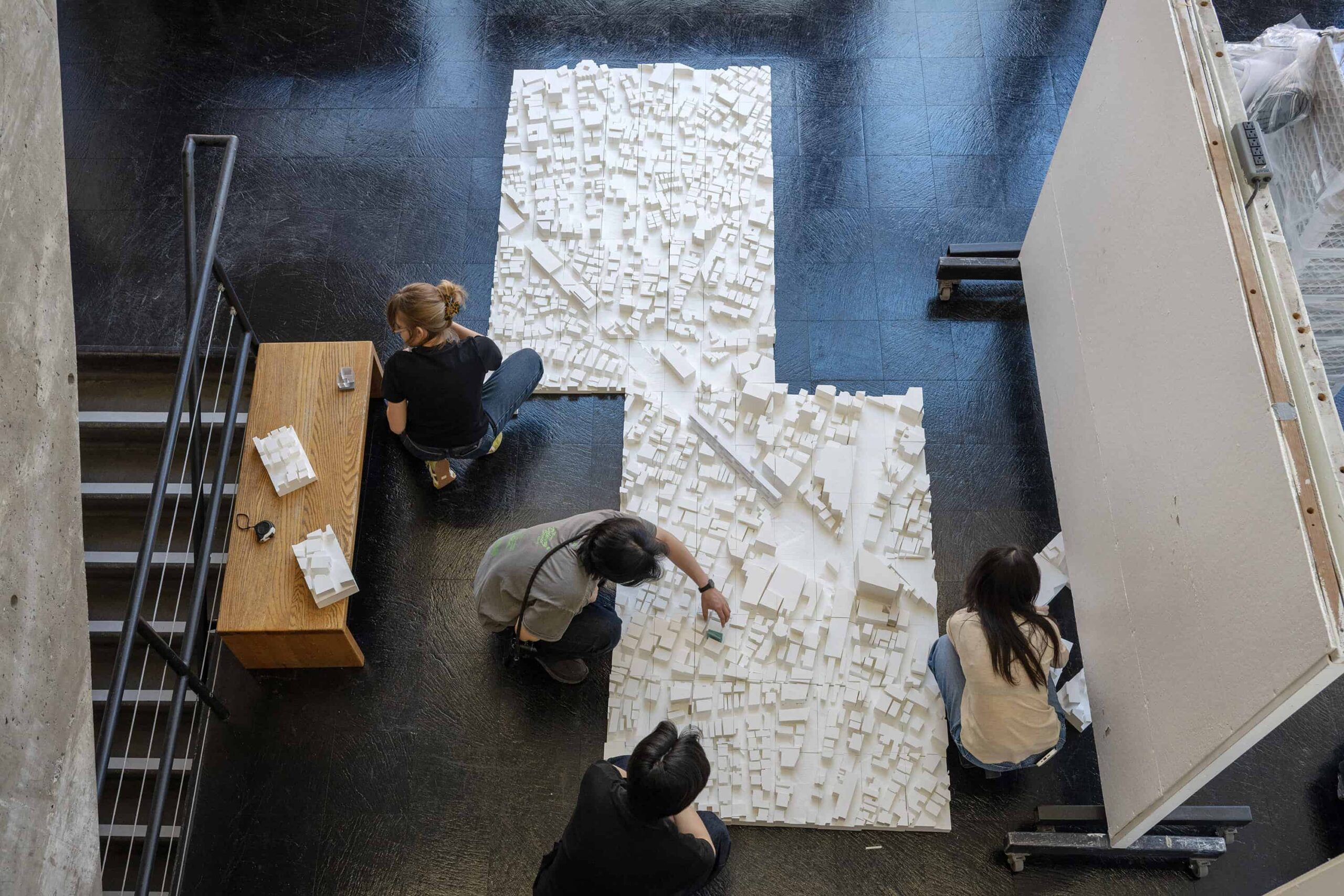
“Moshi Moshi, Shimokitazawa” (spring 2025): In a Tokyo neighborhood renowned for its cultural vibrancy but facing demographic shifts, students explored scale-sensitive interventions, including reconfigured micro-streets, adaptable housing, and shared public spaces. The results reframed density through everyday urban spaces that invite play, intergenerational exchange, and a sense of belonging.
“Rethinking Metabolic Rift” (spring 2024): Centered on Tokyo’s Ueno district—home to Japan’s oldest public park and Le Corbusier’s National Museum of Western Art—this studio examined how architecture can repair the “metabolic rift,” the widening divide between human activity and the natural world. Students proposed an “architecture of the city” that privileges diversity, smaller-scale interventions, and the coexistence of old and new.
“Revitalizing Onomichi” (spring 2023): In a Japanese hillside city balancing historical identity with economic decline, students orchestrated networks of public spaces and context-sensitive insertions. Small projects linked together demonstrate how architecture can regenerate culture and ecological resilience. Student proposals can be considered and used by other small cities, making Onomichi a useful laboratory for studying urbanization in relation to demographic change.
A Legacy That Travels
The cumulative impact is generational. Ideas developed in Japan now inform global discussions on equitable growth, aging demographics, and resilient urban development. They demonstrate that a studio is not an isolated exercise, but a catalyst for shaping urban futures.
The spirit of craftsmanship and innovation that has defined Takenaka for generations finds a kindred home at the GSD. Together—rooted in integrity, professionalism, innovation, and teamwork—we are not merely shaping projects; we are cultivating vibrant urban futures that can be passed to the next generation.
Toichi Takenaka
This gift seeds a continual flow of exportable ideas for urban life and is an enduring model of how philanthropy can provide an incubator for student design thinking with global reach.