Spatial Design Strategies for Climate Migration
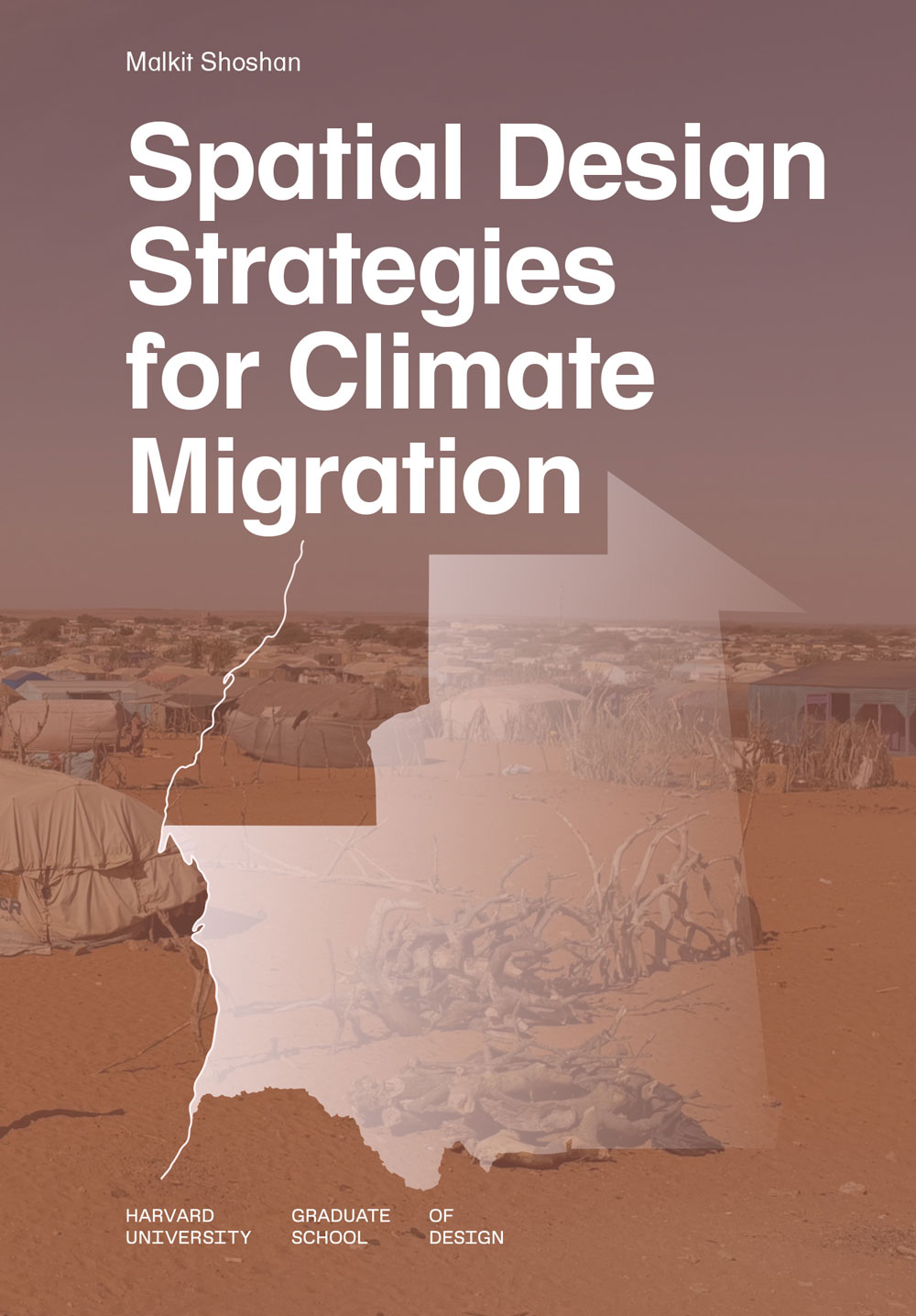
Spatial Design Strategies for Climate Migration is a report from the spring 2026 semester at the Harvard University Graduate School of Design based on the project-based seminar Spatial Design Strategies for Climate- and Conflict -Induced Migration, taught by Malkit Shoshan in conversation with UNHCR, UN Habitat, and UNICEF.
In a world where climate change is displacing millions, what can we learn from one of the most volatile hotspots on Earth?
As climate change intensifies, extreme climate zones and uninhabitable areas are projected to expand dramatically over the next few decades. Water stress, food insecurity, extreme heat, sea level rise, and weather-related disasters are driving instability and displacement on an unprecedented scale. As of 2024, an estimated 123 million people are displaced (UNHCR), with projections suggesting this number may rise significantly, disproportionally impacting those least responsible for the climate crisis.
This project-based seminar examined migration trends induced by climate and conflict, which often intersect, in one of the most volatile hotspots in the world, the Sahel.
Spatial Design Strategies for Climate Migration is available to read GSD’s issuu page, among many other reports.