“There are millions of different types of fungi,” says Karen Lee Bar-Sinai, assistant professor of landscape architecture at the Graduate School of Design (GSD). Our planet holds a plethora of yeasts, molds, and fungi that have developed diverse ways of living with—and modifying—different ecosystems. Bar-Sinai sees in this natural abundance the potential to design what she calls “landscape machines.”
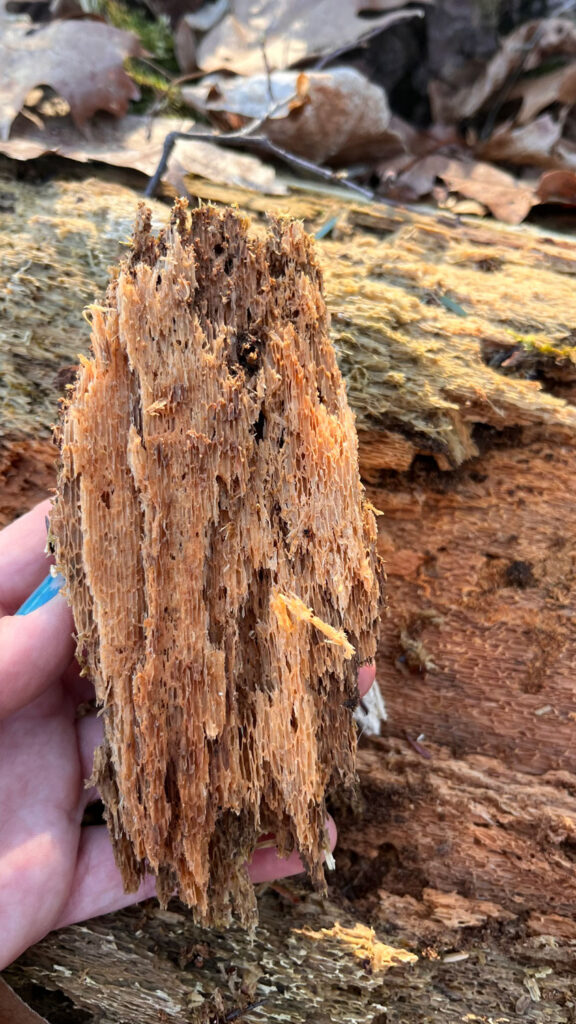
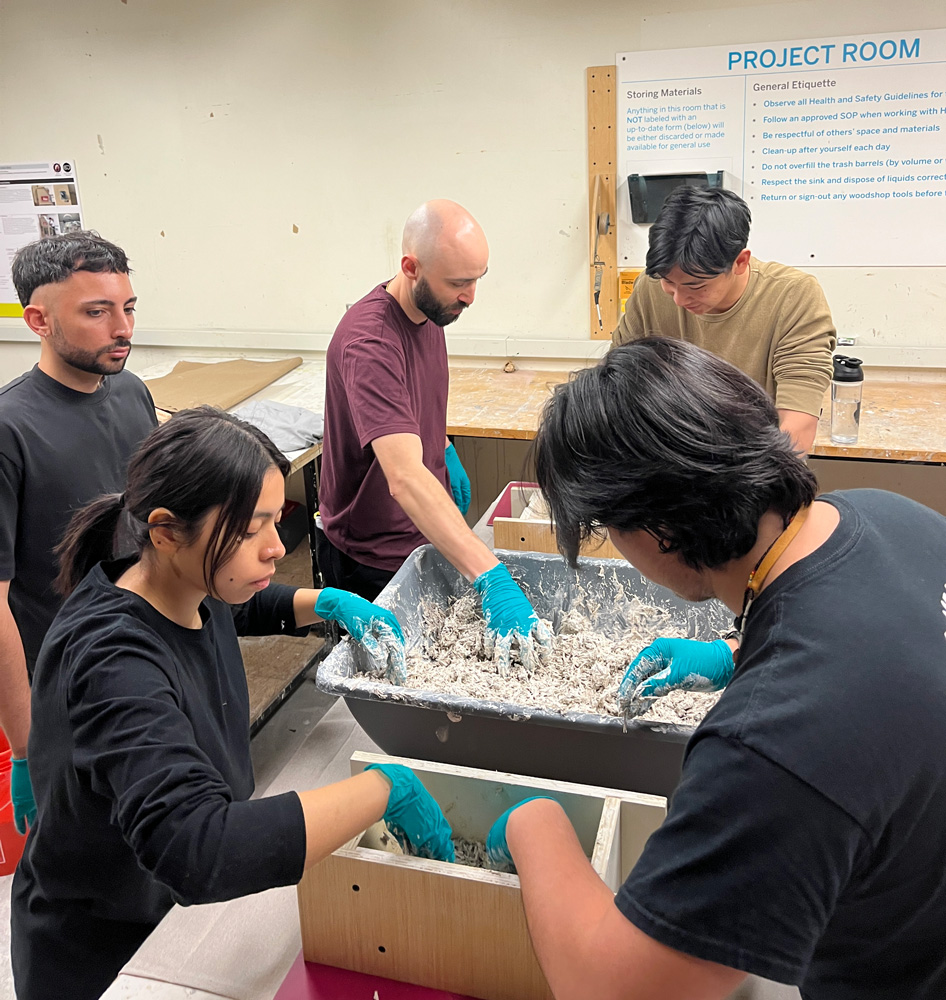
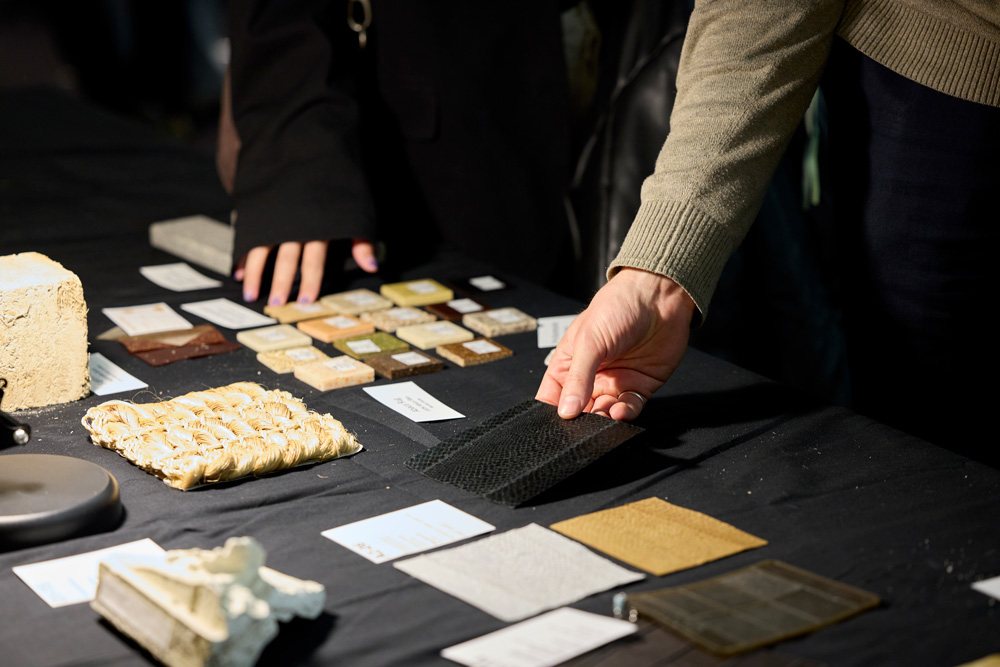
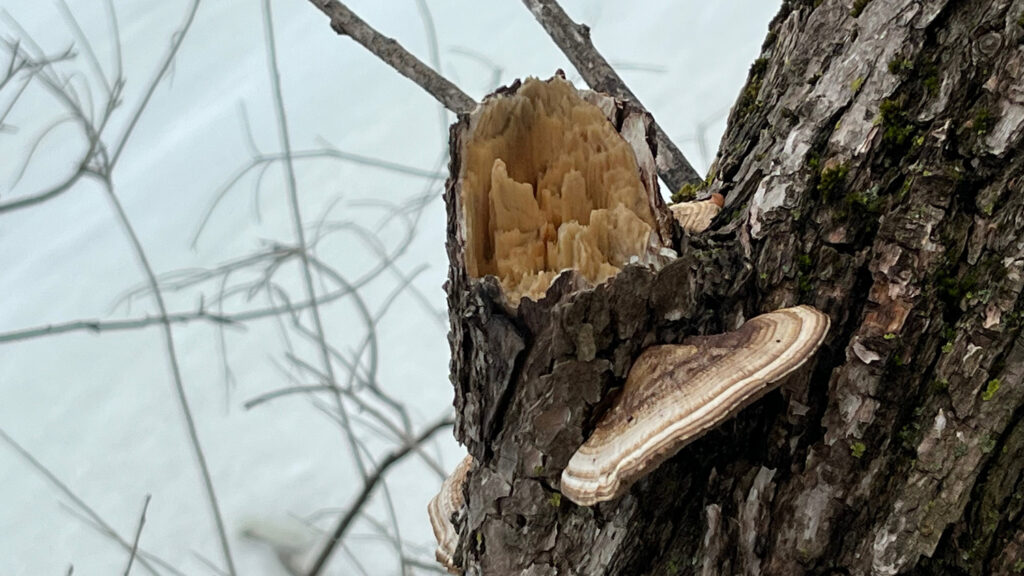
“Each type of fungi,” she explains, “is local to a specific ecology.” Bar-Sinai and her collaborator, Noam Attias, a current GSD Experimental Fellow, deploy specific fungi types that modify wood properties during decomposition processes. For Bar-Sinai and Attias, this natural relationship, key to natural decay, holds tremendous potential to meet human needs and develop materials in a sustainable way. “What if,” they ask, “instead of having wood mechanically or chemically treated for different construction needs, we instead deploy fungi as a biological material modifier, allowing it to change the wood from within?” Bar-Sinai and Attias are exploring ways to achieve exactly that: encouraging fungi to transform raw timber into building materials with specific properties, for example, flexibility, insulation, or fire resilience, through a natural process, turning current wood waste into building materials and negatively perceived rot fungi into fabrication partners.
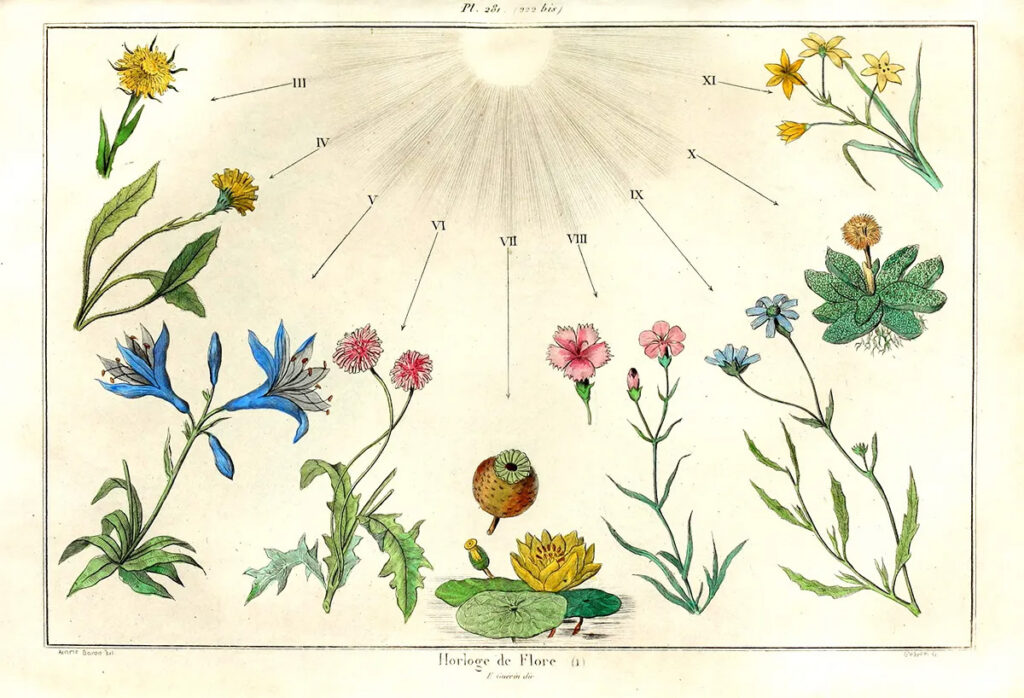
Bar-Sinai applies a definition of “machine” grounded in historical examples of collaboration with nature. One Enlightenment-era example that she characterizes as an eco-machina is the “flower clock,” hypothesized in 1748 by Swedish biologist and physician Carl Linnaeus. Having studied how different species of flowers bloom at different times, from sunrise to sunset, Linnaeus surmised that a garden of carefully selected and arranged flower species could effectively mark time with the opening and closing of blossoms. Bar-Sinai argues that the flower clock constituted an eco-machina, one that defies boundaries and operates through living matter. While looking back to Linnaeus, Bar-Sinai also notes contemporary forms of eco-machinae like De Zandmotor. This project in the Netherlands, known as the “Sand Motor,” uses the force of waves and currents to gradually redistribute a large sand peninsula to replenish a North Sea shore and protect it from erosion.
Other examples of eco-machinae are made within nature. Think, for example, of a termite mound, an architectural form that creates rich soil within vast desert landscapes, increasing biodiversity and climate resilience. Similarly, beaver constructs and dams, developed over generations, create acres of wetlands with streams, ponds, and tributaries, which allow for a vast array of species, from fish to bears, to re-inhabit the landscape. These landscapes also increase human communities’ climate adaptability by creating flood zones that mitigate storms and heavy rainfall. When humans collaborate to design with nonhuman species, Bar-Sinai argues, we create healthier landscapes and ecosystems for all.
Bar-Sinai’s interest in co-designing with the natural world stems from her experience in architecture. “I was building a public square,” says Bar-Sinai of her beginnings in this line of research, “and witnessing how the design my colleague and I created resulted in the massive removal of materials from the site, layer after layer, followed by the importation of so many materials from elsewhere. I began to wonder, in an age of advanced fabrication, when we can make almost anything anywhere, ‘Why aren’t we rethinking this practice?’”
After serving as a Loeb Fellow at the GSD in 2013, Bar-Sinai earned a PhD in architecture from the Technion–Israel Institute of Technology and then served as a Marie Curie Fellow at the School of Engineering and Design at the Technical University of Munich.
“Over time,” she explains, “I became more and more interested in the encounter between the tool and the material, especially in landscape architecture, where we have to address environmental challenges as we construct.” Bar-Sinai calls this notion “editing landscapes,” reconceiving design as a careful and iterative negotiation with the existing materials and conditions on site.
Designing with Beavers
At the GSD, where her research has been supported by faculty research funds, LUMA funds, the CGBC grant, and the Joe Brown and Jacinta McCann Fund for Faculty Research, her team recently included Jordan Kennedy, (Harvard S.M. ’18, Ph.D. ’23), a beaver behaviorist who worked with Bar-Sinai as a postdoctoral researcher and who is now a postdoctoral investigator at the Woods Hole Oceanographic Institution. Together, they are focusing on working with beavers to create new wetlands.
After the last ice age, Kennedy explains, the American continents were created by millions of beavers who “terraformed,” or created and shaped the land. In the late 18th and early 19th centuries, the “fur trade nearly eliminated the species,” says Kennedy, “but they’re making a comeback.”
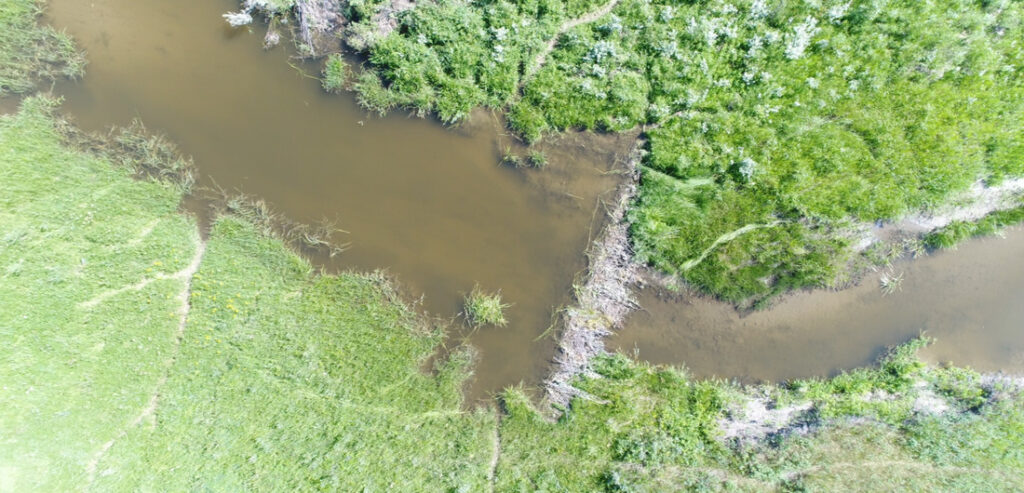
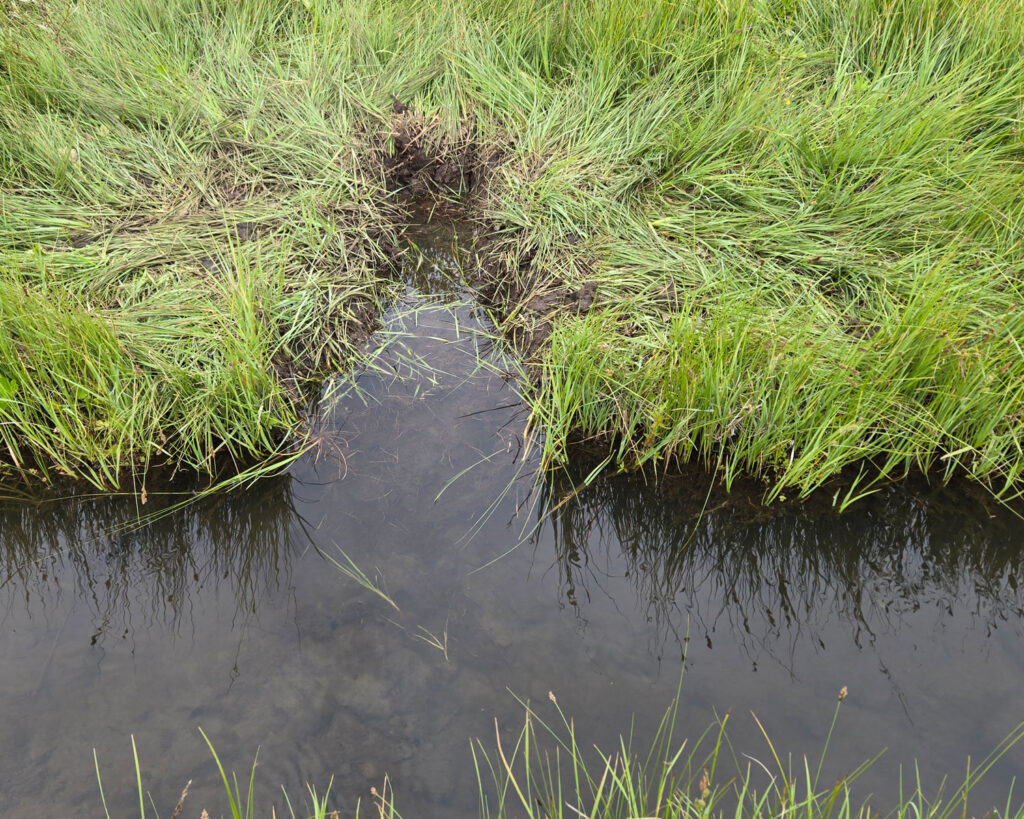
Bar-Sinai and Kennedy are testing ways to “invite” beavers back into specific landscapes by creating small cuts in the marsh that mimic initial beaver activity. Using night cameras to track the nocturnal animals, initial findings show that beavers are beginning to forage and explore the site. As they evolve, beaver constructs subsequently change the landscape, creating ponds that help to clean and cool the water, as well as a myriad of streams and inlets in a vast marshland, where insects, fish, birds, otters, and other species thrive.
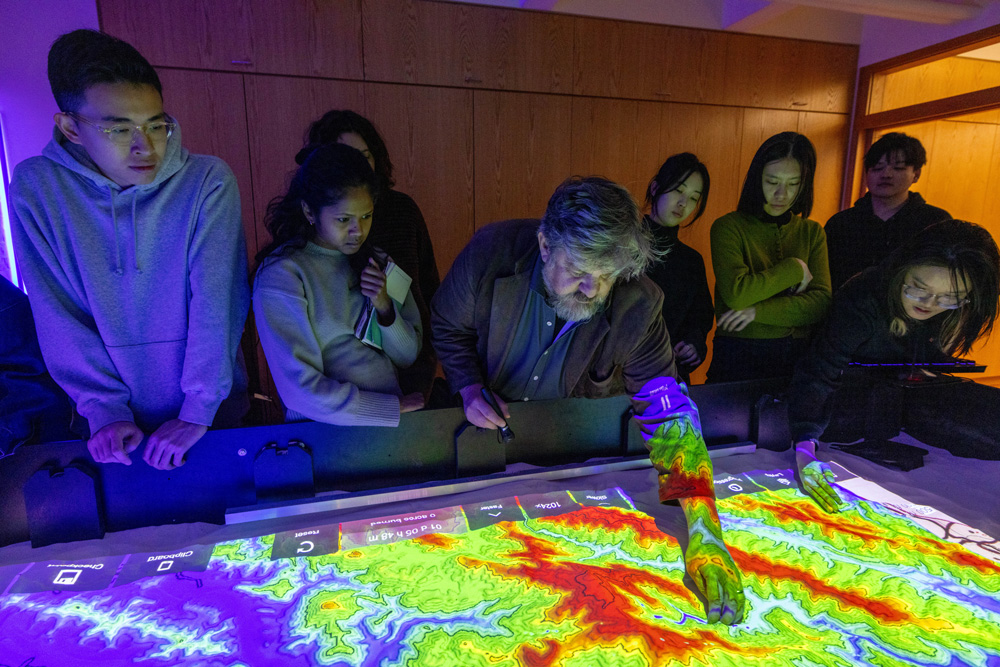
Beavers continue to develop their constructs, dams, and ecosystems across generations, passing down knowledge and locations to one another with their own markers—a language inscribed in the landscape. By co-authoring with beavers, Bar-Sinai explains, we can design landscapes that serve all species in the face of climate change. This first phase of their eco-machinae collaboration is focused on simulating beaver construction. Amir Degani, associate professor of civil and environmental engineering, and Federico Oliva, a postdoctoral researcher in the Civil, Environmental, and Agricultural Robotics Lab (CEAR), both at the Technion–Israel Institute of Technology, are part of the team producing digital models. This simulation will lead to an open tool allowing restoration experts, communities, and designers to predict how beaver construction would evolve and gradually shape a site’s topography, hydrology, and flood risk, as well as test human design interventions in the process.
Eventually, the team aims to create environmental robotics that can support and augment the work that beavers, and other species do. Together with Bar-Sinai, Degani and Oliva are exploring robotics that can independently perform “earth-shaping tasks.” For example, they are moving from simulating to building “unmanned ground vehiclesequipped with shovels,” and assessing the environmental and logistical merits and costs of shaping the land in this way.
While eco-machinae and machine-driven interventions raise a myriad of ethical and philosophical questions, from the legal considerations around designating robots as objects or “persons,” or the ethical questions that arise with cloud-seeding—prompting precipitation in one geographic region while depriving another—Bar-Sinai emphasizes that a key feature of eco-machinae is the intent driving their creation: to advance positive environmental change for all species.
As she continues to rethink conventional practices for landscape design, she finds endless possibilities for new nonhuman collaborators. For example, this year, several of her students have undertaken a joint research project guided by Bar-Sinai and Jonathan Grinham, GSD assistant professor of architecture, to “hack into the intelligence of root systems,” which she views as “another example of an in vivo mechanism, in which material itself acts as the mechanism.”