In an era of growing social isolation, rising housing costs, and uneven access to care, multigenerational living—bringing together people of different ages in shared residential settings—offers a promising solution.
Against this backdrop, the Harvard Joint Center for Housing Studies (JCHS) recently held the half-day event Living Together by Design: Housing to Connect Generations at the Harvard Graduate School of Design (GSD). Organized by Jennifer Molinsky, director of the Housing an Aging Society Program at the JCHS; Jenny French, assistant professor in practice of architecture; and Tim Love, assistant director of the Master in Real Estate program and senior fellow in real estate and urban planning, the event convened an array of experts—including architects, urban planners, and city officials—to address this timely topic.
Discussions ranged across scales—from the home to the city—examining how design, policy, and social initiatives can foster inclusivity and resilience. Together, participants called for a cultural shift in how we shape the norms and structures of residential life.
Multigenerational Living and Its Benefits
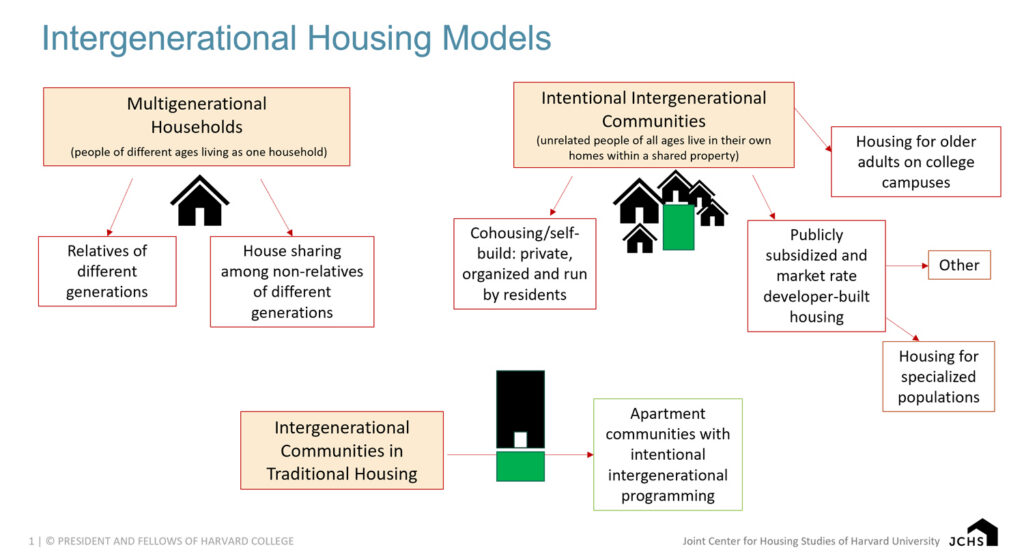
Despite colloquial usage, the terms multigenerational and intergenerational are not interchangeable. As noted in the introductory overview by Molinsky, the distinction matters. Multigenerational typically refers to two or more adult generations of a family living together—sometimes three, when children are included—within a single household, whether by choice or necessity. By contrast, intergenerational involves intentional interaction between unrelated people of different ages. While all intergenerational living is multigenerational, the reverse is not necessarily true. This event addressed both models and explored ways to facilitate them in the United States.
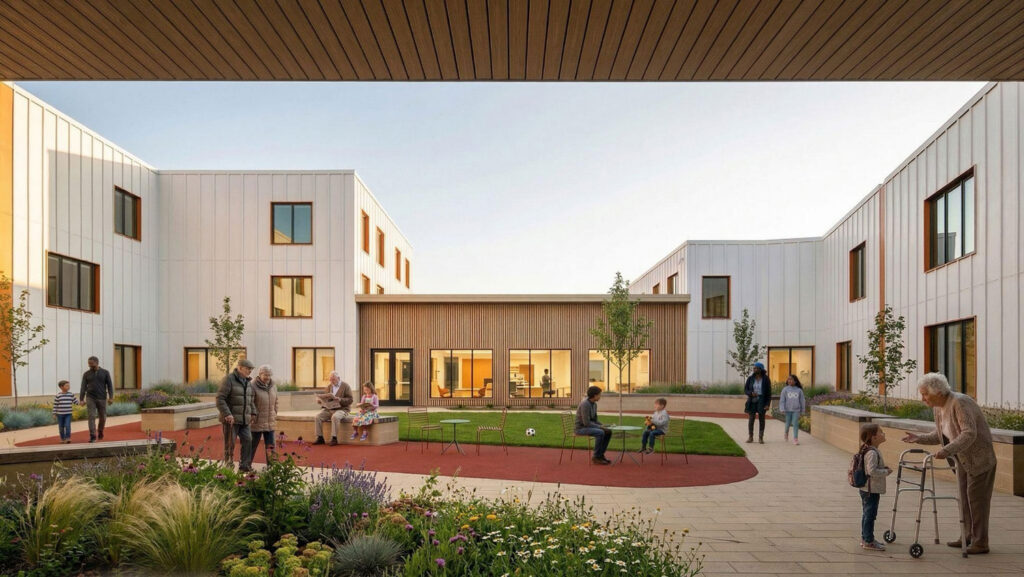
For researchers, multigenerational living is defined less by co-residence than by proximity and shared resources. Relatives living in an accessory dwelling unit or a nearby home may therefore be included. Intergenerational arrangements, however, take a wider range of forms, including students renting bedrooms in older adults’ homes, older adults living on college campuses, and residents occupying individual units within cohousing developments. Across these models, one constant is the presence of intentionally shared space—kitchens, dining areas, outdoor amenities, and common areas—that structures daily interaction across age groups.
Interest in multi- and intergenerational living has grown in recent years, driven by high housing costs, limited housing availability, the potential to reduce carbon footprints through shared resources, and the need for affordable care for both children and older adults. Beyond these practical considerations, research points to clear social benefits. Children in these environments show increased resilience, stronger social skills, a greater sense of belonging, and reduced ageist stereotypes. Older adults benefit from opportunities to nurture and mentor, finding purpose in contributing to younger generations. And, due to increased social interaction, all age groups experience reduced isolation and loneliness.
Barriers and Opportunities
Approximately 20 percent of Americans live in a multigenerational household. Yet these arrangements are often temporary, lasting an average of 2.5 years, according to Natasha Pilkauskas, associate professor of public policy at the Gerald R. Ford School of Public Policy, University of Michigan. Multigenerational living encompasses a wide range of circumstances, from families who adopt it out of necessity—often lower-income households—to those with greater financial resources who choose it for caregiving or lifestyle reasons.
Intergenerational living, however, remains relatively rare: only 2 percent of Americans participate in such arrangements. There are roughly 160 housing communities in the United States, while such arrangements are more common in Northern Europe, particularly in Denmark, the Netherlands, and Germany.
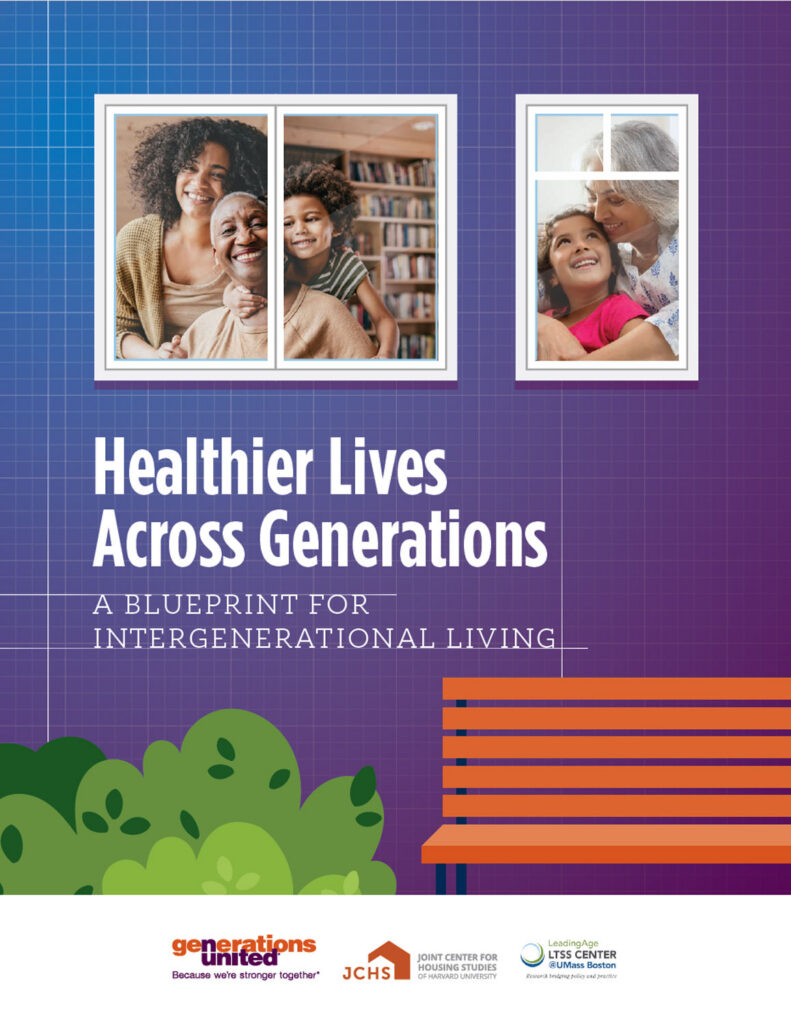
Nevertheless, more people are pursuing intergenerational arrangements, encouraged in part by JCHS research, including Healthier Lives Across Generations: A Blueprint for Intergenerational Living, a collaboration between Generations United, the JCHS Housing an Aging Society Program, and the LeadingAge LTSS Center@UMass Boston. Positioned as both a call to action and a practical guide, the report outlines programs and design features—such as shared indoor and outdoor spaces—that foster meaningful interaction across generations.
Event participants expanded on this work, identifying barriers to implementation in the United States across housing, community, and city scales. Despite differences in scope, common challenges emerged.
In the first panel, “Sharing a Home: The Multigenerational Household,” moderated by Molinsky, speakers highlighted both the opportunities and the challenges of multiple generations living under one roof. Whether intentional—for example, an older adult renting an underutilized bedroom—or driven by need, such living arrangements require clear upfront communication and ongoing negotiation to avoid conflict.
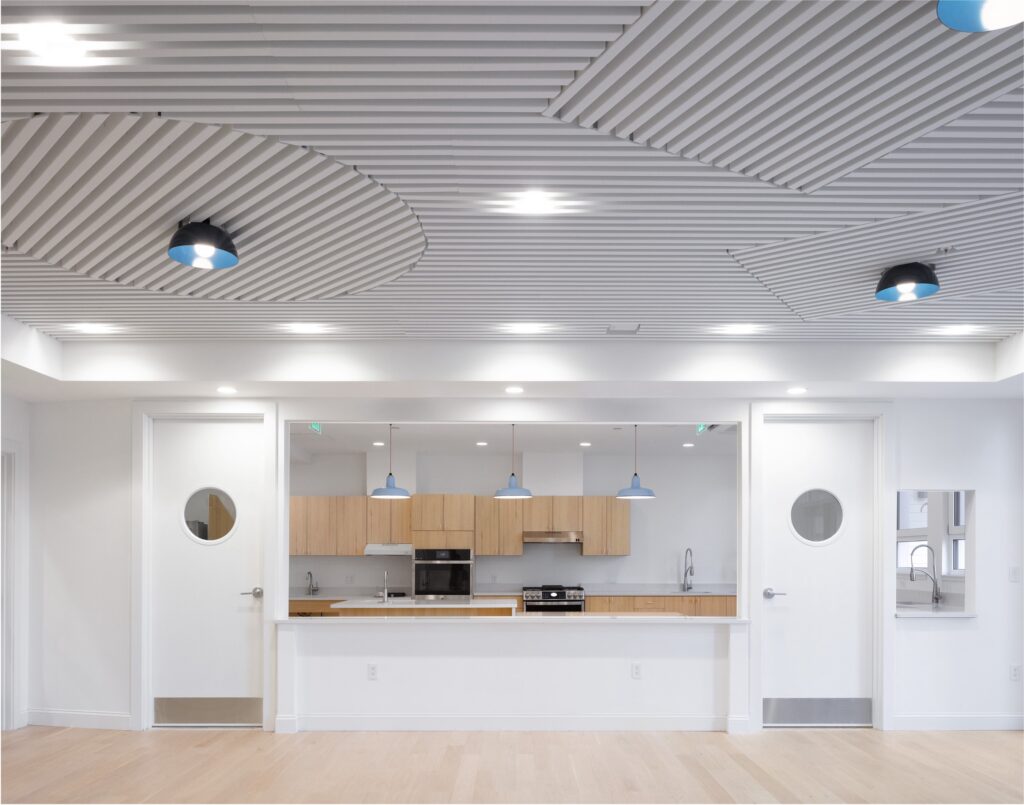
Design flexibility also surfaced as a central concern, with speakers emphasizing the need for housing that can accommodate shifting household compositions over time. A single-family home, for instance, might be designed for conversion into multiple units that can be rented as household needs change. The House Transformed—a recent exhibition curated by GSD alumna Mónica Ponce de León (MAUD ’91) and others, installed at the Van Alen Institute in Brooklyn, New York—reflects growing efforts to rethink the traditional single-family house.
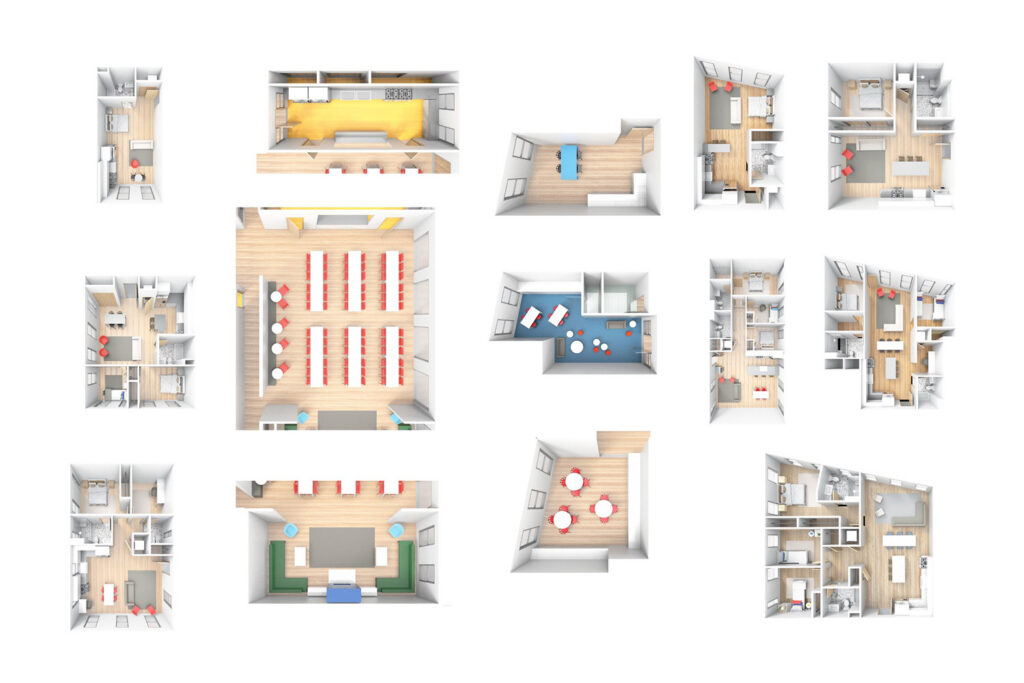
Flexibility also shaped the second panel, “Creating Community: Mutual Support in Intentional Intergenerational Housing,” moderated by James Stockard, lecturer in urban planning and design and curator of the Loeb Fellowship. Here, the concept appeared in the design of multiuse common spaces and in recent Massachusetts developments that combine varied unit sizes and spatial scales, such as Bay State Cohousing in Malden, by French’s firm French 2D, and the design for the Treehouse project in Mattapan, presented by Jonathan Evans (MArch ’10) of MASS. French emphasized the importance of designing for “adaptation over time” and “setting up preconditions” for that adaptability.
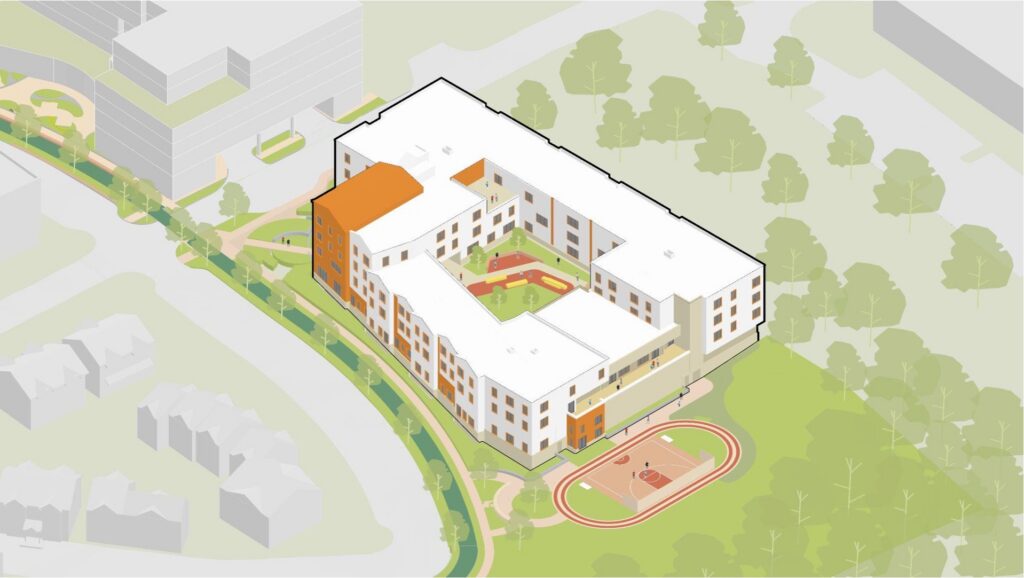
In the third panel, “Welcoming All Ages: Intergenerational Neighborhoods and Cities,” moderated by Love, flexibility surfaced at the level of policy. Building codes, Love noted, often constrain design, increasing costs and limiting spatial efficiency. Current efforts to legalize mid-rise single-stair housing in Massachusetts illustrate these challenges. Flexibility also arose in discussions of shared civic spaces. Participants questioned the logic of age-segregated civic facilities, such as youth or senior centers—not only due to budgetary pressures but also the growing recognition of the benefits of shared, intergenerational space.
A Cultural Shift
Design innovation, flexible housing models, and policy reform are all critical. Yet participants repeatedly stressed that these changes depend on a broader cultural shift.
Donna Butts, senior fellow and former executive director of Generations United, pointed to the widespread disrepute of shared living in the United States. “There’s this stigma about living together, and we really have to push back on it,” she said. “We can change that over time.” Noelle Marcus, founder and chief executive officer of Nesterly—a platform that matches older homeowners with renters—echoed this view. “There is a shift in culture that needs to happen,” she asserted. “We have lived in multigenerational households since the beginning of time, and it’s only in more contemporary history that we don’t live this way.” Marcus referenced the United States’ long history of boarding and rooming houses, where residents occupied private rooms while sharing common spaces. “At one point, half of all urban dwellers lived” in such arrangements.
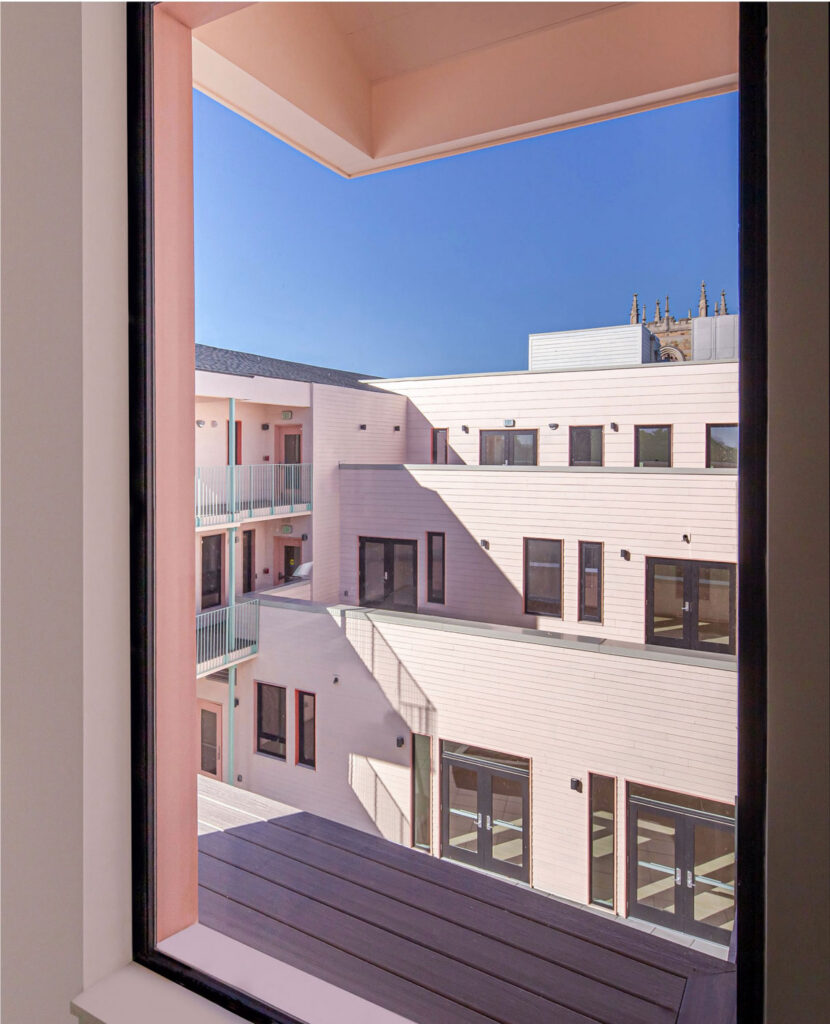
Following World War II, however, the expansion of the suburbs and the rise of homeownership reframed the detached single-family home as the most dominant, and desirable housing model. This shift reshaped financial systems and regulatory frameworks, making it more difficult to finance, insure, and approve alternative housing types. The result is a self-reinforcing cycle that continues to marginalize multi- and intergenerational living, limiting both supply and public imagination.
As Love noted, such policies restrict the diversity of housing stock, narrowing the choices available to residents. For alternative models to gain wider acceptance, the assumption that the single-family home represents the ultimate goal must be reconsidered.
In a concluding conversation between Molinsky, French, and Love, they discussed how such a shift might begin. They emphasized the importance of framing shared housing in accessible, relatable terms, helping communities become more open to new models. This approach aligns with what Love called “advocacy through good design examples” and Molinsky described as the need to encounter new models repeatedly before they become “a real possibility in the world.”
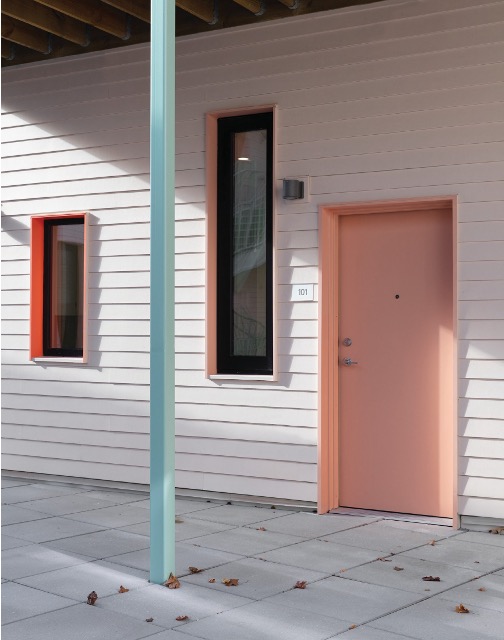
Earlier in the event, Stockard offered a concrete example of how to help reshape the narrative around shared living. More than 50 years ago, he and some friends purchased a 12-unit apartment building, forming a cooperative housing community named Common Place. Eight original members, including Stockard, still live there today, having raised children and moved through multiple life stages together. Many of those children, now adults, have embraced similar models of shared living. As Stockard observed, “some of them live in other shared houses . . . others don’t, but they are open to it, talk about it, and it doesn’t seem so strange to them.”
Visibility, participants suggested, is key. As more people encounter and experience alternatives to the single-family home, shared living may come to be seen not as an exception but as a viable norm. Over time, this cultural shift may prove as important as design or policy in expanding multi- and intergenerational living—and in redefining American housing itself.