For inquiries about admission to the Landscape Architecture programs, please contact the Admissions Office.
The Department of Landscape Architecture
Since its founding in 1900, the Department of Landscape Architecture has been at the forefront of design innovation — bringing together ecological knowledge, emerging technologies, and deep study of the histories and cultures embedded in places. As both an academic discipline and a field of practice, we advance research and design across the natural and built world, with a focus on three defining challenges: accelerating urbanization, climate change, and environmental inequities.
The program stream leading to the Master in Landscape Architecture, an accredited professional degree, is intended for individuals who have completed a bachelor’s degree with a major other than one of the design professions.
Individuals who hold an accredited professional degree in architecture, or a pre-professional undergraduate degree in landscape architecture or architecture, and a strong design portfolio, may be granted advanced standing of up to two semesters, completing the MLA I in two years.
Individuals who hold an accredited undergraduate professional bachelor of landscape architecture, or its equivalent as judged by the admissions committee, may enroll in the MLA II program stream, completing the accredited MLA in two years.
The Department of Landscape Architecture prepares designers, scholars, and practitioners to shape landscapes that are ecologically resilient, culturally meaningful, and responsive to the urgent challenges of our time.
We understand landscapes as both cultural constructions and living systems — formed by history, economy, and social values, and continually transformed by ecological processes and human and non-human agency, as vegetation, wildlife, and other organisms actively work to remake the places they inhabit. Our faculty bring research and practice expertise from diverse geographies and cultures, showing how design can hold planetary change and local particularity in the same frame. As technology and the global exchange of ideas exert a homogenizing pull on places worldwide, landscape architecture offers a way to embrace the future without erasing the cultures and traditions that make a place distinct.
What We Value
We value ecological responsibility — landscapes designed to support resilient, living systems rather than work against them. We value the cultural and historical depth embedded in every site, and the patient study required to understand it. We hold research and practice in close relation, believing that rigorous scholarship and real-world design each sharpen the other. We draw strength from a global and interdisciplinary perspective, learning across geographies, cultures, and fields of knowledge. And above all, we believe design should serve the public good — meeting the challenges of urbanization and climate change with landscapes that deepen the relationship between people and places through greater biodiversity and beauty.
Students in our MLA programs engage directly with this work — through a robust studio curriculum, a wide range of courses, and faculty-led research — developing the analytical and creative skills to imagine and shape better futures through design.
—Anita Berrizbeitia, Interim Chair of the Department of Landscape Architecture
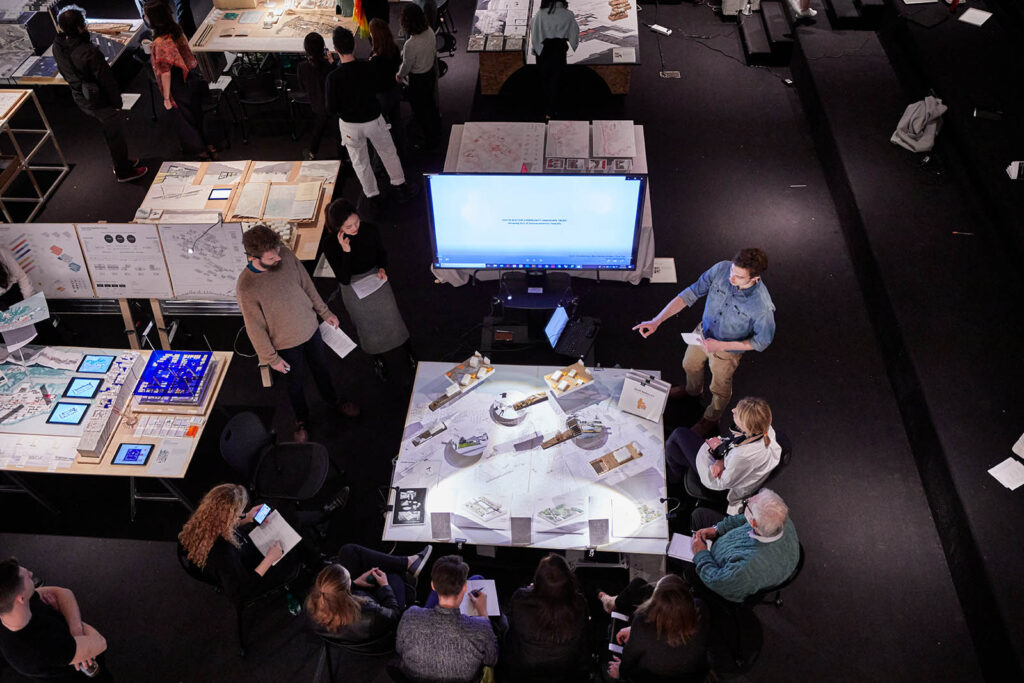
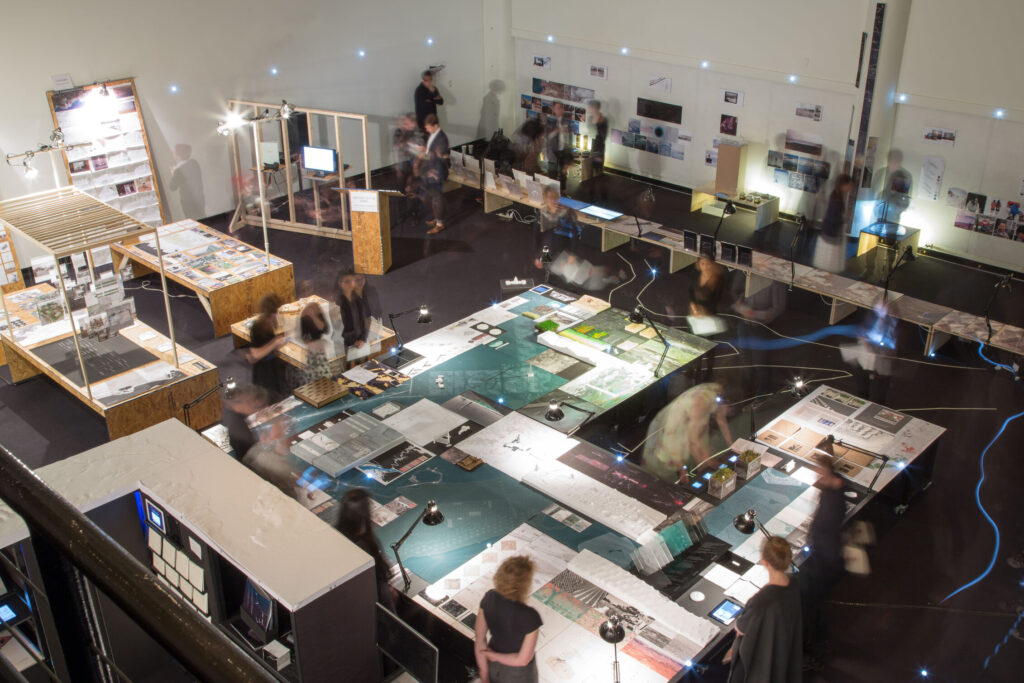
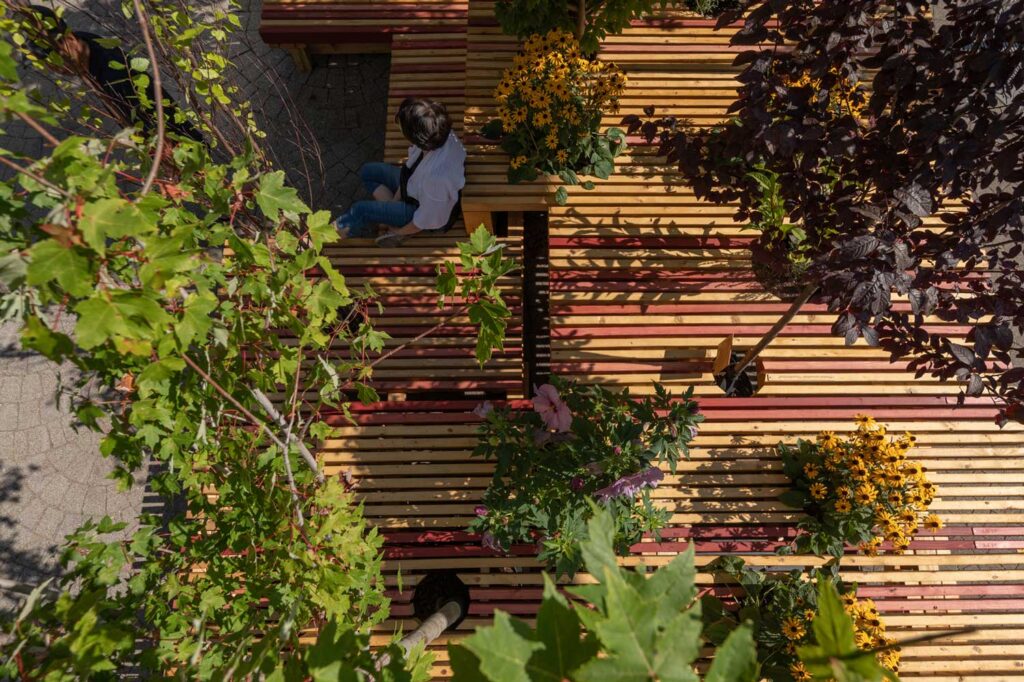
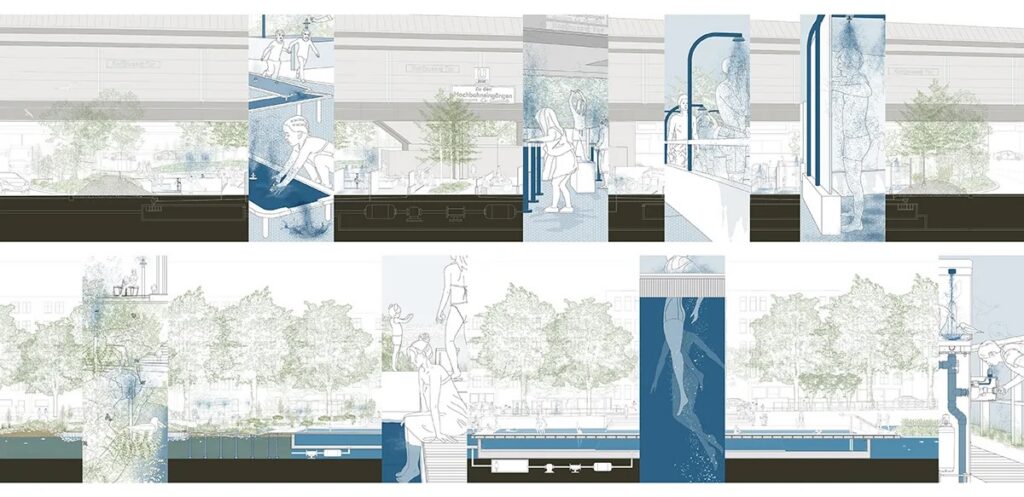
STU 1404 Broadway Shuffle at Madison Square: The Surface is Alive!
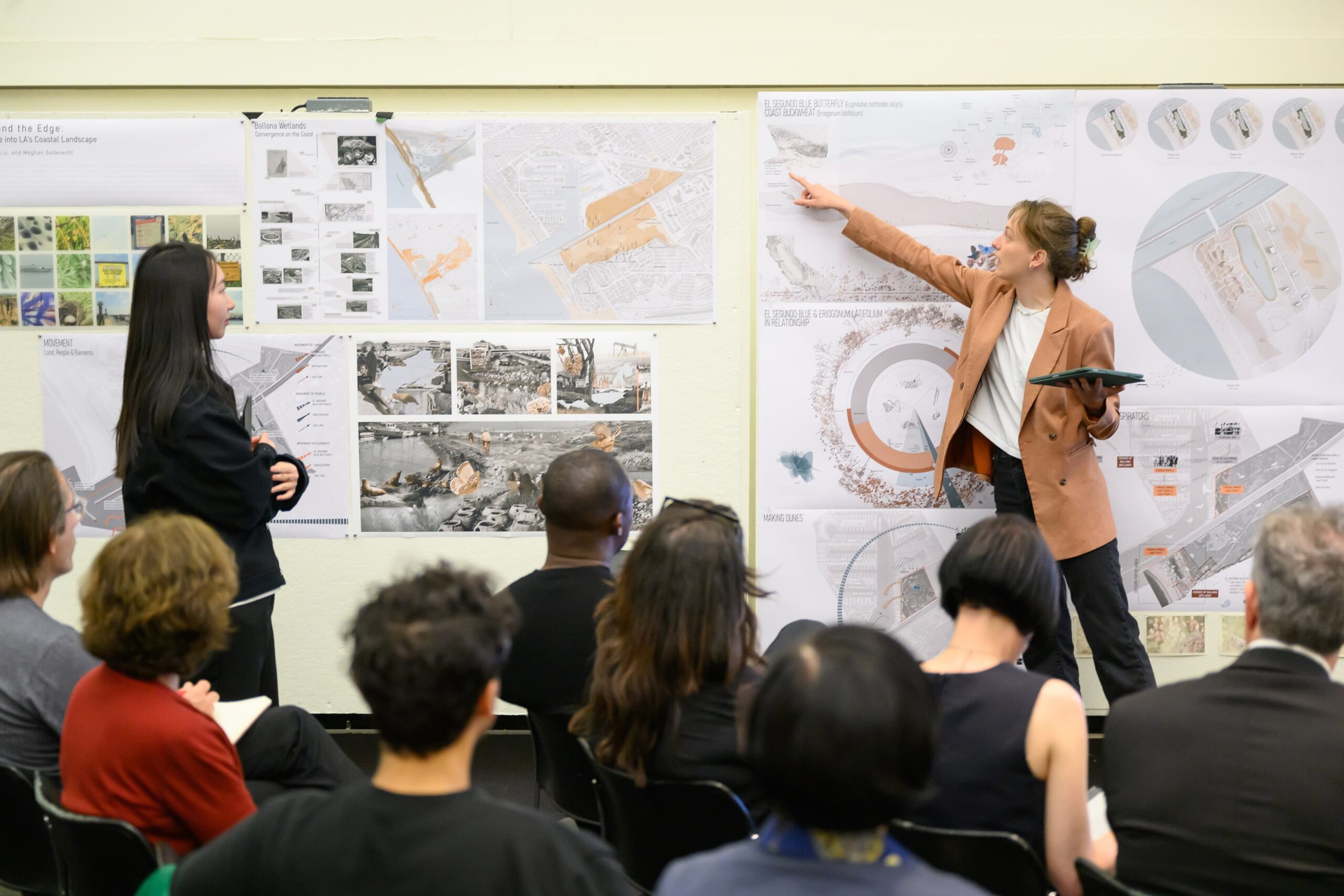
STU 1415 Wild Ways 2.0: A Fifth Ecology for Metropolitan Los Angeles
As the challenges of the built environment rarely correspond to traditional disciplinary boundaries, coursework in the MLA Program spans the depth and breadth of the field and enjoys strong pedagogical connections to urban planning, urban design, and architecture. MLA candidates enjoy access to and engagement with the extra-Departmental assets of the Graduate School of Design including a robust calendar of lectures, exhibitions, and events attendant to current design culture across disciplines as well as the Advanced Studies Programs, the Aga Khan Program, the Joint Center for Housing Studies, and the Loeb Fellowship. MLA candidates benefit from proximity to events and discussions in cognate disciplines across campus in the history of art and architecture, ecology, engineering, environment, and the arts. The Department’s coursework and culture are leavened by a range of institutional assets and resources unique in the discipline including the Harvard Forest, the Arnold Arboretum, the Harvard Center for the Environment, and Dumbarton Oaks.
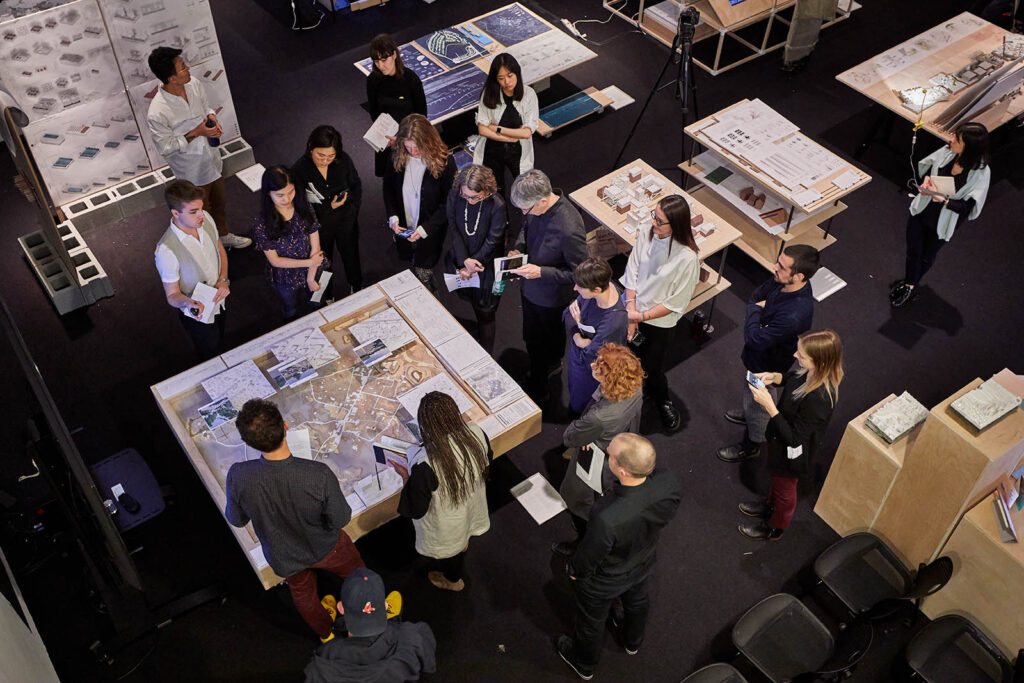
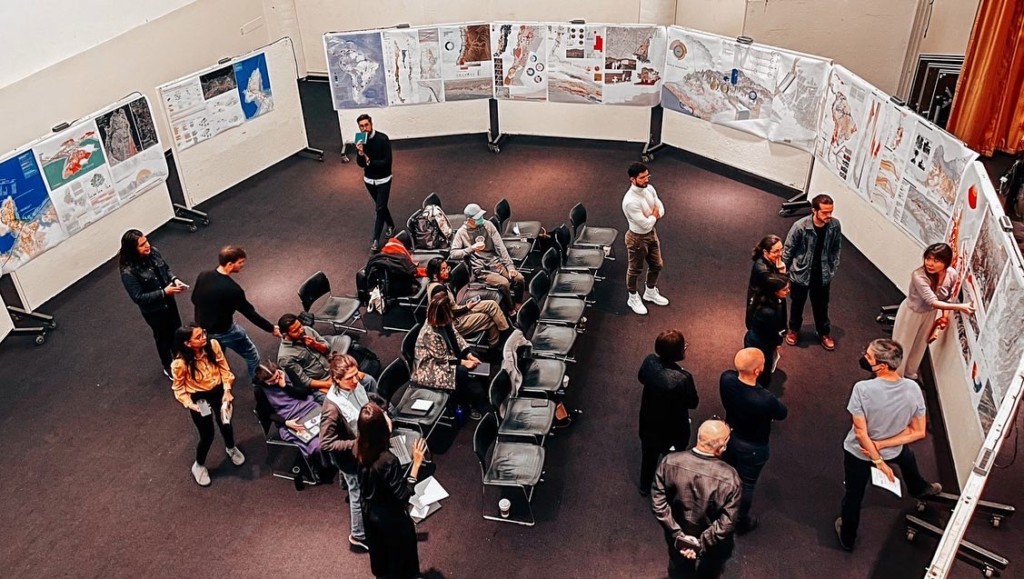
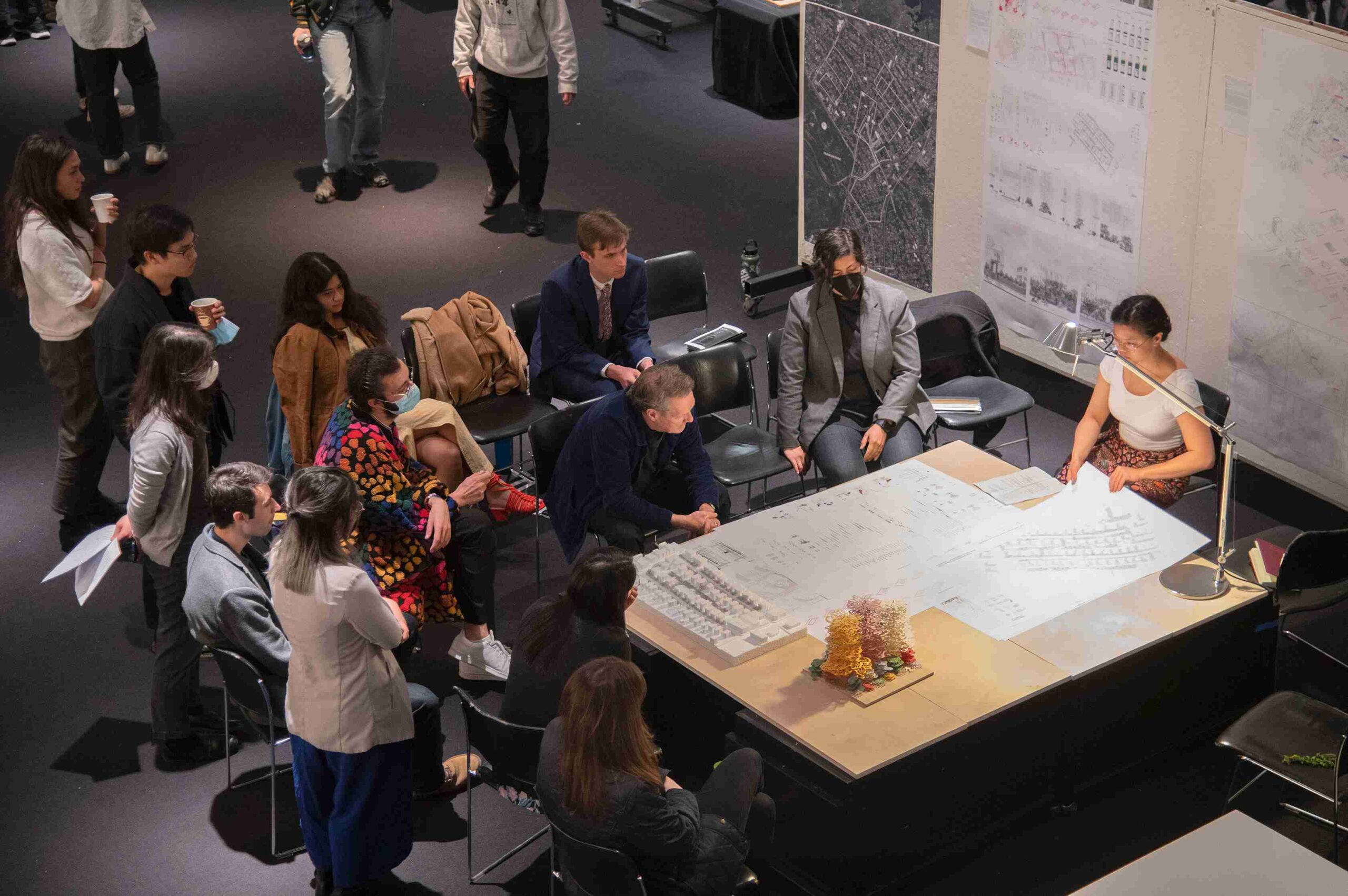
Vicky Wang (MLA II ’23) and Rolando Girodengo (MAUD ’23) present during the mid-review for STU 1509 LATIN AMERICA IN TRANSITION: Imagining Infrastructures for Climatic Migration
Professional practice evidences the specialized actions, behaviors, and ethical standards expected of individuals in a role of advising, designing, and executing projects, extending beyond technical competence to include accountability, integrity, and respectful interaction. The nature of practice is itself a design challenge in its own right—we design practice—supported by innovative research and a wide range of courses on the proven and emerging ways in which the disciplines of design create impact in our rapidly changing technological, social, and environmental context. Led by Professor Elizabeth Bowie Christoforetti, who chairs the Practice Forum, the transdisciplinary group is comprised of faculty from all departments including Jeffry Burchard, Daniel D’Oca, Adam Frampton, Jenny French, Gary Hilderbrand, Eric Höweler, Karen Janosky, Jungyoon Kim, Hanif Kara, Grace La, Dana McKinney White, Chris Reed, and Elizabeth Whittaker.
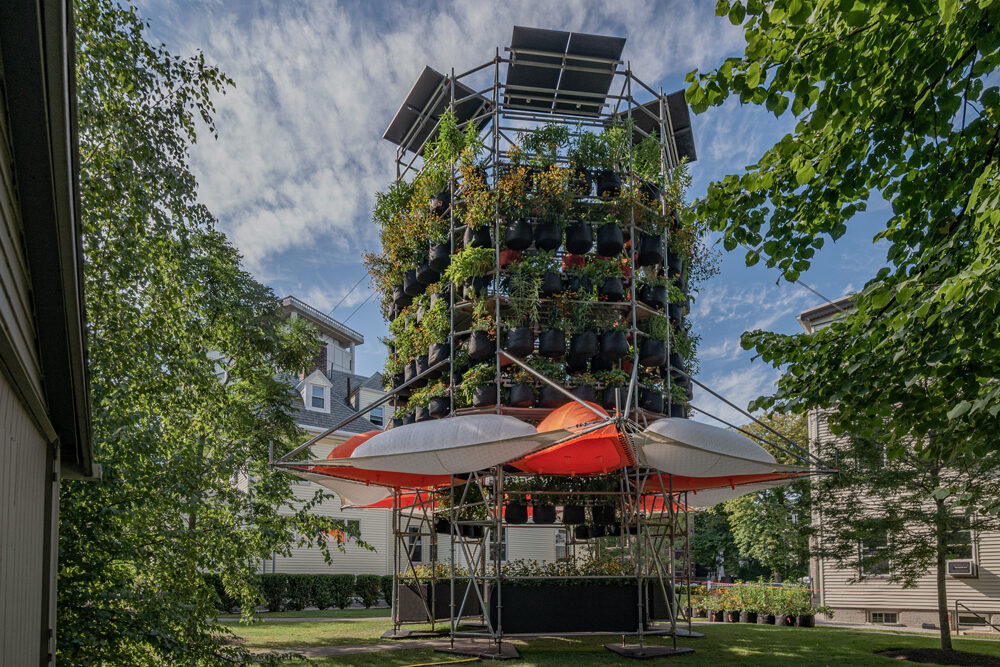
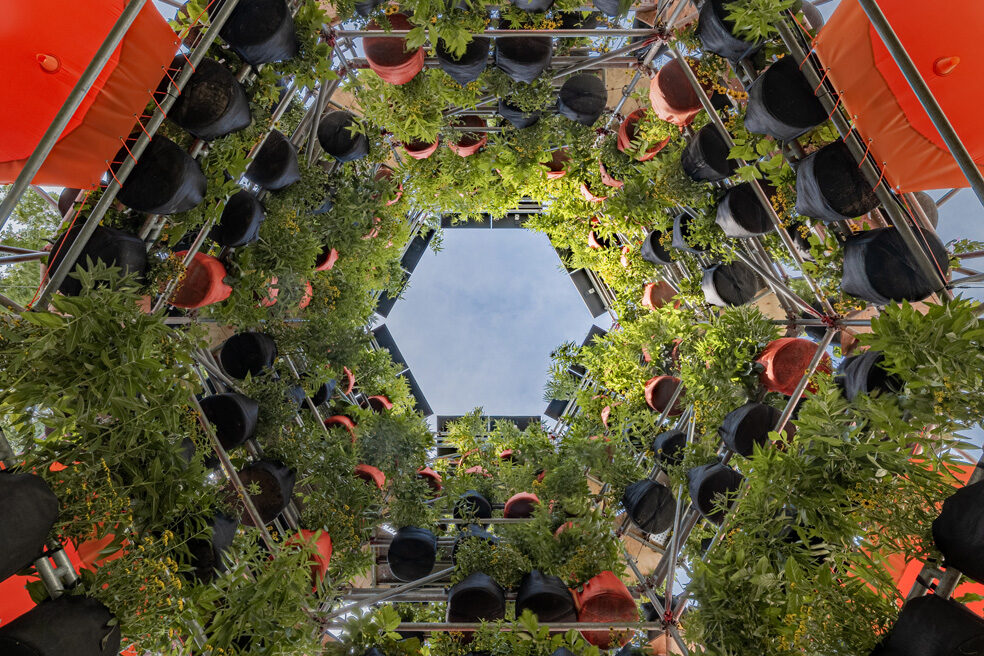
Belinda Tato, “Polinature.” Photo: Emilio P. Doiztua.
Landscape architecture today enjoys greater cultural relevance, public visibility, and potential for professional leadership than at any time in recent history. The Department has been among the most significant centers in the world for the production and dissemination of landscape knowledge. The Department aspires to be the preeminent venue for the education of landscape architects as they are increasingly called upon as design professionals uniquely capable of representing and responding to the challenges found at the intersection of design culture, urbanization and environment.
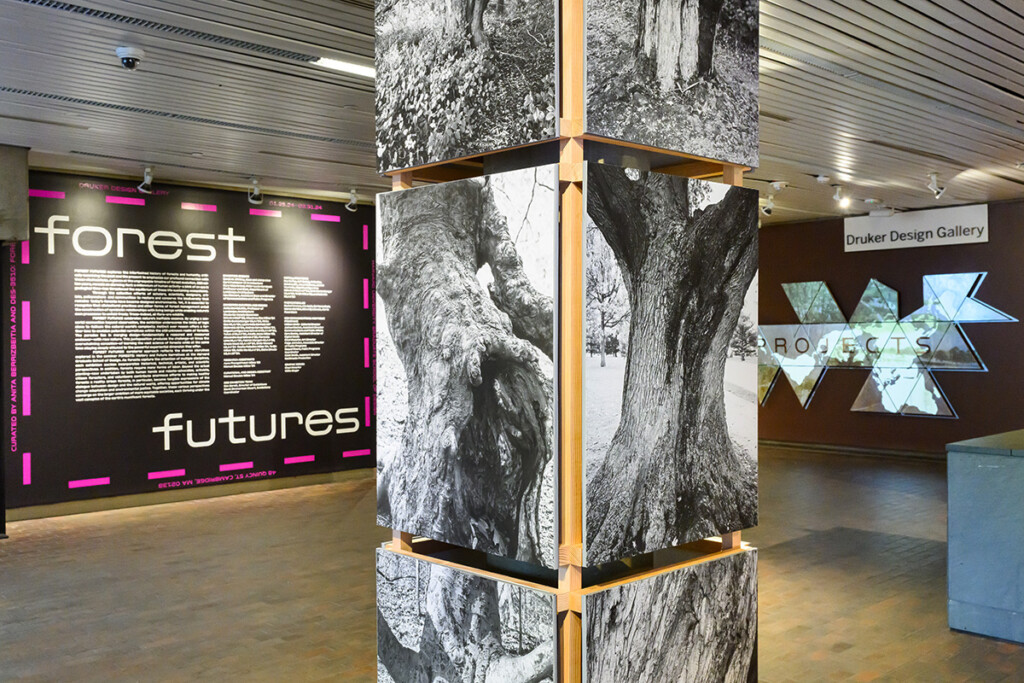
FOREST FUTURES Exhibition curated by Anita Berrizbeitia and featuring photographs by New York artist, Stanley Greenberg.
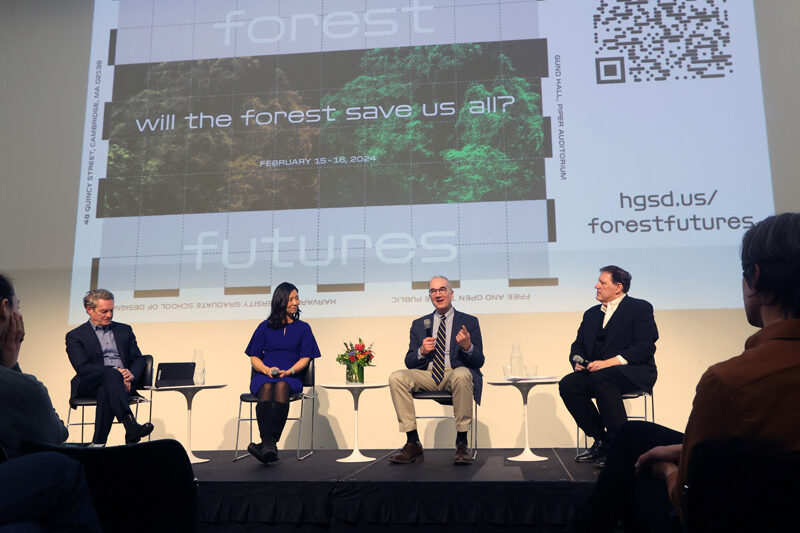
Participants in the Keynote Response panel discussion at the GSD symposium “Forest Futures: Will the Forest Save Us All?”. From Left to Right: Gary Hilderbrand, Mayor Michelle Wu, William (Ned) Friedman, and Edward Eigen. Mayor’s Office Photo by John Wilcox.
Together, we are educating a generation of activist practitioners, theorists, advocates, and more—a virtual army of climate warriors who will lead the charge for regenerative, adaptive ways of reimagining a just and sustainable world.
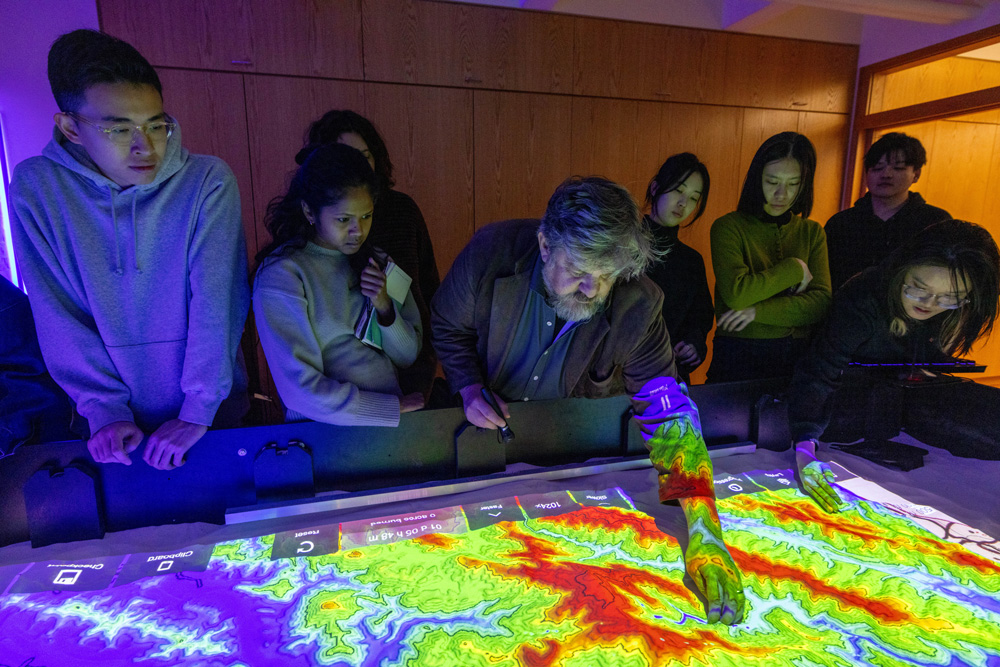
Stephen Guerin explains the Simtable to MLA Core IV students.
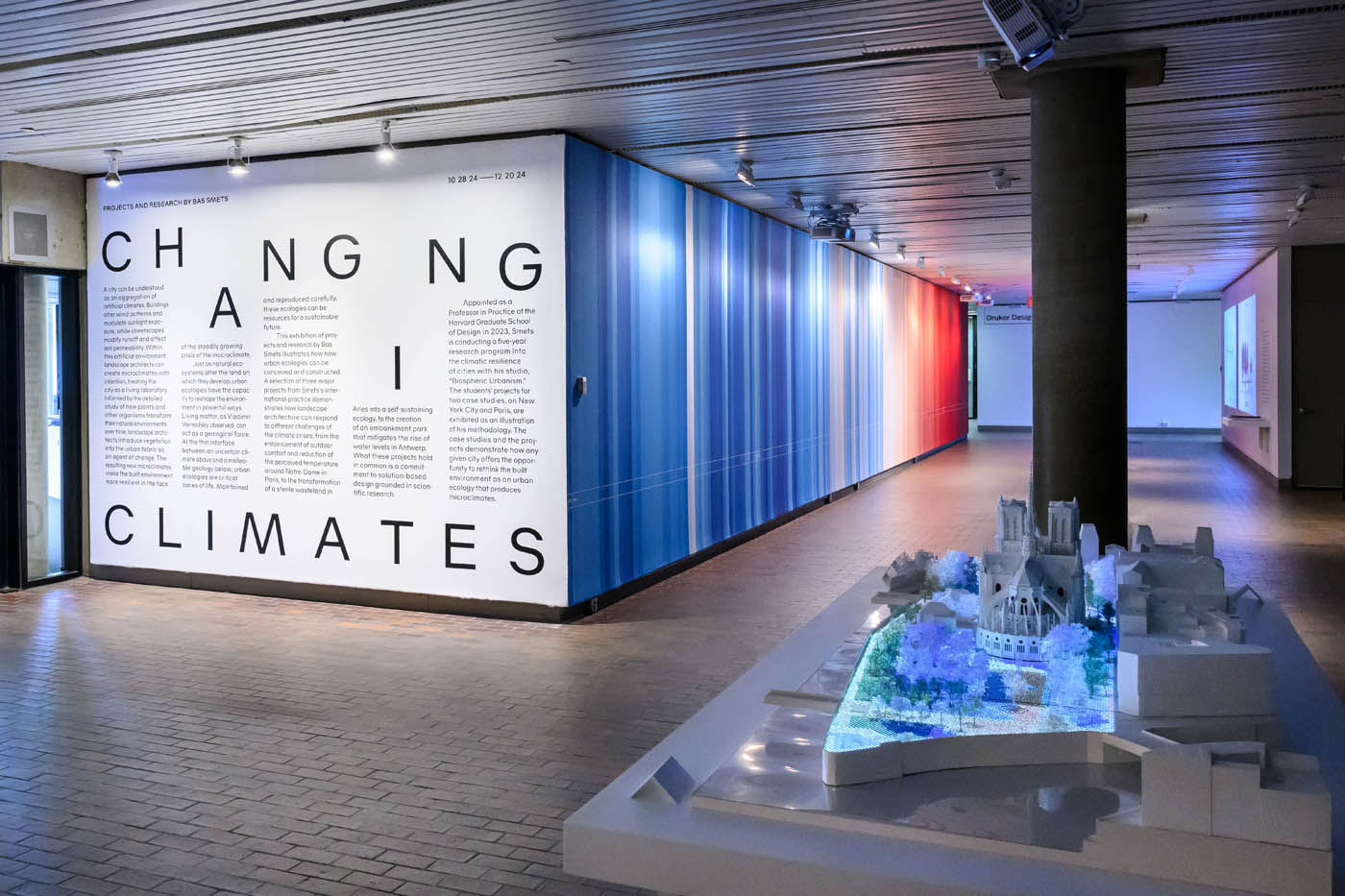
Changing Climates Exhibition, curated by Bas Smets. Photo by Justin Knight.
Department events
WORKSHOP
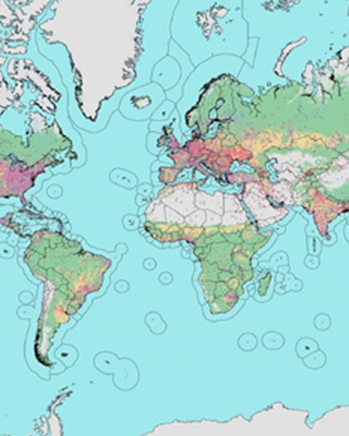
CARL STEINITZ, Alexander and Victoria Wiley Professor of Landscape Architecture and Planning, Emeritus, “Global to Local to Global Geodesign for Climate Change Mitigation (GLG) Workshop”
Friday, September 12 and Saturday, September 13, 2025
Registration required.
Piper Auditorium
KILEY FELLOW LECTURE
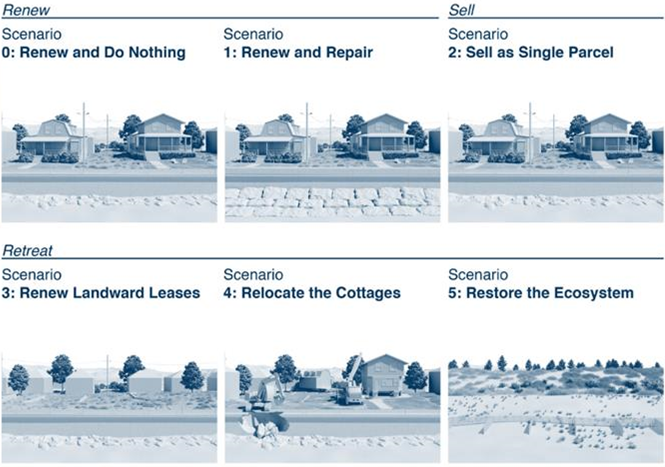
KIRA CLINGEN, 2024-2025 Daniel Urban Kiley Fellow and Lecturer in Landscape Architecture, “Place-Based Scenario Planning for the Climate Emergency”
Tuesday, April 15, 2025
11:15 a.m. to 12:45 p.m.
Frances Loeb Library Lobby
ROUNDTABLE
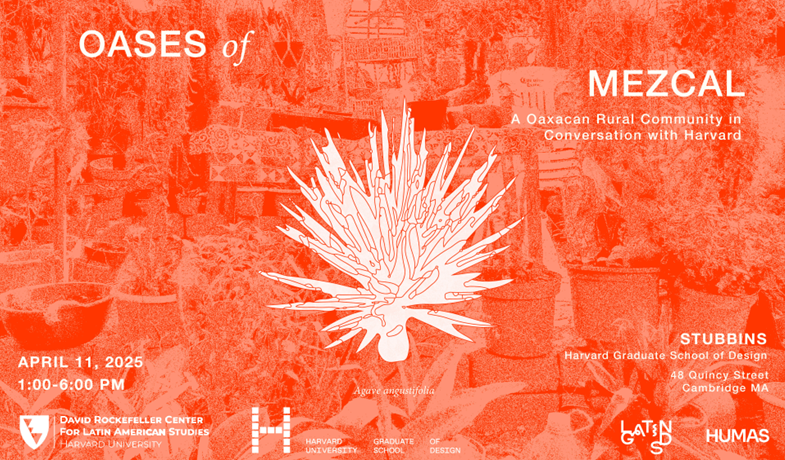
PABLO PEREZ-RAMOS, Associate Professor of Landscape Architecture and Guests, “Oases of Mezcal: A Oaxacan Rural Community in Conversation with Harvard University”
Friday, April 11, 2025
10:00 a.m. to 4:30 p.m.
Stubbins
LOEB LIBRARY LECTURE SERIES
CRAIG DOUGLAS, Assistant Professor of Landscape Architecture, “Digital Air: Mapping, Modelling, and Designing an Aerial Landscape”