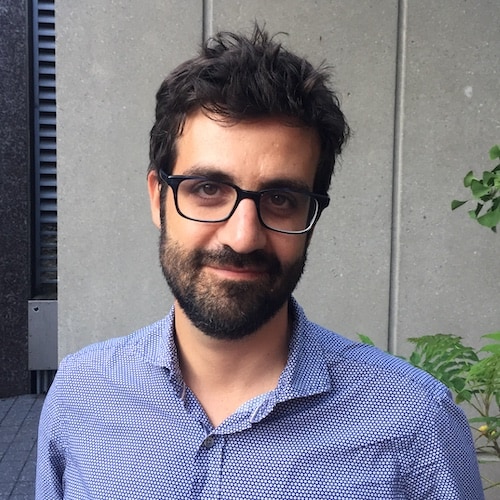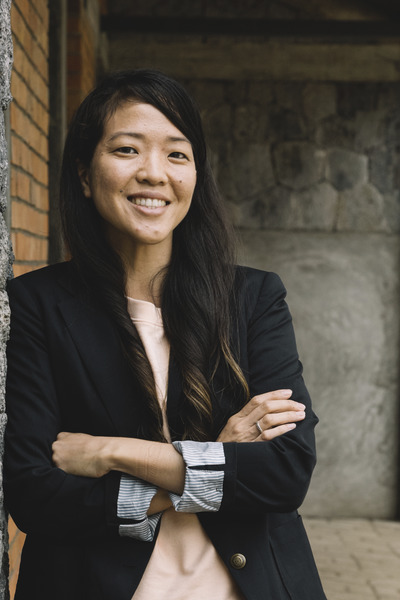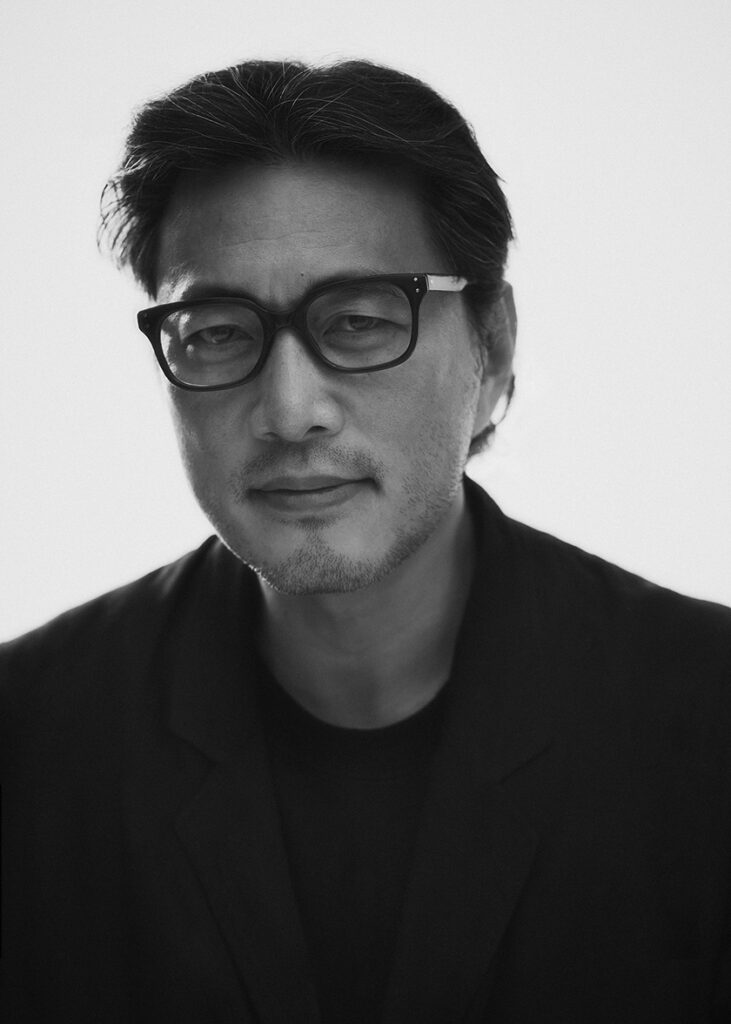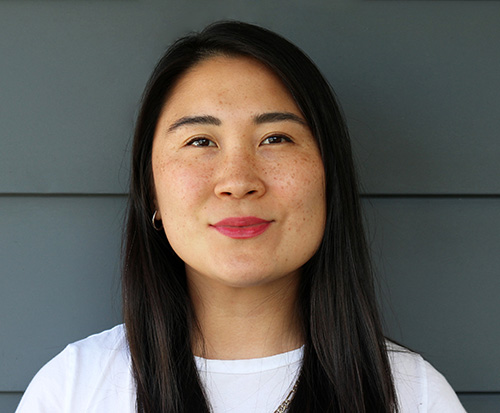
Mariana Alegre Escorza

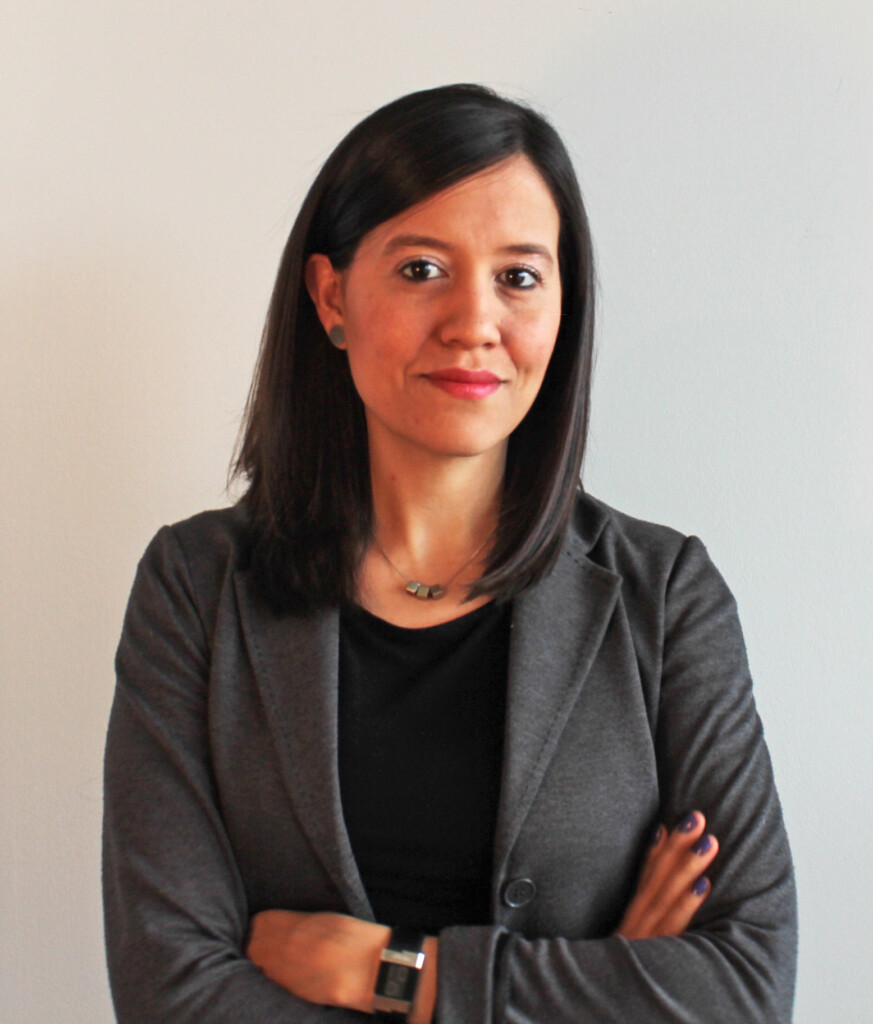
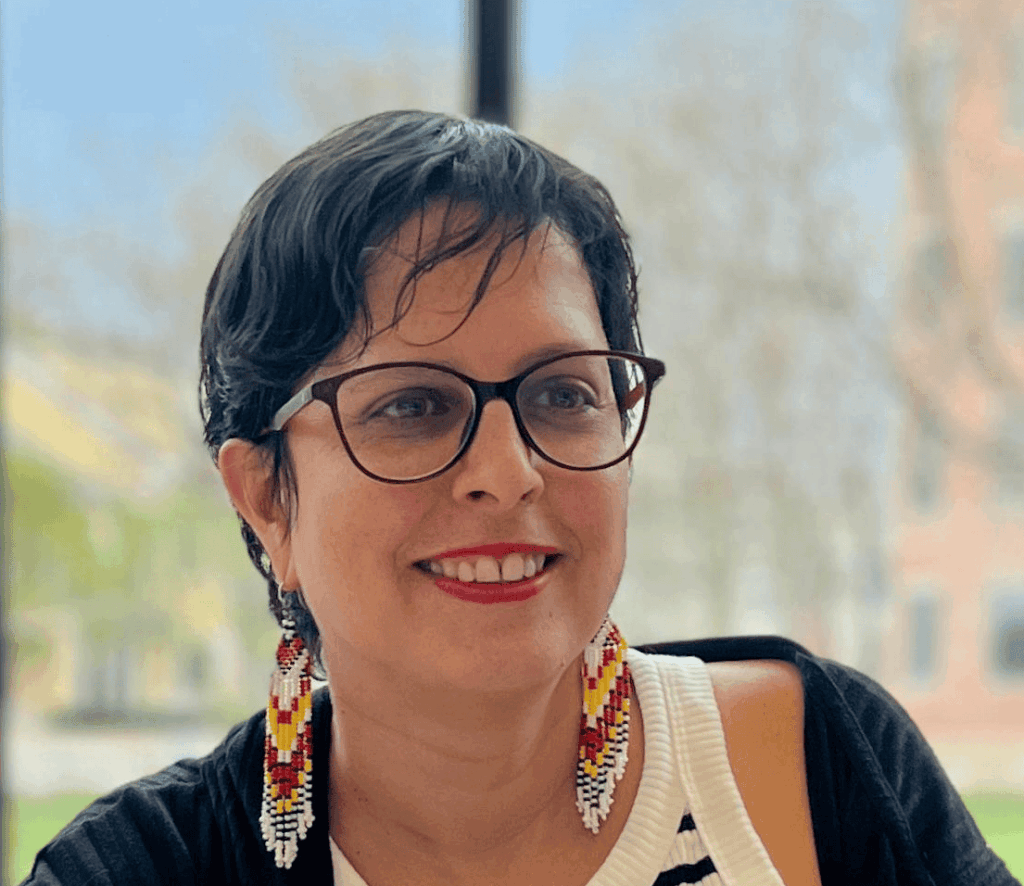
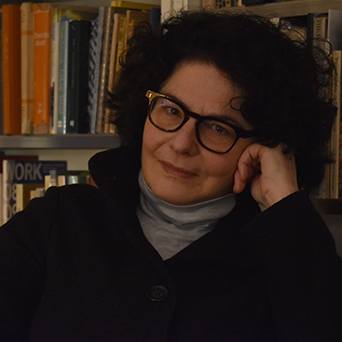
Mariana Alegre Escorza is Lecturer in Urban Planning and Design at the Harvard Graduate School of Design and the founder and executive director of Sistema Urbano , a Latin American urban innovation ecosystem that integrates data, participation, and collaborative action to transform cities and territories. Her work seeks to improve quality of life by advancing citizen-led urbanism to address urban inequity, spatial injustice, and climate challenges. She bridges research, policy, and practice through participatory processes, civic engagement, and cross-sector collaboration, with a focus on urban mobility, public transit and active modes, climate resilience, land use, and the co-creation of public space. Alegre believes in community care and community power as essential drivers for advancing public goods.

Alegre has founded and led multiple award-winning platforms. Lima Cómo Vamos , an independent urban observatory, has produced more than 30 surveys and reports influencing public policy and community action. Ocupa Tu Calle  has transformed over 50 public spaces, shaped national and local policy, trained mayors and public officials, and partnered with multilateral organizations to scale participatory approaches across Latin America. She also established Ciudades Cómo Vamos – Perú, a national civic observatory network; Nodal, a regional platform connecting urban changemakers across Latin America; and Clima Urbano, an initiative advancing socio-ecological responses to environmental and health crises. She has served on national and municipal advisory committees, including Peru’s Bicentenary Special Project; designed participatory frameworks for local governments; and worked with communities throughout Peru and Latin America to co-produce public goods and strengthen resilience.

Her academic work includes teaching at the Pontificia Universidad Católica del Perú in the Master’s program in Architecture, Sustainable Urbanism, and Territorial Development, as well as in the Law School and the School of Management. She is a tenured professor at the Faculty of Management Sciences. Alegre has designed and delivered courses on urbanism, citizenship, the right to the city, urban and social management, and environmental and social innovation, in addition to directing the Law Clinic on Sustainable Cities. She has advised graduate theses and authored publications on public space, citizen-led urbanism, mobility justice, inequality, and risk management. In addition to her academic and civic leadership, Alegre is a skilled communicator and public voice, with experience as a columnist and radio presenter on urban issues.

Alegre’s leadership has been recognized with the Loeb Fellowship at Harvard GSD (2024–25), inclusion in Forbes Peru’s “Most Powerful Women” list (2022), and designation as a Remarkable Woman in Transport by Women Mobilize Women & TUMI (2019). She has participated in global exchange and leadership programs with the U.S. Department of State, the French Ministry of Foreign Affairs, the International Affairs Office of Bordeaux Métropole and international universities such as MIT (MetroLab IAP), Aalto University and the Technical University of Dresden (CIPSEM).

She holds a MSc in City Design and Social Science from the London School of Economics as a Chevening Scholar, a Master’s in Human Rights, and a Law degree from the Pontificia Universidad Católica del Perú.

Li Hou

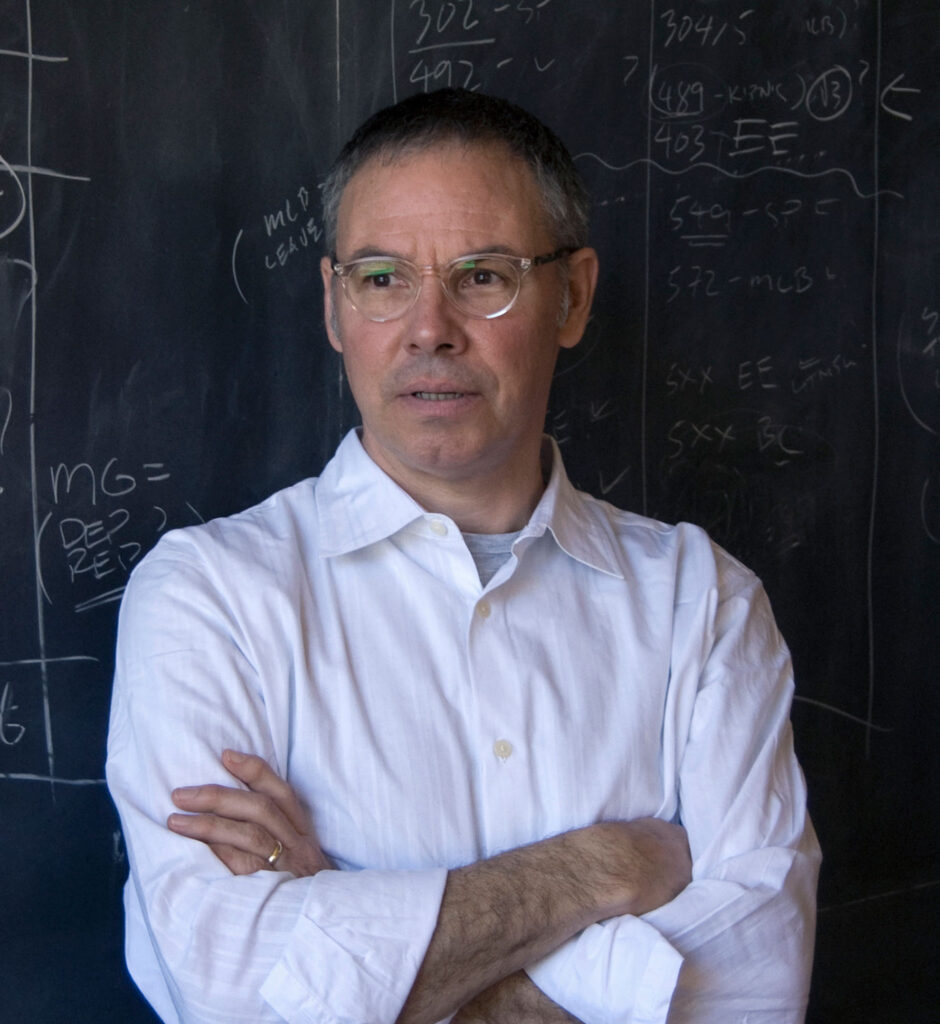
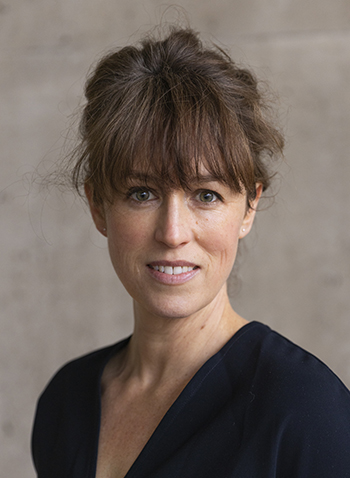
Li Hou is Lecturer in Urban Planning and Design at the Harvard University Graduate School of Design. She teaches Comparative Planning Regulations in the spring semester, and assists the chair, program director, and coordinator with the UPD administration support responsibilities.

Hou is a planning scholar, educator, and practitioner with rich experiences. Her research interest lies at the intersection of history and theory of urban and regional planning, planning regulations, and spatial politics. She has authored over 50 book chapters and articles in scholarly journals and regularly contributes to urban and planning issues in public media. Her first English book, Building for Oil: Daqing and the Formation of the Chinese Socialist State (Harvard Asia Center, 2018, reprinted in 2021) received the 2020 First Book Prize for the Most Innovative Book in Planning History, awarded by the International Planning History Society. The SDX Joint Publishing Company 三联书店 will publish the Chinese version in 2024. Other noteworthy books published in Chinese include Richard Paulick in Shanghai, 1933-1949: The Postwar Planning and Reconstruction of a Modern Chinese Metropolis (Tongji University Press, 2016), An Academic History in China’s Urban and Rural Planning Discipline (book chapters, China Science and Technology Press, 2018).

Before joining Harvard, Dr. Li Hou held the position of Professor of Urban Planning at Tongji University and served as the Ph.D. program director at the Department of Urban and Rural Planning. She has been a research affiliate at the MIT Sustainable Urbanization lab since 2023 and was a Harvard-Yenching Coordinate Research Scholar from 2014 to 2015. In practice, Hou has been a registered planner at the Tongji Urban Planning and Design Institute since 2000, an expert member of the Shanghai City Planning Commission since 2012, and the vice secretary-general for the Academic Committee of Regulatory Planning, Urban Planning Society of China, since 2018. In academic services, she is a council member of the International Planning History Society, and a Global Urban History Project board member who chairs the prize committee for emerging scholars. She has served on numerous editorial boards, including China City Planning Review, and is a guest editor for Time + Architecture.

Growing up on an oil field in North China, Hou entered Tongji University to receive her training in architecture and urban planning. She was later awarded the Frank Tsao Chinese Teachers’ Fund to study at the Harvard University Graduate School of Design. At Harvard GSD, she received a Master of Design Studies and a Doctor of Design with a concentration in urbanization and housing.

Kristen Hunter

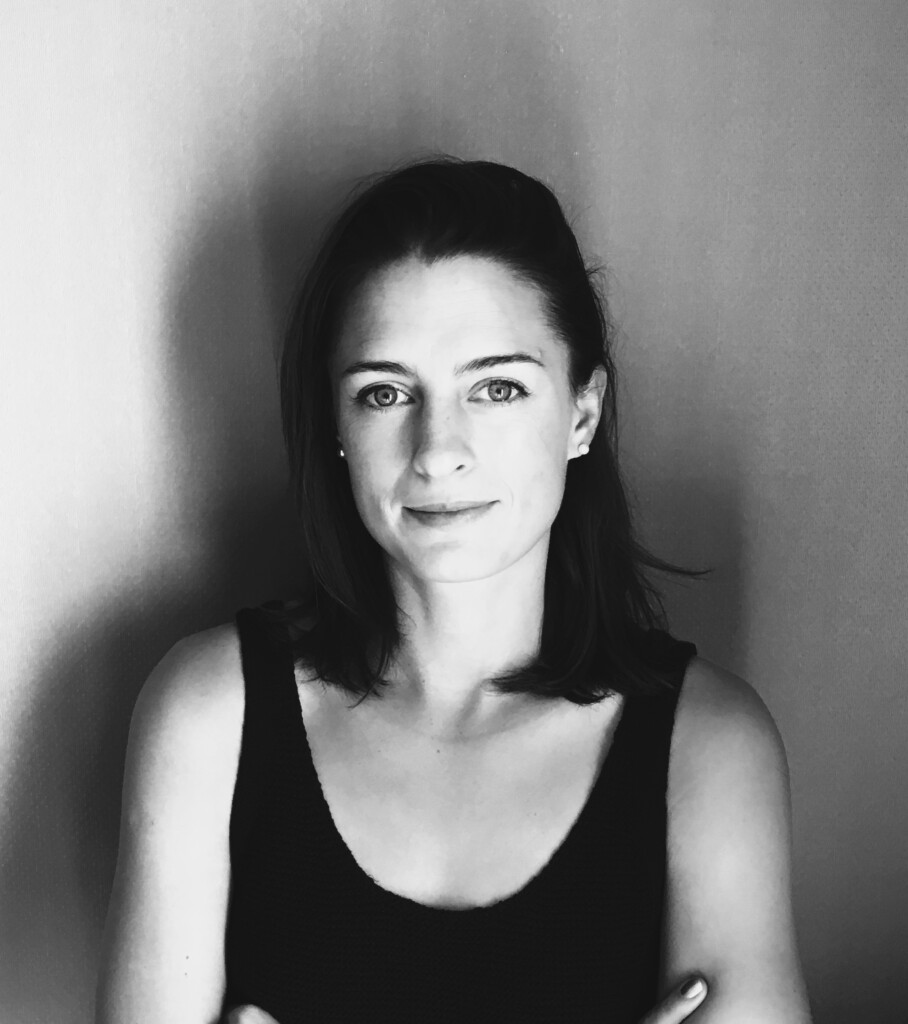
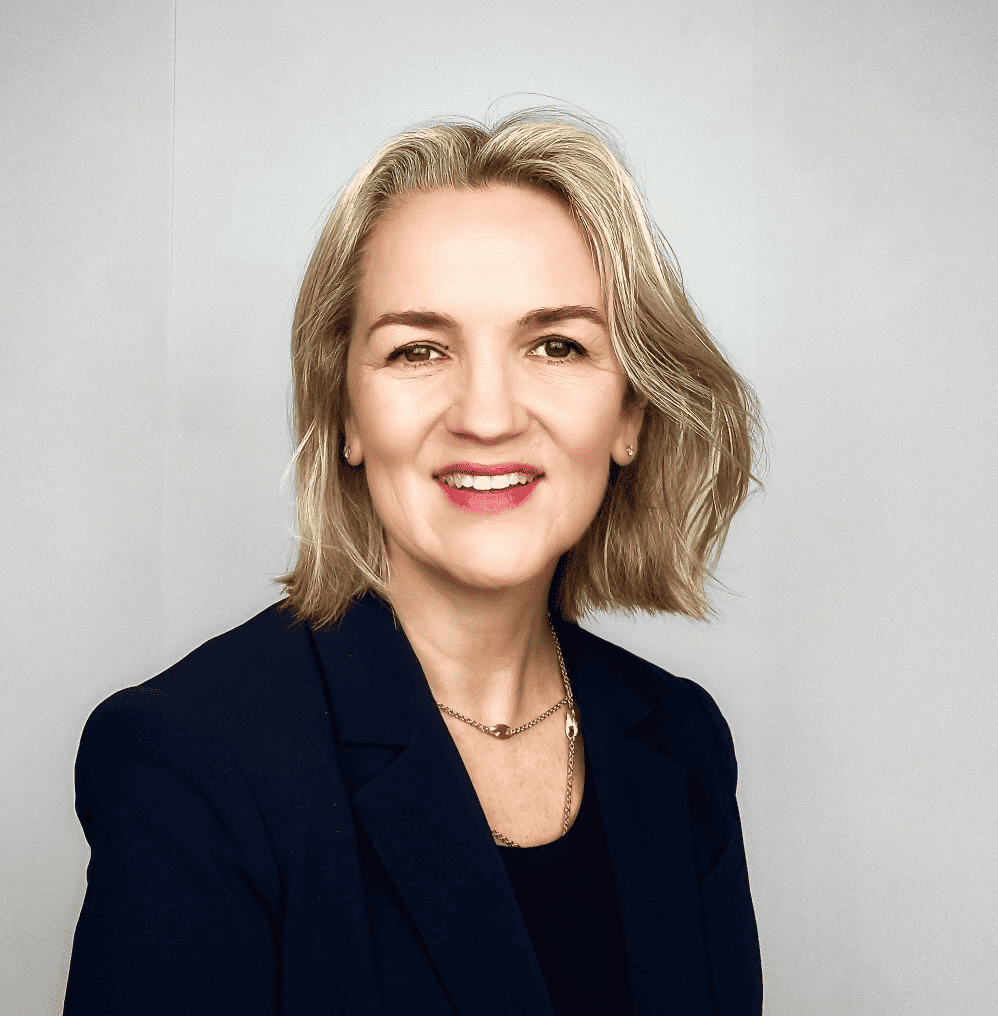
Kristen Hunter is a dedicated educator with two decades of experience in collegiate, graduate, and executive education. Since 2010, she has taught real estate finance and urban development at the Graduate School of Design. She has taught Public and Private Development with Professor Jerold S. Kayden. She also works with Professor Jerold S. Kayden, Founding Director of the Master in Real Estate Program, as Special Assistant to the Master in Real Estate Program. 

Kristen’s research has explored the efficacy of Massachusetts’ Community Preservation Act-funded subsidies in expanding affordable housing options in municipalities across the spectrum of fiscal and institutional capacities, socioeconomic profiles, land-use regulatory environments, and real estate market dynamics. Her research interests also encompass public­­­‑private partnerships, infrastructure finance, public finance, institutional and non-profit development, and socially responsible investment.

Her work has been featured in The Cheonggyecheon Restoration Project: A City and its Stream  and Methodological Notes on the Spatial Analysis of Urban Formation. She provided research support for Professional Real Estate Development: The ULI Guide to the Business, 3rd edition and The Evolution of Residential Land Use Regulation in Greater Boston case studies published by Harvard’s Joint Center for Housing Studies. She has authored a number of real estate finance teaching cases as well as a series of case studies on best practices in the delivery of federal construction projects for the U.S. General Services Administration Public Buildings Service, where she served as an instructor at the agency’s semi­­­‑annual academy.

An experienced development manager and LEED AP, Kristen has been a strategic consultant for complex urban development projects in domestic and overseas markets. She began her real estate career with a Boston-based boutique real estate development and construction firm, directing project acquisitions, regulatory affairs, construction management, and dispositions for infill residential and transit-oriented mixed-use developments. She is a licensed construction supervisor and real estate broker, and a founding member of the Harvard Alumni Real Estate Board.

Kristen received a Doctor of Design in Real Estate Finance and Urban Development along with a Master in Design Studies with distinction in Real Estate and Project Management from the Graduate School of Design, earning the Gerald M. McCue Medal for highest overall academic record and the Ferdinand Colloredo‑Mansfeld Prize for superior achievement in real estate studies. She was honored twice with the Graduate School of Design Alumni Council Unsung Hero Award and was elected Master in Design Studies class marshal. Kristen also holds an M.A. in Medieval Chinese History from Cornell University and an A.B. cum laude in East Asian Languages and Civilizations from Harvard University.

Eugenio Simonetti

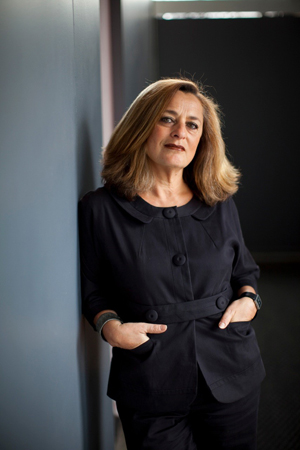
Eugenio Simonetti Toro is an Architect and Urban Designer living and working in Chile. Born in 1980 in Santiago de Chile, he holds a degree in Architecture at Universidad Finis Terrae (Summa cum laude 2004) after a year at the Scuola di Architettura Urbanistica in the Politecnico di Milano, Italy. In 2008, he received an MAUD degree from the Harvard Graduate School of Design.

Professor Simonetti has taught several studios and seminars related to architecture, urbanism and infrastructure at Universidad Finis Terrae, Universidad Andres Bello, and Universidad Mayor in Chile. In 2011, he was invited to teach at the Architectural Association Politic of Fabrication Laboratory and worked together with the School of Architecture of the University of Minnesota in 2013. While he was a student at Harvard he was an Urban Design Instructor at the 2007 Career Discovery Program.

Currently, he is a Professor at the Centro de Ecologia, Paisajismo y Urbanismo of Universidad Adolfo Ibañez in Chile. Some of his built work has been exhibited in the 14th Biennale di Architettura di Venezia in 2014, XVIII Chilean Bienal in 2012, XIX Chilean Bienal in 2015 and the XVIII Bienal Panamericana de Arquitectura. In 2016, he was nominated for the Mies Crown Hall Americas Prize for Emerging Architecture at the Illinois Institute of Technology in Chicago for his office building Costanera Lyon 2.

After his MAUD at Harvard in 2008 he become one of the founders of Almahue S.A. Architecture and Real Estate Company in Chile where he works until today as Principal Architect and a Board Member of the Construction Company since 2018.

For the past few years he has been leading a social oriented research about urban operative infrastructure in the most segregated areas of Santiago de Chile currently supported by Aguas Andinas S.A. (The biggest drinking water Company in Chile) and the Inter-American Development Bank. Today, he is building a 50-acre Masterplan with a Preservation zone designed together with the connoted Chilean Landscape Architect Teresa Moller.

Since 2005 he is married to the award winner children’s books author and artist Maya Hanisch Cerda.

Jungyoon Kim

Jungyoon Kim is a practicing landscape architect, registered in the Netherlands (Tuin- en landschapsarchitect) and in the state of Massachusetts, USA (Professional Landscape Architect). She found PARKKIM with Yoonjin Park in Rotterdam, upon their winning of the Taiwan Chichi Earthquake Memorial Design Competition (2004), and relocated to Seoul, Korea (2006). PARKKIM completed projects of diverse scale and nature, ranging from corporate landscapes to civic venues, including Seoul Museum of Craft Art (2021), Hyundai Motor Group Global Partnership Center and University Gyeongju Campus (2020), the Plaza of Gyeonggi Provincial North Office (2018), CJ Blossom Park (2015), and Yanghwa Riverfront (2011). Current ongoing projects include Suseongmot Lake Floating Stage in Daegu, Korea, for which PARKKIM won the international invited competition in 2024 and is to be completed in 2026.

In 2025, PARKKIM PLLC opened in Massachusetts, aiming to expand its practice beyond the Korean peninsula.

She published the book ‘Alternative Nature’ (2015), co-authored with Park, which is a compilation of articles written by the two principals and published in various media since 2001. The term ‘alternative nature’ was first presented in their essay ‘Gangnam Alternative Nature: the experience of nature without parks’, published in the book ‘Asian Alterity (ed. William Lim, Singapore: 2007)’, rethinking the concept of ‘natural’ within the context of contemporary East Asian urbanism.

Upon her appointment at Harvard GSD, Kim has expanded PARKKIM’s design research into the seminar courses and option studios: When her seminar “Lost and Alternative Nature: Vertical Mapping of Urban Subterrains for Climate Change Mitigation” explored the implication of urbanization on both above/underground in 12 mid-latitude cities, her another discussion-based seminar “Origins and Contemporary Practices of Landscape Architecture in Asia” introduced and discussed many of amazing yet under-discussed landscape practices of the region. Jungyoon’s series of option studios, titled “Below, Above, and Beyond,” explored the underground of Seoul, Antwerp, and Boston, to see how innovative connections between the above and below ground would create novel public spaces in the era of climate change. Her recent studies on Japan specifically focus on the hydrology of cities as an agency to enhance the quality of life of citizens in public spaces.

Jungyoon was selected as the ‘Design Leader of Next Generation’ (2007) awarded by the Korean Ministry of Commerce and appointed to ‘Seoul Public Architect’ (2011) by the Metropolitan Government Seoul.

She received a Master of Landscape Architecture from the GSD and a Bachelor of Agriculture from Seoul National University with distinction.

Craig Douglas

Craig Douglas is a Landscape Architect whose work focuses on innovative techniques and methodologies that explore the agency of representation in landscape architectural design. He is an Assistant Professor in the Landscape Architecture Department at the Graduate School of Design, Harvard University. His work explores the landscape as a dynamic material process in a constant state of flux through analytical and conceptual approaches integrating drawing, modelling, simulation, and sensing to make visible and reconstitute the landscape as a complex temporal and material manifold of differential space.

His work on ‘Digital Air’ claims air as matter by reconceptualising it as a material that is both corporeal and technological. In resisting conventional forms of definition and representation, air as matter invites the potential of emergence and production to augment our static realities. This material dialectic changes how we perceive and understand the scope of landscape architecture and how we might compose the architecture of our cities and landscapes in which air is identified as a principal agent for design.

The research explores the measuring and mapping of the air as matter oscillating between physical, corporeal, and cultural definitions by redefining it as a landscape of living and living space through atmospheric encounters. This is an investigation and reconceptualization of air as a dynamic, emergent process displaying flows, forces, and forms of change in a constant and unstable state of flux across a range of spatial scales, physical states, and temporal modes. Shifting the perception of air from an immaterial and wholly natural element to a material matter co-created by humans requalifies its significance, highlights the precarious relationship we have with it, and provides ways through which we might reconceptualise air and our relationship with it. ‘Digital Air’ considers the potential to inform new modes of understanding and practice that are relevant to the changes the climate crisis brings by making it possible to respond to projected states of being and to simultaneously consider how we might act through dynamic states of change.

His approach supports informed and innovative responses to the challenges found at the nexus of the social, ecological, and built environment that embrace the spatial, temporal, and material complexity of the landscape. It explores design as an activity of making and as an agent for understanding and responding to the challenges of urbanisation in a rapidly changing world that contributes to the complexity of the contemporary city in the age of climate crisis.

Douglas’ teaching includes the coordination of the Landscape Architecture Core II Design Studio and Representation II courses alongside Option Studios, Seminars, Independent Studies, Core III, and Thesis supervision. He has practised in offices in Australia, The Netherlands, and the United Kingdom on complex urban projects and continues to collaborate on projects with practices around the world.

Student Supervision Awards

Winner of the Thesis Prize in Landscape Architecture 2024: Seeding Grounds: Working Beyond Arcadia in The Pyrocene

Winner of the Thesis Prize in Landscape Architecture 2023: Kevin Robishaw’s Manatees and Margaritas: Toward a Strange New Paradise

Winner of the Thesis Prize in Landscape Architecture 2018: Seok Min Yeo’s Wild: Manhattanism Unhinged

Climate change, transportation, urbanism: 2019 ASLA Student Award winners tackle pressing landscape issues

Housing, politics, climate change, ecology: range of student projects honored with 2018 ASLA Awards

David Rubin

David Rubin, ASLA, FAAR / Principal

David A. Rubin is the founding principal of DAVID RUBIN Land Collective, a landscape architecture and urban design studio committed to practicing with an emphasis on socially-purposeful design strategies. Educated at Connecticut College and Harvard University, he has taught and lectured at a number of institutions, including Harvard University’s Graduate School of Design, University of Pennsylvania School of Design, and Southern California Institute of Architecture. David is the 2011-2012 recipient of the Rome Prize in Landscape Architecture from the American Academy in Rome. His projects have received awards and honors from the American Institute of Architects and the American Society of Landscape Architects, among others.

David founded Land Collective to devote himself to crafting landscapes which affect positive social change through empathy-driven design. His current commissions include a 6-acre public park in downtown Westfield, Indiana, the new Cummins Distribution Headquarters in Indianapolis, Indiana, and the University of Pennsylvania’s new South Bank Innovation Campus in Philadelphia, Pennsylvania called Pennovation Works. He was recently awarded the strategic development plan for Columbus, IN. Rubin’s key built works include: the creation of a new campus and commons for Eskenazi Health Services Hospital, Indianapolis; the landscape at the California Memorial Stadium at the University of California in Berkeley, CA; the 3-star Sustainable Sites certified Canal Park, and the Potomac Park Levee on the National Mall, both in Washington, D.C.; and the design of Lenfest Plaza at The Pennsylvania Academy of the Fine Arts in Philadelphia, PA. His studio’s work includes diverse typologies in locations from Los Angeles to Rome, New York City, Washington, D.C., the Cayman Islands, Indianapolis, Saint Louis, and Philadelphia.

Francesca Benedetto

Francesca Benedetto is a practitioner and an educator.

Her work centers on the interplay between city and nature, envisioning landscapes from both environmental and social perspectives, examining ecological processes, biodiversity, and climate adaptation while always considering the identity and memory of places.

In 2008, Benedetto founded YellowOffice, a landscape architecture, urbanism, and public art international firm based in Milan. The practice explores new typologies of public spaces capable of addressing the challenges of climate change and responding to the needs of diverse communities. Each project seeks to reintroduce an emotional and spiritual connection to the landscape, aiming to define commons that can truly reconnect people with nature.

YellowOffice engages with multiple scales of design, from territorial strategies, urban planning, public spaces, parks, cemeteries, and gardens to pavilions, interiors, and objects, and is regularly involved in projects within the public realm, mostly related to cultural and civic landscapes.

The practice has worked on numerous projects internationally, earning multiple awards. Among recent recognitions is the winning entry in the International Competition for the New European Library of Information and Culture (Nuova BEIC) (Milan, 2022, currently under construction), where the primary landscape intervention is a new forest plaza (Piazza BEIC).

Francesca Benedetto has published in leading design magazines such as San Rocco magazine, contributed essays to books including The Comedy and I in Reading Dante with Images edited by Matthew Collins and Luca Marcozzi, published by Harvey Miller (2026), and produced visual artwork included in publications such as The Sound of the Woodpecker Bill by Antonio Rovaldi, published by Humboldt Books in 2019.

Her work combines design with community engagement and awareness-raising, also through narrative media such as exhibition design, video and documentaries, mapping, and illustration.

And it has been exhibited, among others, at the inaugural Landscape Garden Exhibition at Agliè Castle (Turin, 2023), Omved Gardens (London, 2022), Palazzo Ducale di Urbino (2021–2022), Biennale di Pisa (2021), Trienal de Arquitectura de Lisboa (2019), Harvard GSD (2018–19), the first Chicago Architecture Biennial (2015), MAXXI Museo nazionale delle arti del XXI secolo (Rome, 2014-12), and the Venice Biennale of Architecture (2014).

Francesca Benedetto has taught and participated in panels and conferences at major universities, including Politecnico di Milano, Cass Cities at London Metropolitan University, University of Limerick, NABA, and IED. In 2014, she coordinated the Master’s in Land Design at IED Cagliari, and in 2015 served as Italian ambassador for IED. Since 2016, she has been a member of the Harvard Graduate School of Design faculty in the Department of Landscape Architecture.

Francesca Benedetto studied at Politecnico di Milano and Universidade Técnica de Lisboa. Since 2009, she has been a licensed member of the Order of Architects, Planners, Landscape Architects, and Conservationists of the Province of Milan.

Michael Manfredi

Michael A. Manfredi is the co-founder of WEISS/MANFREDI Architecture/Landscape/Urbanism, a multidisciplinary design practice based in New York City.

WEISS/MANFREDI is at the forefront of architectural design practices that are redefining the relationships between landscape, architecture, infrastructure, and art. Award-winning projects such as the Olympic Sculpture Park, Hunter’s Point South Waterfront Park, University of Pennsylvania’s Nanotechnology Center, Barnard College’s Diana Center, and the Brooklyn Botanic Garden Visitor Center construct reciprocal relationships between city and nature, architecture, and infrastructure. Recent projects include a master plan and mixed-use building for MIT’s Kendall Square, the Tsai Center at Yale University, the U.S. Embassy in New Delhi, India, and a reimagining of La Brea Tar Pits and Museum in Los Angeles. Most recently WEISS/MANFREDI was selected as design lead with Hood Design Studio to reimagine the West Side of Lincoln Center Campus in New York City.

Manfredi was born in Trieste, Italy and grew up in Rome. He received his Master of Architecture at Cornell University, where he studied with Colin Rowe. He is a founding member of the Van Alen Institute, a board member of the Storefront for Art and Architecture, and fellow of the Urban Design Forum.

Manfredi has taught at Cornell, Princeton, the University of Pennsylvania, and was the Eero Saarinen Visiting Professor at Yale University. He has been honored with the Cooper Hewitt National Design Award for Architecture, the Louis I. Kahn Award, the Academy Award for Architecture from the American Academy of Arts and Letters, the Architectural League’s Emerging Voices Award, Harvard’s International VR Green Urban Design Award, the New York AIA Gold Medal of Honor, the Thomas Jefferson Foundation Medal in Architecture, and has had exhibitions featured at the Museum of Modern Art, the Venice Biennale, the Louvre, and the Guggenheim Museum. He is a fellow of the American Institute of Architects and a National Academy inductee.

Princeton Architectural Press has published three monographs on his firm’s work entitled WEISS/MANFREDI: Surface/SubsurfaceSite Specific: The Work of WEISS/MANFREDI Architects, and Public Natures: Evolutionary Infrastructures. A new book, Drifting Symmetries, will be published in early 2024.

Andre Bideau

André Bideau is an architecture critic, theoretician and educator. He received a Master of Architecture from ETH Zurich and, subsequently, a PhD in art history from Zurich University. Bideau was a research fellow at Internationales Zentrum für Kulturwissenschaften in Vienna and editor in chief of Swiss architecture periodical Werk from 1996 to 2002. He has taught seminars at GSD since 2010 with an emphasis on the link of the urbanization process and architecture production. He teaches and has taught at architecture schools and art history departments in the United States and in Europe (Cornell University, Pratt Institute, University of Pennsylvania, Accademia di Architettura Mendrisio, University of Zurich, ENSA Paris-Malaquais).

Bideau is interested in the manifestation of identity politics both in postmodern cities and in architecture culture. His work on O.M.Ungers belongs to his research on the relationship of architectural discourses and the urban condition since 1968. This ongoing project has led to numerous publications and lectures addressing deindustrialization and contemporary urban governance, particularly in Zurich where Bideau is based today as a contributor for the Swiss daily Neue Zürcher Zeitung.