John May

On leave for Fall 2025

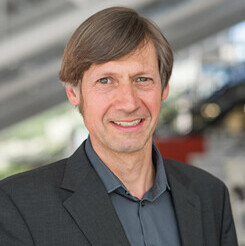
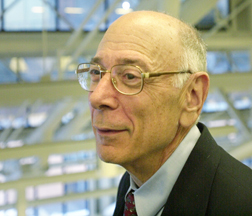
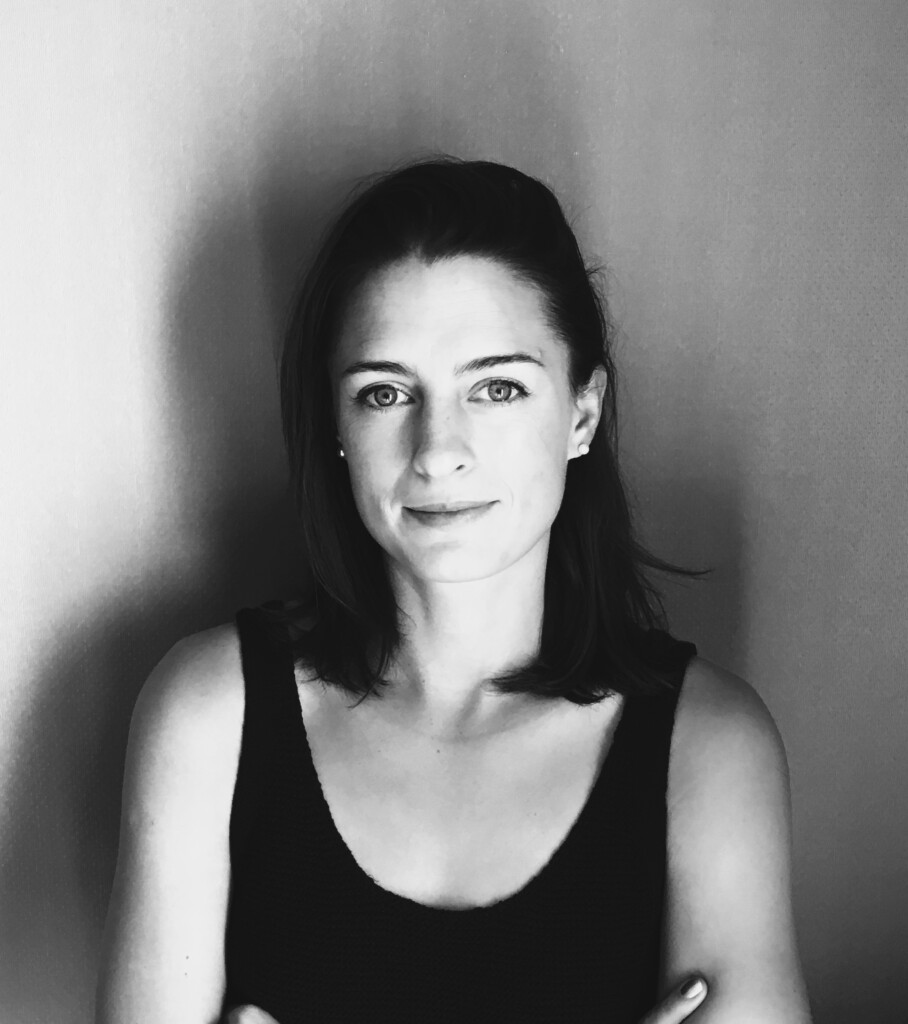
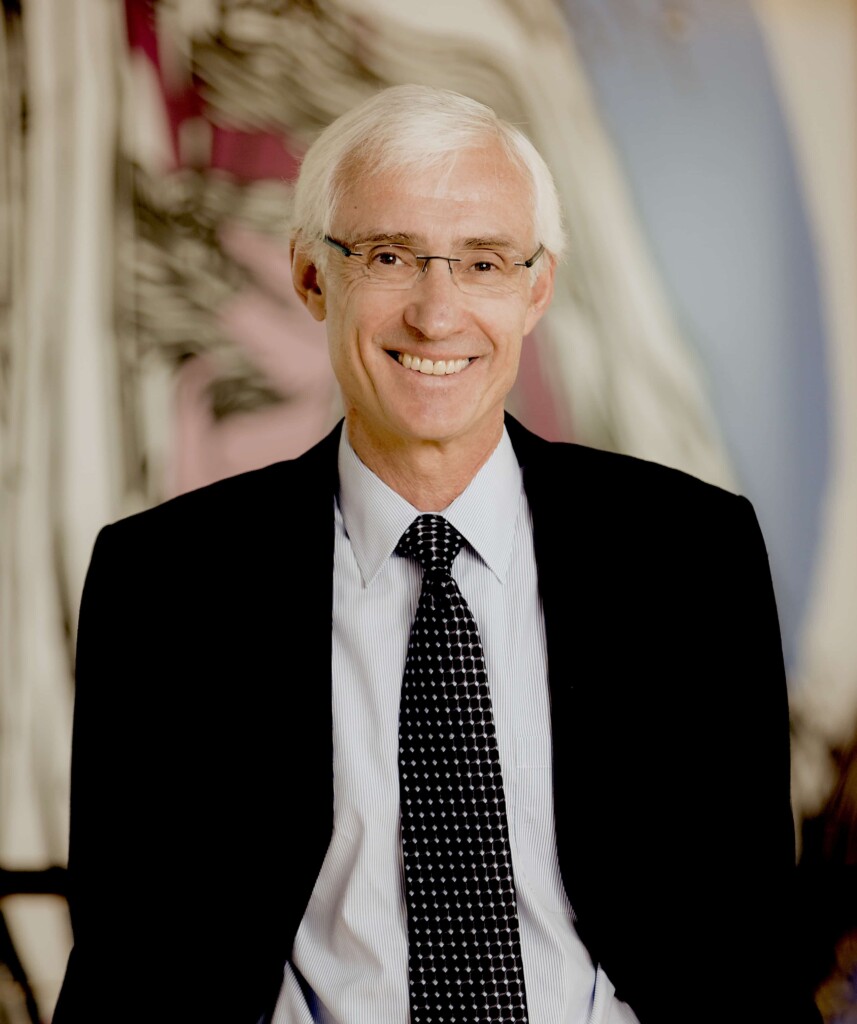
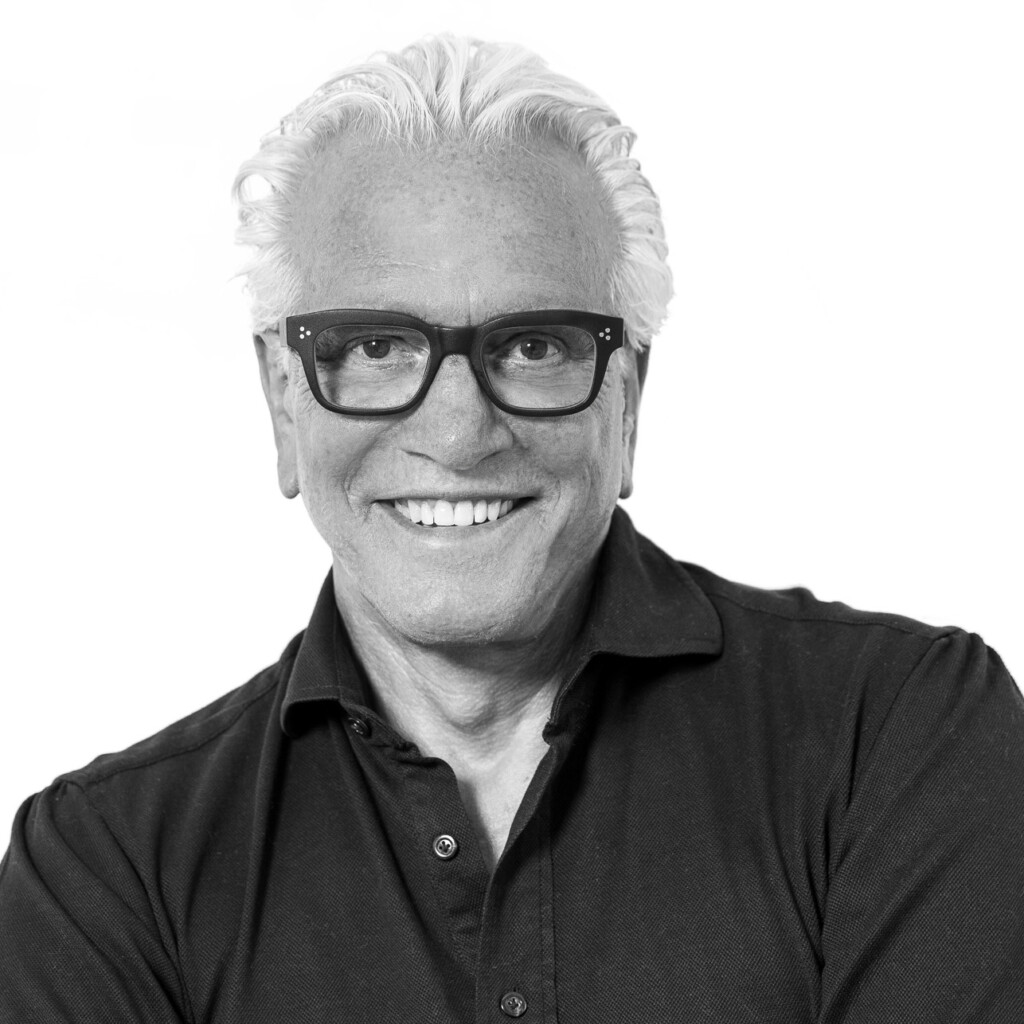
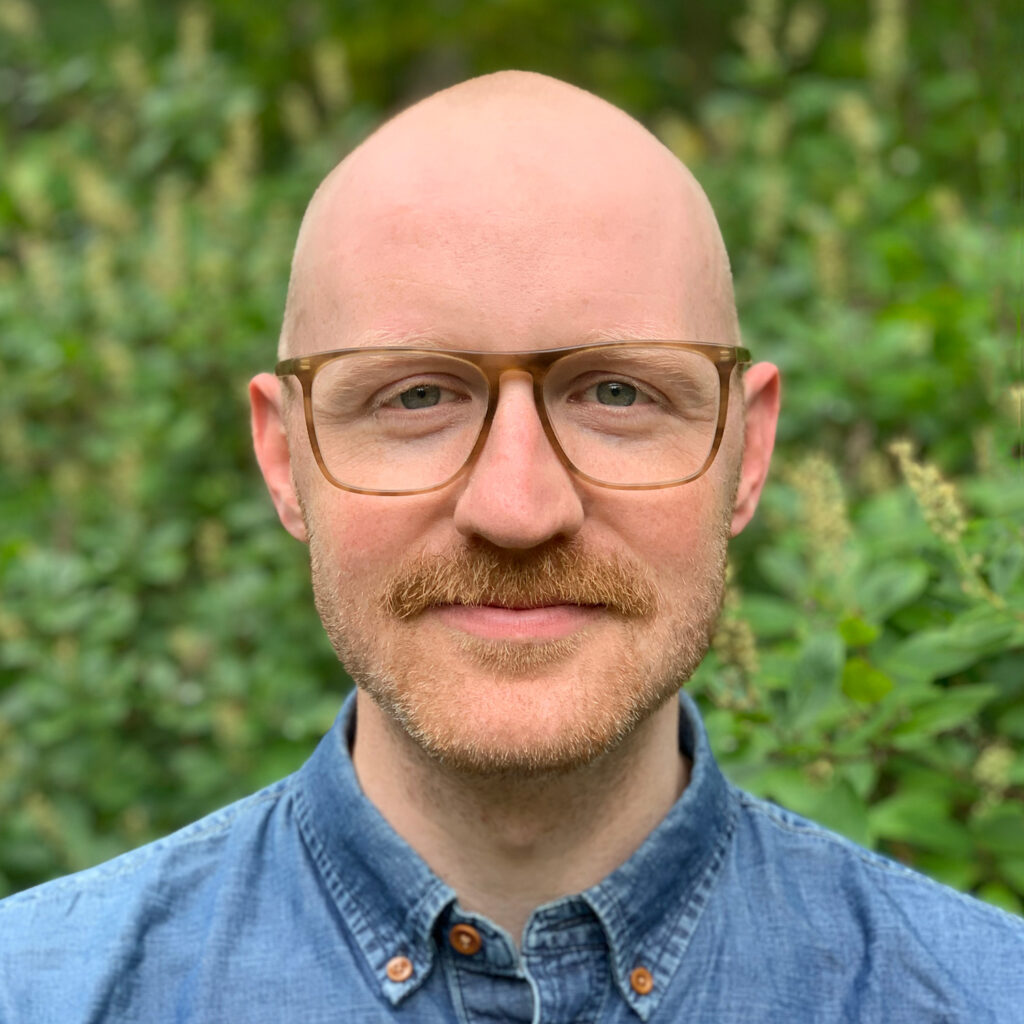
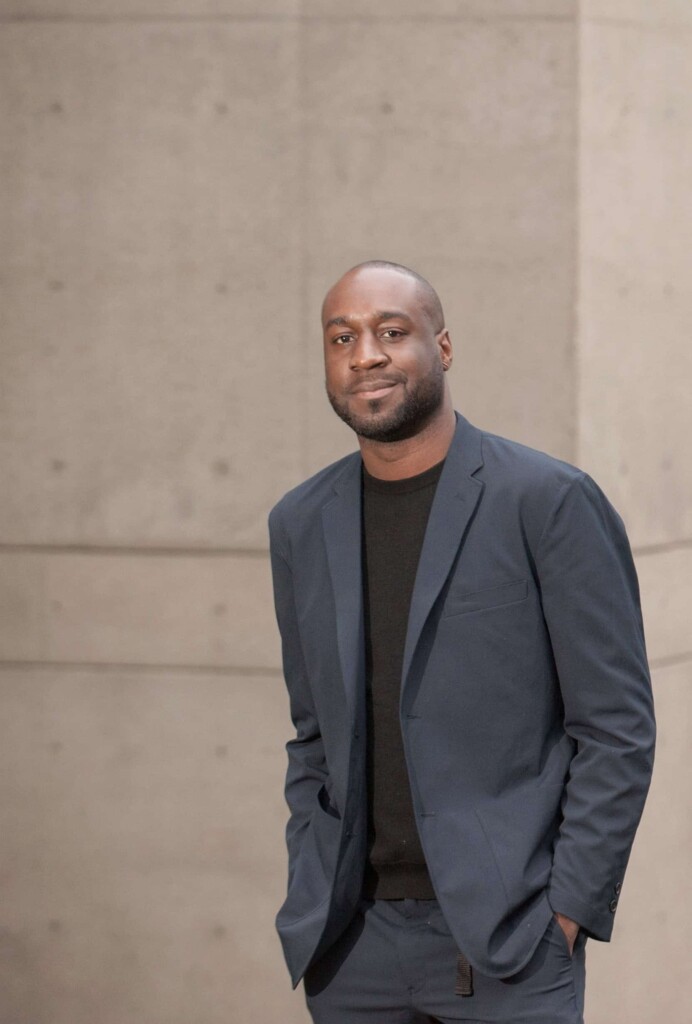
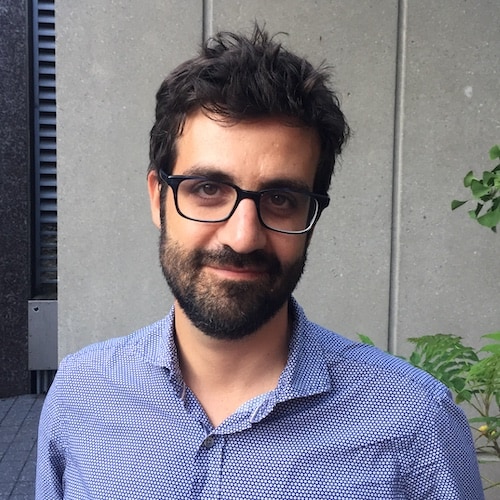
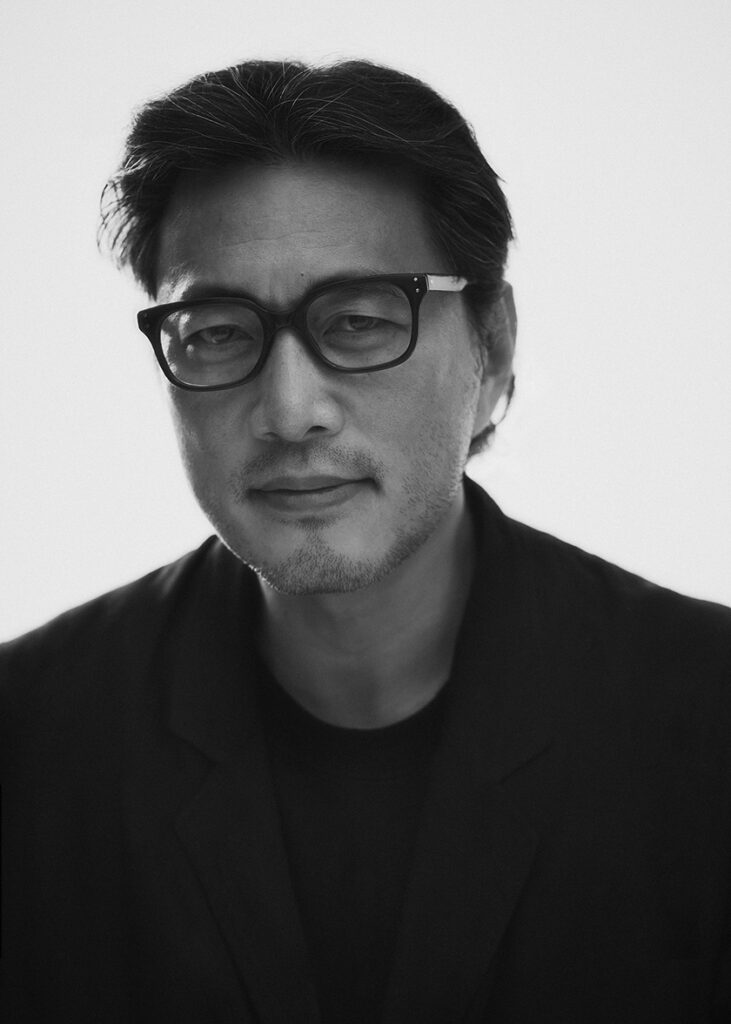
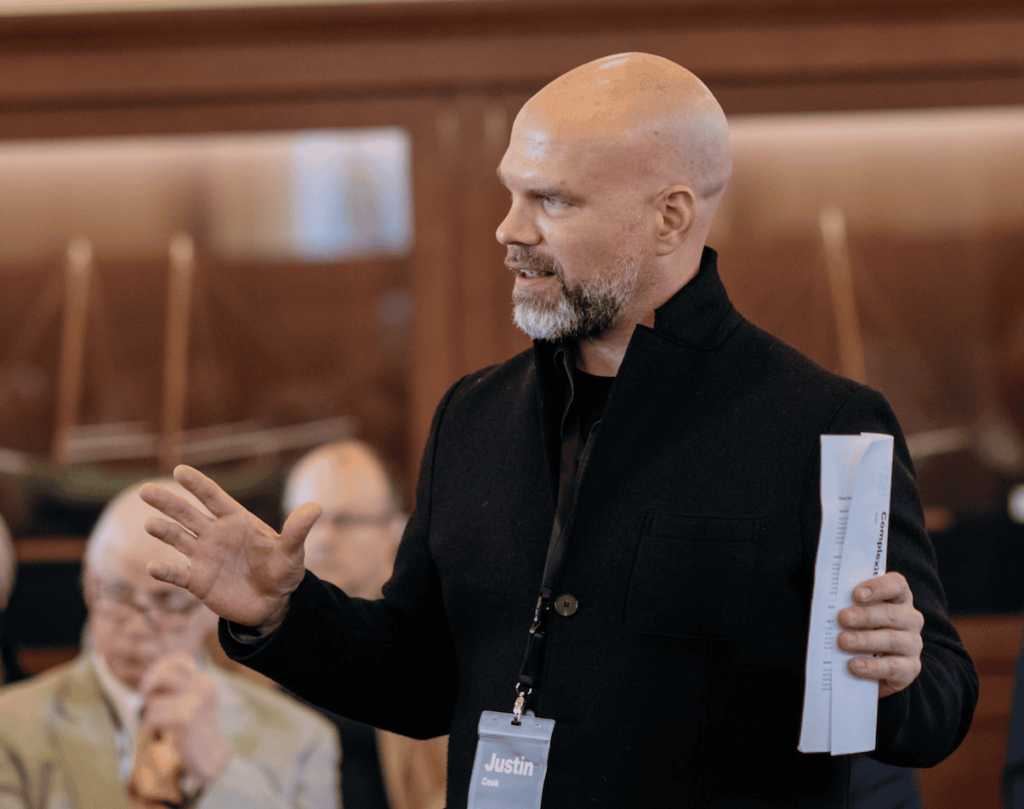
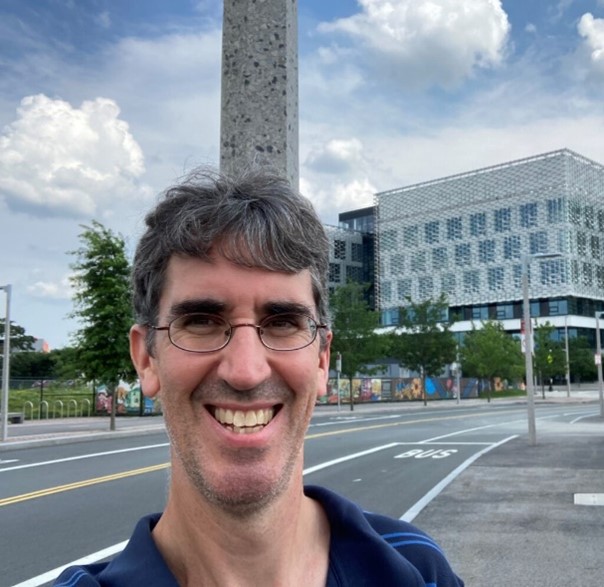
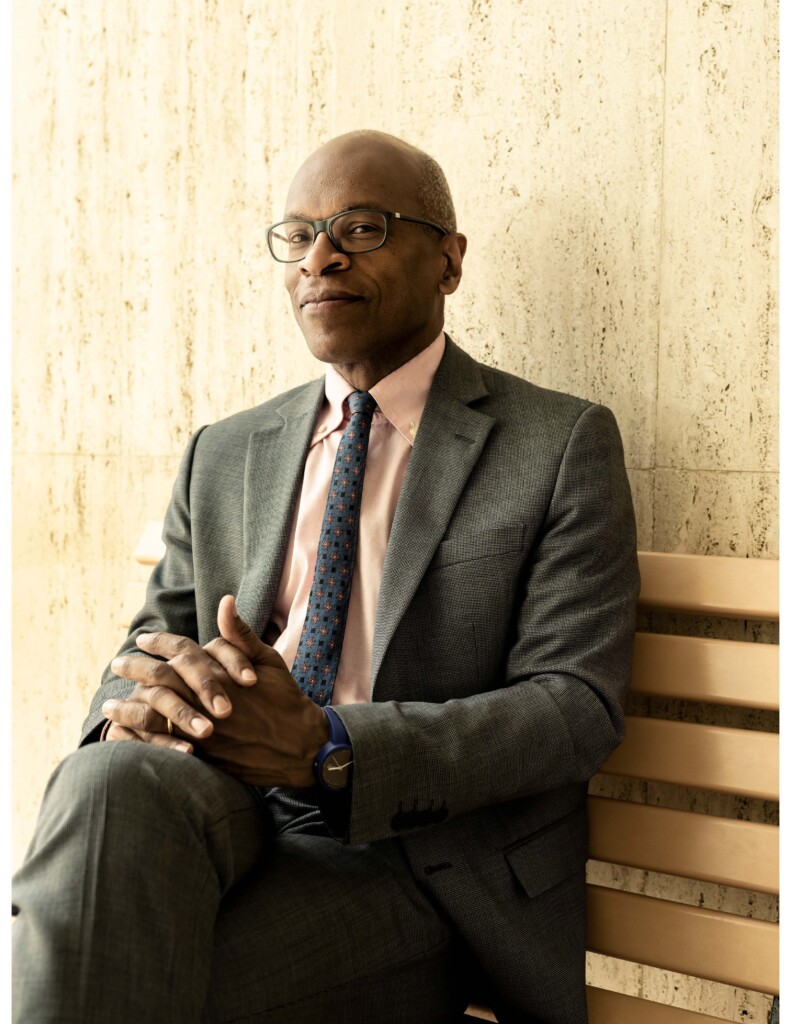
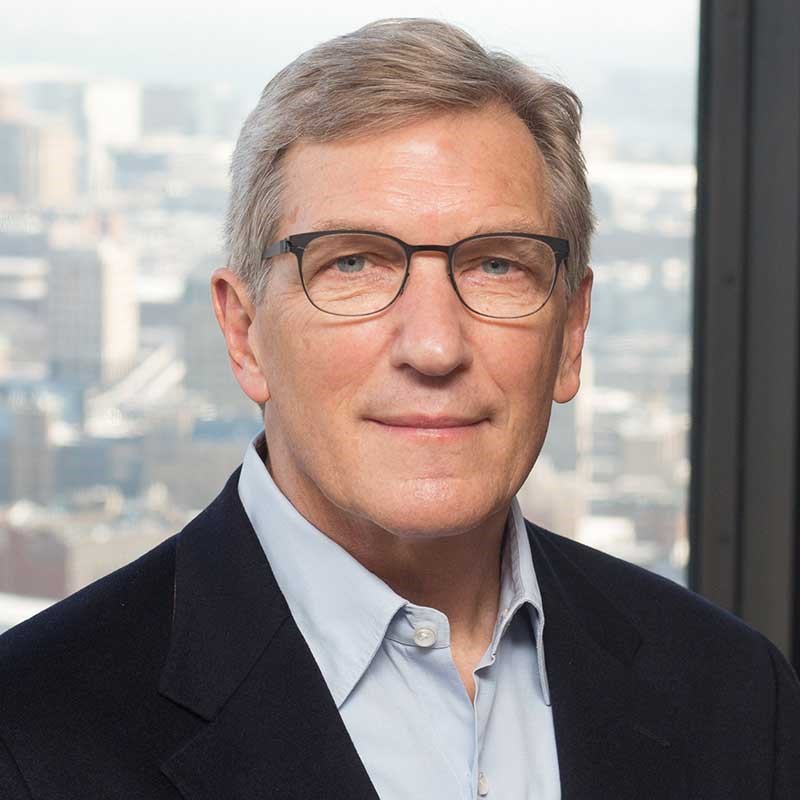
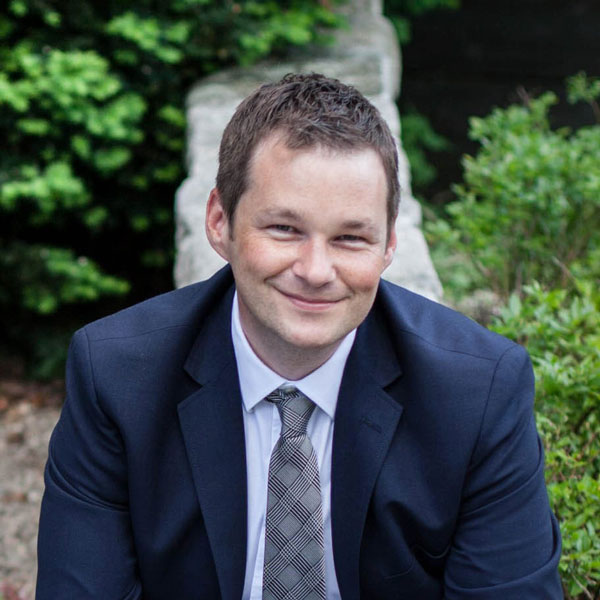
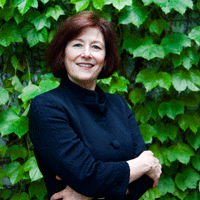
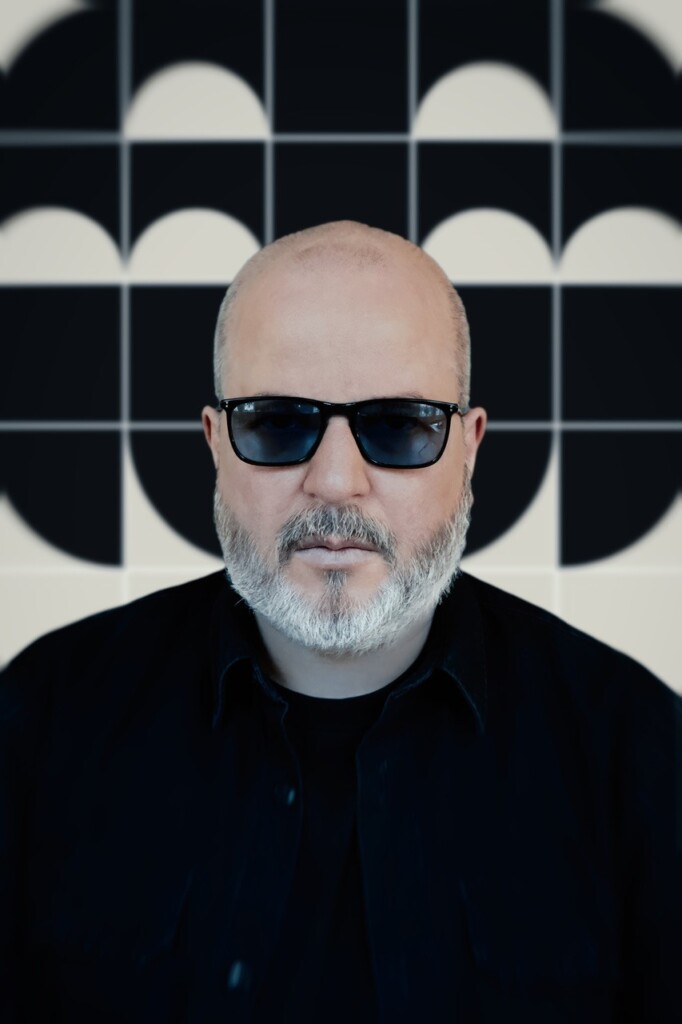
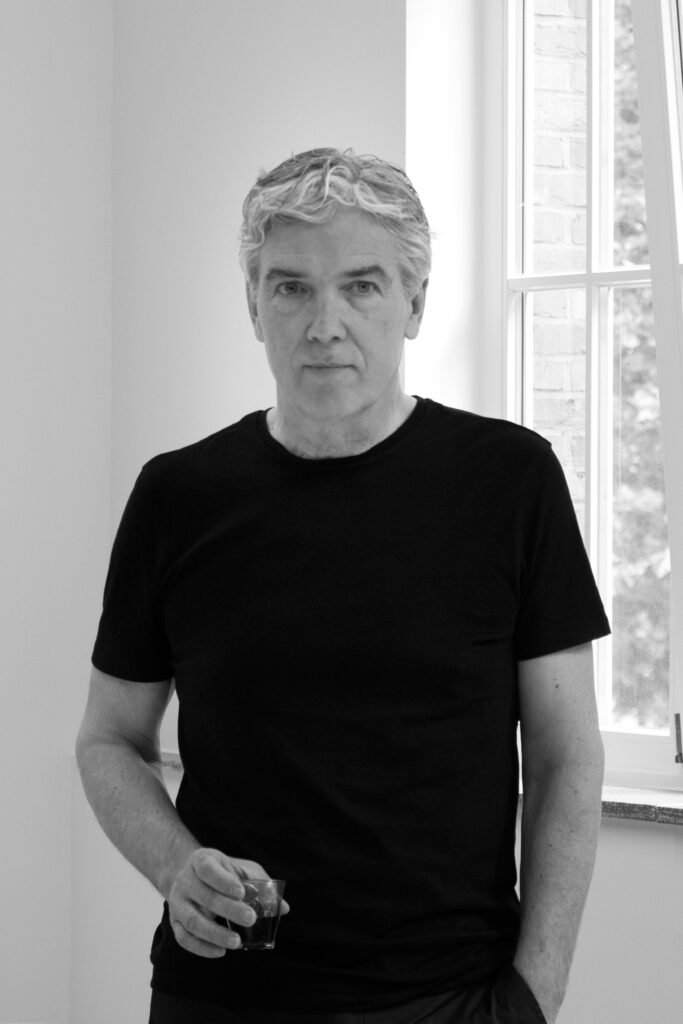
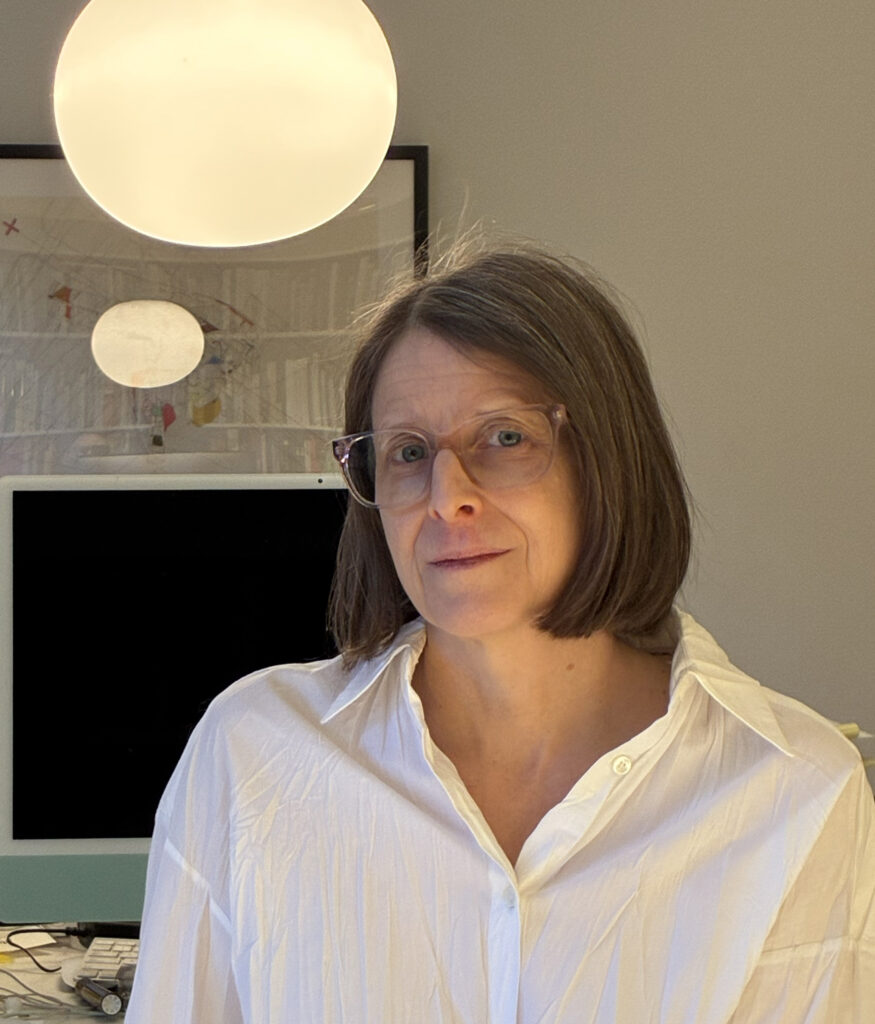
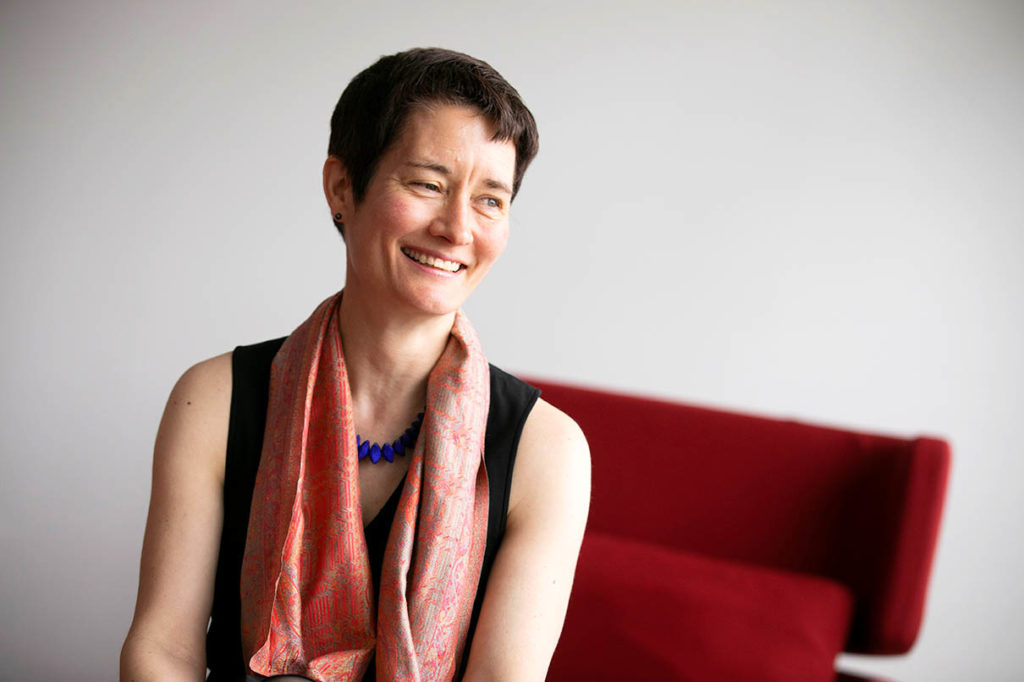
John May is founding partner, with Zeina Koreitem, of MILLIØNS , a Los Angeles-based design practice. Their recent work includes completed and ongoing projects in California, New York, Boston, Germany and Beirut. Recently selected as the winner of an international competition to reimagine the west wing of I.M. Pei’s Everson Musum, in Syracuse, NY, MILLIØNS’ experimental work has been featured in solo and group exhibitions at Friedman Benda Gallery, the Storefront for Art and Architecture, The Architecture + Design Museum of Los Angeles, and Jai & Jai Los Angeles, among others. Their essays have appeared in Harvard Design Magazine, e-fluxFlaunt magazine, I.D.a+t, and in a catalog of their work on experimental collective living, New Massings for New Masses: Collectivity After Orthography  (PDF) (MIT, 2015).

Situated at the intersection of philosophy, technology, and the politics of environmentalism, May’s writings aim at a continual articulation of the conditions surrounding the contemporary design fields. His most recent book, Signal. Image. Architecture  (Columbia, 2019) contemplates the psychosocial effects of transmissible electronic images, and their consequences for architecture and urbanism. Design Technics: Archaeologies of Architectural Practice  (Minnesota, 2019; co-edited with Zeynep Çelik Alexander) explores the philosophical, historical, and political dimensions of contemporary design technologies. May’s essays and interviews have appeared in Log, Perspecta, Praxis, MIT Thresholds, Project, Quaderns, New Geographies, and Actar’s Verb: Crisis, among many others.

May previously taught at MIT, UCLA, SCI-Arc, and the University of Toronto. In 2012 he was named National Endowment for the Humanities Visiting Professor in Architecture at Rice University. He holds a Bachelor of Arts in Philosophy and Visual Art from the College of William and Mary, a Master of Architecture (AP) with Distinction from Harvard GSD, and a doctorate in Geography and Environmental Studies from UCLA.

Charles Waldheim

Charles Waldheim is the John E. Irving Professor of Landscape Architecture, Director of the Office for Urbanization, and Co-Director of the Master in Design Studies program at the Harvard University Graduate School of Design. He is an American-Canadian architect and urbanist. Waldheim’s research examines the relations between landscape, ecology, and contemporary urbanism. He is author, editor, or co-editor of numerous books on these subjects, and his writing has been published and translated internationally. Waldheim is recipient of the Rome Prize Fellowship from the American Academy in Rome; the Visiting Scholar Research Fellowship at the Study Centre of the Canadian Centre for Architecture; the Cullinan Chair at Rice University; and the Sanders Fellowship at the University of Michigan.

Michael Van Valkenburgh

Michael R. Van Valkenburgh, Charles Eliot Professor in Practice of Landscape Architecture, Emeritus, has taught at the GSD since 1982. He served as program director from 1987-89 and for a term as chairman of the department from 1991-96.
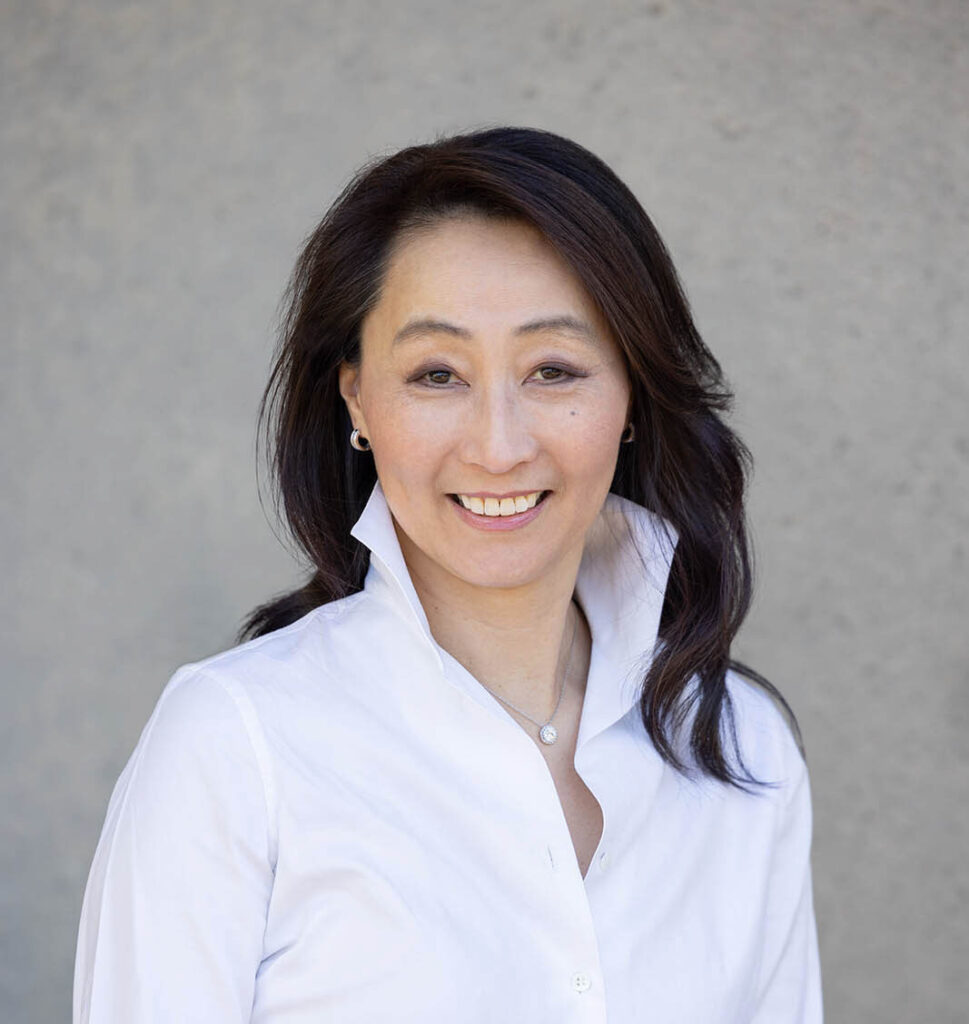
As founding principal of Michael Van Valkenburgh Associates, Inc. (MVVA), with offices in New York City and Cambridge, Van Valkenburgh has designed a wide range of project types ranging from intimate gardens to full-scale urban design undertakings. Some of his recent projects include Brooklyn Bridge Park in New York City, the Lower Don Lands in Toronto, and the Monk’s Garden at the Isabella Stewart Gardner Museum in Boston. Most recently, the firm has been commissioned to design the landscape for the Obama Presidential Center in Chicago and master plan the 308-acre Dorothea Dix Park in Raleigh. MVVA has received numerous design awards, including ASLA Firm of the Year in 2016 and the Brendan Gill Prize from the Municipal Art Society of New York in 2010 for Brooklyn Bridge Park, which is presented annually to the work of art that best captures the spirit and energy of New York City.

Van Valkenburgh was the 2003 recipient of the Smithsonian Institution’s Cooper Hewitt National Design Award for Environmental Design, and in 2010 became the second landscape architect in history to receive the Arnold W. Brunner Memorial Prize from the American Academy of Arts and Letters for contributions to architecture as an art. In 2011 he was named a Fellow of the American Academy of Arts and Sciences, where he is one of only three landscape architects on its roster of members. He is also a Fellow of the American Academy in Rome and the ASLA.

Van Valkenburgh earned a BS in Landscape Architecture from Cornell University and an MLA from the University of Illinois at Urbana-Champaign. In 2008, Yale University Press published Michael Van Valkenburgh Associates: Reconstructing Urban Landscapes, a book on his firm’s work. Van Valkenburgh’s approach to creating landscapes and public spaces has also been featured in a wide range of publications, most notably Art in America and Harvard Magazine .

See selected projects.

Publications About

Articles

Ben van Berkel

Ben van Berkel studied architecture at the Rietveld Academy in Amsterdam and at the Architectural Association in London, receiving the AA Diploma with Honours in 1987.

In 1988 he and Caroline Bos set up an architectural practice in Amsterdam, extending their theoretical and writing projects to the practice of architecture. The Van Berkel & Bos Architectuurbureau has realized, amongst others projects, the Karbouw office building, the Erasmus Bridge in Rotterdam, Museum Het Valkhof in Nijmegen, the Moebius House and the NMR facilities for the University of Utrecht.

In 1998 Ben van Berkel and Caroline Bos established a new firm: UNStudio (United Net). UNStudio presents itself as a network of specialists in architecture, urban development and infrastructure.

Current projects include the design for Doha’s Intregrated Metro network in Qatar, the Raffles City mixed-use development in Hangzhou and the Canaletto Tower in London.
With UNStudio he realized amongst others the Mercedes-Benz Museum in Stuttgart, Arnhem Central Station in the Netherlands, the façade and interior renovation for the Galleria Department store in Seoul, the Singapore University of Technology and Design and a private villa up-state New York.

Ben van Berkel has lectured and taught at many architectural schools around the world. Currently he holds the Kenzo Tange Visiting Professor’s Chair at Harvard University Graduate School of Design. Central to his teaching is the inclusive approach of architectural works integrating virtual and material organization and engineering constructions.

Jose Luis Vallejo

Jose Luis Vallejo is founding member of ecosistema urbano, a Madrid based group of architects and urban designers operating within the fields of urbanism, architecture, engineering and sociology.  Ecosistema urbano’s approach is defined as urban social design, by which they understand the design of environments, spaces and dynamics in order to improve the self-organization of citizens, social interaction within communities and their relationship with the environment. Ecosistema urbano has used this philosophy to design and implement projects in Norway, Denmark, Spain, Italy, France and China.

Jose Luis Vallejo has lectured and has been a visiting professor in many of the most important institutions and universities worldwide like: Harvard, Yale, UCLA, Cornell, Iberoamericana, RIBA, Copenhagen, Bergen, Munich, Paris, Milan, Shanghai, Madrid, Buenos Aires, Santiago… From 2003 he is Professor at the Architecture Department, Madrid School of Architecture.

In 2005 ecosistema urbano received the European Acknowledgement Award from the Holcim Foundation for Sustainable Construction (Geneva, 2005). In 2006, they were awarded the prize of the Architectural Association and the Environments, Ecology and Sustainability Research Cluster (London, 2006). In 2007 they have been nominated for the European Union Prize for Contemporary Architecture Mies van der Rohe Award “Emerging European Architect” and received the AR AWARD for emerging architecture in London, selected between more than 400 teams from all around the world. In 2008 ecosistema urbano received the first prize NEXT GENERATION AWARD from the Arquia Próxima Foundation and in 2009 the Silver Award Europe from the Holcim Foundation for Sustainable Construction selected between more than 500 teams, later being nominated as a worldwide finalist.

During the last four years their work has been covered by more than 100 media (national and international press, television programs, and specialized publications) from 30 countries, and their projects have been exhibited at multiple galleries, museums and institutions (The Venice Biennale of Architecture, “Le Sommer Environnement“ in Paris, Milan Spazio FMG, Seoul Design Olympics, Louisiana Museum of Modern Art in Copenhagen, Boston Society of Architects, Matadero Madrid, Círculo de Bellas Artes in Madrid, Society of Architects of Madrid and Barcelona, Design Museum in London, Deutsches Architektur Zentrum in Berlin, Oslo National Museum, Pavillon de l’Arsenal in Paris…)

Since 2007 the team is involved in research projects on the future paths of urban design called “eco-technological cities”, financed by the Spanish Ministry of Industry. In parallel, they have created a digital platform that develops social networks and manage online channels around the subject of creative urban sustainability (ecosistemaurbano.org).

At the moment, they are working on several urban proposals for different cities and their most recent projects include the new experimental education building for the Reggio Children Foundation in Reggio Emilia (Italy), the design of an interactive public space for the Shanghai World Expo, an experimental urban playground in Dordrecht (Netherland), the “Ecopolis Plaza” a waste to resources building and public space on the outskirts of Madrid and the “Dreamhamar” project to design the urban centre of Hamar in Norway through an innovative open source process to empower public participation and collective creativity.


Matthew Urbanski

Urbanski teaches courses in plants in design and site ecology. Since 1989, he has worked at the New York office of Michael Van Valkenburgh Associates, where he is currently a Principal. As lead designer on many of the firm’s large public projects, Urbanski explores the ways in which urban public landscapes interact with other urban forces to enhance and expand the experience of city life.

His latest work involves large-scale urban landscapes, including Brooklyn Bridge Park and Hudson Park & Boulevard in New York City, and North Grant Park in Chicago. Completed projects include Union Square North, Segment 5 of Hudson River Park, and Teardrop Park in New York City, as well as Hoboken Pier C, Allegheny Riverfront Park, the Vera List Courtyard, the General Mills Corporate Headquarters Entry Landscape, and the Pucker Garden.

Adam Tanaka

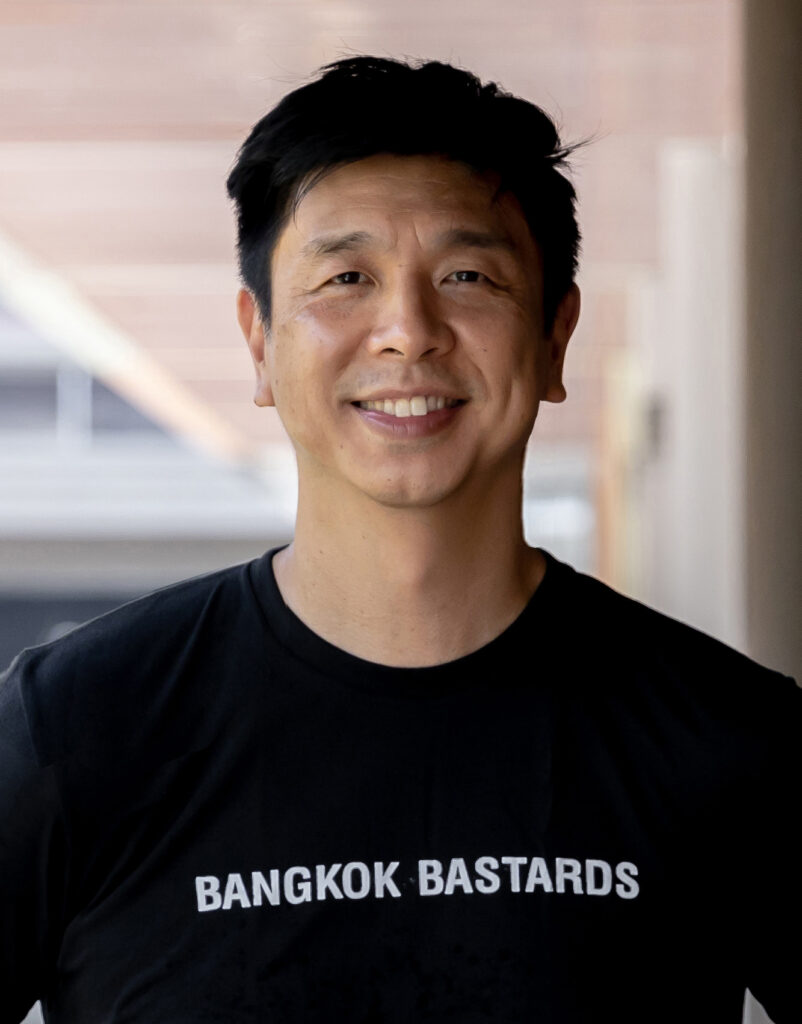
Adam Tanaka is an urban planner and educator. His research, teaching and professional practice focus on the challenges and opportunities of public-private real estate development, with a particular emphasis on affordable housing in U.S. cities.

Adam is a Senior Analyst at HR&A Advisors, an industry leader in economic development, real estate and urban policy consulting. Adam’s work at HR&A has included negotiation support, financial analysis, economic and fiscal impact analysis, organizational design and economic development strategy on behalf of public and private clients, including the Battery Park City Authority, the New York City Economic Development Corporation, the Urban Redevelopment Authority of Pittsburgh and Sidewalk Labs.

Prior to joining HR&A, Adam received his Ph.D. in urban planning from Harvard University, where his research focused on the history of large-scale, middle-income housing in New York City. Adam’s doctoral work was supported by the Joint Center for Housing Studies, the Radcliffe Institute for Advanced Study and the Harvard Horizons scholarship program. While at Harvard, Adam served as a teaching fellow for courses ranging from planning theory to real estate finance and helped launch an urban innovation summer program in partnership with the City of Paris. In 2014, he received a Certificate of Distinction in Teaching for his work on the undergraduate course “Designing the American City.”

Over the course of his doctoral studies, Adam also worked for the New York City Department of City Planning and the New York City Housing Development Corporation, analyzing the City’s Transferable Development Rights programs and contributing to the underwriting of affordable housing preservation deals. He also served as a student organizer of the Boston Affordable Housing Development Competition, an annual program pairing graduate students with non-profit housing developers in the Boston area.

Adam’s writing, filmmaking, and civic art projects have been published by the Boston Globe, CityLab, Crain’s New York, the Journal of Urban History, Slate and the Van Alen Institute, among others. Originally from London, England, Adam is a Fellow of the Urban Design Forum and currently serves on the Program Committee for Open House New York, a non-profit organization that promotes public access to off-limits urban spaces.


Lectures

Private Projects, Public Ambitions: Large-Scale, Middle-Income Housing in New York City

Harvard Horizons, May 2018


Essays

Historians for Housing: Excavating the Past to Advocate for the Future

Journal of Urban History, July 2019

Co-op City: How New York Made Large-Scale Affordable Housing Work

CityLab, January 2019

Yes, There Is Room to Build More Housing in New York City (with Mathias Altwicker and Nicholas Bloom)

Crain’s New York, September 2017

Reviving the Large-Scale Approach: A Manifesto for New York City (with a response by Carl Weisbrod)

Harvard Real Estate Review, May 2017

Fiduciary Landlords: Life Insurers and Large-Scale Housing in Postwar New York City

Working Paper, Harvard Joint Center for Housing Studies, April 2017

Neighborhood Change and the Right to the City

Metropolitics, March 2016

Lily Song

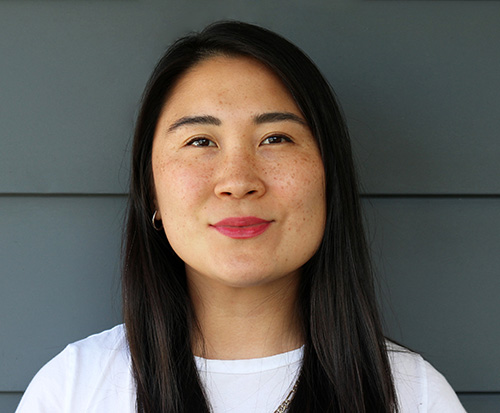
Dr. Lily Song is a Lecturer in Urban Planning and Design and Senior Research Associate with the Transforming Urban Transport-Role of Political Leadership (TUT-POL) project at the Harvard University Graduate School of Design (GSD).

Her research focuses on the relations between urban infrastructure and redevelopment initiatives, sociospatial inequality, and race, class, and gender politics in American cities and other postcolonial contexts. It takes what are often depoliticized, technically-formulated infrastructural issues such as urban transport, food markets and distribution systems, and building energy efficiency, and foregrounds social, political, and economic factors that fundamentally shape their planning and governance. Her work seeks to reveal dominant ideologies and logics of infrastructural development, formal and informal structures of decision making, and racialized, classed, and gendered dimensions of provision, access, and contestation. It further explores infrastructure-based mobilizations and experiments that center the experiences and insights of historically marginalized groups as bases for more inclusive and democratic planning, development, and value creation.

As part of the Transforming Urban Transport-Role of Political Leadership research team at the Harvard GSD, Dr. Song has investigated how and why transport investments that are intended to enhance public transit and non-motorized transport may be intensifying inequities of urban mobility and access in many cities. This entails assessing equity trade-offs in distributive and processual terms as well as interrogating the relationship between transport policies and urban redevelopment projects. It also includes exploring how public transit goals might be better integrated with alternative urban land use, housing, and economic development templates. One line of research on gender and mobility further investigates the challenges and opportunities of decarbonizing urban transport from the perspectives of women, girls, and femme-identified people in rapidly urbanizing contexts of Southeast Asia and sub-Saharan Africa.

From 2013-2015, Lily Song was a Provost Fellow with University College London’s Department of Science, Technology, Engineering, and Public Policy, where her research investigated efforts by local Indonesian governments to engage forms of urban informality in building resilient food distribution systems and decarbonizing urban transport in the wake of the Asian Financial crisis and politico-institutional decentralization. In particular, she closely studied how policies could incorporate the needs, knowledge, and practices of informal vendors and operators with “formal” planning apparatuses to enable more diffuse and responsive diagnostic and troubleshooting capacities at the local and regional scale as well as more democratic claims to urban space.

She holds a PhD (2012) in Urban and Regional Planning from MIT, where her dissertation, entitled “Race and Place: Green Collar Jobs and the Movement for Economic Democracy in Los Angeles and Cleveland,” focused on the analysis of two community-based green economic and workforce development projects aiming to build shared wealth and stabilize poor, inner city neighborhoods in the wake of the subprime mortgage and global financial crisis. Building on the history of racial stratification and environmental injustice at the heart of historic urban formations in each city-region along with then present efforts by city leadership to institutionalize urban sustainability, the research explored how the respective progressive urban coalitions put green-collar jobs, racial inclusion, and economic transformation at the center of their efforts.

Prior to entering the planning field, Lily was a community organizer with the Asian American Drug Abuse Program (AADAP) in South Los Angeles. There she helped mount community mobilizations against environmental injustices (i.e. under-access to green open spaces, recreational resources, and culturally-responsive health services, and overexposure to liquor stores and drug criminalization) through youth leadership development and cross-racial coalition building. She is a proud LA daughter and alumna of California public schools.

Andres Sevtsuk

Andres Sevtsuk is an Associate Professor of Urban Planning at the Harvard Graduate School of Design, with deep technical expertise in spatial analytics and urban technology. His research interests include urban design and spatial analysis, urban mobility, real estate economics, transit and pedestrian oriented development and spatial adaptability. Andres holds a PhD from the Department of Urban Studies and Planning at MIT, where he also worked with William J. Mitchell as a researcher in the Smart Cities group at the MIT Media Laboratory. He has collaborated with a number of city governments, international organizations, planning practices and developers on urban designs, plans and policies in both developed and rapidly developing urban environments, most recently including those in Indonesia and Singapore. He is the author of the Urban Network Analysis toolbox, which is used by researchers and practitioners around the world to study coordinated land use and transportation development along networks. He has led various international research projects; exhibited his research at TEDx, the World Cities Summit and the Venice Biennale; and received the President’s Design Award in Singapore, International Buckminster Fuller Prize and Ron Brown/Fulbright Fellowship. He was previously an Assistant Professor of Architecture and Planning at the Singapore University of technology and Design (SUTD), and a lecturer at MIT.

Peter Rowe

On leave for Spring 2026

Peter Rowe is the Raymond Garbe Professor of Architecture and Urban Design and Harvard University Distinguished Service Professor. Rowe served as Dean of the Harvard University Graduate School of Design from 1992 to 2004, Chairman of the Urban Planning and Design Department from 1988 until 1992, and Director of the Urban Design Programs from 1985 until 1990. Prior to Harvard, Rowe served as the Director of the School of Architecture at Rice University from 1981 to 1985 and also directed many multi-disciplinary research projects through the Rice Center, where he was Vice President from 1978 onwards, and at the Southwest Center for Urban Research.

Rowe’s research and consulting are extensive, diverse, and international in scope, including subjects dealing with matters of cultural interpretation and design, as well as the relationship of urban form to issues of economic development, historic conservation, housing provision and resource sustainability. He has served as a principal investigator on projects sponsored by a wide range of U.S. government agencies, and has served as an advisor to a number of cities on matters of urban design and planning including Beijing, Guiyang, Guangzhou, Kunming, Shanghai, Suzhou, Wuhan and Wenzhou in China; Incheon in South Korea and Barcelona in Spain. He was also a board member of several prominent cultural and academic institutions, like the Center for Canadian Architecture and the Cities Programme of the London School of Economics, as well as on the board of several companies involved in low-cost housing provision and the use of environmentally sustainable technologies.

A recognized critic and lecturer in the field of architecture and urban design, in addition to numerous articles, Rowe is the author, co-author, or editor of thirty-one books: Principles for Local Environmental Management (1978); Urban Watershed Management: Flooding and Water Quality (1979); Design Thinking (1987); Making a Middle Landscape (1991); Modernity and Housing (1993); Civic Realism (1997); Projecting Beirut (1998); L’Asia e il Moderno (1999); Modern Urban Housing in China: 1840-2000 (2001); Architectural Encounters with Essence and Form in Modern China (2002) Shanghai: Architecture and Urbanism for Modern China (2004); East-Asia Modern: Shaping the Contemporary City (2005); Building Barcelona: The Second Renaixença (2006); A City and Its Stream: The Cheonggyecheon Restoration Project (2010); Emergent Architectural Territories in East Asian Cities (2011); Methodological Notes on the Spatial Analysis of Urban Formation (2013); Urban Intensities Contemporary Housing Types and Territories (2014); Clear Light: The Architecture of Lauretta Vinciarelli (2014); China’s Urban Communities: Concepts, Contexts and Well-Being (2016); The Mumbai Metropolitan Region and Palava City (2017); Design Thinking in the Digital Age (2017); When Urbanization Comes to Ground (2019); A City in Blue and Green: The Singapore Story (2019), Urban Blocks and Grids: A Brief History, Technical Features and Outcomes (2019); Rio Ciudad, Monterrey: Space Production, Ecology and Culture (2019); Korean Modern: The Matter of Identity (2021); An Early Modern View: Cartography and Qianlong’s Plan of Beijing (2021); Chinese Modern: Episodes Backwards and Forwards in Time (2022); Southeast Asian Modern: From Roots to Contemporary Turns (2022); Design Thinking and Storytelling in Architecture (2024); The Metabolism of Settlement Coexistences (2024); and Space, Time and Circumstances (2026).